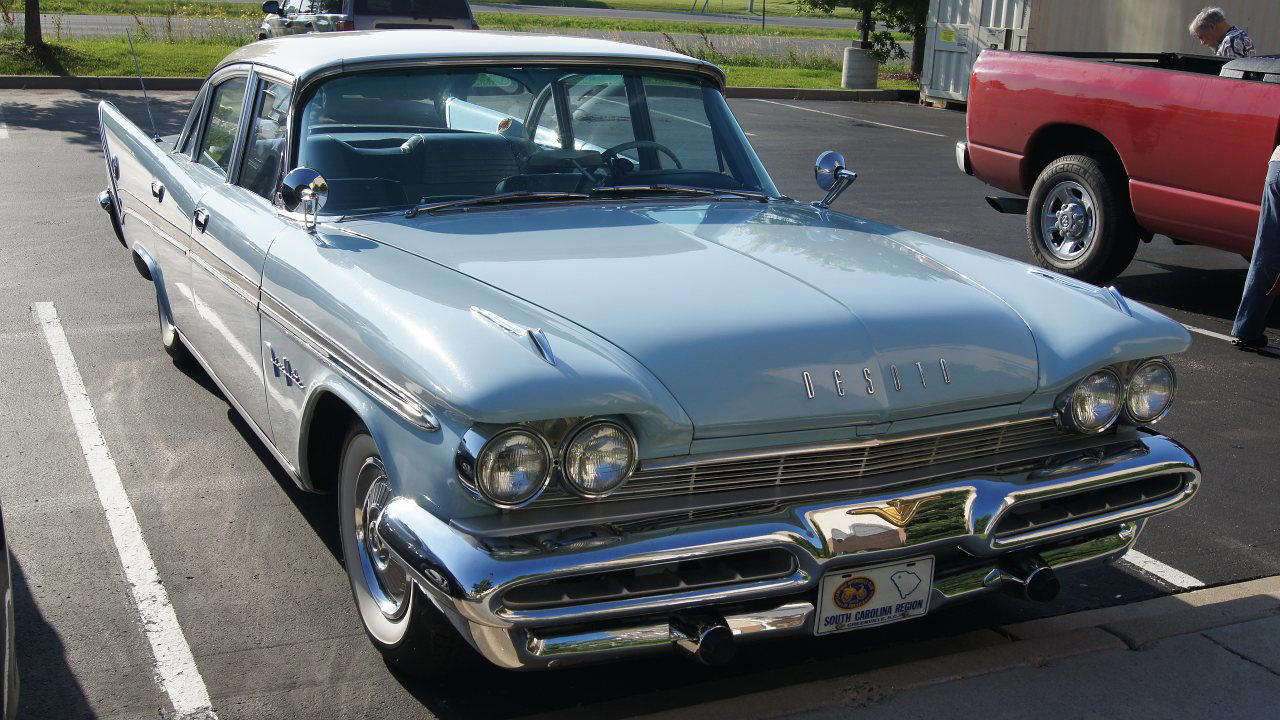
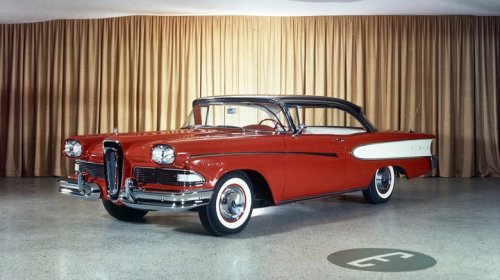
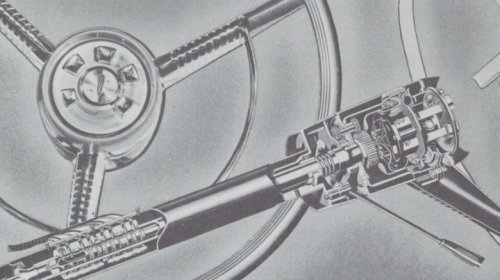
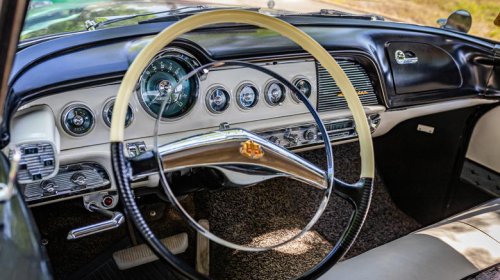
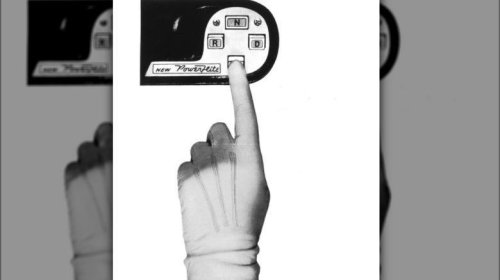
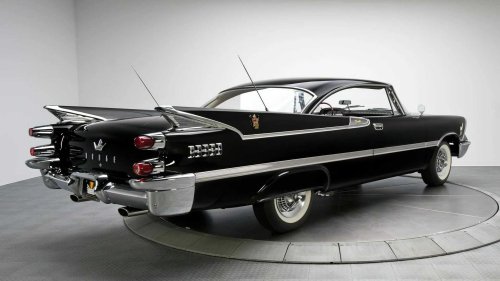
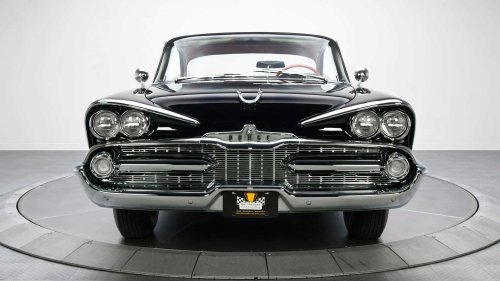
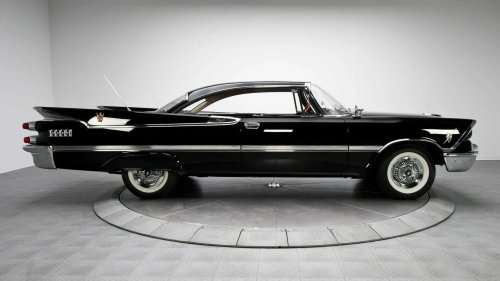
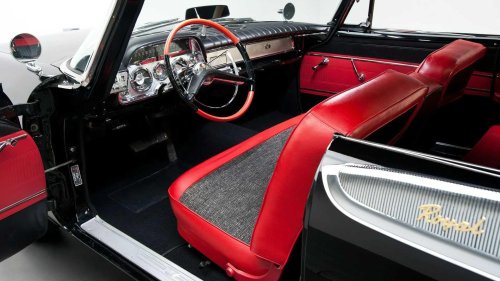
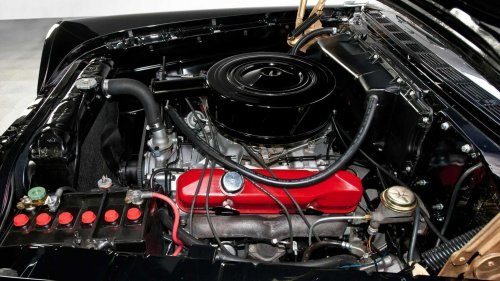
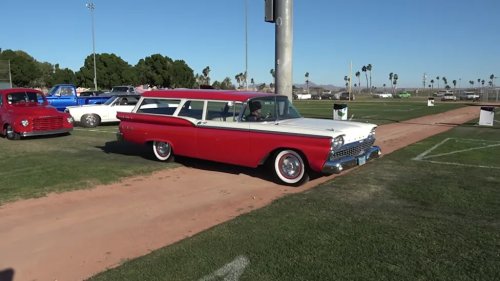
DeSoto’s 1959 Fireflite leaned hard into style just before time ran outThe 1959 DeSoto Fireflite arrived dressed to impress just as its parent brand was running out of road. With towering fins, chrome-laden sides, and a cabin full of space age flourishes, it leaned into style and spectacle even as rumors swirled that Chrysler might pull the plug on DeSoto. The result was a car that looked like the future while quietly marking the end of an era. From premium flagship to endangered species The Fireflite did not start life as a doomed swan song. When design chief Virgil Exner’s “Forward Look” ideas began reshaping Chrysler’s lineup in the mid 1950s, the Fireflite was introduced in 1955 as the top trim package of the DeSoto Firedome and quickly became the premium DeSoto model. It was wider and longer than the Firedome, with more power and more visual drama, which helped position it as the brand’s prestige offering within Chrysler’s hierarchy. That strategy initially worked. Sales of the Fireflite and its siblings surged, with DeSoto production rising to 114,765 cars in 1955. The Fireflite’s bold design increased sales for DeSoto, and the car’s success briefly suggested that the division had found a clear identity as a stylish, performance-leaning alternative within the corporation. Yet the same appetite for yearly styling changes that made the car a hit would also help push the brand toward trouble by the end of the decade. Virgil Exner and the Forward Look The Fireflite’s visual personality was inseparable from Chrysler’s design leadership. The Fireflite’s appearance for 1957 was redesigned with the help of Chrysler head stylist Virgil Exner, who pushed the company toward lower rooflines, longer bodies, and dramatic fins. Those 1957 cars were lower, wider, and more flamboyant than their predecessors, and they set the stage for the even more extravagant 1959 update. Exner’s philosophy treated the whole car as a moving sculpture. Side trim, roof contours, and tailfins were meant to flow together, not sit as isolated details. The Fireflite carried that thinking to the showroom, with sweeping lines that made even a parked sedan look like it was already in motion. By the late 1950s, that language had become central to DeSoto’s identity as a brand that sold style and performance in equal measure. 1959: fins, flash and a last big push If the 1957 redesign was dramatic, the 1959 Fireflite was unapologetically extravagant. Contemporary descriptions of a 1959 DeSoto Firedome or Fireflite highlight its extravagant fins, dazzling chrome, and a profile that captured the optimistic spirit of late 1950s automotive design. The Fireflite shared that basic body with the Firedome but layered on more trim, more brightwork, and more visual cues that signaled its place at the top of the DeSoto lineup. From the front, the 1959 Fireflite greeted buyers with eyebrow-topped dual headlights and a thin horizontal grille that stretched across the nose. A massive chromed bumper with two mini Dagmars sat below, giving the car a face that mixed jet age aggression with upscale flash. Along the sides, stainless spears carved up the bodywork and visually extended the car’s already considerable length, while the rear quarters rose into tall fins capped with jewel-like taillamps. Inside, the Fireflite continued the theme. Swivel front seats were available across DeSoto’s 1959 range, turning the act of getting in and out into a small theatrical moment and reinforcing the car’s status as a fashionable object. Instrument panels favored sweeping shapes and bright trim, and the overall effect was closer to a midcentury living room than a utilitarian cockpit. Under the skin: Torsion Aire and big power The 1959 Fireflite was not only about style. Underneath the skin, Chrysler’s Torsion Aire suspension used front torsion bars in place of traditional coil springs. That setup gave the big DeSotos flatter cornering and a more controlled ride on rough roads, and enthusiasts often point out that the chassis dynamics of these cars were better than their flamboyant appearance might suggest. Power came from Chrysler’s big V8 family. A 1959 DeSoto Firedome or Fireflite was typically equipped with a 38 series wedge head V8, and period fact sheets note that the B Series Wedge Head V 8 goes to 383 cubic inches for that model year. In Fireflite trim, that meant strong midrange torque and relaxed highway cruising, which suited the car’s role as a luxury performance vehicle marketed to buyers who wanted both comfort and speed. Earlier in the decade, the Fireflite had been praised for its blend of performance and refinement, and by 1959 those mechanical foundations were still solid. The problem was not that the cars were uncompetitive on the road. It was that the market around them was shifting in ways that styling and horsepower alone could not fix. From sales success to sagging demand When DeSoto launched the Fireflite in 1955, the division enjoyed one of its best years, with 114,765 cars built. The Fireflite’s bold design increased sales for DeSoto and briefly put the brand on a growth trajectory. Yet by the late 1950s, the situation had changed. The recession was hammering the mid priced market, and internal competition inside Chrysler’s own portfolio made it harder for DeSoto to justify its slot between Dodge and Chrysler. Rumors abounded that Chrysler would drop DeSoto, which were denied but still hurt sales. Even as a mildly restyled car was introduced for 1959, many buyers hesitated to commit to a brand they feared might disappear. The 1959 Fireflite arrived into that atmosphere, with its fins and chrome fighting not just rival models but doubts about the company’s long term future. By 1960, those doubts proved well founded. DeSoto car production ended in November 1960, and the brand’s final lineup would be simplified and stripped of its earlier series designations. For 1961, DeSoto lost its series designations entirely in a move reminiscent of Packard’s final lineup, a sign that the corporation no longer saw value in sustaining multiple distinct sub brands in a shrinking market. How the Fireflite tried to stand apart Within this tightening environment, the Fireflite leaned even harder into its role as a luxury performance offering. Enthusiasts recall that it was marketed as a luxury performance vehicle, blending high end features with powerful engines and the optimistic spirit of 1950s America. That positioning aimed squarely at buyers who might otherwise have considered Buick, Oldsmobile, or Mercury. Design flourishes helped. The rocket ship side trim of earlier 1956 and 1957 Fireflites evolved into the more complex sculpting of 1959, but the idea remained the same: this was not a plain family sedan. Details like the mini Dagmars on the front bumper and the dramatic fin formed by the side spear gave the car a theatrical presence that even some contemporaries from General Motors lacked. The Fireflite also served as a showcase for features that Chrysler wanted to promote across its brands. Torsion Aire suspension, swivel seats, and push button controls for the automatic transmission all appeared in DeSoto advertising as proof that the company was on the cutting edge of comfort and convenience. The Fireflite’s role as the premium DeSoto model meant it often received these features first or in more lavish form. A last hoorah for DeSoto Club historians often describe 1959 as the last hoorah for DeSoto. Starting the year with the Drivea DeSoto sales campaign, the division pushed its full lineup of Firesweep, Firedome, Fireflite, and Adventurer models, hoping that fresh styling and aggressive marketing could reverse the slide. The Fireflite sat near the top of that family, sharing showroom space with the even more performance focused Adventurer. Yet the forces working against DeSoto were structural. The mid priced field was crowded, and Chrysler’s own Dodge and Chrysler brands were increasingly overlapping it in size and equipment. As the recession squeezed buyers, many opted either for cheaper compacts or for established premium badges, leaving DeSoto in a shrinking middle ground. Within that context, the 1959 Fireflite can be read as a determined, almost defiant statement. Its extravagant fins and glittering chrome were not subtle responses to a cautious market. They were an attempt to make the car impossible to ignore, to turn style into a weapon against economic gravity and corporate consolidation. The Fireflite in today’s collector world Decades later, the 1959 Fireflite has found a second life among collectors who appreciate its combination of style and scarcity. A 1959 DeSoto Firedome or Fireflite is often described as a rolling summary of late 1950s automotive design, with its extravagant fins, dazzling trim, and long low stance. Surviving examples, especially convertibles, are prized for their rarity and for the way they encapsulate a specific moment in American car culture. Video tours of restored Fireflite convertibles, such as those filmed at events like the Chrysler Nationals in Carile Pennsylvania, show how much presence these cars still have in person. The long deck, high fins, and heavy chrome catch the light in ways that photographs do not fully convey, and the swivel seats and push button controls still draw crowds of curious onlookers. Parts support has also improved as specialist suppliers document specifications for classic cars like the 1959 DeSoto Fireflite. Catalogs and guides highlight the design and innovation that went into the car, describing it as a symphony of midcentury styling cues and a blend of sportiness and elegance. That ecosystem makes it easier for owners to keep these complex, heavily trimmed cars on the road. How history remembers the Fireflite Looking back, the Fireflite occupies a complicated place in Chrysler history. On one hand, its early success in 1955, when DeSoto production reached 114,765 units, showed that bold design could transform a division’s fortunes. The Fireflite’s bold design increased sales for DeSoto and briefly gave the brand a clear identity as the stylish, performance oriented member of the Chrysler family. On the other hand, the same emphasis on yearly styling escalations contributed to rising costs and quality challenges, and the market’s eventual turn toward smaller, more conservative cars left DeSoto exposed. Rumors that Chrysler would drop DeSoto, which were denied but still hurt sales, show how fragile that success had become by the end of the decade. For enthusiasts, the 1959 Fireflite is often remembered less as a business case and more as a cultural artifact. It crystallizes the optimism and excess of late 1950s America, from its fins and Dagmars to its Torsion Aire ride and 383 cubic inch B Series Wedge Head V 8. It is a car that tried to outrun corporate fate with sheer visual drama, and in doing so, it created one of the most distinctive shapes of its era. A stylish finale to a fading brand DeSoto’s story did not end with the Fireflite, but by the time the brand reached its simplified 1961 lineup, the exuberance of 1959 had given way to a more restrained, almost resigned look. For 1961, DeSoto lost its series designations entirely in a move reminiscent of Packard and Packa in their final days, a clear sign that the brand was being wound down rather than reinvented. More from Fast Lane Only Unboxing the WWII Jeep in a Crate 15 rare Chevys collectors are quietly buying 10 underrated V8s still worth hunting down Police notice this before you even roll window down