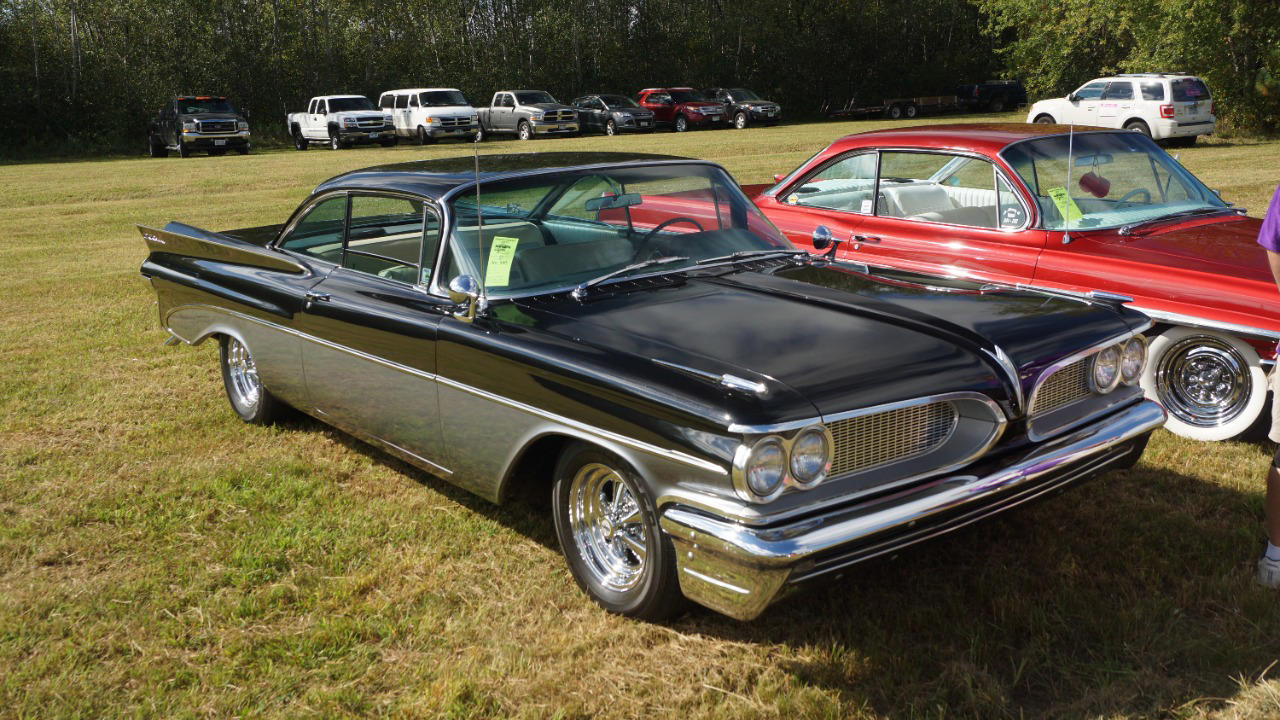
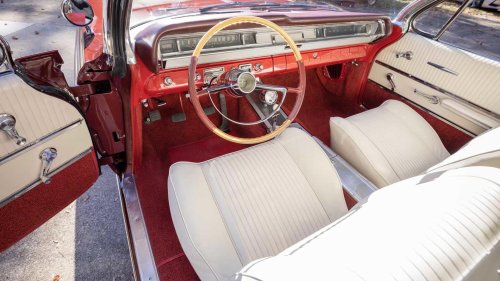
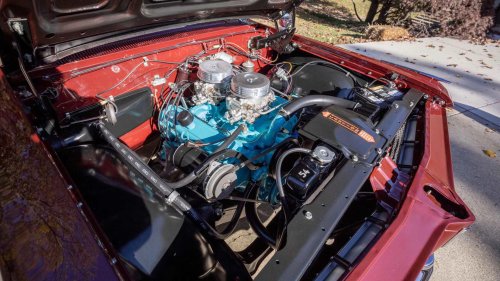
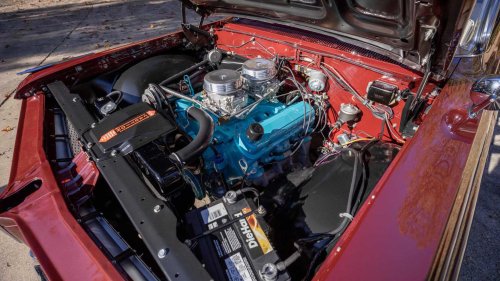
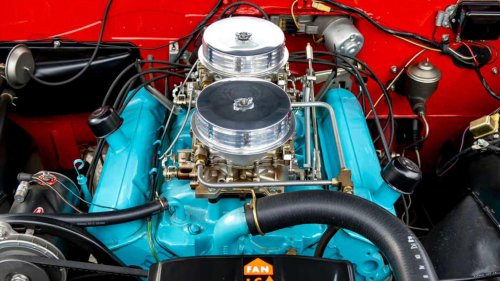
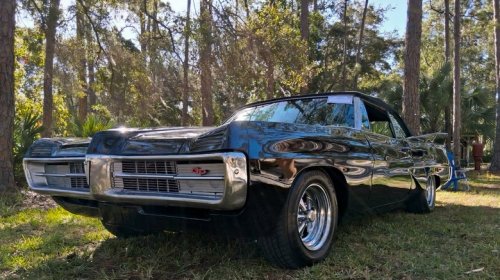
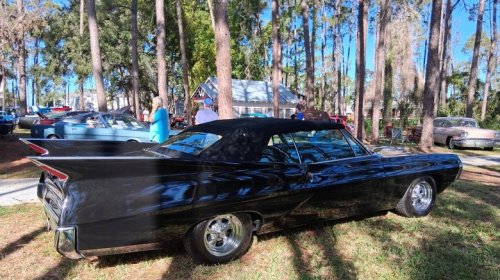
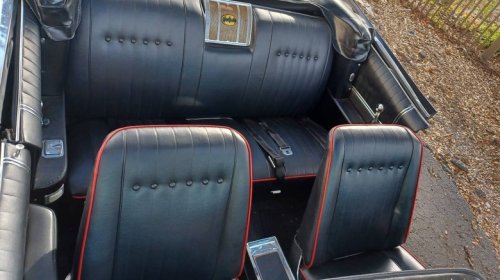
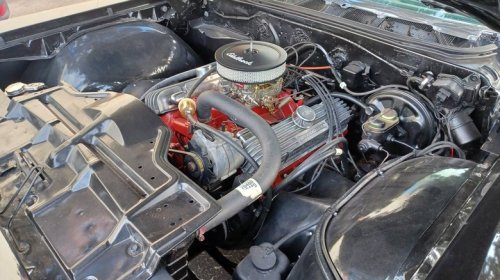
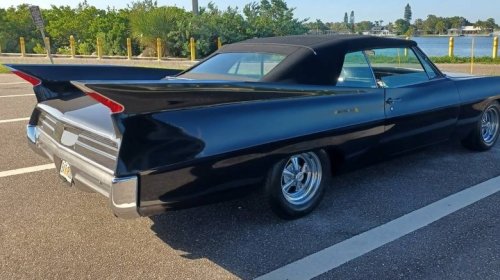
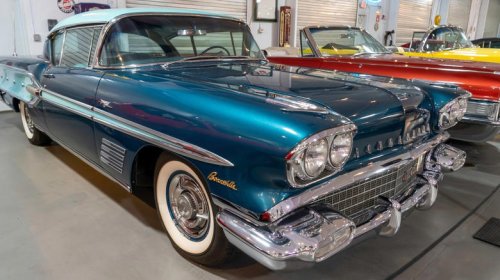
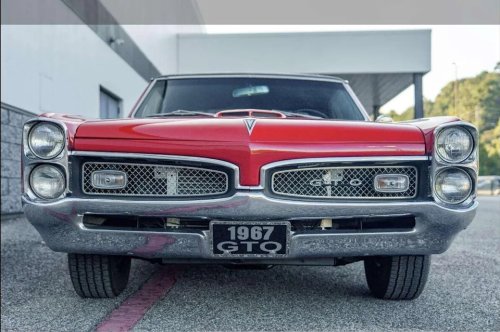
Why the 1959 Pontiac Catalina signaled a performance futureThe 1959 Pontiac Catalina arrived at a moment when American cars were growing larger, lower, and more extravagant, yet it pointed Pontiac in a different direction. Beneath the chrome and fins, it signaled a turn toward serious performance that would shape the division through the 1960s muscle era. By combining dramatic styling, new chassis engineering, and accessible V8 power, the Catalina previewed the identity Pontiac would pursue for the next decade. Pontiac at a crossroads in 1959 By the late 1950s, Pontiac had a reputation for solid but conservative cars that appealed more to families than enthusiasts. Inside General Motors, the division needed a stronger personality, and performance offered a path forward. In 1959, Pontiac introduced an all-new line that reset its image, a shift that contemporary accounts describe as a major turning point for the division’s overall direction toward speed and style, as seen in detailed histories of Pontiac Motor Division. The Catalina sat at the heart of this strategy. Positioned as Pontiac’s full-size entry model, it gave buyers a lower price point while still offering the same basic chassis and powertrain hardware as the more expensive Pontiac Bonneville. Later enthusiasts have described the 1959 Pontiac Bonneville as bold and innovative, and credit it with helping Pontiac transition toward a performance-oriented brand that would influence the American muscle era, a role that the Catalina shared in more accessible form and that is often highlighted in discussions of the 1959 Pontiac Bonneville. Wide Track engineering and real handling gains The most significant technical change for 1959 was Pontiac’s adoption of a much wider stance. Engineers pushed the wheels outward within the existing body envelope, creating what the company promoted as Wide Track. One detailed examination of a survivor car notes that one of the key changes was a five-inch wider track, which moved the wheels outward to occupy the full space under the fenders and dramatically altered the car’s proportions and handling, a change documented in period correct analyses of the 1959 Pontiac Catalina. That wider footprint gave the Catalina a more planted feel in corners compared with earlier Pontiacs and many rivals. The car no longer looked or behaved like a narrow body perched on tall suspension. Instead, it sat low and wide, with the wheels visually pushed to the corners. Contemporary enthusiasts still describe this Wide Track stance as a groundbreaking feature for the 1959 Catalina Convertible, highlighting how the broader track improved stability and cornering while also reshaping the car’s visual attitude, as seen in discussions of the Wide Track design. This engineering shift mattered because it gave Pontiac a credible foundation for higher-performance engines. A wide, stable chassis could better exploit stronger V8s without feeling unruly, and it allowed Pontiac to market handling as part of its identity rather than relying solely on straight-line speed. Styling that hinted at speed The Catalina’s bodywork matched its mechanical ambitions. The 1959 redesign adopted a long, low profile with pronounced rear fins, jet-inspired details, and a front end that seemed to lean into the wind. Commentators have described the new Pontiac look as a tasteful tribute to America’s fascination with rockets, jets, and speed, a theme that appears in period reflections on Pontiac styling. Within that family, the Pontiac Catalina carried crisp side sculpting and a sweeping roofline on two-door hardtops that visually lowered the car even more. Surviving examples, including a well-preserved two-door hardtop shown by Motorcar Portfolio in Canton, Ohio, illustrate how the car’s long hood and short rear deck proportions foreshadowed the muscle coupe template that would dominate the 1960s, a connection that becomes clear when examining the Pontiac Catalina hardtop. Enthusiast groups often describe the 1959 Pontiac Catalina as “poetry in motion,” emphasizing how its modern lines and dynamic stance captured the imagination of a generation and marked a bold new era for Pontiac. They highlight the way this engineering breakthrough in chassis layout, combined with expressive sheetmetal created a car that looked fast even when standing still, as reflected in tributes to the Pontiac Catalina design. Accessible V8 power and drag strip credibility Under the hood, the Catalina shared Pontiac’s strong V8 engines with its upmarket siblings. Crucially, buyers could now access serious performance without stepping up to the most expensive trim lines. Later accounts of original cars emphasize how a seemingly ordinary Catalina could deliver surprising V8 strength, enough to unsettle rival brand loyalists, as seen in reports that a largely stock example could be a big surprise on its V8 might for Ford fans in discussions of the original gem. Performance-focused buyers could specify multiple carburetion setups and heavy-duty components, turning the Catalina into a formidable street car. Surviving period drag machines show how far owners pushed the platform. One preserved example, presented as a survivor 1959 Pontiac Catalina Tri Power, is described as a straight-up drag car from its early life, complete with radio delete and other weight-saving touches that underline how seriously some enthusiasts treated the car at the strip, as shown in footage of the Tri Power Catalina. This blend of factory muscle and owner tuning created an image of the Catalina as a legitimate performance tool rather than a mere cruiser. That perception fed back into Pontiac’s marketing and product planning, encouraging the division to lean harder into high-output engines and performance options in the years that followed. A full-size car that felt modern Although the Catalina was a full-size car, it did not behave like the softly sprung land yachts that dominated American roads at the time. Enthusiast groups describe the 1959 Pontiac Catalina as an iconic American full-size car that had been transformed into a modern, performance-inspired machine, and they emphasize how this combination of size, comfort, and speed reshaped expectations for the brand, a theme that appears in discussions of the iconic full-size. Inside, the Catalina offered a spacious and luxurious interior that did not conflict with its performance aspirations. Owners could enjoy broad bench seats, generous rear legroom, and upscale trim while still ordering powerful engines and firmer suspension setups. Later commentaries on Pontiac’s 1959 models highlight how this blend of comfort and capability appealed to American buyers who wanted both family practicality and genuine speed, a balance that is often praised in retrospectives on the Pontiac Catalina interior. By proving that a full-size car could feel modern and athletic, the Catalina helped clear the way for later performance sedans and coupes that would shrink slightly in size but follow the same philosophy. Legacy and link to the muscle era Enthusiast communities continue to single out the 1959 Pontiac Catalina as a turning point for Pontiac. They describe it as a full-size car that played a key role in Pontiac’s transition into a more performance-oriented brand, one that resonated strongly with American car buyers of the late 1950s and laid the groundwork for the muscle cars that followed, a connection frequently drawn in discussions of the Pontiac Catalina legacy. That legacy is shared with the Pontiac Bonneville, which enthusiasts credit with helping to define Pontiac’s bold and innovative image in 1959. Together, the Bonneville and Catalina demonstrated that Pontiac could compete on style, handling, and power, not just on price or practicality. Later reflections on the 1959 Pontiac Bonneville emphasize how it helped shape the trajectory of the American muscle era, a role that the Catalina mirrored for buyers who wanted similar performance in a slightly more attainable package, as seen in commentary on the Bonneville’s influence. More from Fast Lane Only Unboxing the WWII Jeep in a Crate 15 rare Chevys collectors are quietly buying 10 underrated V8s still worth hunting down Police notice this before you even roll window down