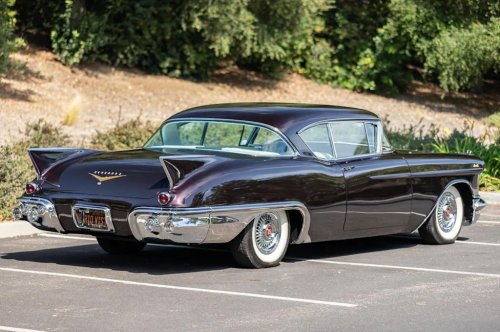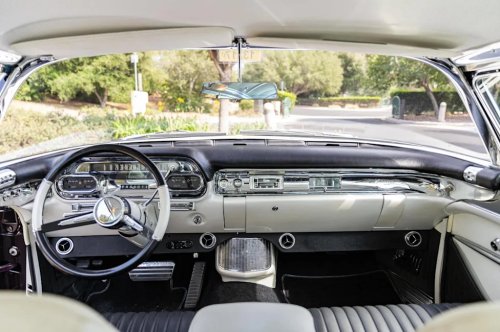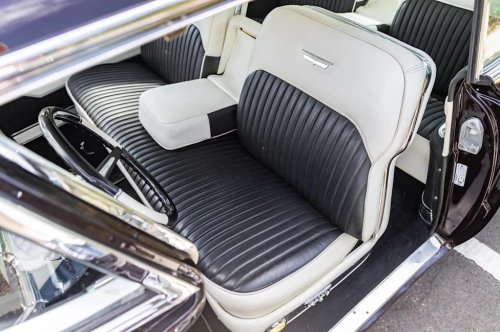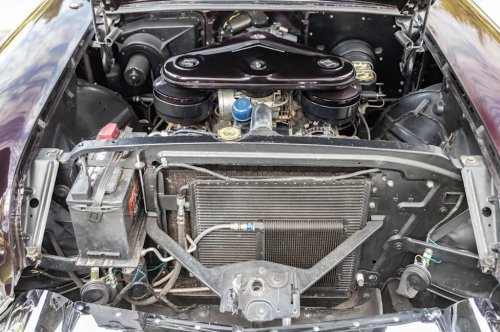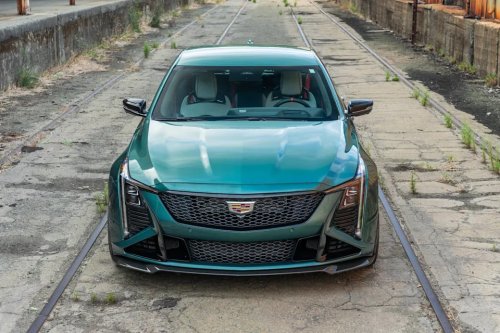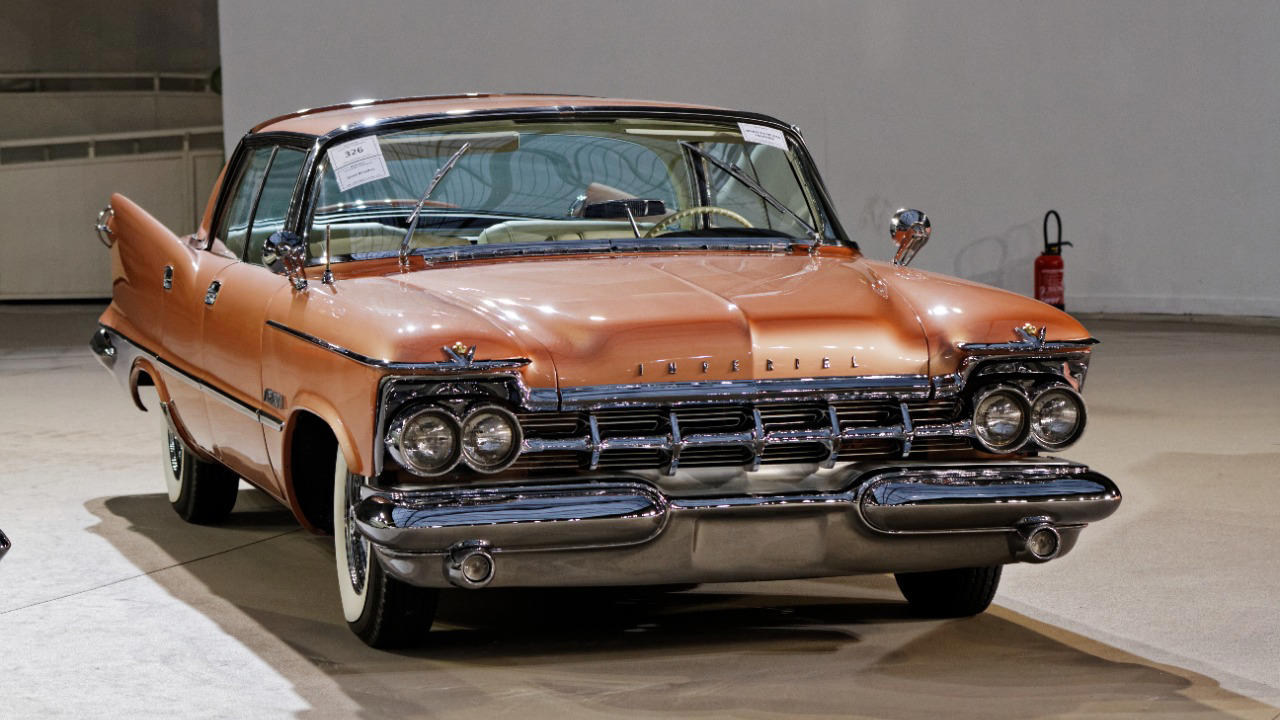



















Why the 1959 Imperial Crown stood apart from CadillacThe 1959 Imperial Crown occupied a strange and fascinating space in American luxury motoring. It competed directly with Cadillac yet followed its own, more extravagant script in design, engineering, and brand identity. At a moment when fins, chrome, and power defined status, the Imperial Crown stood apart as a car that treated luxury as theater as much as transportation. Imperial as a separate marque, not just a Chrysler trim To understand why the 1959 Imperial Crown felt different from Cadillac, it helps to start with the badge on its nose. Unlike Lincoln and Cadillac, which were divisions within Ford and GM, respectively, Imperial operated as a distinct marque that Chrysler positioned as its own luxury brand. Another period account makes the same point, stressing that unlike Lincoln and Cadillac, which were divisions within Ford and GM, Imperial was marketed separately and aimed directly at the top of the market. This separation was more than a marketing flourish. Though marketed as a separate brand from Chrysler at the time, Imperial was engineered and built with all of Chrysler’s innovation and styling power behind it. That structure allowed the company to pour its most ambitious ideas into the Imperial Crown without diluting the more mainstream Chrysler models. Cadillac, by contrast, was the flagship expression of General Motors itself, which encouraged a broader, more conservative appeal. Virgil Exner’s Forward Look and a bolder design language The 1959 Chrysler Imperial Sedan represented the end of Virgil Exner’s celebrated Forward Look design theme, and the Imperial Crown translated that vision into one of the boldest shapes of the decade. Styled under Virgil Exner’s Forward Look philosophy, the Chrysler Imperial Crown emerged as one of Chrysler’s most extravagant creations and one of the boldest expressions of 1950s American luxury. Positioned at the top of Chrysler’s luxury lineup, the Imperial Crown was crafted to showcase sophistication and grandeur. Its dramatic fins, free-standing headlamps, and intricate rear styling embodied a bold, unapologetic sense of style that pushed even beyond what Cadillac offered. The 1959 Cadillac is remembered for its huge tailfins with dual bullet tail lights, and the Cadillac Series 62 turned those fins into a cultural icon, yet the Imperial Crown used a different visual language, one that felt more theatrical and less tied to corporate restraint. The Southampton and special editions are rolling showcases The 1959 Imperial Crown Southampton was a luxurious, high-end model from Chrysler’s Imperial division. With bold Forward Look styling and an interior trimmed to match its exterior drama, the Imperial Crown Southampton became a statement car even in a crowded luxury field. Some versions went further. The 1959 Chrysler Cruisers Imperial Crown 4-Door Southampton Limited Edition Engine used a 413 cu in (6.8 L) Wedge V8 that produced 340 hp (254 kW), a specification that underlined how the Chrysler Cruisers Imperial treated power as part of its luxury brief. Cadillac offered strong V8s of its own, yet Imperial’s willingness to advertise such specific, muscular figures reinforced its image as a driver’s luxury car rather than purely a status symbol. Engineering for the driver, not just the passenger Contemporary enthusiasts often describe the Imperial as an engineer’s car or a driver’s car. One account notes that, although the Cadillac had a great V8 and an excellent ride, the Imperial was always known as an Engineer’s Car and a Driver’s Car, a reputation that hints at priorities beyond soft comfort. Advanced for its time, the Imperial Crown also featured power steering, power brakes, and even optional air conditioning, while Chrysler’s innovative TorqueFlite three-speed automatic transmission with push-button controls gave the Chrysler a futuristic driving interface. Another report highlights that this advanced setup on the Imperial Crown made everyday operation feel special, even compared with other big American cars. Cadillac interiors were luxurious, but their controls and instrumentation tended to be more conventional. Cadillac’s popularity versus Imperial’s rarity In the broader market, Cadillac still defined success. For 1959, the Cadillac Coupe de Ville became one of the most iconic car designs in American history, and the Cadillac Coupe de most popular cars of that year, helping cement Cadillac’s place as the default luxury choice. Imperial moved in smaller numbers. Built in relatively low numbers, the 59 Imperial Crown is rarer than Cadillacs of the same era and, in the eyes of many enthusiasts, even more striking, a perception echoed in coverage of the Built car. That rarity contributes to the Imperial Crown’s mystique today. It was never as ubiquitous as Cadillac, which only sharpens its appeal among collectors who prize distinctiveness over name recognition. Luxury as spectacle inside and out The 1959 Chrysler Imperial Crown Sedan stands as a monument to American automotive extravagance at its peak. As Chrysler’s standalone luxury flagship, the Chrysler Imperial Crown represented luxury at its most expressive, with elaborate brightwork, sculpted sheet metal, and interiors that embraced color and texture. Inside, owners encountered a cabin that combined push-button controls, sweeping dashboards, and generous seating with a sense of mid-century drama. One long-term owner recalls buying a 1959 Imperial with a little over 38,000 miles on the odometer and adding another 6000 with only routine service, describing the mid-model Crown as a standout example of mid-century extravagance and praising the Other details that made the car feel special. Cadillac cabins were sumptuous too, yet Imperial’s combination of futuristic controls and exuberant styling gave it a personality that felt more daring. How history has judged the 1959 Imperial Crown Looking back, enthusiasts often ask if the Chrysler Imperial was a match for Cadillac and Lincoln in the 1960s. Contemporary commentary points out that, unlike Lincoln and Cadillac, which were divisions within Ford and GM, Imperial pursued its own path and that its rarity adds to its appeal as a symbol of American luxury and automotive design. That independence, combined with Virgil Exner’s Forward Look and Chrysler’s engineering ambition, left the 1959 Imperial Crown slightly outside the mainstream. Cadillac Coupe de Ville embodied the popular ideal of success, while the Imperial Crown appealed to buyers who wanted something more individual and more dramatic. In that gap between mass prestige and expressive excess lies the reason the 1959 Imperial Crown still stands apart from Cadillac, not as a lesser rival, but as a different answer to what American luxury could be. More from Fast Lane Only Unboxing the WWII Jeep in a Crate 15 rare Chevys collectors are quietly buying 10 underrated V8s still worth hunting down Police notice this before you even roll window down