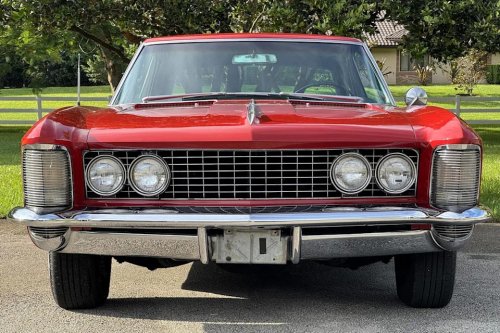
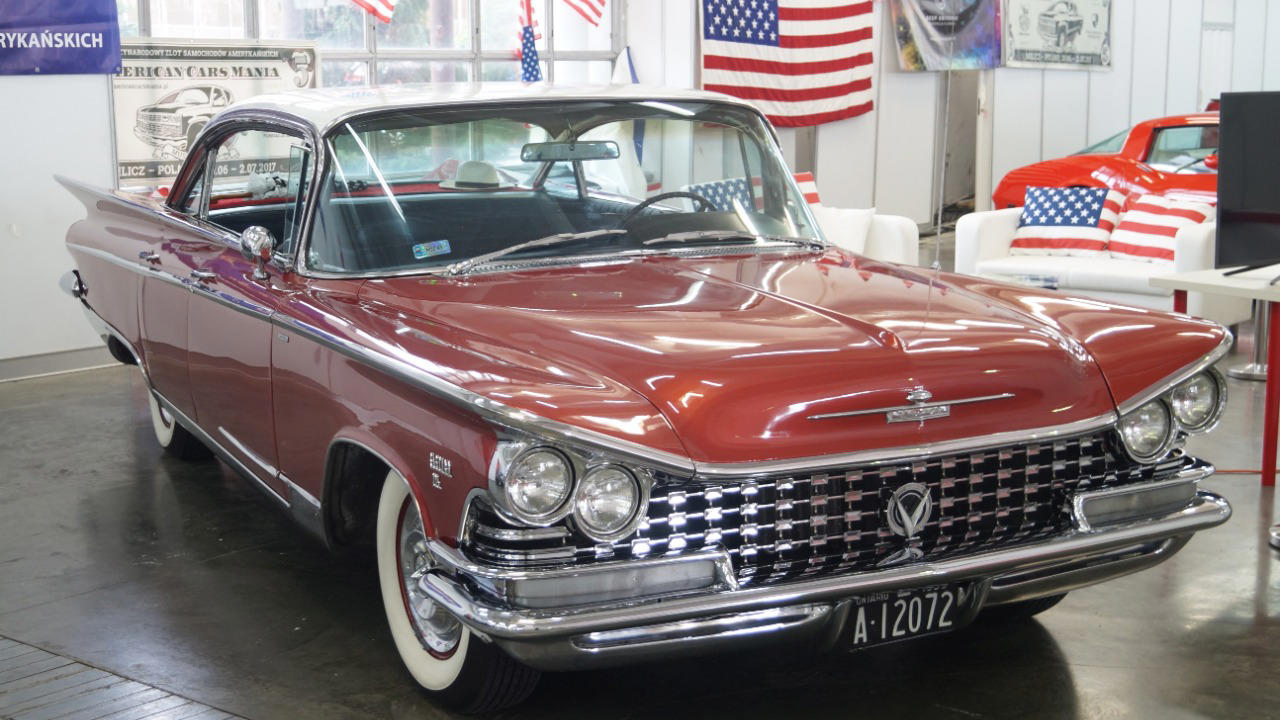
The 1959 Buick Electra 225 delivered luxury but not simplicityIn 1959, the Buick Electra 225 arrived as a rolling monument to American prosperity, a car that measured its success in chrome, fins, and sheer acreage of sheet metal. It delivered comfort, presence, and gadgets in abundance, but anyone looking for simplicity, either in design or ownership, was always going to be disappointed. The Electra 225 was built to impress first and simplify later, if at all. The long, low flagship that stretched the American dream The 1959 Buick Electra 225 did not quietly join Buick showrooms; it took over the top rung of the lineup as the brand’s luxurious flagship. Contemporary descriptions of the Buick Electra highlight what Buick called bold “Delta Wing” styling, with a wide front, a tapered body, and dramatic tailfins that pushed the car firmly into late fifties space age fashion. This was not a conservative sedan for discreet executives. It was a statement that the owner had arrived and expected to be seen doing so. That sense of spectacle was reinforced by size. One enthusiast account of the 1959 Buick Electra 225 notes that at over 18 feet long, the car wore its “225” name, signifying its length, in bold confidence. Another post on the same model repeats the figure and underlines that the 225 badge was not marketing poetry but a literal reference to the car’s overall dimensions, a reminder that this was among the longest Buicks ever sold. The Electra 225 was not just long, it was low, with a stance that made even other big American cars look upright and cautious. In period, that scale matched the mood. A video portrait of the car invites viewers to imagine themselves in America in 1959, with highways expanding and gasoline as cheap as a morning coffee, and frames the Electra 225 as a product of a culture that equated more metal with more success. In that context, the car’s excesses made sense. The American dream was supposed to be big, and the Electra 225 obliged. Luxury as an equipment list, not a philosophy Inside, the Electra 225 followed the same “more is more” logic. Descriptions of the 1959 model highlight that the Electra 225 Convertible was a top of the line luxury cruiser, with deep upholstery and bright trim that aimed to turn the cabin into a mobile lounge. Another detailed breakdown of 1959 Buick Electra features notes that Electra 225 convertibles were trimmed in leather and that Standard Electra features included a horizontal Red-line speedometer and a two-speed electric wiper system. Even the basic instrumentation and controls were designed to look special, not merely to function. The equipment list grew longer with each option. Period literature and later sales writeups describe the 1959 Buick Electra 225 Convertible as “ultimate in long, low” luxury, and surviving cars often carry power windows, power seats, and power antennae on top of the expected automatic transmission and power steering. One dealer description of a restored car points out Bucket seats that provide a sporty touch, with the driver’s seat featuring power adjustment, and notes, with a hint of amusement, that interestingly this Electra 225 convertible layers those features on top of a chassis that already weighs far more than most modern SUVs. Luxury here was additive. The Electra 225 did not simplify the driving experience so much as it padded and powered every interaction. Door glass rose at the touch of a switch, the seat glided electrically, and the Sonomatic AM radio with its optional rear speaker filled the large interior with sound. A video walkaround of one survivor notes that this Buick came complete with its Sonomatic AM radio and optional rear speaker and that overall the interior is in very nice condition, which underlines how central that equipment was to the car’s identity. Styling drama and the “Delta Wing” effect From the curb, the 1959 Buick Electra 2 Door hardtop pushed the late fifties American fascination with fins and space age cues to the edge of excess. A detailed social media post on the Buick Electra 2 Door describes it as a bold statement of late 1950s American automotive design, with sweeping side sculpting and a roofline that appears to float above the glass. The “Delta Wing” theme carried through the rear quarters, where the body narrowed toward large, sharply pointed tailfins that framed the taillights. Fans of the car often focus on those proportions. One enthusiast thread that asks for thoughts on the menacing 1959 Buick Electra 225 highlights the Design of the car, calling out its wide, sweeping body lines and imposing front end. The grille stretches nearly the full width of the car and is packed with brightwork. The quad headlamps sit within sculpted pods that emphasize width even further. From head on, the Electra 225 looks more like a chrome wall than a conventional sedan. Buick’s own positioning of the model reinforces that this was intentional. Another enthusiast summary of the 1959 Buick Electra 225 stresses that it debuted as Buick’s luxurious flagship, and the “Delta Wing” styling was meant to make the car instantly recognizable in traffic. In that sense, the Electra 225 delivered exactly what its designers promised, a car that could not be mistaken for anything else. Complexity under the skin All that drama and comfort sat on a mechanical package that was advanced for its day but hardly simple. Detailed specifications shared through enthusiast groups and linked literature describe the 1959 Electra 225 Convertible as using a 401 cubic inch Wildcat V8, paired with an automatic transmission and power-assisted steering and brakes. A cited specification sheet for the 1959 Buick Electra 225 Convertible, Model 4867, lists 5,493 cars built and an original base price of 3,795.00 dollars, which confirms that this was a relatively low volume, high priced vehicle within the Buick range. Power accessories multiplied the number of systems that could fail. The same specification sources and dealer writeups mention power windows, six-way power seats, power door locks, and complex heating and ventilation controls. Each of those relied on motors, switches, and relays that were state of the art in 1959 but that can challenge modern restorers. The long wiring harnesses that ran the length of the 18 foot body added more potential failure points and made troubleshooting a slow process. Even basic service tasks required more effort. The sheer size of the 401 cubic inch engine, the heavy front clip, and the extensive trim meant that access to some components involved removing large sections of sheet metal or grille. Owners in period could rely on dealer service departments that were familiar with the layout. Modern enthusiasts often rely on detailed guides such as the Buick Electra Convertible Model 4867 documentation to navigate that complexity. Living with 18 feet of Buick Driving and parking a car that stretches beyond 18 feet is an experience that modern drivers rarely encounter. A widely shared description of the 1959 Buick Electra 225 emphasizes that at over 18 feet long it wore its “225” name in bold confidence and calls it a car for drivers who wanted to make a statement. That length translated directly into practical challenges. Parallel parking demanded a large gap and a patient driver. Tight city streets and compact garages were poor matches for the Buick’s turning circle and overhangs. On the open road, owners were rewarded with a ride that many describe as “moving living room” smooth. A later piece on a 1967 Buick Electra 225, titled Sheltered Life In Upstate New York Turned This Buick Electra Into a Time Capsule Billed as a moving living room, shows how the model’s reputation for comfort carried into the next decade. The 1959 car set that template, with soft suspension tuning, a long wheelbase, and thick seats that absorbed bumps. The trade off was body roll in corners and a sense of inertia that discouraged enthusiastic driving. Fuel consumption added another layer of complexity to ownership. While period advertising framed gasoline as cheap and abundant, the combination of a 401 cubic inch V8, a heavy body, and a three speed automatic transmission meant that the Electra 225 used far more fuel than smaller contemporaries. In an era before fuel economy labels, buyers accepted that cost as part of the luxury package. For modern collectors, it is one more factor that separates the Electra 225 from simpler, more economical classics. The convertible as the ultimate expression Within the Electra line, the 225 Convertible sat at the top. Several enthusiast posts describe the 1959 Buick Electra 225 Convertible as a top of the line luxury cruiser and stress that it combined the longest body with an open roof and the richest trim. Another video feature on the Buick Electra Convertible points out that for years Buick had used its Super and Roadmaster lines to represent the very finest cars the brand built, and that the 1959 Electra 225 Convertible effectively took over that role. The convertible top mechanism itself added complexity. Power operation, multiple bows, and extensive weatherstripping created a system that worked beautifully when new but demanded careful maintenance as the car aged. Enthusiast videos that show startup and top operations on surviving Electra 225 convertibles demonstrate how many moving parts are involved in a simple act like lowering the roof. When everything works, the experience is theatrical. When a motor or hydraulic cylinder fails, the repair process can be intricate and expensive. Production figures reinforce how rare these cars were, and how much attention Buick lavished on each one. The detailed Model 4867 summary cited earlier lists 5,493 Electra 225 convertibles built and notes that they represented 1.93 percent of all 1959 Buicks. That tiny share underlines that the convertible was never intended as a mass market product. It was a halo car, and its owners paid for the privilege in both purchase price and ongoing complexity. From Super and Roadmaster to Electra 225 The Electra 225 did not appear in a vacuum. A video feature on the 1959 Buick Electra 225 Convertible explains that for years Buick had used its Super and Roadmaster lines to represent the very finest cars the company offered. By 1959, the Electra 225 took over that flagship position. The shift signaled a change in how Buick wanted to present its top models, with a new name that sounded modern and electric, and styling that left prewar curves behind. That repositioning came with expectations. Buyers who had previously associated the top Buick with names like Super and Roadmaster now found themselves looking at a car that was longer, lower, and more heavily equipped than anything the brand had sold before. The Electra 225 delivered on those expectations in terms of presence and comfort, but it did so by layering technology and size rather than simplifying the formula. In that sense, it reflected a broader American trend toward complexity as a marker of progress. More from Fast Lane Only Unboxing the WWII Jeep in a Crate 15 rare Chevys collectors are quietly buying 10 underrated V8s still worth hunting down Police notice this before you even roll window down



















 +54 others