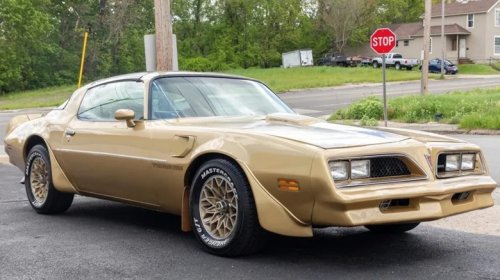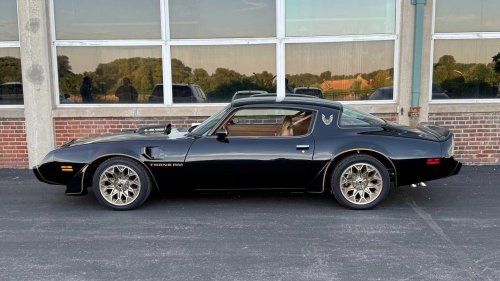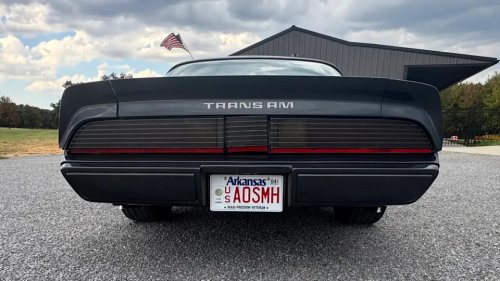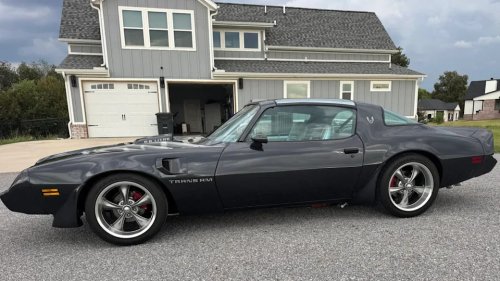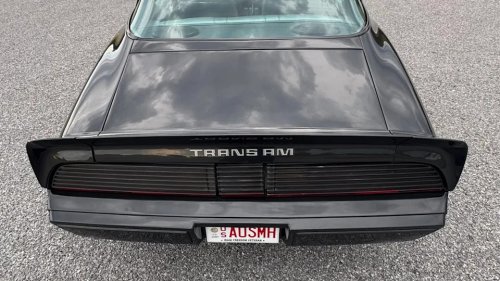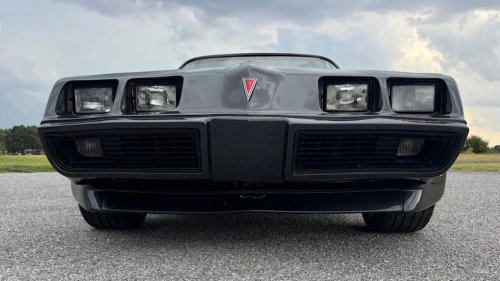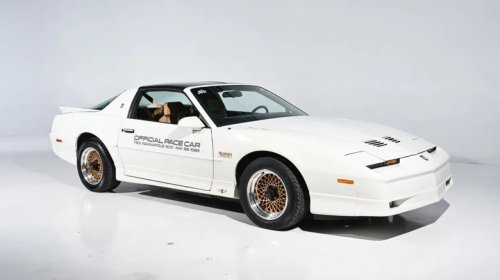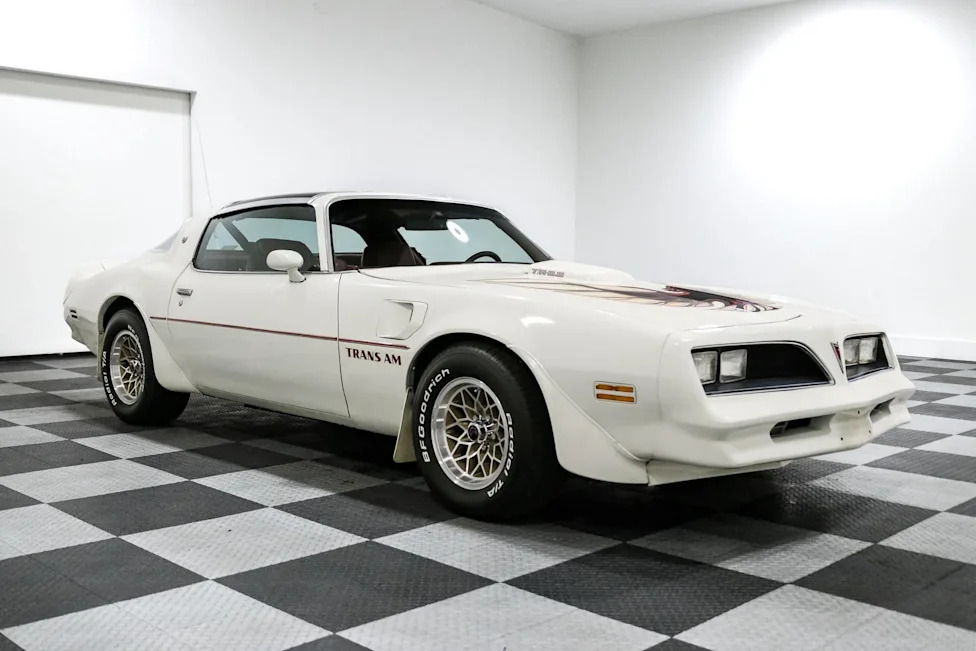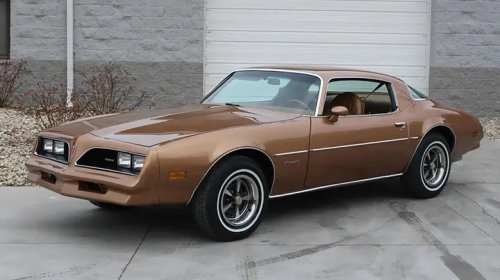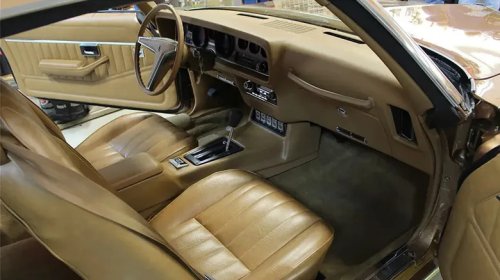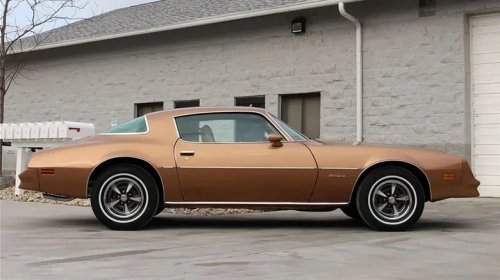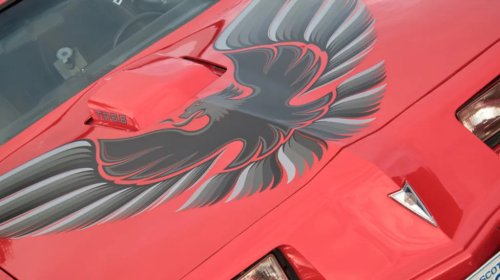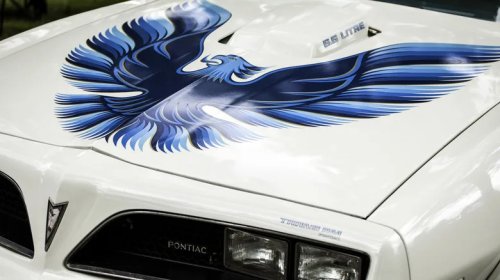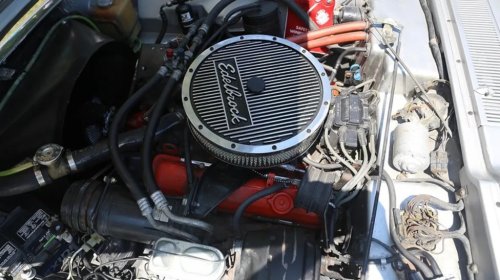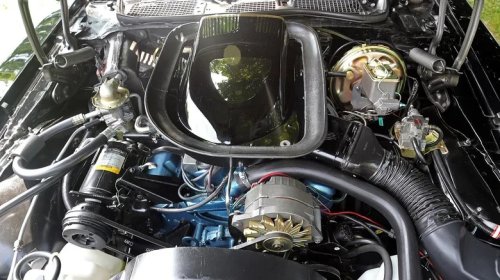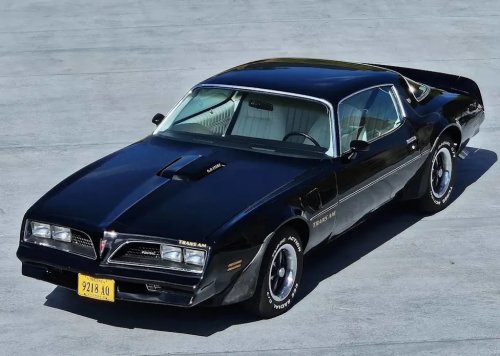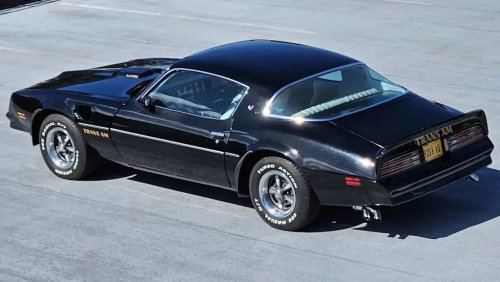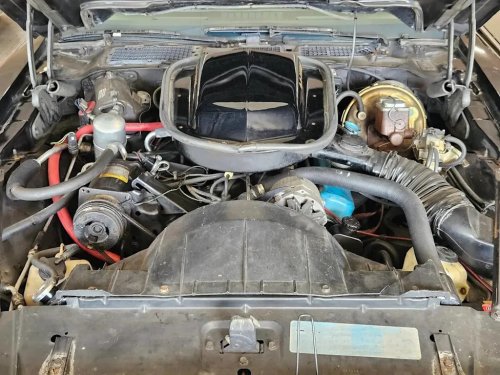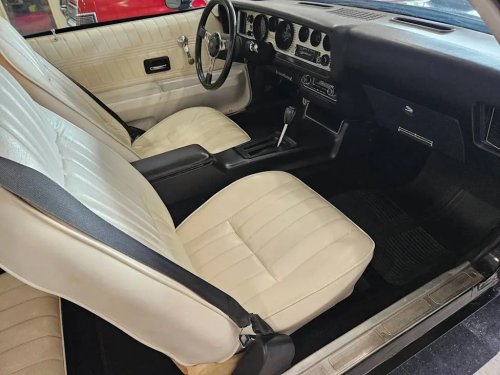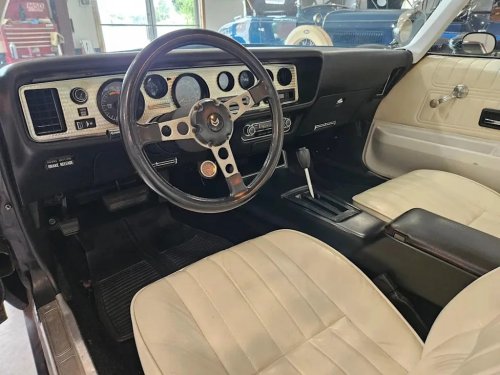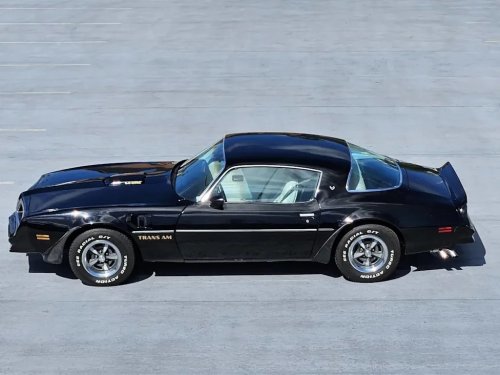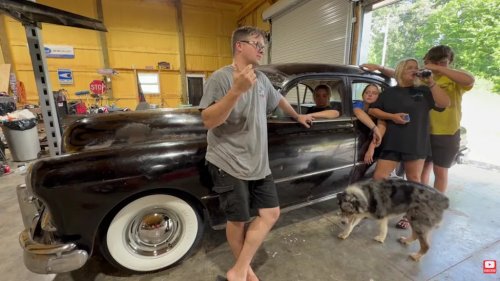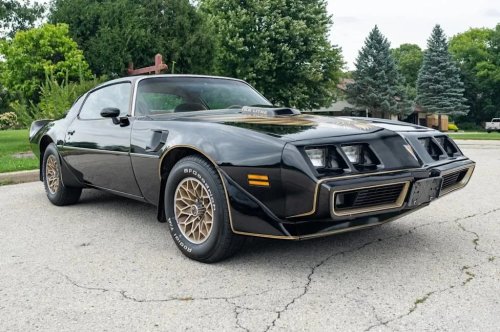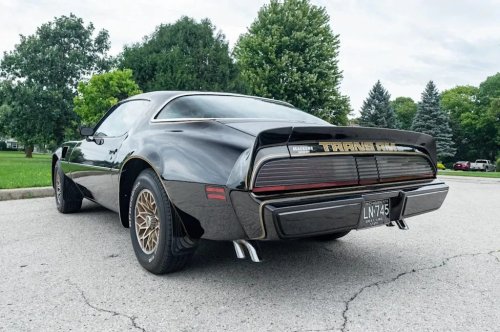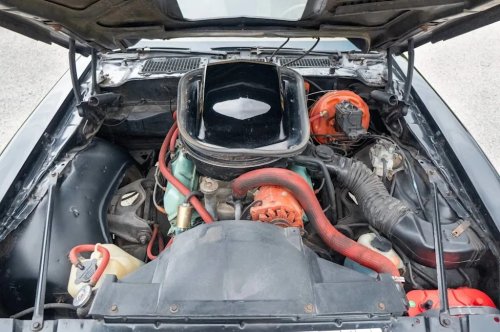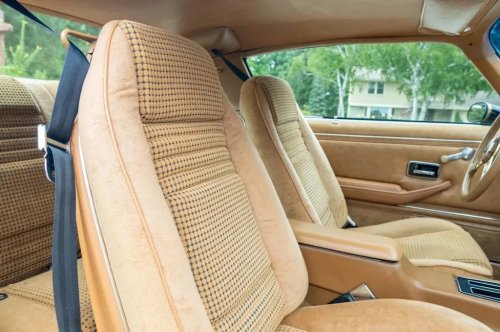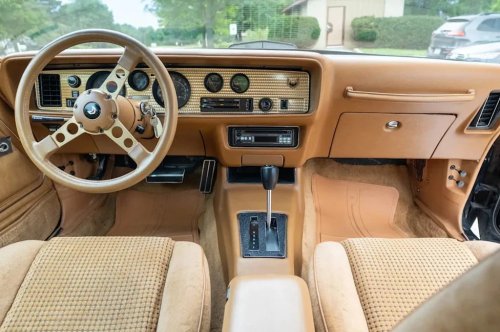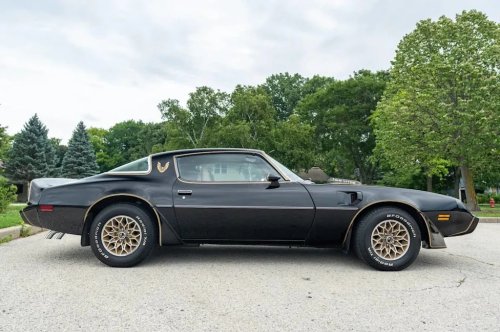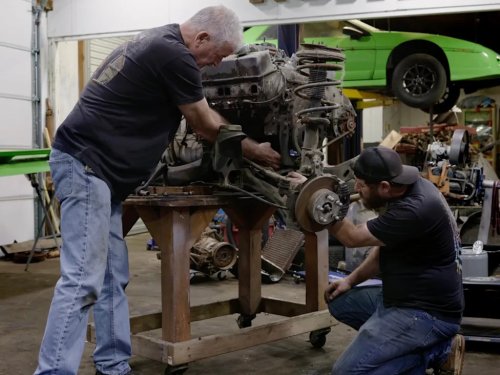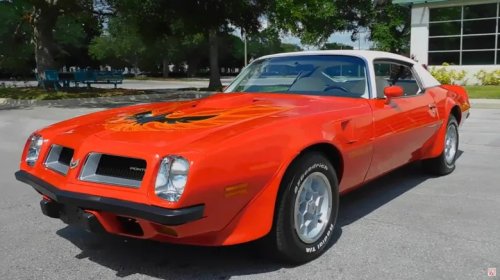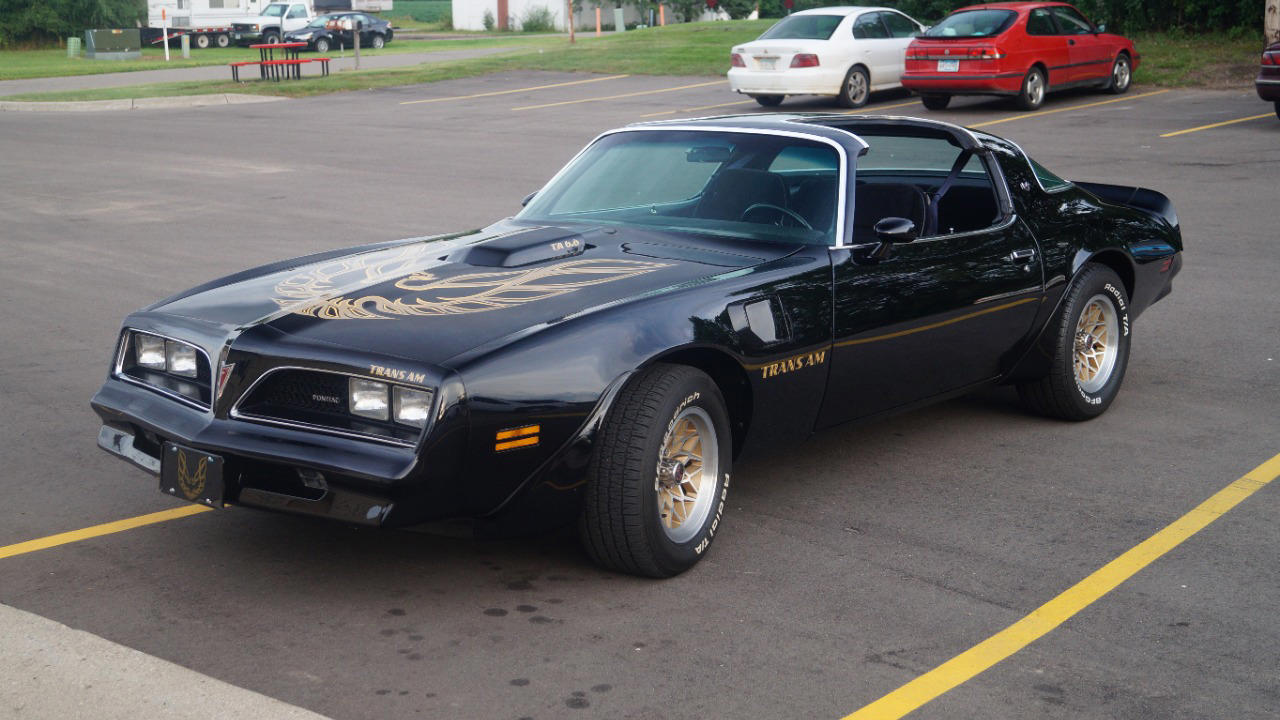



















Why the 1978 Pontiac Trans Am continued its peak popularityThe 1978 Pontiac Trans Am arrived at a strange moment in American car culture. Insurance costs were climbing, emissions rules were tightening, and the original muscle car wave had already crested. Yet the Trans Am, with its screaming chicken hood decal and swaggering attitude, did not fade. It became the late‑seventies performance icon, and its popularity has proved remarkably sticky with collectors and pop culture audiences alike. That staying power was no accident. Pontiac combined sharp styling, credible performance hardware, and a perfectly timed media spotlight to keep the 1978 Trans Am at the center of attention even as rivals stumbled. What happened The Trans Am story begins with the broader Pontiac Firebird line, which had already evolved through several distinct generations by the late 1970s. The second‑generation Firebird, introduced earlier in the decade, traded the clean lines of the original for a more aggressive, aerodynamic shape that would carry the car through 1981. Visual histories of the Firebird show how the model moved from modest pony car to full‑blown street spectacle, with the Trans Am trim at the top of the heap in the late seventies second‑generation Firebird. By 1977, Pontiac had already refined the Trans Am formula. The car wore a deep front air dam, shaker scoop, and the now‑famous hood bird. A Starlight Black Trans Am from that model year, optioned with the Special Edition package, has become a template for how people picture the car, especially in connection with its movie fame. Collectors still chase those black and gold cars, and auction listings highlight their connection to the late‑seventies performance boom and pop‑culture exposure Starlight Black Trans. The 1978 model did not reinvent the Trans Am, but it refined and amplified it. Cosmetically, Pontiac updated the front fascia with four square headlamps and a more sculpted nose, giving the car a sharper, more modern look while retaining the long hood and short deck proportions that buyers expected. Underneath, the big story was the availability and growing reputation of the WS6 Special Performance Package, which bundled upgraded suspension components, quicker steering, and wider wheels and tires to turn the Trans Am from a straight‑line bruiser into a more capable all‑around performer WS6 package. While raw horsepower numbers had fallen from the heights of the late 1960s, Pontiac managed to squeeze respectable performance from its 400 cubic inch V8 within the constraints of emissions regulations. Period road tests often found that the Trans Am could still outrun many contemporary sporty cars, especially when equipped with the higher output W72 version of the 400 and a four‑speed manual transmission. The combination of visual drama and usable speed gave buyers a sense that they were getting a real performance car in an era when that label had become slippery. Culturally, the Trans Am had an enormous tailwind. A black 1977 model had already become a movie star, and that screen presence bled directly into showroom traffic. Pontiac leaned into the image, keeping the flamboyant graphics and loud color combinations alive for 1978 rather than toning them down. The result was a car that felt larger than life, even when parked. Why it matters The 1978 Trans Am sits at the intersection of several key trends: the decline of classic muscle, the rise of personal luxury coupes, and the growing influence of media on car buying. Its enduring popularity reveals how strongly image and narrative can shape a model’s legacy, sometimes more than raw specifications. Performance hardware still played an essential role. The WS6 package, which added components such as stiffer springs, a larger rear sway bar, and specific 15‑inch wheels with performance tires, gave the Trans Am real capability on a twisty road. Later buyer guides point out that WS6 cars, especially those paired with the 400 engine and four‑speed, command a premium because they deliver a noticeably sharper driving experience compared with base models WS6 buyer interest. That dynamic edge helped the car stand apart from competitors that focused more on appearance than substance. At the same time, the Trans Am embraced its role as a rolling spectacle. The massive hood bird, flared wheel arches, and T‑top roof panels turned the car into a mobile billboard for late‑seventies excess. Cultural retrospectives on the Trans Am point to this combination of performance and theater as a key reason why it still resonates. For many enthusiasts, the 1978 model represents the high‑water mark of that formula, with the updated front end and mature WS6 package paired to the full visual drama of the era late‑seventies Trans Am. The car’s current market behavior also shows how nostalgia and condition intersect. One recent example involved a black 1978 Trans Am whose owner expected a big payday, only to receive offers around 2,000 dollars because the car needed significant work. The story illustrates how buyers separate dream cars from project realities, especially when rust, missing parts, or poor maintenance threaten the cost of restoration 2,000 dollar offers. Even with strong overall demand, the market still punishes rough examples. Context from the broader pony car field helps explain why the 1978 Trans Am shone so brightly. Ford’s response at the time included the Mustang II King Cobra, a limited‑run appearance package that tried to inject some performance attitude back into the downsized Mustang. The King Cobra wore bold graphics and spoilers, but its small‑block V8 delivered modest power, and reviewers often criticized its compromised chassis and weight distribution Mustang II King. Against that backdrop, the Trans Am looked and felt more authentic as a performance machine, which fed into its reputation and sales. The Firebird’s internal evolution also matters. Visual surveys of the model line show how the Trans Am variant gradually took over the Firebird’s identity in the public imagination, especially by the late seventies when base models appeared relatively plain next to the top trim Trans Am identity. By 1978, the Trans Am was no longer just a performance option. It had become the face of Pontiac’s sporty image. Pop culture sealed the deal. Enthusiast histories of the Trans Am’s screen roles recount how the car’s movie exposure turned it into a symbol of rebellion and freedom, particularly for audiences who watched a black and gold example outrun authority figures on film movie Trans Am. The 1978 model, so visually similar and arriving right in the wake of that attention, rode that wave directly. For many fans, owning a 1978 Trans Am felt like a way to buy into that story. What to watch next Looking ahead, the 1978 Trans Am sits in a delicate spot in the collector market. It is old enough to carry strong nostalgia for buyers who grew up with the car on posters or in theaters, yet new enough to benefit from relatively modern parts support and drivability. That combination suggests continued interest, but values will likely diverge based on specification and condition. WS6‑equipped cars with original 400 engines and four‑speed manuals are already treated as the sweet spot, and that preference is unlikely to fade. Guides for prospective buyers consistently highlight those configurations as the most desirable, both for driving enjoyment and long‑term collectability desirable WS6 cars. As more of these cars age out of casual use and into long‑term collections, the best examples may see further price separation from automatic or lower‑spec versions. At the same time, the cautionary tale of the rough black 1978 Trans Am that attracted only 2,000 dollar offers shows that not every car will ride the nostalgia wave equally. Rust, missing original components, or poorly executed modifications can drag values down, even for visually striking examples project‑grade Trans Am. Shoppers who want the look without the restoration headaches may gravitate toward driver‑quality cars that have already been sorted, rather than basket‑case projects. More From Fast Lane Only: Unboxing the WWII Jeep in a Crate 15 rare Chevys collectors are quietly buying 10 underrated V8s still worth hunting down Police notice this before you even roll window down