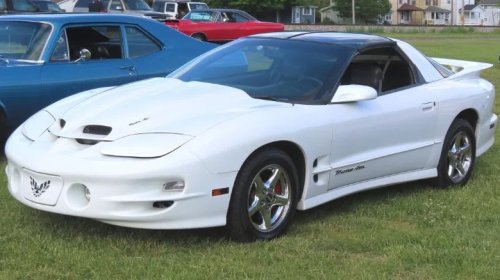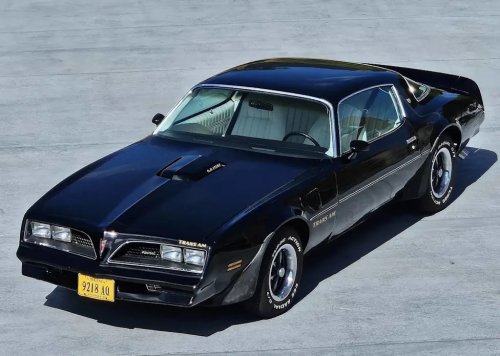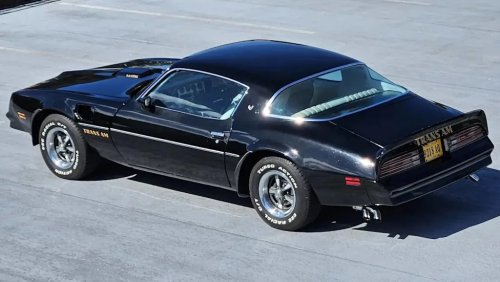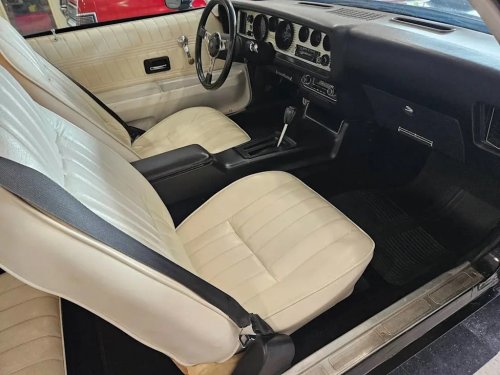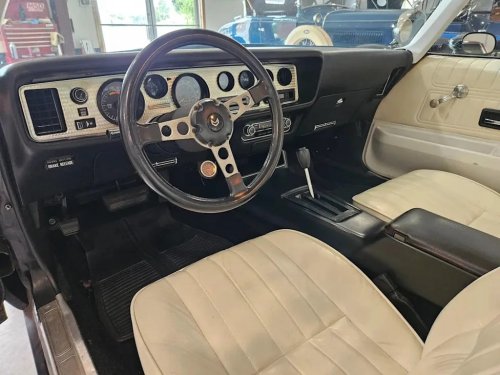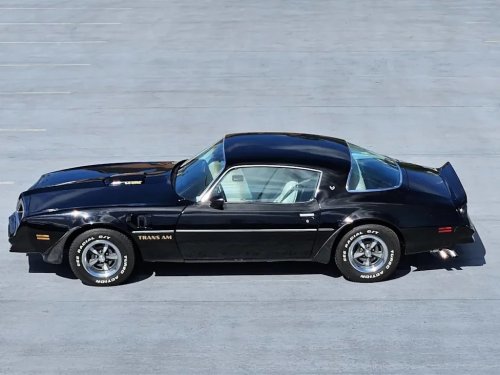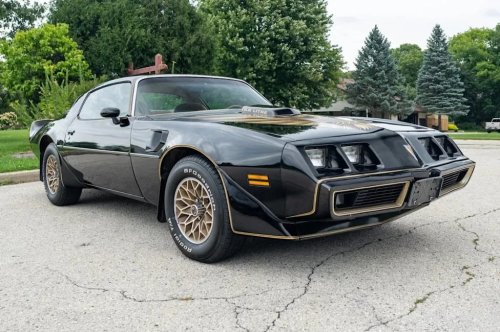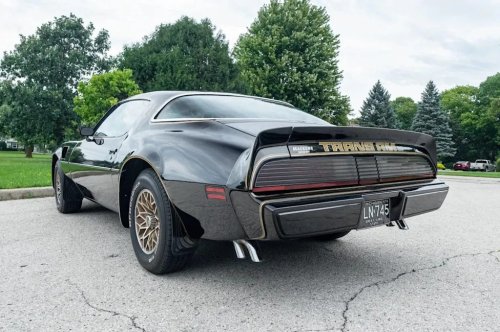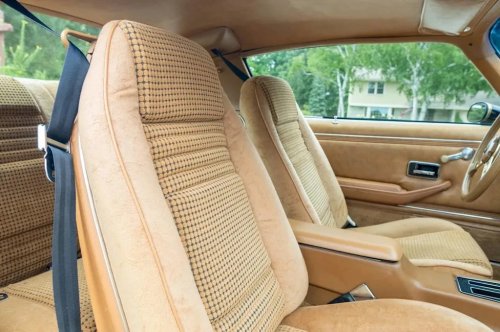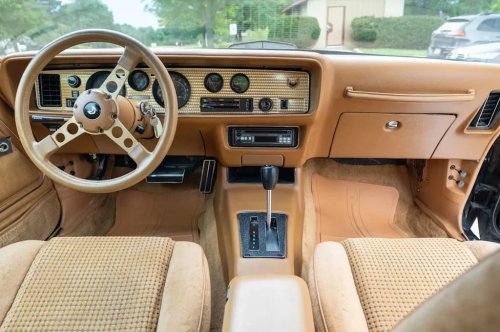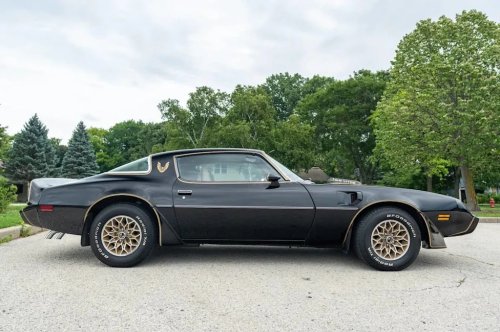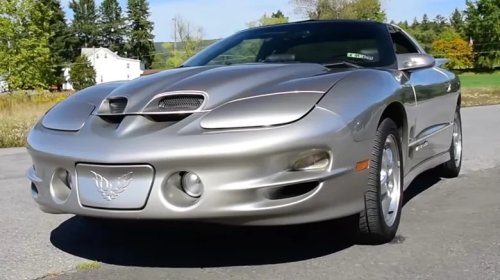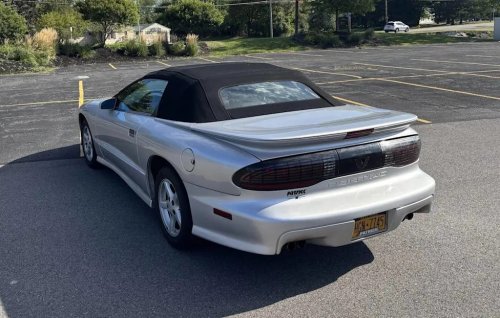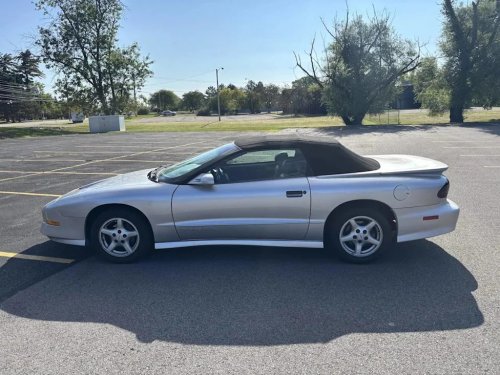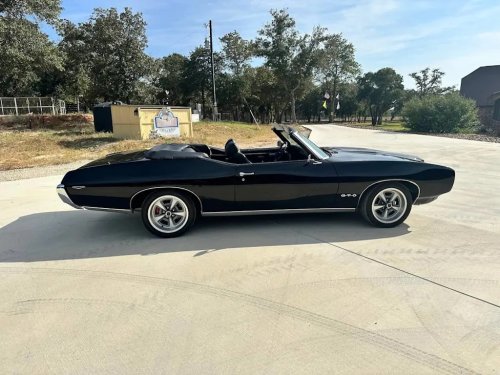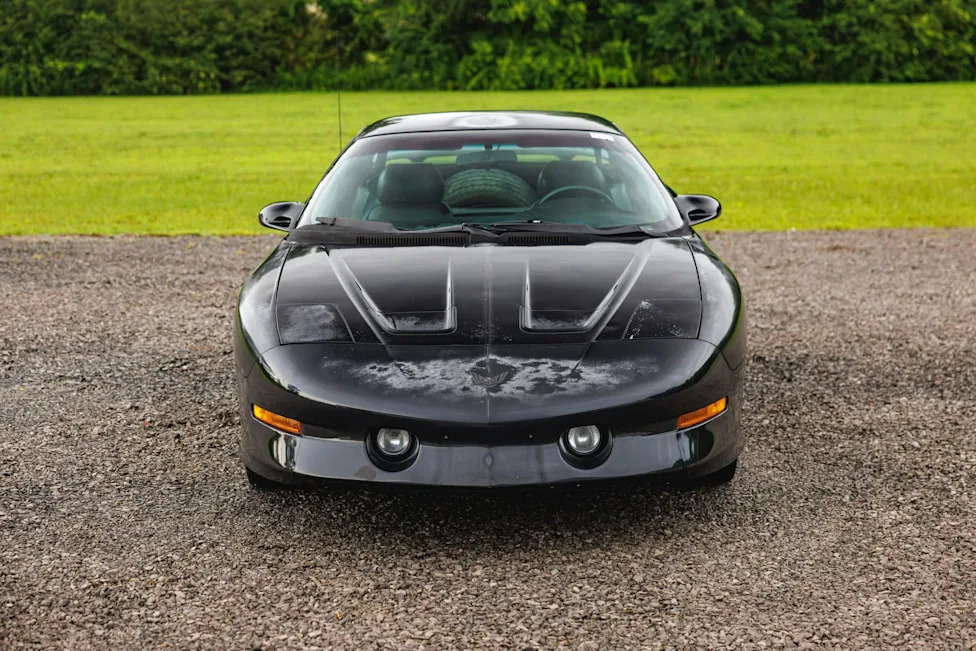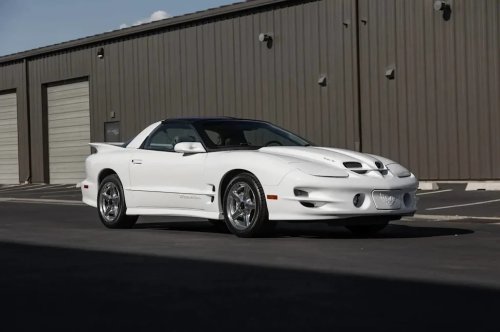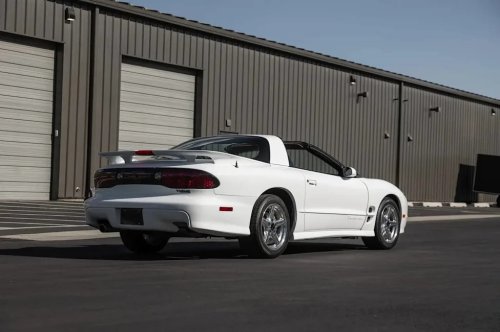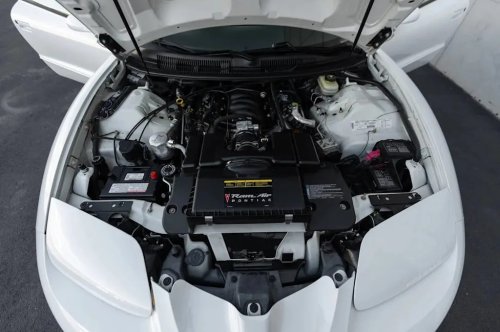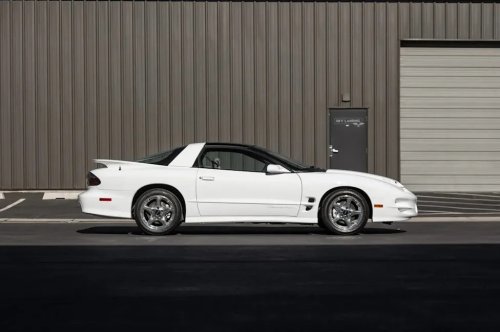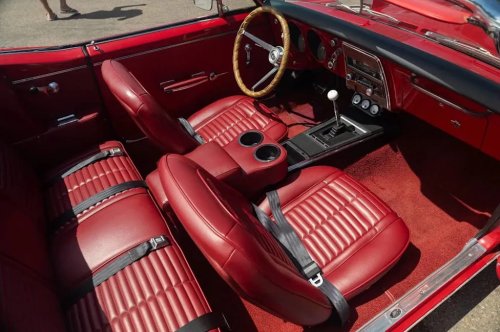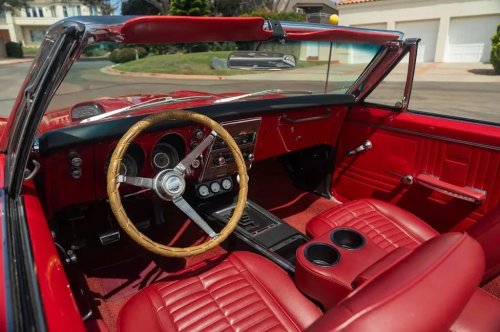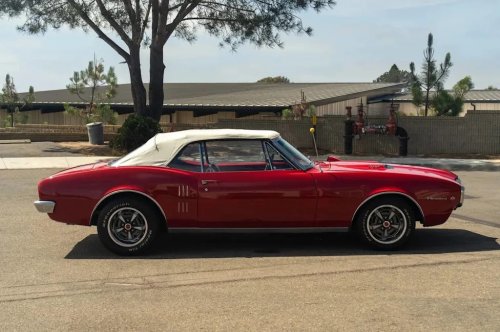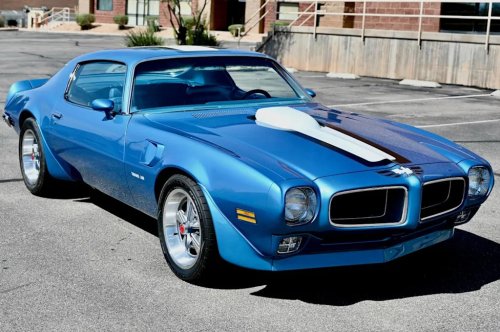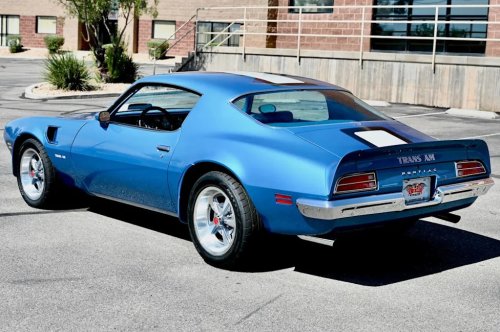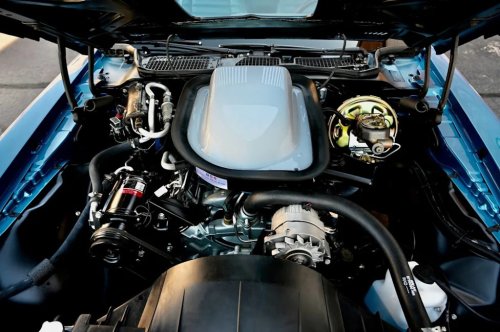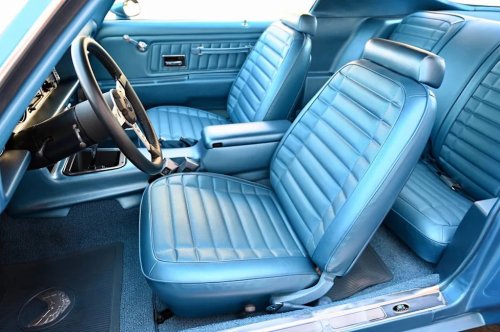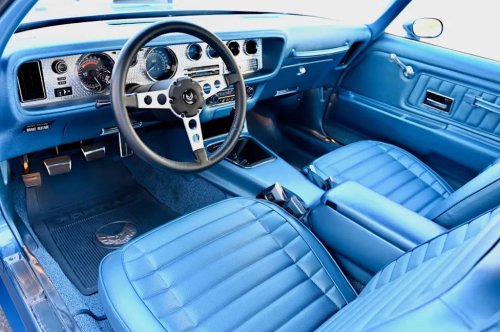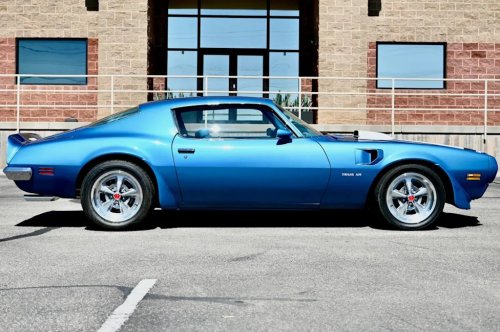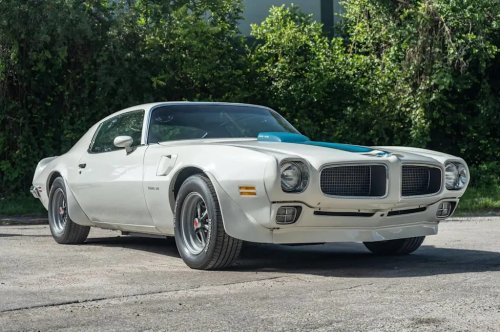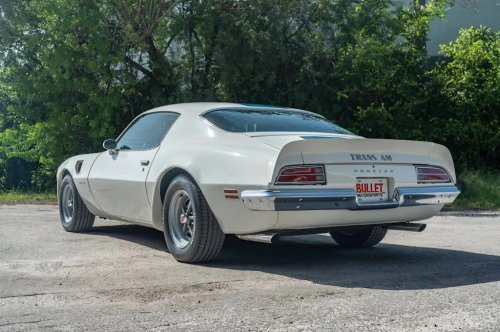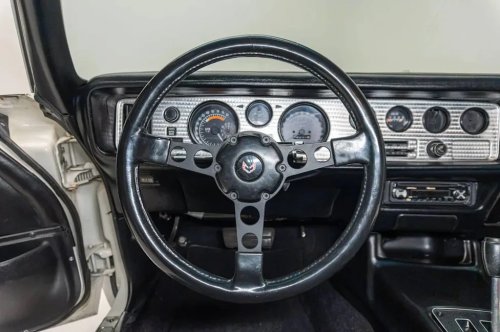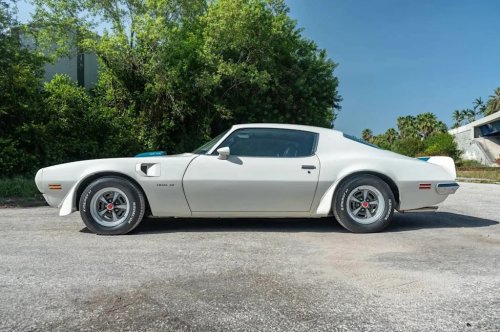
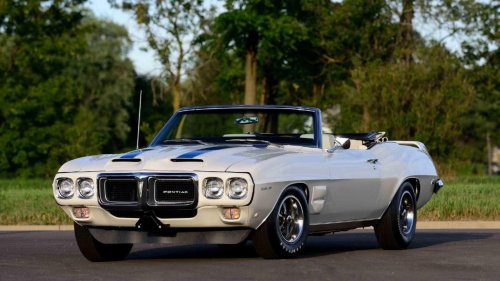
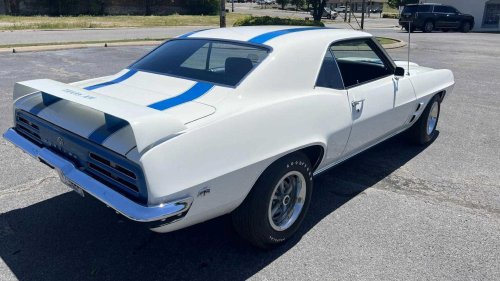


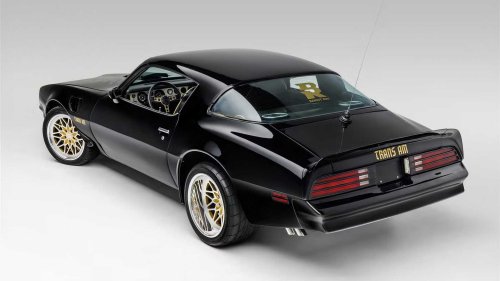


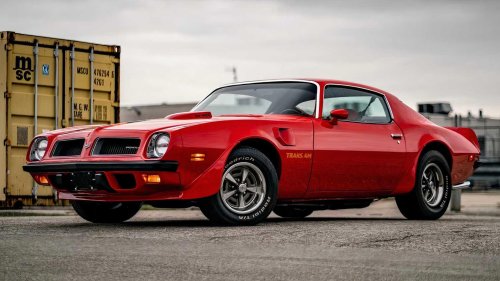



















For anyone who has spent time around American muscle cars, the Pontiac Firebird Trans Am instantly sparks recognition. Its name alone carries weight: synonymous with power, an inimitable style, and a certain rebellious charm that Pontiac knew how to bottle up better than most. But behind the graphics and shaker hoods lies a deeper story, one that connects the Firebird to a national racing series, corporate marketing moves, and a carefully crafted image that still resonates today.The words 'Trans Am' weren’t randomly chosen, nor were they simply an extra trim designation. The name has its roots in racing, licensing fees, and the kind of automotive culture where brand identity and performance were inseparable. Understanding what 'Trans Am' truly means is to understand why Pontiac’s Firebird still stands as one of the most important American performance cars ever built. The Racing Connection That Started It All Bring a TrailerWhen Pontiac first attached the words 'Trans Am' to its Firebird in 1969, it was tapping into a very real connection with the Sports Car Club of America’s Trans-American Sedan Championship. Launched in 1966, the SCCA’s Trans-Am series quickly became the premier battleground for American automakers, with Mustangs, Camaros, Challengers, and Javelins going head-to-head on road courses across the country.By the late ‘60s, racing sold cars, and Pontiac understood the marketing advantage of linking the Firebird to the hot new racing scene. The name was not free, though; Pontiac had to pay the SCCA $5 for every car sold with the 'Trans Am' designation. It’s a small number on paper, but given the thousands of Firebird Trans Ams that rolled off assembly lines, it became a notable licensing deal in muscle car history.Via Mecum AuctionsPontiac’s gamble worked. Buyers immediately associated the Trans Am Firebird with racing credibility, even if the early models weren’t exactly dominating track results. The name alone made the Firebird feel like a direct competitor to the Mustang Boss 302 and Camaro Z/28, both born for the Trans-Am series. Pontiac had found a way to buy its way into America’s hottest motorsport conversation. Building Pontiac’s Image With Power And Style Bring a TrailerOf course, a name would have meant little without the hardware to back it up. Pontiac treated the Trans Am package as more than stickers and badges. The 1969 debut model featured handling upgrades, Ram Air induction, and a distinctive look that separated it from the base Firebird. Only 697 were built that year, instantly making it one of the rarest and most desirable muscle cars from the era.As the 1970s rolled in, Pontiac doubled down. The Firebird Trans Am evolved into one of the most recognizable performance cars in America, with aggressive styling, rear spoilers, and eventually the now-iconic “screaming chicken” hood decal introduced in 1973. By the mid-1970s, the Trans Am had become Pontiac’s halo car: a symbol of the brand’s focus on affordable performance. Leaning On Its Image To Pull Through A Downturn PontiacEven during the muscle car downturn brought on by emissions restrictions and oil crises, Pontiac kept the Trans Am alive by leaning on image. The 1977 model immortalized by 'Smokey and the Bandit' didn’t boast the most outrageous horsepower figures (its 6.6-liter V8 made around 200 horsepower in stock form), but Pontiac’s clever packaging, aggressive looks, and pop culture presence ensured the Trans Am was still seen as one of the coolest cars on the road. The Screaming Chicken And Pop Culture Immortality Bring A TrailerIf the Trans Am name linked Pontiac to racing, the massive bird decal on its hood cemented its identity in American culture. The “screaming chicken” may have started as a dealer-option graphic, but it soon became inseparable from the car itself. By the mid-1970s, a black and gold Trans Am with the flaming bird was as recognizable as any Corvette or Mustang.This was, in essence, branding genius. Pontiac took a simple design element and turned it into an icon of American performance. Drivers didn’t need to know about the SCCA connection or the licensing deal; the screaming chicken was enough to tell the world this was something special.Bring A TrailerHollywood only amplified the effect. Burt Reynolds’ Pontiac in 'Smokey and the Bandit' turned the Trans Am into a legend. Sales skyrocketed after the movie’s release, with Pontiac moving more than 93,000 Firebird Trans Ams in 1978 alone. For many buyers, the name Trans Am now meant fast getaways, outlaw cool, and a car that looked every bit as rebellious as it sounded. How Pontiac Kept The Trans Am Alive Through Changing Times BringATrailerAs the 1980s and 1990s unfolded, Pontiac adapted the Trans Am formula to keep it relevant. Turbocharged versions appeared, like the 1989 Turbo Trans Am powered by a Buick-derived 3.8-liter V6: an underrated performance car capable of 0–60 mph in under 5 seconds. This limited-production model reminded the world that Pontiac wasn’t afraid to innovate. Affordable Performance For The Masses Later, the fourth-generation Trans Ams of the 1990s brought back big V8 power, with LT1 and LS1 engines pushing output back into true muscle car territory. By the end of the decade, Pontiac’s Firebird Trans Am was a serious performance bargain, offering Corvette-grade horsepower in a more affordable package.The Trans Am remained Pontiac’s performance flagship right up until the Firebird’s discontinuation in 2002. Even then, the name had come to symbolize more than just a trim level. It was shorthand for Pontiac’s identity as GM’s performance-focused division. What "Trans Am" Means Today For Pontiac Fans HemmingsEven though Pontiac was shuttered in 2010, the Firebird Trans Am continues to hold a special place in American car culture. For collectors, early Trans Ams, especially the 1969 originals and 1970–1974 Super Duty 455 models, command six-figure prices at auctions. Later models, like the 'Smokey and the Bandit' editions, have also surged in value, with clean examples fetching $70,000–$100,000 in recent years.For many, the Trans Am badge still represents the golden era of Pontiac. It reminds us of a time when automakers built cars that connected racing, marketing, and identity into a single package. Today, specialty companies even build modern Firebird Trans Am conversions based on the Camaro platform, proving the name still carries weight decades later. A Symbol That Outgrew Its Original Purpose HagertyThe meaning of Trans Am has outgrown its original connection to the SCCA. To Pontiac fans, it means power, attitude, and a cultural legacy that no other GM badge has quite matched.The Trans Am name started as a simple licensing deal but evolved into something far greater. For Pontiac, it became the defining badge of the Firebird and a symbol of the brand’s muscle car era. It tied the company to racing, gave buyers a halo car dripping with style, and created one of the most enduring icons of American pop culture.Pontiac may be gone, but the meaning of Trans Am lives on: part race car, part movie star, and forever one of the most important pieces of American muscle history.Sources: Pontiac, Hagerty, Classic.com, St. Louis Car Museum