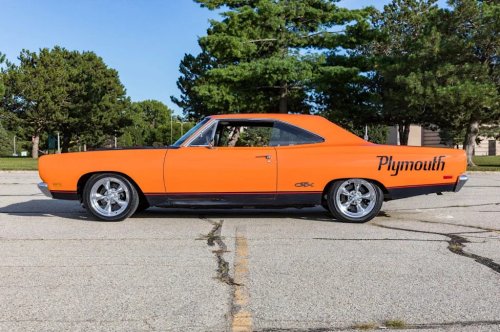
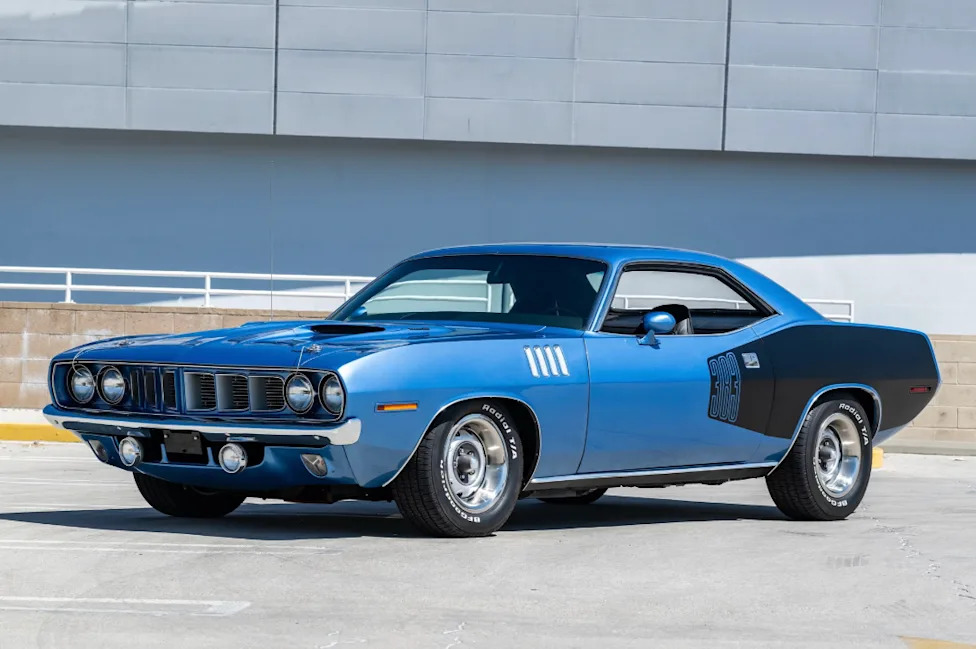
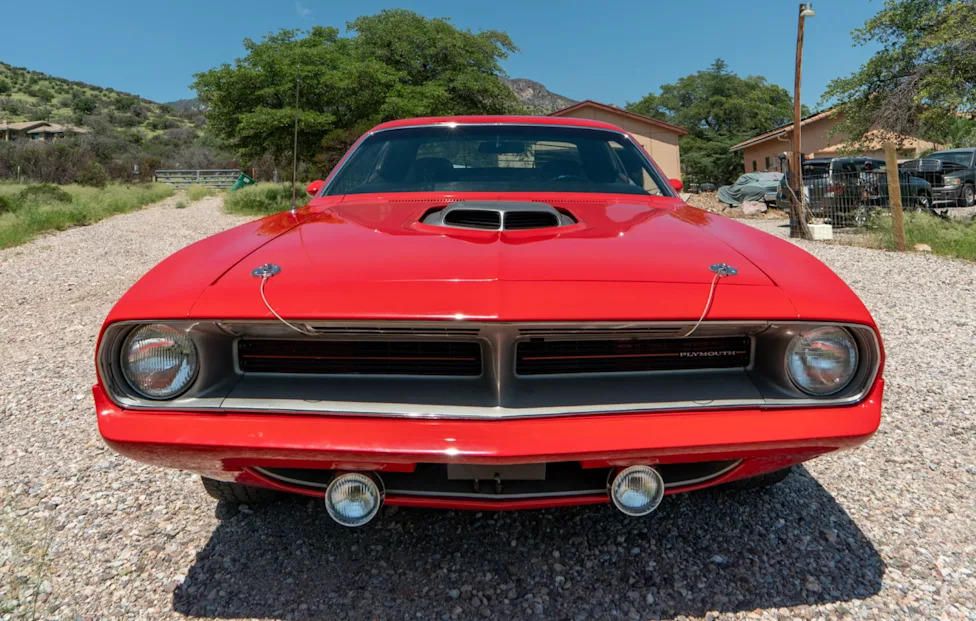
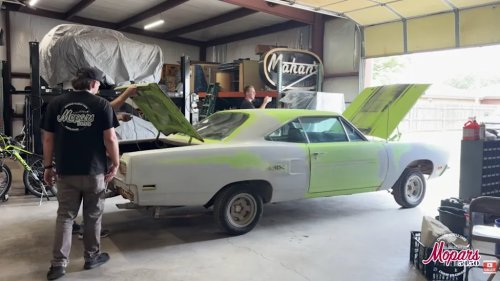
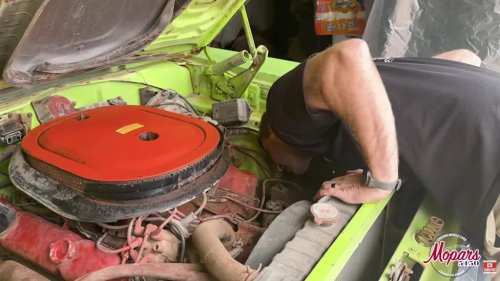
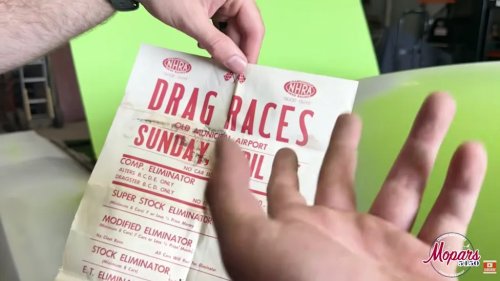
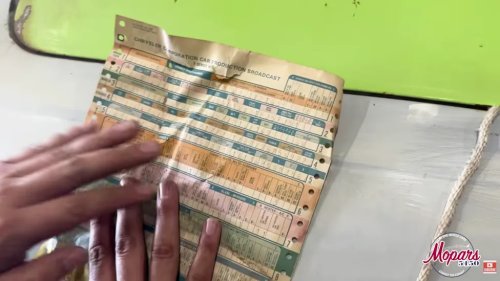
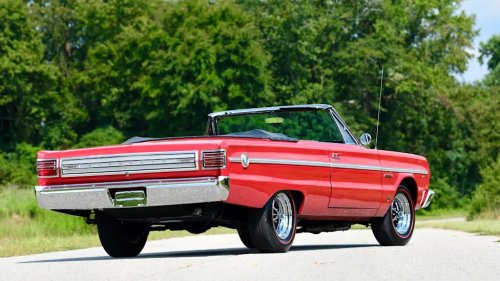
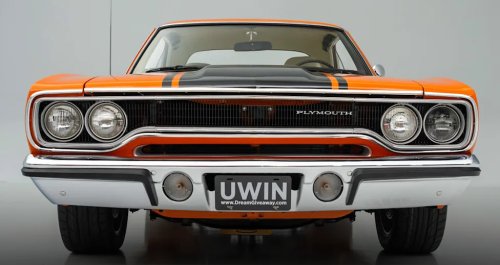
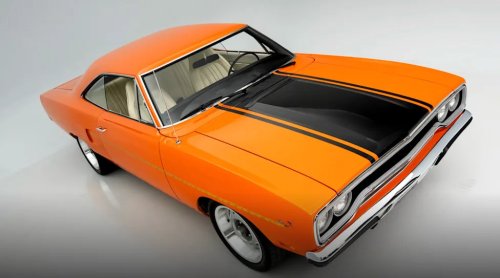
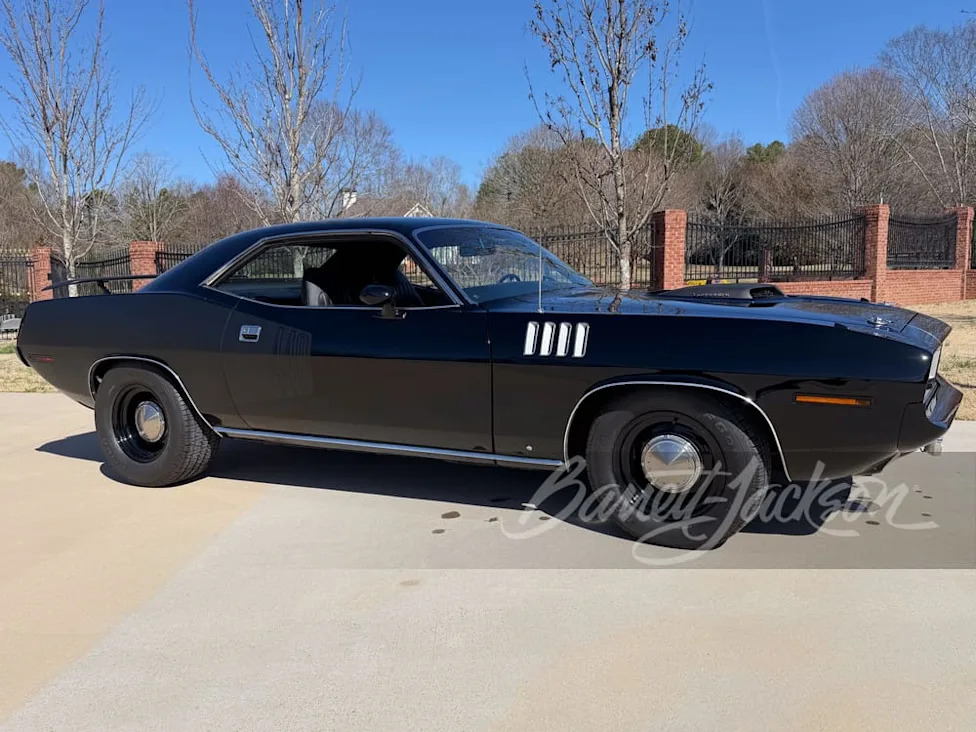
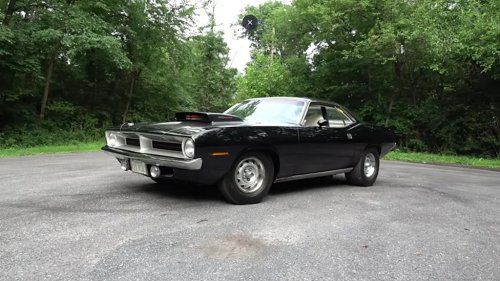
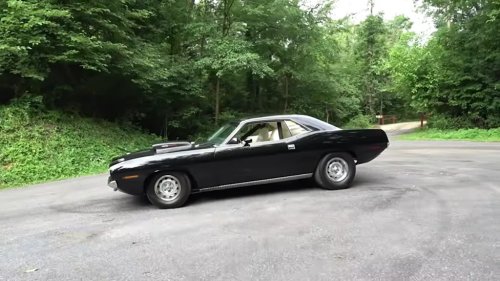
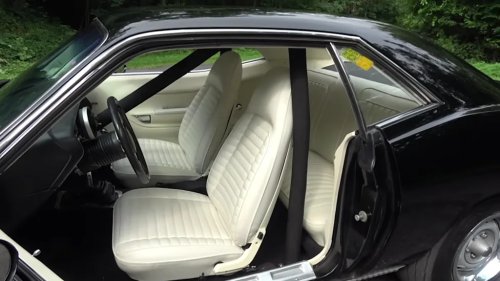
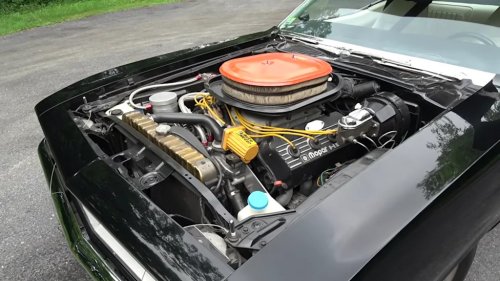
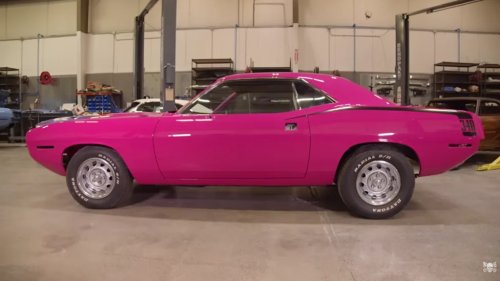
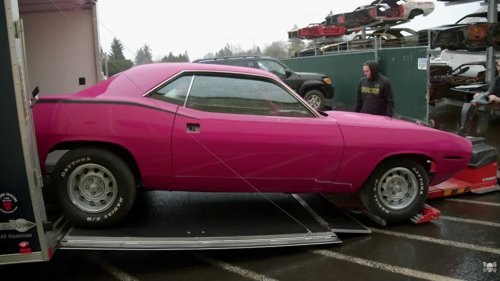
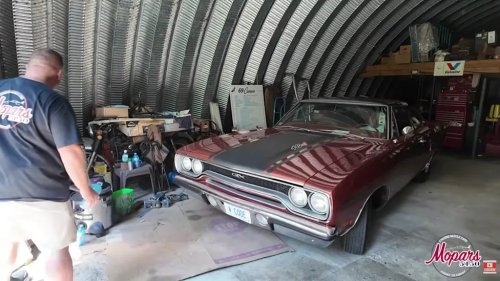
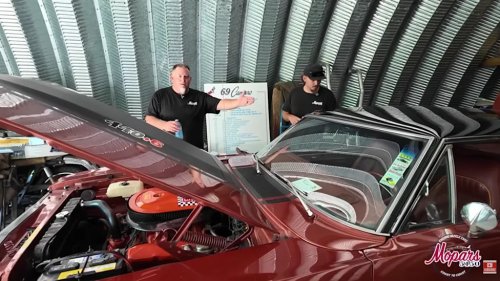
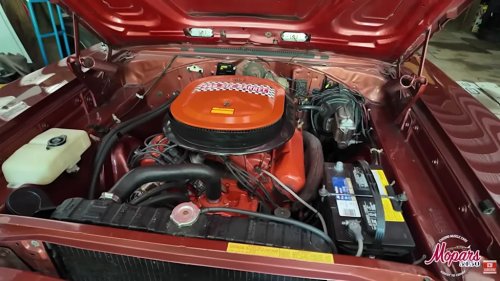
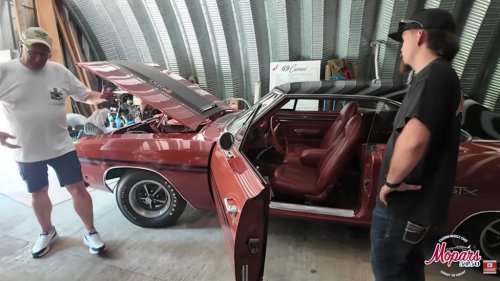
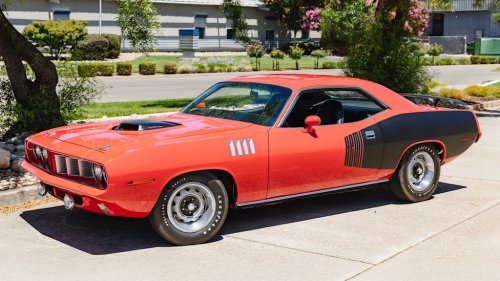
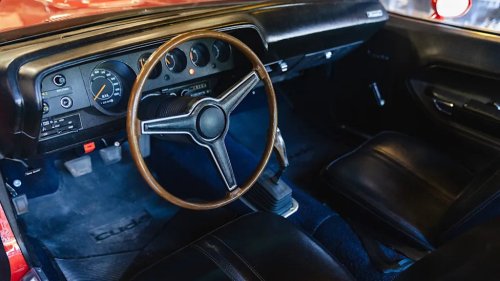
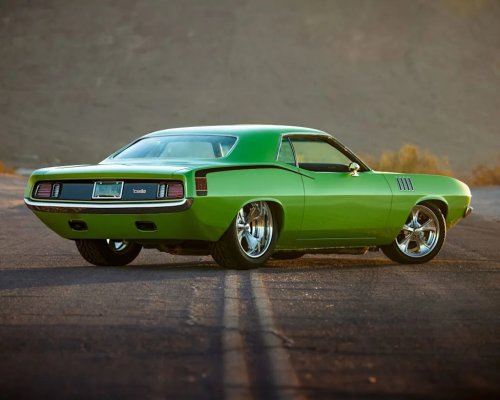
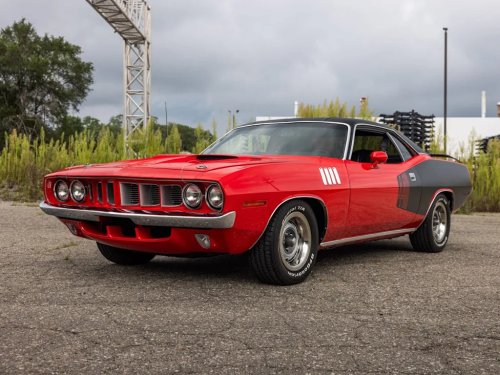
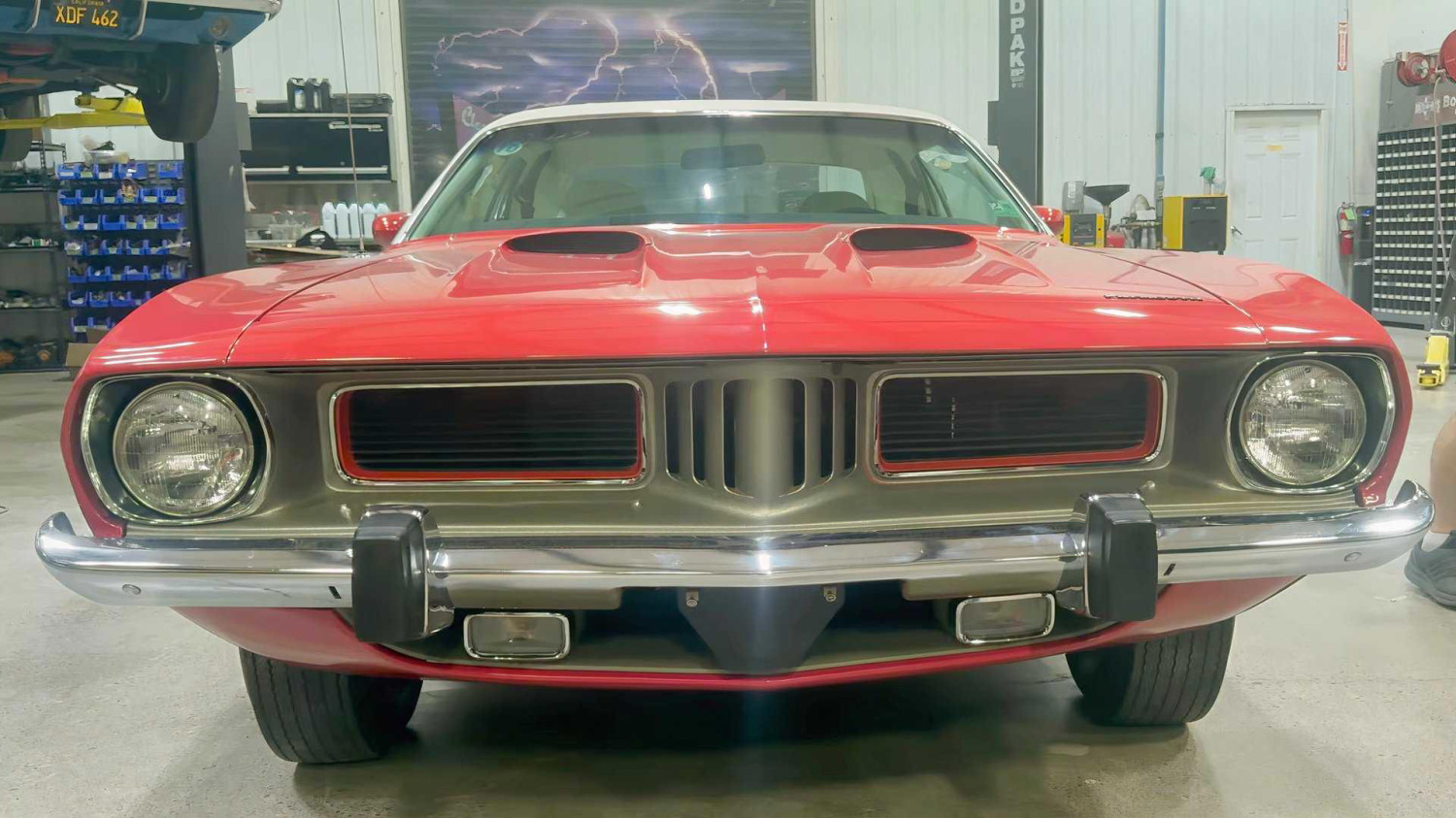
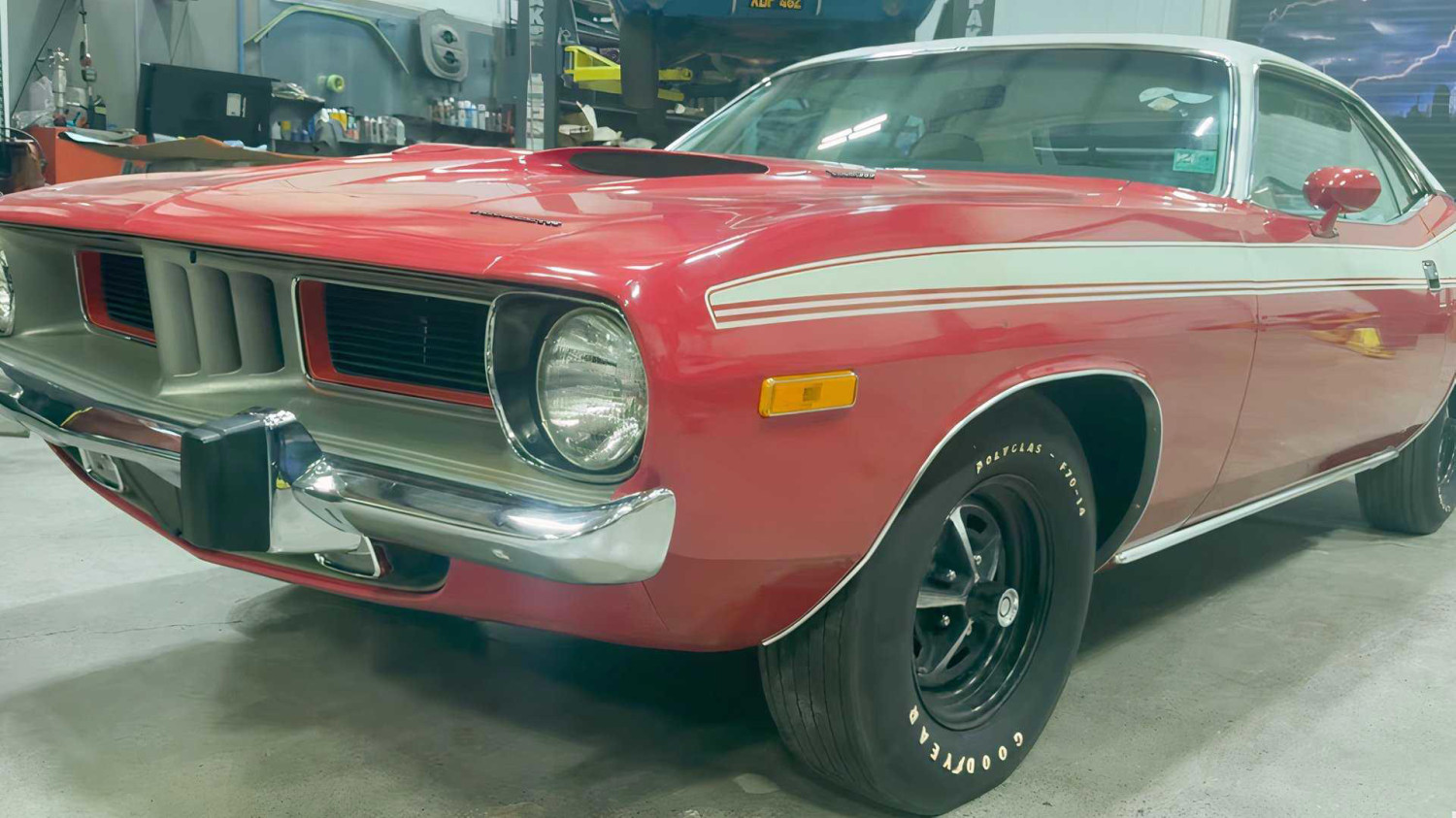
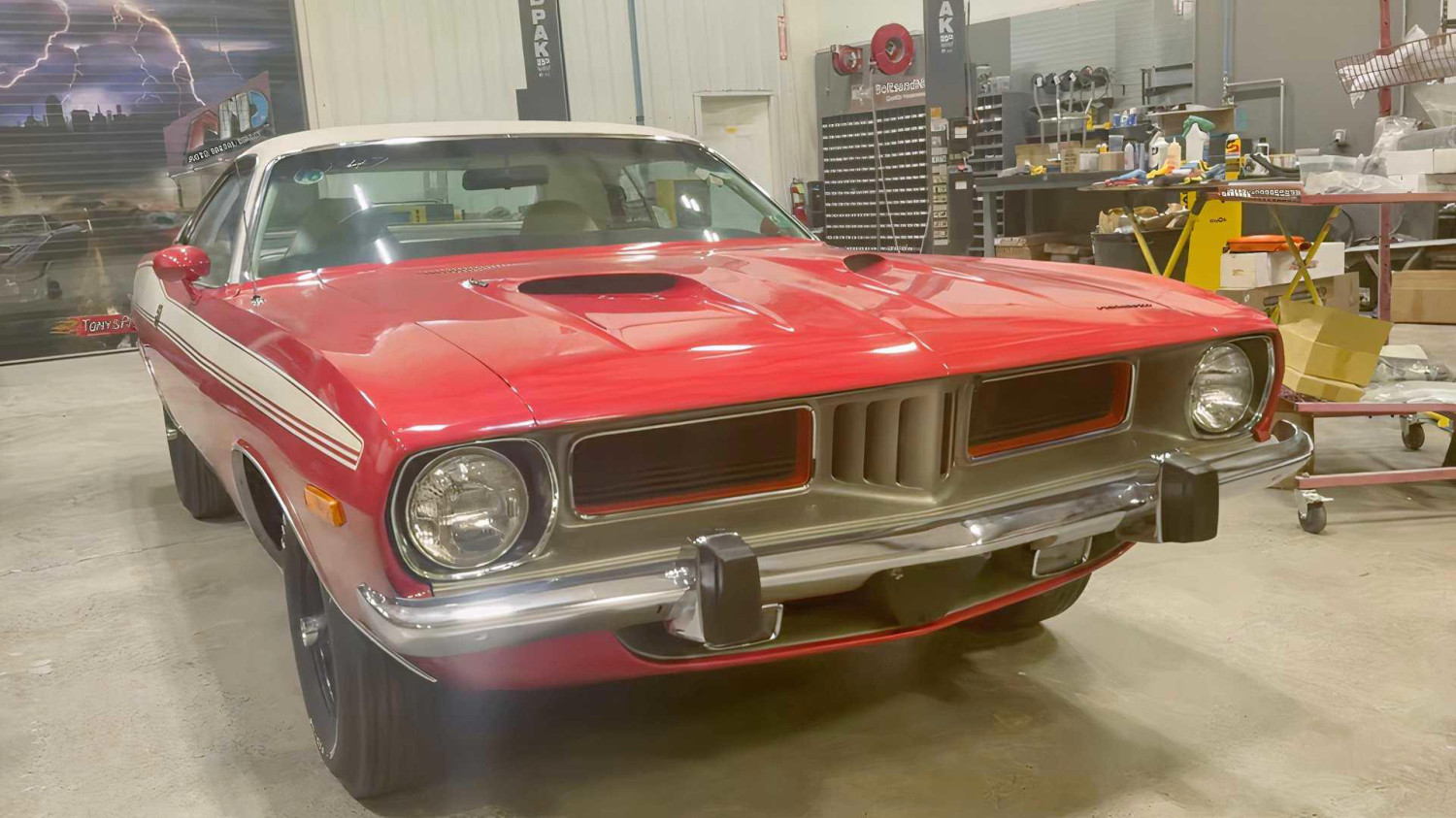
If you were not around in the 70's or 80's, then you probably don't know what a classic muscle car looks like fresh off the factory line. Smooth paint, perfect trim, spotless everything. But, what if that idea is completely wrong? UPDATE: 2026/04/07 10:41 EST BY JARED SOLOMON This article has been updated with additional insights on collector trends, rarity,A wild new video from Graveyard Cars just dropped, and it shows something that almost sounds fake. A 1974 Plymouth Cuda that was never sold, never driven, and never even prepped by a dealer. It sat hidden for decades like some kind of forgotten relic. However, the car has been found and restored to its former glory in the exact same condition, and it's going to get classic car collectors scrambling to get their hands on it. A 1970s Muscle Car Frozen In Time Graveyard Carz / YouTubeThis beautiful Mopar muscle car is a factory ghost. The Cuda still has all the weird markings and stickers that workers slapped on during production. Normally, those get wiped off before a car ever hits the showroom floor, but this one skipped that step completely. It never went through dealer prep, which means it never got cleaned up, never got polished, and never even got ready to be showcased.Even the little stuff is untouched. The beauty rings were never installed. The valve stems are missing caps. Some parts are still sitting in bags in the trunk almost as if the car just rolled off the factory line yesterday. It even has the original window sticker still stuck on with old yellow glue.This muscle car is pretty much “brand-new” but it isn’t perfect at all. And that’s exactly why it’s so important. There’s paint overspray in places where it shouldn’t be. The panel gaps are uneven. The trim doesn’t sit perfectly straight. The exhaust tips aren’t lined up the same on both sides. Even the chrome and pot metal parts show tiny imperfections and wear.This is what a real factory car looked like back in the day. Not the over-restored show cars you see now with the flawless builds the builders flex online. This is raw, unfiltered Detroit muscle straight from the '70s. It’s like finding a cheat code for spotting fake restorations. If someone’s car looks too perfect, this Cuda proves something’s off. The Last Plymouth Of It's Kind Graveyard Carz / YouTubeThe 1974 Plymouth Cuda was already special since it marked the end of the line — the final chapter of a muscle car legend.But, this one takes things to a whole different level because it was loaded with options, priced at just under $5,000 back in the day, and then somehow never sold. Instead, it sat inside a dealership for decades, untouched by time, weather, or people. That almost never happens, and we'll probably never see something as rare as this again.Under the hood, this Plymouth Cuda is a bit of a mystery, because the video never actually confirms what engine it has. But, we do know that the range-topping option was a 360 cubic-inch V8 making around 245 horsepower, paired to either an automatic or a rare four-speed manual, sending power to the rear wheels like a proper muscle car. How Much Is The 1974 Plymouth Baracuda Worth? Graveyard Carz / YouTubePutting a price on this '74 Cuda is not easy, because it doesn’t really compare to normal cars on the market. A quick look at Mecum and we can see that a clean example usually sells for somewhere between $50,000 and $120,000, but this one is in a totally different league. Since it’s never been sold, never pre-delivered, and still wears all its factory markings, it’s one of the rarest examples you can find and that kind of originality can send collectors into a frenzy, so while there’s no official number, it could easily be worth a few hundred thousand dollars, and maybe even more if the right buyers start bidding. There was an all-original 1970 Plymouth Cuda that sold for over $1 million a few years ago, but that one came with the legendary Hemi engine.This Plymouth Cuda wasn’t pulled out of a barn or dragged out of a junkyard like most crazy finds. It was actually discovered sitting inside an old Chrysler-Plymouth dealership, where it had been hiding for decades. According to the host from Graveyard Cars, the car was never sold when it was new. Instead, the dealership owner kept it and just left it there, untouched.So, instead of being lost to time, this car was basically preserved on purpose, sitting indoors its entire life like a forgotten piece of muscle car history waiting to be found again. Why “Unrestored Original” Cars Are Now More Valuable Than Ever For decades, the goal of any classic muscle car restoration was simple: make it better than new. That meant flawless paint, perfect panel alignment, and polished parts that looked nothing like what actually left the factory. But in recent years, the market has shifted in a big way.Collectors are now chasing something very different—authenticity.Cars like this 1974 Plymouth Cuda are becoming incredibly valuable not because they’re perfect, but because they’re untouched. Factory markings, paint flaws, and even missing trim pieces are now seen as proof that a car is genuine. These details tell the real story of how these cars were built, something that over-restored examples completely erase.Auction trends have shown that “survivor” cars—vehicles that remain in original condition—often command massive premiums over restored ones. In some cases, buyers are willing to pay significantly more for a car with imperfections than one that has been fully rebuilt.This Cuda fits perfectly into that category. It’s not just a car—it’s a reference point. Collectors and restorers can study it to understand exactly how these vehicles were assembled in the 1970s, right down to the smallest flaws.



















 +3 others