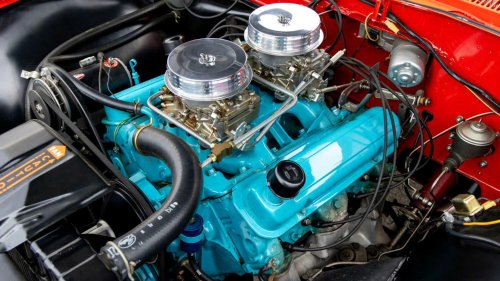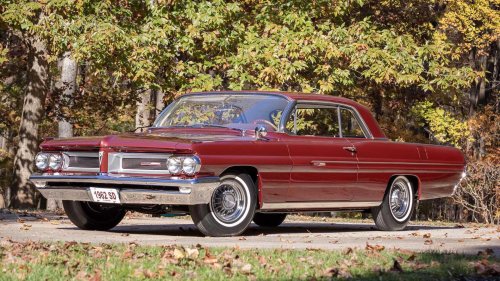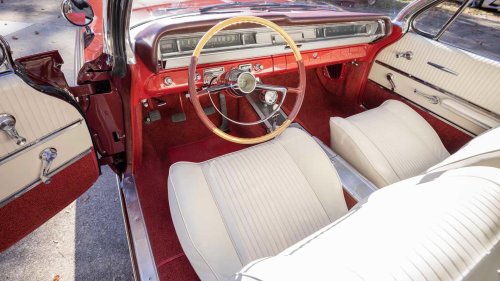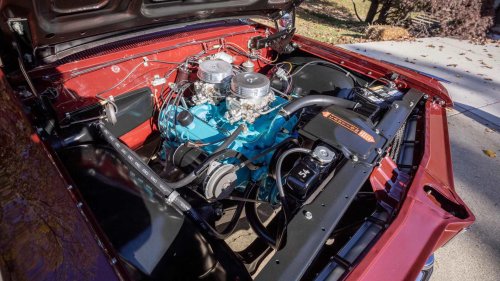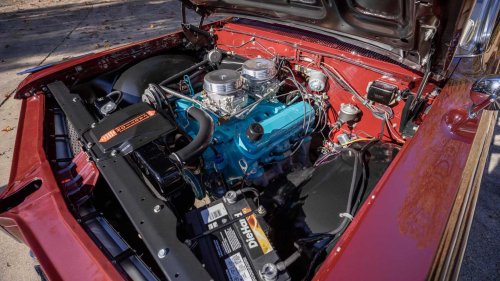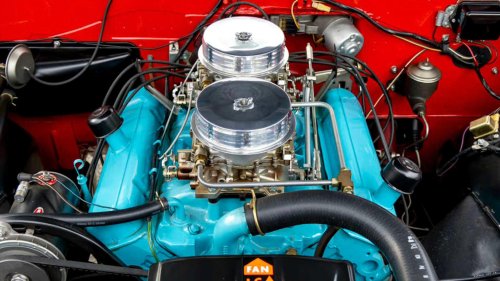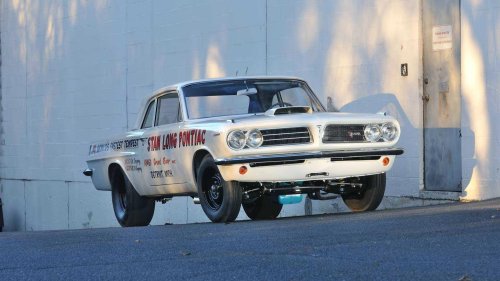
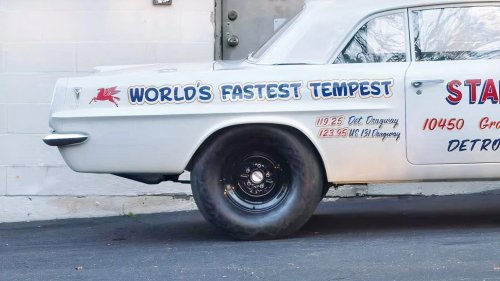
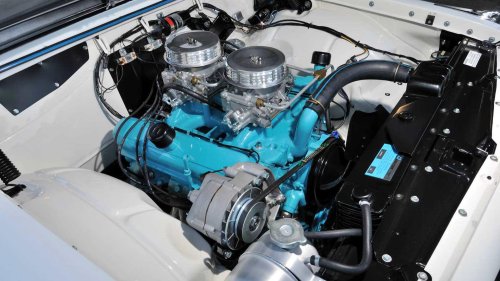
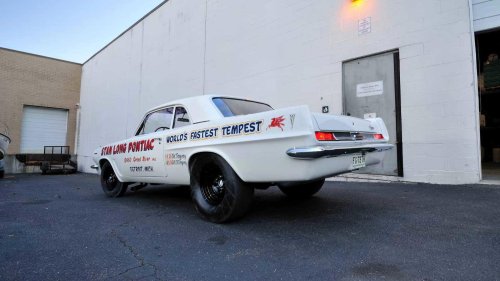
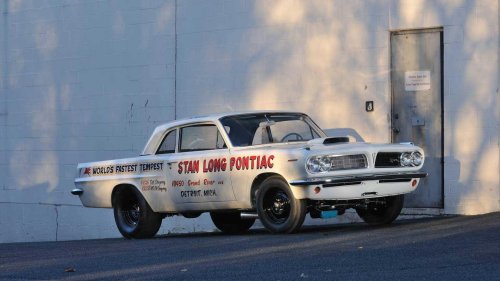



















In the early 1960s, Pontiac took a LeMans and made a monster out of it. The engineers crammed a monstrous V8 under the hood, along with a few other tricks they had hidden up their sleeves. The result was a drag racing legend that's been all but forgotten. No. I’m not talking about the GTO.I'm talking about a factory lightweight that Pontiac threw the book at. The team behind it stuffed a 500-horsepower engine under the hood, ditched anything that didn’t need to go for a ride, and set it up with a transaxle and independent rear suspension. This machine was cutting 11-second quarter-mile passes, making it the fastest Pontiac of the ‘60s before the horsepower wars even started. Strap in, because you’re about to get a rundown on the meanest muscle car that nobody’s talking about. The Pontiac LeMans SD 421 Is A Forgotten Performance King Mecum Many car enthusiasts agree that the whole muscle car movement didn’t officially get its start until 1964. That was the year John DeLorean’s masterpiece, otherwise known as the GTO, birthed the segment by debuting as a mid-size car with a full-size engine. True experts argue that the Oldsmobile 88 with its rocket engine already beat them to the punch in 1949. Even Pontiac itself had already been working over the Tempest platform by '64, with the 1963 SD 421 already wearing the crown as the fastest Pontiac of the 1960s.The 1963 Pontiac Le Mans SD 421 was among the several factory lightweights born in the early 1960s. These cars were factory-built drag cars that were stripped of anything that didn't help it accelerate as quickly as possible. They also utilized special front clips and glass to keep the weight down, with meaty 10-inch tires to make sure grip wasn’t an issue.Worlds Fastest Tempest SD 421The SD 421 name was given to the cars on account of the engine under the hood. The Super Duty 421 cubic-inch V8 was incredibly potent for its time. That engine made good use of the lightened body and special transaxle setup, slinging these cars through the quarter mile in just 11.8 seconds, which was better than anything Pontiac would produce for the remainder of the decade.Unfortunately, not many of these Pontiacs were built. They were produced for one year only, with just 12 production cars being built. Half were station wagons, and the remainder were coupes. Today, only a few survivors are known to exist. Pontiac SD 421 Engine Breakdown Mecum For many, the SD 421 is the real star of the show. Pontiac officially rated these potent V8s to produce 405 horsepower and 425 lb-ft of torque. However, this is a situation where the numbers were understated by the engineers. As documented by the NHRA, an internal memo from 1962 shared that these engines were actually producing 468 horsepower and 500 lb-ft of torque. Many feel that north of 500 horsepower is achievable with the right tune.Interestingly enough, the SD 421 was a stroker motor based on the 389's architecture—the engine famously used by the 1964 Pontiac GTO. However, the blocks weren’t exactly identical. The Super Duty engines featured beefier 4-bolt mains for added strength. Compression was also bumped up to 12:1, and a special mechanical cam was ground to make it an absolute animal.The SD 421 breathed through some pretty gnarly equipment as well. Up top was an iconic intake manifold equipped withdual Carter 4-barrel carburetors. The exhale was managed through a set of aluminum long tube headers. In short, Pontiac made all the mods any serious racer would have right out of the box, complete with factory part numbers to allow them to compete in NHRA Super Stock and Factory Experimental races. Adding Lightness Horsepower captures your attention, but it takes more to win races. While the LeMans was considered a senior compact, a good diet was needed for it to compete. Pontiac engineers did quite a bit to shave and redistribute weight on these machines.Front-engine rear-wheel-drive cars have an atrocious weight balance, with most of it resting on the front end. Like other factory lightweights of the era, the engineers used special aluminum panels to lighten up the front clip. Thinner steel bumpers were also used to reduce weight. Interestingly enough, Scott Tiemann of Supercar Specialties detailed to Hot Rod magazine that he believes the bumpers were acid-dipped versions of the stock units after he restored the “eBay LeMans,” one of the only known 1963 SD 421 survivors. Acid dipping was another trick used by many racers of the era to make stock-body cars lighter. Tiemann feels that must have been what Pontiac did because the metal was too thin to use the normal method of stamping.Naturally, any creature comforts were ditched in order to add lightness. The 1963 Pontiac SD 421 had no power steering, power brakes, heater, or anything else you’d need to make normal driving enjoyable. The engineers ripped out the rear seat and developed plexiglass windows to replace the regular glass. The end result was a trim machine hitting the scales at around 3,300 pounds. Yes. It Had a Transaxle Mecum Things take a wild turn as you shift to the rear end of the 1963 Pontiac LeMans SD 421. The team behind this car wanted to make sure this car stuck hard during launches to give it a serious edge in racing. They ended up developing a wild transaxle with an independent rear suspension that made these cars way ahead of their time.The Powershift transaxle was a special racing unit. Taking a close look at the interior of a factory-equipped car will make your head spin, as you realize these gearboxes were fitted with an automatic shifter, yet there are three pedals below the dash. That’s because these 4-speed units used a hydraulic clutch rather than a torque converter. They were officially considered semi-automatics, though, requiring the clutch only for launches and reverse.The benefit of the transaxle was that it equalized weight distribution, the very same reason hotrodders are putting them into more and more builds today. Unfortunately, Pontiac’s Powershift had serious limitations. The biggest concern was that it was fragile and prone to failure during hard launches, which these cars saw plenty of. They were also limited to solely a 3.90:1 gear ratio, when racers wanted something steeper to get moving with.Interestingly enough, the few racers who had the privilege of getting to use the Pontiac Powershift often stripped it out. Stan Antlocer, the original owner and racer of the aforementioned eBay LeMans, ripped his out in favor of a more durable ‘57 solid axle setup with a 4.30:1 gear like Mickey Thompson did before. This didn’t hurt performance, either, as the car achieved an 11.87 quarter-mile pass. The Racing Ban That Stunted The Future Of Performance Pontiac was only able to build a handful of these cars before a GM directive effectively killed the program. In 1963, the infamous GM racing ban was put into effect. The goal was to put any and all forms of factory-backed racing to an end, snuffing legends like the SD 421 cars along the way.The thing is that the racing ban really didn’t have much sticking power. GM executives continued to offer backdoor support to race teams. As we all know, more factory-backed legends would arise as the ‘60s rolled on, with both drag and stockcar racing coming into their respective golden ages. Still, a lot of early icons got the axe, including the fabled SD 421 LeMans, with no true successors to pick up the torch. Just One Forgotten Muscle Car Legend MecumWhen you think of the wildest cars of the ‘60s, your mind naturally shifts to the icons of the latter half of the decade. While those machines have earned their reputation through brute force and jaw-dropping performance, they wouldn’t have been possible without trailblazers like the ‘63 Pontiac SD 421. These factory-backed racecars showed the world what was possible, often running harder and faster than the alternatives people remember most.The Pontiac LeMans SD 421 wasn’t the first or even the only of its kind, either. The Z11 Impala, 330 Max Wedge, and are just a few more examples of early drag racing monsters that would beat the brakes off of many golden-era muscle cars that steal the spotlight. While not an apples-to-apples comparison, these wild factory lightweights are just another example of why you should respect your elders.Sources: Pontiac, NHRA.