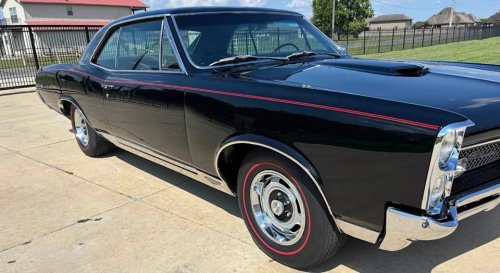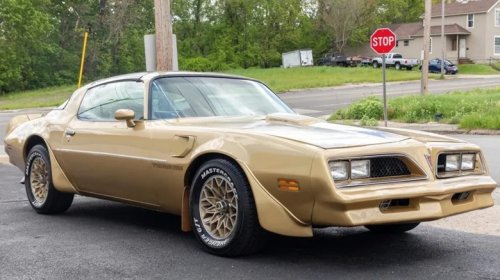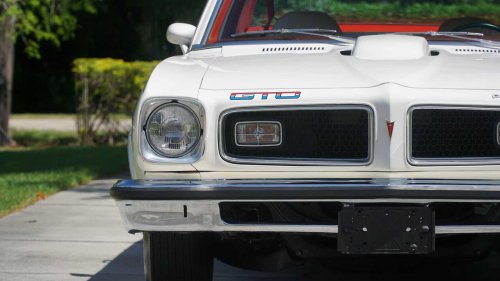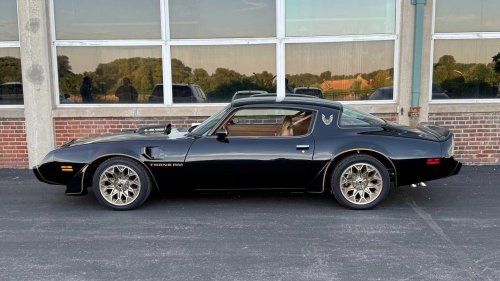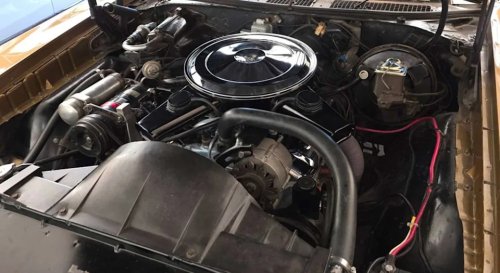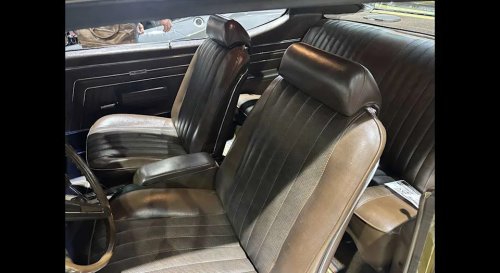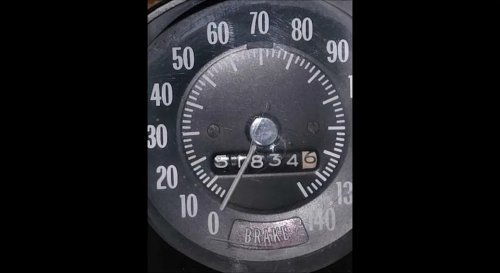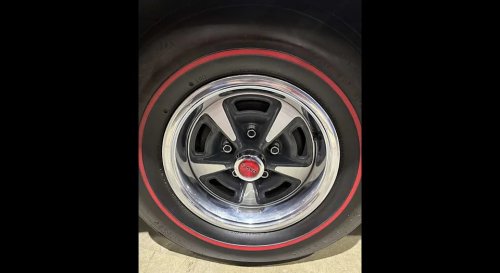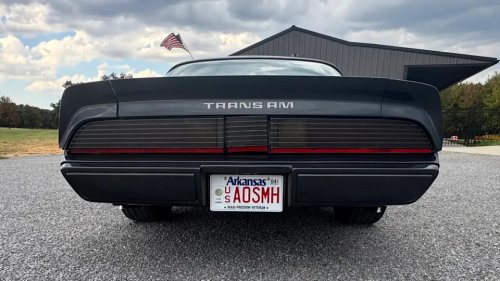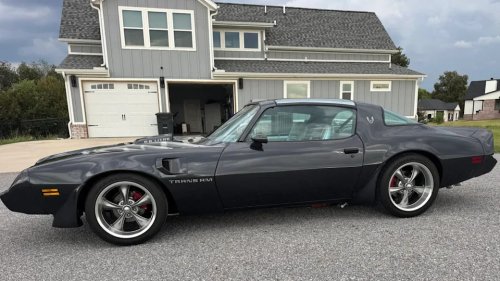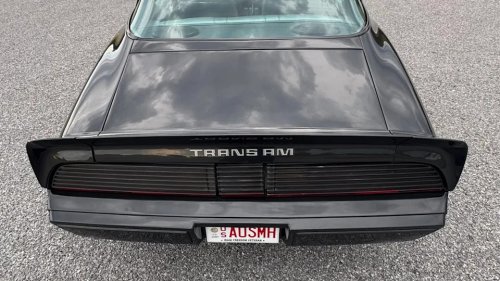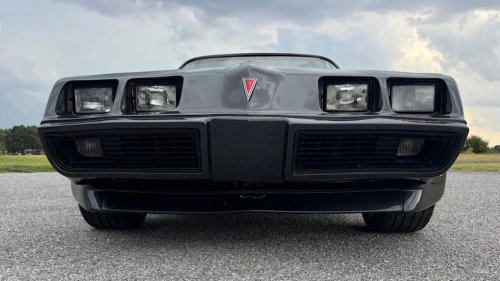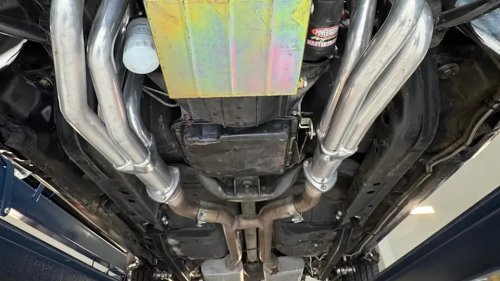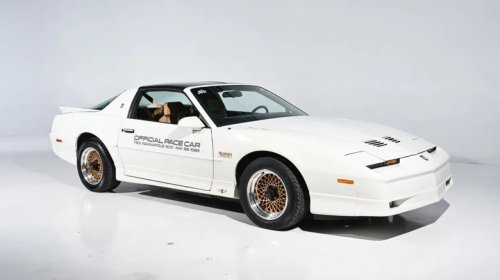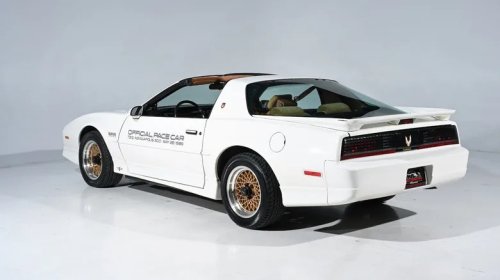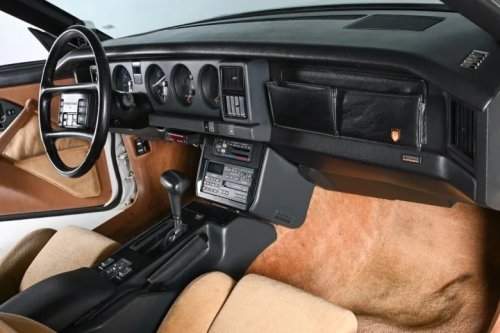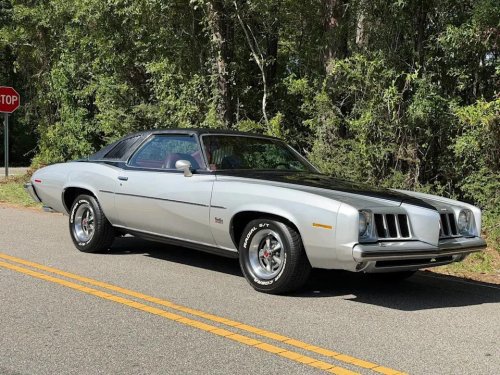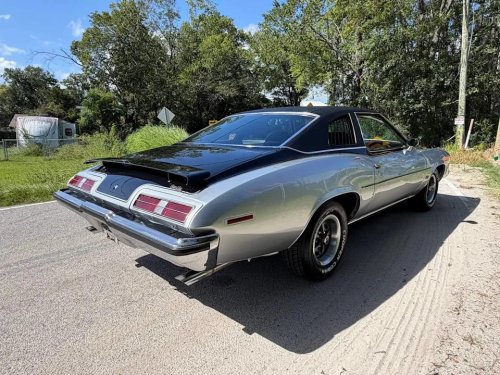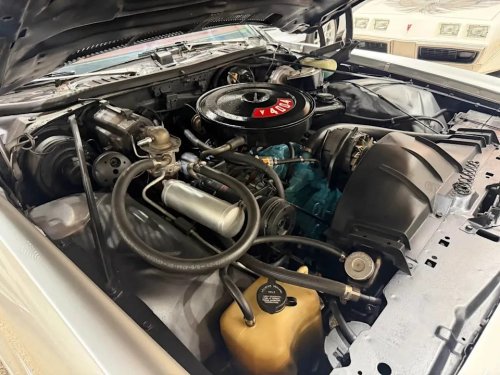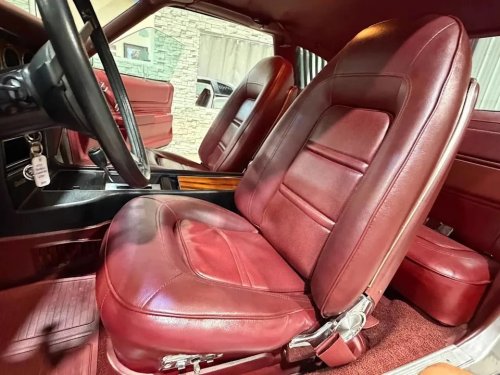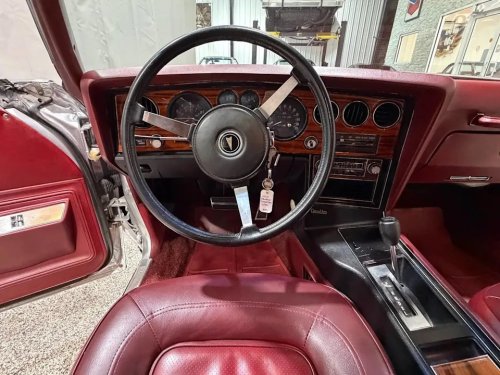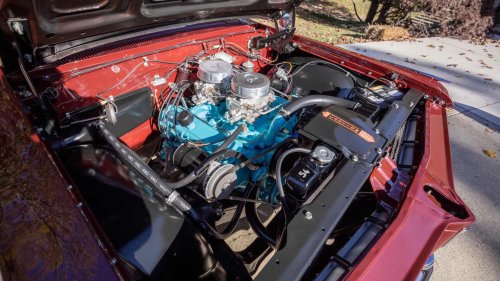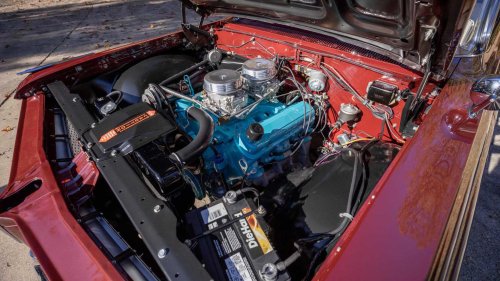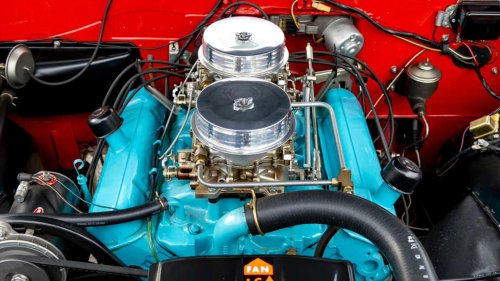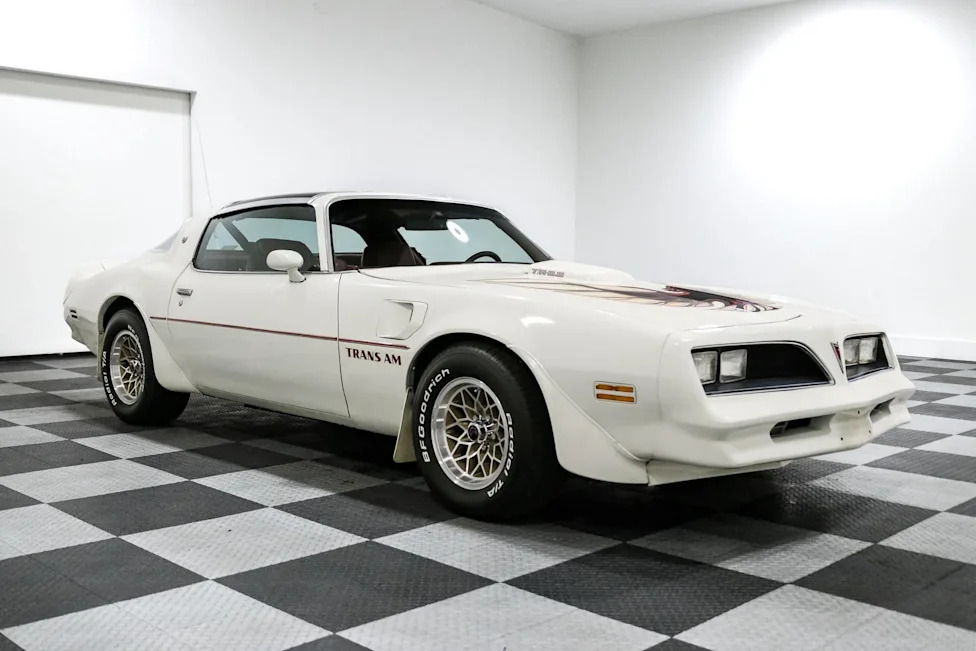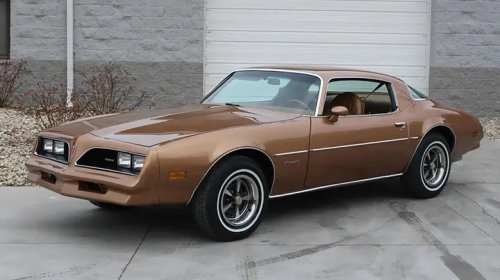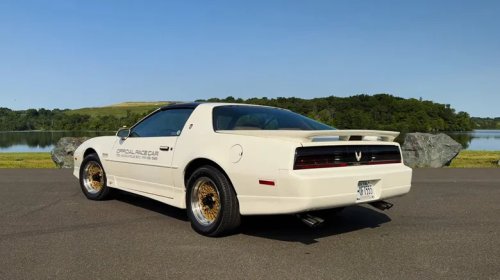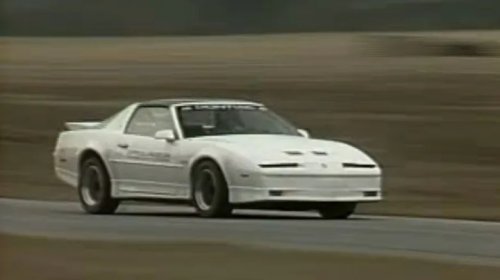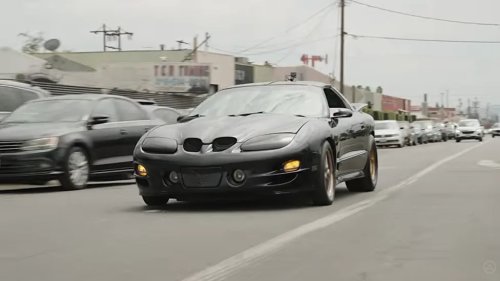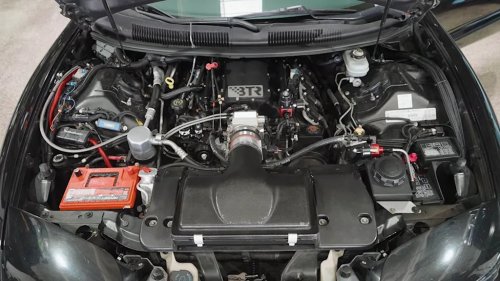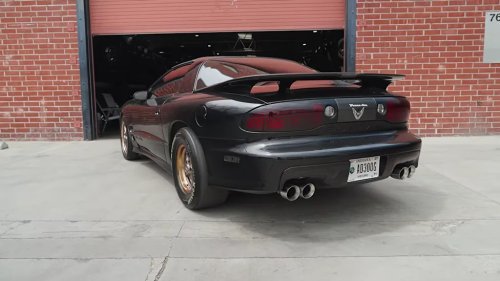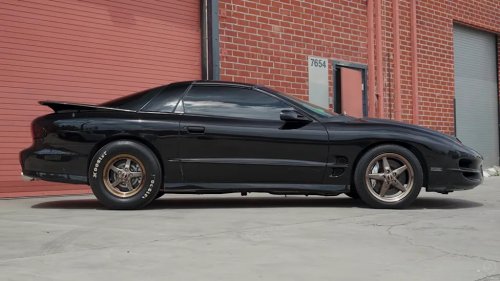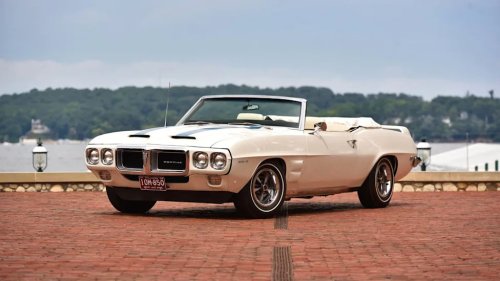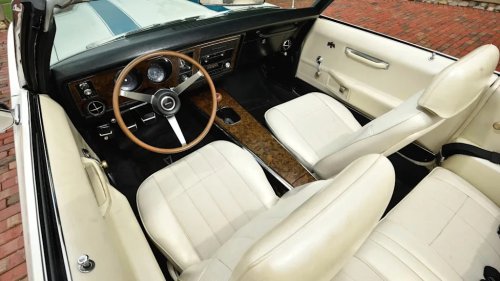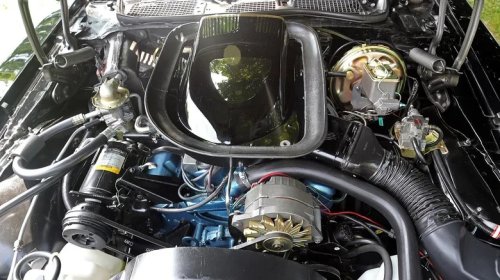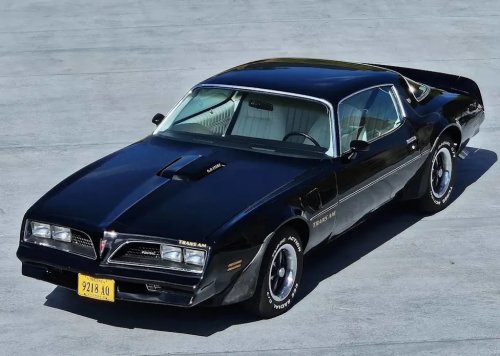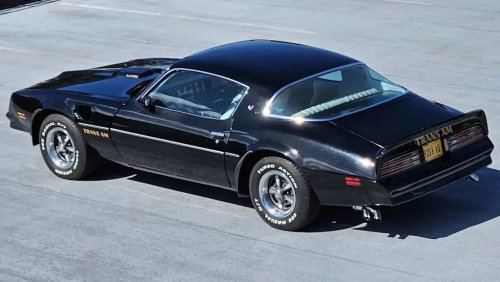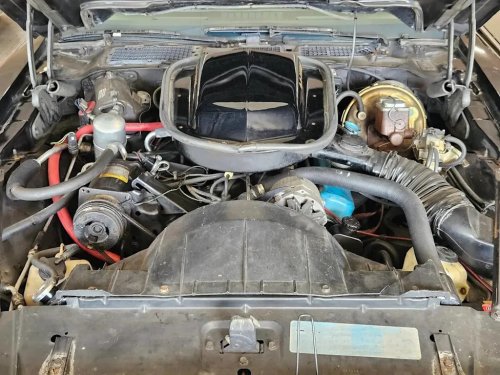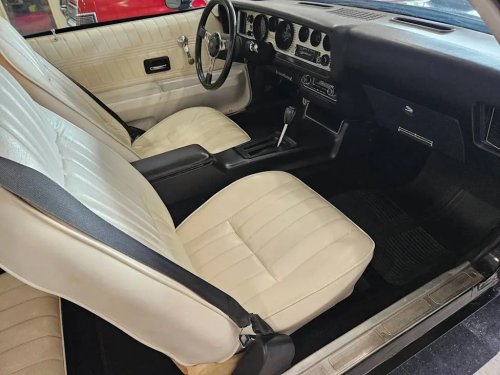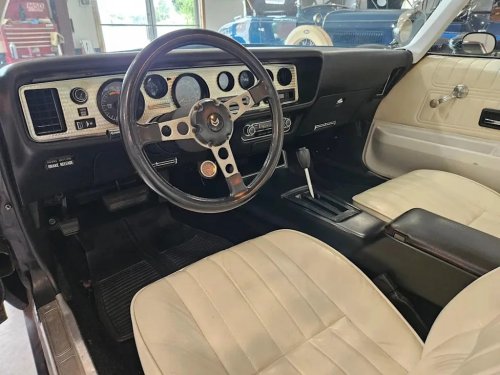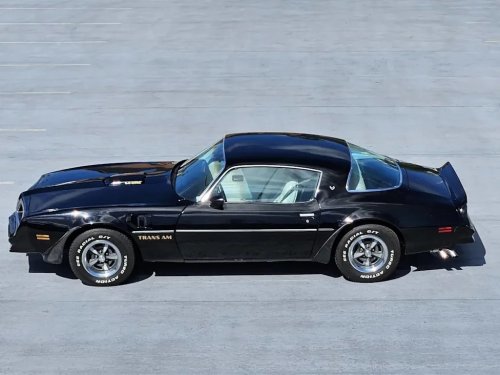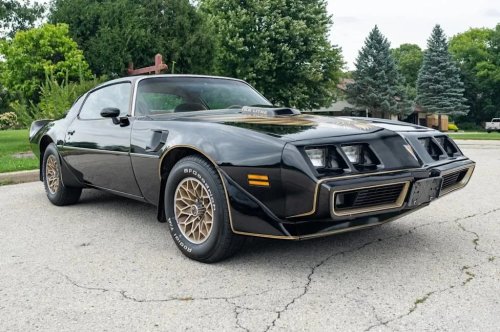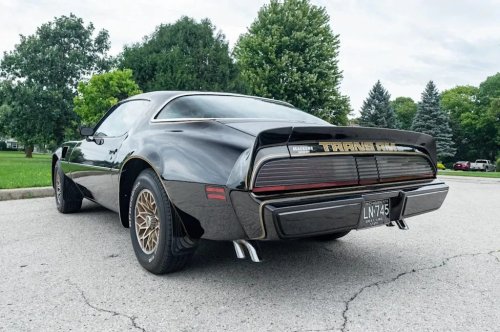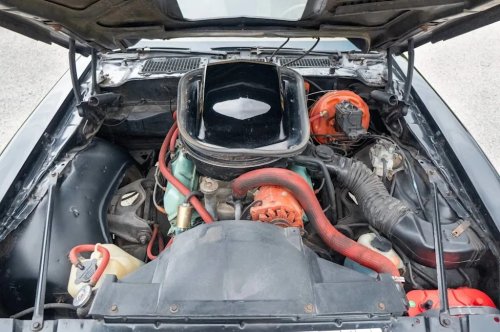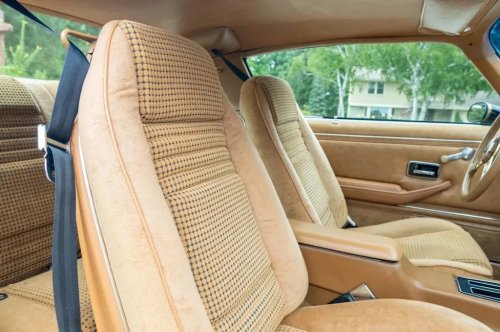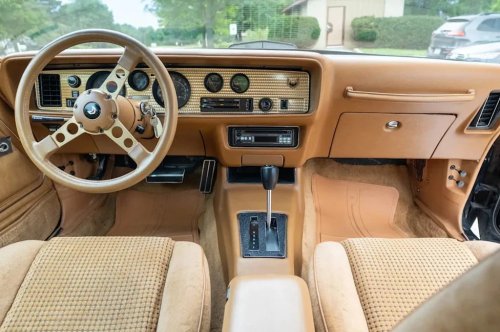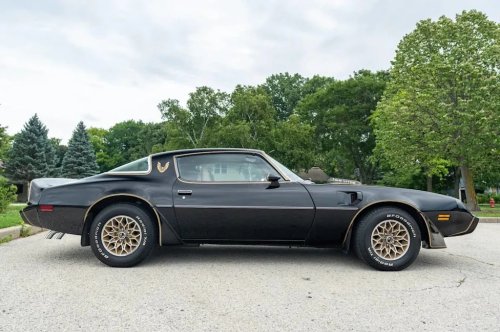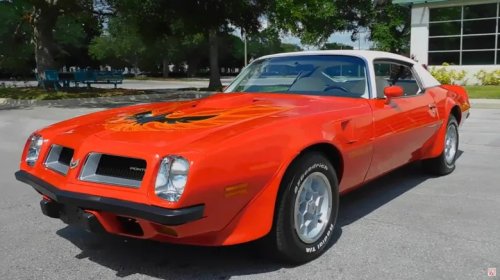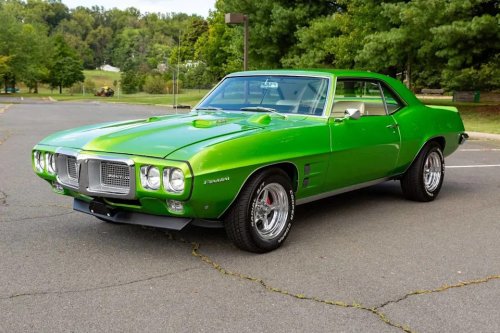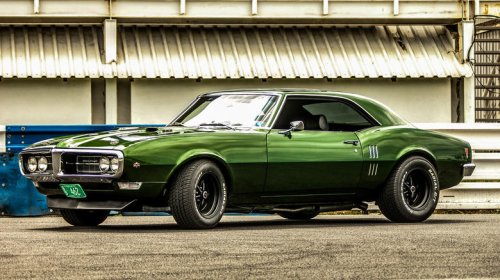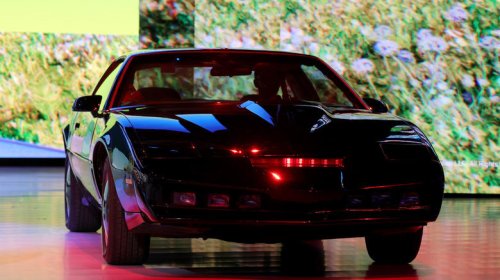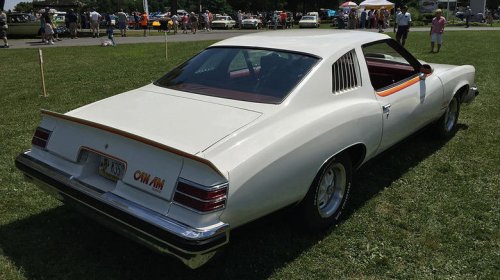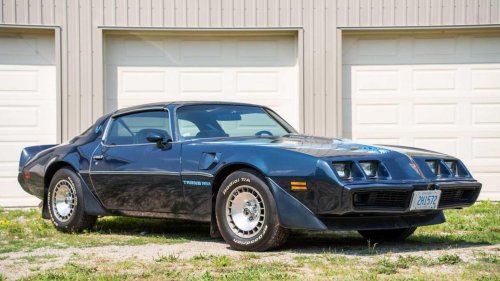
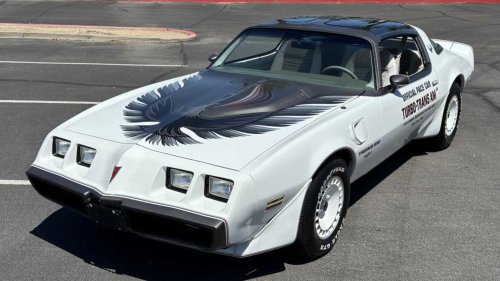
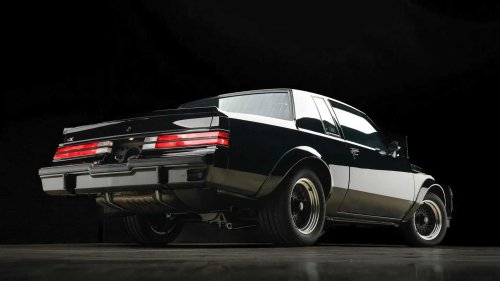
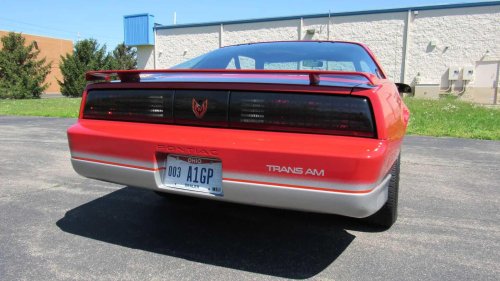
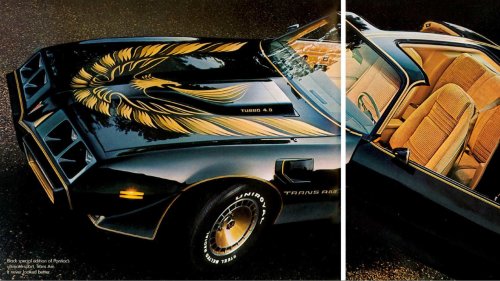
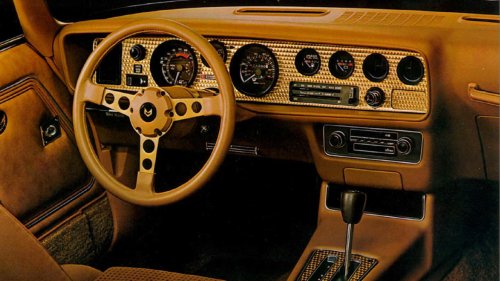



















The 1970s oil crisis was one of the most influential events in the American automotive industry. Increased oil prices, combined with more stringent government emission standards, significantly weakened American performance cars. Amidst these constraints, the Big Three were looking for innovative solutions to boost vehicle power without relying on massive-displacement engines.One method was turbocharging, back then an idea just in its infancy. While many commuter cars use turbos to boost power today, in the 1980s, this idea was just taking off. The early 1980s, specifically, saw a short-lived wave of turbocharged muscle cars, such as the 1980 and 1981 Pontiac Trans Am Turbo. It's a car emblematic of a troubling time in the American auto industry. Turbo Firebird Bring a TrailerBy 1980, the performance situation hadn’t improved much as American automakers attempted to improve vehicles' fuel economy by cutting the displacement of their engines. The companies achieved the goal of improving efficiency figures, but performance figures dropped in the process.The Firebird was no exception, as the 1980 model was available with a naturally aspirated 4.9-liter V8 that made just 150 hp. For the '79 version, the high-performance Trans-Am offered a 6.6-liter V8 making 220 hp.However, GM seemingly had a solution as the top spec received a notable upgrade in 1980, in the form of an AiResearch TBO305 turbocharger. In the Firebird, it ran at 9 psi of boost. The V8's internals received additional strengthening to handle more power, such as improving the wear resistance on the crankshaft and pistons.The idea behind the turbocharger was to retain fuel economy while increasing power. It was a very forward-thinking idea for the time. Pontiac's turbocharged 4.9-liter made 210 hp and 345 lb-ft, a significant bump in power over the naturally aspirated engine's 150 hp. However, the 1981 model year saw a slight performance downgrade to 200 hp and 340 lb-ft.The turbo's maximum boost was reached around 3,500 rpm, with power and torque quickly dropping off higher up the rev range. The only transmission option for these was a sluggish three-speed automatic, which managed to propel the 1980 turbo Firebird from 0-60 mph in about 8.2 seconds.The goal of the turbocharged Firebird was to match the performance figures of the top-of-the-range 1979 model, which featured a 400-cu-in (6.6L) V8. In a Car and Driver review of the 1980 Firebird Turbo, the model didn't quite manage to outperform the 6.6-liter version in the quarter-mile test, being about 1.5 seconds slower and 10 mph slower.While these figures may not sound like much today, and they certainly aren't, by 1980 standards, this was quick. In the context of the 2020s, this would be roughly the equivalent of a Dodge Challenger Hellcat. The most powerful Corvette from 1980 produced only 20 hp more at 230 hp, while the North American version of the Ferrari 308 had 205 hp.Unfortunately, this engine was offered for only two model years, as it was introduced at the tail end of second-generation Firebird production. The company never used the engine in the third-generation model. Pricing Bring a Trailer The Firebird is a relatively affordable muscle car, especially the early 1980s non-turbo models. Many examples have sold for under $10,000. The Turbo models can be a little more expensive, with prices starting in the low-$10,000s and topping out in the mid-$30,000s for non-special-edition models.It's usually the well-maintained special editions that fetch the most money, such as the Indy Pace Car edition, or models painted in the iconic black-and-gold color scheme, as popularized by the Smokey and the Bandit film franchise. These examples can surpass the $50,000 price point in some cases.These figures are nowhere near being the most expensive second-gen Pontiac Firebird, as that title goes to the 1977 model with the black and gold color scheme, the exact same model that was in the movie, with prices ranging between $100,000 to $200,000. More Turbocharging Bring a TrailerThe Firebird proved that turbocharging worked well, especially in a muscle car. General Motors would go on to famously release the Buick GNX in 1987, which ditched the V8 altogether in favor of a turbocharged 3.8-liter V6, making 276 hp and 360 lb-ft, still impressive figures today, and in 1987, it was truly world-class.Unlike the Firebird Turbo, the GNX is well known, largely for its exceptional performance, blacked-out paint, and a production run limited to 547 units. Needless to say, GNX models have remained expensive, with clean examples fetching between $250,000 to over $300,000.Bring a TrailerThe third-generation Firebird would also receive a version of the turbocharged 3.8-liter V6. The limited-run 1989 Pontiac 20th Anniversary Turbo Trans Am produced 250 hp and was the most powerful version of the third-gen model.The Turbo Trans Am also marked the end of turbocharging for the Firebird. The fourth-gen was able to return to using big V8s, such as the various tunes of a 5.7-liter V8 available during the model's run. By the 1990s, the American automotive industry had somewhat gotten back on track after the dreadful era of 1970s malaise. The Firebird would, unfortunately, never return when the fourth iteration retired for the 2002 model year. GM shuttered Pontiac in 2010 amid financial difficulties. Why Had Cars Gotten So Slow? Pontiac The late 1970s were a rough time for the American auto industry, and that’s probably an understatement. Mandated emission standards led to the adoption of catalytic converters and smog pumps, which reduced emissions but also severely limited the performance of large-displacement American engines.Leaded gasoline began to be phased out in favor of lower-octane fuel that was more environmentally friendly. This affected performance muscle cars, which needed this high-octane fuel to operate their high-compression engines. In response, manufacturers simply lowered their engines’ power output, resulting in heavily reduced performance.This issue was most noticeable by the late 1970s, when large V8 engines could barely produce 200 hp, whereas five to ten years earlier they would have made over 300, and even 400, hp without breaking a sweat.Looking at muscle cars from the late 1970s, they produced some shockingly weak performance numbers. The base 1977 Pontiac Firebird came with a 5.0-liter V8 that made just 135 hp. Meanwhile, the top spec was a 6.6-liter V8, which produced just 185 hp. Even the most powerful Corvette from 1977 had just 210 hp.PontiacIn comparison, the 1970 Firebird produced 345 hp from a 6.6-liter V8. Meanwhile, the Corvette from the same year had power figures ranging from 300 hp to 460 hp in its top spec. Due to this decline, the late 1970s and early 1980s were a time when American car brands were experimenting with turbocharged performance cars, as both Ford and Chrysler would later release their own attempts at the concept.Only in the 1990s and early 2000s did American muscle cars return to form, finally outperforming the 1960s models of the golden years. Meanwhile, in the past 15 years, turbocharging has become an industry-wide practice for performance cars, with many automakers ditching their large-displacement engines in favor of smaller turbocharged engines.