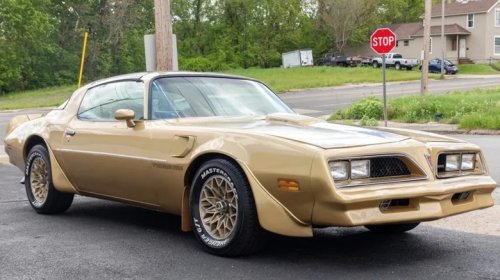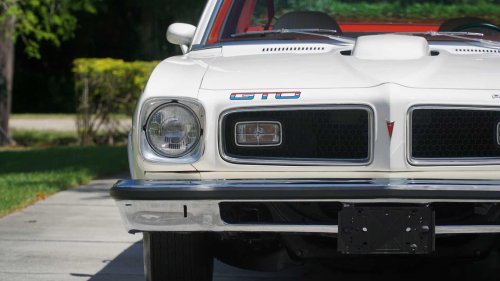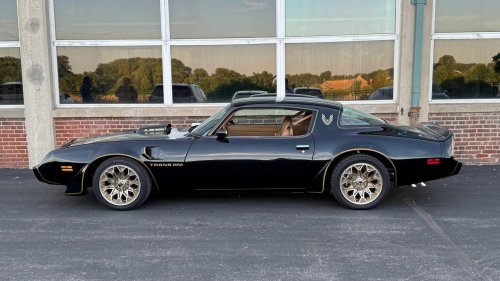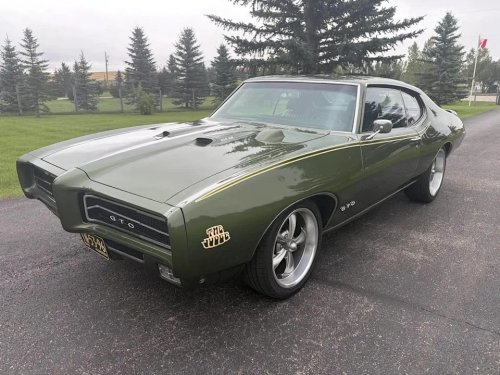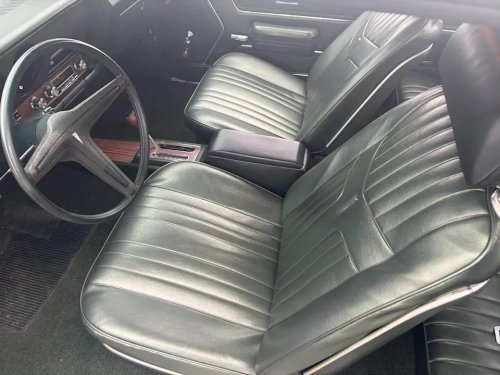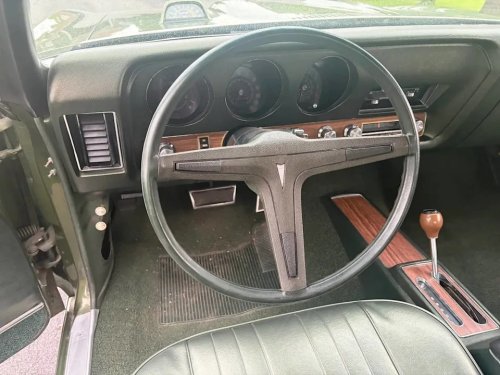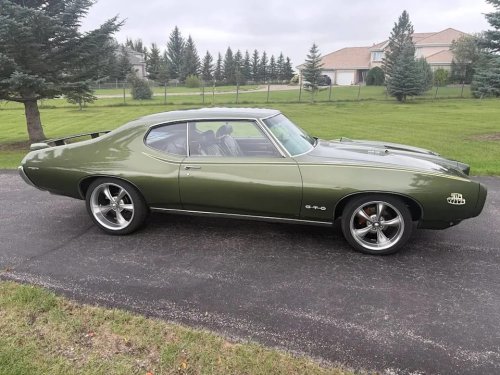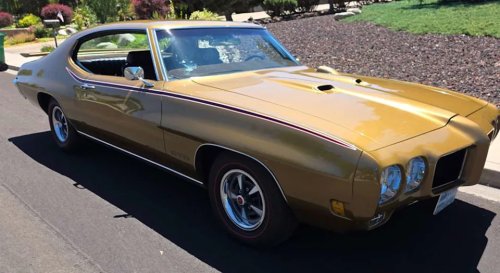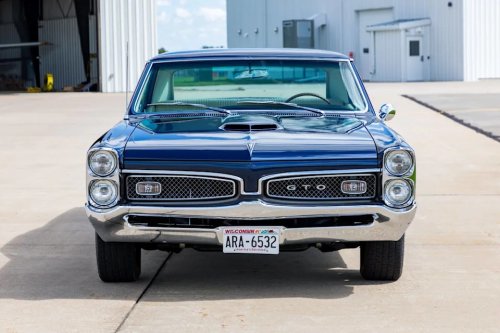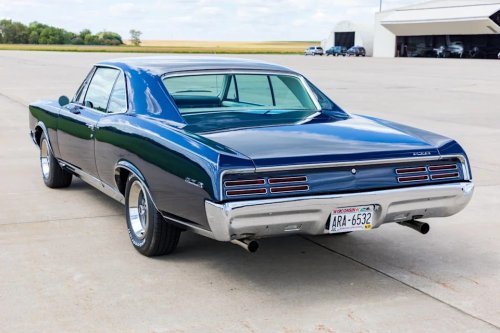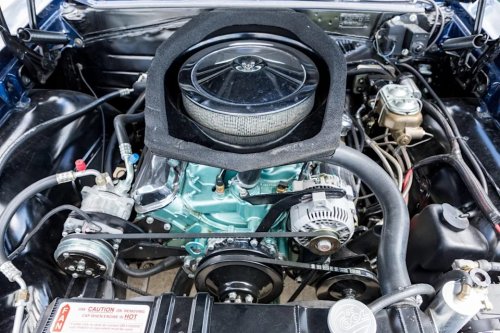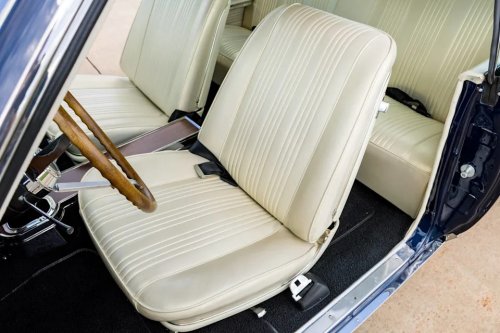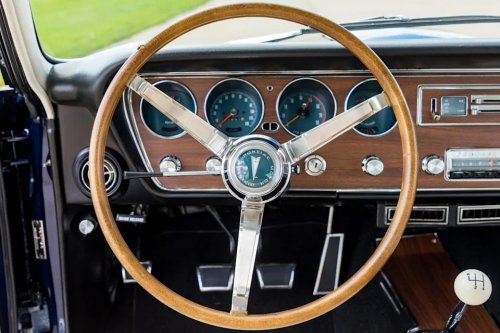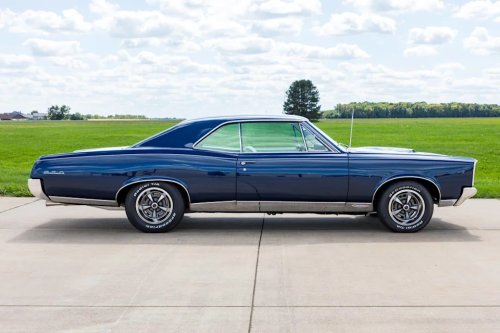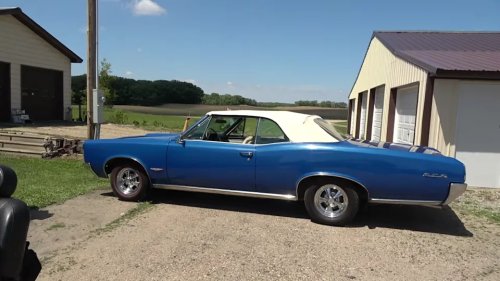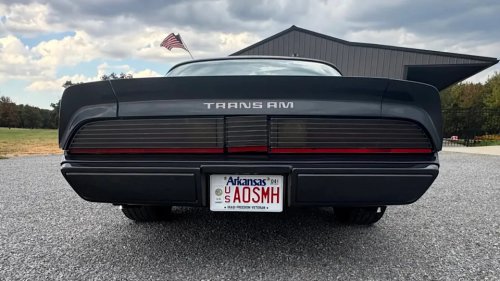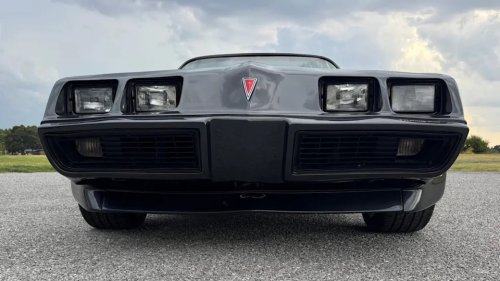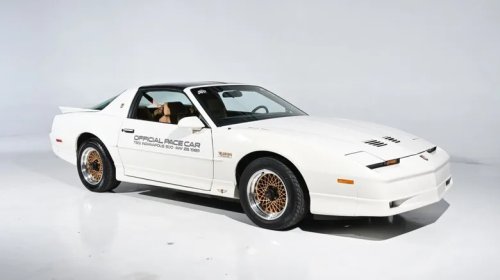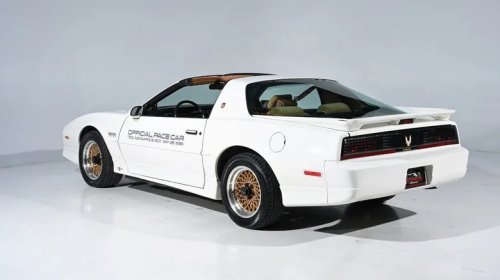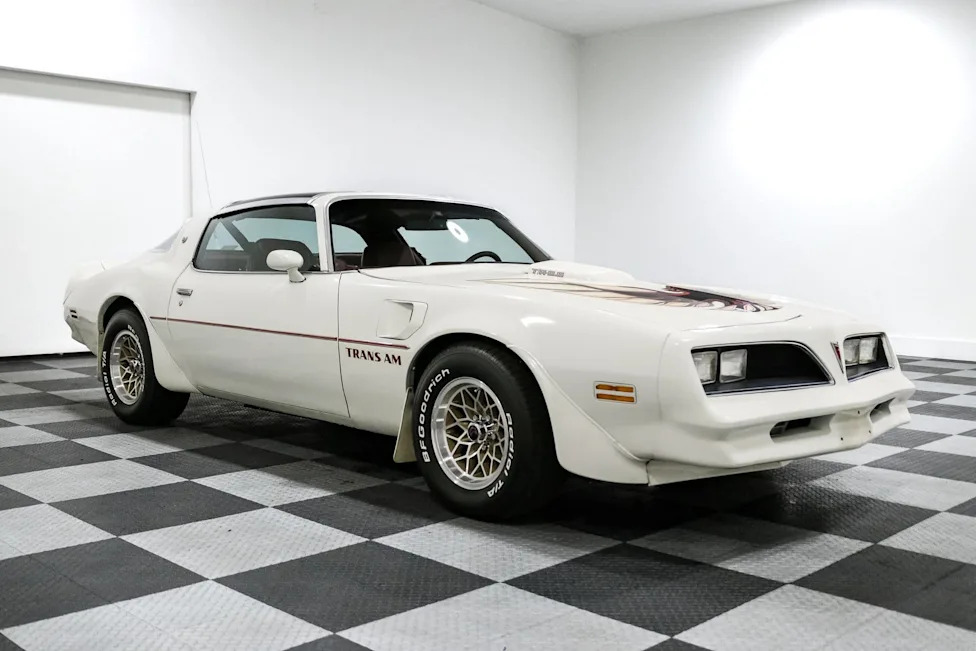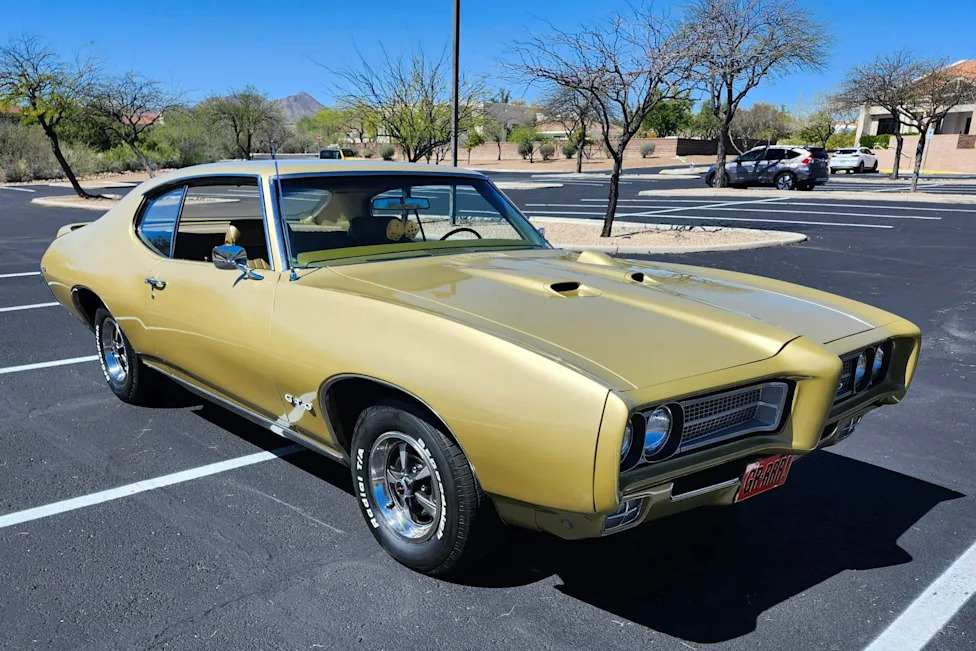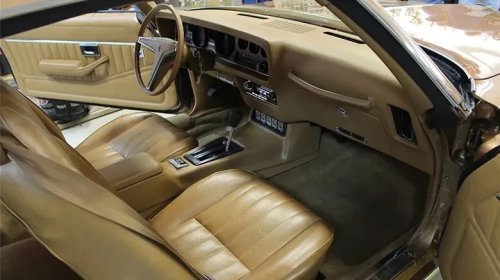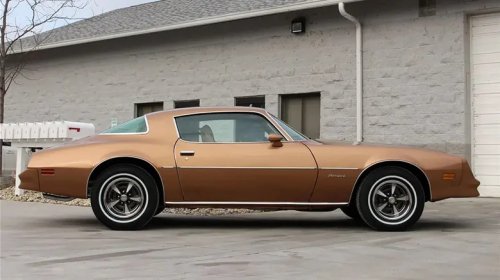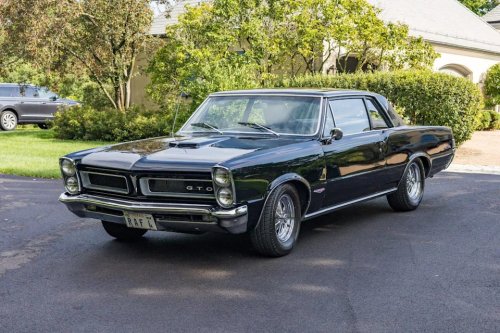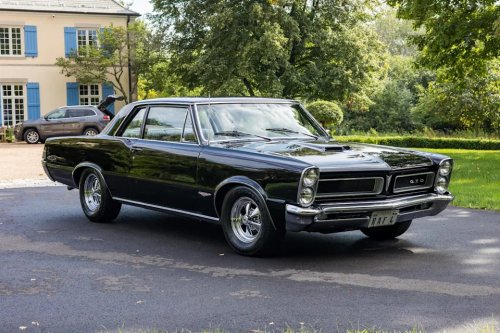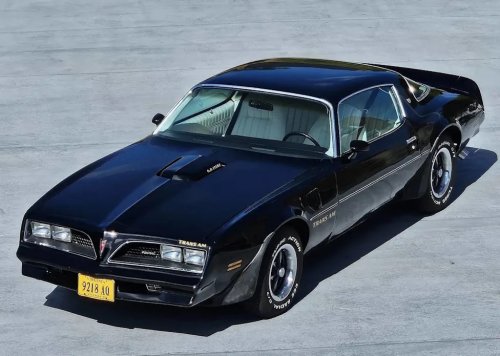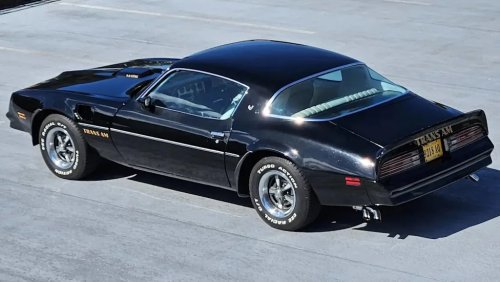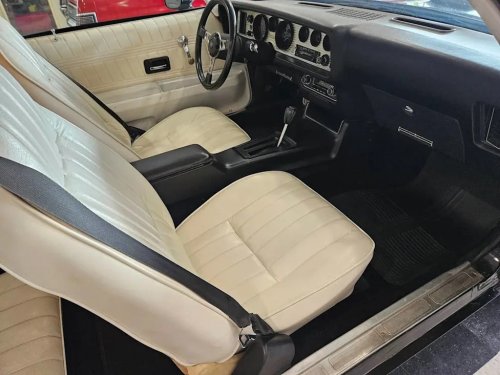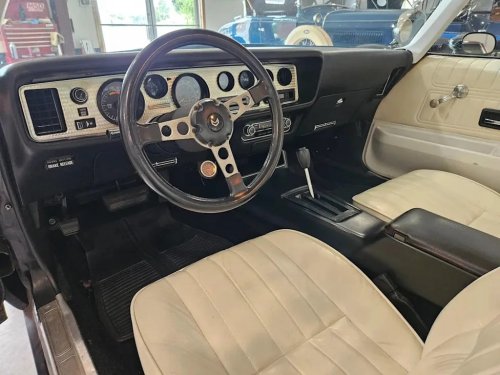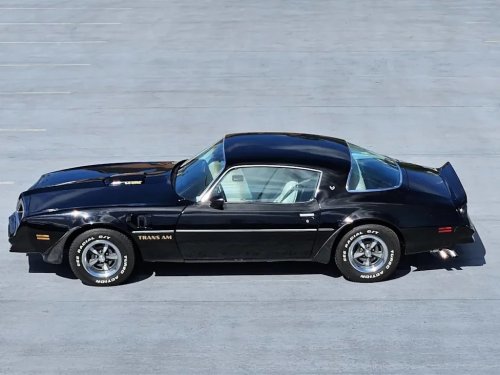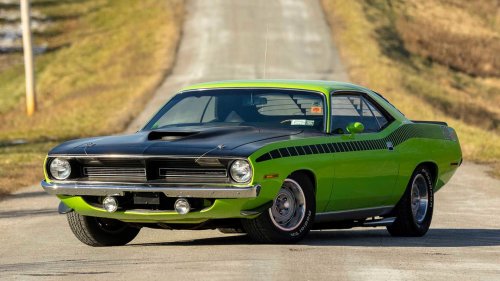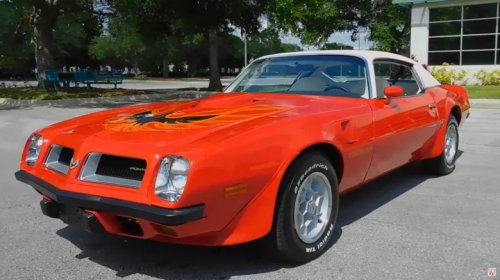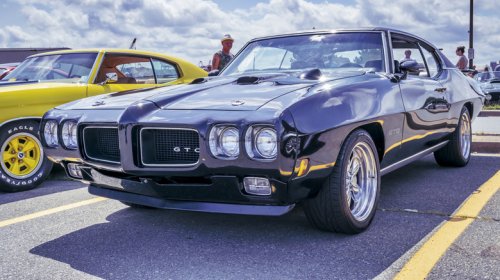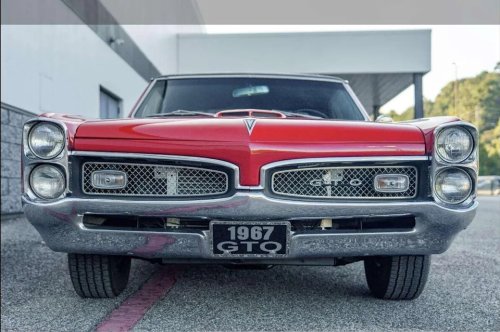






















Pontiac, a beloved American car brand known for its performance-oriented vehicles, had a storied history before its demise in 2010. While many of their cars became iconic, a few promising models never made it to production. Here, we explore the intriguing concepts and prototypes that Pontiac enthusiasts wish had seen the light of day.The Pontiac Trans Am Type KThe Trans Am Type K represented a radical departure from traditional Pontiac aesthetics. Characterized by its bold styling, the Type K signaled a new direction for the brand, aiming to capture the imagination of a new generation of car buyers. With its angular lines and aggressive stance, it was a concept that promised to redefine Pontiac’s design ethos. Under the hood, the Trans Am Type K was engineered to deliver exceptional performance. Advanced engineering techniques and high-performance components were integrated to ensure that the Type K would stand out in the competitive muscle car market. The potential for this model to become a standout performer was undeniable, offering a tantalizing glimpse of what could have been a game-changer for Pontiac. Market positioning for the Trans Am Type K could have significantly impacted Pontiac’s image in the 1970s. By embracing a more radical design and performance-focused approach, the Type K had the potential to attract a broader audience and redefine the brand’s place in the automotive landscape. Its introduction might have marked a pivotal moment in Pontiac’s history, reshaping consumer perceptions and market dynamics.The Pontiac GTO Judge IIReviving the legendary GTO Judge in a modern form was an exciting concept for automotive enthusiasts. The GTO Judge II aimed to capture the essence of the original while incorporating contemporary technology and performance enhancements. By paying homage to its iconic predecessor, the Judge II sought to blend nostalgia with modern innovation. The design elements of the GTO Judge II drew inspiration from the classic Judge, featuring bold color options and aggressive styling that paid tribute to its roots. The emphasis on retro-inspired design cues was intended to evoke a sense of nostalgia while appealing to contemporary tastes. It was a delicate balance between honoring the past and embracing the future. The potential market success of the Judge II was significant, as it could have capitalized on the growing interest in retro-inspired vehicles. By tapping into a sense of nostalgia, the Judge II might have attracted both longtime fans of the GTO and a new generation of enthusiasts. Its market introduction could have bolstered Pontiac’s reputation and commercial success in the sports car segment.The Pontiac Solstice CoupeThe development of the Pontiac Solstice Coupe was a strategic decision to expand the popular Solstice lineup and enhance its appeal in the sports car segment. By introducing a coupe version, Pontiac aimed to provide enthusiasts with a more versatile and performance-oriented option. The Solstice Coupe promised to deliver enhanced handling and driving dynamics, building on the success of its roadster counterpart. Design and engineering improvements were at the forefront of the Solstice Coupe’s development. The changes were aimed at making the vehicle more robust, with a focus on structural integrity and aerodynamic efficiency. These enhancements were intended to elevate the Solstice Coupe’s performance credentials and solidify its place as a desirable sports car option. The missed opportunities associated with the Solstice Coupe were significant. By not bringing this model to market, Pontiac potentially lost a chance to bolster its reputation among driving enthusiasts. The Solstice Coupe could have been a key player in Pontiac’s sports car offerings, appealing to those seeking a well-balanced and thrilling driving experience. Its absence is felt by many who recognize the potential it held.