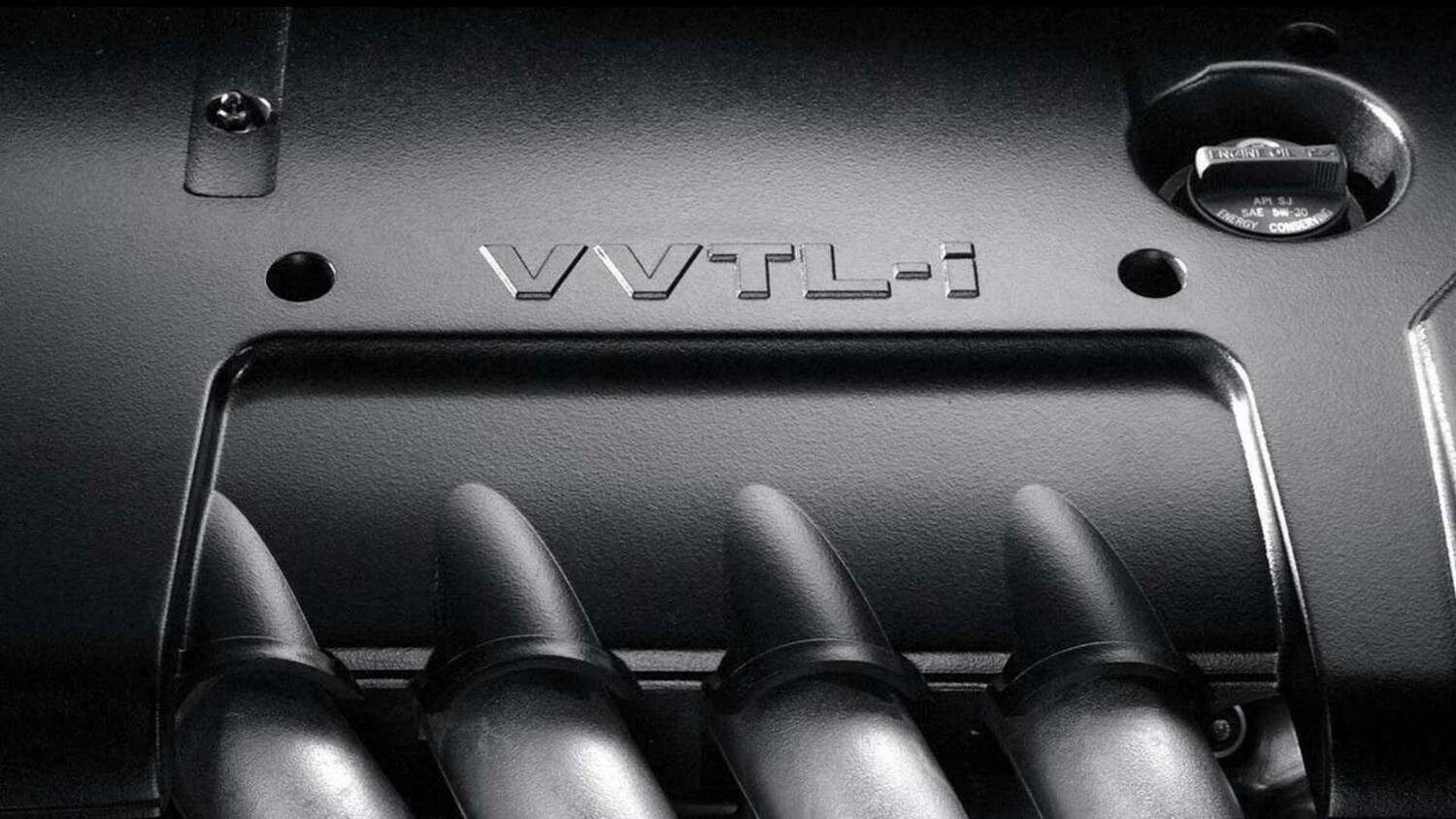
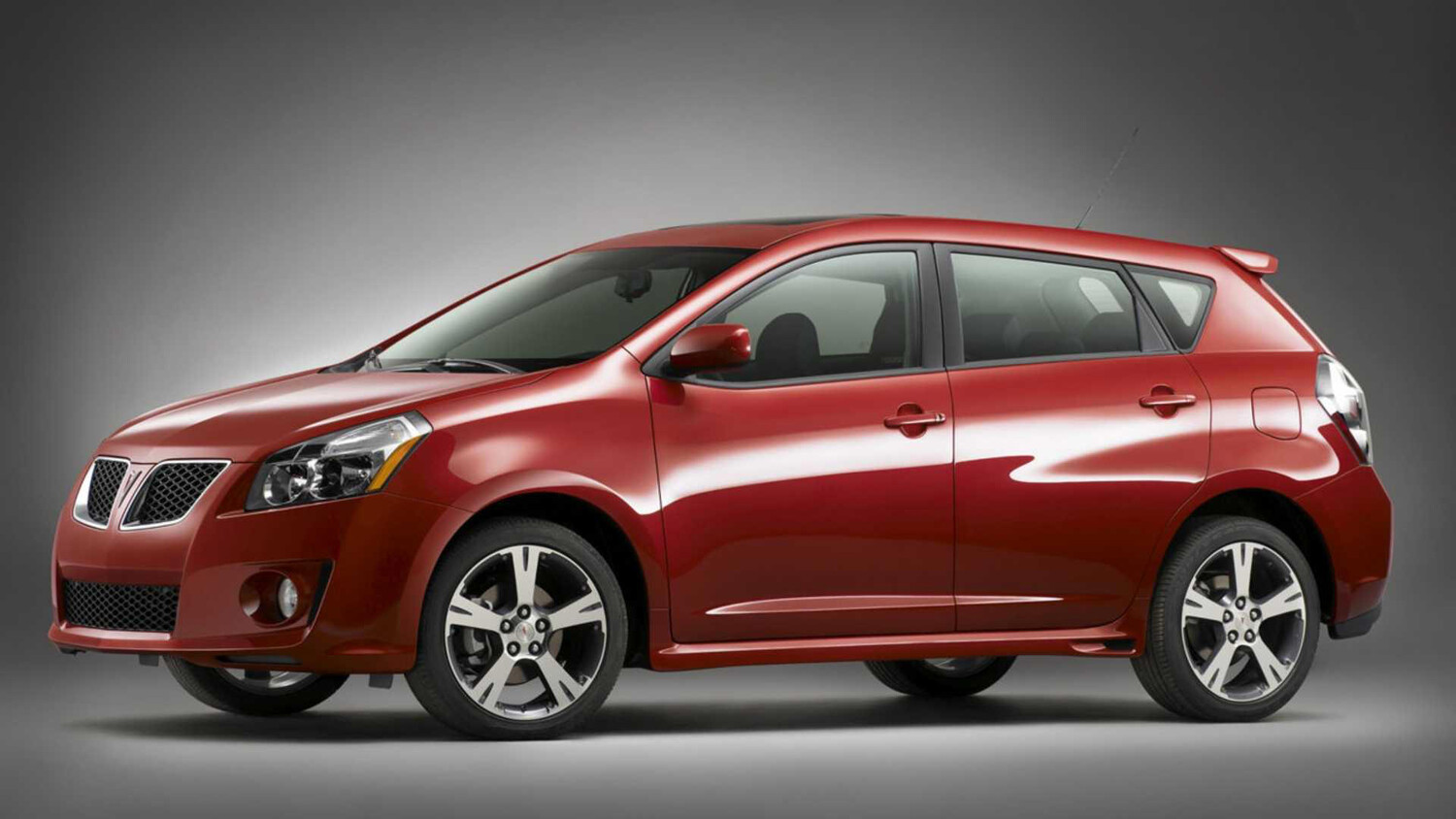
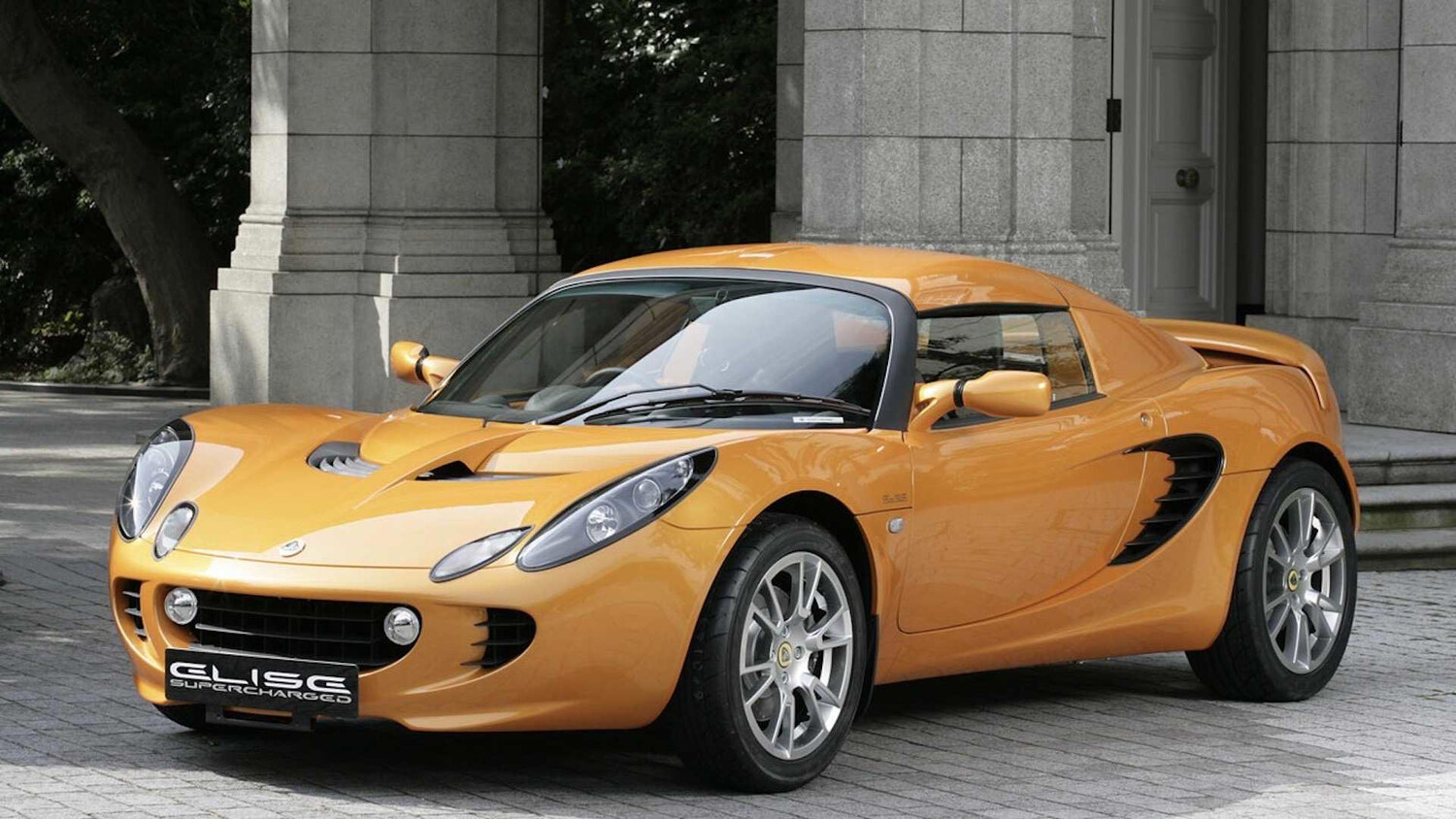
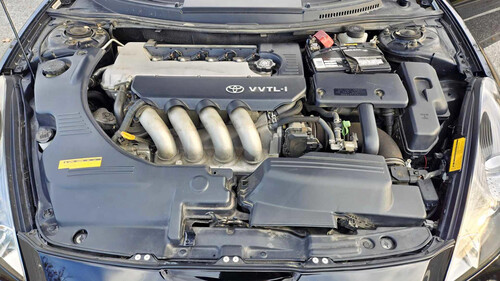
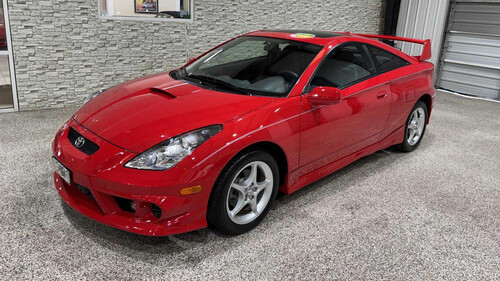
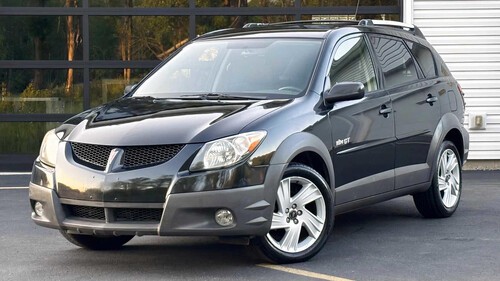
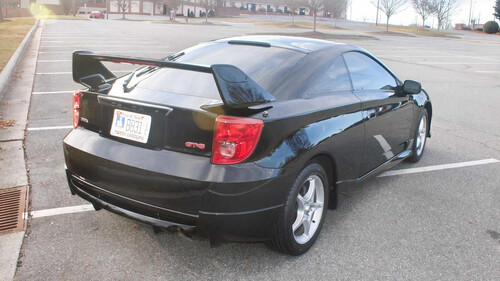
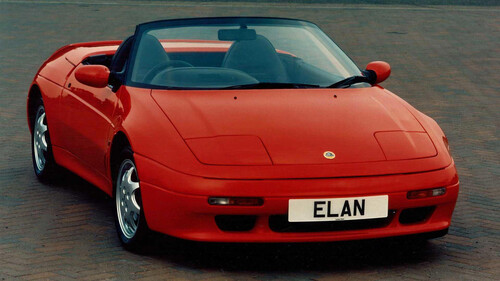
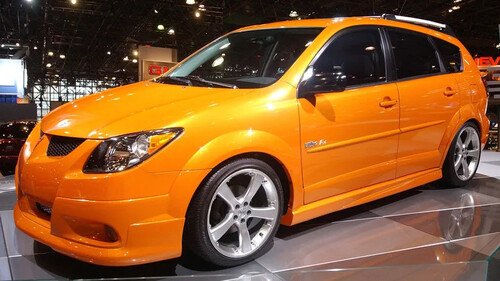
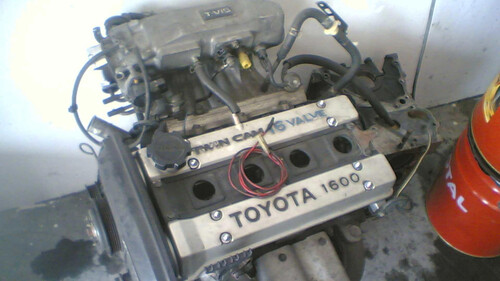
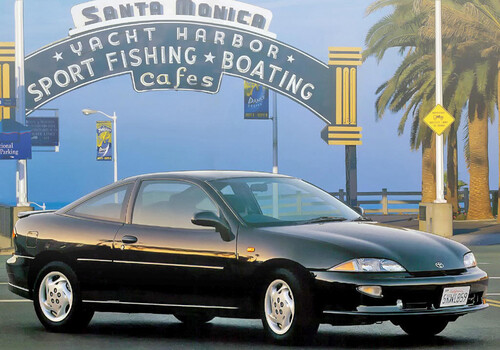
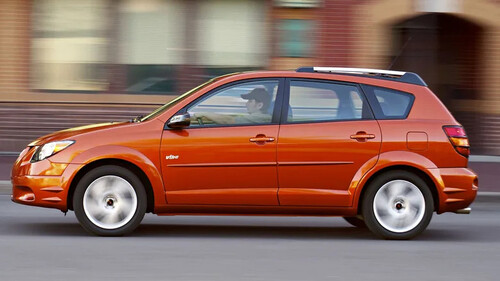
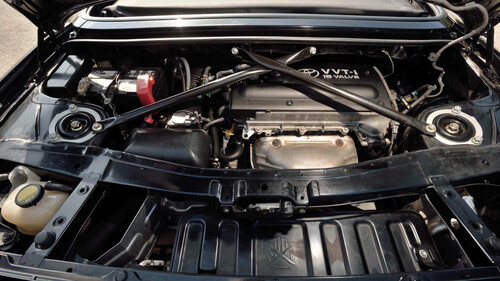
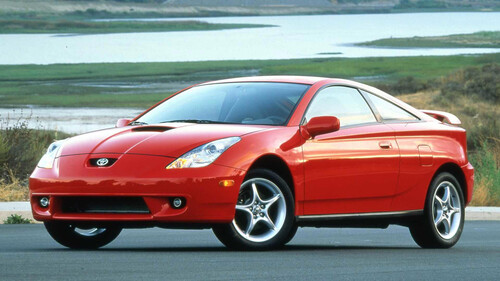
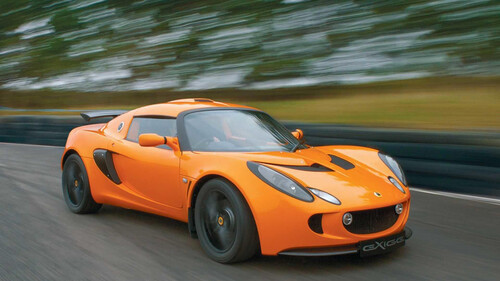
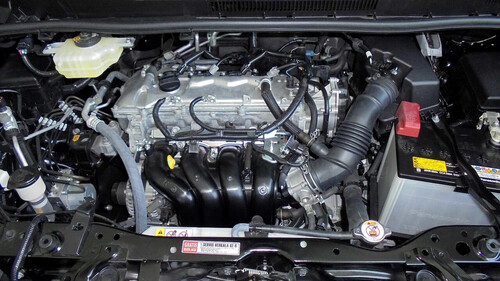
Technology sharing is a common exercise carried out between manufacturers, primarily as it brings strategic advantages for both parties. These can range from saving a considerable amount of money and resources by sharing development costs, to learning about how another firm operates to try to improve their own manufacturing setup.General Motors has entered into its fair share of these partnerships over the years, but one of the most prolific was called New United Motor Manufacturing Incorporated.The deal ended up creating one of Pontiac's – GM's mid-range brands during the 20th and early 21st centuries – strangest models. While it looked like a Pontiac from the outside, its internals were mostly Japanese. GM Entered Into A Partnership With Toyota During The 1980s Chevrolet Thanks to the New United Motor Manufacturing, Inc (NUMMI) deal, GM had a relationship with Toyota, the prolific Japanese manufacturer working hard to establish a presence in the US market during the 1970s and 1980s.Japanese imports were starting to get a real foothold in the US during the latter decade, which left American brands scrabbling to try to fend off the threat. The likes of Chrysler and GM soon realized that working with them was better than trying to beat them at their own game, with the latter reckoning that it would learn more by collaborating as opposed to attacking.Having lacked the necessary infrastructure to make US manufacturing financially sustainable, Toyota accepted GM's invitation to work together. The two automotive giants used GM's former Fremont manufacturing facility as their base of operations, where the two brands started to design and manufacture vehicles that would be sold under each other's branding. Examples include the Corolla, which was sold under GM's Geo marque as the Prizm, as well as a small compact called the Vibe. Toyota was able to start building its Tacoma truck at the facility, too, which helped address import tariffs like the Chicken Tax. The Vibe Was A Rebadged Toyota Matrix Pontiac GM and Toyota had been working together for nearly two decades by the time the Pontiac Vibe, or Toyota Matrix, was unleashed in 2002. The model was developed to take on the compact market, and took the design of a small crossover in Pontiac form. It essentially replaced the Prizm in GM's stable, and used the same foundations as the ninth-generation Corolla. While placed towards the cheaper end of the market, like the Corolla, the Vibe/Matrix was angled as more of a sporty hatchback for younger buyers.The two models were produced between 2002 and 2010, with a second-generation version being released in 2008. Aside from an internal and external redesign, the second-gen machine got a fresh range of engines. Pontiac Took Profit Of Toyota's Technical Prowess Pontiac Considering the reputation of Toyota's technical department, it shouldn't come as a surprise to learn that this joint venture primarily utilized parts from the Toyota side. The primary engine option was a 1.8-liter 1ZZ-FE inline-four, which could normally be found under the hood of models like the Corolla, as well as Toyota's Rav4 SUV. The dependable little number produced a solid 130 horsepower, and could manage an average MPG in the mid-30s. The available five-speed automatic and six-speed manual transmissions, the latter only available in the more powerful GT variant, were also provided by Toyota.Seeing as the vehicle was based on the Corolla, it only made sense to make use of the components designed for it. Cheaper variants had their power sent to the front wheels, though you could throw a bit more money Pontiac's way and get one with all-wheel drive instead. The short-lived second-gen Vibe got a couple of new Toyota units, namely a 1.8-liter NA I4 that produced 132 hp, and a larger 2.4-liter powerplant that made 158 hp. The six-speed gearbox was discontinued, with the menu now consisting of a five-speed manual, as well as the choice of either a four or five-speed auto. AWD was again made available. Very Little GM DNA Was Found In The Vibe Pontiac The Vibe also made use of the independent front and rear suspension setup from the Corolla, which begged the question of how much Pontiac was actually in the Vibe. From a technical standpoint, not much. It used a different air conditioning compressor and various belts, but aside from that, it was identical to the Matrix. The main differential came with its design, as Pontiac's offering boasted more of a stateside Vibe due to its plastic exterior panels, whereas the Toyota looked more like a sporty Corolla hatch.Still, this wasn't necessarily a bad thing. After all, the Vibe was priced lower than the Matrix, so those who preferred Pontiac's styling could team this with excellent reliability, and for a bit of a discount. Used Vibes Work Well As Cheap Runarounds Pontiac If you're after a simple and practical daily, the Vibe stands out as a rather unusual but dependable option. According to CarBuzz's Marketplace, the average used value for later 2009 models currently stands at just $7,599. This will get you a clean example with middling mileage, too, whereas well-traveled cars that are perfect for running into the ground can be found for closer to $3k.Earlier cars are priced at a similar level, with a good example being a silver 2006 example with just over 65,000 miles on its odometer. Cars.com is asking for only $7,900 for it as of March 2026, with the machine also being supplied with a reassuring clean title. The Vibe GT Shares Its Engine With A Beloved British Sports Car Lotus Aside from being equipped with a stiffer suspension setup and some slightly zanier styling, the first-gen Vibe GT's uprated 1.8-liter 2ZZ-GE engine is a bit of a star in its own right. Aside from being dependable and cheap to run as performance engines go, it was also shared by some very capable sports cars. Toyota's popular Celica made use of it, but so did a small British brand that goes by the name of Lotus. Other Cars That Used The Toyota 2ZZ-GE 2007-2011 Lotus Elise 2007-2011 Lotus Exige 2007-2011 Lotus 2-Eleven 2000-2005 Toyota Celica GT-S 2005-2006 Toyota Corolla XRS The sports car maker used the variable-valve timing-equipped powerplant in its Elise and hardened Exige models, with both featuring an uprated 190-hp version of the unit. It went a step further with models such as the Exige S and track-focused 2-Eleven though, as the manufacturer graced the engine with a juicy supercharger.Not only did this introduce a characteristic whine associated with this form of forced induction, but the power output was also boosted to comfortably north of 250 hp. The non-VVT 1ZZ-GE engine found in the base Vibe was also used by Lotus in its entry-level Elise and Exige offerings, as well as the lower-power versions of Toyota's Celica and MR2 sports cars. The Toyota units met Lotus' needs perfectly, given that they were not only compact and light, but also durable and powerful for their size.The Vibe may not be the most exciting model Pontiac has ever produced, but at least you can tell your friends it shares the same engine as a Lotus. Every cloud, and all that.