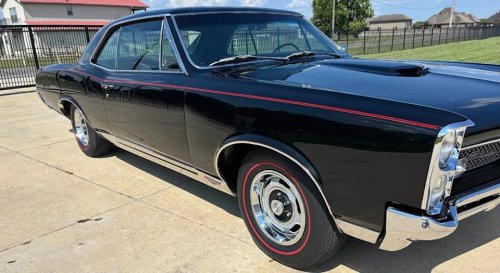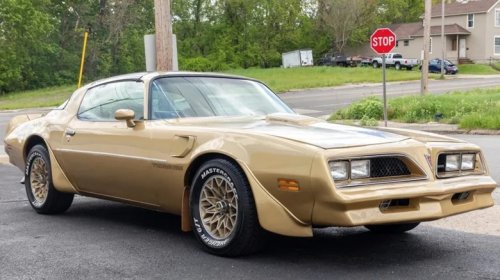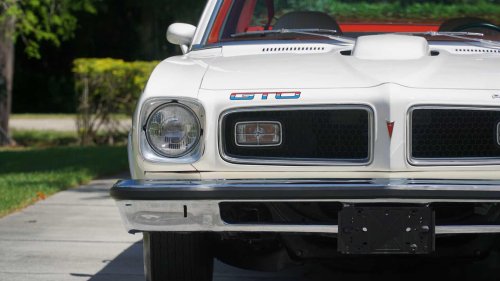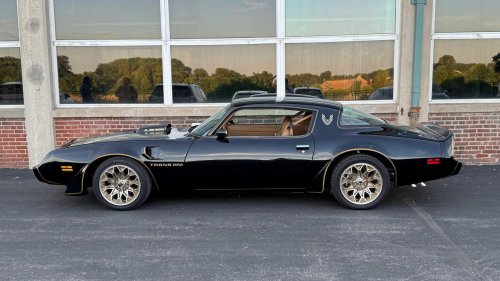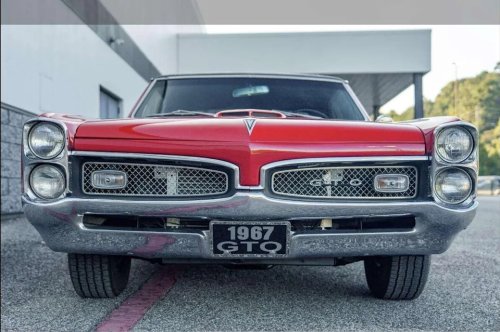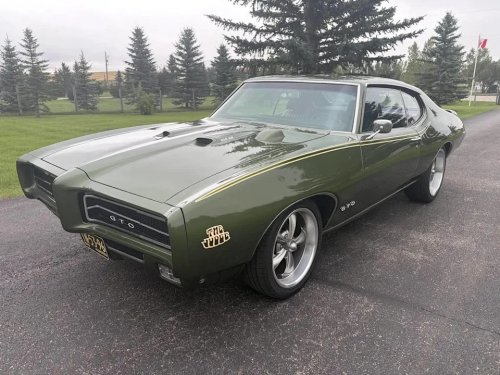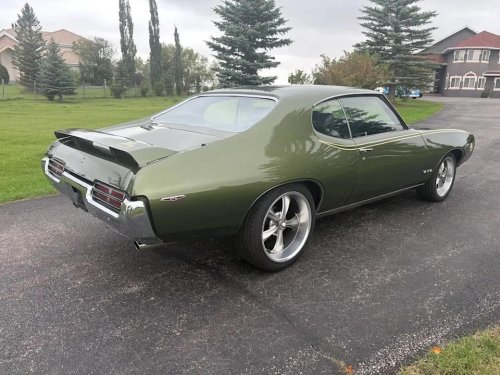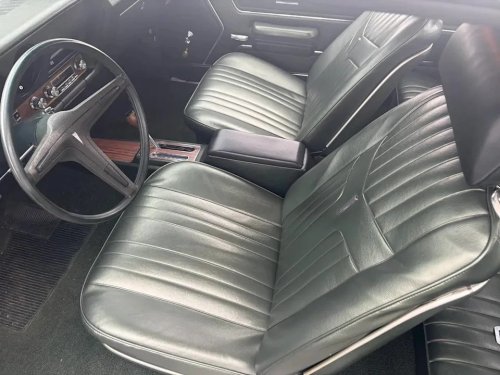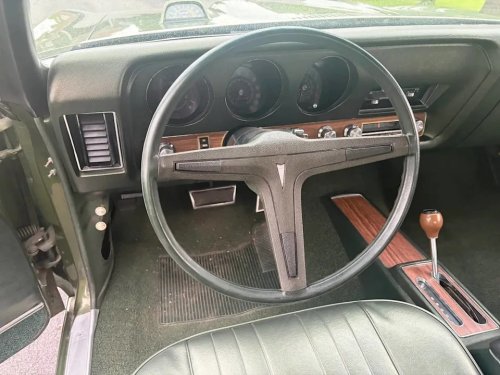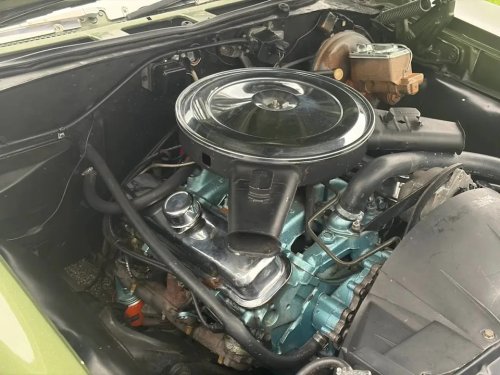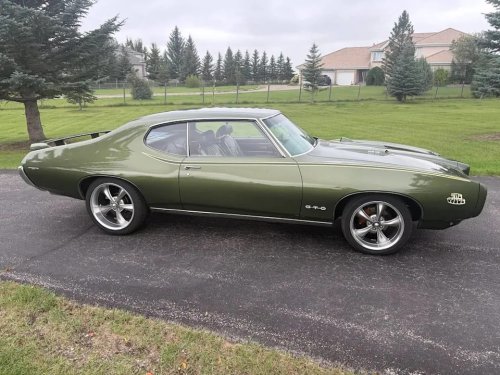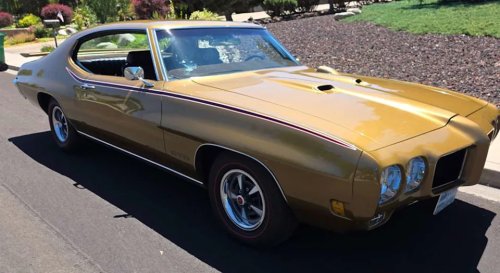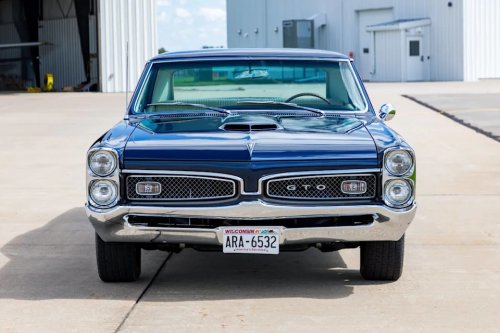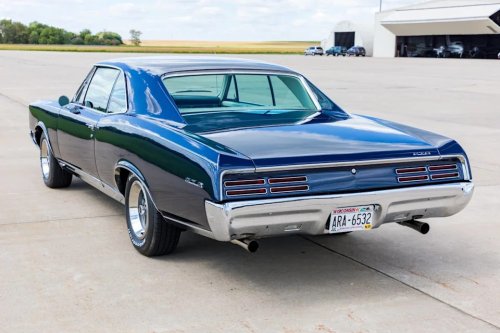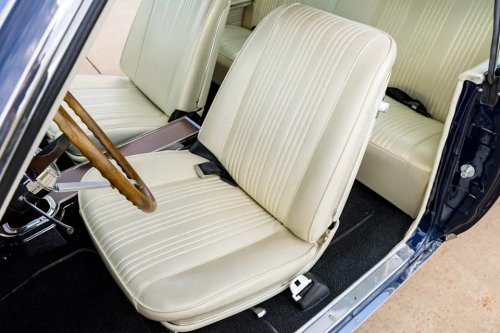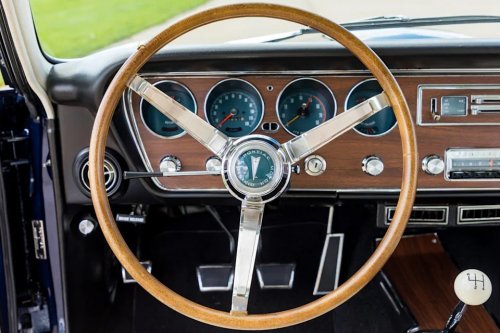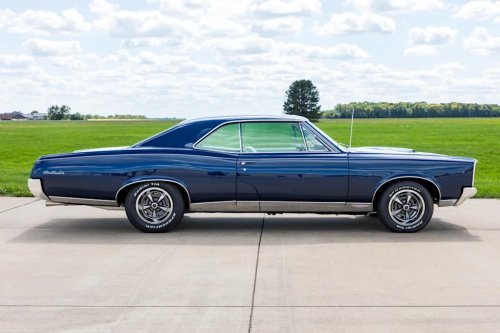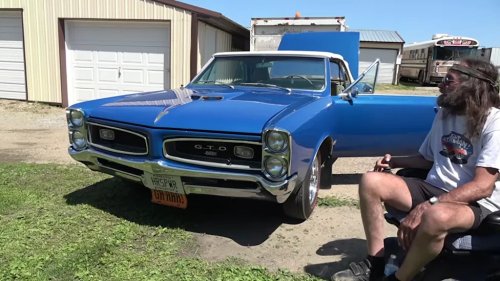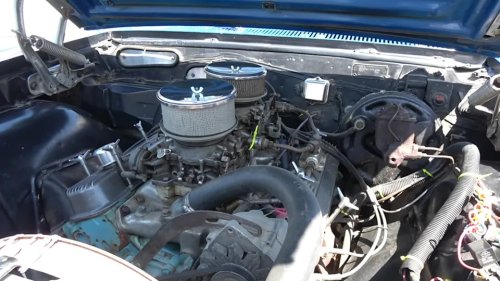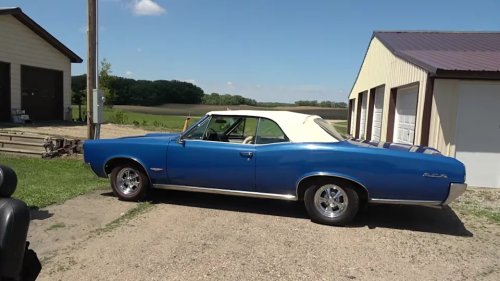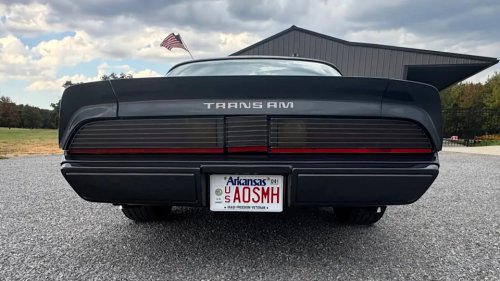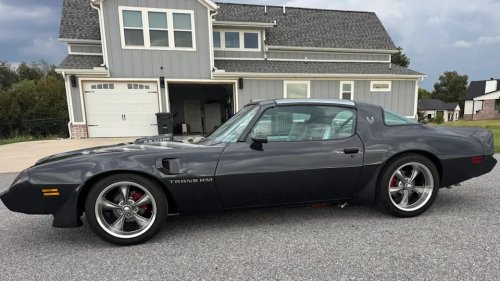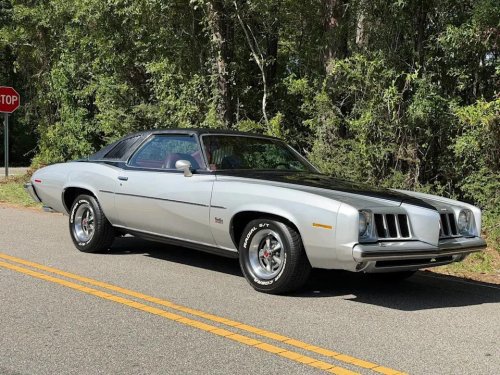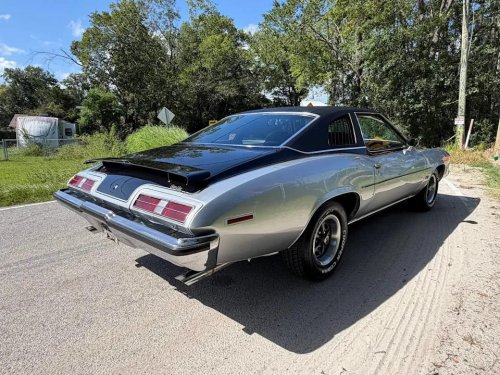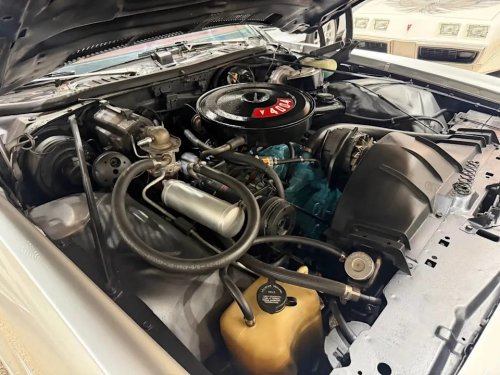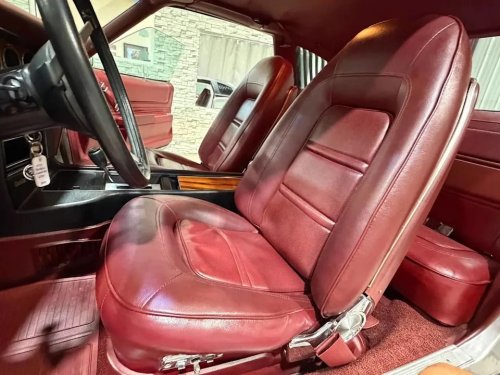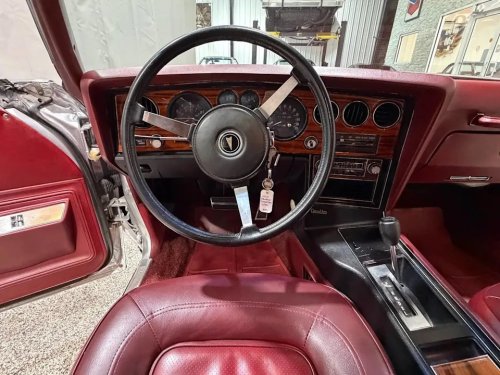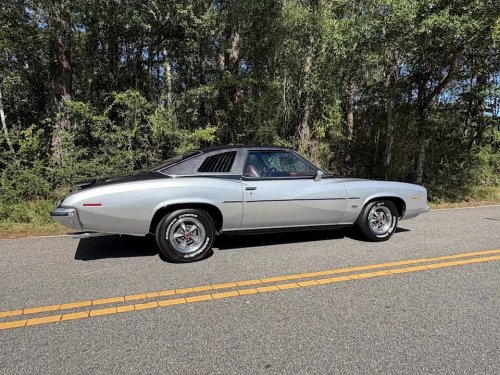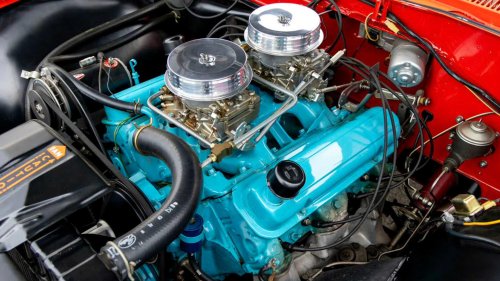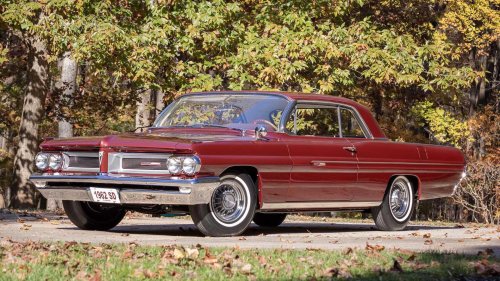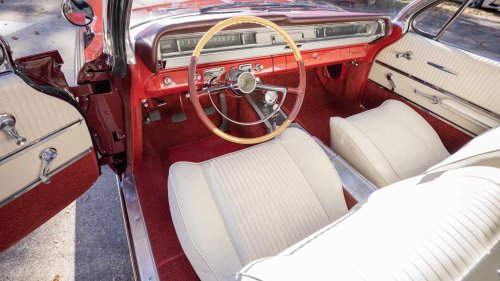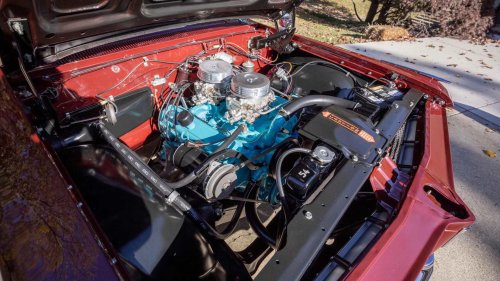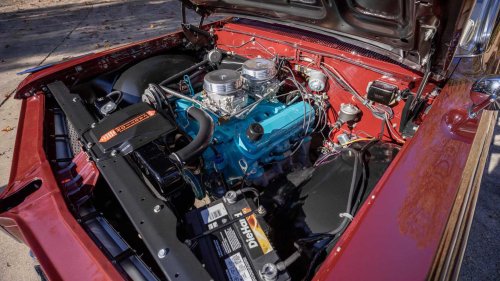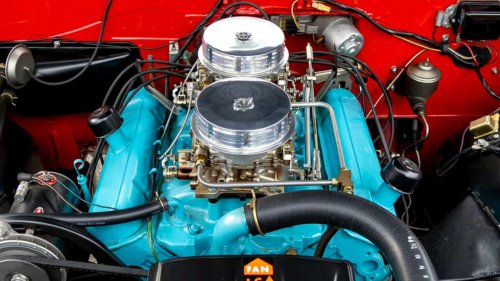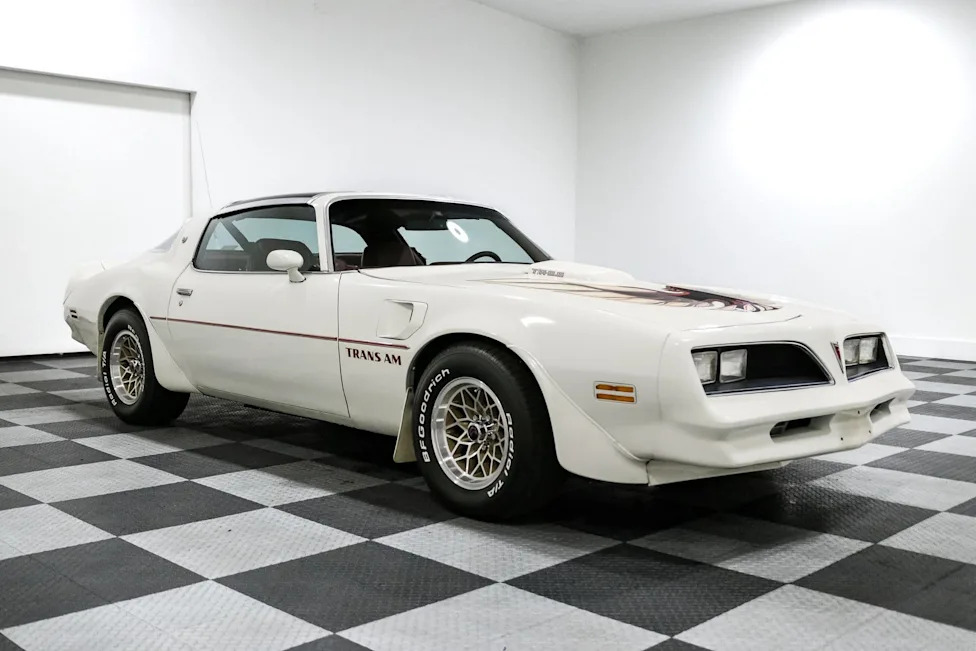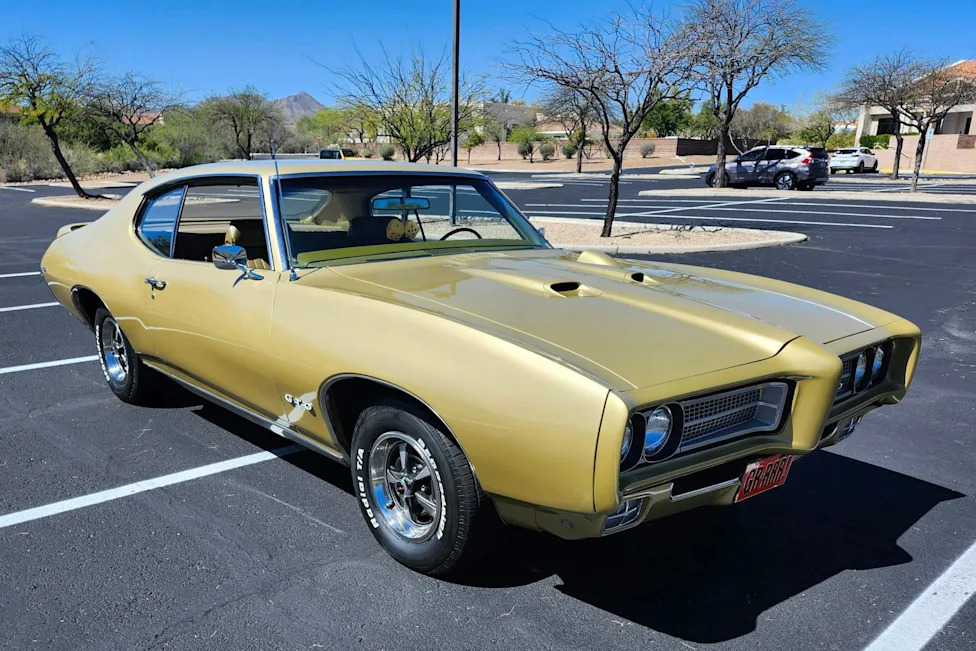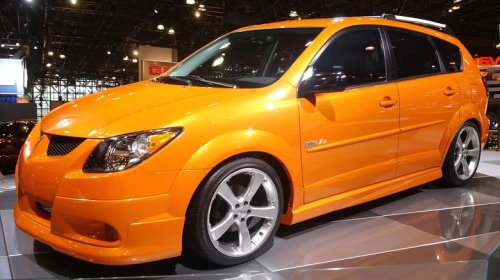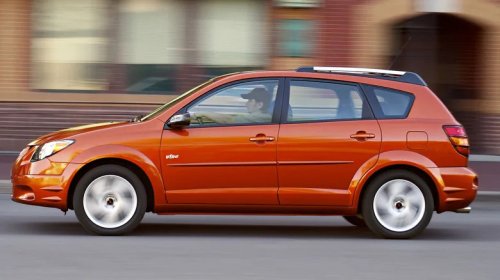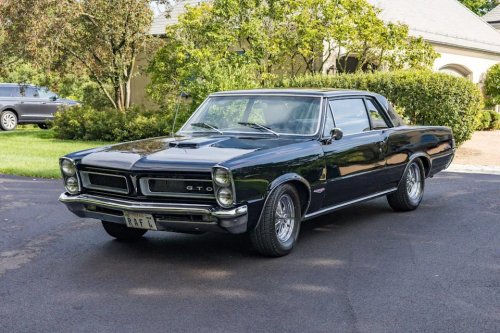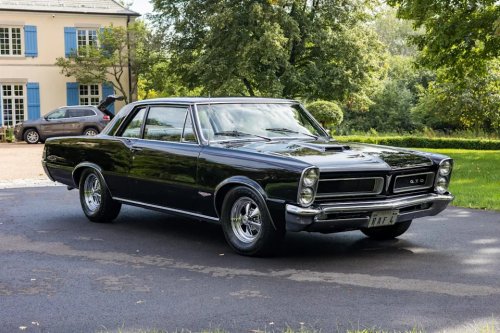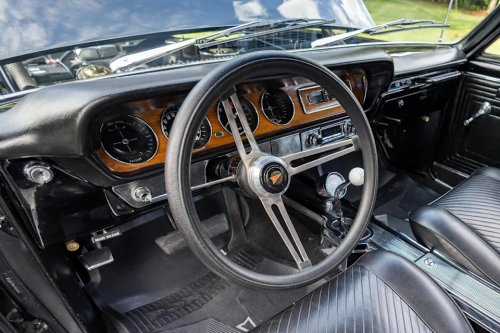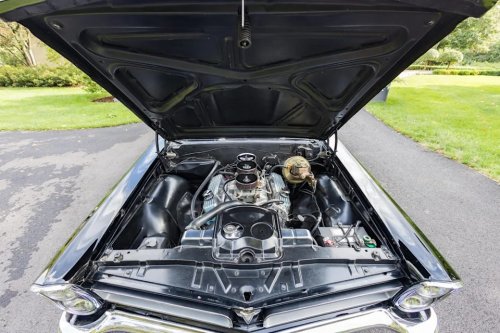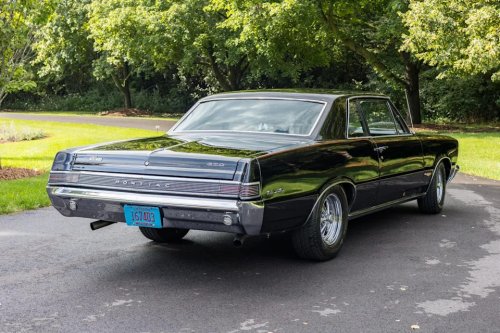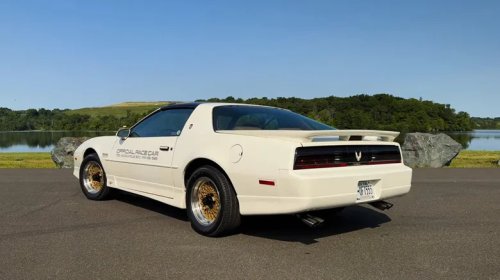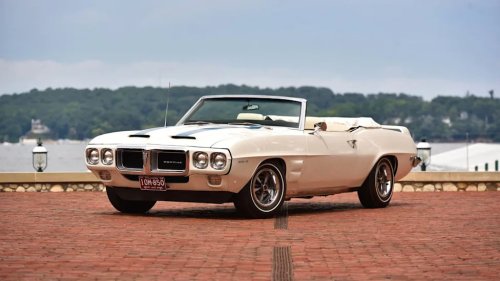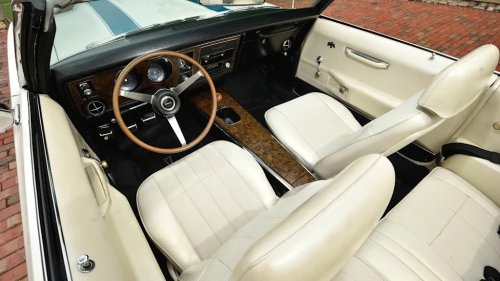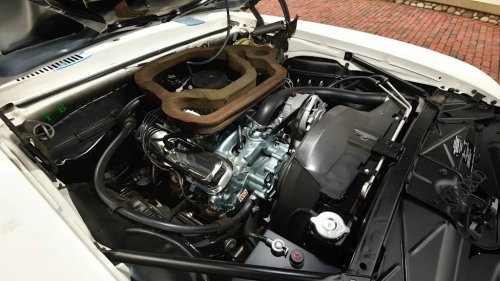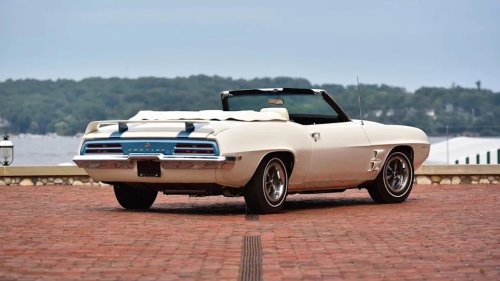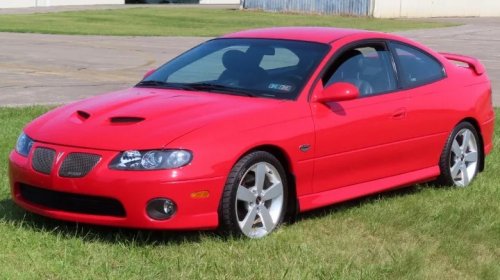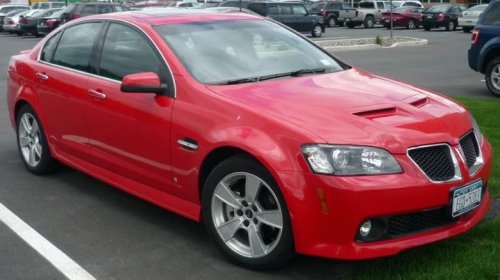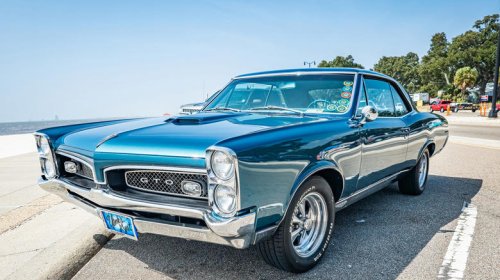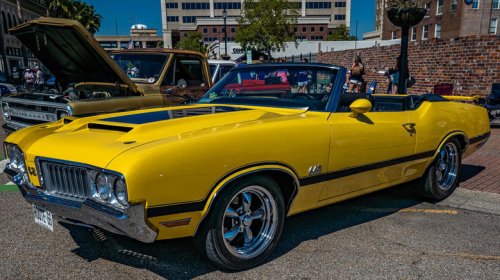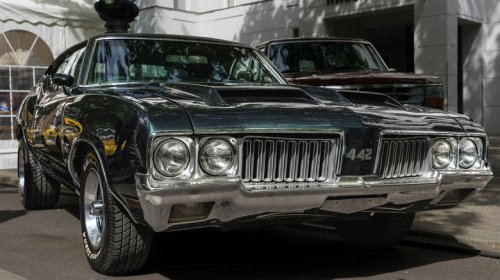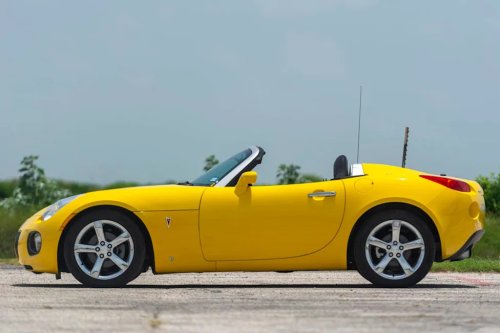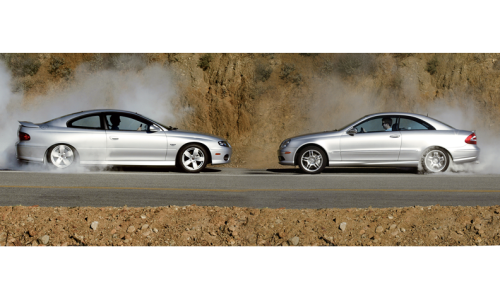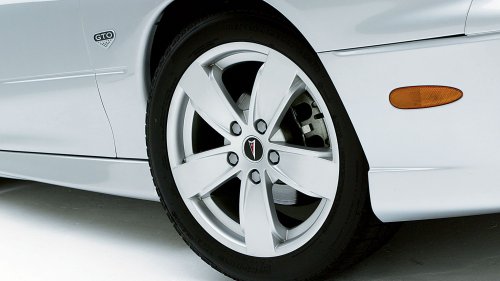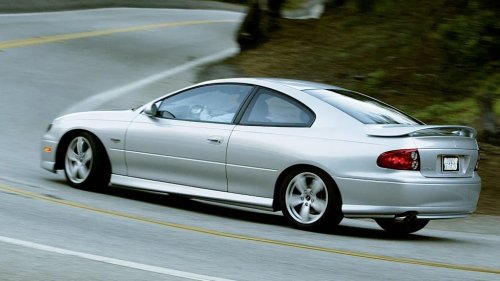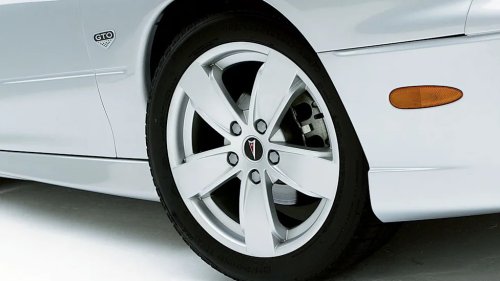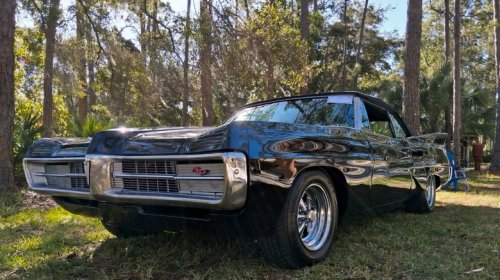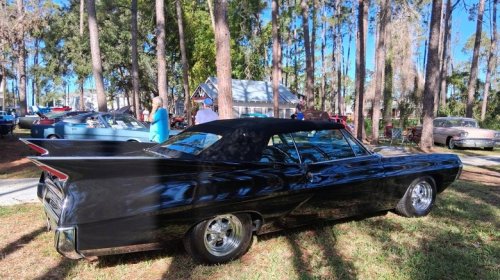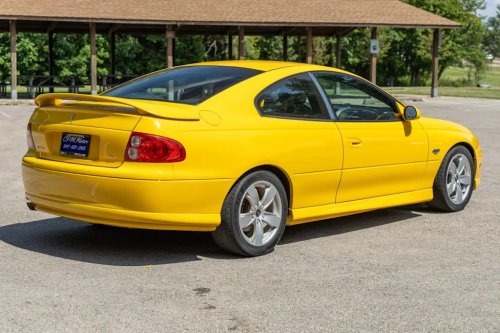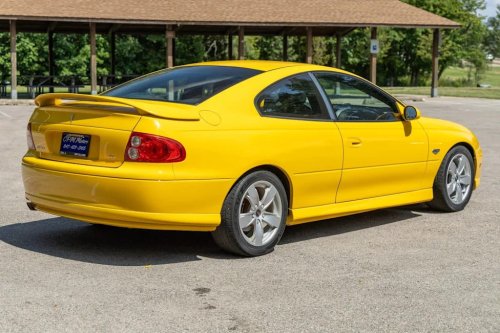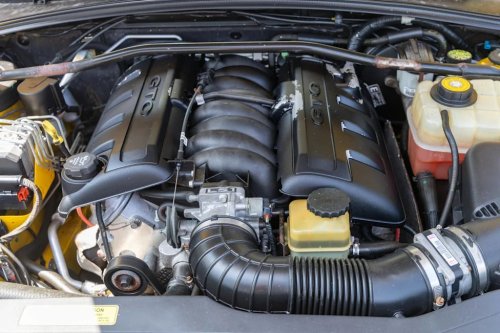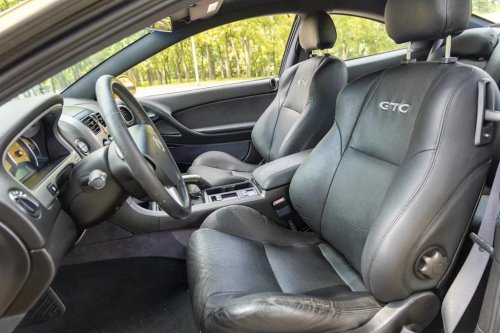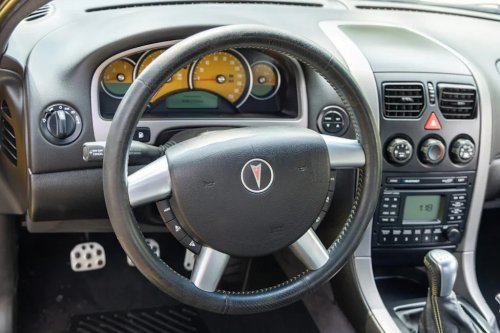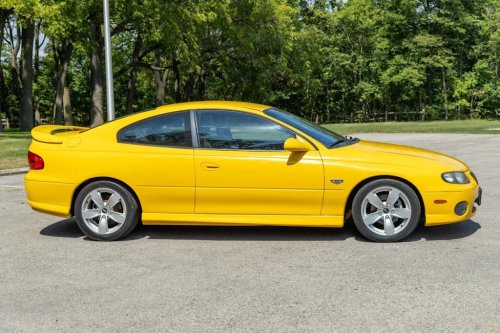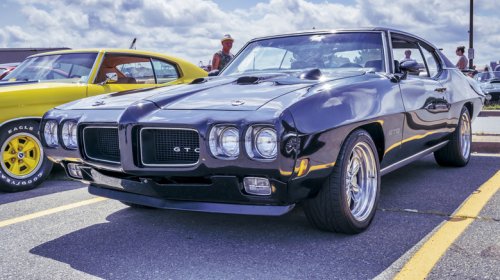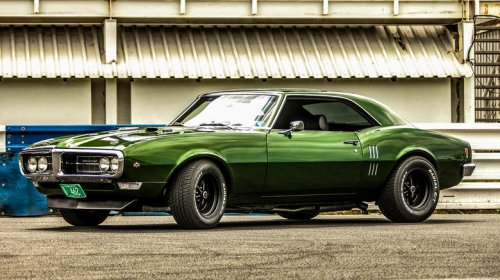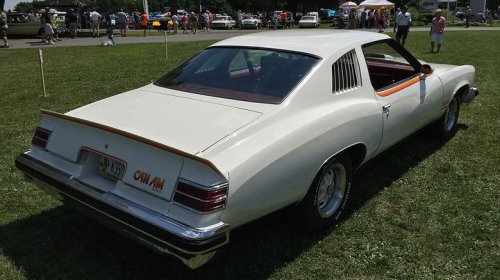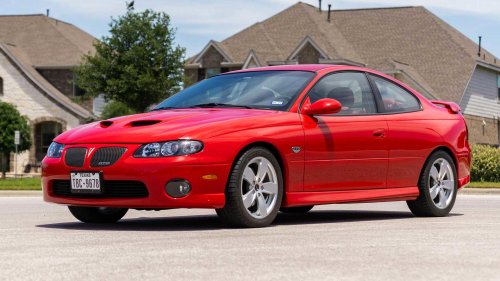
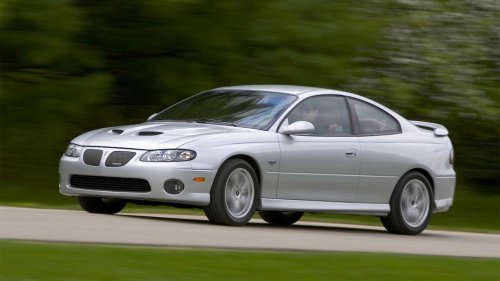
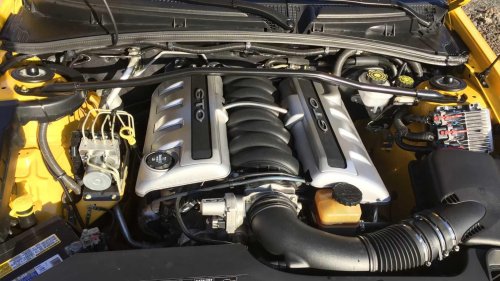
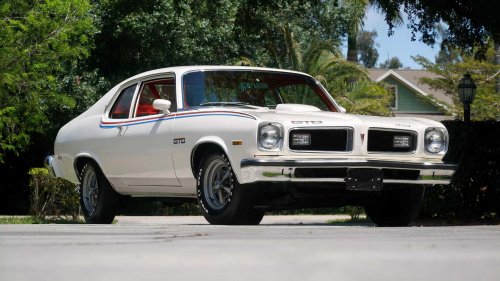
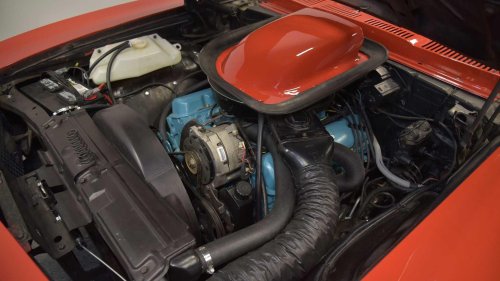
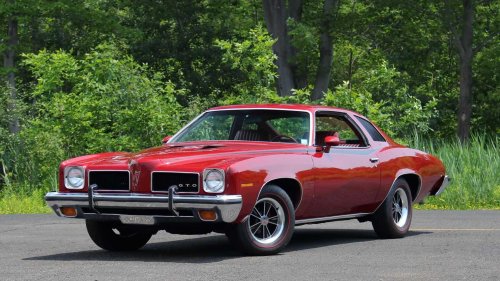
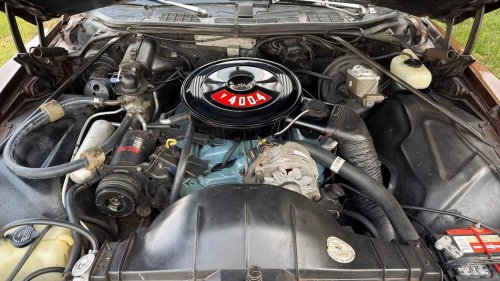
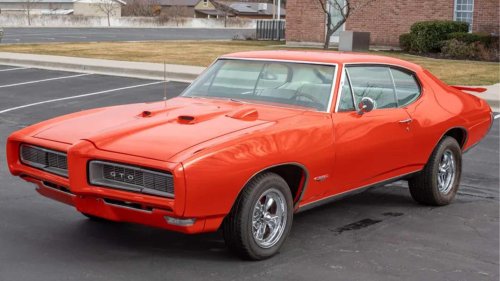
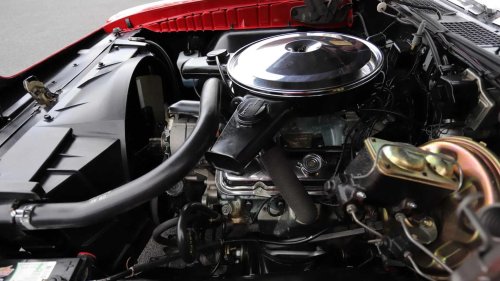
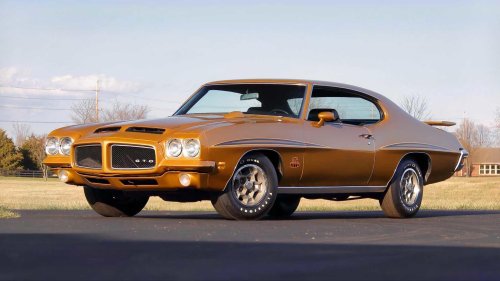
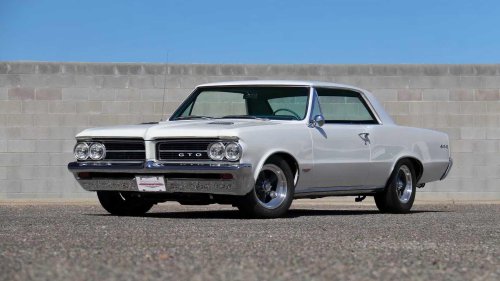
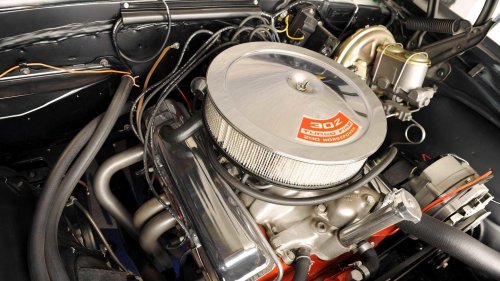
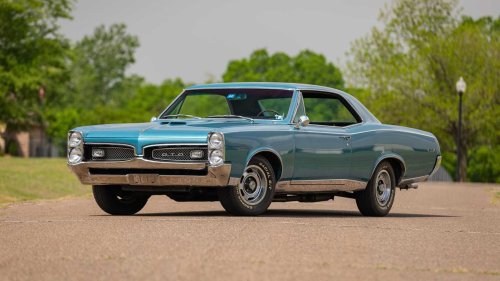



















Jump LinksAll Pontiac GTO Models – Body Styles by YearEngine Options and PerformanceFifth Generation Pontiac GTO Production YearsFifth Generation Pontiac GTO Special Trims/Editions/ModelsFifth Generation Pontiac GTO Prices and Value Over the YearsEngine Options and PerformanceFourth Generation Pontiac GTO Production YearsFourth Generation Pontiac GTO Prices and Value Over the YearsEngine Options and PerformanceThird Generation Pontiac GTO Production YearsThird Generation Pontiac GTO Prices and Value Over the YearsEngine Options and PerformanceSecond Generation Pontiac GTO Production YearsSecond Generation Pontiac GTO Special Trims/Editions/ModelsSecond Generation Pontiac GTO Special Edition Production YearsSecond Generation Pontiac GTO Prices and Value Over the YearsEngine Options and PerformanceFirst Generation Pontiac GTO Production YearsFirst Generation Pontiac GTO Prices and Value Over the YearsNo name in the muscle car world carries the same weight as the Pontiac GTO. While there’s debate over whether or not it was the first muscle car, it’s definitely the car that really kick-started the cultural phenomenon of the 1960s. Pontiac’s wild idea of putting a full-size engine into a mid-size car and targeting a youthful audience would prove to be the recipe for success. Naturally, it’s one of the most sought-after cars in the collector market today. We’re here to catch you up on everything you need to know as you seek out your own. Information About Every Pontiac GTO Generation 2005 Pontiac GTO 2 Front Three QuarterIn 1963, GM executives implemented a ban on motorsport participation for all its brands. Pontiac, who wanted to project a sporty image to attract young buyers, saw this as an opportunity to build cars targeting gearheads who wanted legitimate performance in street-legal cars. A developmental team made up of John DeLorean, Russ Gee, and Bill Collins immediately started working on the car. The process involved transforming the two-door coupe version of the intermediate-sized Pontiac Tempest (known as the LeMans) into a sporty car with the 389 cubic-inch V8 from the full-size Pontiac Grand Prix. Since GM had a policy limiting the intermediate line to a maximum displacement of 330 cubic inches, the development team discovered a loophole that did not prevent offering larger engines as an option. By promoting the engine option as a unique performance-oriented model, Pontiac could capture a large share of the youth market ahead of rivals like Ford, who were working on the Mustang at the time. At the end of the development process, the iconic GTO was born for the following model year as an option package for the LeMans. In 1966, it became a standalone model.The second and arguably the greatest GTO generation kicked off in 1968 with a curvaceous, semi-fastback design that many gearheads recognize to date. In 1973, Pontiac moved the GTO back to the LeMans line as an option package. The fourth-generation GTO debuted in 1974, but instead of the LeMans, it was now an option package on the compact-sized Pontiac Ventura.A quarter of a century later, Pontiac was facing a financial crisis and thought it was a good idea to revive the GTO. The marque unveiled an engine-less GTO concept car at the 1999 Detroit Auto Show, leaving many gearheads impressed. The 1999 GTO concept had a muscular design that captured the GTO's rich heritage and had many elements paying homage to the old 1960s GTOs. Unfortunately, when the fifth-generation GTO debuted in 2004, it didn't look anything like the concept car.Despite having a powerful V8 engine that many muscle car fans appreciated, the fifth-generation GTO was a rebadged Holden Monaro coupe that didn't impress muscle car purists at all. To make things worse, it had a high sticker price that many gearheads were not willing to pay.The final nail in the fifth-generation GTO's coffin came in the form of the newly introduced Dodge Charger and Ford Mustang generations, both of which had more traditional muscle car styling elements. The last GTO rolled off the factory in 2006, and just four years later the Pontiac brand faced the axe. All Pontiac GTO Models – Body Styles by Year The Pontiac GTO was initially available as a two-door coupe, two-door hardtop coupe, and two-door convertible for the first two generations. After that, it was only sold as a two-door coupe. Fifth Generation Pontiac GTO (2004-2006) Pontiac GTO - Front 3_4 angleIn 1999, Pontiac unveiled a GTO concept car at the Detroit Auto Show, leaving many gearheads in awe. The GTO had been missing from Pontiac's lineup for 25 years and many were demanding for a revival. Despite lacking an engine, the GTO Concept had a heritage-inspired “Coke bottle” design that paid homage to the classic GTO that everyone adores. Though it was only a design study, the GTO concept sparked an idea in GM Chairman Bob Lutz's head.About two years later, Lutz reportedly read a glowing Car and Driver review of the Australian Holden Commodore SS. The popular magazine claimed that the V8-powered, rear-wheel-drive Commodore SS was one of the best GM vehicles at the time and that it was a shame that it wasn't sold in the US. Lutz came up with an idea of importing the two-door coupe version of the Commodore SS, the Monaro, to North America and selling it as a captive import. It took a lot of convincing and several trips to Australia to test the car, but the GM hierarchy ultimately agreed to import the Monaro and sell it as the fifth-generation Pontiac GTO.The fifth-generation GTO was released in 2003 in the US as a 2004 model. There was a lot to love about it, including a sporty coupe design, GM's powerful 350-horsepower 5.7-liter “LS1” V8 engine under, a six-speed manual gearbox, and a dual-exhaust system tuned to make a similar sound to the original 1960s GTO. Multiple color options were available, including Barbados Blue Metallic, Quicksilver Metallic, Phantom Black Metallic, Cosmos Purple Metallic, Torrid Red, and more.Unfortunately, there were a few problems. For one, since the Monaro had debuted in 2001 in Australia, the GTO design looked dated in 2004, especially for those who knew what it really was. GTO purists also didn't like the sports-car-like design and felt the new generation betrayed the original's muscle car roots. Another big problem was the price. GM expected to sell the car for around $25,000, but the Australian dollar's strength at the time pushed the price to an expensive $34,000. Lastly, Pontiac rivals introduced cars like the fifth-generation Ford Mustang with a more traditional muscle car design, leaving the GTO in the shadows. All these factors contributed to the GTO's lukewarm reception and eventual discontinuation after only 40,808 produced.Some of the changes the fifth-generation GTO went through include:2005: The biggest change in 2005 was the replacement of the LS1 engine with the LS2 engine. The new 6.0-liter unit produced 400 horsepower and 400 lb-ft of torque, making the GTO a beast with a 0-60 of under 5 seconds. Other changes included a revised rear fascia, upgraded brakes with hardware from the Chevy Corvette, revised dashboard gauge graphics, and more. The dealer-installed Sport Appearance Package also became available this year. 2006: Changes included revised blacked-out taillights, illuminated radio controls on the steering wheel, and the addition of Brazen Orange Metallic and Spice Red Metallic exterior colors. Engine Options and Performance Mecum Auctions The fifth-generation GTO debuted with a 5.7-liter V8 under the hood, dubbed the LS1. This engine made 350 horsepower and could be paired with either a four-speed automatic transmission or a six-speed manual. In 2005, the LS1 was replaced by the LS2, which was a 6.0-liter V8 with 400 ponies on tap. Fifth Generation Pontiac GTO Production Years 2004-2006 Pontiac GTO Fifth Generation Pontiac GTO Prices and Value Over the Years The fifth-generation GTO was largely a commercial failure for Pontiac, and the public still hasn't warmed up to it. According to Classic.com, the first-generation GTO has an average price of around $23,000, making it a bargain for performance enthusiasts. 2004 models with the LS1 engine are among the most affordable way into a beloved platform with serious performance potential. Fourth Generation Pontiac GTO (1974) 1974 Pontiac GTO front three quarter picThe fourth-generation GTO debuted in 1974 with many significant changes, most notably switching from a package on the A-body LeMans to a package on the compact Ventura's X-body platform. Pontiac made this move to avoid internal competition with the new “Euro-styled” Pontiac Grand Am and also to enter the compact muscle car market.The GTO package cost $461 and was available on either the base Ventura or the Ventura Custom. It was sold as a two-door coupe with a traditional separate trunk or a two-door ‘hatchback’ coupe. The GTO package included a 200-horsepower 350 cubic-inch V8 as the only engine option, a three-speed manual gearbox with a Hurst floor shifter, a shaker hood, heavy-duty suspension, special grille, and GTO emblems. A radial-tuned suspension option also added drag radial tires and an upgraded suspension.Though sales almost doubled compared to the failed third-generation model, the 1974 GTO had bad reviews thanks to its ugly design and lackluster performance. An oil embargo and declining interest in performance cars also added to the GTO's woes, forcing GM to discontinue it in 1974. Engine Options and Performance Street Side Classics The GTO package had just one engine option - a 350 cubic-inch (5.7-liter) V8 rated at 200 horsepower and 295 lb-ft of torque. Fourth Generation Pontiac GTO Production Years 1974 Pontiac Ventura GTO Fourth Generation Pontiac GTO Prices and Value Over the Years The fourth-generation GTO is among the least desirable GTO versions ever, mostly thanks to its boring design and poor performance. It's no surprise that the Hagerty Valuation Tool estimates that one in good condition costs $16,500. That said, it is another great option for enthusiasts who want to buy a legacy muscle car without a high investment. Third Generation Pontiac GTO (1973) Red 1973 Pontiac GTOWith second-generation GTO sales declining year-by-year, Pontiac decided to launch the third-generation version in 1973. The third-generation GTO continued being an option package for the LeMans and could be equipped on the base LeMans pillared coupe and hardtop coupe or the LeMans Sport's hardtop coupe.The 1973 GTO featured a reskinned A-body with unique “Colonnade” hardtop styling. While the design retained frameless door windows, the GTO lacked the authentic hardtop design due to the addition of a roof pillar. New safety regulations also forced Pontiac to add prominent and heavy front and rear bumpers. As a result, the overall design had a poor public reception and was worse than other A-body derivatives such as the Chevrolet Monte Carlo and Pontiac Grand Prix.Engine options were similar to the previous generation but slightly detuned to meet new emission restrictions. The standard engine under the third-generation GTO's hood was a 400 cubic-inch (6.6-liter) V8 making 230 horsepower due to a reduced compression ratio. The 455 V8 was also available but had its power lowered to 250 horsepower. With the 455 High Output engine discontinued, GM initially planned to offer a “Super Duty” 455 engine but later decided against it. Sales dropped to a disappointing 4,806, which explains why Pontiac ended the third-generation GTO after only one year. Engine Options and Performance Via BaT The third-generation GTO carried over two engines from the previous generation, but power figures dropped slightly. The standard engine was a 400 V8 making 230 horsepower, but buyers could upgrade to a larger 455 making 250 horsepower. Third Generation Pontiac GTO Production Years 1973 Pontiac LeMans GTO Third Generation Pontiac GTO Prices and Value Over the Years The 1973 Pontiac LeMans GTO was largely considered a major disappointment for GTO loyalists due to its design and performance. According to the Hagerty Valuation Tool, $14,100 is all you need to get one in good condition today. Once again, this is good news for enthusiasts who do happen to like the styling because you can scoop up good-condition models for dirt-cheap. Second Generation Pontiac GTO (1968-1972) Pontiac GTO - Front 3_4 angleAfter a highly successful first generation, the Pontiac GTO returned for a second generation in 1968 with several key updates. For one, in line with GM's decision to redesign the entire A-body line in 1968, the second-generation GTO had a more curvaceous, semi-fastback look that muscle car fans instantly fell in love with. The front fascia also looked completely different as Pontiac had replaced the familiar vertically stacked headlamps in favor of a horizontal layout, with hidden headlights available at an extra cost. Pontiac also replaced the GTO's signature hood scoop with dual scoops on each side of a prominent hood bulge extending from the protruding nose rearward. Another unique feature introduced in 1968 was a body-color Endura front bumper that was designed to absorb any impact without permanent deformation at lower speeds.Under the hood, engine options remained the same as the 1967 model year but the standard GTO's power rating increased to 350 horsepower. Pontiac introduced the “Ram Air” package mid-year featuring fire-breathing cylinder heads, the 041 cam, and round port exhaust. Despite the upgrades, official power figures stayed the same. To help transfer the power to asphalt, Pontiac offered bias-ply tires as standard, whitewall tires as a free option, and radial tires for those who wanted improved ride and handling at an extra cost. However, the radial option didn't make it past 1968 due to manufacturing issues.Despite facing stiff competition from every top American automaker at the time, the GTO was so impressive that it won the 1968 Motor Trend Car of the Year award. Other changes that the second-generation GTO had included:1969: The biggest change this year was the introduction of the special edition GTO “The Judge”. The Judge was supposed to be a stripped down, low-cost GTO competing with the Plymouth Road Runner. The Judge package was more expensive than the standard GTO and came with the Ram Air 400 engine, a Hurst shifter with a T-shaped handle, wider tires wrapped around Rally II wheels without trim rings, a rear spoiler, and various decals. The Judge was initially only available in Carousel Red, but more colors became available midway into the year. Other changes in the 1969 model year included a slight grille and taillight revision, elimination of the front door vent windows, and more. 1970: Another facelift deleted the GTO's hidden headlights in favor of four exposed round headlamps with a narrower grille between them. The handling also improved thanks to an upgraded suspension system and a new variable-ratio power steering system. Under the hood, Pontiac got rid of the low-compression economy engine, leaving the base engine, 400 Ram Air, and Ram Air IV unchanged. A new 455 cubic-inch (7.5-liter) High Output V8 engine was added to the lineup after GM lifted a ban on putting engines larger than 400 cubic inches in intermediate-sized models. For 1970 only, Pontiac also offered the Vacuum Operated Exhaust (VOE) option, which was designed to reduce exhaust backpressure and increase exhaust noise. 1971: Another modest facelift gave the GTO wire-mesh grilles, more closely spaced headlights, horizontal bumper bars on each side of the grille opening, and a new hood with scoops relocated to the leading edge. The entire engine lineup saw a drop in compression ratios and power figures consequently dropped to 300 horsepower for the standard GTO engine and 335 horsepower for the top-of-the-line 455 cubic-inch HO engine. 1972: This was a significant year for the GTO as it reverted from a separate model to an option package on the LeMans or LeMans Sport Coupe. Buyers who bought the GTO package on the LeMans could get it as a pillared coupe or hardtop while those who went for the LeMans Sport could only get it as a hardtop coupe. Following a switch to SAE net horsepower terms, the standard GTO made 250 horsepower while the 455 cubic-inch HO engine made 300 horsepower. Engine Options and Performance Via; Bring a TrailerThe second-generation Pontiac GTO started life in 1968 with the same 400 cubic-inch V8 engine as the 1967 model but in different configurations to suit different needs. In standard form, the engine made 350 horsepower but buyers who wanted more fuel economy could get the 400 “economy” V8 with 265 horsepower on tap. Other variations included the High Output with 360 horsepower, the Ram Air I with 360 horsepower, and the Ram Air II with 366 horsepower. In 1969, the High Output engine was replaced by the Ram Air IV with 370 horsepower. 1970 saw the introduction of the 455 High Output V8 with 360 horsepower, while the Ram Air engines were discontinued the following year. Power figures started dropping after Pontiac had to reduce compression ratios, leaving the top-of-the-range 455 HO engine with 335 horsepower and the base 400 engine with 300 horsepower. Power figures dropped further in 1972 after a switch to SAE net horsepower ratings and more compression reductions. Second Generation Pontiac GTO Production Years 1968-1972 Pontiac GTO Second Generation Pontiac GTO Special Trims/Editions/Models Mecum The second-generation GTO spawned the most famous special version ever — The Judge. The Judge was on sale from 1969 to 1971 in coupe and convertible form and was initially conceived to be a low-cost GTO stripped of features to help it compete with the Plymouth Road Runner. The Judge package cost $332 more than the standard GTO and was equipped with the Ram Air 400 V8 engine, Rally II wheels, a Hurst shifter with a T-shaped handle, wide tires, a rear spoiler, and various decals. Carousel Red was the only color option for The Judge at launch, but more colors became available later in 1969. In 1970, Orbit Orange became the new feature paint color on The Judge, but all GTO color options were available. The new 455 HO engine also became an option, creating the most desirable GTO Judge ever. 1971 was the final year for The Judge. Second Generation Pontiac GTO Prices and Value Over the Years The second-generation GTO is easily the most desirable version in the eyes of many as it's arguably the best-looking GTO generation and had the most powerful engines before the compression reductions that kicked off in the early '70s. Classic.com shows an average price of roughly $58,000 for second-generation GTOs. That said, they are plenty of affordably-priced models giving collectors a lower barrier of entry to one of the greatest muscle cars of all time. First Generation Pontiac GTO (1964-1967) 1964 Pontiac GTOThe first-generation GTO debuted in 1964 as an option package for the LeMans and was produced in coupe, hardtop coupe, and convertible body styles. The GTO package had lots of goodies, including the 325-horsepower 389 V8, a floor-mounted three-speed manual with a Hurst shifter, stiffer springs, a seven-blade clutch fan, wider wheels, GTO badges, and more. Optional equipment included a more powerful version of the engine with “Tri-power” carburetion that increased power to 348 horsepower, limited-slip differential, metallic drum brake linings, and heavy-duty cooling.Though there were critics of the GTO's steering and braking systems, it was an instant success, beating GM's projections of 5,000 units by selling 32,450 units in the first year. Changes that came in the following years included:1965: Pontiac updated the entire Tempest lineup’s design, including the GTO. The length grew by 3.1 inches while the weight grew by 100 lbs. The 1965 GTO had Pontiac's signature vertically stacked quad headlights that immediately grabbed attention and an updated dashboard design with a new tachometer and oil pressure gauge. The engine power rose to 335 horsepower for the base engine and 360 horsepower for the Tri-power option. 1966: This year marked a significant change for the GTO as it became a separate Pontiac model and stopped being a LeMans package. The GTO and other A-body models received a styling upgrade, gaining a more curvaceous design with bulging rear fenders, commonly referred to as the “Coke bottle” design. The GTO became the first American car with a plastic front grille, replacing the pot metal or aluminum grilles used in years prior. Inside, the 1966 GTO had new Strato bucket seats and a redesigned instrument panel. Engine options remained the same as 1965, but the Tri-power option was dropped mid-year. Sales rose to a whopping 96,946 in 1966, making it the GTO's best-selling year ever. 1967: The GTO underwent a few styling changes that replaced the louver-covered taillights with eight taillamps, four on each side. The GTO emblems on the fenders were moved while the grille saw a few changes as well. The most significant changes were mechanical, as the 389 V8 grew in size to 400 cubic inches. The engine was available in economy (two-barrel carburetor, 265 horsepower), standard (four-barrel, 335 horsepower), and High Output (360 horsepower). Transmission options changed as the three-speed Turbo-Hydramatic TH-400 transmission replaced the two-speed automatic. Engine Options and Performance Bonhams The first-generation GTO started life with a 389 V8 dishing out 325 ponies in standard form or 348 horsepower in Tri-power form. In 1965, revised cylinder heads improved airflow and raised power figures to 335 horsepower for the standard engine and 360 horsepower for the Tri-power. Engine options and outputs remained the same in 1966, but Pontiac got rid of the Tri-power option midway through the year. In 1967, the 389 V8 grew in size to 400 cubic-inches and could now be had in three configurations, with the top “High Output” option generating 360 horsepower. First Generation Pontiac GTO Production Years 1964-1965 Pontiac LeMans GTO1966-1967 Pontiac GTO First Generation Pontiac GTO Prices and Value Over the Years The first-generation GTO pioneered the muscle car industry in many gearheads’ eyes, which is why many collectors want it. According to Classic.com, the average going price is around $63,000 with many selling for substantially more. While you can find solid examples for less, this is the most expensive generation by far. Summary: Which GTO Generations Matter Most? Mecum AuctionsAs for which generation of GTO is the most important, the first is the heaviest hitter in legacy and the collector market. It’s the model that started the muscle car movement in the US, defining a generation of American youth and changing the automotive scene forever. That, paired with the iconic shape and legendary power make it a titan on all counts. Though there’s definitely an argument to be made that the second-generation is right there with it, if not ranking slightly above it, with power and looks good enough to snatch the title of King Pontiac.