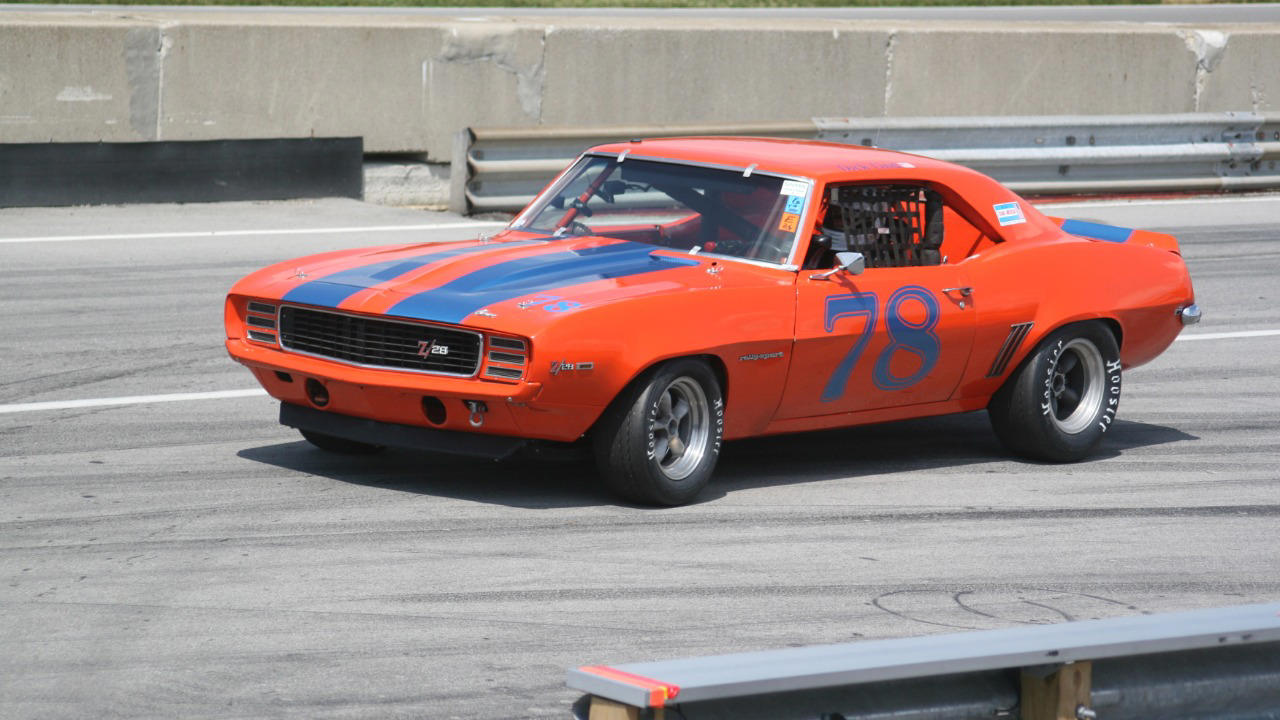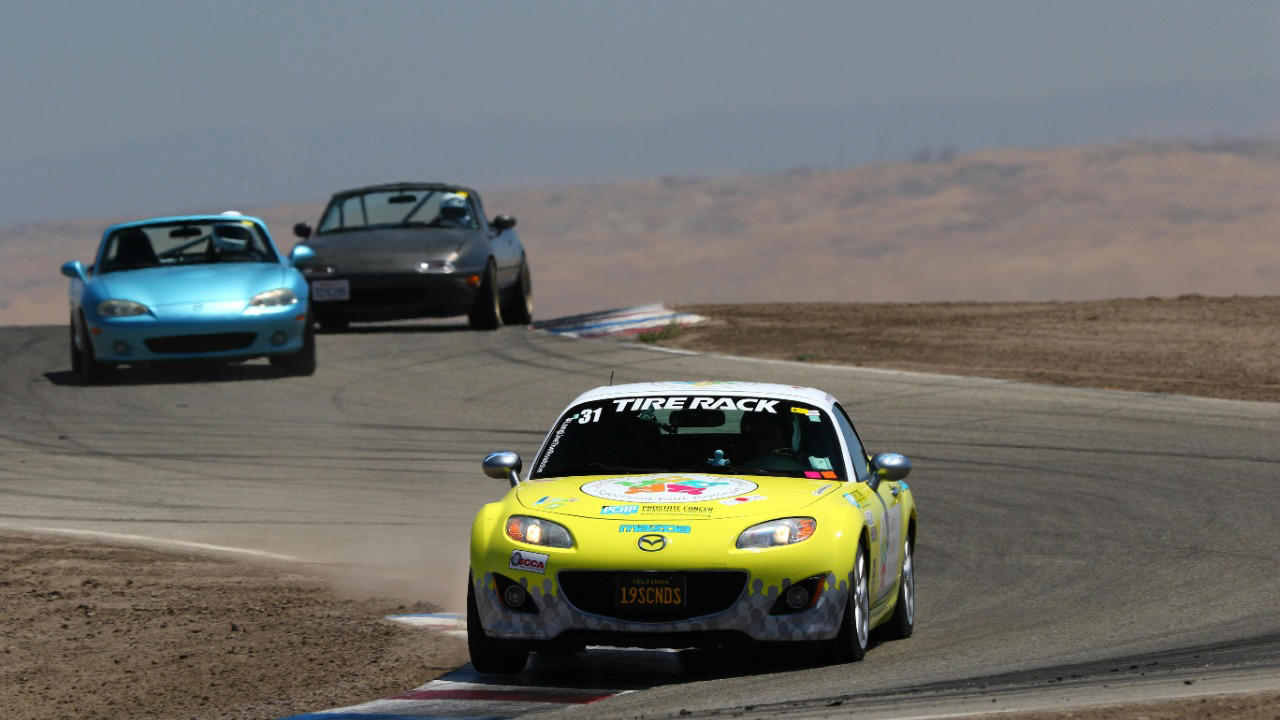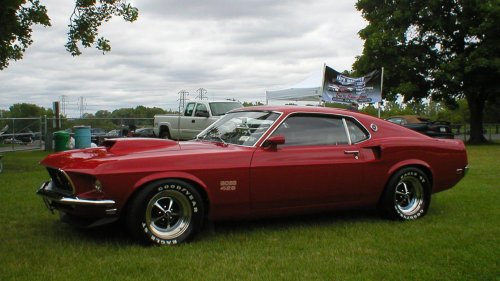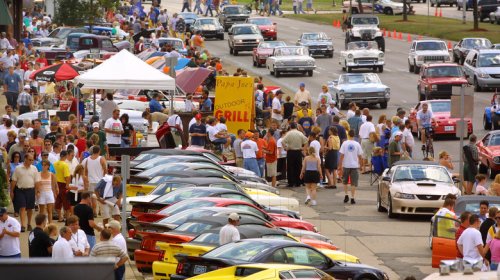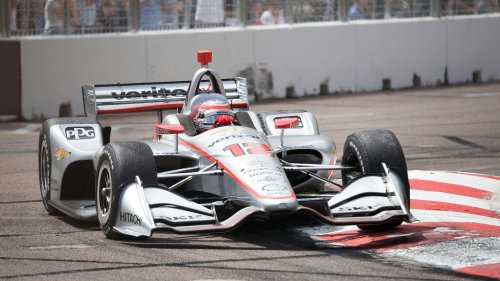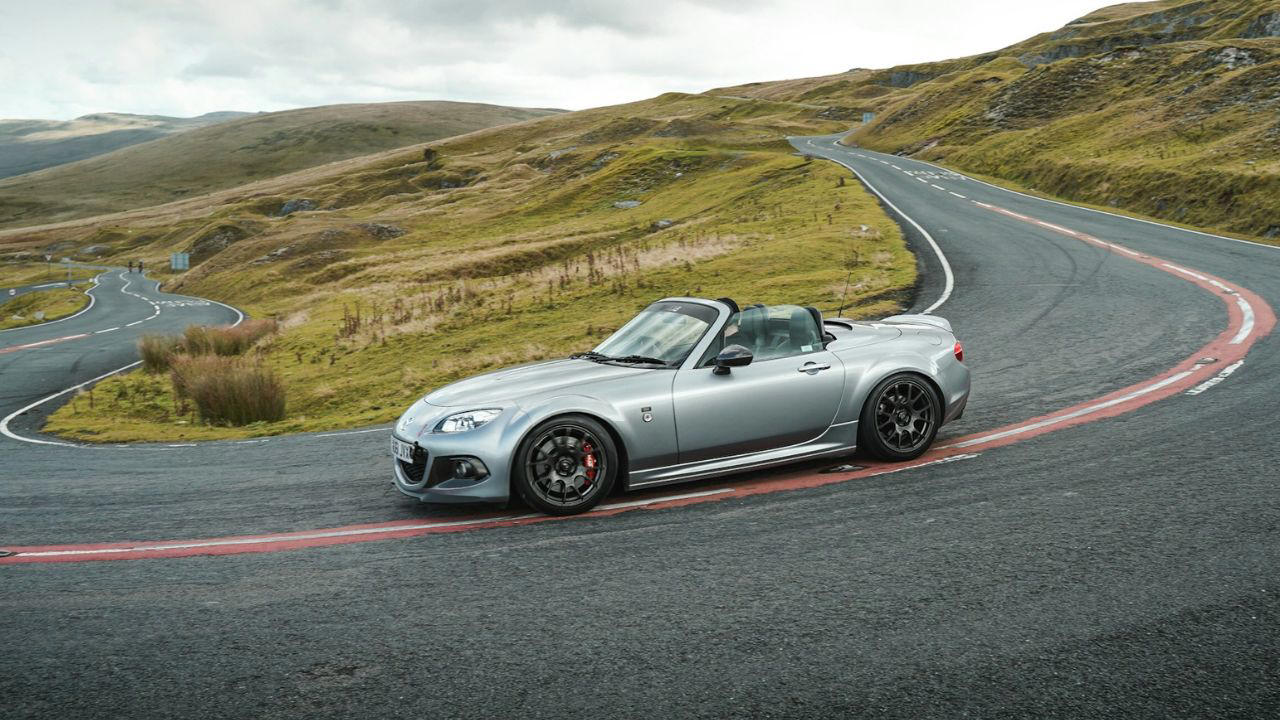



















Classic car shows vs driving events which one better represents the hobbyThe world of classic cars is rich with passion, history, and community. Among the various ways enthusiasts engage with this hobby, classic car shows and driving events stand out as two popular options. Each offers a unique experience that appeals to different aspects of automotive appreciation, making it difficult to determine which truly represents the classic car hobby best. What Are Classic Car Shows? Classic car shows are organized gatherings where vintage and classic automobiles are displayed for the public and fellow enthusiasts to admire. These events often serve as a platform for owners to showcase their meticulously restored or preserved vehicles, allowing attendees to appreciate the craftsmanship and history behind each car. The primary purpose of classic car shows is to celebrate automotive history while fostering a sense of community among enthusiasts. Typical features of a classic car show include a diverse display of vehicles ranging from pre-war classics to muscle cars and modern classics. Many shows also incorporate awards for categories such as “Best in Show,” “People’s Choice,” or specific classifications based on vehicle type. Vendor booths are commonly present, offering car-related merchandise, parts, and memorabilia. Notably, the community aspect of these shows should not be overlooked—these events provide fantastic networking opportunities for enthusiasts to connect, share stories, and exchange restoration tips. What Are Driving Events? Driving events are designed to bring classic car enthusiasts together in a more dynamic environment, focusing on the experience of driving the vehicles rather than merely displaying them. These events can take various forms, including rallies, tours, and track days, each offering a unique way to engage with classic cars while emphasizing performance and handling. In a rally, participants navigate a predetermined route, often with scenic backdrops, while competing for the best time or completing challenges along the way. Tours typically involve leisurely drives through picturesque landscapes, allowing participants to enjoy their cars in a relaxed setting. Track days, on the other hand, offer enthusiasts the chance to push their vehicles to the limit in a controlled environment, honing their driving skills and experiencing the thrill of high-speed driving. Historical Context of Each Event Type The origins of classic car shows can be traced back to the early 20th century when car enthusiasts began organizing gatherings to showcase their vehicles. Over the decades, these events evolved from small local meetups to large-scale exhibitions, such as the Pebble Beach Concours d’Elegance, which began in 1950 and remains one of the most prestigious classic car shows today. The evolution of classic car shows reflects the growing interest in automotive history and the importance of preserving classic vehicles. Driving events have similarly developed alongside the classic car movement. In the 1960s, as car culture became more prominent in the U.S., events like the Mille Miglia, an Italian endurance race, inspired enthusiasts to organize their own driving events. The rise of motorsports also played a crucial role in shaping the culture around driving events, emphasizing the performance and excitement of classic cars. Today, events like the Goodwood Revival and the Copperstate 1000 continue this legacy, marrying the thrill of driving with the appreciation of classic automobiles. Audience Demographics Classic car shows tend to attract a diverse demographic, often featuring older enthusiasts who have a deep appreciation for automotive history. Many attendees have a passion for nostalgia, relishing the opportunity to see cars from their youth or learn about vehicles they may have never encountered before. Additionally, families and younger enthusiasts are increasingly attending these shows, drawn by the vibrant community atmosphere and the opportunity to engage with others who share their passion. On the flip side, driving events typically appeal to a different demographic. Participants often include thrill-seekers and performance enthusiasts who prioritize the driving experience over the show aspect. This group may skew slightly younger, with many participants eager to test their skills and enjoy the adrenaline rush that comes with driving classic cars. However, casual enthusiasts also participate in driving events, as they provide an excellent opportunity to bond with fellow car lovers and explore scenic routes. Experience and Atmosphere The ambiance of classic car shows is characterized by nostalgia and admiration. As I stroll through rows of gleaming vehicles, I often feel transported back in time, surrounded by the stories and history that each car embodies. The atmosphere is conducive to storytelling; enthusiasts frequently share their experiences related to specific models, restoration projects, and the memories tied to their beloved vehicles. The social aspect of these gatherings fosters a sense of belonging, as people from different backgrounds come together to celebrate a shared passion. Conversely, driving events present a more adrenaline-fueled environment. The excitement of hitting the open road or racing around a track creates an electric atmosphere among participants. The camaraderie among drivers is palpable, as they share tips, offer encouragement, and revel in the thrill of driving their classic cars to their limits. The setting of a driving event—whether it’s a winding mountain road or a professional racetrack—significantly influences the overall enjoyment, as participants embrace the freedom and exhilaration that comes with driving their cherished vehicles. Educational Opportunities Classic car shows often provide attendees with valuable educational opportunities related to automotive history and restoration. Many shows feature seminars or workshops led by industry experts, covering topics such as the history of specific car models, restoration techniques, and the importance of preserving automotive heritage. For instance, events like the Hershey Swap Meet and Car Show offer classes on everything from vintage car appraisal to hands-on restoration workshops, allowing enthusiasts to deepen their understanding of classic automobiles. In contrast, driving events focus on skill development and driving techniques. Many events include instructional sessions where experienced drivers teach participants how to handle their vehicles more effectively, whether on the road or the racetrack. These sessions often cover essential topics such as cornering techniques, braking strategies, and throttle control, ensuring that participants leave with valuable skills they can apply in their future driving experiences. Additionally, driving events may incorporate safety briefings to promote responsible driving practices, emphasizing the importance of safety on the road. Cost Considerations When it comes to attending or participating in classic car shows, costs can vary widely. General admission for spectators is typically affordable, with many shows charging around $10 to $20 for entry. However, if you own a classic car and wish to enter it into the show, registration fees can range from $25 to over $100, depending on the prestige of the event and the categories offered for competition. Additional expenses may include travel, accommodation, and purchases from vendor booths, making it crucial for attendees to budget accordingly. Driving events often carry different cost considerations. Registration fees can be significantly higher, sometimes ranging from $100 to $500 or more, depending on the location and duration of the event. Participants must also factor in costs associated with insurance, maintenance, and fuel, especially if they plan to drive their vehicles over long distances. Despite the potential costs, many enthusiasts find value in the experience, as the opportunity to drive their classic cars in a spirited environment is priceless. Impact on the Classic Car Community Classic car shows play a vital role in fostering community and camaraderie among enthusiasts. These events create a welcoming environment where people can share their passion for automobiles, exchange restoration tips, and even forge lasting friendships. The sense of belonging that comes from attending shows is invaluable, as it allows individuals to connect with like-minded enthusiasts who understand the love and dedication that classic car ownership entails. Many clubs and organizations also use these shows as a platform to recruit new members and promote their activities. Driving events contribute to the classic car community by promoting responsible driving and a positive car culture. Participants are often encouraged to adhere to safety protocols and exhibit sportsmanship on the track or road. The thrill of driving classic cars in a safe and controlled environment helps to dispel negative stereotypes often associated with car enthusiasts. Moreover, many driving events support charitable causes, with proceeds benefiting local organizations, further enhancing their impact on the community. Personal Experiences and Testimonials As a classic car enthusiast who enjoys attending shows, I can attest to the joy of connecting with fellow car lovers. At events like the Woodward Dream Cruise, I’ve had memorable conversations with owners of classic Mustangs and Camaros, learning about their restoration journeys and experiences. The nostalgia and sense of community at these shows are unparalleled, and I often leave feeling inspired to further my own automotive projects. Conversely, I have also participated in driving events, such as the California Mille, where the thrill of navigating winding roads in a vintage Alfa Romeo was unforgettable. The excitement of competing with fellow enthusiasts while exploring beautiful landscapes made for a truly immersive experience. Participants shared their passion for performance and driving, creating a bond that transcends the cars themselves. Each person’s preference may differ, but these experiences showcase the diverse ways we engage with the classic car hobby. More from Fast Lane Only Unboxing the WWII Jeep in a Crate 15 rare Chevys collectors are quietly buying 10 underrated V8s still worth hunting down Police notice this before you even roll window down *Research for this article included AI assistance, with all final content reviewed by human editors.