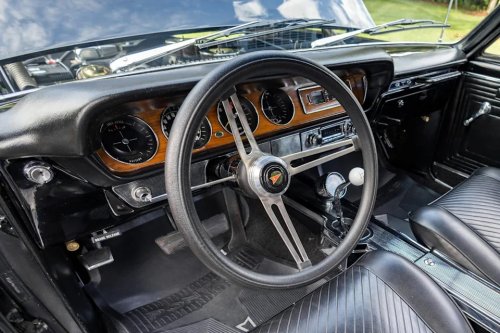
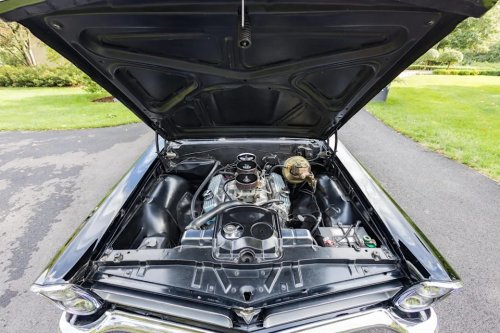
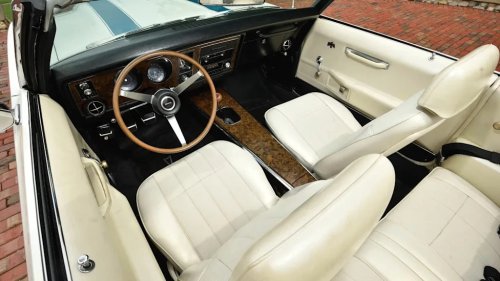
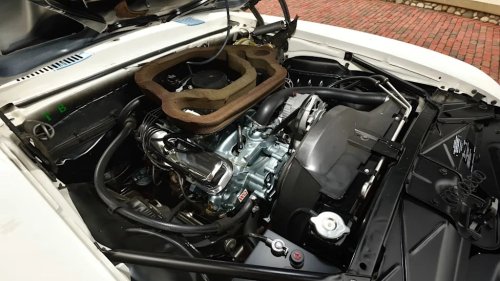
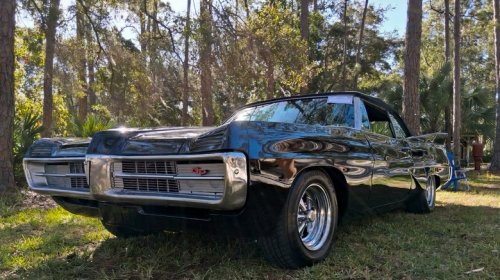
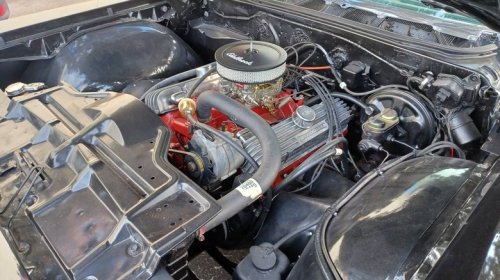
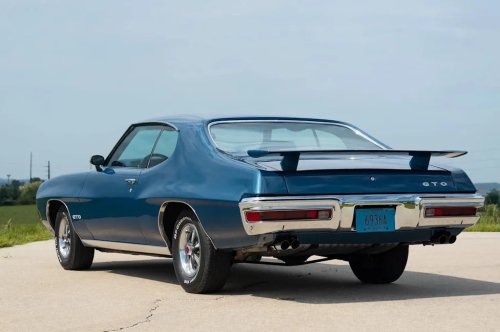
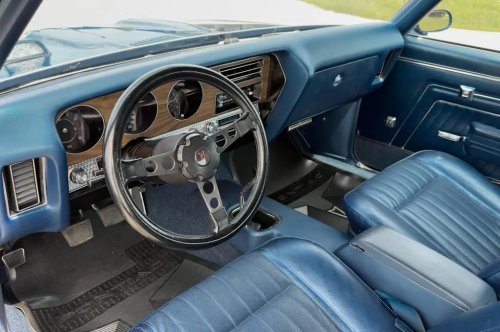
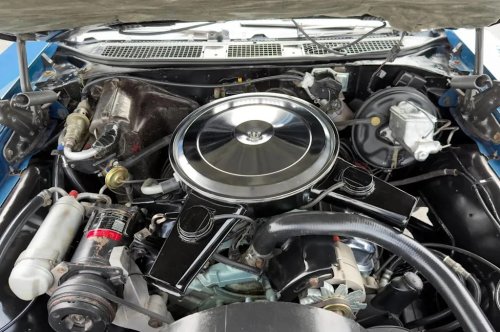
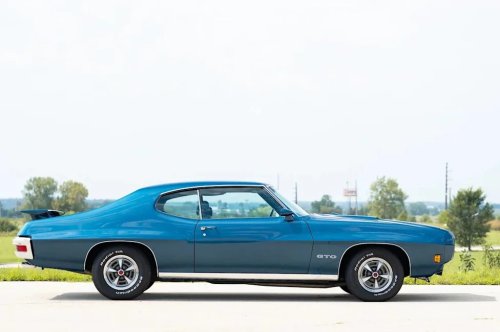
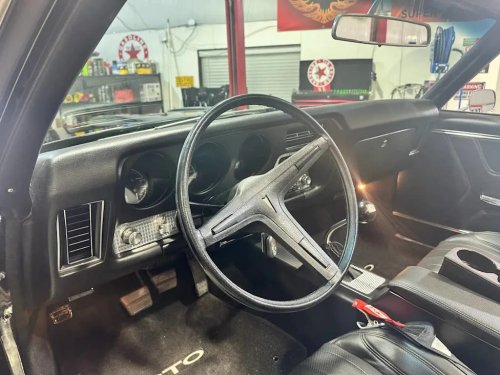
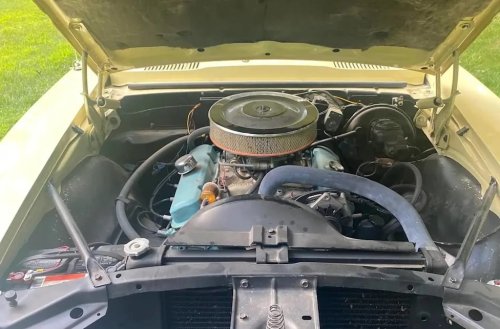
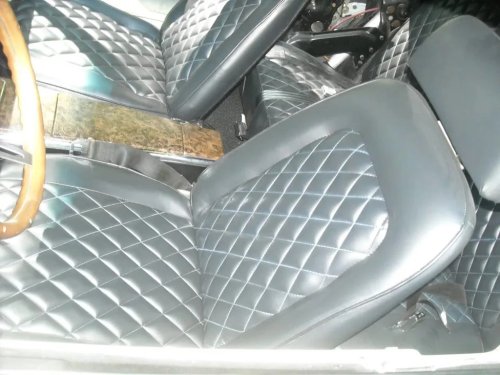
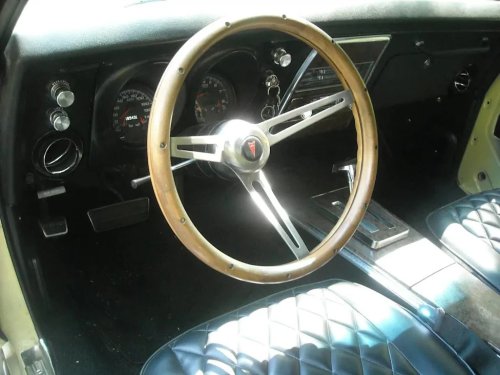
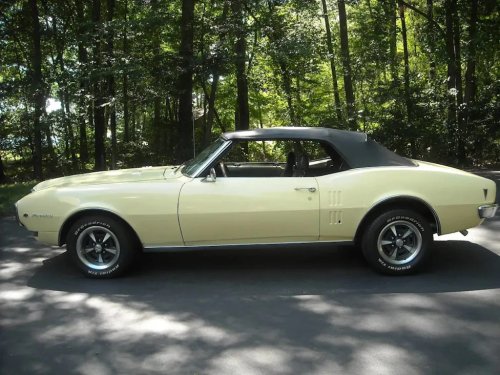
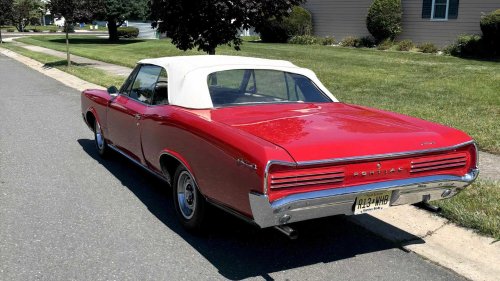
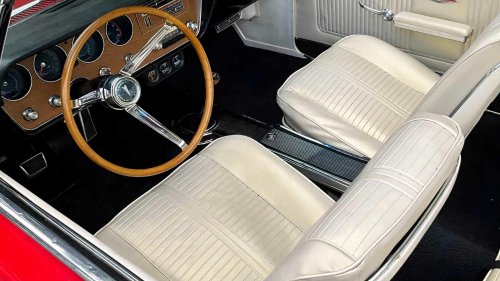
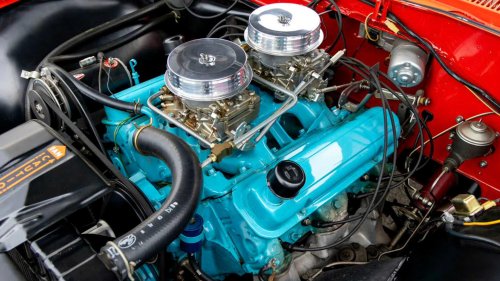
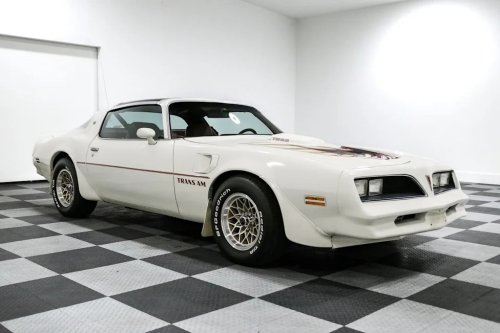
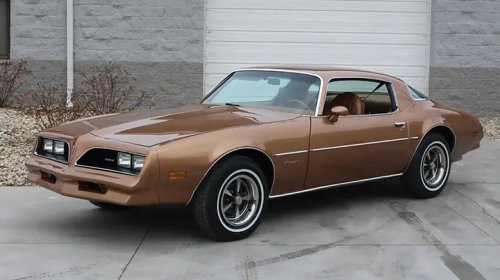
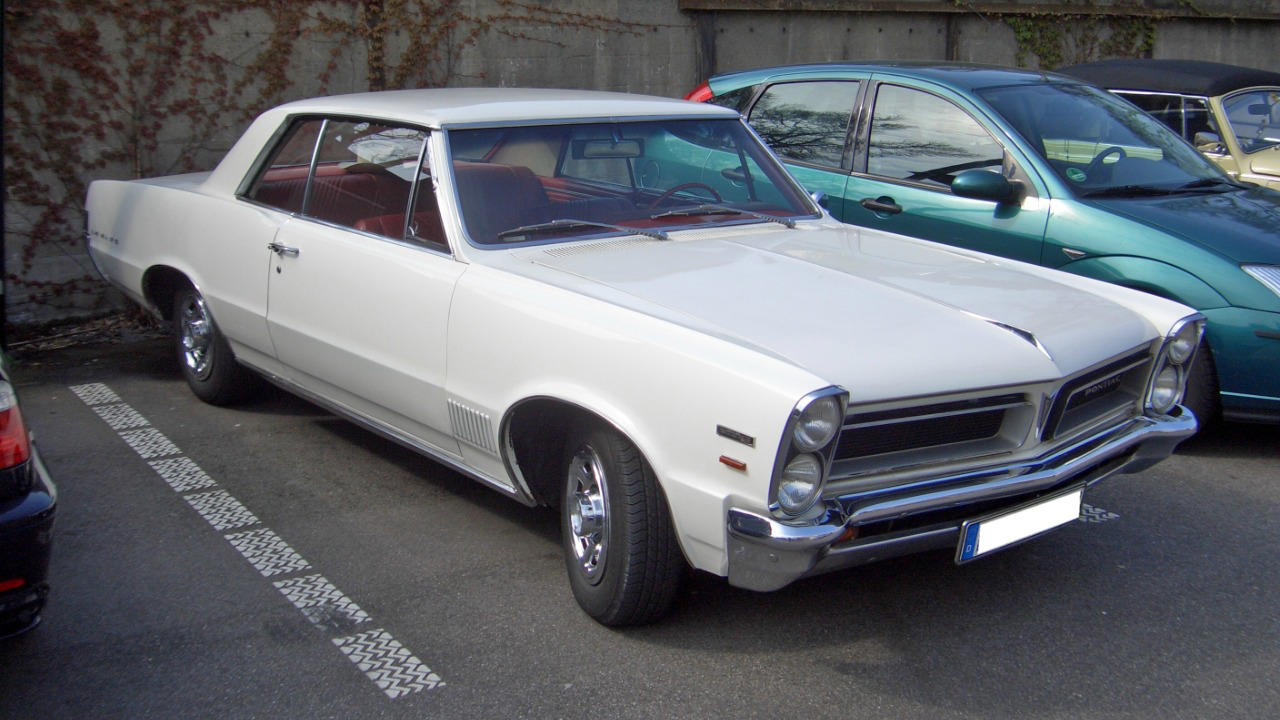
A 1964 Pontiac Tempest can be fun but its early drivetrain setup confuses even experienced mechanicsThe 1964 Pontiac Tempest sits at a crossroads in American car history. On the surface it is a straightforward intermediate with clean lines and simple mechanicals, a car that can be driven hard on weekends and tinkered with in the driveway. Underneath, though, the Tempest name carries the legacy of one of Detroit’s strangest drivetrain experiments, a setup so unconventional that it still trips up experienced mechanics more than six decades later. That tension between easy fun and deep confusion defines the Tempest story. The 1964 model marks the year Pontiac went mainstream with the platform, yet anyone who lifts the hood or crawls under an early car quickly discovers that not every Tempest follows the usual rules of front-engine, rear-drive design. The compact that broke all the rules When Pontiac launched the Pontiac Tempest for 1961, it did not look like a radical engineering project. It was a compact, sized and priced to compete with other smaller American cars. The shock came underneath. Instead of the familiar front engine feeding a transmission directly behind it, the early Tempest used a front engine and a rear-mounted transaxle tied together by a long, flexible driveshaft. Contemporary observers described this layout as one of the most unusual drivetrain arrangements of its era, and later enthusiasts have echoed that view when discussing the early Tempest Rear setup. The basic Pontiac Tempest package centered on a unique inline four-cylinder that was literally half of a Pontiac V8, mounted in the nose of the car and sending power to the back through that unconventional shaft. As reference material on the Pontiac Tempest explains, the model line would eventually span compact and intermediate sizes and even reappear in a later generation, but the first run from 1961 to 1963 is where the radical engineering lived. Inside the rope-drive experiment The component that makes mechanics pause is the so-called rope drive. Instead of a straight, rigid propeller shaft, Pontiac engineers specified a slender, curved steel shaft that ran in a torque tube between the engine and the rear-mounted transaxle. In side view it resembled a skipping rope, which is how the nickname stuck. Technical deep dives into the early cars describe how The Tempest shaft could flex along its length, allowing the engine to sit slightly off-center and lower in the chassis while still transmitting torque. This layout brought real advantages. By moving the transmission and differential to the rear, Pontiac achieved nearly even weight distribution, which gave the compact Tempest handling balance that traditional front-engine, front-transmission American sedans could not match. The flexible shaft also reduced vibration and allowed a lower driveshaft tunnel, which improved interior space. For drivers, the result was a small American car that rode more like a European sedan, with a relatively smooth ride and good traction. From a service standpoint, however, the rope drive was a puzzle. Mechanics accustomed to conventional driveshafts and separate rear axles had to relearn procedures. Clutch work involved the rear of the car. Diagnosing vibrations or noises meant understanding how the shaft flexed inside its housing. Misalignment or improper support could quickly damage components that were never intended to be handled like a traditional driveshaft. Why even seasoned mechanics get lost Part of the confusion around early Tempest drivetrain work comes from expectations. A technician who sees a front-engine Pontiac from the early 1960s instinctively looks for a transmission bolted to the back of the block and a standard driveshaft running to a rear axle. On a rope-drive car, that assumption is wrong. The transmission and differential are combined in a rear transaxle, and the long, skinny shaft that connects them is hidden inside a torque tube, out of sight and out of habit. Documentation is another issue. Many service manuals that circulated in general shops focused on mainstream Pontiac models with conventional layouts. Unless a mechanic has the specific Tempest supplement, the diagrams and torque specifications for the rope drive and rear transaxle can be missing or incomplete. Even when the information is available, the mental model of how power flows from the engine to the rear wheels is so different that diagnosis can be counterintuitive. Rarity compounds the problem. The rope-drive Pontiac Tempest had a short production window before Pontiac changed course. Most technicians who came into the trade after the mid 1960s never saw one in regular service. For modern mechanics, the first encounter is often on a car that has been sitting for decades, with dried-out mounts, worn bushings, and previous owner modifications layered on top of already unusual hardware. That is a recipe for head scratching, even among experts. 1964: the Tempest goes conventional By 1964 Pontiac had decided that the Tempest experiment had run its course. The model was redesigned and enlarged from a compact to an intermediate-sized car, sharing more structure and hardware with the rest of General Motors’ mid-size lineup. The new Tempest used a traditional front engine and front-mounted transmission with a standard driveshaft feeding a rear axle. Listings for surviving cars, such as a detailed description of a 1964 Pontiac Tempest, emphasize this shift to a more conventional layout along with the larger body. This change is a big part of why a 1964 Tempest can be such an enjoyable classic. The chassis accepts familiar suspension and brake upgrades, and the drivetrain can be serviced using the same skills and tools applied to countless other American intermediates. Parts availability is better, and there is less risk of misdiagnosis based on unusual engineering. For owners who want to drive rather than constantly fabricate, the 1964 architecture is a relief. Yet the name on the fender still carries the early history. Some 1964 cars share garages with 1961 to 1963 relatives, and stories about one generation often bleed into the other. A mechanic who hears that a customer’s Tempest has a strange rear-mounted transaxle may prepare for rope-drive quirks, only to find a straightforward 1964 intermediate on the lift. The opposite also happens when someone assumes every Tempest is conventional and then discovers that the car in front of them is from the experimental years. From oddball compact to muscle car foundation The shift to an intermediate platform in 1964 did more than simplify service. It created the foundation for one of the most famous performance cars in American history. The Pontiac Tempest LeMans, fitted with a high performance option package, became the GTO. Official heritage records describe the 1964 Pontiac Tempest LeMans GTO as the combination of the Tempest body with a 389 cubic inch V8 that could produce up to 348 horsepower, along with aggressive styling cues and manual or automatic transmissions tuned for acceleration. Enthusiast accounts stress that it was actually a Pontiac Tempest GTO in that first year, not a standalone model. The Tempest badge sat at the root of what many consider the first true muscle car. That heritage shapes how collectors view even the more modest 1964 Tempest sedans and coupes. The same basic chassis that carried a family grocery getter could, with the right options, deliver quarter-mile times that redefined expectations for a mid-size car. Performance-focused coverage of Pontiac’s intermediates from this era often describes coil springs up front and a live axle out back, with heavy-duty suspension and brake options that helped the cars feel more responsive than some rivals. One analysis of how Pontiac tuned its intermediates underlines that the brand treated even its practical models as potential performance platforms. That philosophy filtered down to the Tempest line and helped cement its reputation among enthusiasts. How the early engineering still shapes ownership Even for owners of purely 1964 cars, the rope-drive years affect day-to-day life. Parts catalogs, online forums, and even auction listings sometimes mix specifications for the compact and intermediate generations. A buyer looking for a driveshaft, rear axle parts, or even engine mounts must first confirm whether the car carries the unconventional early setup or the later conventional layout. Confusion at this basic level can lead to wasted money and incorrect repairs. Specialists who understand the early design sometimes find themselves in the role of translator. They explain to newer mechanics that the early Tempest used a rear transaxle and a flexible shaft that earned the rope-drive nickname, while the 1964 car on their lift uses a familiar front transmission and rear axle. They may pull up technical histories of the Pontiac Tempest to illustrate how the early senior compact used a flexible driveshaft and rear-mounted transaxle, then contrast that with the later intermediate layout. Video explainers add another layer. Enthusiast channels that walk through the 1961 to 1963 Tempest often highlight how the car lacked a conventional driveshaft and instead pushed power through a long, curved shaft to the back. One such presentation on the Tempest points out that this design was one of the most unusual American drivetrain solutions of its time. Owners who watch these videos sometimes assume their own Tempest shares the same hardware, which can create misunderstandings when they discuss repair plans with shops. Why a 1964 Tempest still feels special Despite the mechanical simplification in 1964, a Tempest from that year does not feel generic. The styling has a crisp, slightly formal look that stands apart from later, more aggressive muscle cars. Under the hood, buyers could choose from six-cylinder and V8 engines, and the chassis responded well to upgrades. Enthusiast guides to the Pontiac brand often highlight the Tempest as a bridge between economy compacts and full muscle machines, a car that could be ordered mild or wild. For drivers today, that flexibility is part of the appeal. A relatively stock 1964 Tempest can serve as a comfortable cruiser with enough power to keep up with modern traffic. With suspension tweaks and engine work, it can become a track-day toy or a period-correct drag car. The conventional drivetrain means most shops can handle routine service, yet the Tempest name still sparks conversations about rope drives and rear transaxles at gas stations and car shows. The car also benefits from the broader Pontiac Tempest narrative preserved in multiple languages and archives. International references to the Pontiac Tempest on non-English encyclopedic sites, mirrored in Arabic, Spanish, and Persian versions, show how far the story of this relatively modest American car has traveled. That global footprint reflects both the engineering curiosity of the early years and the cultural impact of the GTO that grew out of the Tempest platform. Living with the confusion Owners and mechanics who work with Tempests have developed practical strategies to navigate the drivetrain confusion. The first is simple identification. Checking the model year, wheelbase, and rear underbody layout quickly reveals whether a given car is a compact rope-drive example or a 1964 intermediate. The presence of a conventional rear axle housing instead of a transaxle, and a standard driveshaft rather than a torque tube, settles the question. More from Fast Lane Only Unboxing the WWII Jeep in a Crate 15 rare Chevys collectors are quietly buying 10 underrated V8s still worth hunting down Police notice this before you even roll window down The post A 1964 Pontiac Tempest can be fun but its early drivetrain setup confuses even experienced mechanics appeared first on FAST LANE ONLY.



















 +57 others