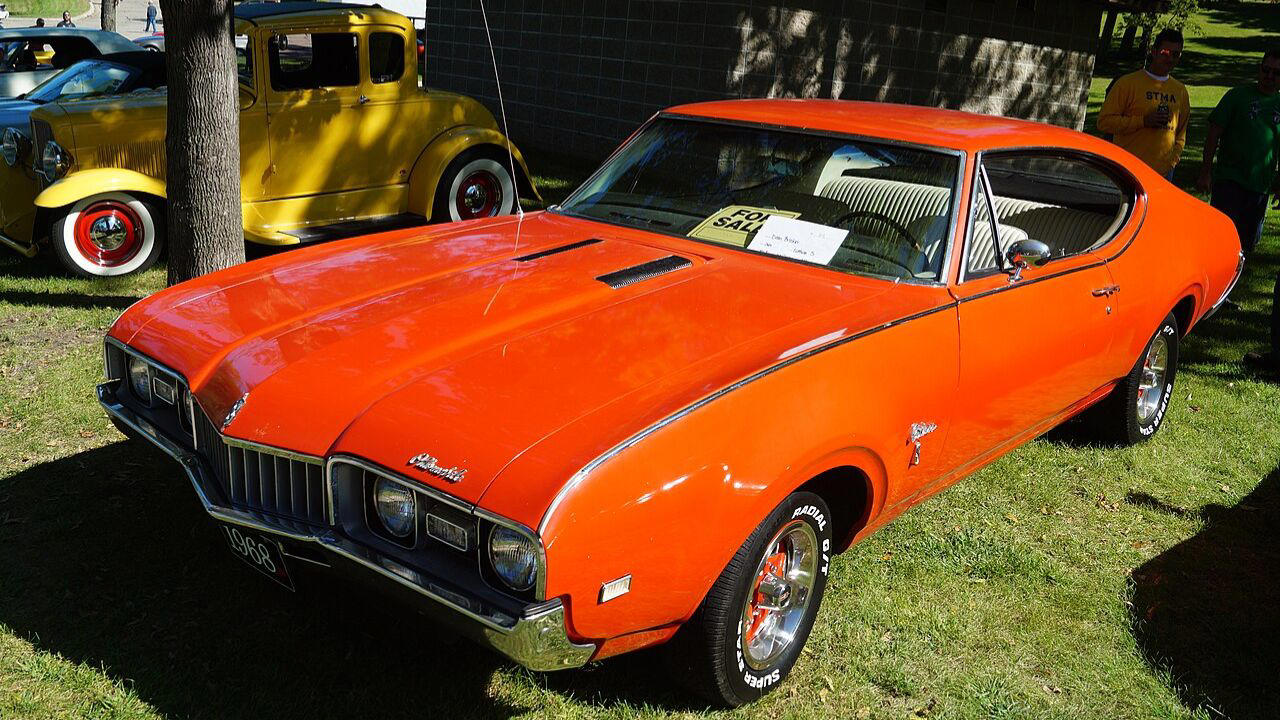
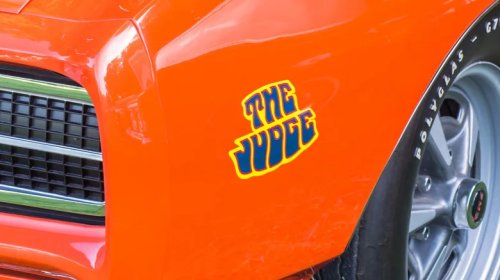
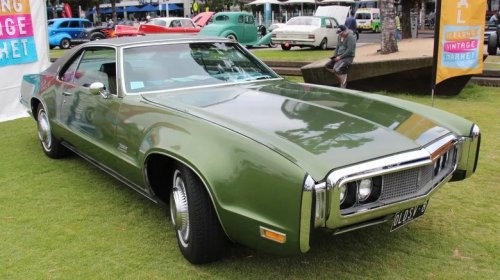
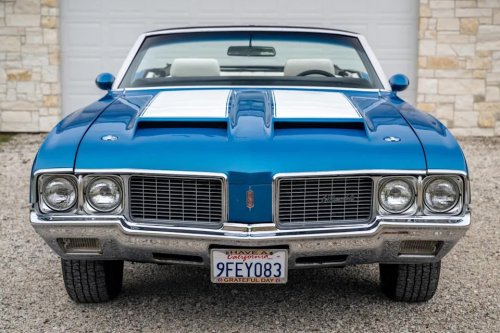
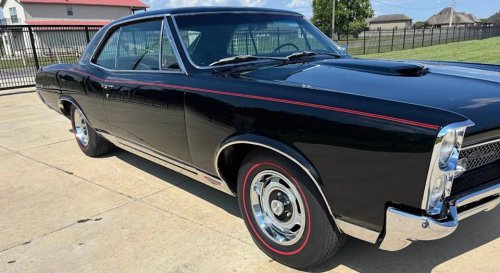
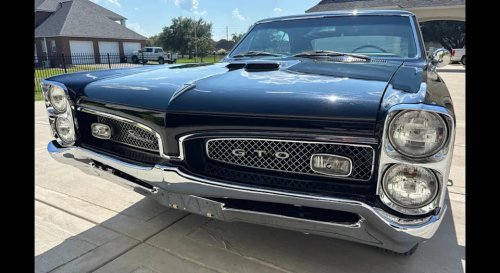
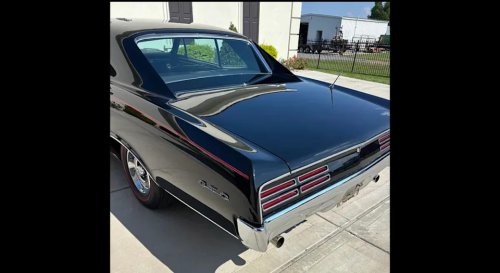
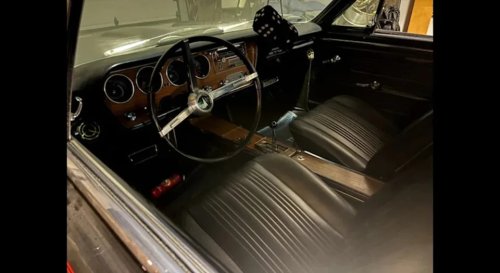
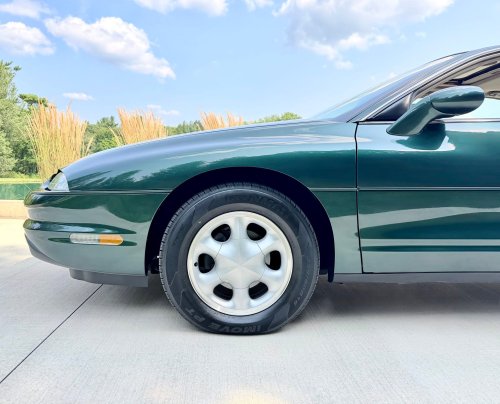
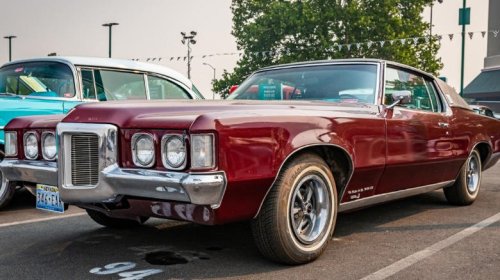
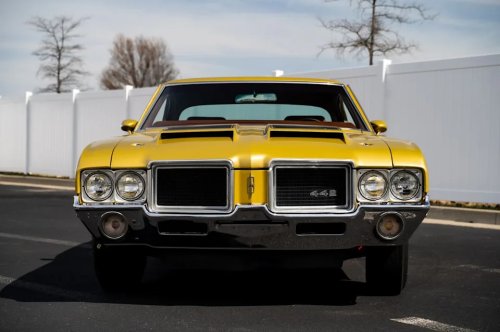
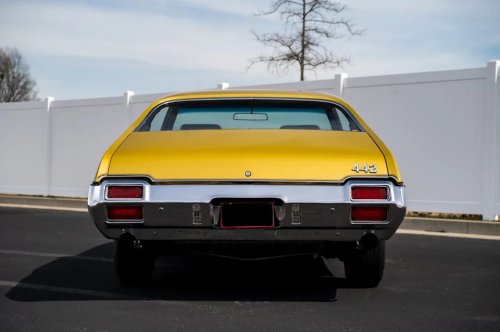
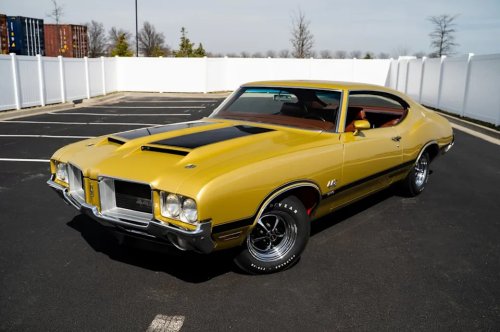
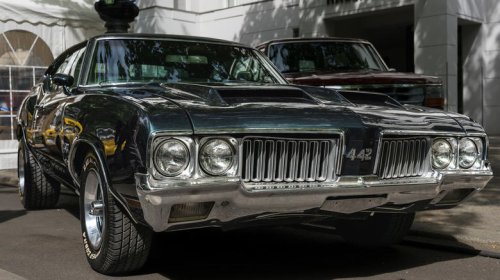
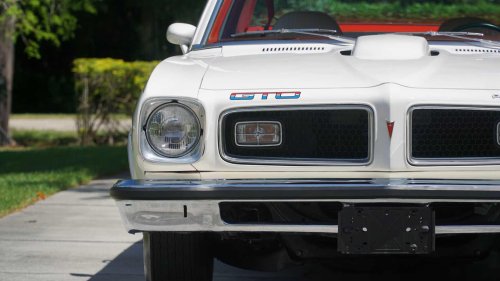
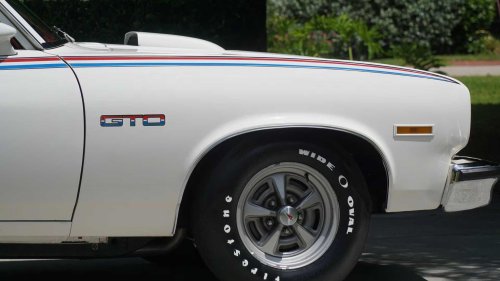
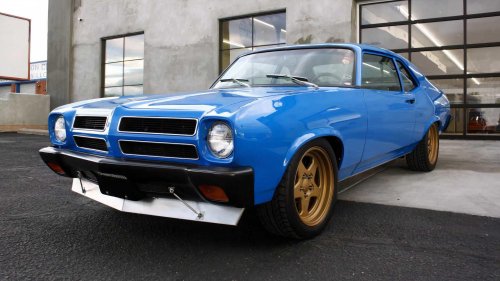
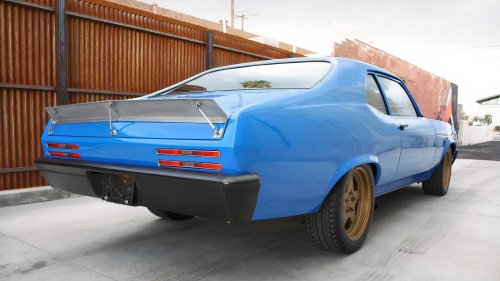
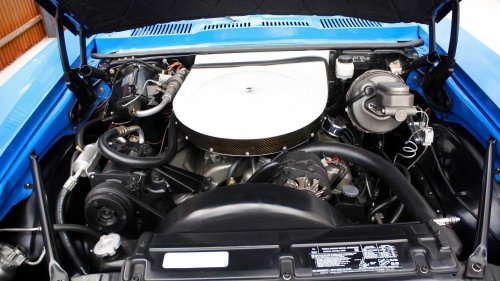
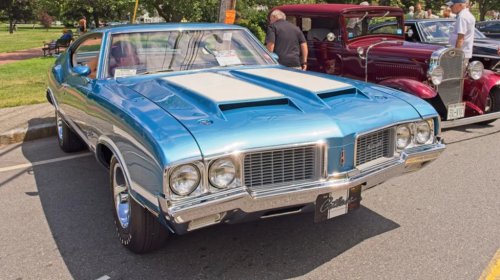
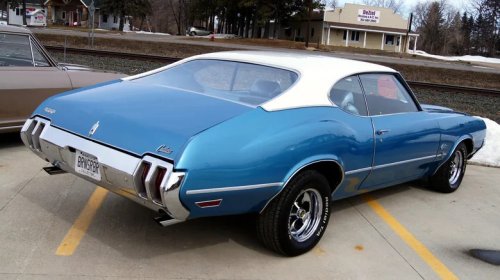
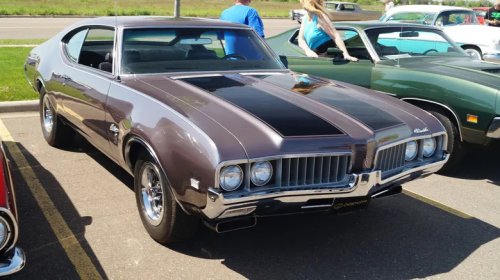
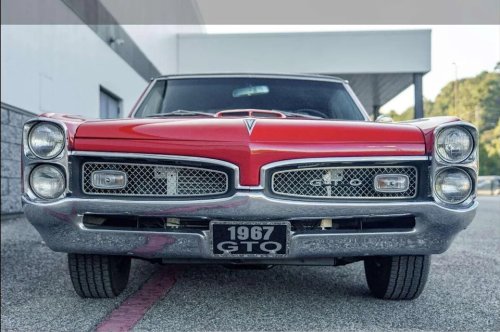
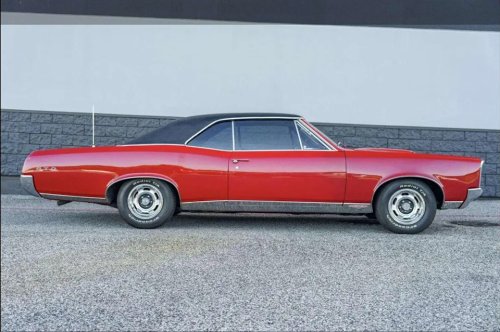
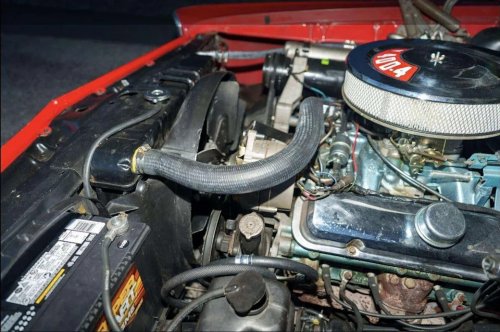
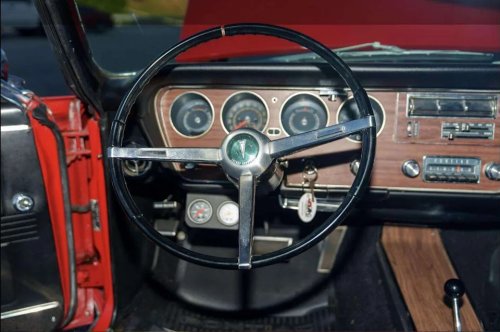
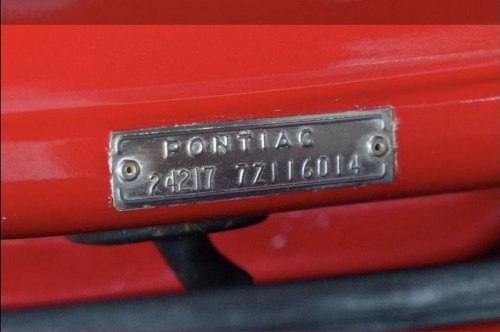
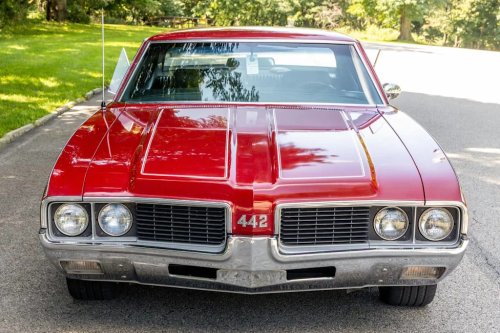
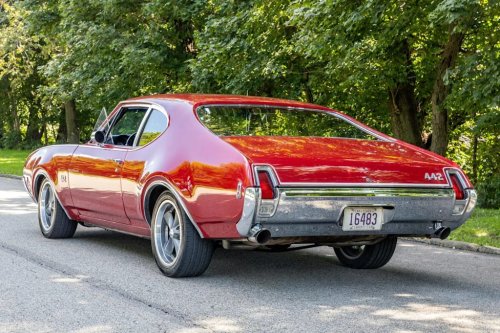
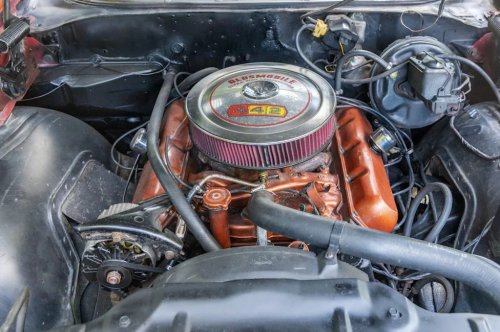
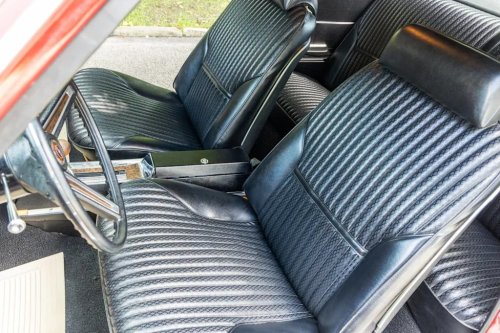
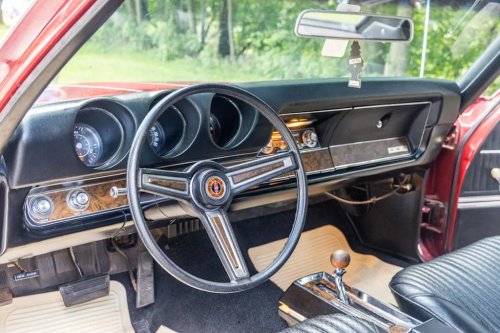
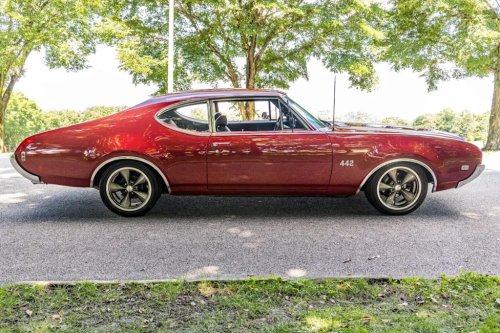
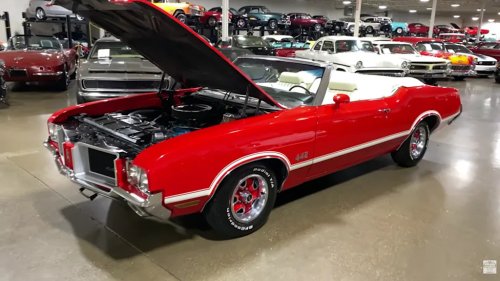
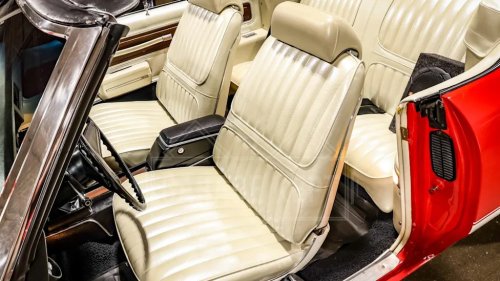
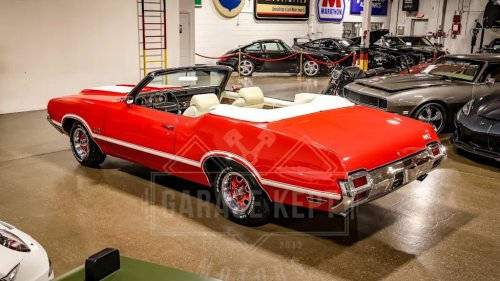
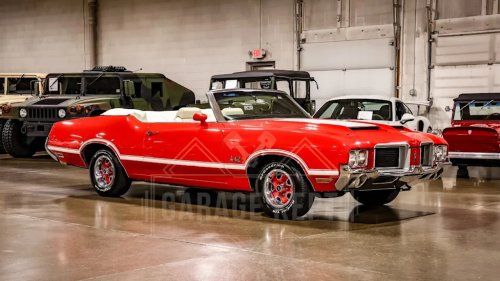
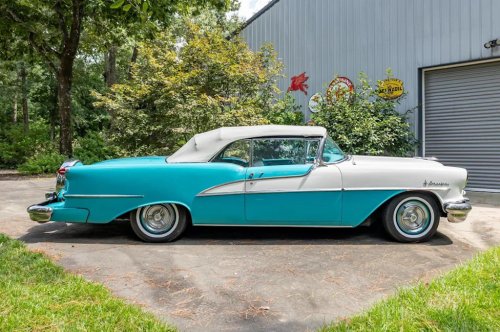
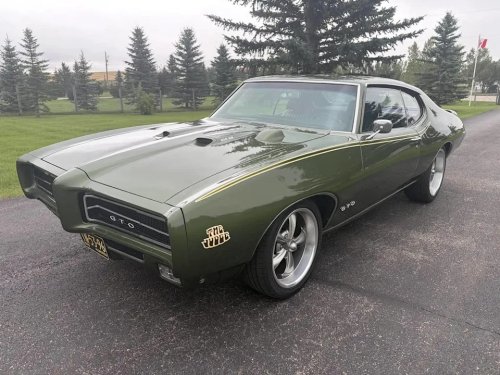
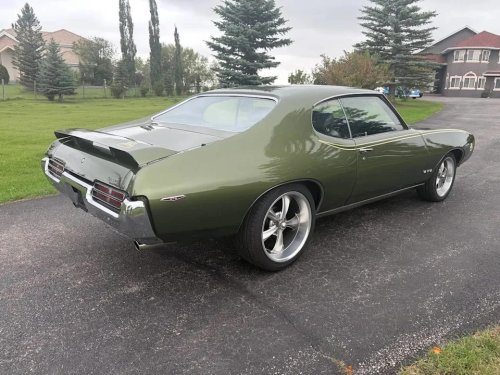
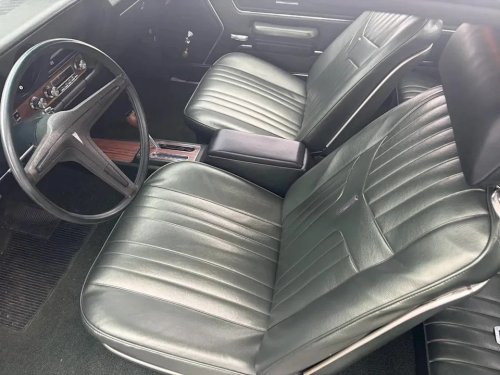
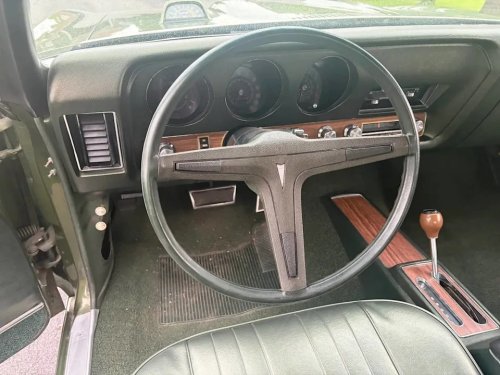
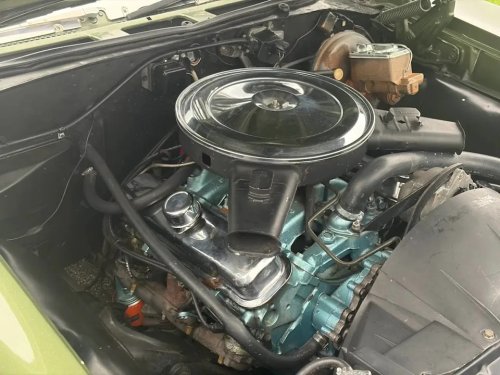
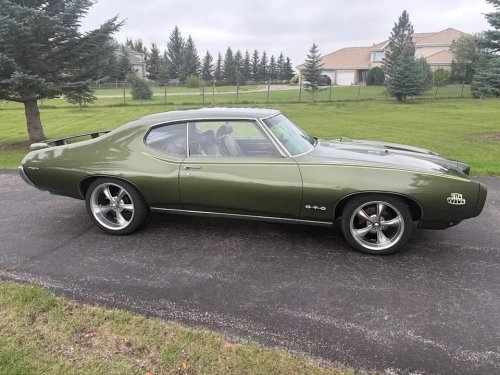
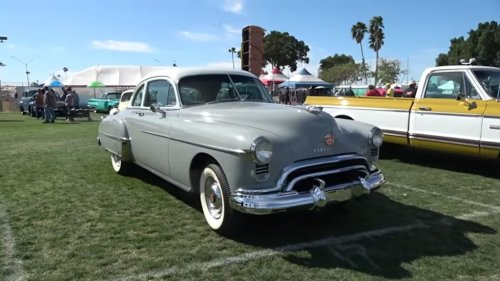
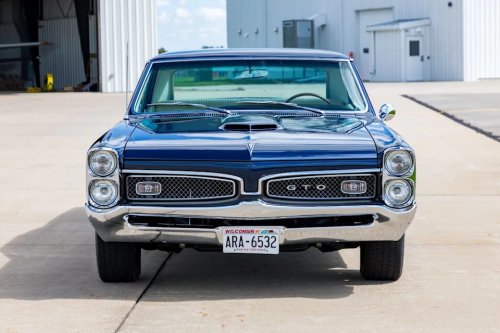
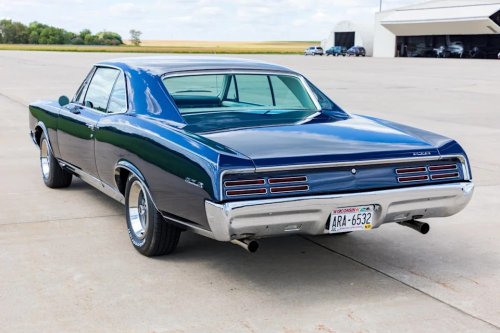
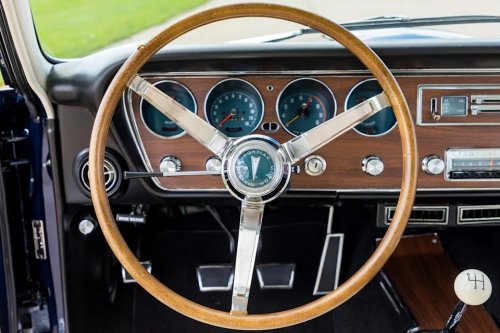
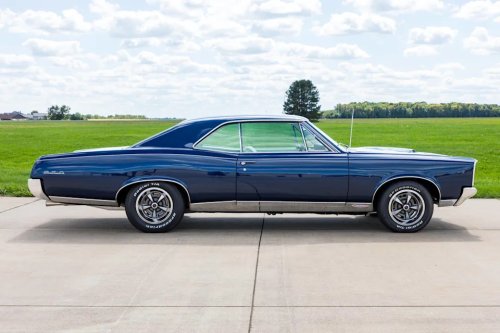
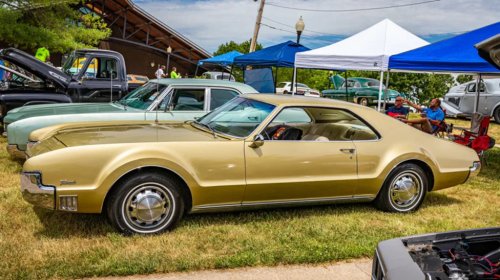
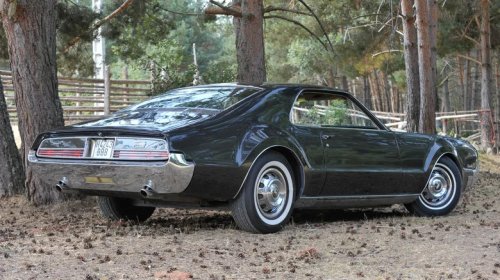
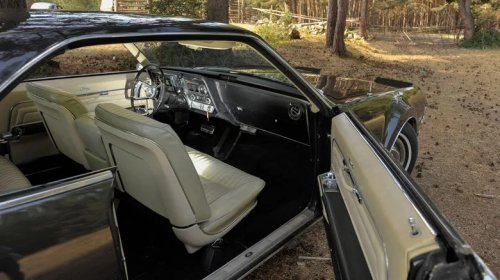
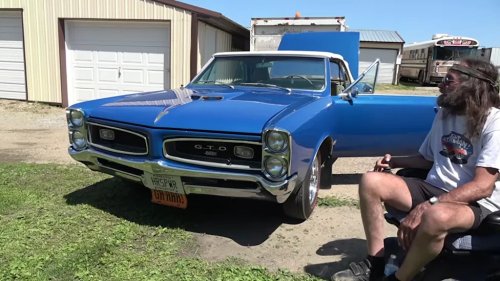
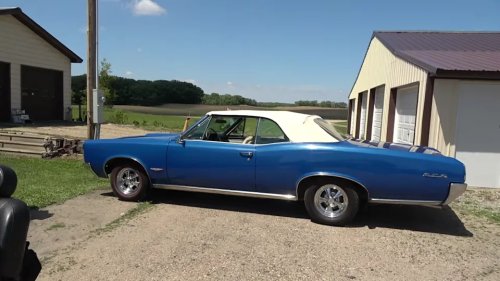
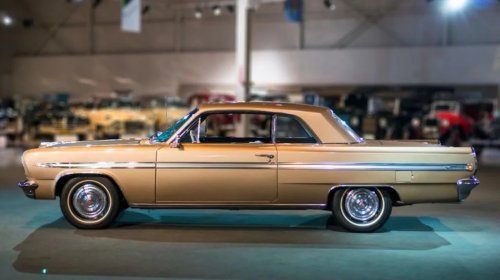
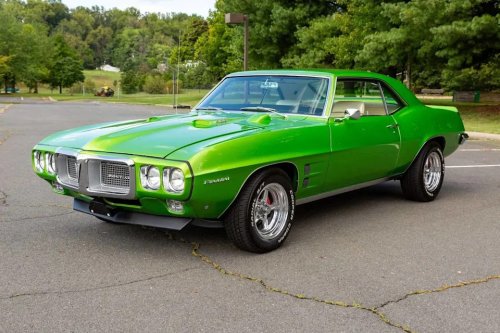
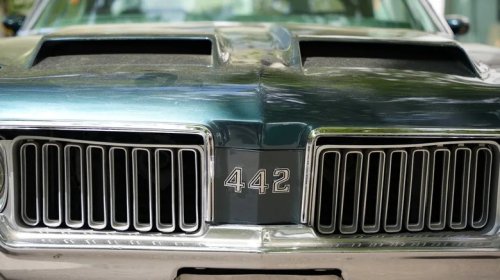
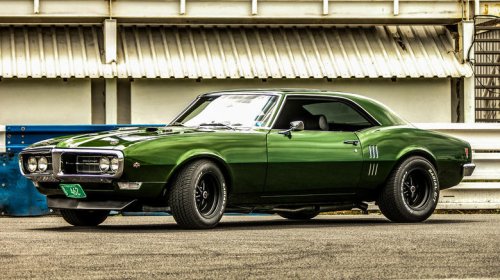
1968 Pontiac LeMans or 1968 Oldsmobile Cutlass one gets remembered moreThe 1968 Pontiac LeMans and the 1968 Oldsmobile Cutlass shared the same GM A-body bones, yet they have followed different paths in the memories of enthusiasts. One carries the shadow of a famous muscle sibling, the other quietly built a reputation as the most complete all-rounder in its class. Lining them up today reveals as much about nostalgia and culture as it does about horsepower and styling. Set side by side, these two mid-size coupes show how General Motors tried to cover every corner of the market in 1968, from budget-conscious buyers to performance fans. The question of which one lingers longer in the collective memory turns on styling, racing pedigree, movie roles, and the way modern collectors talk about them. The shared A-body roots and where the twins diverged Both cars rode on GM’s A-body platform, which also underpinned the Pontiac GTO, Chevy Chevelle, and Buick Gran Sport. Pontiac and Oldsmobile used that common structure to chase different personalities. The LeMans leaned into youthful, sporty cues that could be dressed up toward GTO territory, while the Cutlass aimed for a more upscale, almost European flavor that suited Oldsmobile’s image. Period specifications for the LeMans show a broad range of engines and trims that let buyers step up from basic six-cylinder transportation to V8 performance. A detailed guide to the 1964 to 1972 outlines how Pontiac positioned the model as a stylish mid-size with available V8 power and sporty suspension options, yet still below the GTO in outright aggression. That structure made the 1968 version a natural gateway car for drivers who wanted the look and much of the feel of a muscle car without paying full GTO money. Oldsmobile followed a different script. The Cutlass line in 1968 stretched from practical sedans to luxury-leaning Supreme models and the high-performance 4-4-2. A factory fact sheet notes that the Oldsmobile Cutlass Supreme was the most upscale 4-door in the lineup, with 5,524 reaching customers, which shows how seriously Oldsmobile took comfort and trim quality even in a mid-size shell. That attention to detail helped set the Cutlass apart from its corporate cousins. Styling sharpened the contrast. Enthusiasts often describe the 1968 LeMans front end as having a distinctive “beak,” a design that carried Pontiac’s identity across the full range. A later comparison of a 1968 LeMans and a Buick Skylark highlights how the Pontiac front clip gave the car a muscular, almost aggressive stance even in base form. The Cutlass, by contrast, wore smoother sheetmetal and a more formal roofline that signaled refinement more than raw power. Performance hierarchy: LeMans under the GTO, Cutlass under the 4-4-2 Memory in the muscle car world often follows performance rankings, and both of these nameplates lived in the shadow of more famous stablemates. For Pontiac, the GTO loomed over everything. For Oldsmobile, the 4-4-2 filled that role. On the Pontiac side, the LeMans could be ordered with strong V8s, but the factory and the marketing machine reserved the most aggressive combinations for the GTO. A feature on a 68 LeMans that into a GTO-style build describes how an unassuming car from New York received performance upgrades and cosmetic changes until it became nearly indistinguishable from its famous sibling. That story reflects a larger trend: many LeMans cars were turned into GTO clones, which speaks to the performance potential of the platform but also blurs the LeMans identity. Oldsmobile structured its range in a similar ladder. The Cutlass line offered V8 power and optional handling packages, yet the 4-4-2 was where the division concentrated its most serious hardware. A detailed auction description of a 1968 Oldsmobile Cutlass describes how the 4-4-2 became a separate model that year and came standard with a 400 cubic inch V8, a four-barrel carburetor, a 4-speed manual transmission, and dual exhaust. That combination planted the 4-4-2 firmly in muscle territory and left the regular Cutlass as the more balanced choice. Racing and performance media reinforced that hierarchy. A video featuring a 1968 Olds Cutass racing a 1972 Pontiac GTO highlights how an Oldmobile with a 350 cubic inch engine could still play in serious company. The narrator jokes about working with “something so small,” then adds “yes I am. god bless Americ,” which captures the playful bravado tied to these cars. Even there, the Cutlass identity is intertwined with the performance halo of the GTO nameplate. Collectors who focus on pure performance stats often gravitate toward the GTO and 4-4-2 badges, which can overshadow the LeMans and standard Cutlass. That focus, however, does not fully explain how the two 1968 base models are remembered today. Design and character: sharp Pontiac versus smooth Oldsmobile Styling is where these two cars speak most clearly for themselves. The LeMans carried Pontiac’s split grille and pointed nose, a look that made even a base coupe seem ready for the drag strip. Enthusiast guides to the LeMans base models emphasize the clean body lines, the slightly Coke-bottle profile, and the way a simple wheel and tire upgrade transforms the stance. That visual flexibility helped the 1968 LeMans become a favorite starting point for custom builds and GTO tributes. Oldsmobile took a more understated approach. A profile of a beige mid-spec car argues that the Cutlass was arguably the best looking GM midsizer when the lineup was restyled in 68, and credits that design as the start of a success story that would eventually make the Cutlass the best selling car for a number of years. The 1968 model’s smooth flanks, gently rising beltline, and formal roof gave it a mature presence that appealed to buyers who wanted style without flash. Individual cars show how far owners can push each design language. A restored 1968 Oldsmobile Cutlass is described as “Simply gorgeous from top to bottom,” and presented as a showcase of Oldsmobile’s upscale mid-size approach. In contrast, a pro-touring build that started as a 1968 Pontiac LeMans shows how What Scyler Boylan began with a relatively humble car and, through suspension, brake, and engine upgrades, created a machine that could be mistaken for a purpose-built track GTO. The Pontiac sheetmetal seems to invite that kind of transformation. These design choices feed directly into how each model is remembered. The LeMans is often visualized as a GTO lookalike, either in stock form or after modifications, while the Cutlass stands out for its clean, almost timeless lines. For enthusiasts who care about subtlety and proportion, the Oldsmobile often wins the beauty contest. For those who want a car that looks fast standing still, the Pontiac has the edge. Pop culture, movie roles, and social media nostalgia Cultural memory is rarely driven by brochures and spec sheets alone. Appearances in film, television, and online communities can fix a car in the public imagination long after the last example left the showroom. The LeMans has benefited from a few standout moments. One 1968 car gained fame as a Unique Movie Car that appeared in the opening scene of Judas and the Bla. That film connection, tied to an Oscar Sensation, gave the LeMans a kind of cultural cameo that the Cutlass has rarely enjoyed. The story of that particular car, with its period-correct modifications and screen time, circulates widely among Pontiac fans and keeps the LeMans name visible to a broader audience. Social media groups amplify that visibility. In one enthusiast discussion comparing a 1968 Pontiac LeMans and a Buick Skylark, posters highlight how the Pontiac styling and available V8s make the LeMans feel like a budget GTO. Another conversation weighing a 1967 Pontiac GTO against a 1968 Oldsmobile Cutlass shows how the Pontiac GTO still commands instant recognition, while the Cutlass is praised but framed as the more understated choice. Those exchanges reflect a pattern: Pontiac names trigger immediate emotional reactions, while Oldsmobile models tend to inspire quieter respect. Oldsmobile fans have built their own digital communities to counter that imbalance. A catalog entry for the 1968 Oldsmobile Cutlass describes the car’s trim levels, engine options, and interior details, and is shared widely among owners restoring these cars. The same catalog is promoted through a Pinterest presence and an X account, which helps keep images and data about the Cutlass in circulation. A dedicated Facebook share link for the Cutlass Supreme catalog further shows how owners actively spread information about their cars. Yet even in these spaces, the LeMans often benefits from its proximity to the GTO legend. A social media post comparing a 1972 Oldsmobile Cutlass and a 1969 GTO describes how the Pontiac GTO and Oldsmobile Cutlass, though A-body siblings, carved distinct identities in the muscle era. That framing tends to place Oldsmobile in a supporting role, while Pontiac takes the spotlight. Market perception and collector behavior Collector markets do not always mirror enthusiast chatter, but they offer a clear view of which cars buyers are willing to pay for and restore. Here, the Cutlass has quietly built a strong reputation. Listings for high quality examples show that Oldsmobile’s mid-size line has become a favorite for buyers who want a usable classic. One dealer describes a 1968 Oldsmobile Cutlass sale as an upscale alternative to the GTO, Chevelle, and Gran Sport, emphasizing comfort, trim quality, and everyday drivability. Another seller positions a restored Cutlass S convertible as a near-perfect expression of Oldsmobile sophistication, which appeals to buyers who want a classic car that feels solid and refined. Performance variants add another layer. The detailed description of a Cutlass 4-4-2 stresses how the 1968 model marked a turning point in Oldsmobile’s performance story, highlighting the 400 cubic inch V8 and four-speed manual as key selling points. Those cars command strong money and help lift the profile of the entire Cutlass family. The LeMans occupies a different niche. Because so many cars have been converted into GTO tributes, the supply of unmodified LeMans examples has shrunk, which can increase interest among purists. At the same time, the ease of turning a LeMans into a GTO lookalike means some buyers treat it as a canvas rather than a collectible in its own right. A build that started as a LeMans-based clone shows how owners chase the GTO image while relying on the more affordable LeMans shell. Enthusiast polls and group debates hint at how these attitudes shape memory. In a discussion that directly pits a 1968 Pontiac LeMans against a 1968 Oldsmobile Cutlass, posters in one group at Pontiac-focused communities tend to favor the LeMans for its styling and GTO connection, while others acknowledge the Cutlass as the better all-round car. Another thread in a mixed-brand group at 3294686674096741 shows a more even split, with some users praising Oldsmobile’s build quality and others drawn to Pontiac’s sportier image. In a separate comparison thread at 3561497934082279, participants weigh later Cutlass and GTO models and again frame Oldsmobile as the sensible, comfortable choice versus Pontiac’s more aggressive persona. These conversations suggest that, in the collector market, the Cutlass has carved out a reputation for reliability and value, while the LeMans trades heavily on its connection to a more famous badge. Which one history remembers more clearly When enthusiasts talk about 1968 mid-size GM cars, the names that usually come up first are GTO and 4-4-2. That reality shapes how their lower trim siblings are remembered. The 1968 Pontiac LeMans benefits from the halo effect of the GTO and from a handful of high profile appearances, including its role as a movie car tied. Its sharp styling, flexible platform, and popularity as a clone base keep it in the enthusiast conversation, especially among Pontiac loyalists. The 1968 Oldsmobile Cutlass, by contrast, has built a quieter but more stable legacy. Design commentators still argue that The Cutlass was the best looking GM midsizer of its year, and factory records that cite 5,524 examples of the Oldsmobile Cutlass Supreme show how Oldsmobile successfully sold an upscale mid-size image. The car’s reputation for comfort, build quality, and understated style has made it a favorite among owners who actually drive their classics. In broad pop culture, the LeMans probably has the louder presence, helped by film roles, Pontiac’s performance image, and constant comparisons to the GTO. Within enthusiast and collector circles, however, the 1968 Cutlass often earns deeper respect as the better rounded car, especially in Supreme and 4-4-2 form. The answer to which one gets remembered more depends on the audience: casual viewers are more likely to recognize the Pontiac shape, while seasoned hobbyists increasingly speak of the Oldsmobile as the smarter, more satisfying choice. Both cars, though, share one advantage that keeps them in the conversation. They sit just off the center of the muscle car spotlight, which means they still offer attainable entry points into the late 1960s A-body world. Whether a buyer leans toward the sharp beak of the LeMans or the smooth lines of the Cutlass, the 1968 model year delivers a car that reflects the best of GM’s mid-size engineering and styling, with enough distinct character to sustain its own loyal following. More from Fast Lane Only Unboxing the WWII Jeep in a Crate 15 rare Chevys collectors are quietly buying 10 underrated V8s still worth hunting down Police notice this before you even roll window down