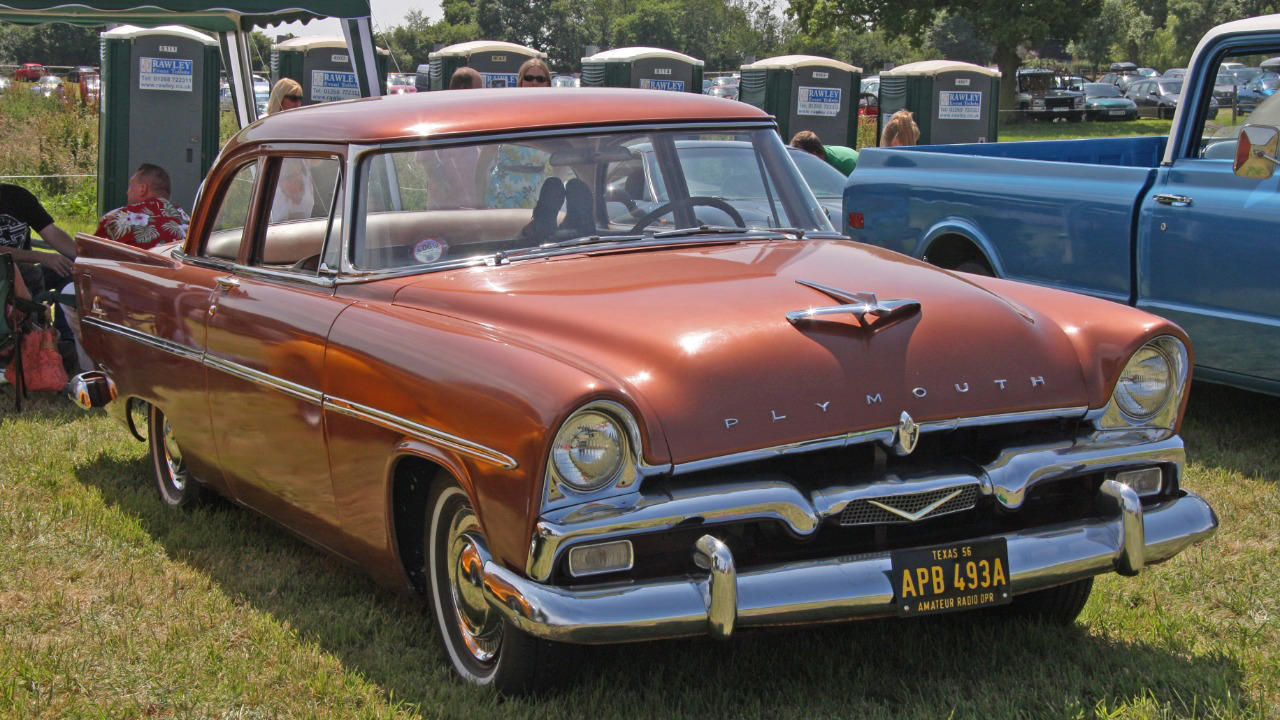
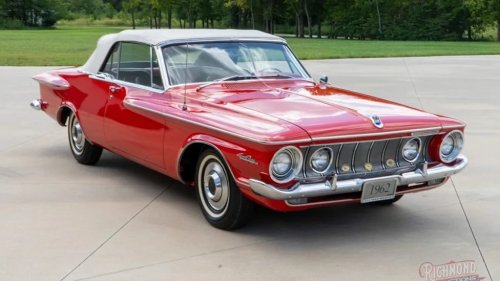
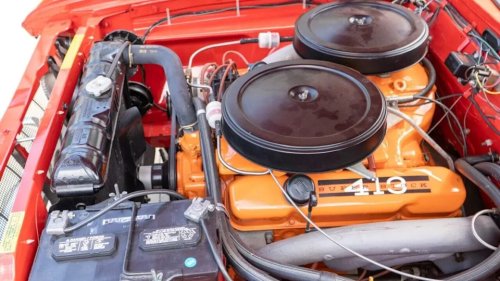
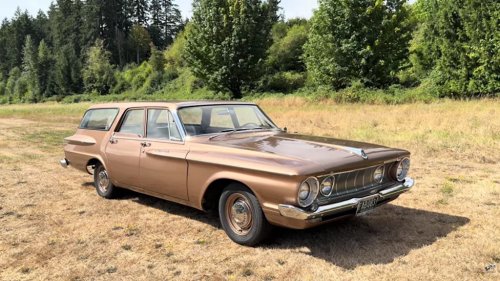
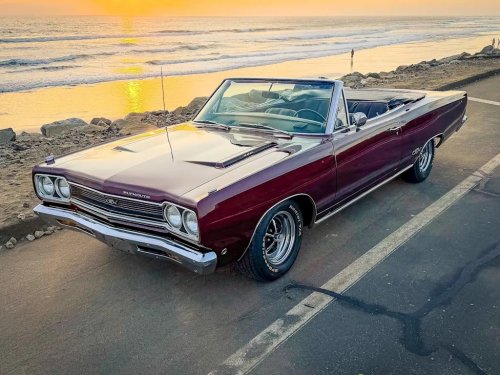
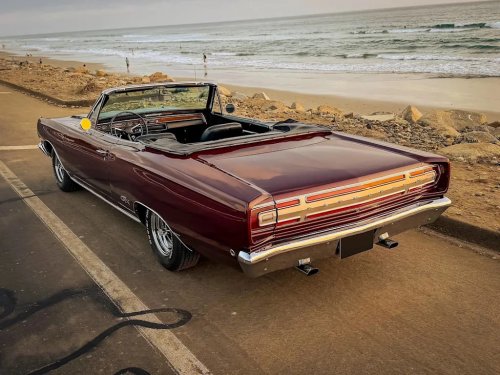
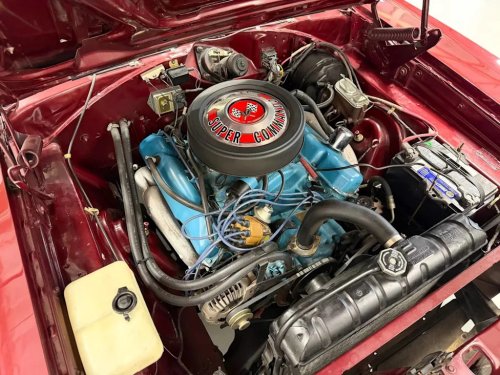
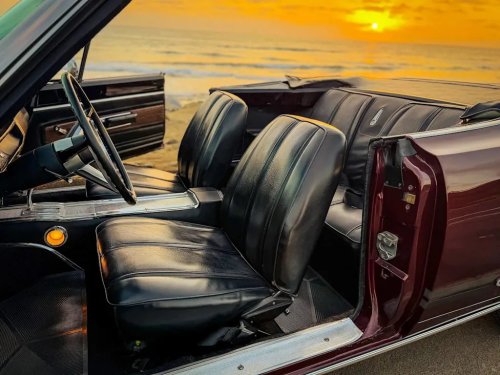
Among 1950s American sedans, the 1956 Plymouth Savoy rarely appears on posters or auction headlines, yet it has quietly become a favorite among enthusiasts who value subtle style, solid engineering, and sleeper potential. Positioned between bare-bones economy cars and high-trim cruisers, it offered just enough flash to feel special while remaining affordable and mechanically straightforward. A mid-range Plymouth with unexpected appeal The 1956 Plymouth Savoy sat in the middle of the Plymouth lineup, above the Plaza and below the Belvedere and higher luxury offerings. Period information on the 1956 Plymouth fact sheet describes the Savoy line as the mid-range offering, with Standard equipment that included front fender horizontal Sweepspear molding and chrome details that gave the car a more upscale look without pushing it into premium territory. The Savoy and Plaza were introduced alongside the Belvedere and other trims for that model year, helping Plymouth broaden its reach across multiple price points. That positioning is central to why the 1956 Savoy later attracted enthusiasts. It combined the practicality and lower purchase cost of a workaday Plymouth with touches of style and comfort that made it feel less spartan than the Plaza. Collectors who want the look of Plymouth’s golden design era but are less concerned with top-trim badges often find the Savoy a more attainable entry point than the Belvedere. Design that wears its age well Styling is a major part of the Savoy’s sleeper reputation. Contemporary descriptions of the 1956 Plymouth Savoy highlight it as part of Chrysler’s vision of affordable sophistication, with the Plymouth Savoy Four Door presented as a family sedan that still carried modern lines. The Sweepspear side trim visually lengthened the body, while restrained chrome and clean fender shapes avoided the excess that would characterize some late 1950s competitors. Compared with later Savoy iterations, which adopted more dramatic fins and ornamentation, the 1956 car reads today as relatively understated. That restraint has aged in its favor. Enthusiasts who want a 1950s car that does not shout for attention often gravitate toward the 1956 Plymouth Savoy because it looks period correct yet not overdecorated. The four-door layout, once seen as utilitarian, now appeals to drivers who want to share the experience with family or friends without sacrificing the classic profile. Mechanical simplicity and solid foundations Beneath the sheet metal, the 1956 Plymouth Savoy shared mechanical components with other Plymouth models of the period. Service manuals for 1955 and 1956 Plymouth cars, as well as parts catalogs covering 1955 to 1958, show a common architecture that made maintenance straightforward and parts interchangeability relatively high. This mechanical commonality is another reason the Savoy has become a favorite among hobbyists who prefer to drive their cars regularly. Enthusiast discussions of 1956 Plymouth Savoy projects often emphasize how approachable the chassis and drivetrain are for home mechanics. The availability of factory documentation, such as the 1955 1956 Plymouth Service Manual and the 55 to 58 Mopar Parts Catalog, gives restorers clear guidance, while the car’s straightforward suspension and drivetrain layout avoids the complexity of later performance packages. For owners who want a car that can be upgraded without extensive fabrication, the Savoy provides a sturdy starting point. From family sedan to resto rod canvas The shift from unassuming family sedan to performance sleeper is best illustrated by the way builders have reimagined individual cars. One notable example is a 1956 Plymouth Savoy resto rod fitted with a 1955 Chrysler 331 Hemi motor. Enthusiast accounts of this build describe the proud owner of a 1956 Plymouth who chose to pair the modest Savoy body with Chrysler’s early Hemi V8, an engine family that spanned roughly 40 years in various displacements. The result is a car that looks like a mid-range sedan but performs at a level that surprises those who expect a stock six-cylinder or mild V8. Similar projects appear in multiple enthusiast groups, where owners of 1956 Savoy and Plaza models document engine swaps, suspension upgrades, and brake improvements. The combination of a relatively light full-size body, straightforward engine bay, and shared Mopar componentry makes the Savoy a natural candidate for resto rod treatment. Builders can maintain the original Plymouth character while dramatically increasing performance, which fits neatly with the sleeper ethos. The Savoy name and later performance heritage The sleeper reputation of the 1956 Plymouth Savoy also benefits from the broader history of the Savoy nameplate. Later Savoy models, particularly in the early 1960s, became associated with serious performance. Accounts of Super Stock Plymouth Savoy cars describe how Mopar Performance, in a program often summarized as It All Started Here, used the Savoy body as a platform for the Famous Max Wedge engines. In 62, the Max Wedge arrived with 413 cubic inches and up to 420 horsepower, and Plain Jane Savo cars with this package became feared at the drag strip. Other reports on Plymouth Savoy Station Wagon variants from the early 1960s describe a 1964 Plymouth Savoy Station Wagon with a 440 that was originally a family hauler but turned into what enthusiasts call the ultimate sleeper of its era. That car, with a big block 440 under a wagon body, reinforced the idea that the Savoy badge could hide serious power in plain sight. Although these examples involve later model years, they color how collectors view the entire Savoy lineage, including the 1956 cars. Affordable sophistication that aged into cult status Period commentary on the 1956 Plymouth Savoy stresses that Chrysler intended the car to deliver affordable sophistication. The Plymouth Savoy Four Door was described as powered by dependable engines and aimed at buyers who wanted more than a bare-bones sedan without paying for top-tier luxury. That original mission now aligns neatly with what many modern enthusiasts seek: a classic that feels special to drive yet does not carry the price tag of the most famous nameplates. Fact sheets for the 1956 Plymouth highlight that the Savoy line was the mid-range choice, with the Savoy receiving a few extra rich appointments beyond basic trim. Features such as the Sweepspear molding, additional chrome, and improved interior materials gave owners a sense of pride without straying into extravagance. As collectors reassess mid-century cars, that balance of value and style has helped the 1956 Savoy move from overlooked used car to respected classic. Why it resonates with modern enthusiasts Several factors explain why the 1956 Plymouth Savoy has become a sleeper favorite among present-day enthusiasts. Its relative obscurity keeps prices below those of more famous 1950s models, which invites creative builds and regular use. The car’s design, especially in four-door form, also strikes a balance between period charm and everyday practicality that suits modern traffic and family life. Third, the broader Savoy story, from the mid-range 1956 sedans to the Max Wedge Super Stock cars and the Plymouth Savoy Station Wagon with a 440, has created a narrative in which the badge stands for hidden potential. Owners of 1956 cars can tap into that heritage by upgrading drivetrains or simply maintaining their cars as honest survivors that represent the starting point of that arc. Finally, the depth of documentation and parts support, from the 1955 1956 Plymouth Service Manual to the 55 to 58 Mopar Parts Catalog and multilingual references such as Discovered entries linked from Untitled sources, gives confidence to new custodians. They know that the information needed to keep a 1956 Plymouth Savoy on the road is accessible, and that fellow owners have already charted paths for both faithful restorations and more radical transformations. The result is a car that rarely dominates show fields yet earns quiet respect from those who recognize what it represents. The 1956 Plymouth Savoy embodies the idea that a mid-range family sedan, designed for affordable sophistication, can evolve into a cult favorite once enthusiasts discover how much character and potential were hiding behind its modest badge. More from Fast Lane Only Unboxing the WWII Jeep in a Crate 15 rare Chevys collectors are quietly buying 10 underrated V8s still worth hunting down Police notice this before you even roll window down