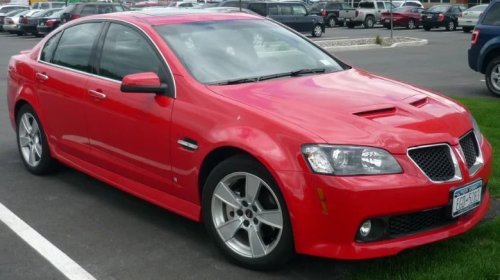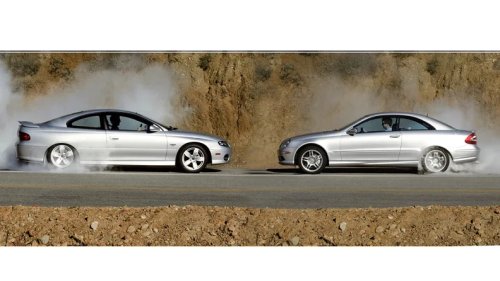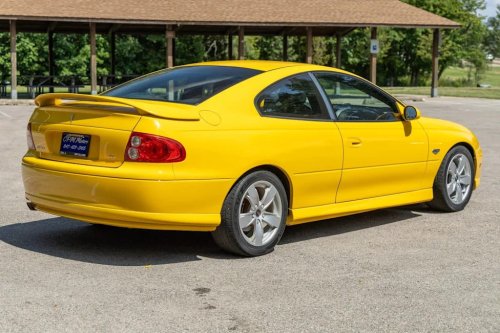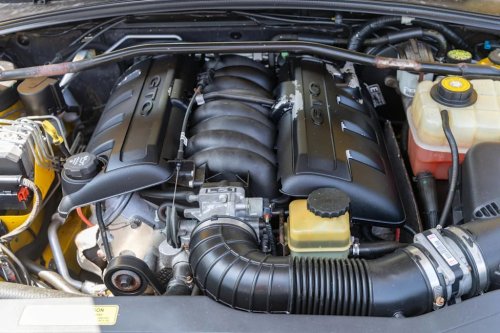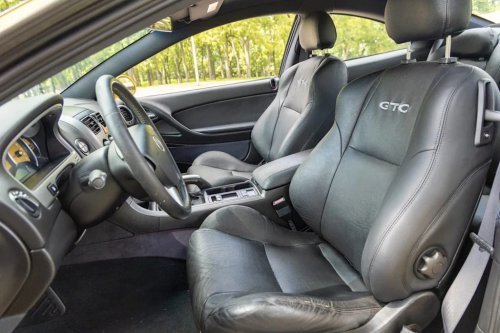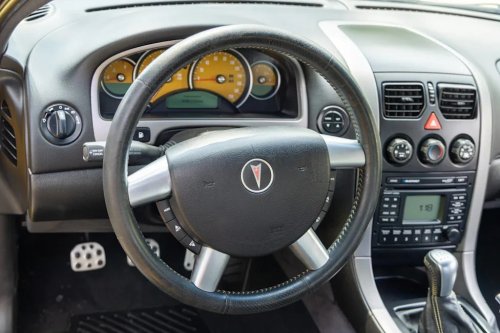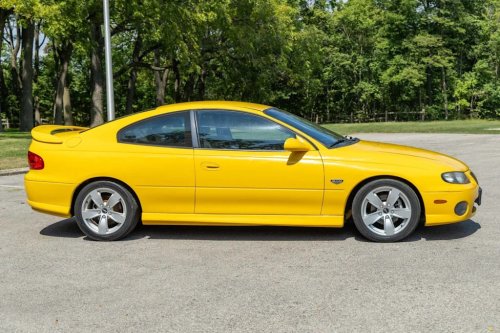

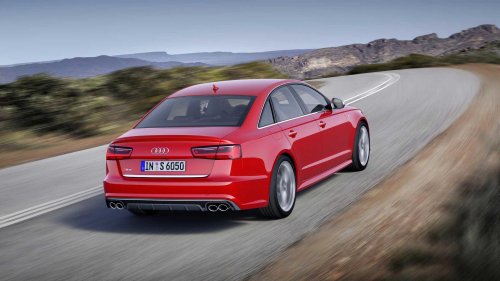
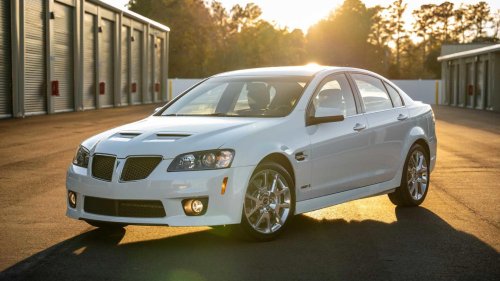
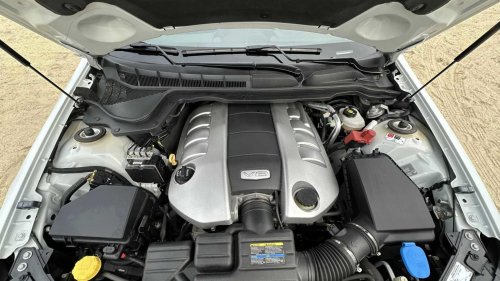
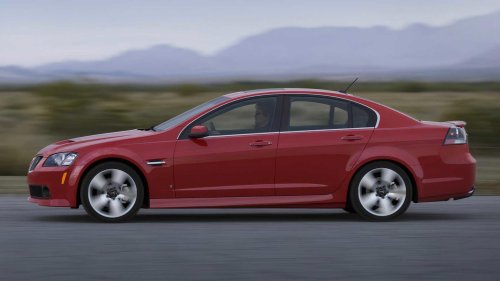
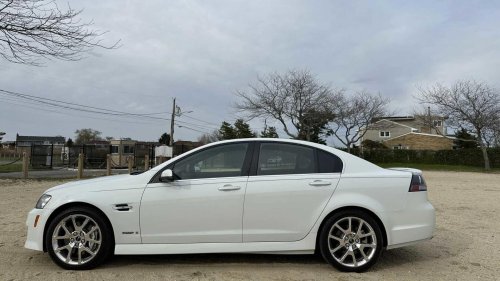
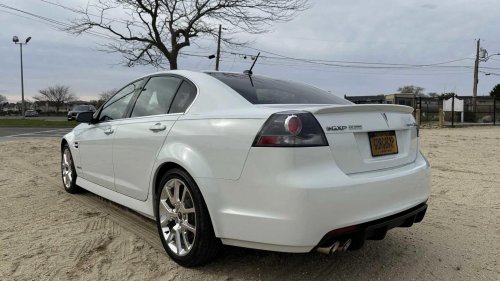
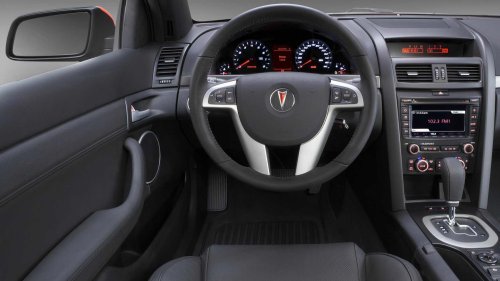
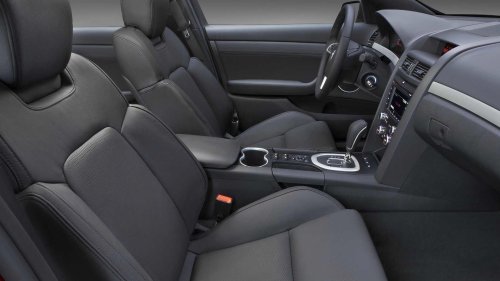
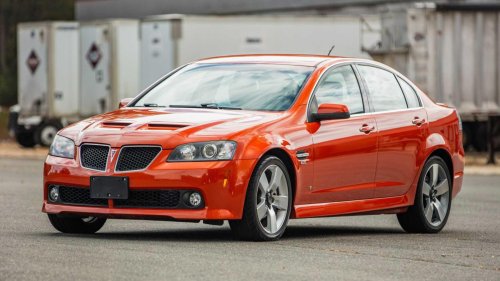
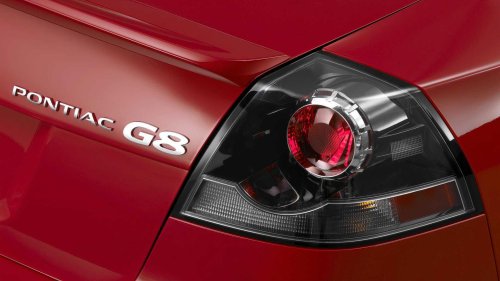
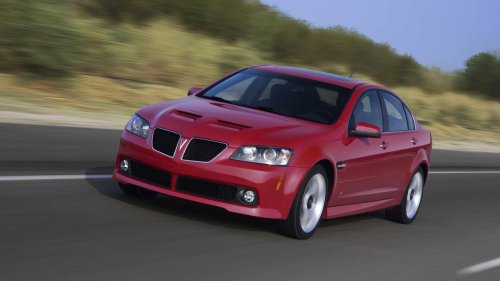




















For decades, the performance sedan formula has been defined by Europe. Precision handling, turbocharged power, and meticulously engineered interiors have made German brands the default choice for enthusiasts who want both speed and sophistication. These cars dominated sales and shaped expectations, convincing buyers that true performance refinement could only come from across the Atlantic. But every now and then, something disrupts that narrative. Not with marketing hype or heritage-driven prestige, but with substance. A car that quietly delivers everything that matters: power, balance, usability, without leaning on complexity or overengineering. The kind of machine that doesn’t need to prove itself in the moment, because it was built to last.What’s fascinating is how time reshapes perception. Many of the once-cutting-edge European sedans from the late 2000s are now grappling with aging electronics, costly maintenance, and designs that feel tied to a specific era. Meanwhile, one unlikely contender has emerged from the background, aging with a kind of quiet confidence that’s becoming increasingly rare. To understand why, you have to look beyond the badge and focus on what actually makes a performance sedan great. Built With Global Engineering, Not Badge Prestige Bring A Trailer At the height of the performance sedan wars, most manufacturers followed a familiar script. Turbocharged engines became the norm, interiors grew more complex, and technology was often used as a differentiator rather than a necessity. The result was a generation of cars that felt advanced at launch but increasingly complicated with age. There was, however, another approach that prioritized fundamentals over flash. This Alternative Formula Leaned Heavily On Mechanical Honesty Mercedes-AMGNaturally aspirated engines instead of forced induction. Rear-wheel-drive platforms designed from the ground up, rather than adapted. Steering systems that prioritized feedback over isolation. It was less about chasing numbers on a spec sheet and more about delivering a cohesive driving experience.Audi Interestingly, some of the most compelling examples of this philosophy didn’t come from Europe at all. They emerged from unexpected places, shaped by global engineering efforts that blended different automotive cultures into something refreshingly unique. These cars didn’t rely on aggressive styling or brand cachet to stand out. Instead, they offered a kind of understated competence, one that only becomes more apparent with time. And as the industry has shifted toward increasing complexity, that simplicity has started to feel less like a compromise and more like an advantage. Why The Pontiac G8 Delivered V8 Thrills Without The European Price Tag Bring a Trailer The best embodiment of that philosophy came in the form of the Pontiac G8, a car that arrived with little fanfare but delivered one of the most complete driving experiences in its class. Developed in Australia and adapted for the American market, it combined a sophisticated rear-wheel-drive chassis with the kind of naturally aspirated V8 power that European rivals were steadily moving away from. The result was a performance sedan that felt both raw and refined, without the overly inflated price tag.Bring A Trailer Under the hood, the lineup ranged from a capable 3.6-liter V6 to two distinctly different V8 options. The G8 GT featured a 6.0-liter LS2 V8 producing around 361 horsepower and 385 pound-feet of torque, while the range-topping GXP elevated things further with a 6.2-liter LS3 V8 delivering 415 horsepower and 415 pound-feet. What Set It Apart Was How Accessible That Performance Felt Pontiac There was no turbo lag to manage, no complex drive modes to navigate. Power delivery was immediate and linear, making the car feel responsive in a way that many modern setups struggle to replicate. It was fast, yes, but more importantly, it was intuitive. Rear-Wheel Drive Balance That Still Holds Up Today Bring A Trailer Performance sedans often live or die by their chassis, and this is where the car truly distinguished itself. Built on a dedicated rear-wheel-drive platform, it avoided the compromises that came with adapting front-wheel-drive architectures for performance use. The balance was immediately noticeable. Weight distribution felt natural, allowing the car to remain composed under pressure while still offering enough playfulness to engage the driver. Through corners, it delivered confidence rather than nervousness, a trait that becomes even more valuable as a car ages. Bring a Trailer The suspension setup struck a careful balance between comfort and control, making it just as capable on long highway drives as it was on a twisty back road. This duality is a big part of why it continues to feel relevant today. Steering feel is another area where it stands out. Unlike many modern systems that filter out road feedback, the hydraulic setup here provides a direct connection to the front wheels. You don’t just point the car, you communicate with it. And that’s the key difference. Where many rivals focused on isolating the driver, this approach prioritized involvement. Years later, that philosophy still resonates. A Cabin That Prioritized Driving Over Flashy Gimmicks Pontiac Inside the Pontiac G8, the same philosophy continues. Rather than overwhelming the driver with screens and layered menus, the cabin focuses on clarity and usability. Controls are logically placed, easy to operate, and designed to minimize distraction. It’s a layout that feels intuitive from the moment you sit down, allowing you to focus on the driving experience rather than figuring out how everything works. Material quality, while not extravagant, has proven durable over time. This is another area where simplicity pays dividends. Without excessive reliance on complex electronics or delicate finishes, the interior has aged with surprising grace.GM Media The seats strike an effective balance between comfort and support, making the car a strong long-distance companion. Rear-seat space and trunk capacity further reinforce its practicality, proving that performance doesn’t have to come at the expense of usability. It’s not a cabin designed to impress in a showroom; it’s one designed to work in the real world. And that distinction becomes more meaningful with every passing year. Why Simplicity Is Now Its Greatest Strength Bring a Trailer As the automotive industry continues to evolve, the gap between complexity and usability has become increasingly apparent. Many modern performance sedans offer incredible capabilities, but they often come with layers of technology that can feel overwhelming or expensive to maintain over time. This is where a simpler approach begins to shine. Naturally aspirated engines tend to be more predictable and easier to maintain than their turbocharged counterparts. Fewer electronic systems mean fewer potential points of failure. And a focus on mechanical fundamentals ensures that the driving experience remains intact, regardless of age.Pontiac What once seemed like a lack of sophistication now feels like a deliberate advantage. There’s also an emotional element at play. Cars built around straightforward performance, rear-wheel drive, manual transmissions, and responsive engines offer a kind of connection that’s becoming harder to find. They engage the driver in a way that doesn’t rely on software or artificial enhancement. That connection is what keeps enthusiasts coming back. The Sedan That Quietly Proved Everyone Wrong Pontiac In the end, the most remarkable thing about the Pontiac G8 isn’t what it achieved when it was new; it’s how it’s perceived now. What was once overlooked is now appreciated. What was once compared is now contrasted. And what once seemed like an alternative has become, in many ways, the benchmark for what a performance sedan should feel like. It didn’t rely on prestige. It didn’t chase trends. It simply delivered on the fundamentals, and did so with a level of consistency that many of its rivals have struggled to maintain over time. That’s why it hasn’t just aged well, it’s aged better. And in a segment defined by constant evolution, that kind of staying power is something that enthusiasts shouldn't overlook.Sources: Pontiac, Bring a Trailer