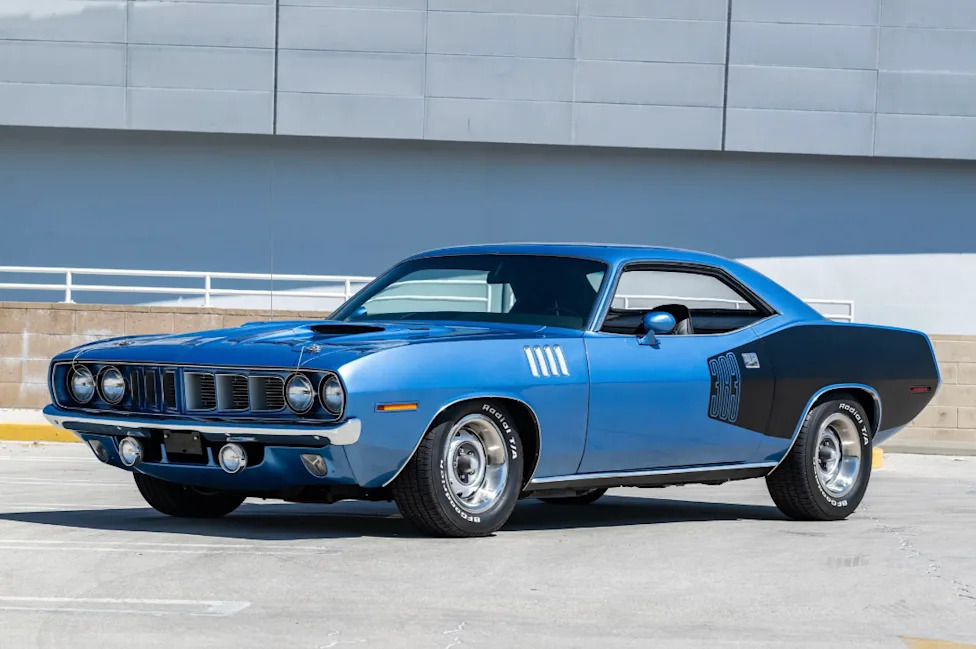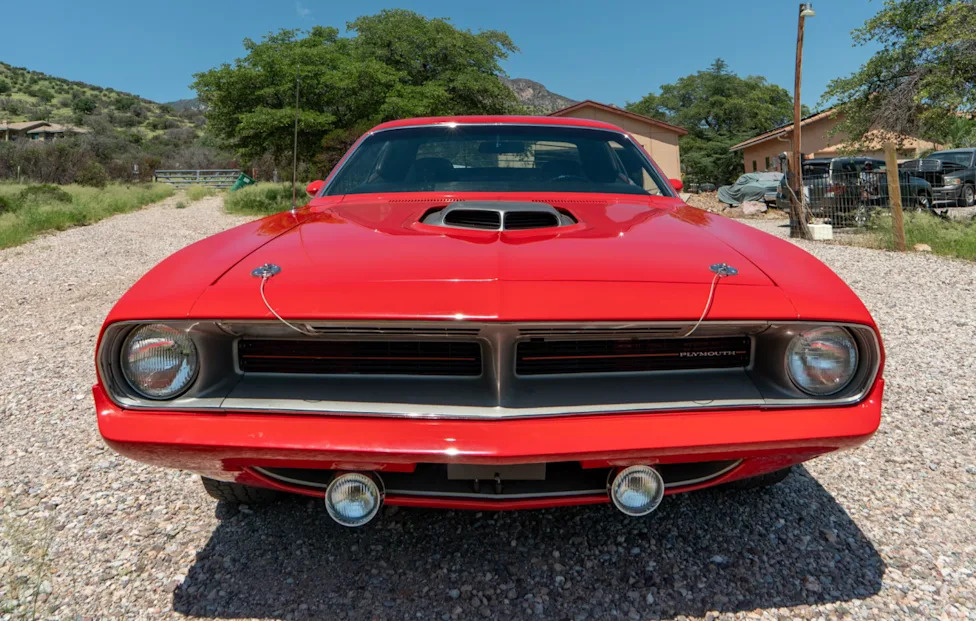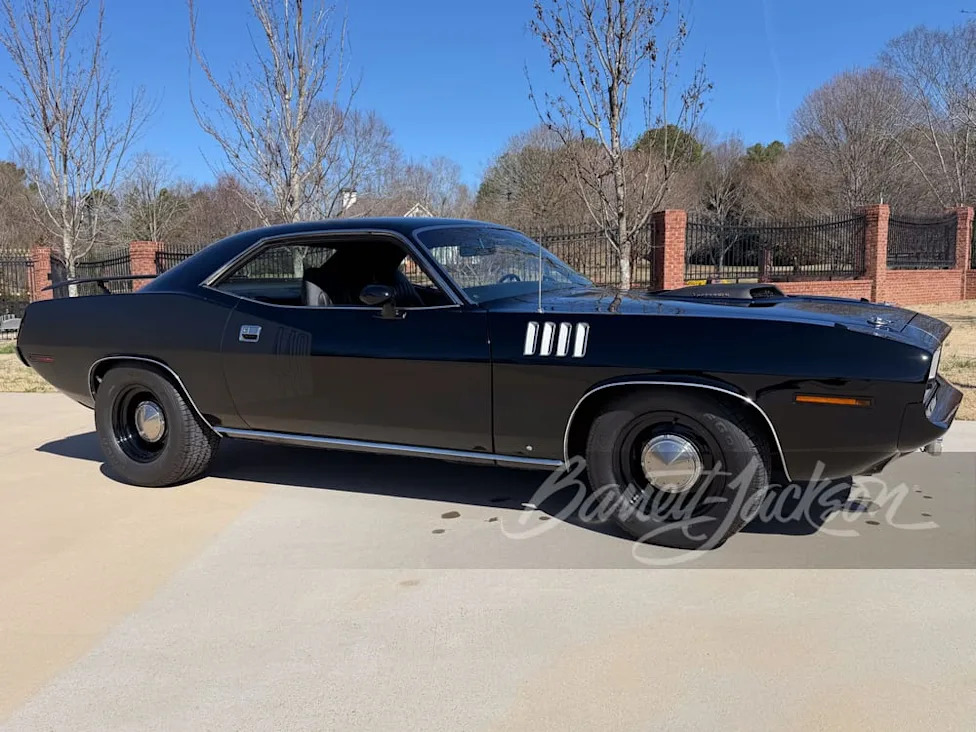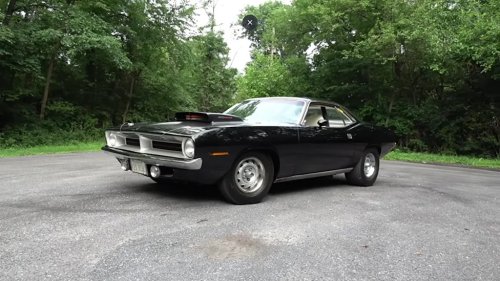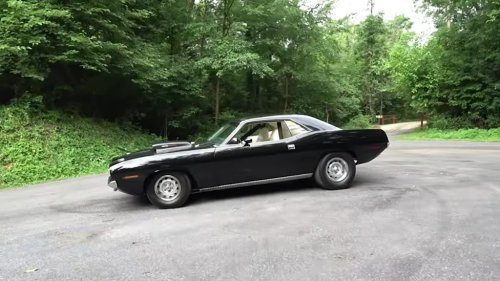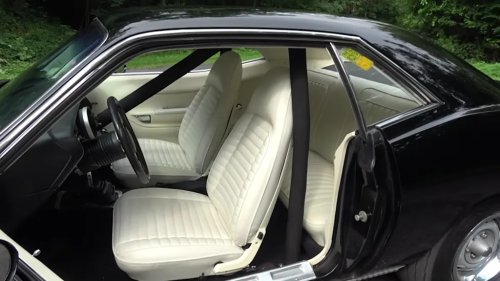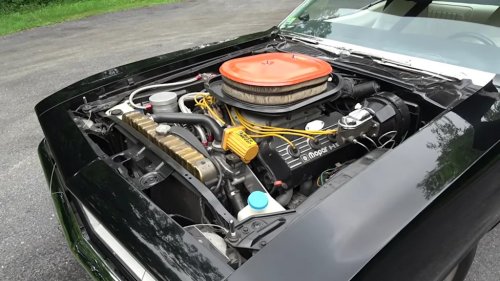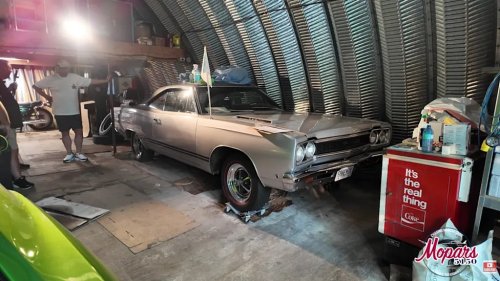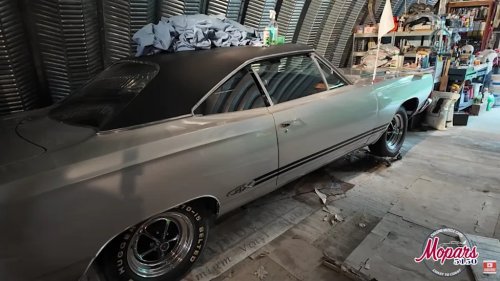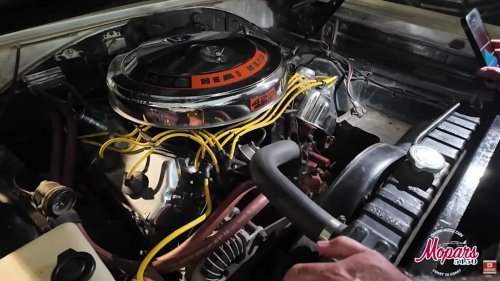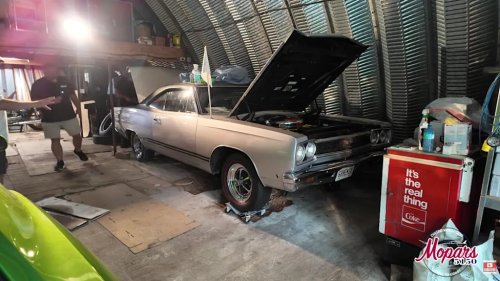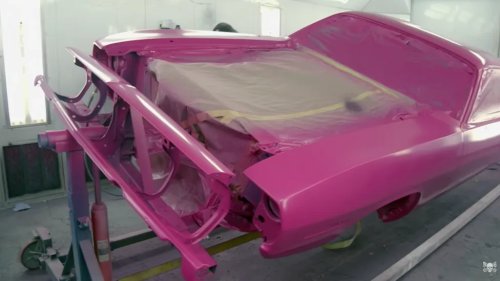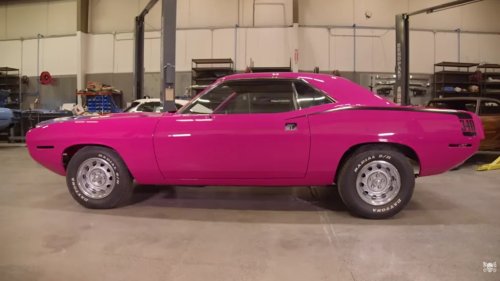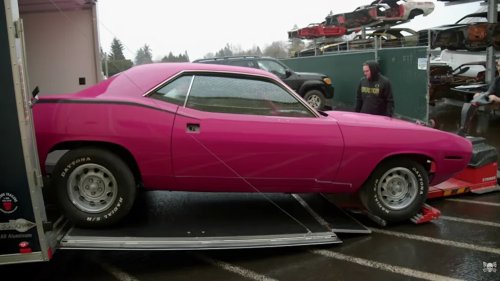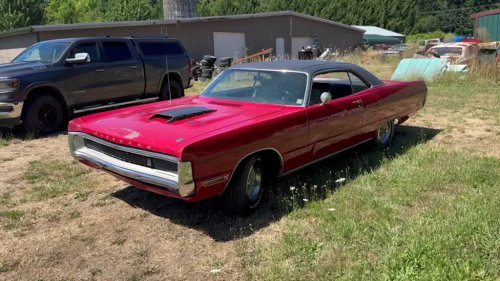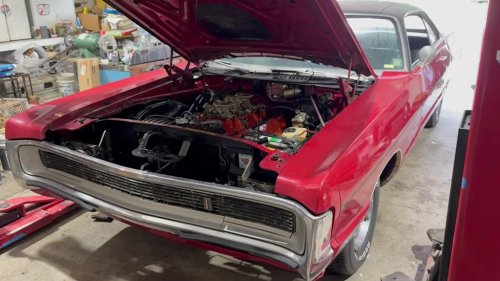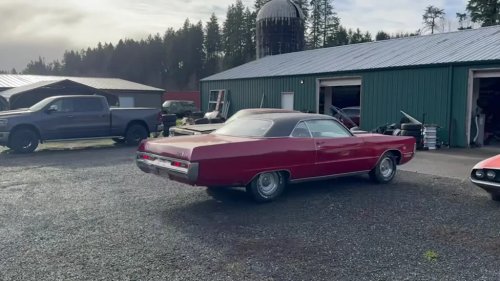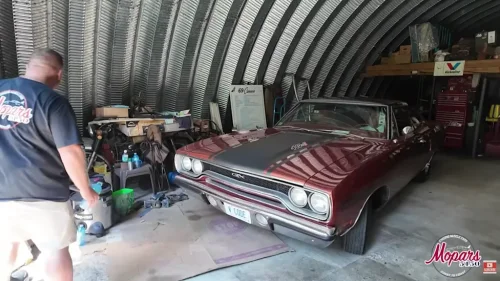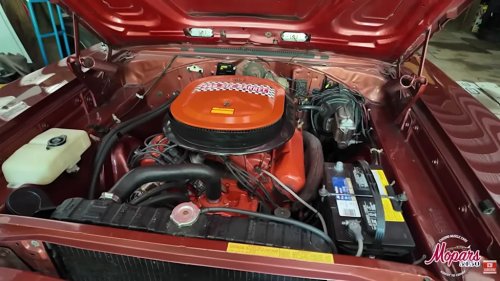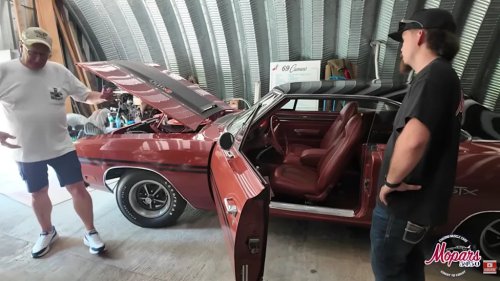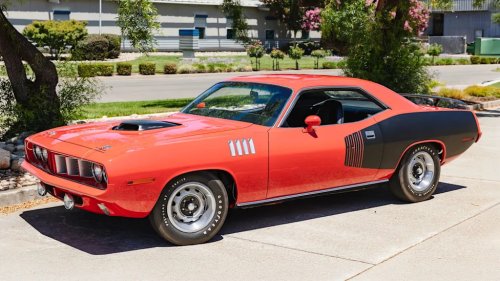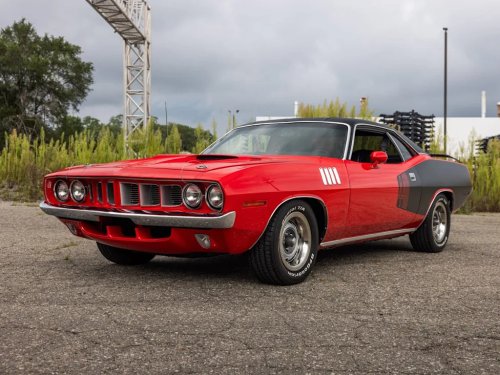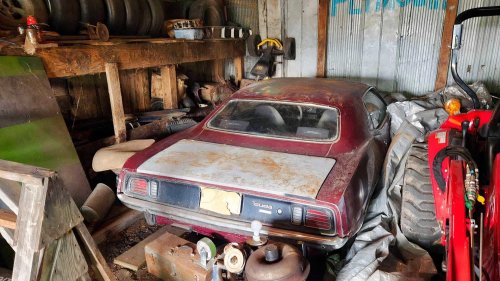
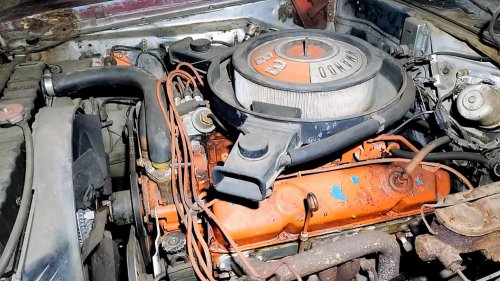
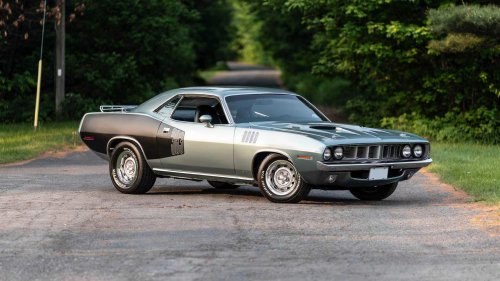



















Have you noticed that all the barn finds you see these days aren’t actually found in a barn? The category has expanded to include pretty much any forgotten muscle car sitting in a garage, warehouse, or even a field. The fact that the Auto Archaeologist just uploaded a clip of a Plymouth that he legitimately found in a barn feels like a breath of fresh air. That’s only part of what makes his latest upload so great, though. The car in question also happens to be one of the coolest Mopars ever built. 1971 ‘Cuda Barn Find Is A Real Barn Find The Auto Archaeologist, YouTube The Auto Archaeologist just uploaded a video taking a look at a 1971 Plymouth ‘Cuda that’s been tucked away in some forgotten barn. Yes. It’s actually a barn, too. As he notes partway through the video, the structure was used to house livestock alongside the ‘Cuda. So, this is one of the rare times the name "Barn Find" is actually an accurate description.The building the car is in could tell quite a story, too. According to the Auto Archaeologist, it was built back in the late 1800s. It’s seen a lot of things over its lifetime, with the property around it having served as a saw mill, railway, and farm.Being a barn that actually houses livestock isn’t exactly ideal, though. While the ‘Cuda is accompanied by tractors and other mechanical odds and ends, a floor made almost entirely of fertilizer (if you catch my drift) has it screaming, “save me.” The Ultimate Muscle Car The Auto Archaeologist, YouTube That’s not to say any gearhead would need much of a push to pull that ‘Cuda from its current tomb. Just one look at those iconic tail lights is enough to get the imagination going—not that this car would take much to be certifiably cool, though. On top of being one of the most iconic body styles of all time, of which only around 6,600 were built for that year, it left the factory with some awesome options.Starting with the detail most people care about, this ‘Cuda is a legitimate big block car. It was originally equipped with a 383 cubic-inch V8, which was rated to produce 300 horsepower and 410 lb-ft of torque with a four-barrel carburetor in 1971. Behind it was a 3-speed automatic transmission with the floor-mounted shifter. The rear differential was set up with a 3.91 gear, and it was set up with power steering, and power brakes with front discs. All of that comes together to make for a seriously fun driver.The Auto Archaeologist, YouTube Don’t let the maroon paint fool you, though. As great as that could look, the original paint was way better. As revealed by the fender tag, this car wore the rare Winchester Gray paint job and billboard stripe. While not as well-known as the more prominent, bright Mopar color options, this was a seriously tough-looking color that meshes well with the menacing vibes of the 1971 ‘Cuda. Payment For Another ‘Cuda Mecum The paint job isn’t the only change this car’s seen in its lifetime. It’s mentioned that the 383 was yanked in favor of a 440, and then returned back to a modified 383, which is a blessing in disguise. That means there’s less pressure to preserve this rare Mopar. You could get it running as-is, rock the patina, and drive the wheels off of it with little guilt. At least, for a little while.The 383 Mopar often lives in the shadow of the 440 and even the 340 in these E-body cars. However, any real Chrysler nut will tell you not to doubt the legendary “big block that thinks it’s a small block.” The 383 short-deck engine was a fast-revving powerhouse that could be seriously quick with the right mods. While we don’t know for sure what has been done to the motor that’s currently under the hood, you could rest assured knowing that it’s more than enough to get into some real trouble with this machine.That said, the car is spoken for. We’re told that the current owner also has a 1970 ‘Cuda Six-Barrel car that’s being painted, and this 1971 ‘Cuda is being used as payment for that job. That must be an insanely good paint job considering what these cars are worth. Regardless, the fact two extremely cool Plymouths are being saved by a single transaction makes this about the best possible ending a gearhead could hope for.