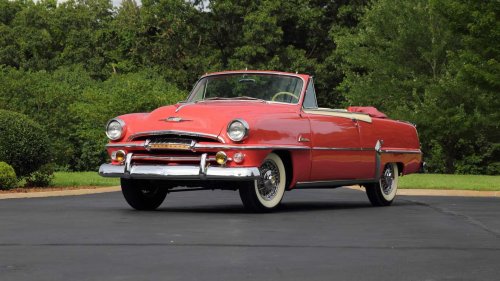
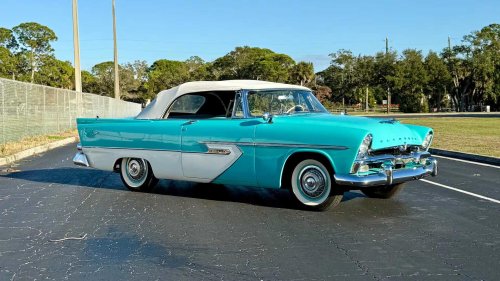
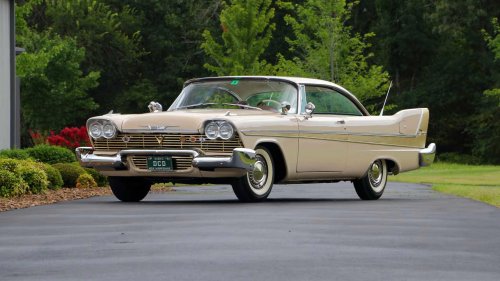
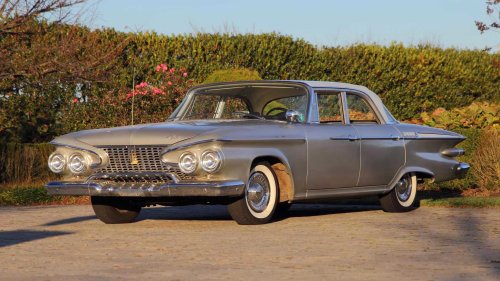
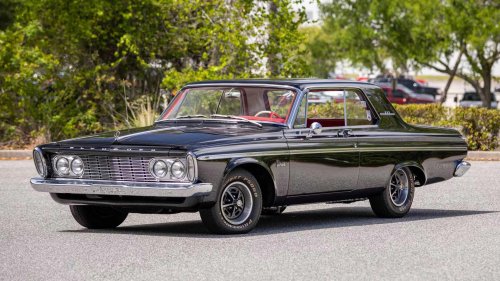
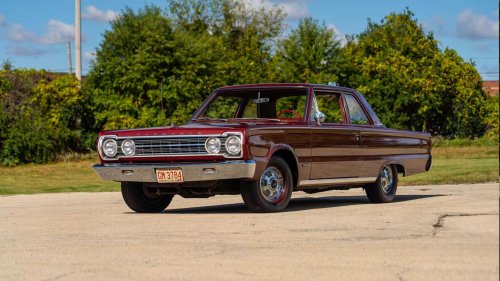
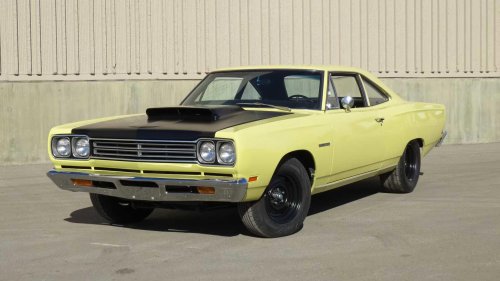
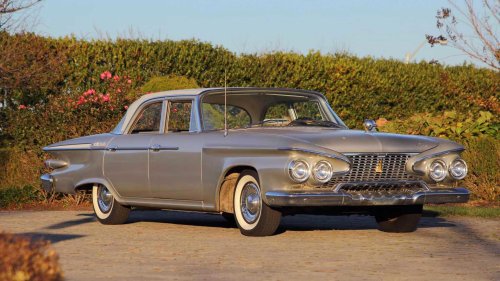
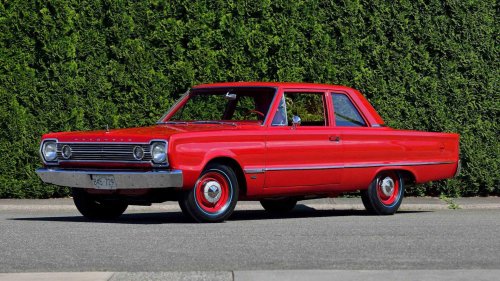
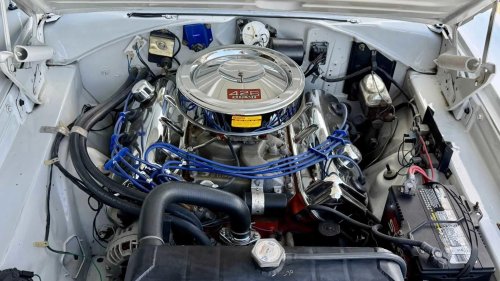
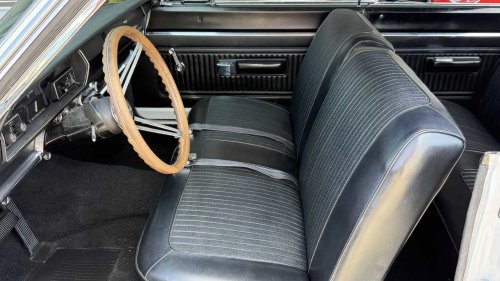
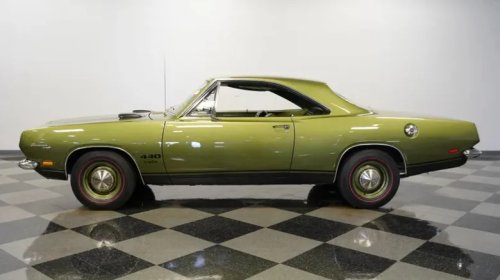
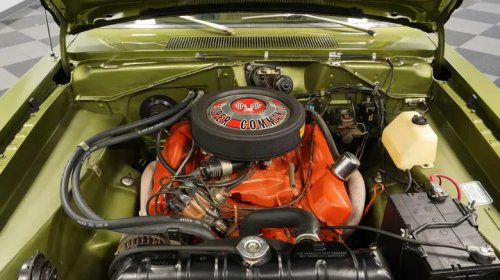
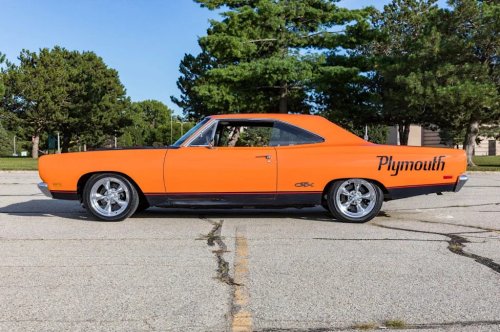
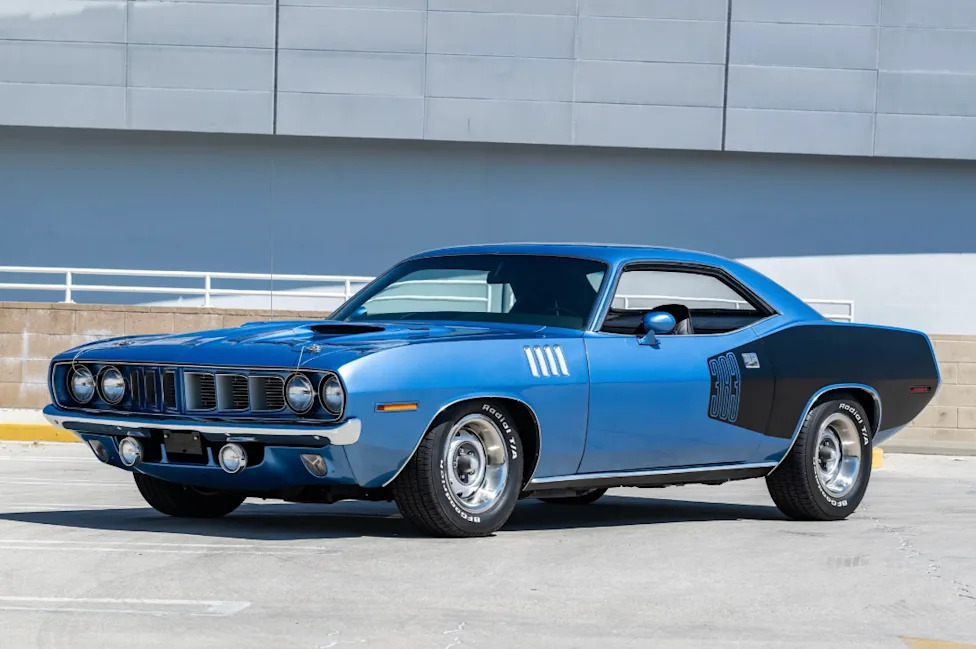
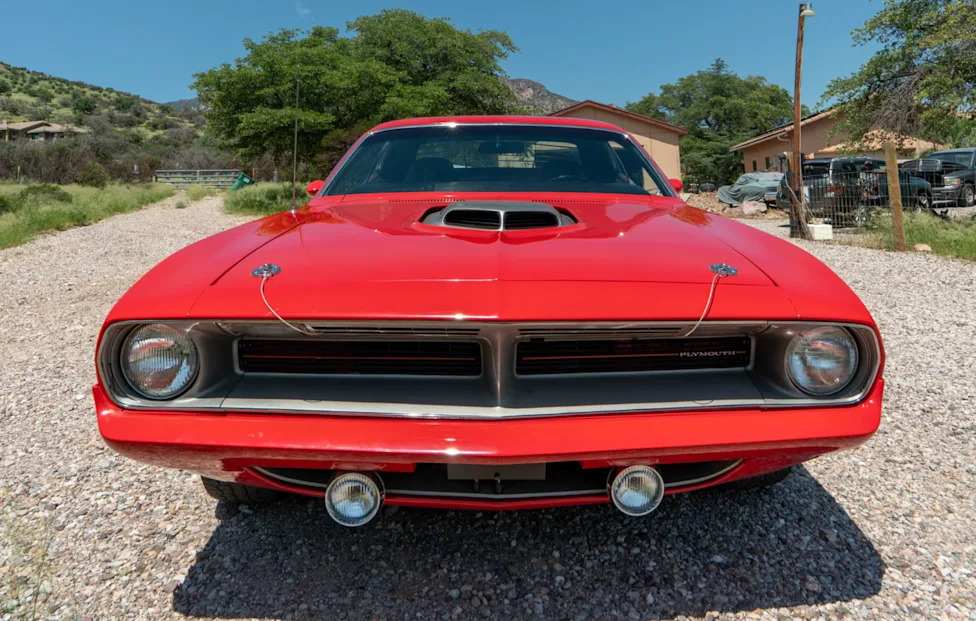
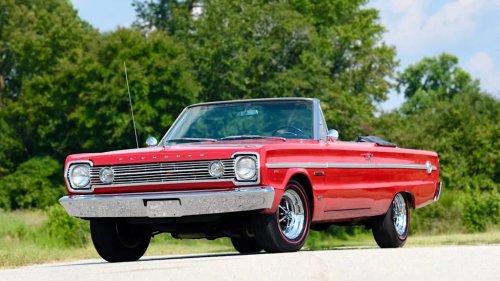
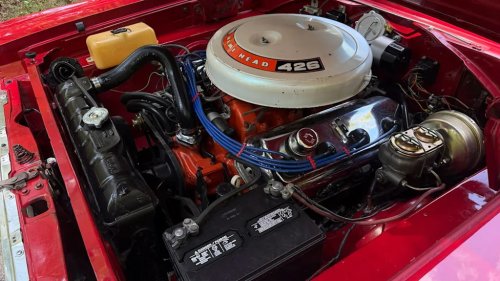
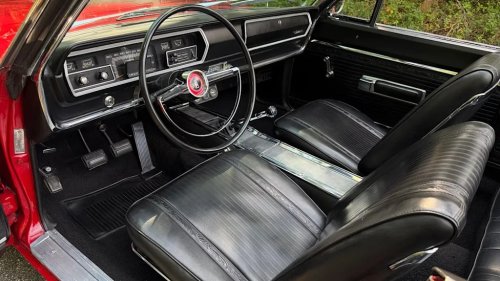
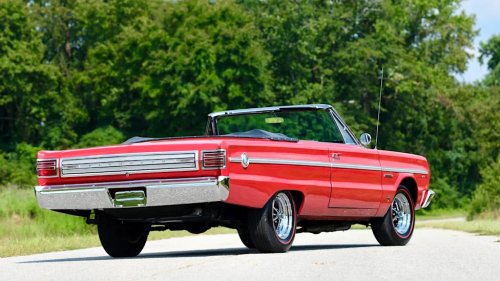
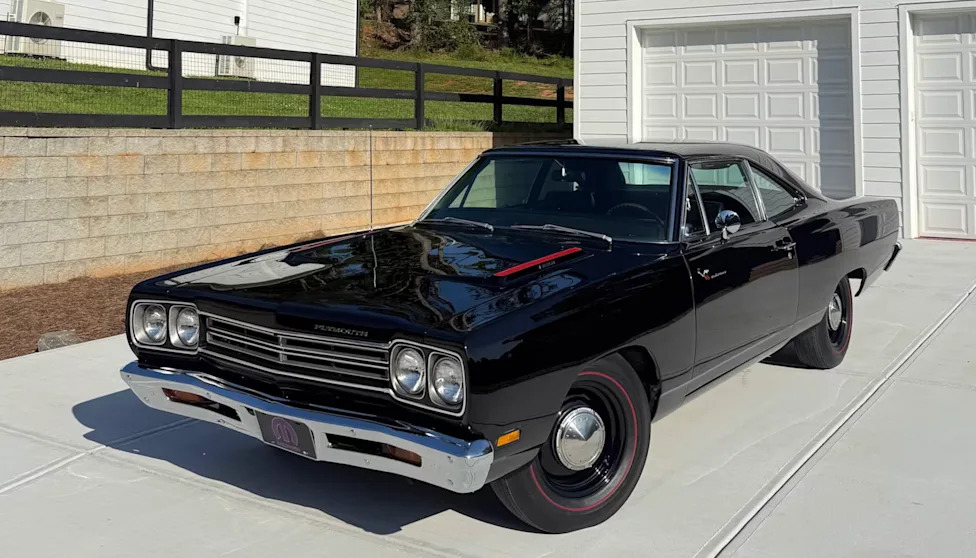
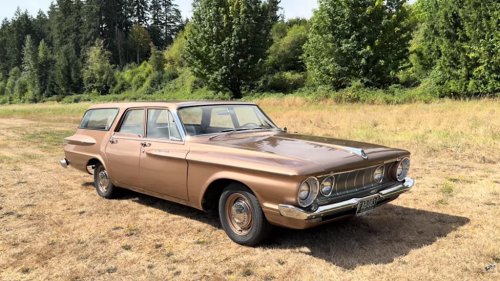
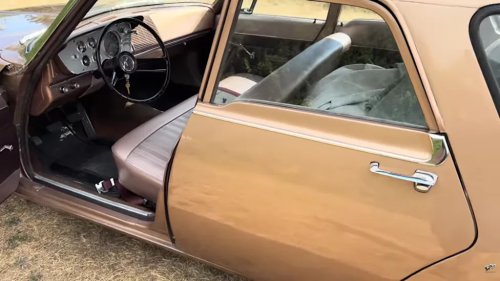
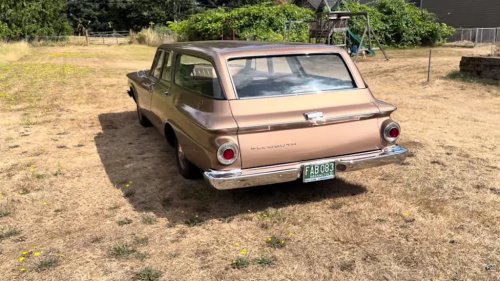
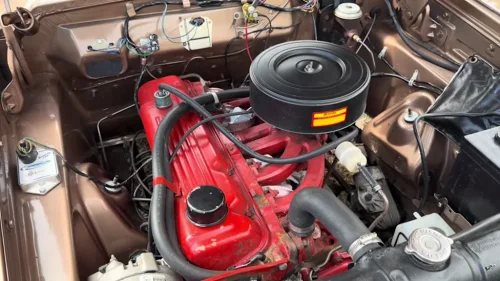
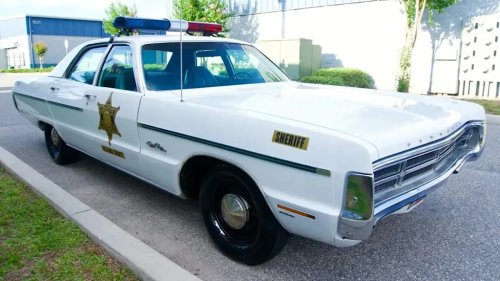
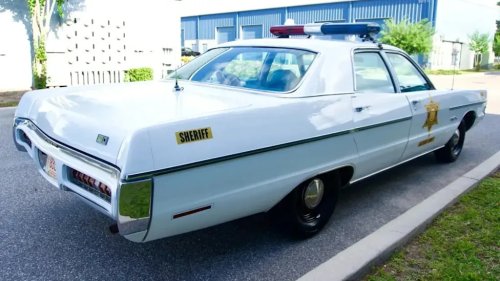
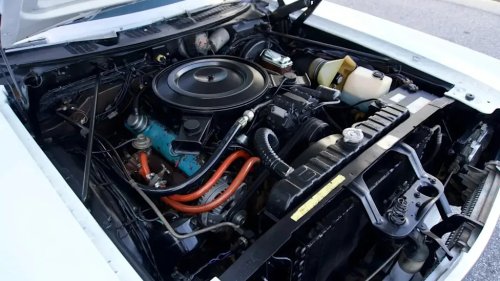
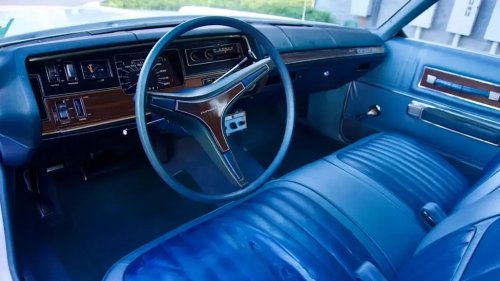
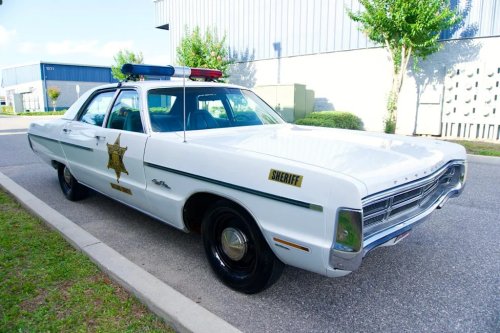
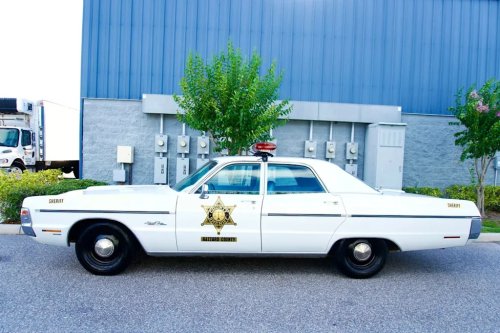
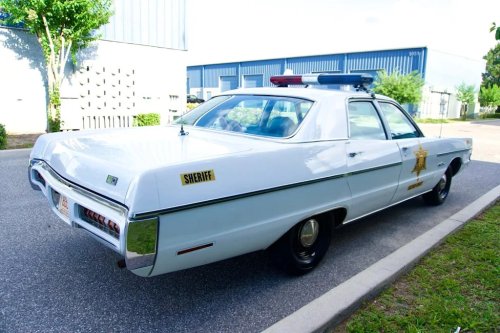
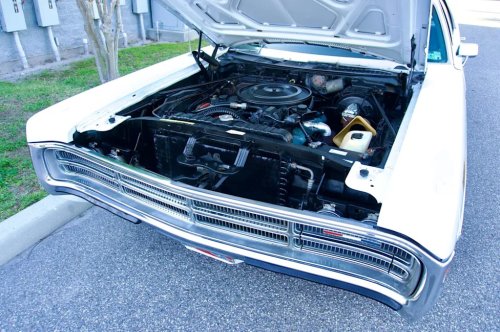
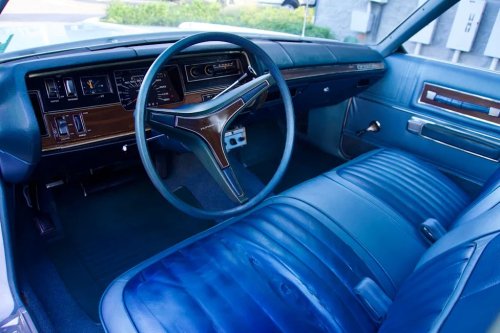
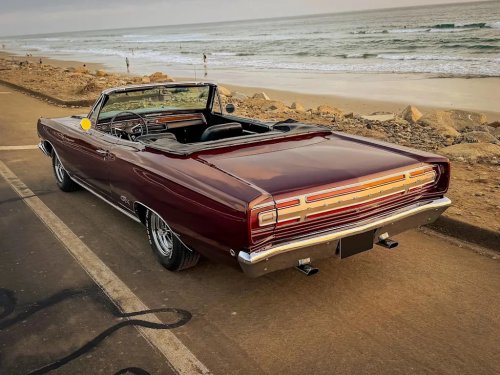
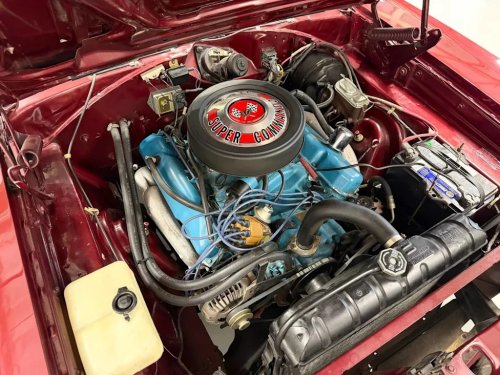
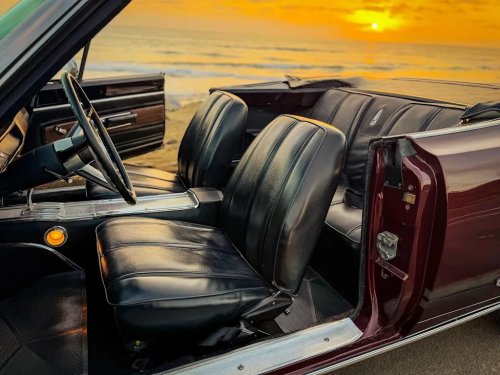
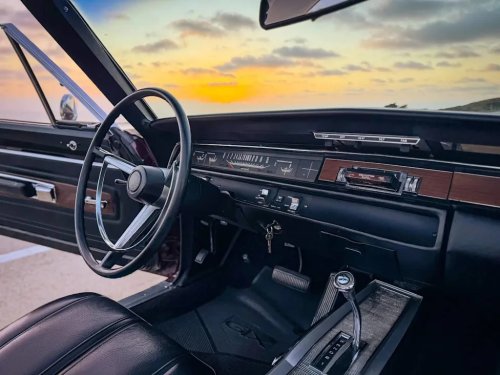
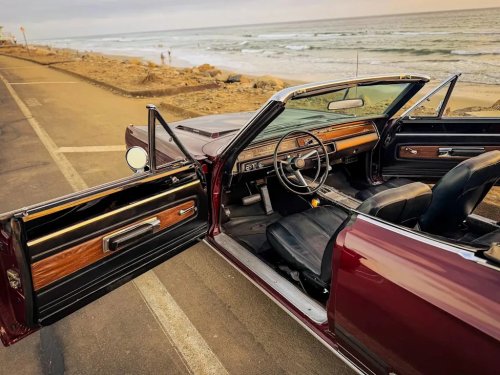
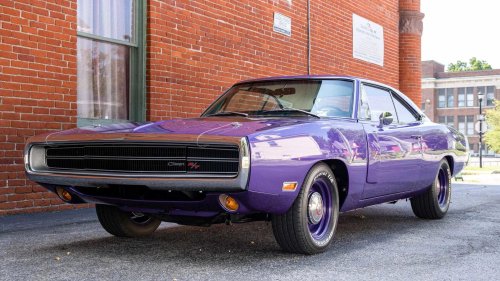
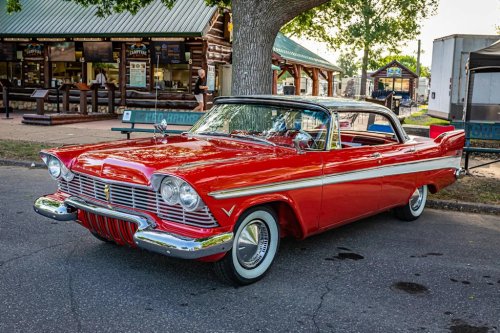
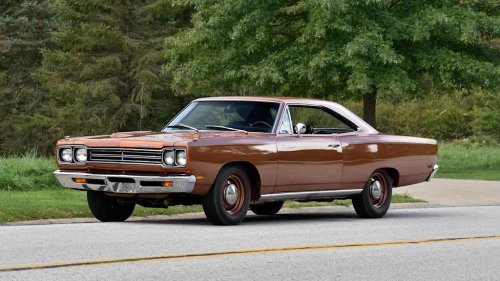
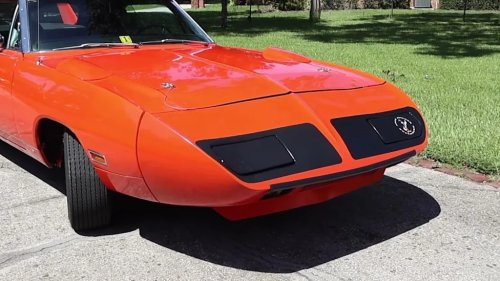
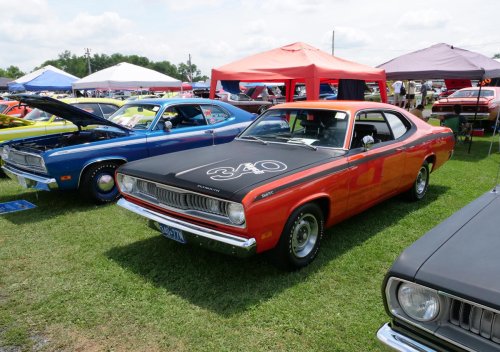
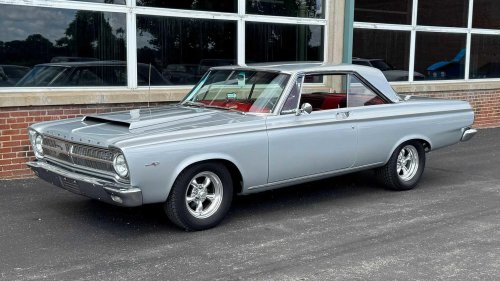
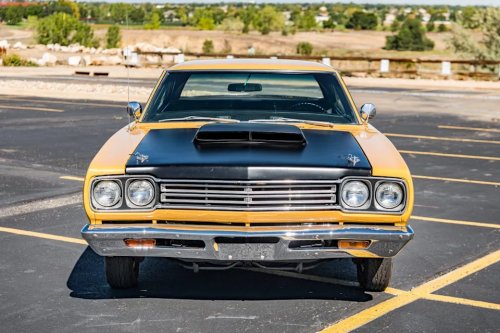
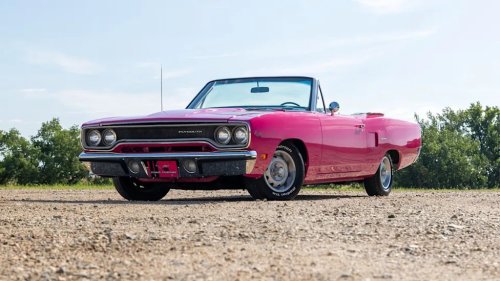
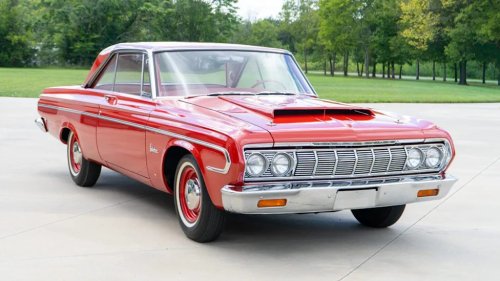
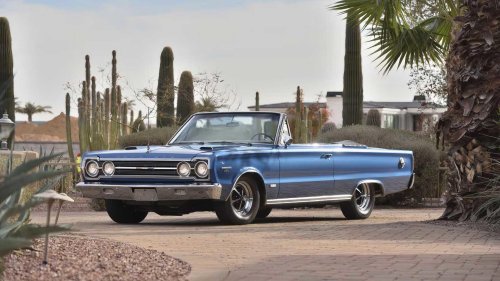
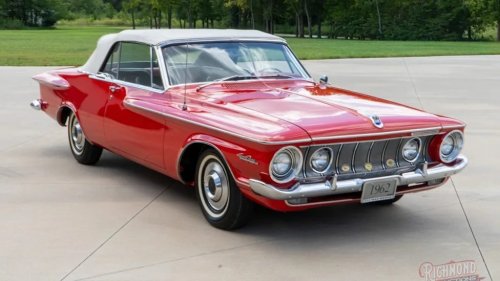
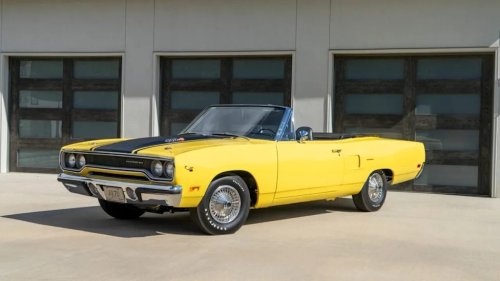
The Plymouth Belvedere is one of the most adaptable nameplates in American automotive history. Produced from 1954 through 1970, it began as a straightforward full-size family car and gradually transformed into a lighter, more performance-oriented intermediate that played a quiet but important role in the muscle car era. Across six distinct generations, this Plymouth reflected shifting priorities in design, engineering, and buyer expectations.We break down all the unforgettable Plymouth Belvedere generations using, focusing on what changed from one era to the next. It also connects design and mechanical differences to current market values, with closer attention to high-demand years like the 1967 Plymouth Belvedere, keeping the discussion grounded in facts and real-world context. First-Generation Plymouth Belvedere (1954–1956) Via: Mecum Auctions The first-generation Plymouth Belvedere debuted in 1954 as a standalone model after initially serving as an upscale hardtop within the Cranbrook lineup. It sat above the Savoy and Plaza in Plymouth’s hierarchy, targeting buyers who wanted a full-size car with more trim and comfort rather than performance. Construction followed a traditional body-on-frame layout, and curb weight typically ranged from about 3,500 to 3,700 lbs depending on body style.Engine options were conservative by design. Buyers could choose a flathead inline-six producing around 117 hp or step up to early V8s ranging from roughly 157 hp to 180 hp. These outputs reflected the Belvedere’s role as a comfortable highway cruiser rather than a performance-focused model. Automatic and manual transmissions were available, but drivetrains prioritized smoothness and durability.Via: Mecum Auctions Styling aligned closely with mid-1950s American norms, featuring restrained chrome use, upright proportions, and minimal experimentation. Today, this generation’s lower market value of $15,400 based on classic.com average used price, reflects limited collector's interest and high production numbers. Collectors tend to value originality, body condition, and trim completeness more than engine choice, reinforcing the Belvedere’s position as a historically significant but mechanically modest starting point. Engine Options Market Value Takeaways Average value remains accessible at $15,400 Performance plays a limited role in pricing Condition and originality outweigh engine choice Best suited for collectors seeking early-nameplate history Second-Generation Belvedere (1957–1959) Via: Mecum Auctions The second-generation Belvedere marked a dramatic shift in priorities. Plymouth adopted tailfin-heavy styling for 1957, with longer, wider bodies and significantly more chrome. These cars grew visually aggressive, even though curb weight increased to roughly 3,700 to 3,900 lbs in many configurations. Push-button automatic transmissions became widely available, adding to the era’s futuristic appeal.Engine output climbed with the V8 options, as they expanded from around 180 hp to as much as 290 hp in performance-oriented trims like the Fury, which pushed the Belvedere closer to the emerging performance market. Straight-line speed improved, but rapid redesigns introduced structural issues. Unibody construction and cost-cutting measures by the manufacturer at the time, led to rigidity and quality concerns that remain relevant for restorers today.Despite those drawbacks, the late 1950s cars remain visually iconic. Market value of an average price of $26,337, reflect styling appeal more than anything else. Well-restored examples command premiums, especially with higher-output V8s, while neglected cars suffer steep depreciation due to restoration complexity. Engine Options Market Value Takeaways Average value rises to $26,337 Styling drives demand more than mechanical strength Fury-equipped cars command strong premiums Restoration quality heavily impacts final pricing Third-Generation Belvedere (1960–1961) Via: Mecum Auctions For 1960 and 1961, Plymouth recalibrated the Belvedere rather than reinventing it. Exterior styling became cleaner and more restrained, with reduced fin height and simpler trim. The car remained full-size, with curb weights generally holding between 3,600 and 3,800 lbs depending on configuration. Structural improvements addressed some of the rigidity concerns that affected late-1950s models.The Slant Six engine remained on sale and produced about 145 hp, while V8 options ranged from approximately 230 hp to just over 300 hp in higher-output versions. Performance improved incrementally, but the Belvedere still emphasized comfort, interior space, and predictable road manners rather than outright speed.Compared to contemporaries from Ford and Chevrolet, the Belvedere competed evenly on size and power but lacked a defining mechanical or stylistic advantage. That absence explains why this generation remains undervalued today at just $12,155 on average on classic.com. Lower market values reflect muted collector interest rather than poor engineering, making these cars one of the most affordable ways into full-size Mopar ownership. Engine Options Market Value Takeaways Lowest average value at $12,155 Overshadowed by earlier styling and later performance models Offers strong value for full-size Mopar ownership Clean examples remain relatively scarce Fourth-Generation Belvedere (1962–1964) Via: Mecum Auctions The fourth-generation Belvedere benefited directly from Chrysler’s 1962 downsizing decision. Expecting competitors to shrink their cars, Plymouth reduced exterior dimensions and mass. When rivals stayed large, the Belvedere emerged with a curb weight advantage, often landing between 3,200 and 3,400 lbs in V8 form, several hundred pounds lighter than many full-size competitors.Engine availability spanned street-friendly setups and race-ready hardware, giving buyers and racers flexibility. Collectors value the 1962 to 1964 Belvedere because it represents a documented turning point, where measurable weight reduction and rising output pushed the platform firmly into performance territory without marketing fanfare.Today, this generation of the Belvedere is valued high at $51,250 on average according to Classic.com. Collectors value the 1962 to 1964 Belvedere because it represents the moment when the platform crossed over from simple family transport into legitimate performance territory, years before golden era of muscle cars. Engine Options Market Value Takeaways Strong average value of $51,250 Lightweight design boosts collector interest Drag-racing pedigree directly influences pricing 145 units; Max Wedge cars sit at the top of the market Fifth-Generation Belvedere (1965–1967) Via: Mecum Auctions The fifth-generation Belvedere completed the transition to a true muscle-era platform. Plymouth moved the car onto the intermediate B-body architecture, delivering curb weights typically between 3,300 and 3,500 lbs while preserving interior space. That balance allowed the Belvedere to support one of the broadest engine lineups of the era.Outputs ranged from 145 hp in Slant Six models to 425 hp in factory Hemi-equipped cars. Big-block options like the 383 produced up to 335 hp, offering strong performance without race-focused compromises. This mechanical flexibility placed the Belvedere at the center of Plymouth’s lineup, sharing its platform with the Satellite, underpinning the GTX, and enabling the later Road Runner.The 1967 Plymouth Belvedere stands out due to drivetrain availability, refinement, and production scale. The 1967 Plymouth Belvedere stands out for refinement, availability, and drivetrain options, making it especially desirable today. As a result, they are valued at $53,867 which is the most expensive generation of the Belvedere to dip your toe into. Buyers can choose usability, originality, or outright performance, which explains why this generation commands the highest sustained averages across the nameplate.Factory performance packages, multiple body styles, and a wide spread of trims gave buyers real choice. That combination of usability, weight control, and engine diversity explains why this generation commands the highest average values. Engine Options Market Value Takeaways Highest average value at $53,867 Broad engine range drives wide pricing spread 1967 models attract peak demand Hemi-equipped cars sit in a different value tier Sixth-Generation Belvedere (1968–1970) Via: Mecum Auctions By 1968, Plymouth shifted performance branding toward the Road Runner and GTX, and the Belvedere badge receded from coupe-focused marketing. The model continued primarily as a sedan and wagon, still riding on the B-body platform with curb weights similar to earlier years, generally in the mid-3,400-lb range.Engine availability narrowed but remained practical. Buyers still had access to V8s producing between roughly 230 hp and 335 hp, alongside the Slant Six. Performance messaging disappeared, but mechanical fundamentals did not change. Suspension geometry, braking hardware, and drivetrain components largely mirrored those used in higher-profile siblings.Market values trail earlier muscle-era examples at just $16,251, because demand favors coupes and performance branding rather than capability. For informed buyers, this generation offers solid structural integrity, strong parts interchangeability, and lower acquisition costs. That combination explains steady interest despite limited collector attention. Engine Options Market Value Takeaways Average value drops to $16,251 Sedan and wagon body styles limit demand Shares mechanical DNA with higher-value Mopars Appeals to buyers prioritizing platform over badge Plymouth Belvedere Market Values Show What Drives Demand Via: Mecum Auctions Market values for the Plymouth Belvedere track function and capability more closely than branding or nostalgia. Over all generations and types available, classic.com puts the Belvedere at an average market value of $33,191. When viewed side by side, the pattern is clear. Early full-size generations from the 1950s trade at relatively modest averages, while values climb sharply once the platform becomes lighter and more performance-oriented. The fourth- and fifth-generation cars, produced between 1962 and 1967, command the highest averages because they combine reduced weight, strong engine options, and direct relevance to drag racing and muscle-era development.Originality plays a major role in pricing. Cars retaining factory drivetrains, correct trims, and period-correct components typically sell for more than heavily modified examples, unless the modifications follow well-documented racing builds. Big-block V8 cars consistently outperform six-cylinder versions on the market, even when vehicle condition is similar. Body style further separates values, with two-door coupes leading sedans and wagons across every generation.Auction results tend to favor cleaner, better-documented cars, while private sales often reflect broader condition and usability factors. Compared to Road Runner and GTX models, the Belvedere still offers a lower cost of entry, especially for buyers who value platform capability over name recognition. That gap explains its steady demand among informed enthusiasts.Sources: Stellantis, Classic.com, Mecum Auctions