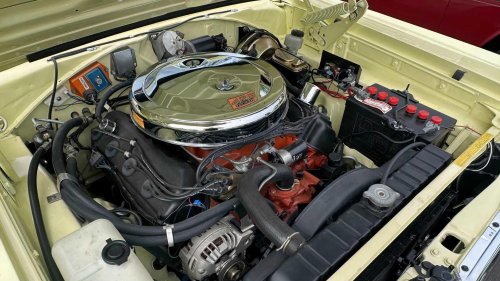
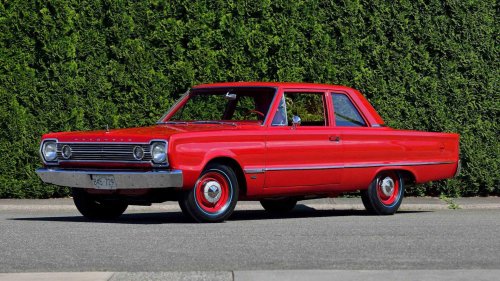
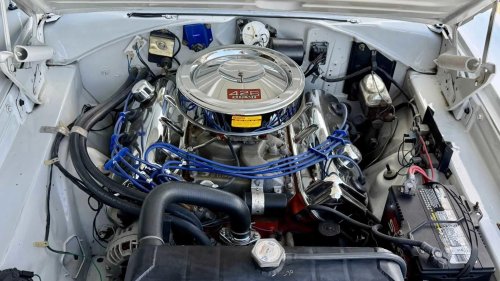
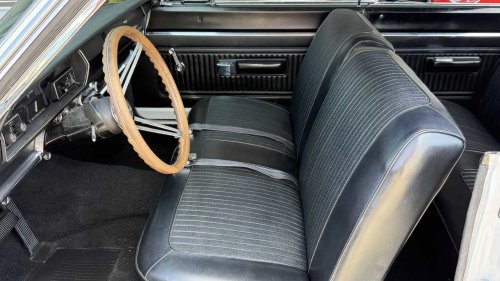
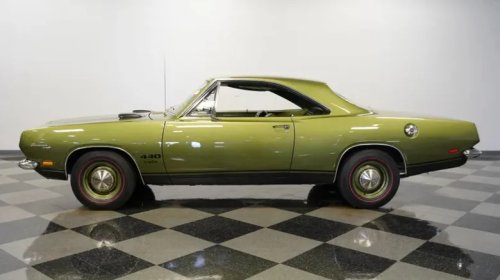
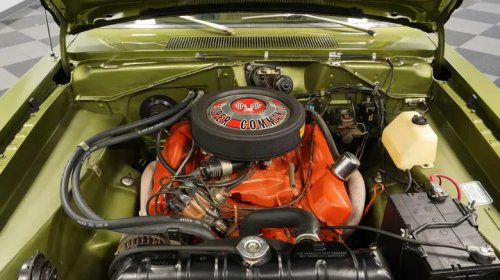
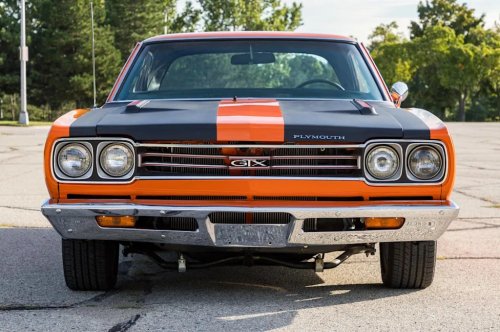
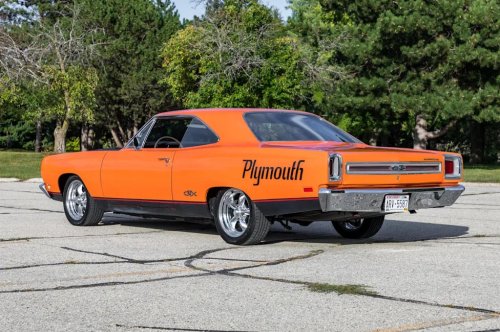
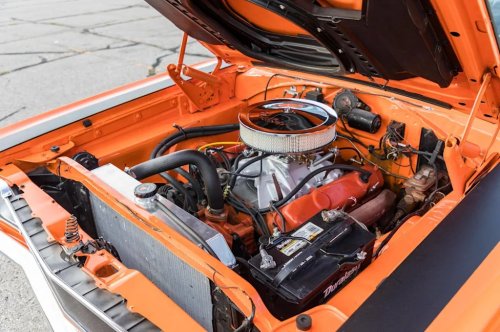
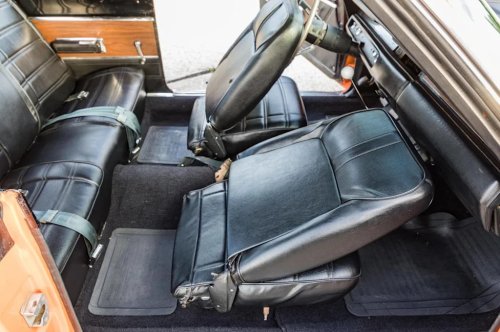
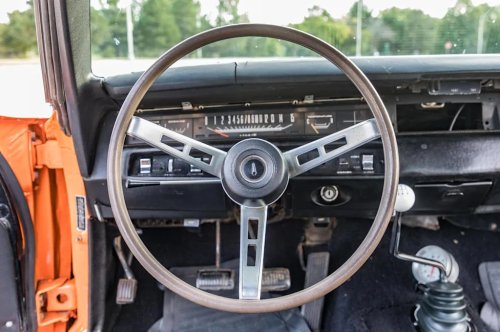
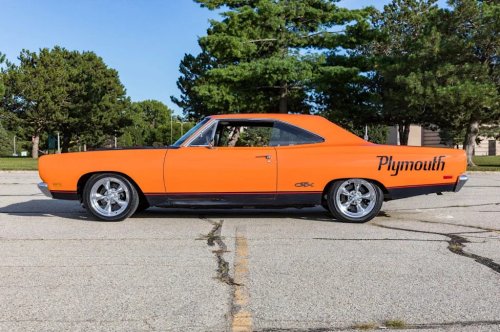
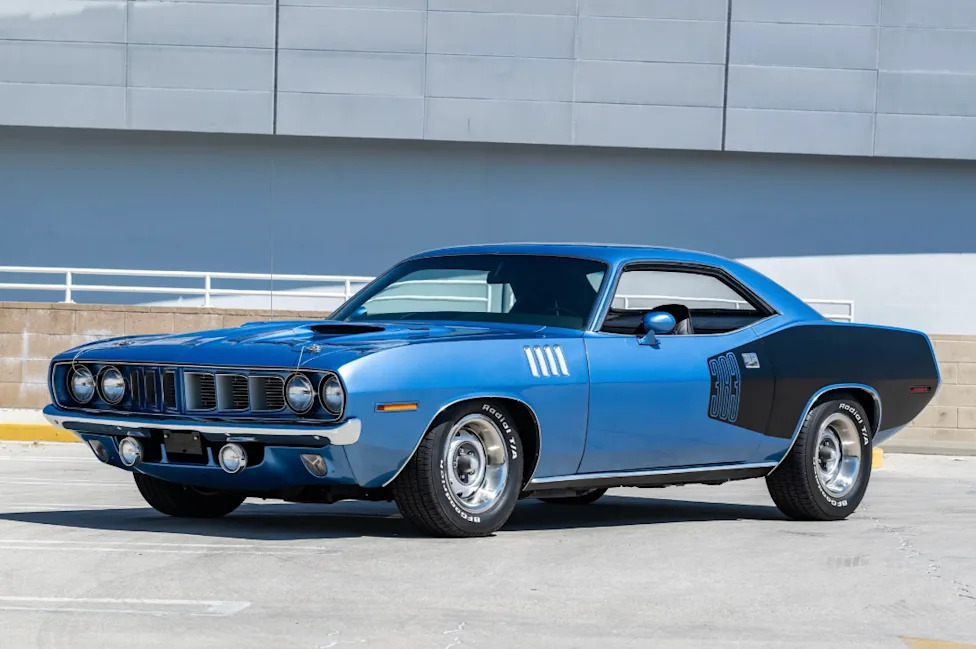
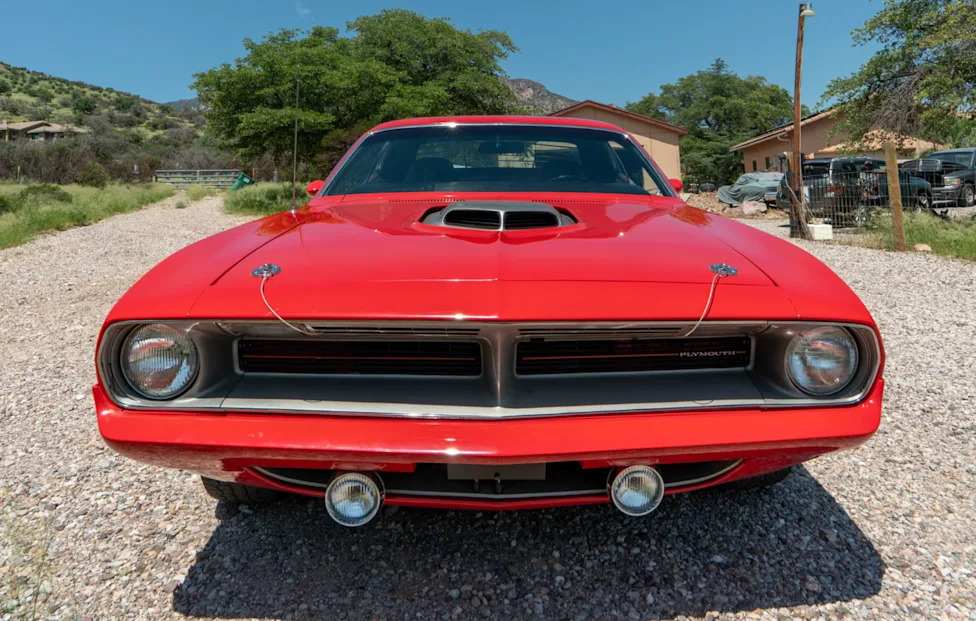
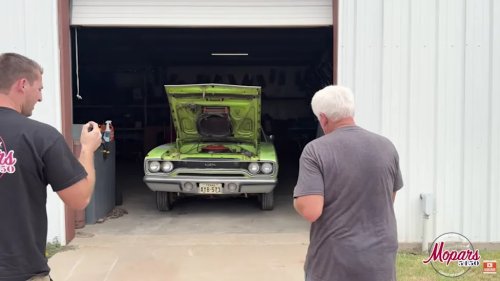
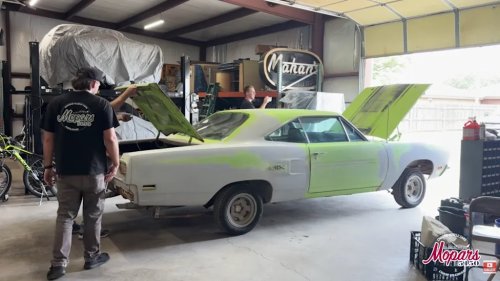
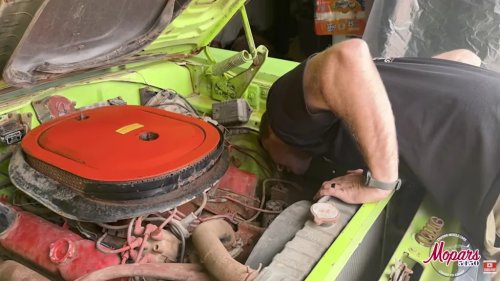
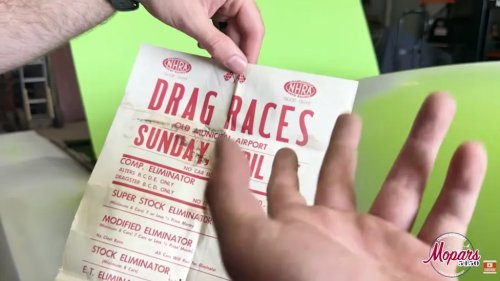
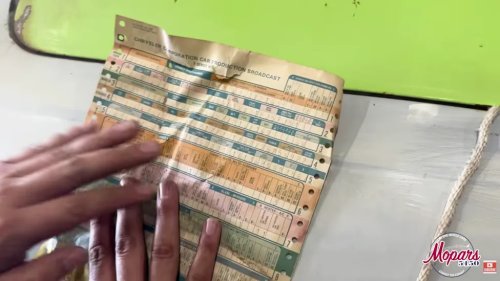
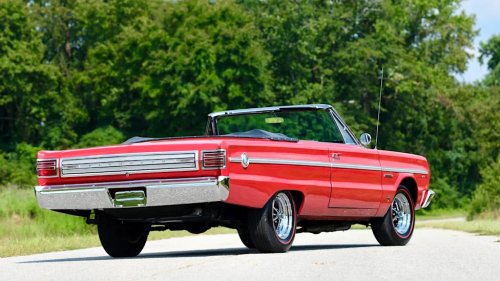
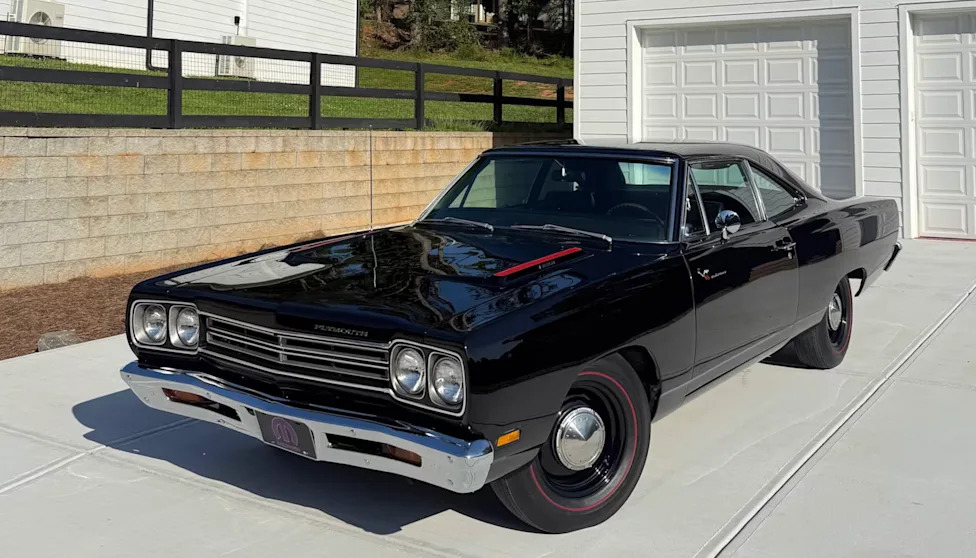
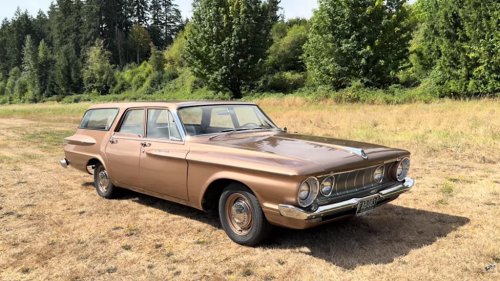
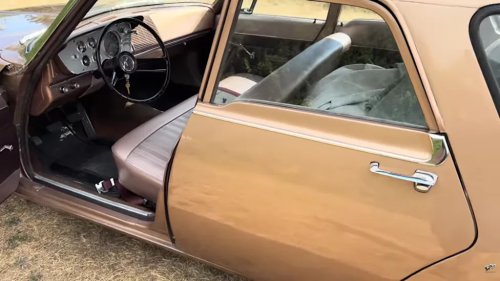
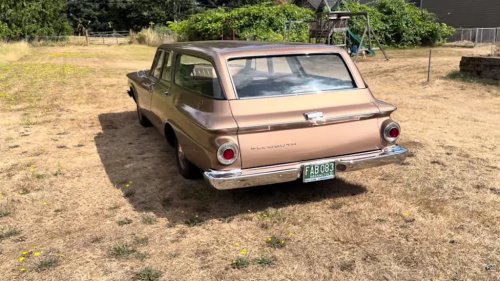
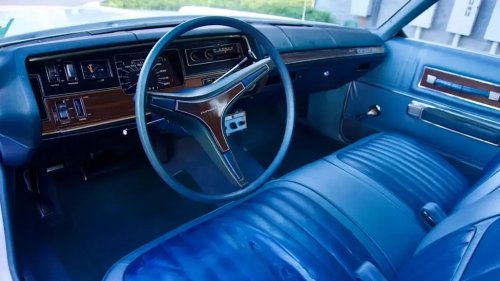
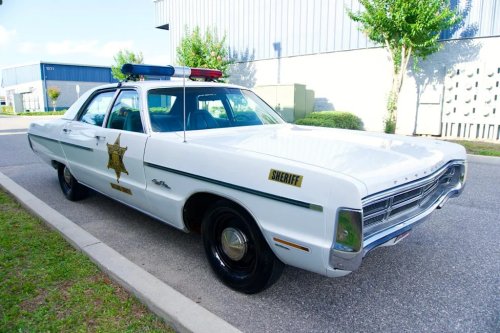
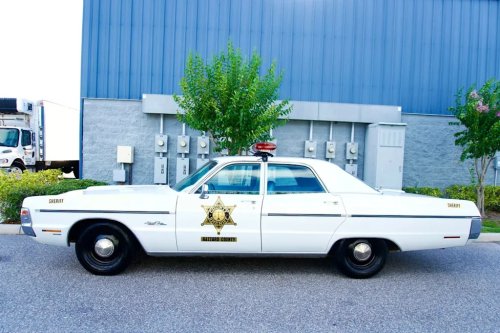
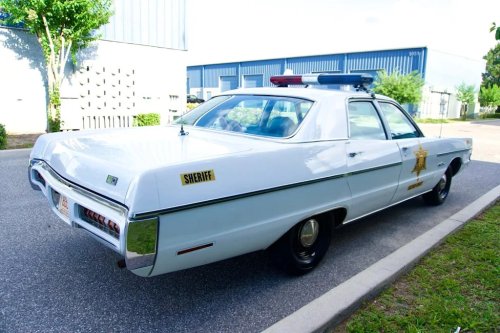
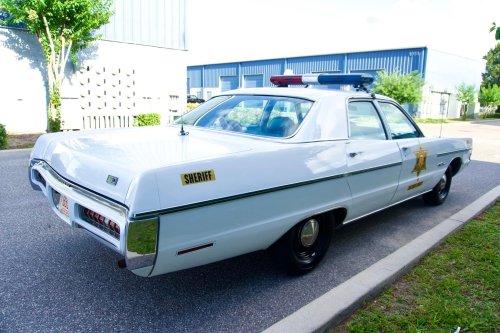
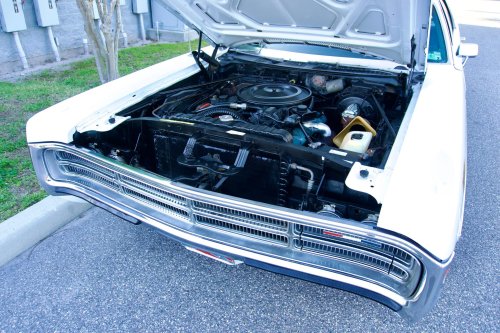
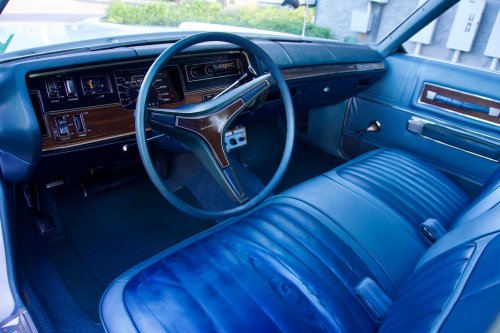
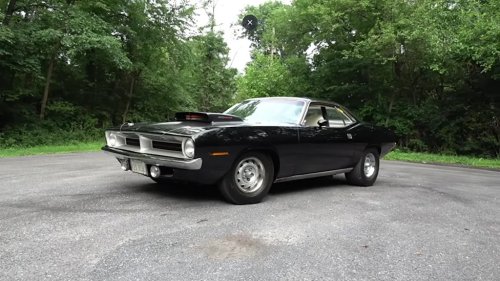
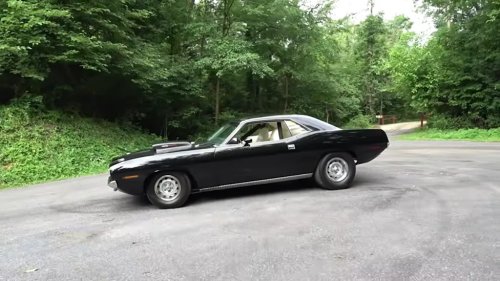
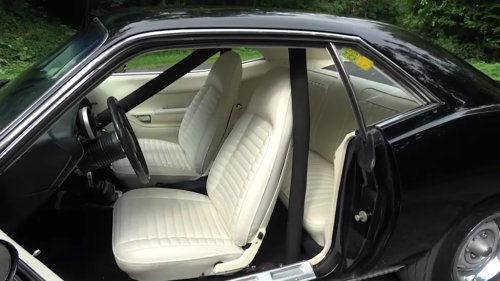
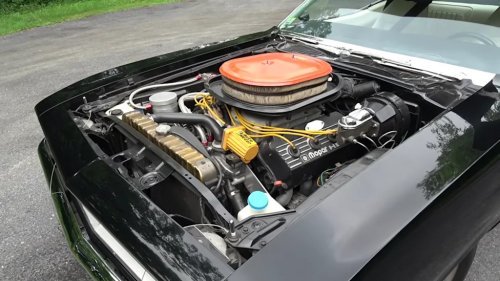
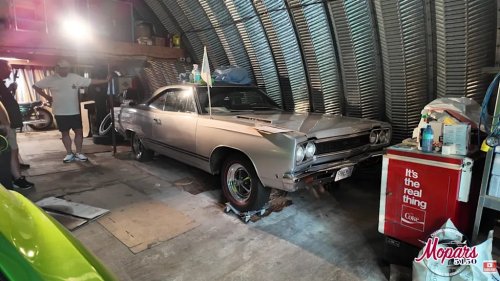
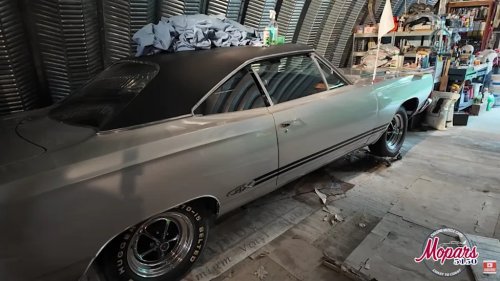
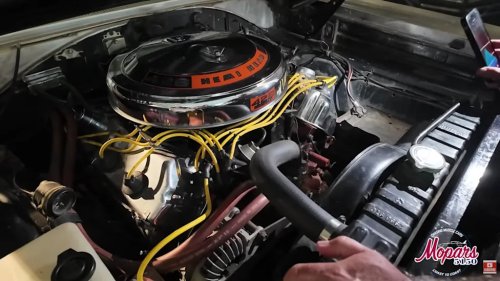
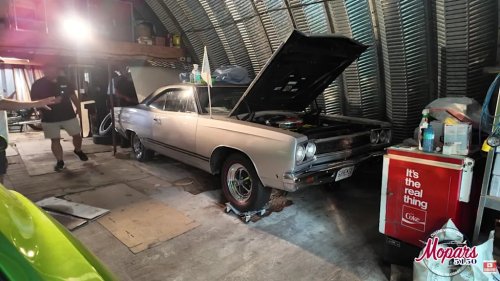
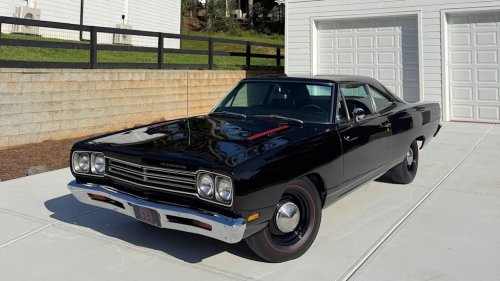
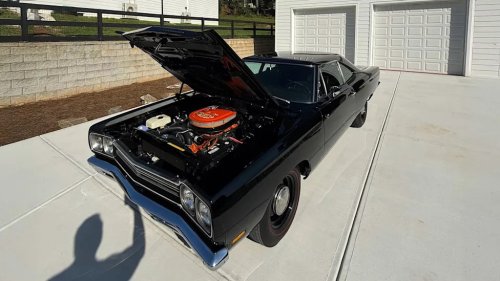
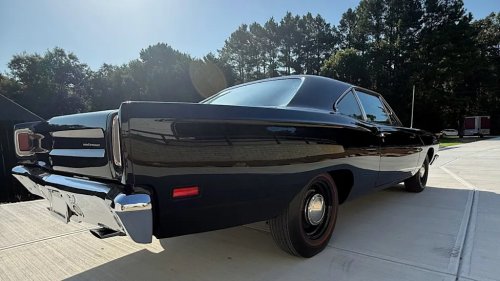
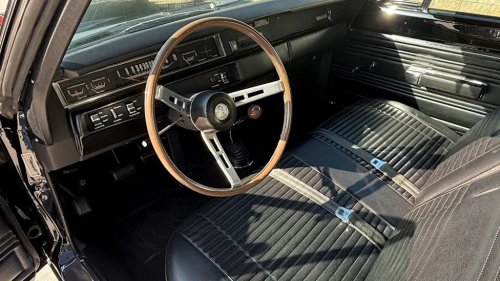
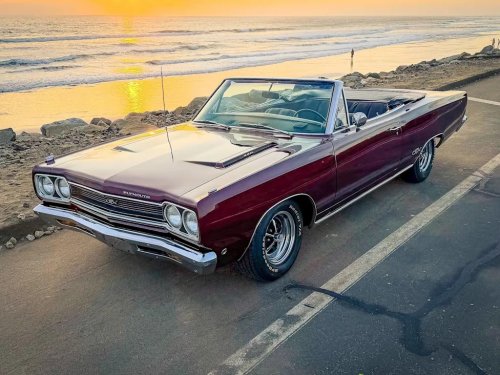
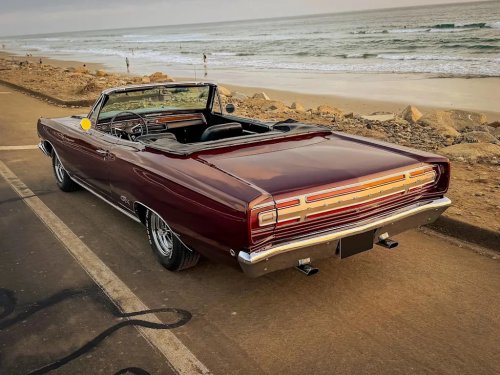
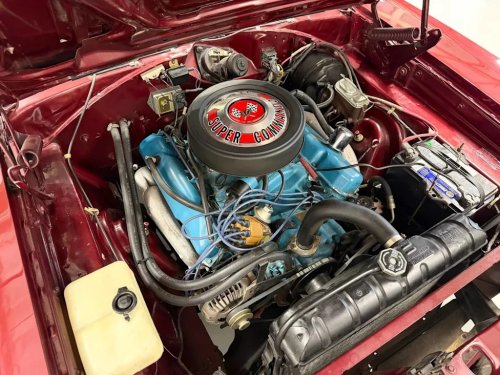
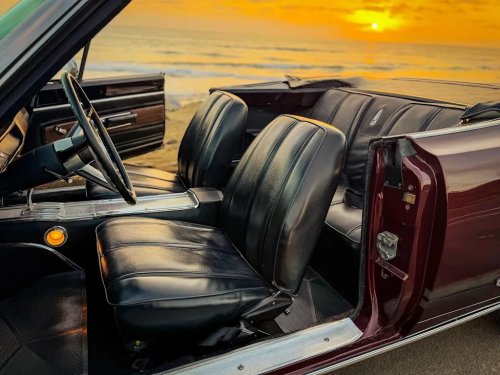
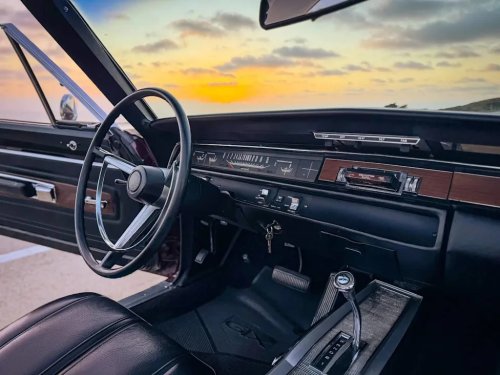
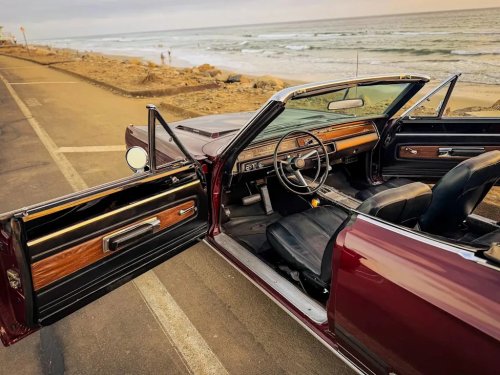
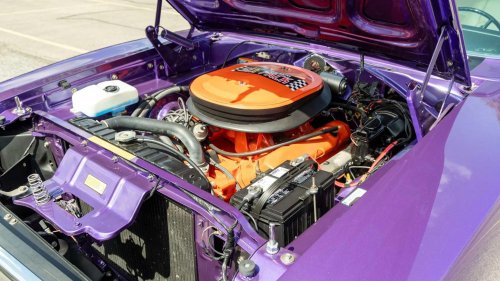
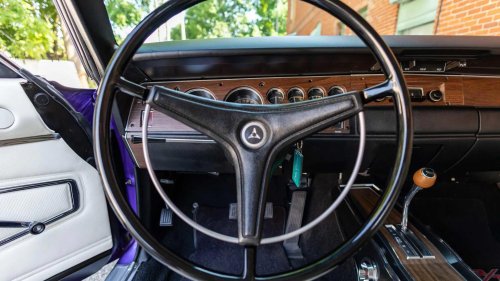
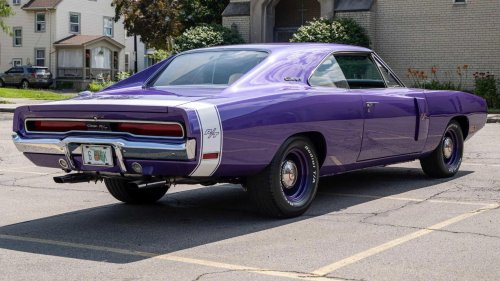
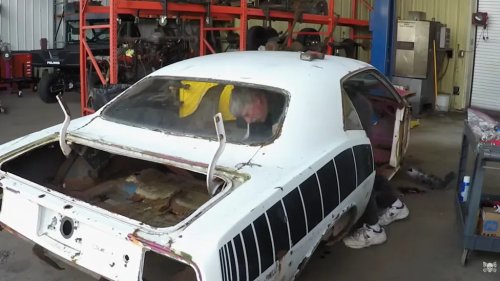
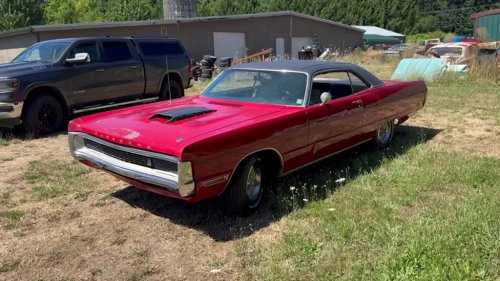
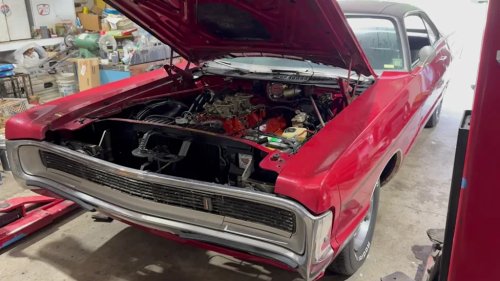
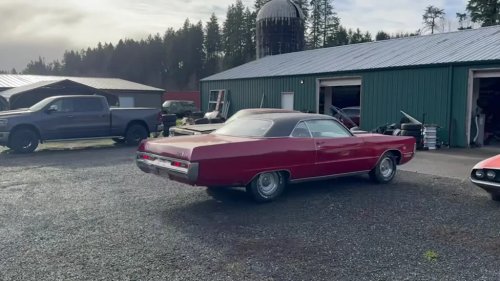
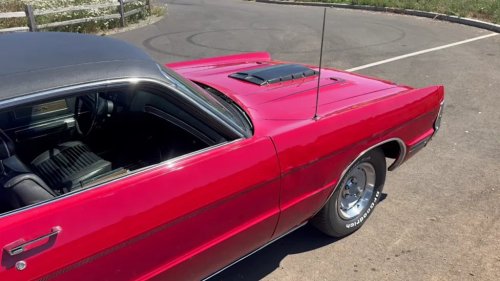
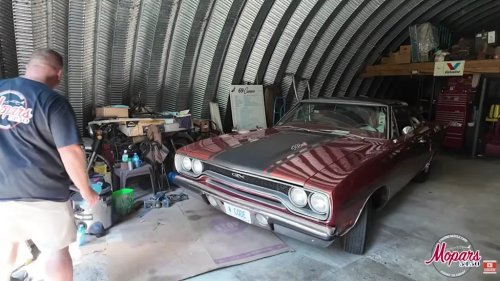
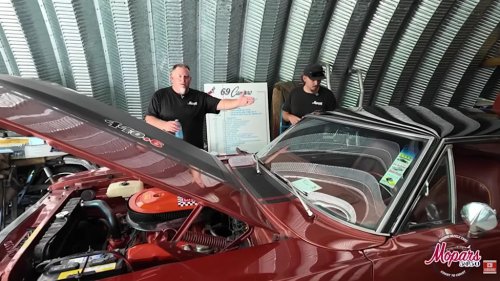
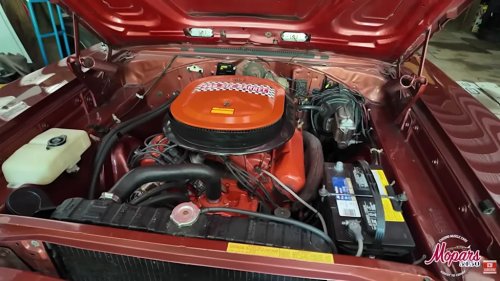
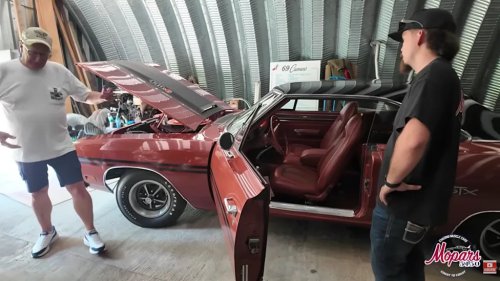
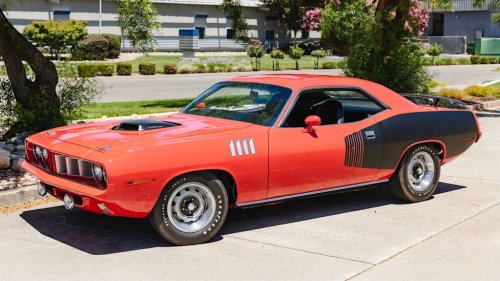
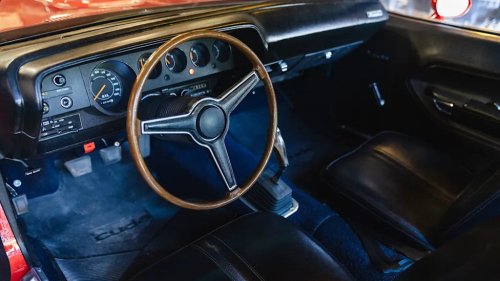
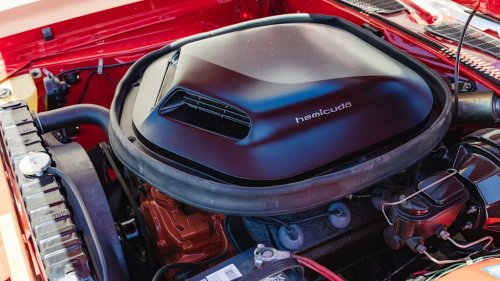
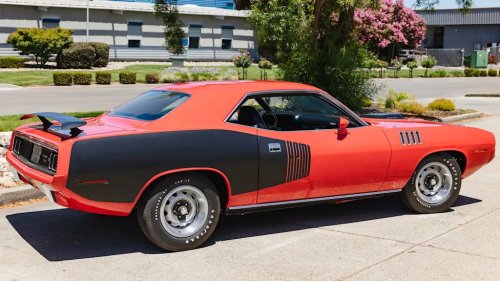
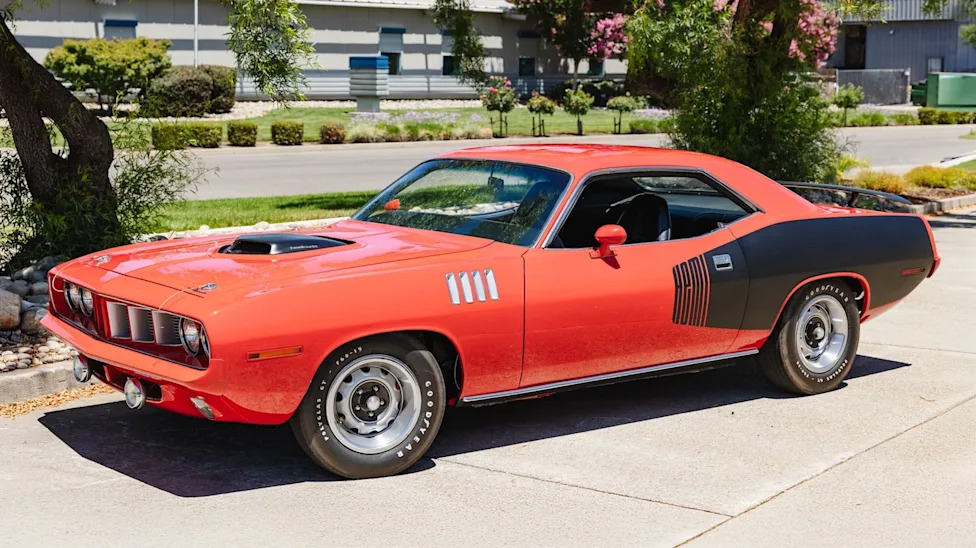
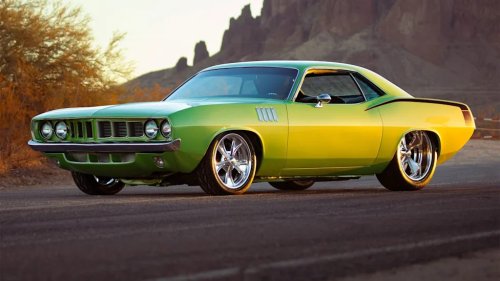
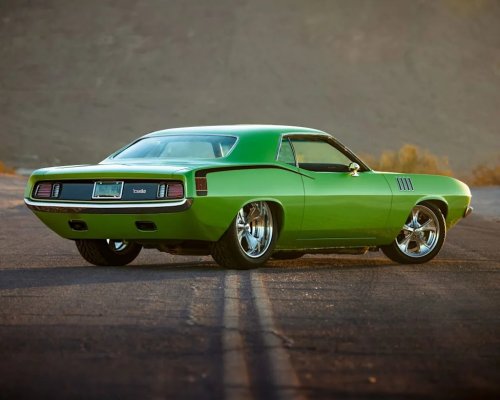
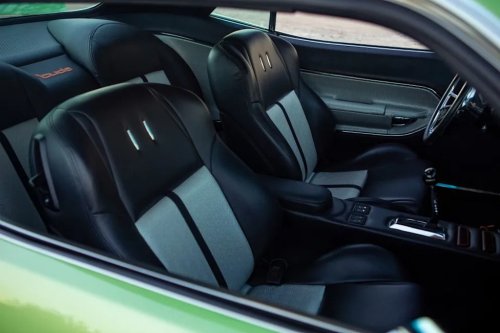
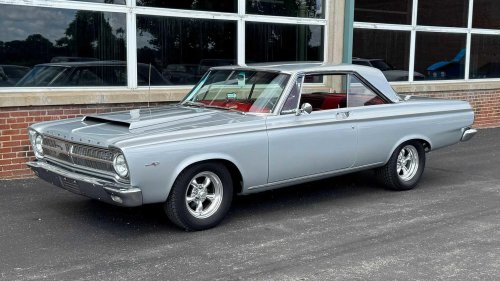
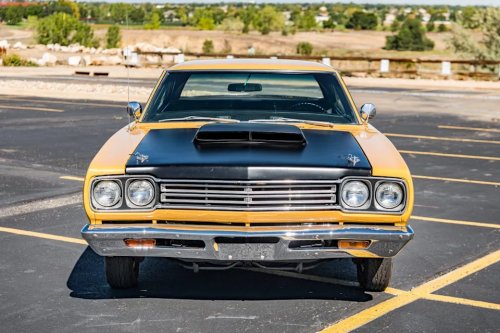
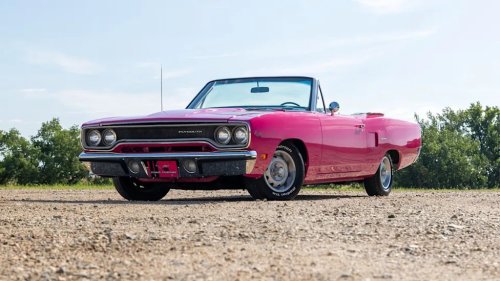
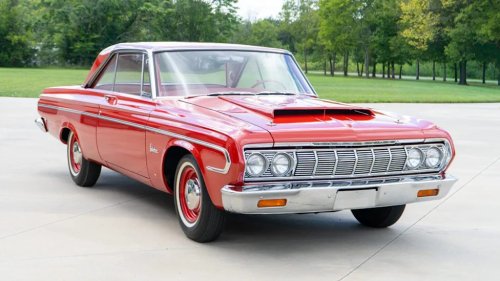
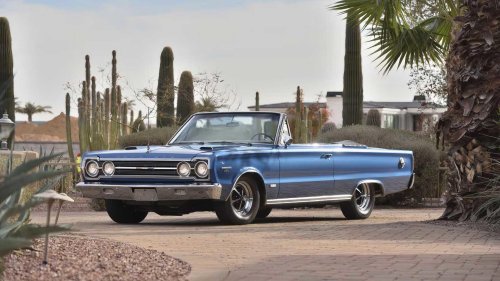
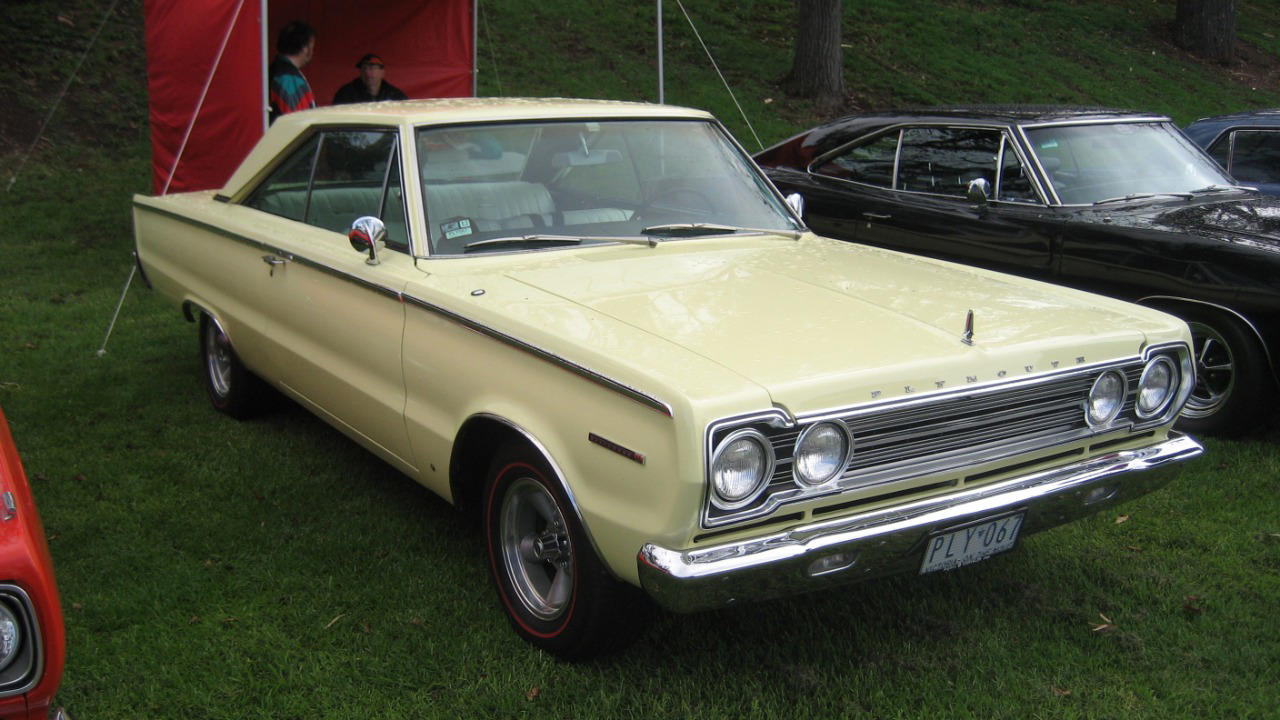
How the 1967 Plymouth Belvedere earned dragstrip respectThe 1967 Plymouth Belvedere never had the marketing gloss of flashier muscle cars, yet it earned a dragstrip reputation that still commands respect. Built on Plymouth’s mid-size B-body platform and often overshadowed by its GTX sibling, the Belvedere quietly became a favorite among racers who cared more about elapsed times than badges. That success came from a straightforward formula that blended stout engineering, simple design, and the availability of serious engines, capped by the legendary 426 Hemi. On prepared asphalt, the combination turned an unassuming family two-door into a feared bracket and stock-class weapon. From family sedan to factory brawler The Belvedere started life as Plymouth’s mid-size workhorse, sold in multiple trims that could serve as family transport as easily as a police cruiser. For 1967 it shared its basic architecture with the upscale Plymouth GTX, promoted as a “gentleman’s muscle car” that mixed comfort with strong V8 power for buyers who wanted both refinement and speed. That relationship mattered. The GTX’s performance image, built on the same Belvedere shell, showed how capable the chassis could be when properly equipped. Period advertising for the Belvedere GTX leaned into the idea of aggressive performance wrapped in a slightly more polished package, a positioning that still shapes how enthusiasts view the car today. Owners and fans now regularly point out how the Plymouth GTX used the Belvedere body to deliver brutal acceleration while remaining relatively civil on the street, a balance that helped validate the platform itself as a serious performance foundation. Hemi power and the dragstrip mission The real turning point for the Belvedere’s drag reputation came with the arrival of the 426 Hemi in Plymouth’s mid-size line. Born from Chrysler engineering talent that included the Ramchargers group, the engine had already proven itself in racing before appearing in showroom cars. With 426 cubic inches and hemispherical combustion chambers, it was designed with quarter-mile performance in mind. In Belvedere form, the Hemi package was brutally focused. The 1967 Plymouth Hemi Belvedere carried a simple and purposeful interior, with bench or bucket seats and minimal luxury, so weight stayed low and nothing distracted from the task of going straight and fast. Enthusiasts still describe the Hemi Belvedere as a true representation of raw American muscle, a car that traded frills for ferocity. Some cars went even further, leaving the showroom as dedicated competition machines. Factory drag versions of the 1967 Plymouth Belvedere II with Hemi power were built specifically for sanctioned events, with stripped interiors, heavy-duty driveline parts, and gearing aimed at the lights instead of long highway cruises. Case study: Judy Lilly and a historic Belvedere The Belvedere’s status on the strip is not just theoretical. It is written in the careers of racers who used it as their weapon of choice. One of the most vivid examples is the Hemi-powered Belvedere campaigned by Judy Lilly, a driver who turned a factory-prepared car into a piece of drag racing history. Video coverage of the surviving Judy Lilly Factory Drag Car shows how focused these machines were, from the lightweight body configuration to the race-tuned 426 Hemi under the hood. In that footage, host Rich Gotautleben walks around the car and treats it less as a relic and more as a living record of how Plymouth and its drivers attacked the quarter mile. Cars like Lilly’s demonstrated what a Belvedere could do when unburdened by street compromises. They also helped cement the model’s reputation among grassroots racers, who saw that the same basic platform they could buy from a local dealer had the bones to win at national events. Grassroots builds and lasting appeal The Belvedere’s dragstrip legacy did not end with factory programs. Over the decades, private builders have continued to transform these cars into dedicated quarter-mile weapons and pro street machines. One example is a Plymouth Belvedere from the early 1960s that has been turned into a pro street car with a stance and drivetrain clearly aimed at straight-line dominance, a reminder that the basic shape lends itself well to big tires and big power. Modern projects often follow the same philosophy as the original Hemi cars, pairing the Belvedere’s crisp, square-shouldered design with serious engines. Builders document street-legal 1967 Belvedere projects that retain the classic lines while dropping in 426-based combinations and upgraded drivetrains, all rooted in the idea that the chassis was part of defining the muscle car era. The same community celebrates the GTX version, with enthusiasts noting that the Plymouth GTX, based on the Belvedere, delivered upscale trim and comfort while still being fast and fun to drive. That dual identity, part family car and part factory hot rod, helps explain why the underlying Belvedere is still seen as a flexible canvas for both restored stockers and all-out drag builds. Even today, dedicated race-prepped examples circulate through specialty dealers, described as Plymouth Belvedere Race Car builds that retain a legal Title while packing modern safety and performance components. Such cars bridge the gap between the historic factory drag efforts and contemporary bracket racing, keeping the Belvedere’s competition story active rather than frozen in nostalgia. More from Fast Lane Only Unboxing the WWII Jeep in a Crate 15 rare Chevys collectors are quietly buying 10 underrated V8s still worth hunting down Police notice this before you even roll window down



















 +17 others