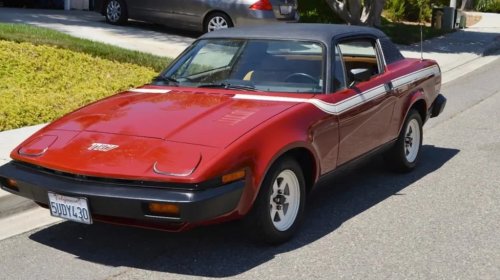
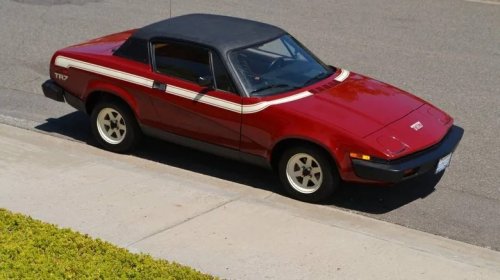
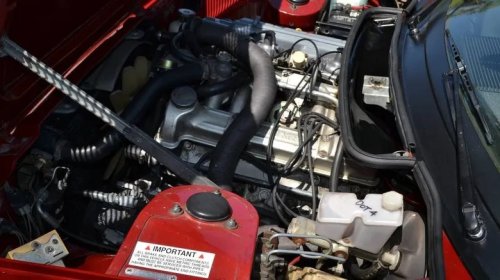
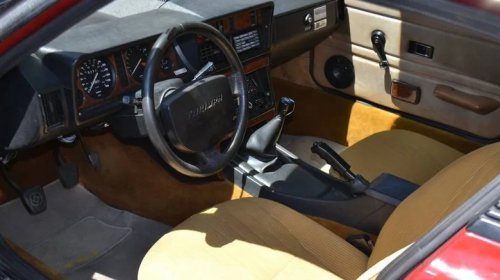
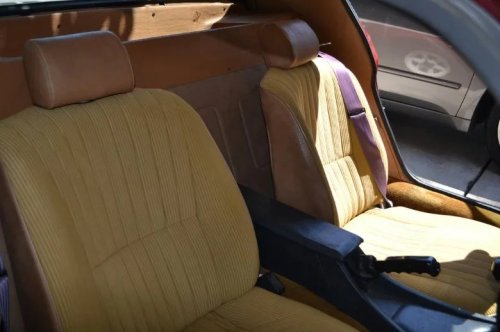
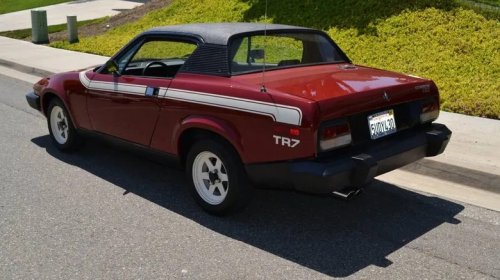
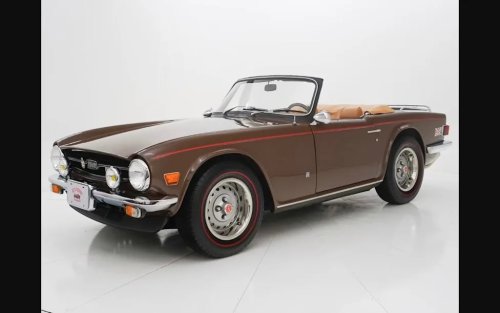
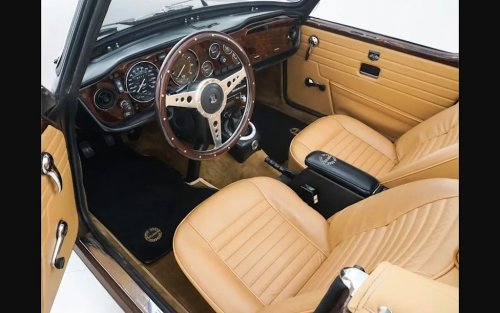
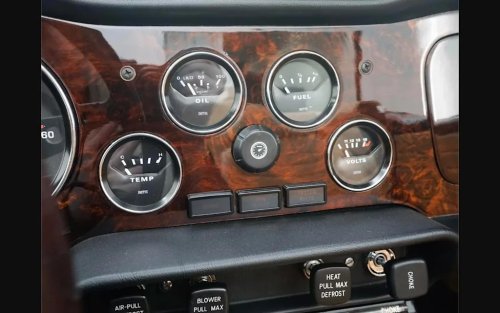
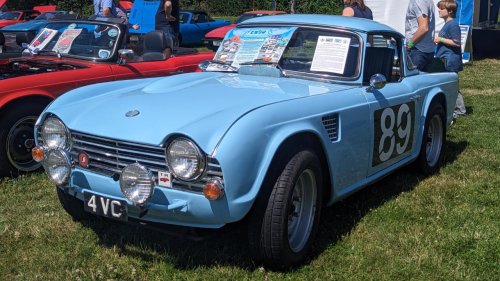
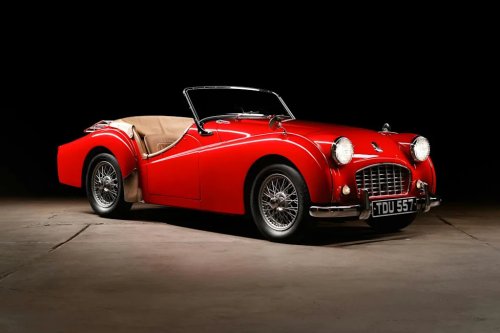
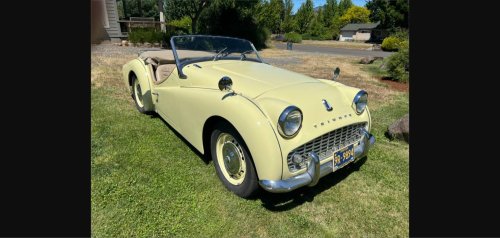
The 1962 Triumph TR4 occupies a rare space in classic motoring, where honest mechanical charm coexists with an electrical system that owners still discuss in vivid detail decades later. The sharp Michelotti styling, torquey four-cylinder and open-air character keep enthusiasts hooked, even as they learn to live with flickering warning lights and occasionally silent starter motors. For many, that tension forms part of the appeal, offering a direct connection to a period when a British sports car could be both a style statement and a rolling electrical apprenticeship. From British style icon to living project The Triumph TR4 arrived as a distinctly British answer to the growing appetite for accessible sports cars, with a body that looked modern and crisp compared with the softer shapes that came before. A detailed video history of the Triumph TR4 sets the car firmly in the early 1960s, describing it as a British sports car built to bring more comfort and refinement to the TR line. The 1962 model year sits near the start of that run, early enough to feel raw but late enough to carry the updated body and cabin. Owners still celebrate those core qualities. A recent post from an enthusiast who had “just picked up” a first classic, a 1962 Triumph TR4, describes it as a classic British sports car with sharp styling and spirited performance, featuring a 2.1L inline engine that delivers the sort of flexible power that suits real-world roads. That same owner highlights the car as both a style object and a driver’s machine, calling attention to the way the 1962 Triumph combines British character and usable pace in one package on a dedicated Triumph group. That combination is exactly what keeps the TR4 relevant. It looks like a period photograph brought to life, yet it can still keep up with modern traffic when properly sorted. Charm at first turn of the key Part of the TR4’s attraction lies in how it behaves from the moment the key is turned. A collector road test describes the experience in sensory terms, noting that as soon as the driver turns the key, the characteristic “re-re” of the asthmatic Lucas starter fills the cabin, the unit “coughs like a lost person” before the engine fires. That vivid image, recorded in an Apr feature that dwells on the Lucas hardware, captures both the charm and the reputation of the original electrics, which enthusiasts often call “Lucas, Prince of Darkness.” The same Apr road test points out that once the engine catches, the car settles into a purposeful idle that hints at the performance on offer. On the move, the TR4’s steering and chassis feel light and direct. The 2.1L four-cylinder pulls strongly through the midrange, which suits the sort of twisty B-roads that defined British driving culture. Period-correct overdrive, where fitted, drops the revs and gives the car longer legs on open roads, a feature that owners still value when they can keep it working properly. Why the electrics get so much attention For all that charm, the electrical system has a reputation that owners remember just as clearly as the sound of the exhaust. A detailed owner-maintained guide to TR4 and TR4A wiring, labelled “Body Electrics,” states bluntly that as with other British cars of the era, the electrical system of the Triumph is far from perfect. That guide lists typical problems that include corroded connectors, under-spec wiring and switchgear that ages poorly, all of which can lead to intermittent faults that are hard to trace. The author of Body Electrics notes that the Triumph uses a relatively simple harness by modern standards, yet the combination of age, moisture and original design compromises can still produce complex symptoms. Forum threads from owners echo that assessment. One TR4 driver describes a sudden failure in which the fuel and temperature gauge stopped registering, along with brake lights and indicators, while the hazard lights continued to work. That report, posted under an Aug timestamp, shows how a single fault or poor connection in the harness can knock out several circuits at once while others remain live. The owner’s description begins with “Whilst driving today,” a reminder that these issues often surface not in the garage but on the road, when the driver least expects them, in a TR4 electrical failure discussion. Charging problems are another common complaint. One thread titled “63 TR4 – Not Charging, basic diagnostic steps?” walks through how a driver noticed the red warning light and then discovered that the generator was not replenishing the battery. A respondent in that discussion points out that “One commonly overlooked item is cleaning the battery terminals,” a simple but telling reminder that basic maintenance can make the difference between a reliable tour and a roadside recovery in a Not Charging case. When headlights and overdrive go dark together The TR4’s wiring layout can also produce curious pairings of symptoms. In one account, an owner with the username Icarus60, listed as a Registered User with 294 posts and a Location in Nailsea, south of Bristol, describes how both headlights and overdrive stopped working at the same time. The same profile lists Cars Owned that include a 1958 TR3A, a 1962 TR4 and British Motorcycles, Fixing me, which underlines the depth of this owner’s experience with the marque. The failure of both lighting and overdrive points toward shared feeds or earth points that can turn a single bad connection into multiple faults, as described in the headlights and OD thread. A separate forum post about electrical layout recounts a situation where a driver suspected power loss to the headlight switch or the dimmer switch. The owner notes that the headlight switch seemed okay because other functions remained live, which suggests that the problem might lie upstream in the harness or at a shared connector. The post, created in Oct, shows how even experienced owners can find themselves tracing circuits wire by wire when a single fault hides behind apparently unrelated symptoms, as seen in the Suspected headlight discussion. Together, these stories illustrate a pattern. When the TR4’s electrics misbehave, they rarely do so in a tidy, easily isolated way. Instead, faults often present as clusters of issues that require patience and a methodical approach. Living with Lucas: ignition choices and failures Ignition is another area where owners face decisions. One driver recounts how a “Faulty ignitor or coil” saga began when the original electronic ignition went up in smoke, forcing a return to more traditional hardware. That owner notes that the car “continues to test me,” a phrase that will resonate with anyone who has chased intermittent misfires on classic British machinery, as described in a faulty ignitor thread. Another discussion on electronic ignition recommendations features a contributor identified as Yoda, who writes, “When I had Triumphs in the 60’s and 70’s I ran points and over many miles I never had a problem. Good thing because there was not the same roadside support then.” That comment in a Feb dated thread captures a split in the community between those who prefer modern electronic modules and those who stick with simple, field-serviceable points. For some, the quote from Yoda is a reminder that reliability sometimes comes from keeping things basic. Owners also debate how best to power accessories. In a discussion of electrical add ons, one contributor warns that “NU isn’t the right wire, it’s not controlled by the ignition switch. You want the white wire or maybe light green (IIRC).” That advice, complete with the parenthetical IIRC, shows how the community has built a shared, practical understanding of the original harness and its quirks, as seen in the You want thread. Overdrive: joy when it works, detective story when it does not The TR4’s optional overdrive is one of its most desirable features. It transforms the car from a buzzy back-road toy into a relaxed tourer. Yet the overdrive circuit, which combines hydraulic hardware with electrical control, is a frequent source of frustration. In a video series titled “Why the Overdrive doesn’t work – 1962 TR4 – Part 4,” the presenter examines an A-type overdrive and remarks, “so this a-type overdrive we have to oh my God it’s so solid here we’re gonna have to test it. now that’s not final conclusion here.” The off-the-cuff comment about “oh my God it’s so solid” captures the mix of confidence and uncertainty that comes with diagnosing a unit that is mechanically robust but electrically sensitive, as shown in the Jun overdrive clip. Another video from WG’s Garage, titled “Making Sense of Overdrive Wiring on our Triumph TR4,” opens with the line “all right no sparks. yet. welcome back to WG’s Garage. back here working on our 1964 Triumph TR4 we’ve got our interior. let’s get…” That sequence, filmed in a casual Garage setting, shows the presenter sorting through wiring behind the dash to restore proper operation of the overdrive switch and relay. The focus on a 1964 Triumph TR4 underlines that these issues span the model run, and the hands-on approach in WG’s Garage reflects the reality of ownership. Owners on forums describe related problems. In the “Headlights and OD Stopped Working” thread, the simultaneous failure of lighting and overdrive hints at shared feeds that can leave the driver without both a key safety system and a prized touring feature. In another account of “First Day Ownership,” a new TR4 driver notes that the red generator light came on dimly. After the engine warmed up, the owner had a helper hold the revs at 1500 RPM, then 2000, then 2500, watching for changes in charging behavior. That methodical test, described in an Apr post that begins with the word After, shows how new owners quickly learn to observe and interpret the car’s electrical signals, as seen in the After it warmed thread. How owners fight back against gremlins Given the TR4’s reputation, it is no surprise that a cottage industry and deep knowledge base have grown up around its electrical system. The Body Electrics guide not only lists faults but also recommends upgrades such as improved grounds, modern fuses and higher quality connectors. The author notes that British wiring of the era often relied on the body for return paths, which can become unreliable as corrosion builds. By adding dedicated earth wires and cleaning contact points, owners can often transform the car’s behavior, as explained in Body Electrics. Parts suppliers have responded as well. One site, discovered via a citation trail from Body Electrics, offers replacement harnesses, upgraded alternators and modern relays tailored to the TR4. The catalog at bpnorthwest.com lists components that allow owners to retain original appearance while improving reliability, a balance that matters to those who value authenticity but also want to drive their cars regularly. More from Fast Lane Only Unboxing the WWII Jeep in a Crate 15 rare Chevys collectors are quietly buying 10 underrated V8s still worth hunting down Police notice this before you even roll window down The post The 1962 Triumph TR4 delivers charm but its electrics have a reputation owners remember appeared first on FAST LANE ONLY.



















 +67 others