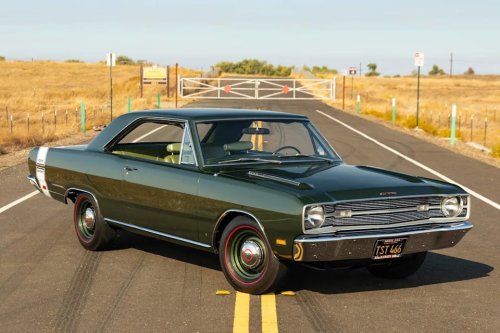
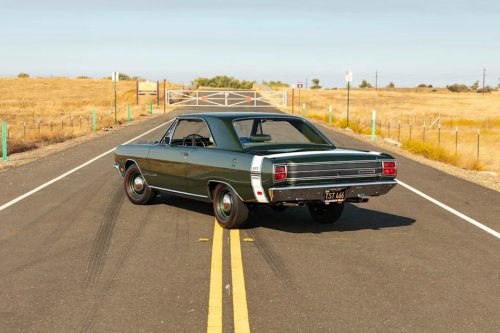
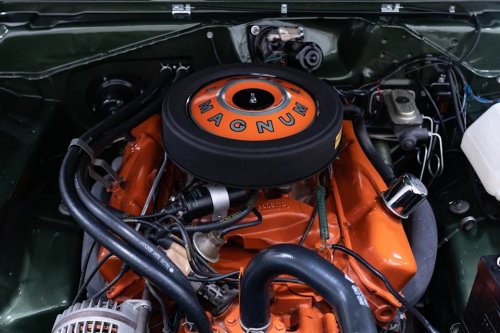
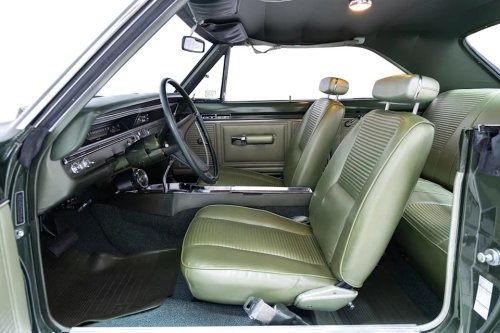
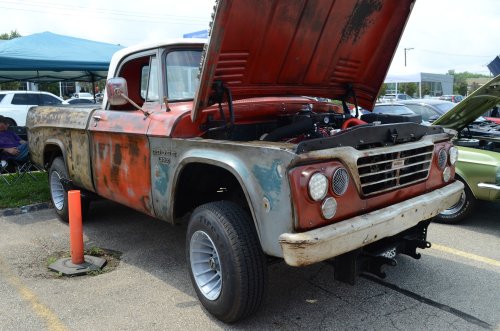
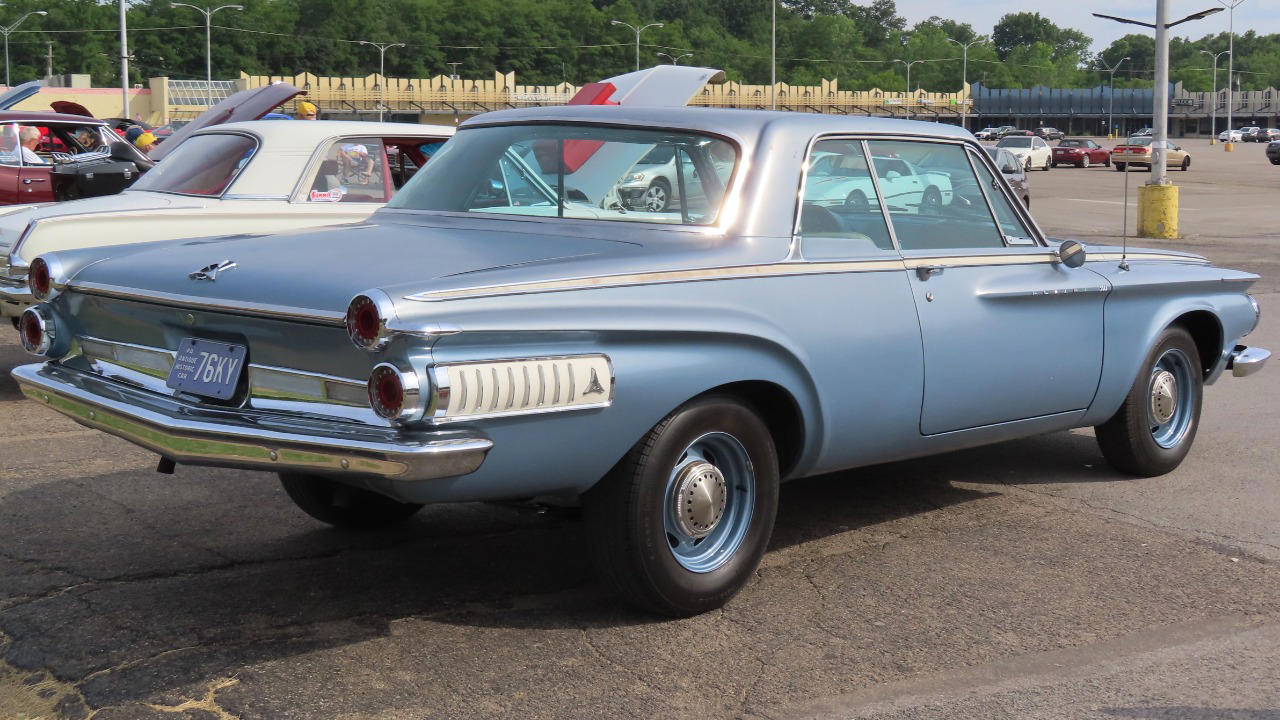
The 1962 Dodge Polara 500 showed up bold and didn’t apologize for itThe 1962 Dodge Polara 500 arrived in showrooms looking like it had slipped through a wormhole. Shorter, sharper and stranger than the full-size Dodges that came before it, the car refused to blend into the background. Buyers were offered a machine that looked like a spaceship and, in its wildest form, accelerated like a dragster in a dinner jacket. That mix of controversial styling and ferocious performance has turned the Polara 500 into one of the most intriguing early muscle-era machines. What began as a corporate miscalculation has become a cult icon that enthusiasts now celebrate for its audacity rather than its sales charts. From full-size flagship to unexpected mid-size rebel By 1962, Dodge was under pressure to downsize. The result was a new body on a 116-inch wheelbase that left the latest Dodge Polara smaller than its predecessors and out of step with some rivals that were still leaning into bigness. Into that more compact footprint, the company packed its top trim, badged Polara 500, and wrapped it in sheet metal that looked nothing like the conservative sedans of a few years earlier, as detailed in period Dodge Polara coverage. Corporate planners expected the shift to a shorter car to anticipate a market trend. Instead, the Polara 500 landed in showrooms as a polarizing outlier. Contemporary marketing leaned on its space age personality, with deep sculpted sides and a roofline that made the car look in motion even at the curb. The decision to shrink the car, referenced in later commentary that described Dodge “Shrinking” the design, left it looking like nothing else in the brand’s lineup and set the stage for its later reputation as the weird kid who turned out to be an athlete. Space age styling that split the room Visually, the 1962 Polara 500 was a study in extremes. Enthusiasts have since compared it to a spaceship colliding with a jukebox, a description echoed in modern video pieces that call it a vehicle so strange it was initially viewed as a disaster before its performance credentials changed the narrative. The car’s sides featured dramatic sculpting that carved a kind of cove into the upper body, a detail highlighted in factory-style descriptions of the 1962 Dodge model year and its styling cues in period summaries. Inside, the Polara 500 leaned toward luxury. Bucket seats, a center console and upscale trim separated it from more basic Dodges. It was the top rung in the lineup, positioned above the Dart and the Dart 330 that filled out the new mid-size family described in Dodge Mid Size Facts. The interior treatment tried to reassure buyers that even if the exterior looked radical, this was still a premium Dodge. That contrast between a daring body and a plush cabin is a key part of the Polara 500’s enduring appeal. It looked like a custom show car, yet it was trimmed to carry families and executives. The styling may have been divisive, but it announced that Dodge was willing to take risks at a time when some competitors were still playing it safe. Enter the Max Wedge: a racing heart in a formal suit If the Polara 500’s bodywork was controversial, its top engine option was simply feared. Under that long hood, Dodge engineers installed the 413 cubic inch Max Wedge V8, a 6.8 liter big block designed with one purpose: win drag races. Period specifications describe the 413 Max Wedge with Power rated between 410 and 420 horsepower and Torque around 470 lb-ft, figures that appear in a detailed Spec Sheet Snapshot for the package. The Max Wedge combination was not just about displacement. Factory literature and enthusiast writeups point to cross-ram intake manifolds that fed huge ports, high compression ratios, and an aggressive cam profile that pushed the car far beyond ordinary street duty. One enthusiast account of a 1962 Dodge Polara 500 with a 440 short block Stage III Max Wedge notes that the 413 cubic inch Max Wedge produced up to 410 horsepower in showroom form and came paired with bucket seats, a console shifter and upscale styling, as described in a dedicated Max Wedge feature. The result was a car that could pass for a slightly odd family hardtop yet was engineered to dominate at the strip. The Max Wedge Polara 500 was not a marketing exercise. It was a factory-built competition tool that happened to wear chrome and vinyl. Quarter-mile terror and NHRA credibility The Max Wedge program was aimed squarely at sanctioned drag racing, and the Polara 500 became one of its most visible carriers. Contemporary performance records describe the 413-powered cars running quarter-mile times in the 12 second range when equipped with a full race camshaft and state of tune. That level of performance, documented in valuation and history notes that credit the engine with setting many NHRA records, is highlighted in a Polara 500 Base profile that ties the car directly to National Hot Rod Association success. Those numbers made the Polara 500 one of the quickest factory offerings of its time, even if it did not wear that reputation loudly in its styling. The Max Wedge cars were often ordered with minimal exterior badging and relatively plain paint, a deliberate strategy that gave them a sleeper aura. Enthusiast retrospectives describe the 1962 Dodge Polara 500 Max Wedge as one of the rarest and most deceptive muscle cars of its era, with As Dodge top trim level wrapped around a powertrain that created a factory street beast, as recounted in a detailed Dodge Polara Max Wedge feature. That dual identity helped cement the car’s legend in drag racing circles. It looked eccentric, but at the strip it was all business, and NHRA results gave it a legitimacy that showroom sales alone could not provide. How a “mistake” became a cult hero Modern commentary often frames the 1962 Polara 500 as a mistake that turned into a monster. One widely shared video piece describes it as the ugly duckling that transformed into a serial killer, and another short clip calls it the car that looked like a spaceship crashed into a jukebox, considered a disaster until it started winning. Social posts about the model characterize it as a case where Dodge actually built the car by mistake by shrinking it because planners thought competitors would follow, language that appears in a Dodge focused reel. Sales in 1962 did not match the boldness of the design. Buyers were still adjusting to the idea of a smaller, more radical Dodge, and some simply preferred the more traditional lines of other full-size cars. Yet as the muscle era matured, enthusiasts began looking back at the Polara 500 as a forerunner of the factory hot rod formula: lighter body, big engine, and a chassis tuned for straight-line speed. That retrospective appreciation has only grown as more people discover the car through modern media. Video tours of surviving examples, such as a feature on a 1962 Dodge Polar 500 that highlights a legendary 413 under the hood, have introduced new audiences to the model’s blend of oddball styling and serious performance, as seen in a Dodge Polar showcase. The 500 badge and the luxury muscle formula The Polara 500 name itself has become part of the car’s mystique. The badge signaled the top trim level in the Polara line, with upgraded interiors and exterior detailing that set it apart from standard models. Contemporary descriptions of the series emphasize that the 1962 Dodge Polara 500 arrived as the premium expression of the downsized car, a narrative that appears in classic car overviews such as those found on broader Auto history sites that reference the 500 designation while discussing the Dodge Polara. That combination of luxury cues and drag-strip hardware anticipated a formula that would become common later in the decade. The idea of a plush interior wrapped around a race-bred V8 would define many of the most desirable muscle cars. In 1962, the Polara 500 was already there, even if its styling made it a more acquired taste than some of the smoother lines that followed. Enthusiast discussions today often focus on how the 500 badge, the bucket seats and the console shifter turned what could have been a pure fleet special into a car that appealed to drivers who wanted comfort as well as speed. That dual mission helps explain why collectors now value well preserved Polara 500s, especially those with the Max Wedge drivetrain. Rarity, values and the hunt for survivors Because the Polara 500’s styling was polarizing and the Max Wedge package was aimed at racers, relatively few were built and even fewer survived intact. Many of the most potent cars were campaigned heavily at the drag strip, where mechanical carnage and body damage were routine. Others were parted out to feed engines and drivetrains into lighter bodies. Modern valuation tools reflect that scarcity. Guides that track the 1962 Dodge Polara 500 Base and its variants tie higher values to documented Max Wedge cars and to examples that retain their original upscale interiors and trim, as outlined in detailed valuation notes. The same sources emphasize the link between the model and its NHRA record-setting history, which further boosts interest among collectors who focus on factory performance cars. Survivor stories often read like rescues. Enthusiasts describe finding neglected Polara 500s in storage, sometimes still wearing old drag racing decals or period modifications. Restorations can be complex, given the unique bodywork and the specialized parts used in Max Wedge engines, but the payoff is a car that stands out even at shows crowded with more familiar muscle machines. Why the Polara 500 matters in Mopar history Within the broader Mopar story, the 1962 Dodge Polara 500 occupies a turning point. It arrived at the moment when Detroit was starting to experiment with high performance packages aimed directly at organized racing. At the same time, it reflected a corporate gamble on smaller, more agile cars that would eventually align with changing buyer tastes. Later icons like the Charger and the Road Runner would refine the formula and sell in far greater numbers. Yet the Polara 500 showed that Dodge was willing to combine radical styling, luxury trim and serious power in a single package long before muscle cars became mainstream. Its 116-inch wheelbase, its sculpted body sides, and the presence of the 413 Max Wedge V8 with up to 410 to 420 horsepower and roughly 470 lb-ft of torque marked it as a car that did not apologize for being different, as reflected in the detailed Hides Ridiculously Rare Engine profile that revisits those specifications. Enthusiasts who seek out Polara 500s today are not just chasing speed. They are preserving a moment when a major automaker let its engineers and stylists push hard in both directions at once. The car’s mix of controversy and capability has aged well, turning what some once saw as an oddball into a respected piece of performance history. More from Fast Lane Only Unboxing the WWII Jeep in a Crate 15 rare Chevys collectors are quietly buying 10 underrated V8s still worth hunting down Police notice this before you even roll window down



















 +9 others