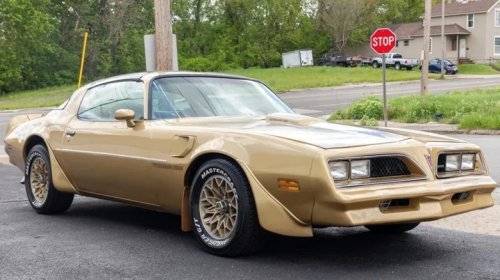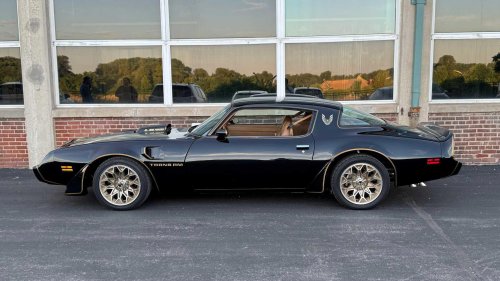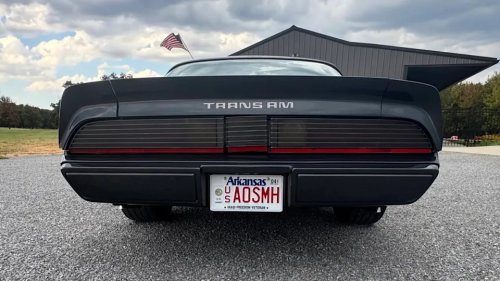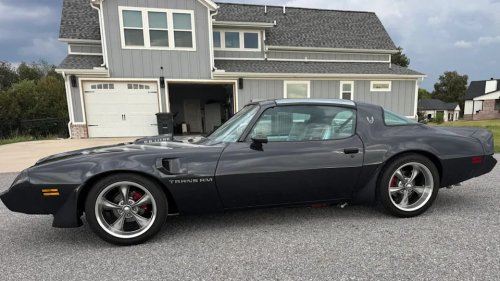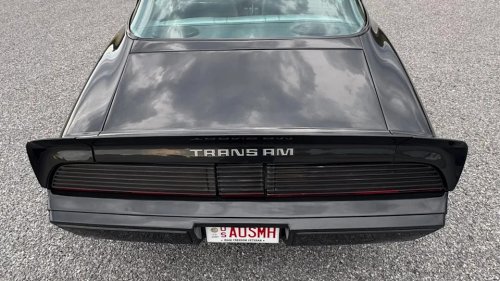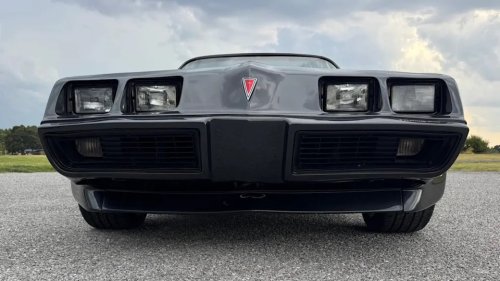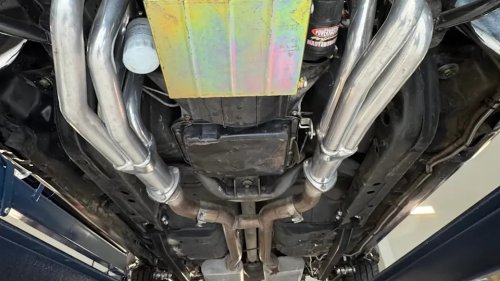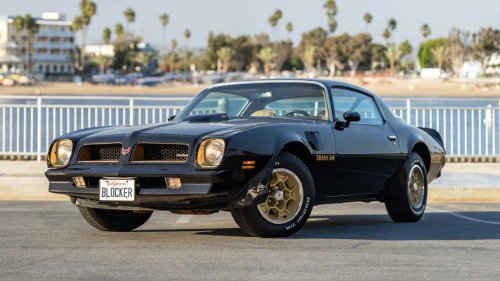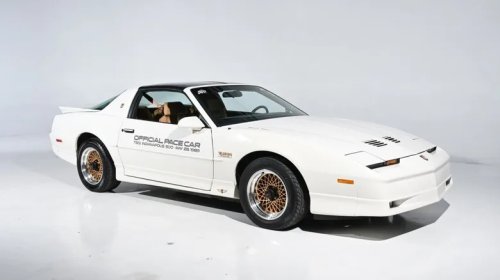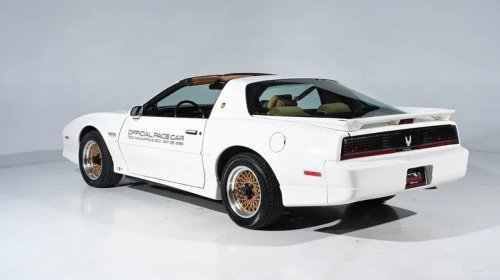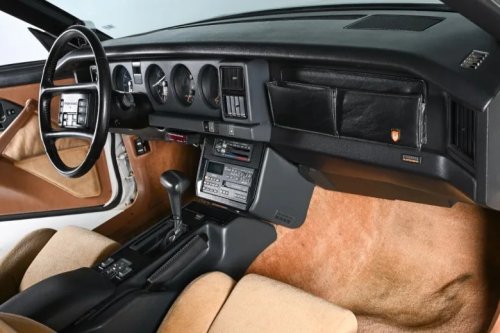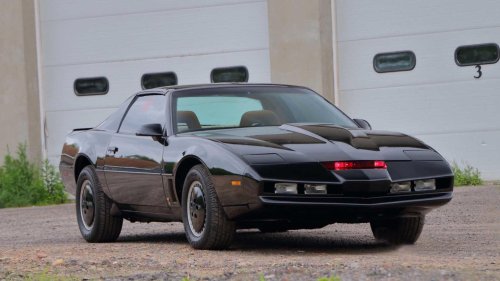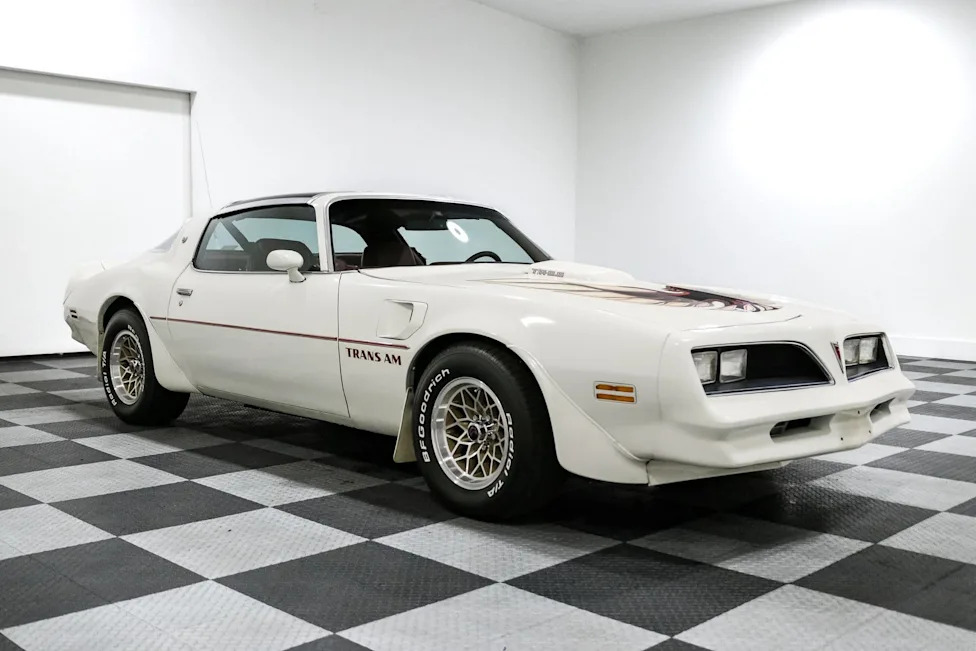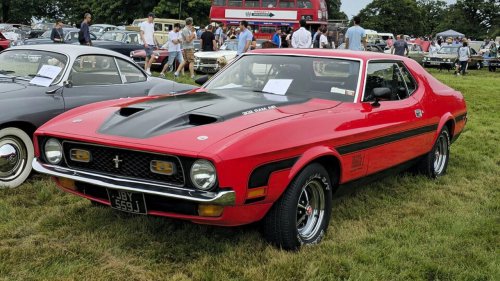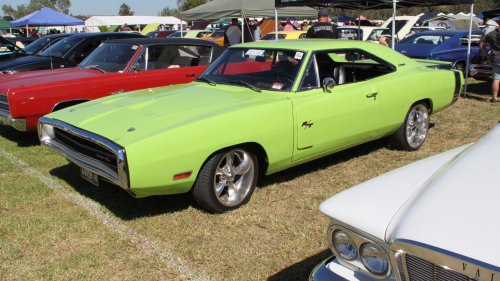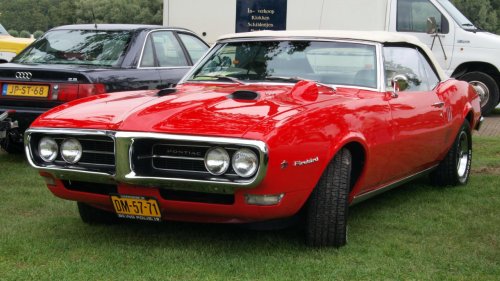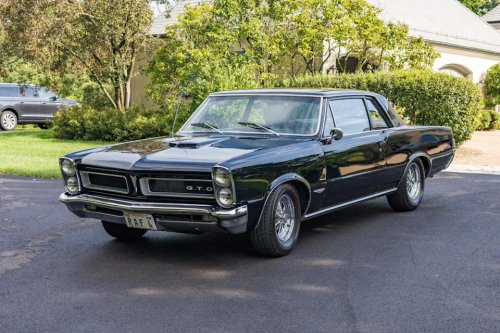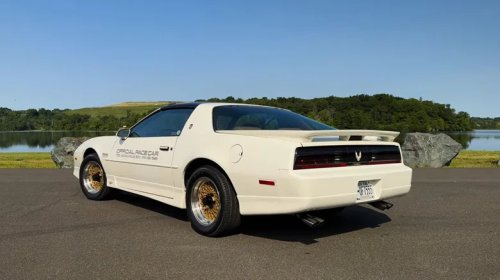





















Between 1973 and 1983, the American automotive industry entered a challenging period known as the Malaise Era. The decade saw major shifts in design priorities as automakers responded to a mix of economic, environmental, and regulatory pressures.Primarily, the 1973 oil crisis caused fuel prices to spike and led to a growing demand for more efficient vehicles. Around the same time, the federal government introduced stricter emissions regulations, forcing manufacturers to reduce engine compression and adopt early catalytic converters. Furthermore, high-horsepower cars attracted higher insurance premiums, while new safety regulations resulted in a substantial increase in vehicle weight.These changes had a direct impact on American muscle cars. By the mid-1970s, performance figures dropped significantly. For example, the 1975 Camaro Z28 offered just 155 hp compared to the 1970 model that made 360 hp.Car enthusiasts began to see performance cars as more show than go. Many viewed this era as the end of the golden age of American horsepower. Yet, Pontiac refused to give up entirely, exploring engines with forced induction, and marking a new chapter in its muscle car history. Here's how Pontiac's first turbocharged model helped overcome the Malaise Era. First Turbocharged Pontiac: 1980 Trans Am Turbo 1980 Pontiac Firebird Trans Am Turbo Front Three QuarterIn 1980, Pontiac introduced its first turbocharged production model, the Firebird Trans Am Turbo. This move reflected the brand’s effort to adapt to tightening emissions and fuel economy standards while still offering a performance-oriented car. Instead of increasing displacement or relying on high-compression engines, Pontiac chose to work with forced induction to maintain relevance in a changing market.Engineers developed the turbocharged Trans Am using an existing 4.9-liter V8 as the foundation. Pontiac integrated a single turbocharger, modified the engine controls, and tuned the powertrain for smoother performance under new emissions requirements. While the power output was modest compared to late 1960s muscle cars, the Trans Am Turbo offered a unique approach for its time.The car stood out with distinct styling cues such as a “Turbo Boost” indicator on the hood and revised graphics that separated it from naturally aspirated models. Pontiac also offered the Turbo package on the 1980 and 1981 Trans Am Indy 500 Pace Car Editions, which gave the model higher visibility.Initial reception from the muscle car market for the Turbo Trans Am was mixed. Some buyers appreciated Pontiac’s attempt to keep performance alive during the Malaise Era, while others criticized the reduced power and automatic-only transmission. In performance tests from the period, the car posted 0–60 mph times in the 9–10 second range, which placed it in line with most V8-powered vehicles of the early 1980s.Today, enthusiasts see the 1980 Trans Am Turbo as an important turning point. It marked one of the earliest uses of turbocharging in American muscle cars, and it wasn't as complicated to operate as the world's first turbocharged V8 muscle car. The 1980 Turbo Trans Am Overcame Malaise Era Challenges Via: Mecum Auctions During the late 70s and early 80s, the automotive industry faced several challenges which included strict emissions laws, fuel economy standards, and insurance restrictions. With its first turbocharged muscle car and clever engineering, Pontiac introduced several technological advancements to overcome several challenges of the Malaise Era.Turbocharging the engine helped maintain some of the performance muscle car enthusiasts demanded, while complying with federal regulations. The 301 turbo V8 produced a modest amount of horsepower, but was highly competitive against other muscle cars of the time. While it was slower than muscle cars from the late ’60s, it outperformed many early ’80s rivals in terms of torque and technology.The engine featured electronic spark control and a knock sensor, improving safety and reliability under boost—advanced features for a 1980s American car. However, no manual transmission was offered, which deterred some buyers.The Turbo Trans Am was one of the few American performance cars in that era to experiment with modern solutions instead of just cutting output. Pontiac’s use of turbocharging reflected a forward-thinking approach to meeting regulations without abandoning performance completely. It helped preserve the Trans Am’s performance image at a time when many muscle cars lost their identity. The Trans Am's 301 Turbo V8 Made A Modest 210 HP 1980 Pontiac Firebird Trans Am Turbo V8 Engine Engine Specs (Source: General Motors, Mecum)The heart of the 1980–1981 Pontiac Trans Am Turbo was the LU8 4.9-liter (301 cubic inch) turbocharged V8. Pontiac engineers worked with an existing 301 cubic inch V8, strengthening the internals and lowering the compression ratio to 7.6:1. Compared to the standard 301 motor, the turbocharged version of the 310 V8 even featured tougher bespoke internal components such as pistons and the camshaft.Pontiac added a single Garrett AiResearch TBO-305 turbocharger and a specially tuned Rochester Quadrajet carburetor. The setup delivered a factory-rated 210 hp at 4000 rpm and 345 lb-ft of torque at 2000 rpm. While these figures fell substantially short, against muscle car outputs from the late '60s, they were fairly competitive within the performance landscape of the early 1980s. For comparison, the 1980 Chevrolet Camaro Z28 offered 190 hp from a naturally aspirated 350 cubic inch V8. Pontiac's Turbo 301 - Key HIghlights The turbocharged 301 was exclusive to Pontiac and was not shared with other GM brands. The engine used different pistons, camshaft, and strengthened internals compared to the non-turbo 301. Exclusively paired with the 3-speed Turbo Hydra-Matic 350 automatic The LU8 engine came exclusively with a 3-speed Turbo Hydra-Matic 350 automatic transmission. Pontiac did not offer a manual option, partly due to concerns about managing the boost from the turbo and driving dynamics. Using electronic spark control and a knock sensor helped prevent engine damage under load, but it was a relatively advanced feature at the time.Pontiac only offered the turbocharged 301 in the Trans Am, Firebird Formula, and a few Grand Prix models between 1980 and 1981. Soon after, GM discontinued the engine, making it the final Pontiac-built V8 before the brand began sourcing all V8s from Chevrolet.Sources: Mecum Auctions, General Motors