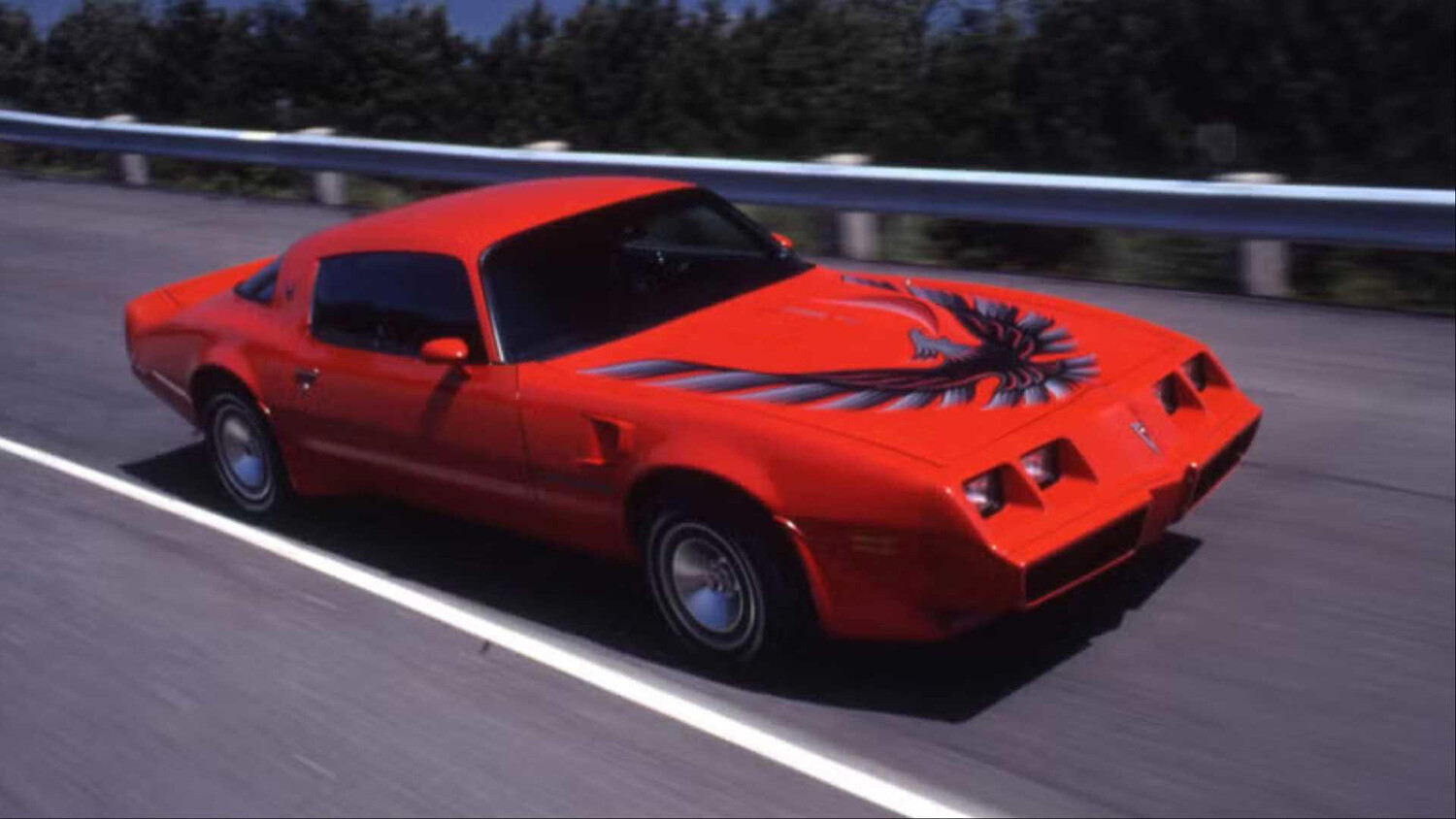
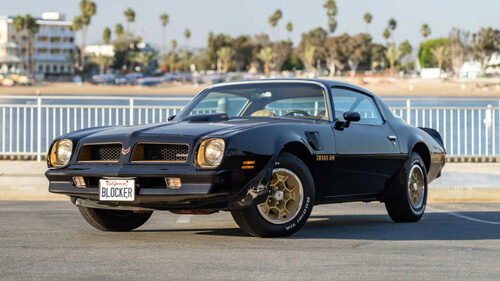
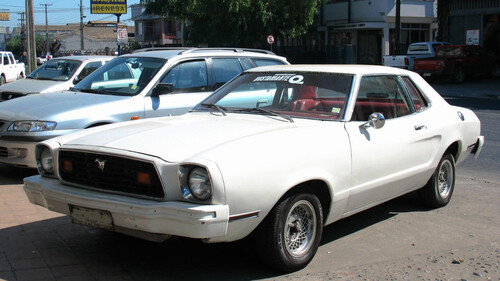
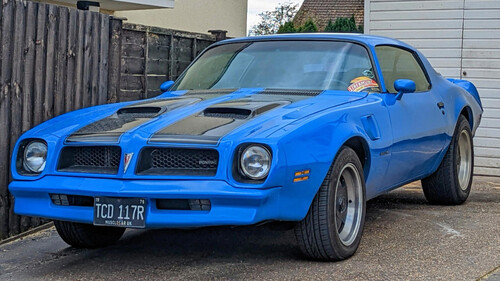
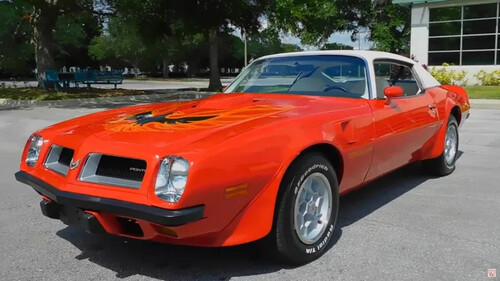
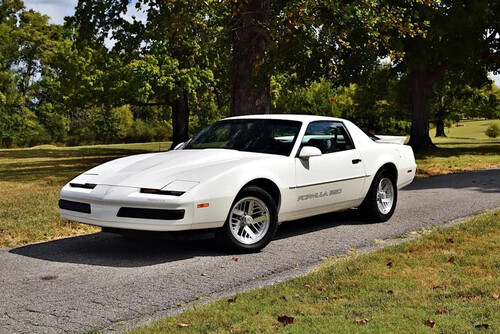
The late 1970s were not kind to muscle cars. Government regulations, skyrocketing gas prices, and stricter emissions standards left once-mighty machines gasping for air. But Pontiac, ever the rebel within GM’s lineup, wasn’t ready to give up. In 1978, they secretly cooked up a prototype that could have changed everything: a turbocharged Trans Am designed to bring forced induction to the muscle car scene. Most people have never heard of it. It never made production. But this prototype was Pontiac’s first experiment with boost and arguably the brand’s most important "what-if" car. It certainly isn't the fastest muscle car of the '80s, but it sure has an interesting story. The 1978 Pontiac Firebird Turbo Trans Am Was Pontiac's First Turbocharged Muscle Car Car & Driver1978 Pontiac Turbo Trans Am SpecsBy the late 1970s, muscle cars were on life support. Skyrocketing insurance rates, tightening emissions regulations, and rising gas prices crushed the high-horsepower glory days of the early decade. Pontiac, known for legendary names like the GTO and Firebird Trans Am, knew it had to innovate or risk falling behind. That’s where the 1978 Pontiac Turbo Trans Am prototype came in. It was an attempt to inject new life into the brand and the muscle car segment by embracing turbocharging, a technology mostly reserved for exotic European cars at the time.SM Classic Cars The concept was simple: take Pontiac’s 4.9-liter (301 cubic inch) V8, slap on a turbo, and try to deliver the kind of performance fans still craved without the huge displacement. On paper, it made sense. Turbocharging offered the promise of decent horsepower while still meeting emissions and fuel economy standards. Pontiac even built a handful of prototypes, which were shown at various auto shows, stirring excitement among enthusiasts who desperately wanted the Trans Am to stay relevant.Though the project looked promising, it wasn’t enough to convince executives to rush it into production for 1978. Instead, Pontiac refined the design over the next two years, finally releasing a production Turbo Trans Am in 1980. But make no mistake: the idea was born in 1978, and that prototype paved the way. Today, almost nobody talks about that first turbocharged muscle car experiment. The ’78 Turbo Trans Am is rarely mentioned, forgotten by all but hardcore Pontiac historians and die-hard fans. Still, it is an important milestone, proving that American muscle wasn’t dead; it was just evolving. And now, if you know where to look, this piece of Pontiac history can be shockingly affordable. How Pontiac Tried To Save Muscle Cars With Boost In The Late ’70s Showdown AutoBy 1978, Pontiac and the entire American muscle car scene struggled to stay afloat. The golden age of big-block V8s was fading fast, and automakers were scrambling for new ways to deliver performance without running afoul of emissions standards or breaking the bank at the gas pump. Pontiac saw turbocharging as a potential savior, a technology that could squeeze more power out of smaller engines while improving efficiency. That’s how the idea of a Turbo Trans Am was born, according to Car and Driver, years before forced induction became common in American cars.The plan was ambitious: bolt a turbo onto the 301 cubic inch V8 and use that boost to reclaim some of the performance lost to emissions equipment and low-compression ratios. If it worked, Pontiac could have rewritten the muscle car playbook and kept the Trans Am competitive without needing a massive engine under the hood. On paper, it was a smart move. A smaller, lighter V8 with a turbo could potentially outperform the larger, wheezing engines of the late ’70s. Pontiac Firebird Screaming Chicken Fun Facts The giant firebird decal on the hood, known as the Screaming Chicken, debuted in 1973. Pontiac executives initially hated it, but designers convinced them it would sell, and it did, becoming one of the most famous decals in automotive history. After appearing in "Smokey and the Bandit" (1977) with Burt Reynolds, sales skyrocketed and Pontiac couldn't build them fast enough. Pontiac’s engineers worked hard on the prototype, but turbocharging was still new to domestic performance cars. Reliability concerns and technical challenges slowed the project down. The idea of lag, heat issues, and tuning difficulties made executives hesitate. As a result, the turbocharged Trans Am didn’t arrive in showrooms until 1980, two years after the first prototype was teased. Still, that 1978 experiment proved that Pontiac was willing to try something to save the muscle car. While it didn’t make production immediately, it set the tone for the future. Today, it’s easy to forget how ahead of its time Pontiac was, flirting with turbos long before the trend exploded decades later. Why The 1978 Turbo Trans Am Never Made It To Production And What Happened Next The 1978 Turbo Trans Am prototype seemed ready to break new ground, but the behind-the-scenes reality was far more complicated. Pontiac was caught between wanting to innovate and playing it safe in a market where new technology often scared buyers off. Turbocharging was mostly untested in American production cars, and Pontiac engineers quickly ran into the kinds of problems that would be familiar to anyone who’s tried to boost an engine that wasn’t built for it. Did you know? Pontiac's special edition colors are now highly collectible. Most notably: 1970-72 Lucerne Blue 1976-1979 Black and Gold SE 1980 Indy Pace Car Car & Driver Heat management was a nightmare. The carbureted 301 V8 wasn’t exactly designed for forced induction, and trying to add a turbo exposed all sorts of weak points like detonation, oiling issues, and tuning headaches. In addition to that, there were looming emissions standards, and suddenly, the idea of turbocharging felt a lot more complicated than it had on paper. Hagerty said executives grew wary of launching a car that might be unreliable or tarnish the Trans Am’s image right as the model was starring in “Smokey and the Bandit” and enjoying a pop-culture resurgence.So, Pontiac shelved the production plans for 1978, choosing instead to keep refining the system. It wasn’t until 1980 that the Turbo Trans Am finally hit showrooms, albeit with a slightly tamed-down approach. The production version used a single Garrett turbo, made around 210 horsepower, and came with the same 301 V8, but even then, it wasn’t a game-changer. Critics slammed it for lackluster performance, and it became more of a collector’s oddity than a true muscle car revival. Still, that 1978 prototype was a glimpse at what might have been and remains an underrated piece of muscle car history that few people remember today. Could Pontiac’s Turbo Prototype Have Revived The Muscle Era? Smokey and the BanditOn paper, the 1978 Turbo Trans Am prototype had the potential to shake up the fading muscle car scene. With the right tuning, a turbocharged 301 V8 could have delivered solid horsepower numbers while improving fuel economy, which would have been a serious win-win in the late ’70s. Pontiac fans dreamed of a Trans Am that felt fast again, especially after years of emissions-choked V8s barely pushing 180 horsepower. The idea of adding boost was exciting, even if it was still experimental.Speculation at the time suggested that the prototype could push somewhere north of 250 horsepower, a huge leap compared to the base engine offerings. That kind of power could’ve brought back quarter-mile performance numbers closer to what the early GTOs and big-block Trans Ams delivered while staying ahead of looming federal regulations. In a world where the Mustang II and Chevy’s Malaise-era offerings were leaving gearheads bored, a boosted Trans Am would’ve been the shot in the arm the industry desperately needed.But the reality is rarely as pretty as the spec sheet. The turbo prototype may have looked good on paper, but reliability, turbo lag, and cost concerns derailed the dream. Still, the fact that Pontiac even explored this path shows how serious they were about keeping the muscle car spirit alive. The 1978 Turbo Trans Am could’ve been a game-changer, a muscle car that embraced technology instead of fighting it. Unfortunately, it never got that chance, but it paved the way for production of the 1980 Turbo Trans Am and proved that the turbocharged muscle car was an idea worth chasing. Why The 1978 Turbo Trans Am Is A Forgotten Gem That Is Still Affordable Today Car & DriverAsk most people to name a turbocharged muscle car from the ’70s, and you’ll get a blank stare. The 1978 Turbo Trans Am prototype has been mostly forgotten, overshadowed by the later production models and the earlier glory days of big-cube, naturally aspirated V8s. But for enthusiasts who know their Pontiac history, this car represents a fascinating “what if” moment, a glimpse at a future that almost happened.Because the prototype never made it to production, it doesn’t appear in auction headlines or collector's car markets. That’s exactly why pieces of Pontiac’s turbo experimentation, including early turbo 301 engines and parts from test mules, can still be found for surprisingly reasonable prices. Even the 1980-81 production Turbo Trans Ams remain relatively affordable compared to earlier big-block models or modern collector cars. They’re a niche curiosity, appealing mostly to die-hard Pontiac fans or muscle car collectors looking for something different.The lack of hype keeps prices low, but it also means the 1978 Turbo Trans Am story is largely untold. For anyone looking to own a unique piece of muscle car history without paying six figures, tracking down a 1980 Turbo Trans Am or digging into Pontiac’s turbo roots is worth the effort. These cars might not light up a drag strip, but they represent a fascinating transition point in American performance, a moment when muscle cars had to adapt or die. Today, they’re a cheap ticket into a forgotten chapter of Pontiac’s legacy that deserves more love than it gets.