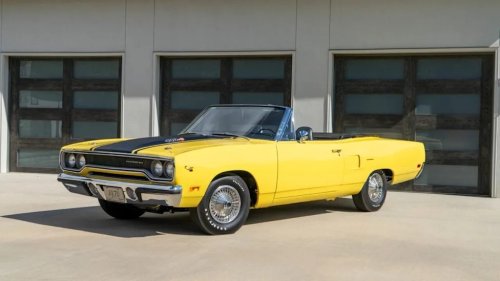
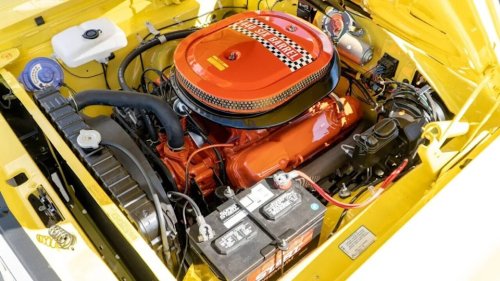
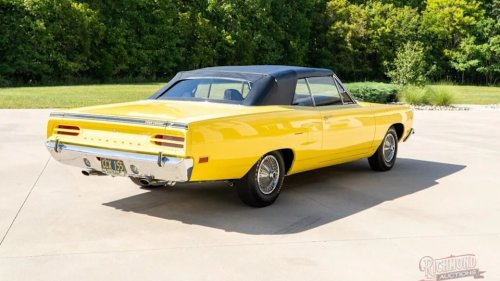
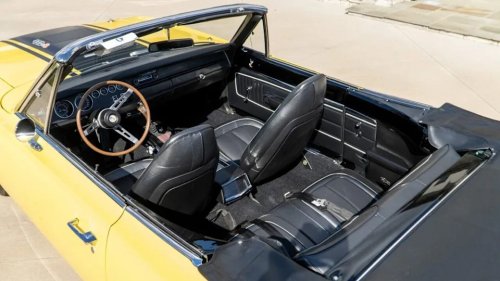
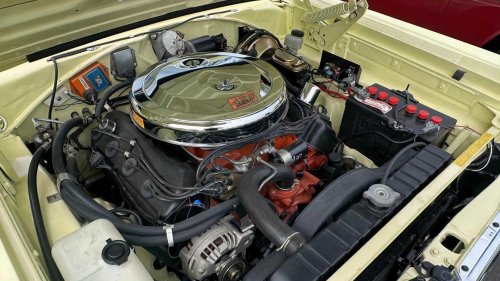
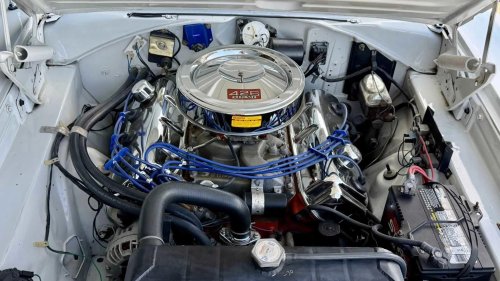
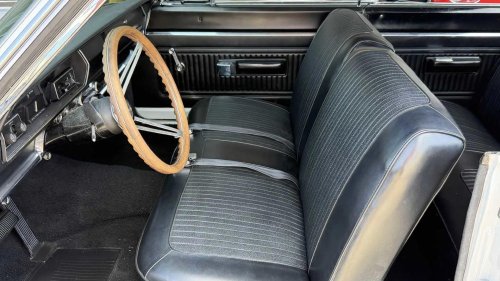
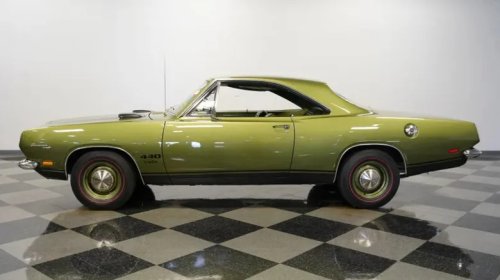
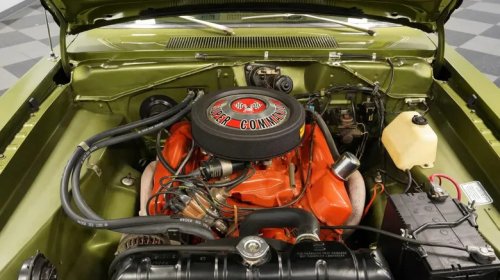
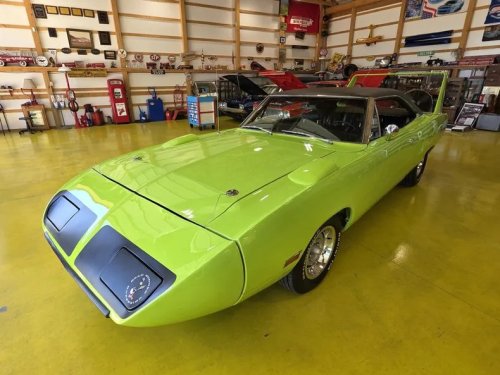
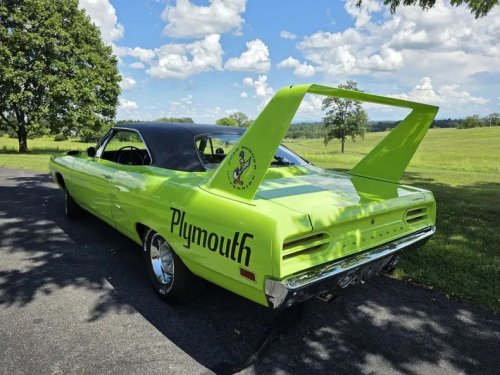
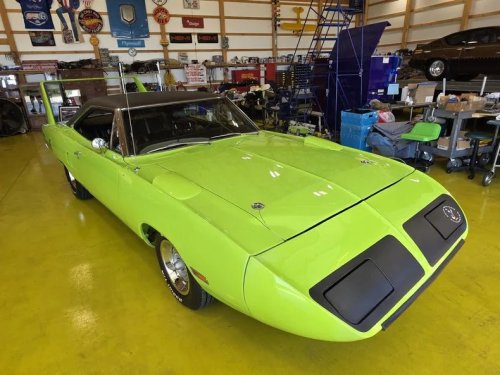
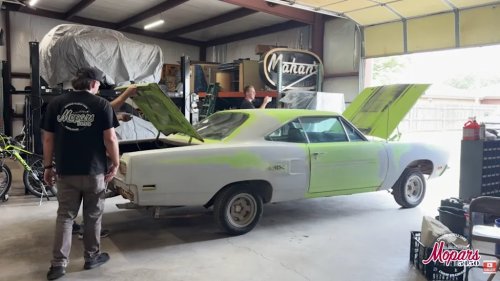
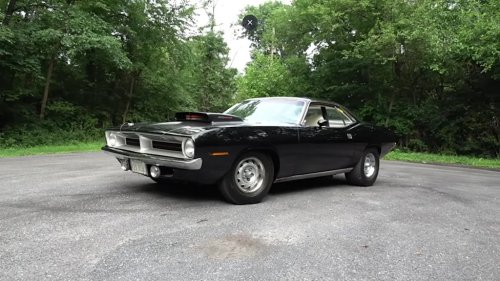
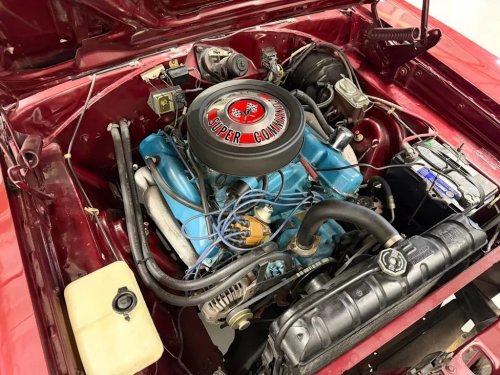
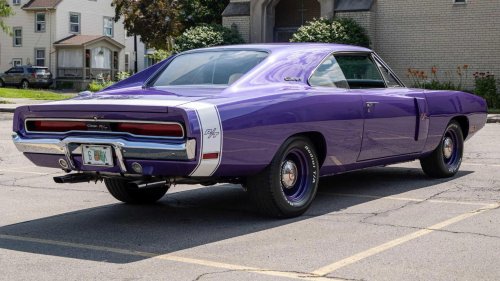
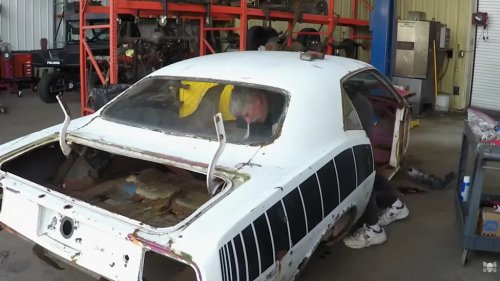
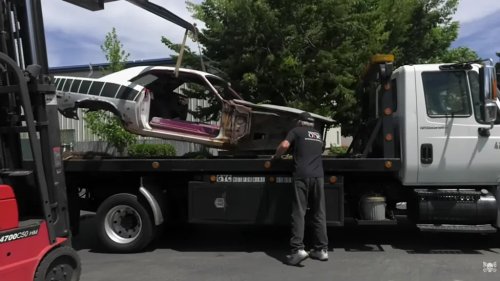
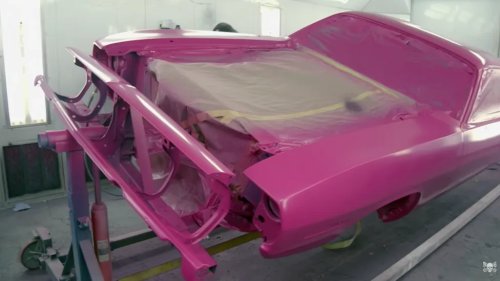
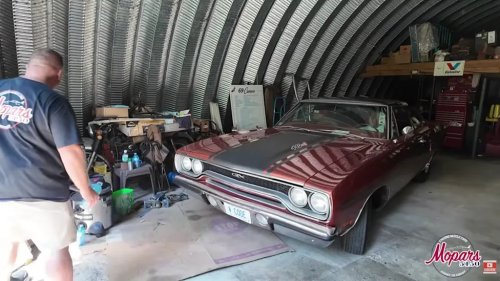
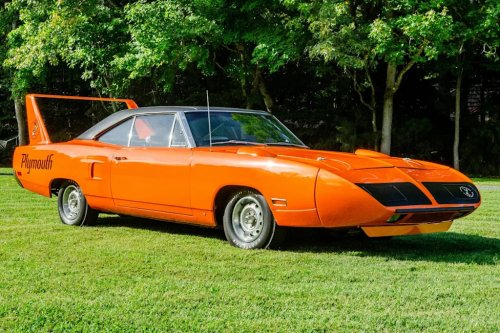
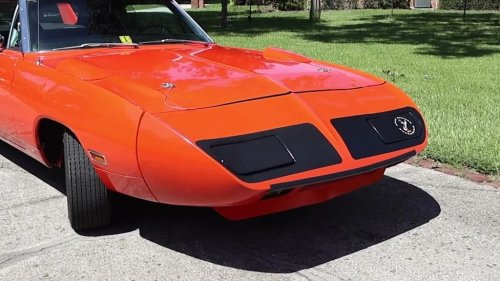
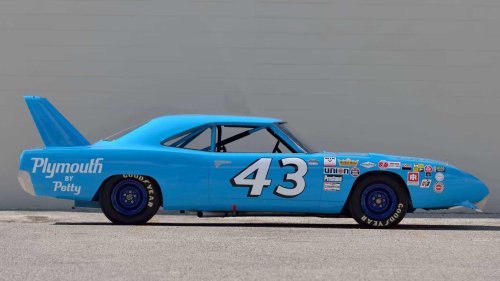
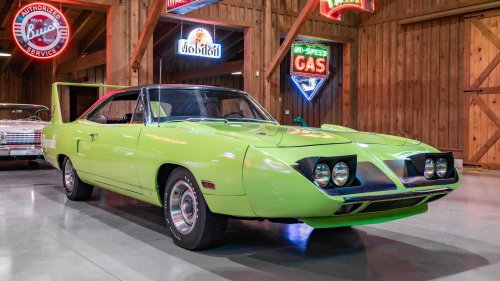
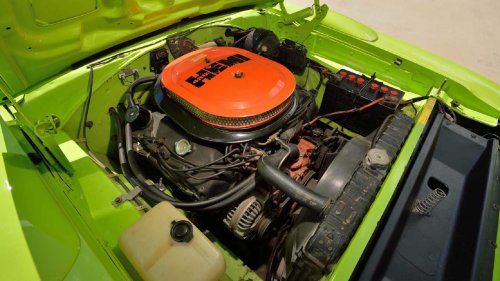
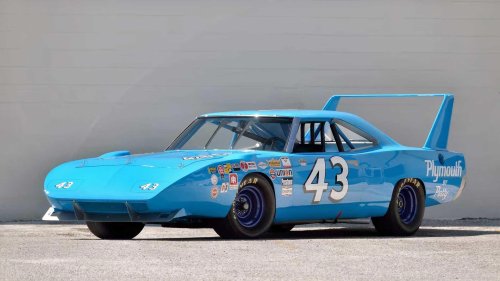
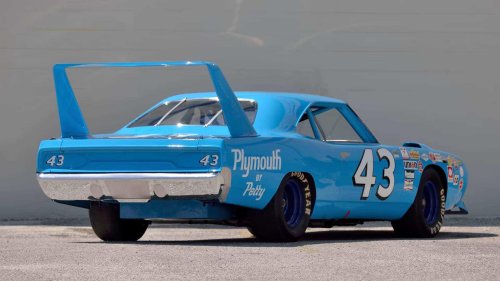
Jump LinksAll Plymouth Superbird Models – Body Styles by YearEngine Options and PerformanceFirst Generation Plymouth Superbird Production YearsFirst Generation Plymouth Superbird Prices and Value Over the YearsFew muscle cars can turn heads quite like the iconic Plymouth Superbird. With its massive rear wing, mile-long nose cone, and cartoon-inspired graphics, the Superbird looks more like a car that escaped from a fictional racing world than something that you can actually run into on the street. Plymouth built the Superbird specifically to dominate NASCAR, and even though it was only in production for one year, its racing success, fueled by serious horsepower and wind-tunnel-tested aero tricks, has ensured its name will live eternally as a landmark in American performance engineering. Information About Every Plymouth Superbird Generation NASCAR PlymouthAfter being dominated by Ford and Chevrolet in NASCAR for much of the '60s, Chrysler grew tired of the disrespect and decided to build the craziest NASCAR racer that had ever been seen. Chrysler tasked the Dodge division with the challenge of building a NASCAR winner, resulting in the radical Dodge Charger Daytona in 1969. They used a wind tunnel to pinpoint the car's limitations, ultimately adding a nosecone, a flush rear window, and the iconic rear wing. The race Hemi under the hood belted out more than 600 horsepower, which was enough to make the Daytona Charger the first car in history to break 200 mph on a closed-course track in testing.The Dodge Charger Daytona was far ahead of the competition in 1969, and it dominated NASCAR, winning 7 out of 10 races.After the Dodge Charger Daytona's NASCAR success, Plymouth hatched a plan to follow in its sister brand's footsteps by transforming the Road Runner into a winged aero car, similar to the Charger Daytona.In 1970, Plymouth unleashed the Superbird. Though the Superbird looked much like the Charger Daytona, it had a few subtle differences, including a smoothed-out body that was further refined from that of the Daytona, a reshaped nose cone, and a similarly large rear wing positioned higher on the trunk. The Superbird also had “Road Runner Superbird” decals on the spoiler, a picture of the Road Runner cartoon character, and a unique horn sound referencing the cartoon character. While these changes made the Superbird easier on the eye, it was about 3 mph slower than the Daytona. This didn't matter much though, as the Superbird also dominated NASCAR with 18 out of 40 race wins with Richard Petty back behind the wheel.To meet homologation requirements, Plymouth built 1,920 road-legal examples of the Superbird car. Three engine options were available - a 440 cubic-inch ‘Super Commando’ V8 dishing out 375 horsepower, a 390-horsepower 440 ‘Six-Barrel’, and, the best of the bunch, a 426 cubic-inch Hemi V8 with 425 ponies on tap. The Hemi was the core of Plymouth's NASCAR efforts, and only 135 road-legal examples were equipped with it.Following a NASCAR rule change in 1971 that said aero cars like the Superbird and Charger Daytona couldn't be equipped with engines larger than 305 cubic inches, the Plymouth Superbird's run started and ended in 1970. All Plymouth Superbird Models – Body Styles by Year The Plymouth Superbird was based on the two-door coupe version of the Road Runner. First Generation Plymouth Superbird (1970) Richmond Auctions The first and only Plymouth Superbird generation lasted for 1970 only, but it left an indelible mark on the auto industry, especially among muscle car fans. After Dodge had a dominant NASCAR season in 1969 with theCharger Daytona, Plymouth decided to build a similar ‘aero car’ that could also win races, resulting in the Superbird. The Superbird was based on the two-door coupe version of the B-bodied Plymouth Road Runner and had similar aerodynamic modifications as the Charger Daytona, including a sizable nose cone and a towering rear wing. Powered by Chrysler's Hemi V8 engine, the Richard Petty Superbird dominated NASCAR and cemented Plymouth's name in muscle car royalty. Unfortunately, NASCAR rule changes from the 1971 season meant that the Superbird was no longer a viable project, which is why Plymouth abandoned it. Engine Options and Performance Mecum AuctionsPlymouth developed the Road Runner Superbird to offer raw power and performance and offered three engine options. The most common Superbird engine was a 440 cubic inch Super Commando four-barrel V8 generating 375 ponies. Slotting in above it was the 440 cubic-inch Six-barrel V8 with 390 horsepower on tap. The top-of-the-range engine was a 426 cubic-inch Hemi V8 cranking out 425 horsepower, but dyno tests have shown that it made closer to 450 horsepower. First Generation Plymouth Superbird Production Years 1970 Plymouth Superbird Special Trims/Editions/Models MecumWhile the Superbird is technically a special edition of a Road Runner, it’s important to note that there are major differences between street and NASCAR spec versions. While consumer-facing homologation cars had three engine options, race variants came exclusively with the race Hemi under the hood, which was much more powerful than their de-tuned 425-horsepower counterparts. Somewhere around 650 horsepower was typical of the racecars. The stockcar Superbirds were also equipped with roll cages, widened wheel arches, and more race-oriented upgrades, while also being stripped of any road-going creature comforts. First Generation Plymouth Superbird Prices and Value Over the Years The Superbird is easily one of the greatest Plymouth models ever, and since the brand no longer exists today, it's the crown jewel for many muscle car collectors. Prices depend on the engine, but collectors typically have to pay at least six figures regardless of the engine.According to Classic.com, the Superbird has an average price of roughly $356,000. Hemi-powered versions bring in an average of $516,000, with some examples easily topping $1 million. Summary: Which Superbird Matters Most? MecumThe 1970 Plymouth Superbird existed for just one year. The most desirable are road-going models equipped with 426 Hemi engines, which are far more rare than the 440-powered models. However, in the context of what matters most for the automotive industry as a whole, there’s no denying race versions are far more prominent. They roared through the superspeedways alongside the Daytona Charger, dominating the competition. The wings, nose cones, and Hemi engines shook the world to its core, pushing Ford and Chevrolet to their breaking point, and forcing regulation changes to effectively ban them from competing. The shockwaves from the occurrence ripple on to this day and set in stone that Mopar makes the meanest racecars on the planet.



















 +48 others