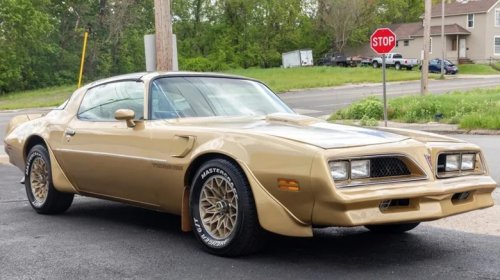
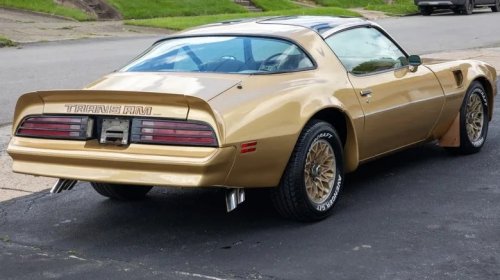
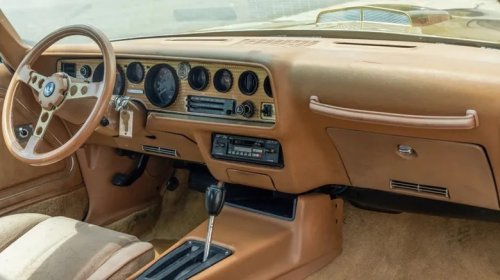
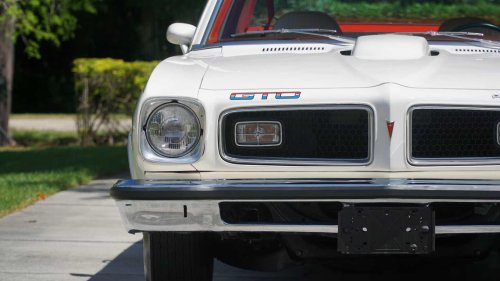
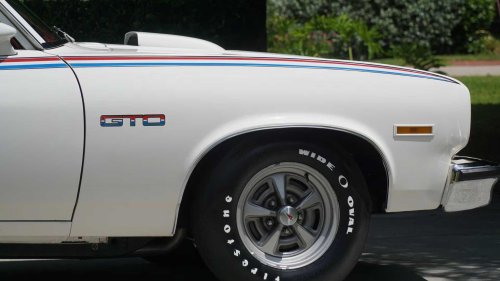
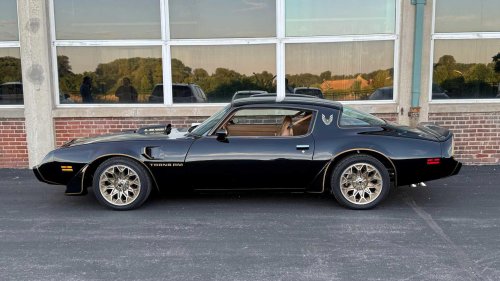
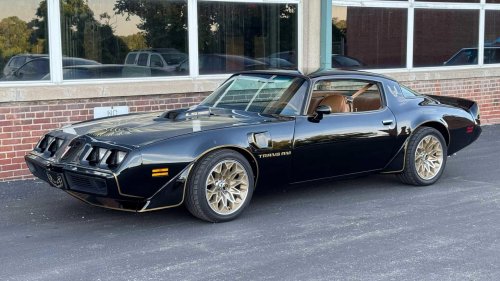
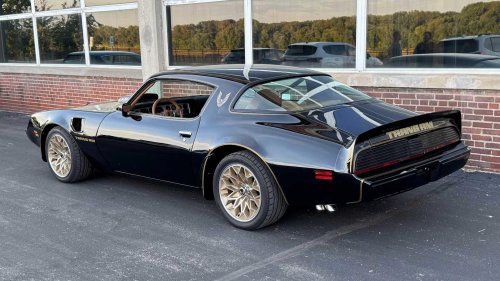
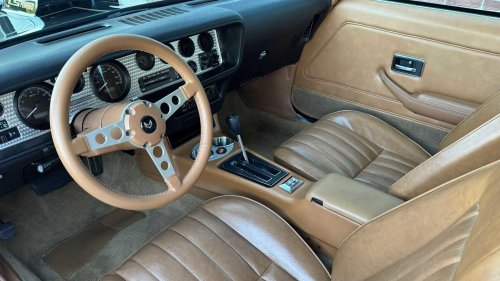
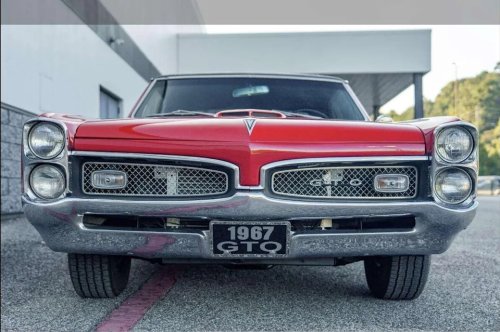
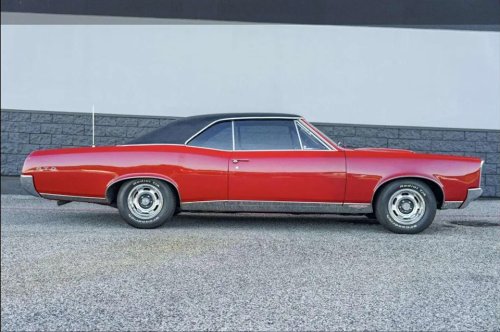
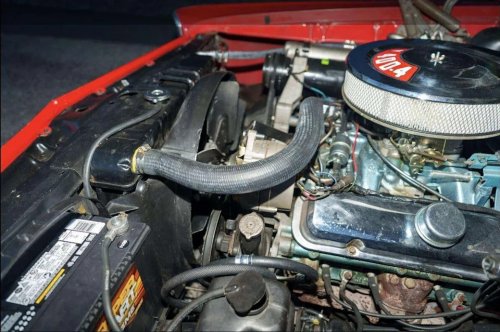
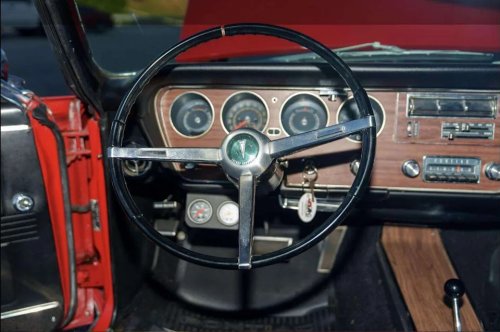
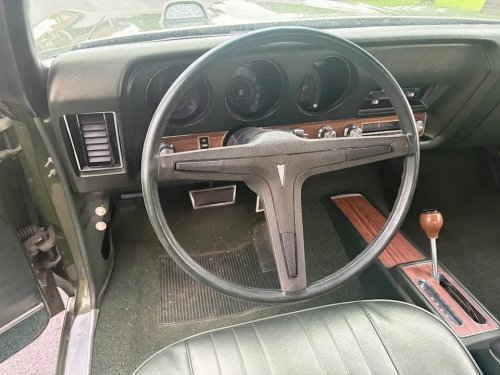
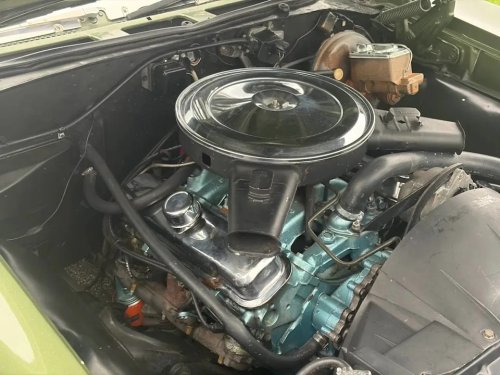
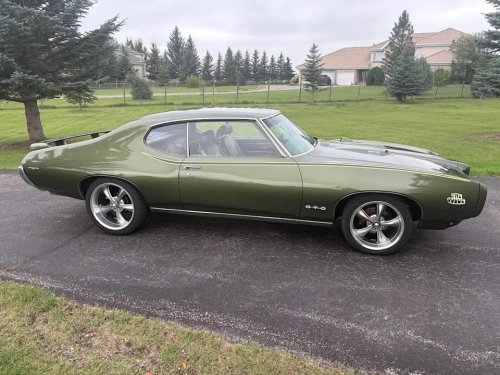
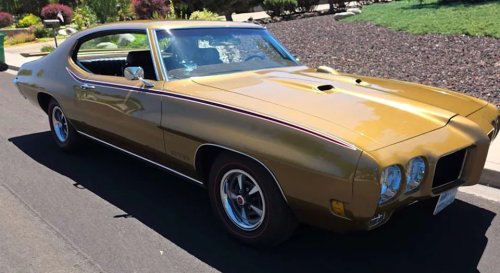
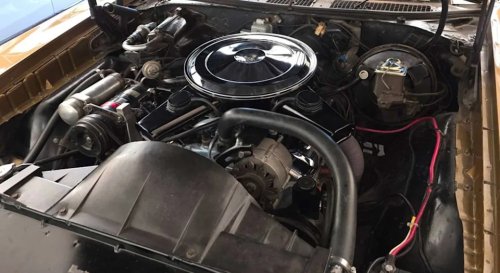
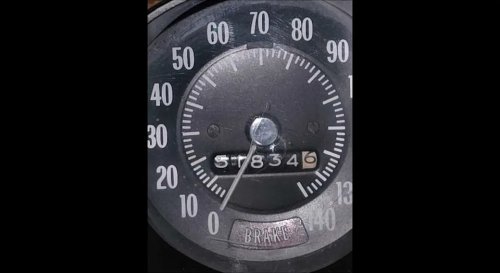
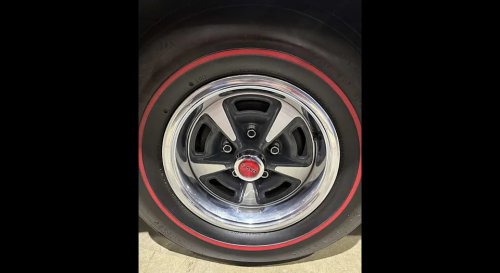
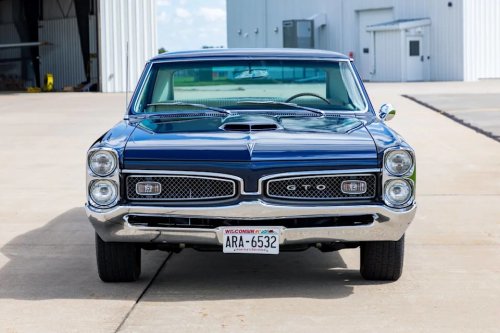
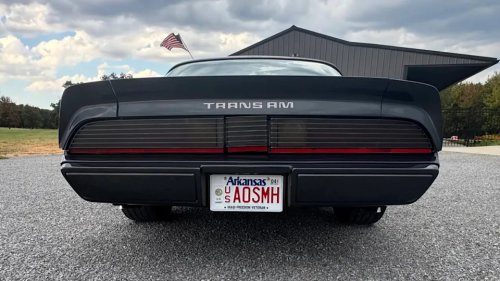
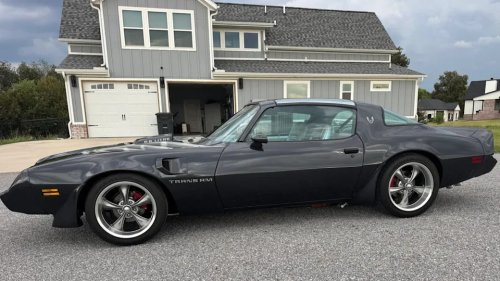
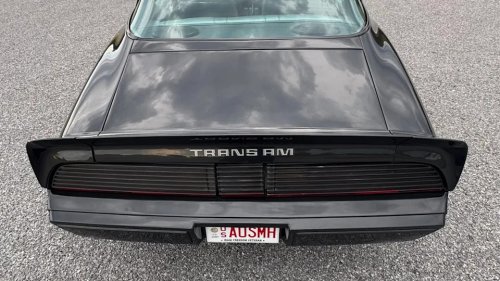
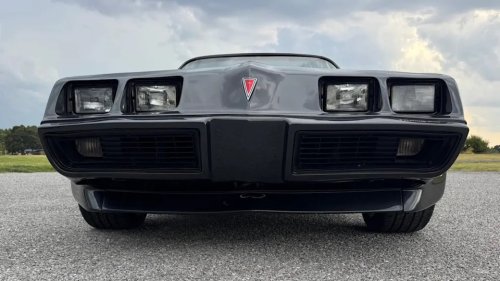
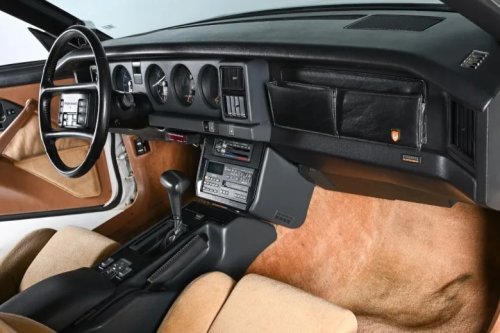
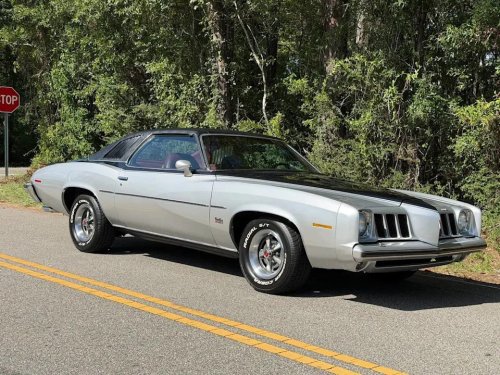
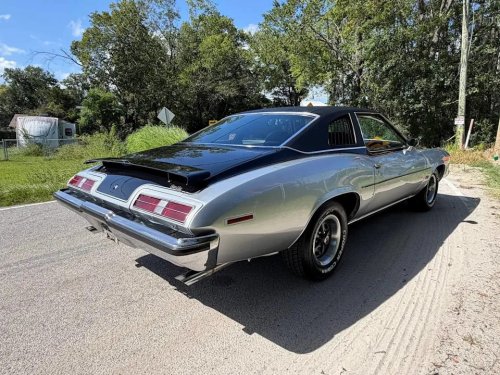
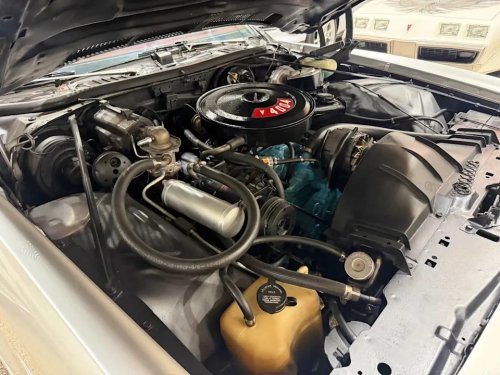
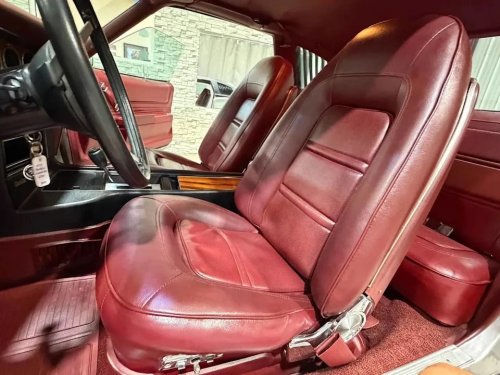
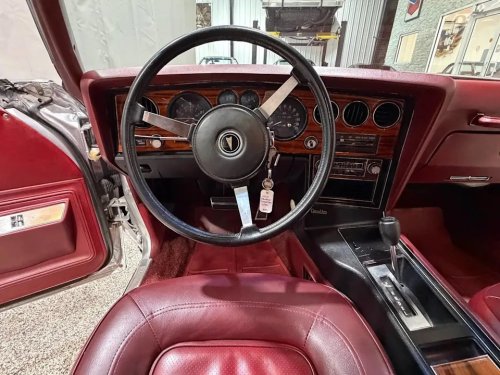
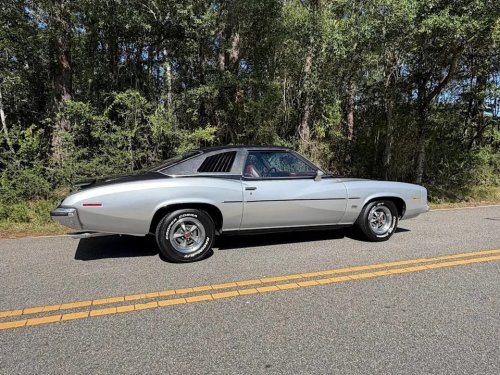
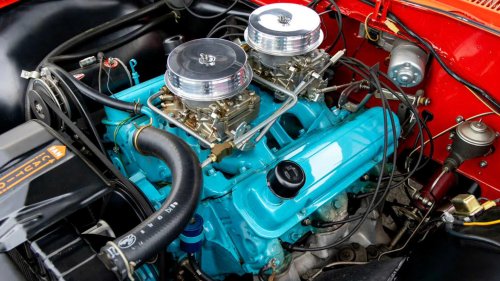
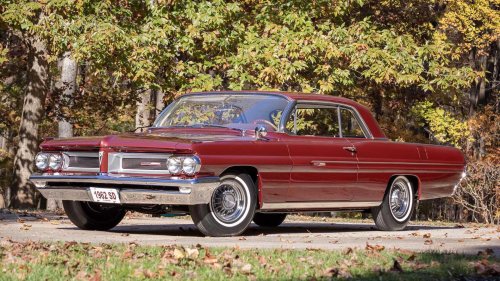
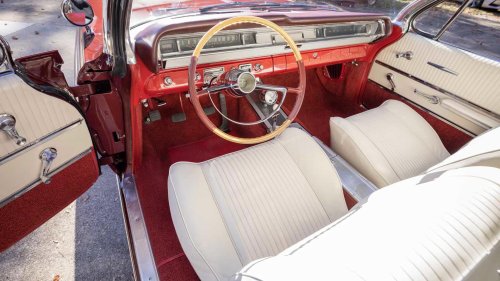
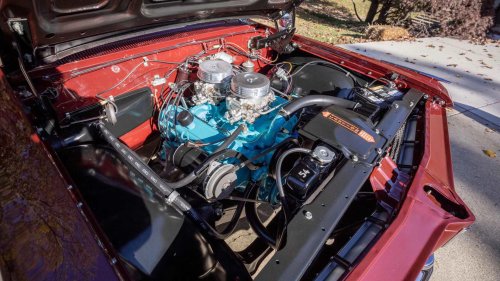
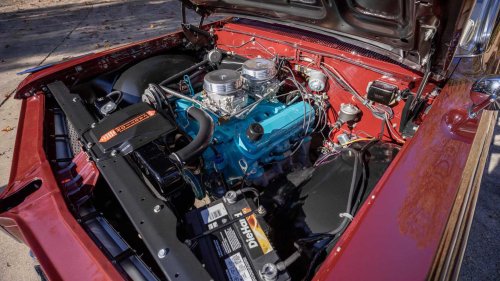
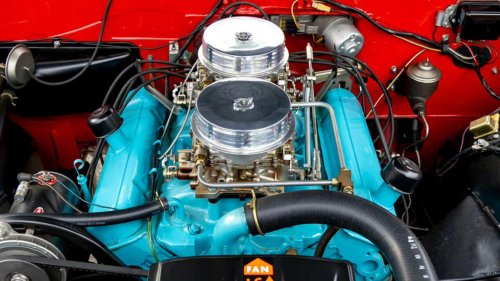
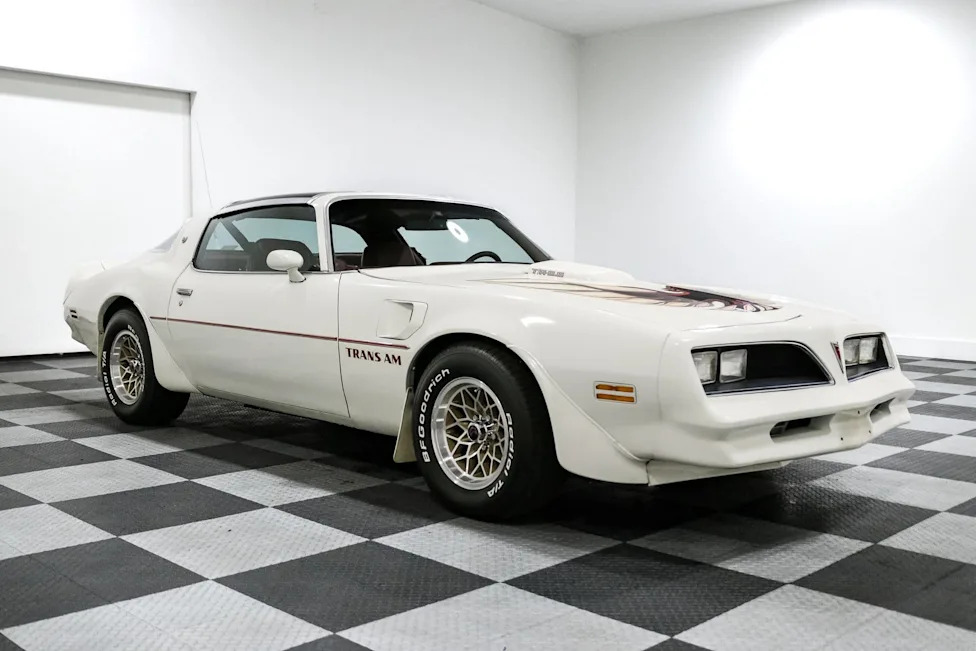
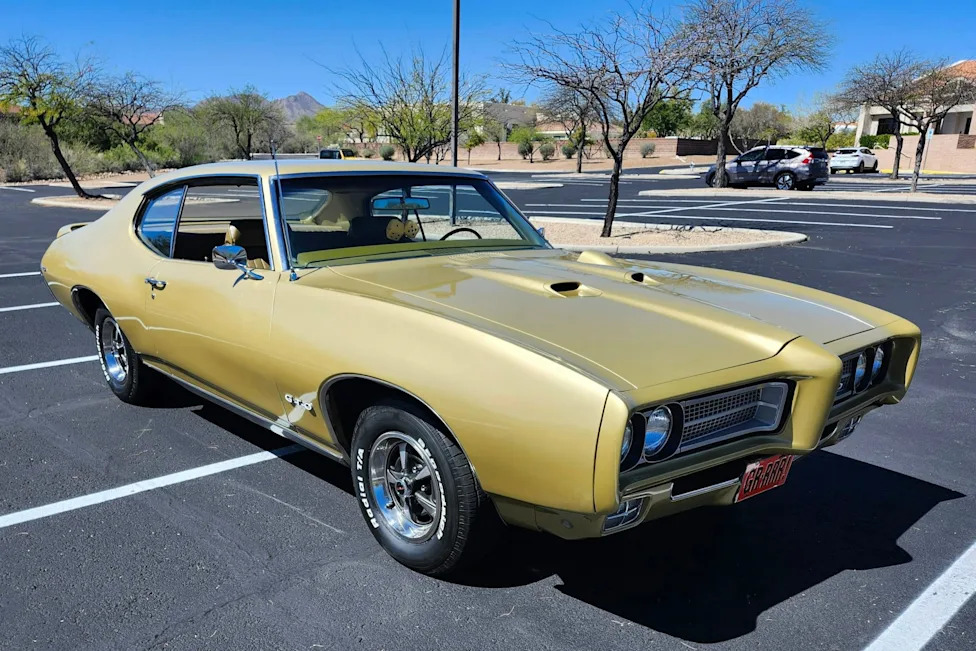
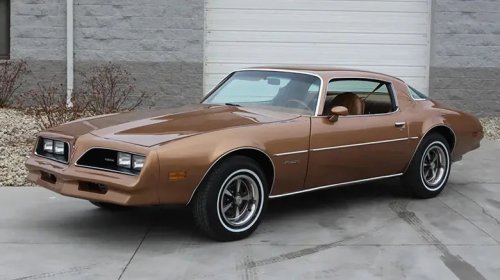
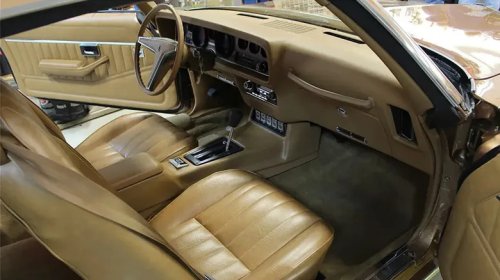
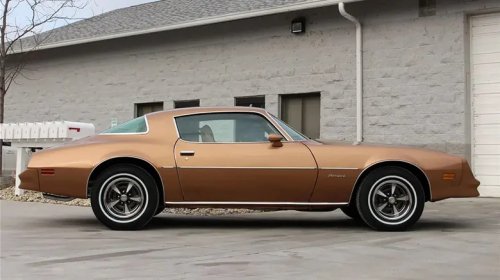
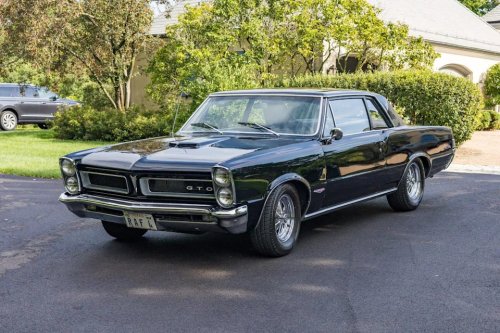
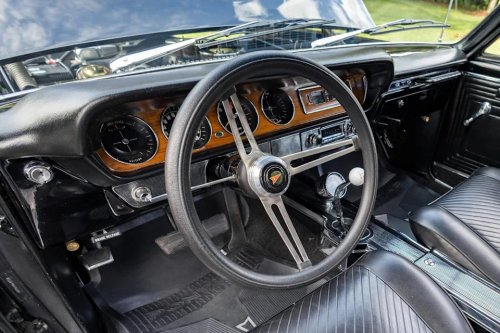
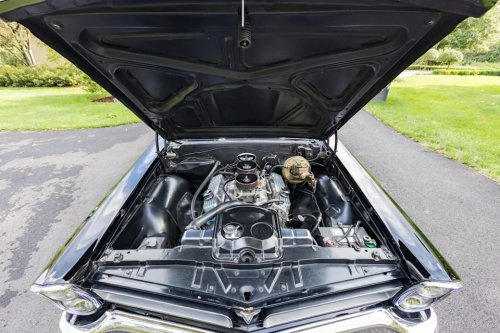
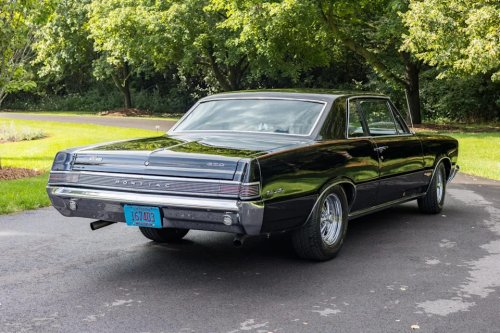
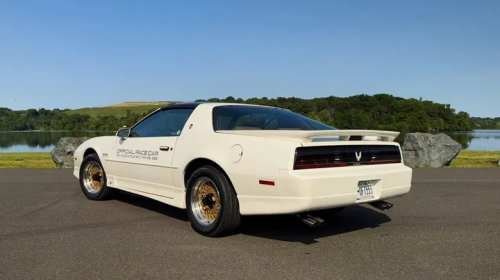
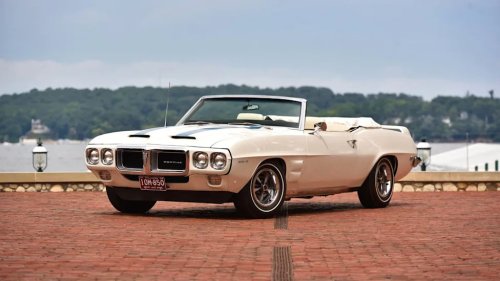
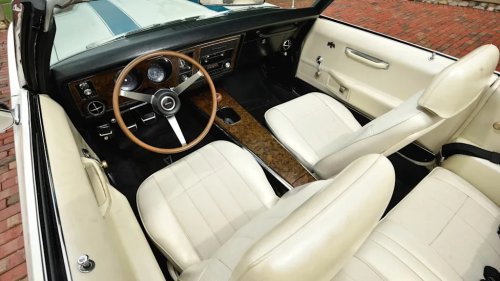
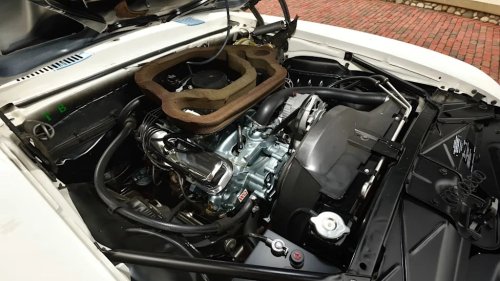
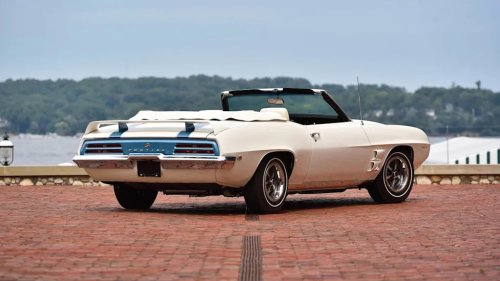
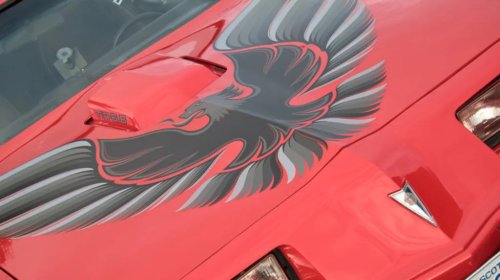
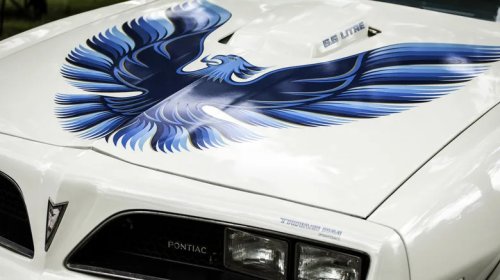
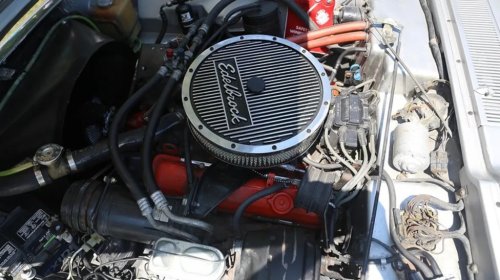
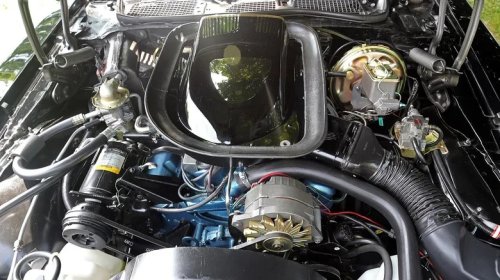
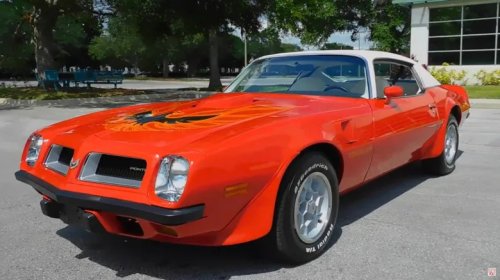
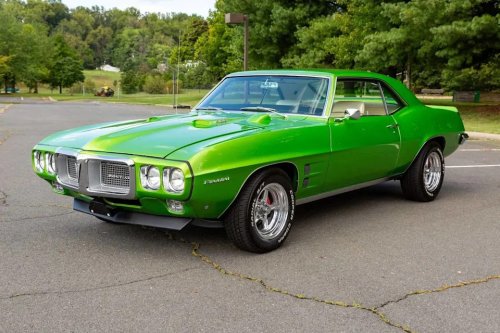
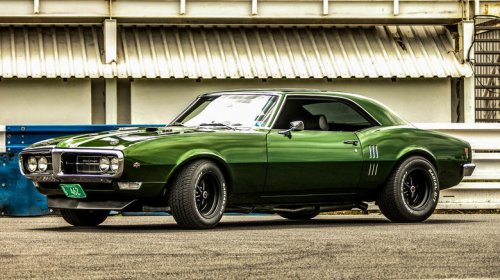
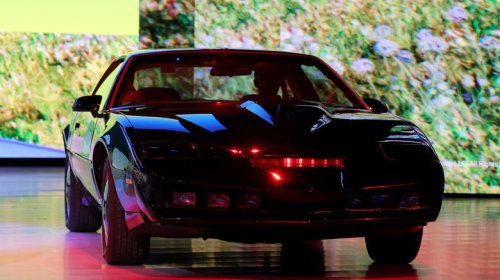
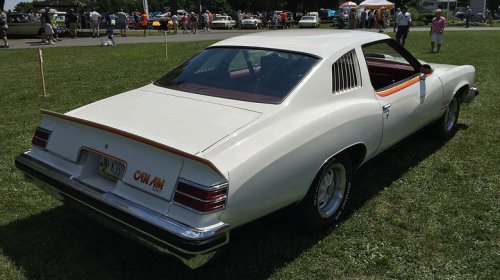
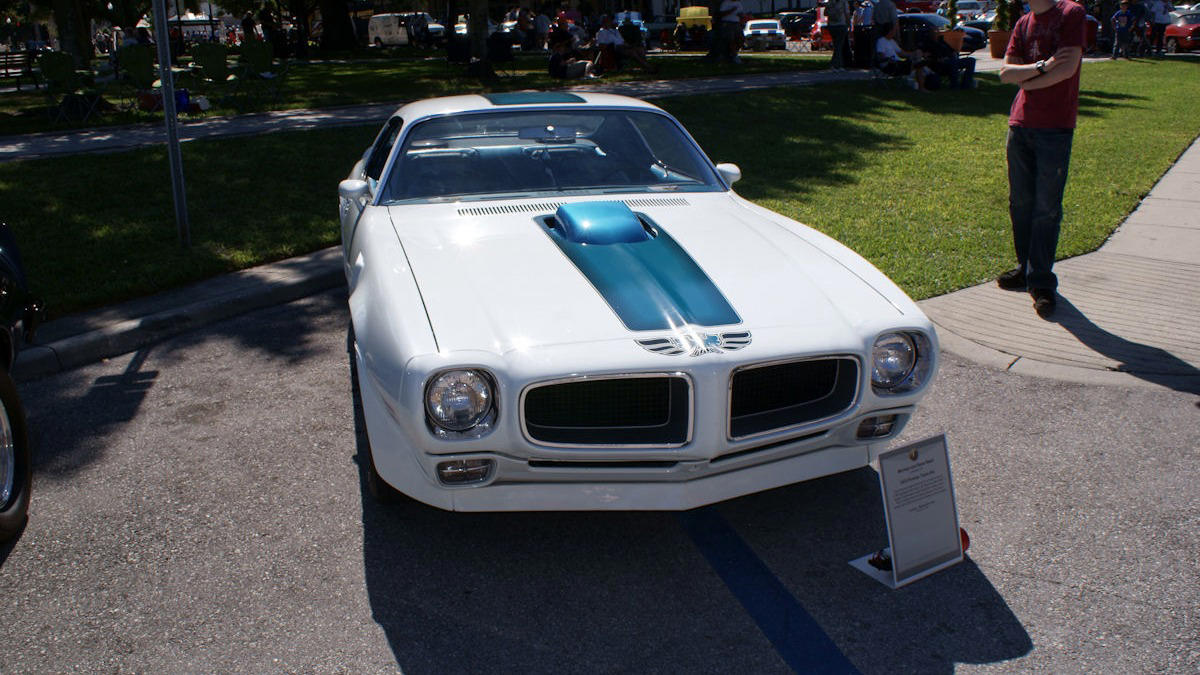
1970 Pontiac Trans Am brought 360 hp and era-defining performanceThe 1970 Pontiac Trans Am arrived as a focused performance weapon just as Detroit horsepower was peaking. With a factory rating of 360 horsepower and race-bred hardware, it turned the Firebird from a stylish pony car into one of the era’s sharpest street and track tools. More than half a century later, that first full-bore Trans Am still shapes how enthusiasts think about American muscle that can actually handle. What happened When Pontiac rolled out the second-generation Firebird for 1970, the Trans Am package turned the sleek new body into a homologation special shaped by SCCA road racing. Engineers built it around the 400 cubic inch Ram Air III and Ram Air IV V8s, with the Ram Air III officially rated at 345 horsepower and the Ram Air IV at 370 horsepower. Period road tests and internal Pontiac material often split the difference and framed the car as a 360 horsepower benchmark, a figure that captured how hard the Trans Am hit in real-world use. The Ram Air engines were more than big displacement. Both used high-flow cylinder heads, aggressive camshaft profiles, free-breathing exhaust manifolds and functional cold-air induction that pulled dense air through the twin inlets on the Shaker-style scoop. In Ram Air IV form, a 10.5:1 compression ratio and an optional close-ratio four-speed manual transmission meant the 1970 Trans Am was engineered to run hard on premium fuel and to stay in its power band through long pulls on road courses and drag strips alike. Under the skin, the Trans Am package made the Firebird a legitimate handling car. Pontiac specified heavy-duty springs, firmer shocks, a quick-ratio steering box and larger front and rear anti-roll bars. The chassis tuning targeted the SCCA Trans-American Championship, where Pontiac wanted to challenge Ford and Chevrolet on tracks that rewarded balance as much as brute force. The result was a car that could corner far better than most domestic muscle, with period testers praising its stability and feedback at high speed. Visuals reinforced the intent. The 1970 Trans Am wore a deep front spoiler, fender air extractors, a functional rear deck spoiler and bold stripes that ran over the hood and trunk. The aero pieces reduced front-end lift and added stability, while the graphics made the car instantly recognizable. Inside, Pontiac offered high-back bucket seats, a thick-rimmed steering wheel and comprehensive gauges that put the tachometer and auxiliary instruments directly in the driver’s line of sight. Buyers could choose between the standard four-speed manual and a heavy-duty automatic, along with performance axle ratios that included 3.73:1 and 4.10:1 limited-slip differentials. Four-wheel power drum brakes were standard, but front disc brakes were widely specified and essential for repeated hard stops. Combined with wide F60-15 tires on 15-inch Rally II wheels, the package delivered a level of grip that surprised drivers used to straight-line muscle cars. Production of the 1970 Trans Am remained relatively low compared with mass-market models, which added to its mystique. Pontiac focused on enthusiasts willing to pay extra for performance and handling, rather than chasing volume. That strategy, along with the car’s racing connection, helped cement the Trans Am as the Firebird’s halo variant from its first full year on the new platform. The 1970 model also set the template for the Trans Am’s evolution through the 1970s and into the 1980s. Later versions would experiment with different powertrains, including the turbocharged 4.9-liter V8 that arrived for 1980. That engine, used in what became Pontiac’s first production turbocharged muscle car, showed how the company tried to preserve performance as emissions rules tightened. The turbo Firebird, highlighted in coverage of Pontiac’s first turbocharged effort, traced its lineage directly to the high-output formula pioneered by the 1970 Trans Am. Why it matters The 1970 Trans Am matters because it captured the peak of the classic muscle era while pointing toward a more sophisticated future. While many competitors relied on ever-larger engines in relatively soft chassis, Pontiac invested in suspension tuning, aerodynamics and braking to create a car that could do more than run a quarter-mile. That balance between power and control anticipated the modern idea of a performance car that must handle as well as it accelerates. The factory horsepower rating tells only part of the story. Industry historians and period dyno tests have long argued that Pontiac, like other Detroit brands, understated output for insurance and regulatory reasons. The Ram Air IV’s combination of compression, cam timing and airflow suggests that its real figure likely exceeded the 370 horsepower printed on paper. Framing the car around a 360 horsepower benchmark reflects how owners experienced it, with strong midrange torque and a willingness to rev that felt more European in character than many domestic big-blocks. That character mattered on the track. The Trans Am name came from the SCCA Trans-American Championship, where manufacturers fought for bragging rights in production-based racing. Pontiac’s engineers used lessons from that series to tune the 1970 road car, from spring rates to steering response. While the race program faced stiff competition from established Ford and Chevrolet efforts, the street Trans Am gave Pontiac a credible performance flagship that carried racing cachet into showrooms. The car also marked a philosophical shift inside Pontiac. During the 1960s, the division had built its reputation on straight-line stars like the GTO. By 1970, insurance surcharges and looming emissions rules made that formula harder to sustain. The Trans Am showed how Pontiac could keep performance alive by emphasizing handling, aerodynamics and driver involvement, rather than simply chasing bigger displacement and higher compression. Styling played a role in that repositioning. The second-generation Firebird body, with its long hood, short deck and flowing fenders, looked more like a European GT than a traditional American coupe. The Trans Am’s spoilers and graphics added aggression without overwhelming the shape. That combination of elegance and muscle influenced later performance coupes, from Pontiac’s own Firebird and GTO revivals to competitors that adopted similar blends of clean lines and purposeful add-ons. From a cultural perspective, the 1970 Trans Am helped define the image of the American performance coupe in the early 1970s. Later models from the middle of the decade gained broader pop culture recognition, but the first full-strength Trans Am set the tone. It represented a car that a serious driver could take to a track day, then drive home without feeling punished. That dual personality anticipated the modern notion of a daily-drivable sports car. The car’s engineering choices also shaped Pontiac’s path through the fuel crisis and emissions clampdown that followed. The focus on chassis competence gave the brand a foundation when raw horsepower had to decline. Even as compression ratios dropped and catalytic converters arrived, Pontiac could still market the Trans Am as a driver’s car, because the suspension and steering remained engaging. That continuity kept the nameplate relevant when some rivals lost their performance identity. Collectors and historians now view the 1970 Trans Am as one of the most desirable American performance cars of its era. Its relatively low production, race-bred specification and distinctive styling make it a centerpiece at auctions and in private collections. Values have reflected that status, with well-preserved Ram Air IV examples trading at prices that rival or exceed high-spec GTOs and Chevelle SS models from the same period. Beyond monetary value, the car has become a benchmark for enthusiasts who measure later pony and muscle cars against its blend of power, handling and character. When modern manufacturers revive historic badges or claim to build track-capable coupes, enthusiasts often look back to cars like the 1970 Trans Am as a standard. Its ability to feel special at modest speeds, yet come alive when pushed, remains a target that many contemporary performance models still chase. The influence extends to how brands use motorsport to shape road cars. Pontiac’s decision to tie the Trans Am so directly to SCCA racing showed that a clear competition connection could elevate a model’s image. That strategy echoes in current performance divisions that build homologation specials and track-focused trims. The idea that a showroom car should carry real engineering lessons from the track, rather than just stickers and spoilers, traces back to programs like the early Trans Am. What to watch next Interest in the 1970 Trans Am is unlikely to fade, and several trends will shape how the car is experienced and valued in the years ahead. One is the continued rise of factory-correct restorations. As more survivors undergo meticulous rebuilds that adhere closely to original specifications, the market is drawing sharper distinctions between numbers-matching cars and modified examples. Collectors increasingly prize original Ram Air engines, correct carburetors and authentic suspension components, which puts a premium on cars that have not been heavily altered. At the same time, restomod culture is giving the 1970 Trans Am a second life for drivers who want classic style with modern performance. Builders are fitting period shells with updated brakes, contemporary suspension geometry, fuel-injected engines and six-speed manual transmissions. While purists may prefer stock configurations, these projects keep the basic design on the road and in front of new audiences, rather than confined to climate-controlled garages. Another area to watch is how regulators and cities handle emissions and noise rules that affect older performance cars. Some regions are tightening inspection standards and limiting where and when high-output classics can operate. Owners of 1970 Trans Ams may face tougher requirements for registration or may need to rely more on club events and track days rather than casual street use. The balance between preserving heritage and meeting environmental goals will shape how often these cars are seen in public. Enthusiast communities will continue to play a central role. Clubs dedicated to the Firebird and Trans Am organize meets, track events and technical support networks that help owners maintain and enjoy their cars. As the original buyer generation ages, younger enthusiasts are beginning to step in, often discovering the 1970 Trans Am through online videos, social media and digital racing games. That shift in audience may influence how the car is modified, showcased and discussed. There is also growing interest in documenting the car’s development history. Researchers and archivists are working to preserve factory engineering notes, racing records and period marketing material that shed light on how Pontiac created the 1970 Trans Am. As more of that documentation becomes accessible, it will refine understanding of production numbers, option mixes and engineering decisions, which in turn can affect how specific configurations are valued. On the market side, auction results over the next few years will reveal whether values for top-spec Ram Air IV cars continue to climb or plateau. Economic conditions, generational shifts and the broader classic car market all influence prices. Even if peak values stabilize, demand for solid driver-quality cars is likely to remain strong, especially for examples that retain their original bodies and drivetrains but are not so pristine that owners fear adding miles. More from Fast Lane Only Unboxing the WWII Jeep in a Crate 15 rare Chevys collectors are quietly buying 10 underrated V8s still worth hunting down Police notice this before you even roll window down



















 +51 others