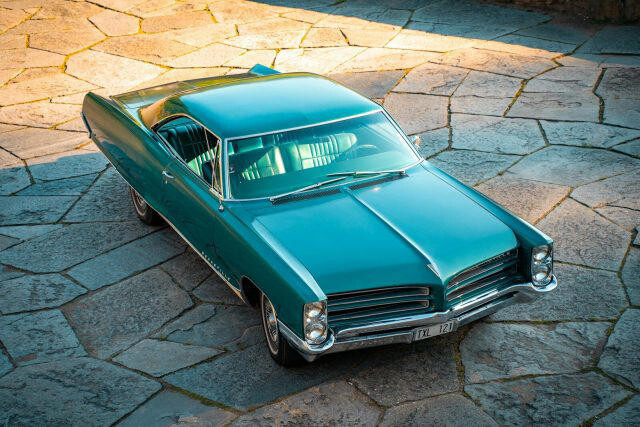
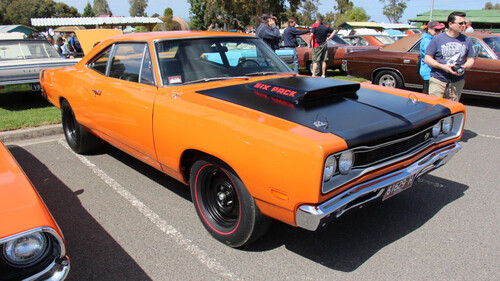
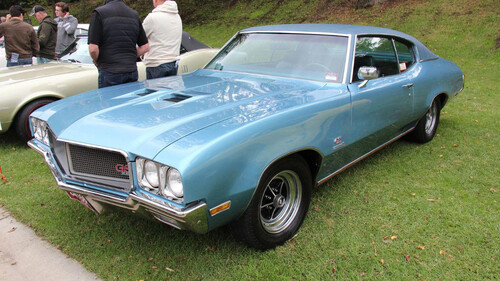
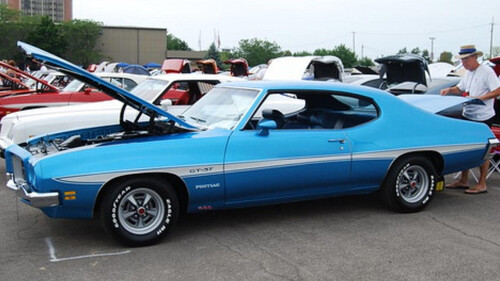
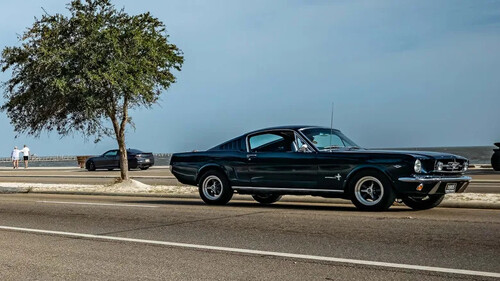
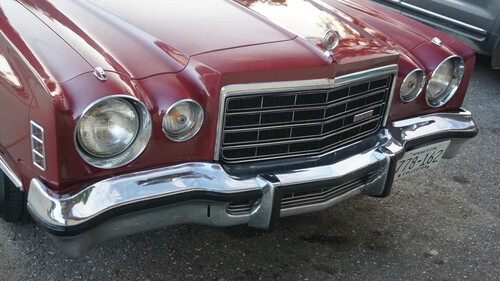
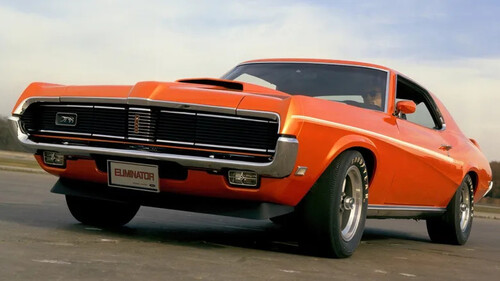
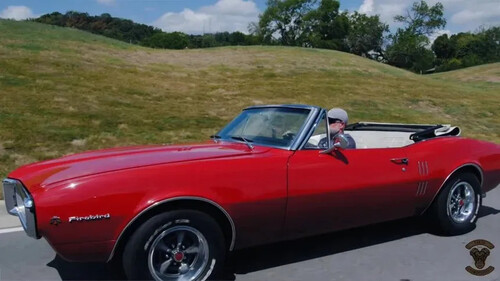
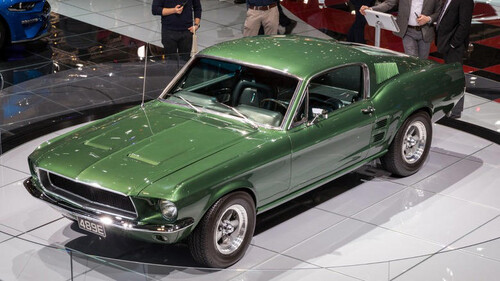
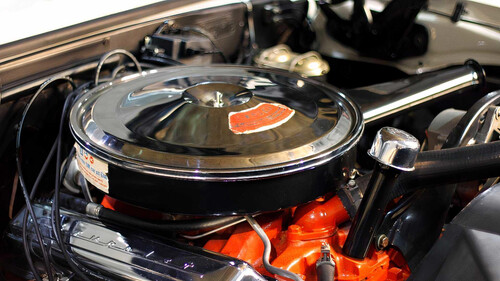
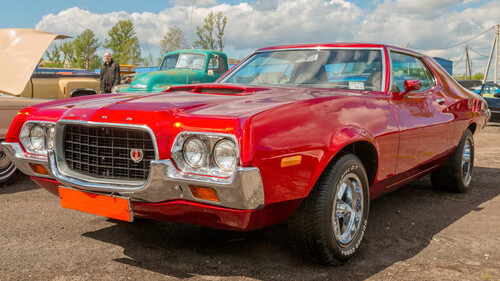
1968 Ford Torino GT and 1968 Pontiac Grand Prix went head to head in style and performanceThe 1968 Ford Torino GT and the 1968 Pontiac Grand Prix arrived from opposite ends of Detroit, yet both chased the same ideal: a car that could look glamorous in the driveway and feel genuinely fast on the highway. Each blended big V8 power with tailored sheet metal, and together they framed a moment when American performance still came wrapped in chrome and comfort. Viewed side by side today, the Torino GT and Grand Prix show how Ford and Pontiac interpreted that brief very differently. One leaned toward mid‑size muscle with NASCAR flavor, the other toward full‑size personal luxury with a hard performance edge, yet both earned lasting reputations among collectors. The Torino GT steps out from the Fairlane Ford positioned the Ford Torino as an upscale evolution of the Ford Fairlane, sold for the North American market as a more stylish mid‑size line that shared bones with the Mercury Montego. Enthusiasts often point to the Ford Torino GT as the purest performance expression in that first model year, a car that blended comfort, power and unmistakable late‑sixties styling into what one auction listing describes as a celebrated icon of Ford’s golden muscle‑car era. Underneath, the Torino family still traced its roots to the Fairlane, which meant a conventional front‑engine, rear‑drive layout and a range of V8 choices. Period fact sheets list a 427 CID V‑8 as part of the early engine story, with the notation that Ford did not update its factory sales literature even after that 427 option was effectively dropped, a detail preserved in a detailed Ford Fairlane Torino breakdown. That kind of paperwork quirk captures how quickly the muscle market was shifting under Ford’s feet. By design, the Torino GT aimed at buyers who wanted more flash than a basic Fairlane but were not ready to step into a pure drag‑strip special. Contemporary marketing framed the car as “a better idea” for drivers who wanted style and speed in one package, a theme that lives on in enthusiast coverage of the 1968 Ford Torino and its balance of road manners with muscle. Fastback flair and mid‑size proportions The Torino GT line arrived in several body styles, all with two doors. Buyers could choose a tidy hardtop, a convertible, or the dramatic Fastback with its long, sloping rear roof that prioritized aerodynamics and visual drama. One buyer’s guide singles out the Fastback, sometimes labeled simply as just another body style in brochures, for its “wind‑cheating” profile and dramatically extended rear glass that turned the car into a rolling billboard for late‑sixties design experimentation. Fans of the shape often cite the 1968 Ford Torino GT Fastback as one of the most striking muscle cars of the era, and surviving examples routinely circulate on enthusiast pages where the Torino GT Fastback is praised for its sleek roofline and aggressive stance. That long rear deck was not just for show; Ford wanted an edge in stock‑car racing, and the fastback silhouette helped stabilize the car at speed on oval tracks. Under the skin, the Torino shared much with the Fairlane, but the GT trim brought upgraded suspension tuning, brightwork, and interior touches that justified its position as a step up. European‑style cues were not the point here. Instead, the Torino GT leaned into American cues like bold side stripes, hood scoops, and deep‑dish wheels that signaled performance even when the car was parked at the curb. Engine choices for the broader Torino range started with smaller units, including a 200 cubic‑inch six in some 2‑door hardtop configurations, as laid out in a period table that lists Bodies and Engines side by side for the model year 1968. That 200 figure underscores how wide the Torino net was cast, from basic commuters to serious V8 machines. The GT trim gravitated toward the bigger engines, especially the 390‑cubic‑inch V8 that gave the car the kind of mid‑range surge buyers expected from a muscle‑oriented Ford. Torino GT as a muscle car that kept its manners Enthusiast discussion of the Ford Torino GT often returns to how it tried to be both a family‑friendly car and a genuine performance machine. A social media group dedicated to classic iron describes the Ford Torino GT as a muscle car that combined features and performance in a way that still resonates with fans of Classic Old Cars, and that dual role helps explain its enduring appeal. Contemporary marketing sometimes struggled to present the Torino GT as a direct rival to pure muscle models from other brands, and period commentators have noted that Ford did not fully commit to a single, all‑out package in 1968. One video overview of the 1968 Ford Torino GT suggests that takers for the most aggressive configurations were relatively few, so not many cars were built with the most extreme options, which adds to their rarity today. Even so, the Torino GT line carved out a niche. It offered a more refined cabin than some bare‑bones muscle machines, with bucket seats, bright interior trim, and options like a console that gave it a quasi‑luxury feel. A later auction description of a 1968 Torino GT convertible highlights how the car blended comfort, performance and unmistakable sixties styling, and that description fits the broader GT lineup. The car was quick, but it was also quiet enough and plush enough to serve as a daily driver for buyers who wanted more than a weekend toy. Pontiac Grand Prix: full‑size power with personal luxury If the Torino GT represented the mid‑size performance side of Detroit, the 1968 Pontiac Grand Prix occupied the full‑size personal luxury lane. Pontiac had spent the mid‑sixties shaping the Grand Prix into a car that combined muscle car power with upscale comfort, and by 1968 the model had taken on a persona as a larger, more luxurious counterpart to Pontiac’s midsize offerings. A video tribute to the Grand Prix emphasizes how the car evolved into a Legendary Pontiac that leaned heavily on style and presence. The 1968 Pontiac Grand Prix Hardtop Coupe is often described as a classic American personal luxury coupe. Enthusiast write‑ups of the Pontiac Grand Prix stress that it was the last of its generation before Pontiac redesigned the model, which gives this year a special place in the car’s lineage. The 1968 Grand Prix carried a long hood, a clean roofline and a formal rear treatment that signaled sophistication rather than street racing. Styling changes for 1968 sharpened that message. A fact sheet on Pontiac’s full‑size cars notes that the Grand Prix received a more pronounced extended nose and grille, pushing the front of the car even farther forward visually and reinforcing its presence in traffic. Another enthusiast summary describes the 1968 Pontiac Grand Prix as all about confident style and effortless V8 power, with a long, low stance and sharp body lines that made it stand out among other full‑size coupes. Grand Prix engines and the move to better automatics Under the hood, Pontiac gave the Grand Prix serious hardware. A factory brochure for the 1968 Pontiac Grand Prix lists the Standard Engine as a 400 Cu. In. V‑8 rated at 350 HP‑4‑BBL Carb‑Prem. Fuel. It also lists Available Engines that included a 400 Cu. In. V‑8 with 265 HP‑2‑BBL Carb‑Reg. Fuel, showing how Pontiac offered both high‑output and more relaxed configurations within the same displacement. Those figures, 400, 350 and 265, anchor the Grand Prix firmly in the big‑block performance conversation of its time. Transmission technology was also moving forward. A technical overview of the 1965 to 1968 Grand Prix notes that Another advancement came when the old, never‑liked Roto Hydra‑Matic transmission gave way to the vastly superior new Turbo Hydra‑Matic. That switch, often broken out in text as Roto Hydra and Matic versus Turbo Hydra and Mati, improved shift quality and durability, and it helped the Grand Prix deliver smoother acceleration that matched its luxury positioning. Enthusiast descriptions of the 1968 Pontiac Grand Prix consistently emphasize the mix of power and comfort. One social media feature calls the Pontiac Grand Prix a bold, full‑size personal luxury coupe that combined muscle car power with upscale comfort, and another describes how the Pontiac Grand Prix was all about confident style and effortless V8 power. A separate post on the Pontiac Grand Prix repeats that theme, highlighting the car’s long, low profile and upscale cabin as key selling points. Last of its generation and a bridge to the seventies The 1968 Grand Prix carried extra significance inside Pontiac’s lineup because it closed one chapter and set up the next. Enthusiast commentary on the 1968 Pontiac Grand Prix Hardtop Coupe often underlines that this was the last of its generation before Pontiac redesigned the model for the following year. The next Grand Prix would move to a different platform and adopt even more dramatic styling, but the 1968 version represents the final evolution of the original full‑size formula. Fact sheets on Pontiac’s full‑size cars for 1968, which invite readers to SEE the Pontiac Performance Brochure HERE, frame the Grand Prix as a centerpiece of the brand’s performance image. The Grand Prix nameplate had to balance the expectations of buyers who wanted a comfortable highway car with those who associated Pontiac with aggressive performance, and the 1968 model’s combination of a 400 cubic‑inch V8, extended nose and upgraded automatic transmission reflects that balancing act. Technical summaries of the 1965 to 1968 Pontiac Grand Prix Base, organized under an Engine and Technical Specifications table with columns for Model Year, Engine Configuration, Displacement and Horse, show how the Grand Prix evolved steadily during this period. By the time it reached 1968, the car offered a refined blend of power and equipment that set the stage for the more flamboyant designs of the early seventies. Head to head: style, performance and legacy Comparing the 1968 Ford Torino GT and the 1968 Pontiac Grand Prix highlights two distinct strategies for selling speed and style. Ford built the Torino GT on a mid‑size platform rooted in the Ford Fairlane, then gave it a fastback or convertible body, sporty trim and strong V8 options to attract buyers who wanted a muscle‑oriented car that could still handle family duty. Pontiac, by contrast, kept the Grand Prix on a full‑size platform and leaned into the personal luxury coupe idea, with a long hood, extended nose and a richly trimmed interior wrapped around a 400 cubic‑inch V8. On raw engine numbers, the Pontiac Grand Prix often had the edge, especially in its 400 Cu. In. V‑8, 350 HP‑4‑BBL Carb‑Prem. Fuel configuration. The Torino GT, however, countered with a lighter mid‑size body and a range of engines that included serious big‑block power, along with the aerodynamic benefits of the Fastback roofline. A technical table on the Ford Torino GT Spo models in 1968 lists shipping weights in the 2,932 to 3,514 pound range, which helped the Ford feel more agile than a full‑size coupe like the Grand Prix. More from Fast Lane Only Unboxing the WWII Jeep in a Crate 15 rare Chevys collectors are quietly buying 10 underrated V8s still worth hunting down Police notice this before you even roll window down The post 1968 Ford Torino GT and 1968 Pontiac Grand Prix went head to head in style and performance appeared first on FAST LANE ONLY.