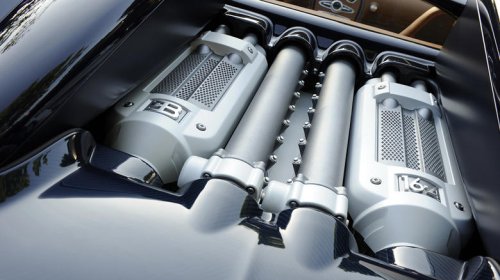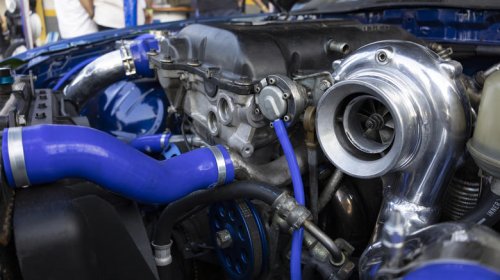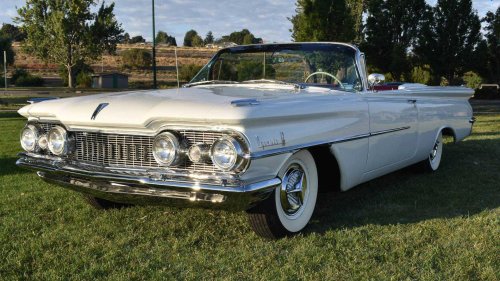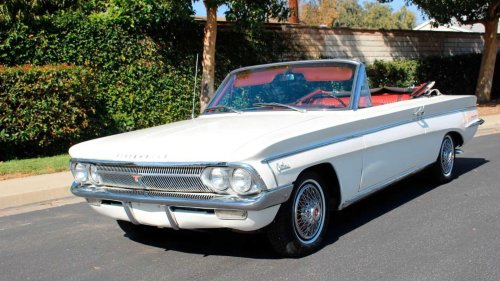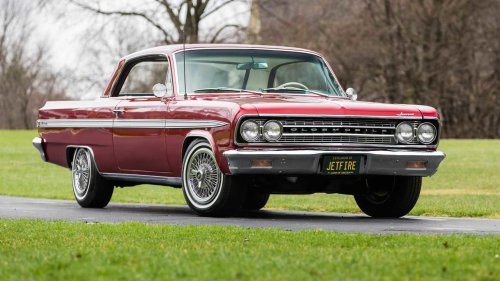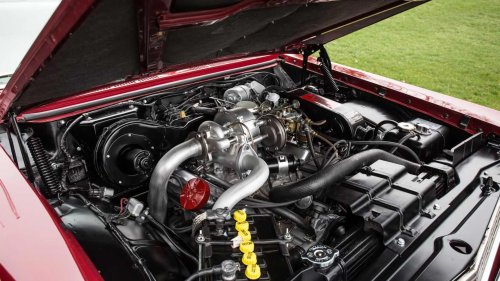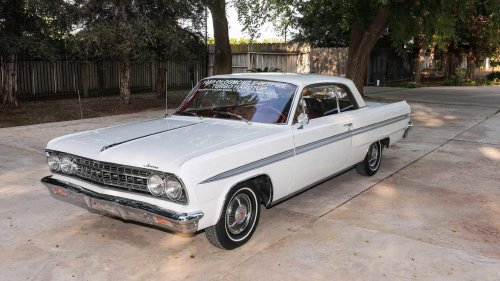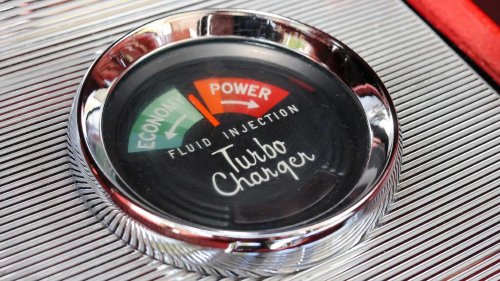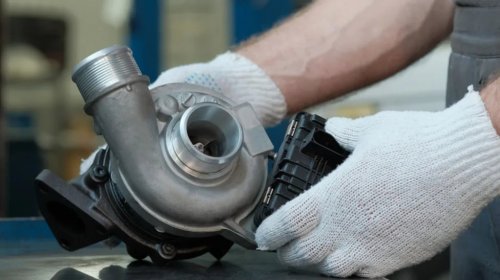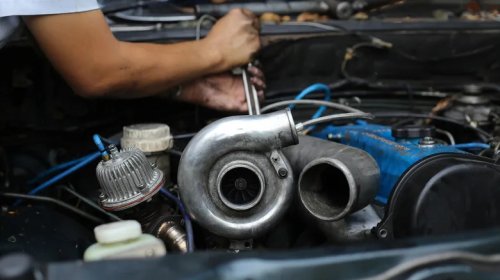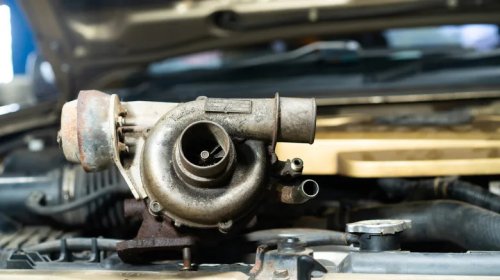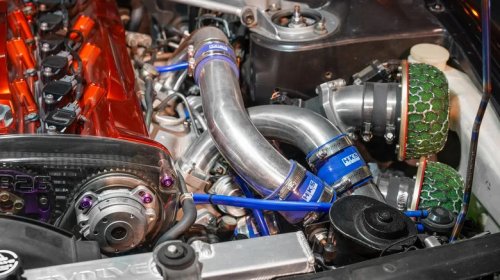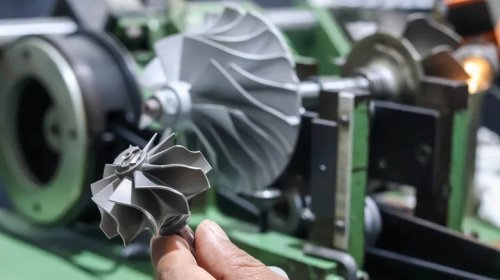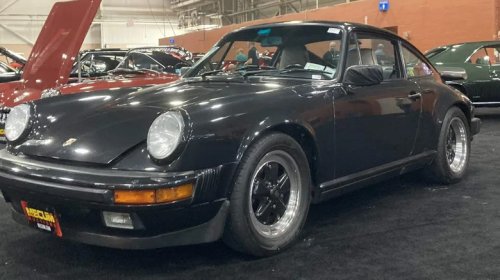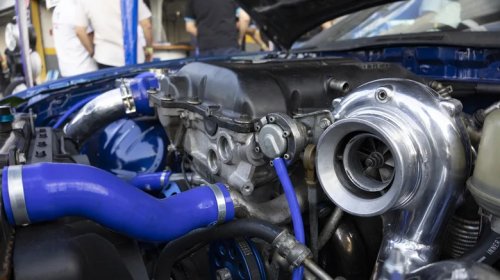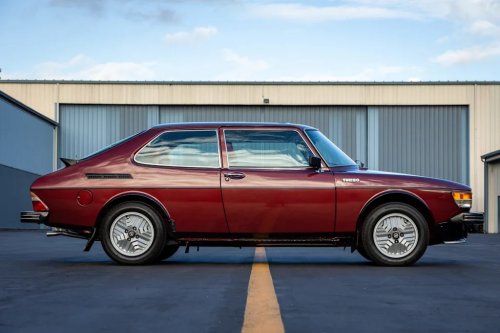
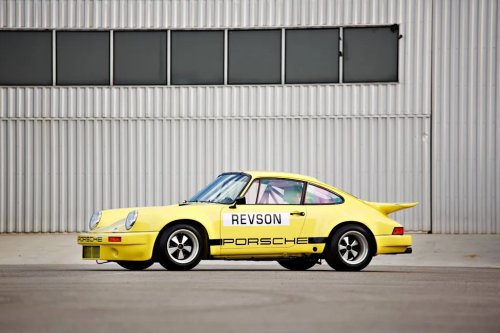
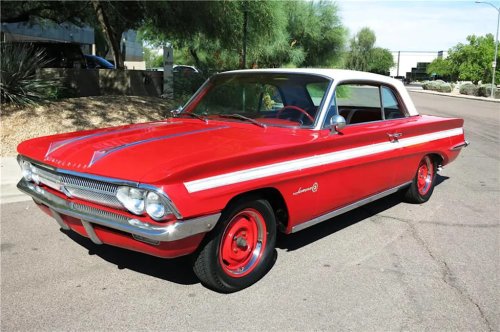
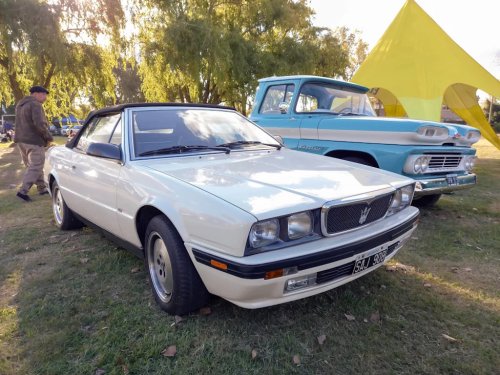
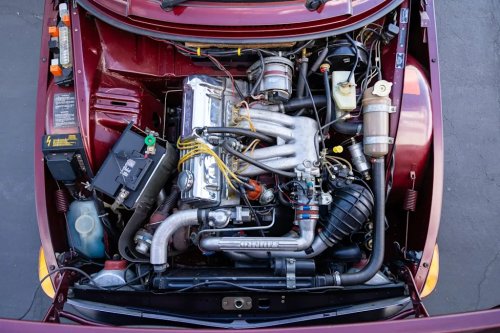
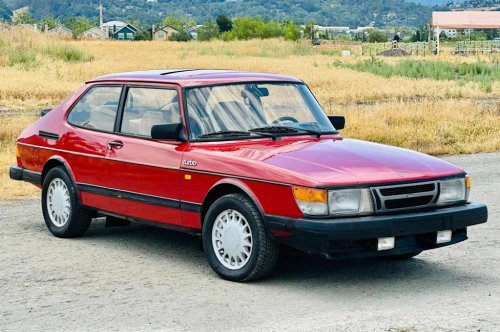
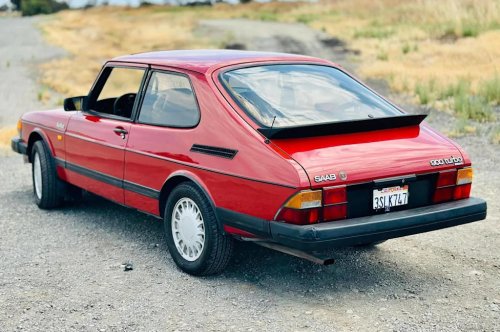
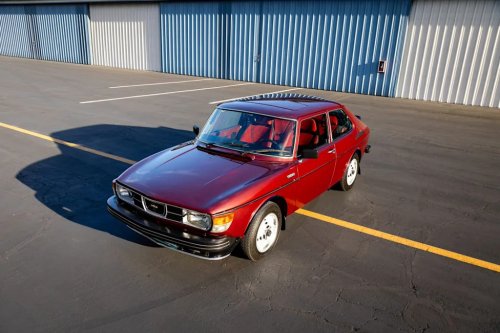



















Autoblog and Yahoo may earn commission from links in this article.There's no doubt that turbochargers have found their place in the mass-market side of the automotive industry. Through forced induction, automakers have managed to get more power out of smaller engines, making it easier to meet fuel efficiency and emissions standards. While turbochargers were once limited to high-performance vehicles, a Swedish car managed to prove they could be used in practical family cars as well.Bring A TrailerFrom Porsche to Saab to MaseratiAround the mid-1970s, turbochargers were largely limited to motorsports and exotic performance cars. While the technology clearly wasn't new, implementing it in a mass-produced gas engine without sacrificing reliability and practicality was a true challenge. In 1974, Porsche proved it was possible in what would become the 911 Turbo.Brian Henniker / Gooding & CompanyKnown then as the 930 Turbo, the car was the first of its kind to feature a boost pressure-controlled turbocharger, albeit with a price tag upwards of $25,000. With it, the 3.0-liter flat-six engine generated 256 horsepower and could accelerate to 62 mph in under 5.5 seconds. Just 2,850 examples of the 930 Turbo left the production line before Porsche introduced its successor, the 911 Turbo 3.3, in 1977.AdvertisementAdvertisementWhile the Porsche 911 Turbo wasn't the first of its kind, it solved many of the issues early turbochargers brought to the road. The 1962 Oldsmobile F-85 Jetfire, for example, holds its own as one of the first turbocharged production cars, but early turbochargers had no shortage of reliability issues, not to mention that the American public was averse to new technology to begin with.Barrett-JacksonPorsche wasn't the only automaker working on reliable turbocharging in the mid-1970s. Saab unveiled its own turbocharged car at the 1977 Frankfurt Motor Show. Led by engine development manager Per Gillbrand, Saab looked to turbocharging to offset the weight of their vehicles, which had only gotten heavier over the years, as well as offer relief amid the oil crisis. With some help from Garrett, a turbocharger manufacturer, the Swedish automaker developed a turbocharger fit for a smaller engine. The Saab 99 Turbo went to market for the 1978 model year, complete with a 2.0-liter turbocharged four-cylinder engine under the hood.Not long after Porsche and Saab implemented turbochargers, Maserati took the tech another step further. In 1981, Maserati introduced the Biturbo, the first production car powered by a twin-turbocharged engine. Sandro Leardini / Getty ImagesThinking about selling your car? Get an instant cash offer online now. Click here to get started.1978 Saab 99 Turbo specificationsWhen it arrived on the market for the 1978 model year, the turbocharged version of the Saab 99 proved to be much more potent than the non-turbo variant. Not only that, but it outperformed larger V8 and six-cylinder engines in pricier cars as well. On top of it all, the 99 Turbo could be had for a hair under $10,000 in the United States, effectively undercutting pricier German competitors.Bring A TrailerThe European version of the 99 Turbo arrived with a small Garrett T3 turbo and a wastegate that delivered mid-range power. When paired with the 2.0-liter four-cylinder engine, the powertrain generated 145 horsepower and 173 lb-ft of torque in Europe. The United States variant got a slight downgrade to 135 horsepower due to emissions regulations. The non-turbocharged version came with a similar 2.0-liter four-cylinder engine that produced up to 118 horsepower and 125 lb-ft of torque.AdvertisementAdvertisementWhile the standard 99 variant needed to hit high revs to produce power, the Garrett T3 turbo spooled early on, supplying power at around 3,000 rpm. That improved performance brought the front-wheel drive 99 Turbo to 60 mph in roughly 8.9 seconds. Comparatively, the non-turbo version took upwards of 11 seconds to reach 60 mph.In addition to a more powerful engine, the turbocharged model included several structural and cosmetic modifications as well. The 99 Turbo got a front air dam, rear spoiler, and unique Inca alloy wheels. Inside, a boost pressure gauge sat on the dashboard. Firmer springs and gas shocks in the rear came standard as well.Shopping for a new car? Click here to get a great deal on your next vehicle. Powered by Carvana, no haggle pricing, 100% online.The Saab 900 Turbo and beyondSaab built an estimated 6,376 examples of the 99 Turbo, with 4,233 units heading to the United States. While the Swedish marque's first turbocharged model didn't see crazy numbers rolling off the production line, it effectively established a platform that Saab could build on. Just one year later, the automaker introduced the 900 Turbo, a larger, more spacious car that shared the 99 Turbo's powertrain.Cars & BidsSaab continued improving its turbocharging technology throughout the next decade. In 1980, the Swedish manufacturer opted for a five-speed manual gearbox instead of a four speed. The following year, Saab switched out the engine for a lighter, more durable powerplant that would become the basis for Saab's turbocharging efforts going forward.AdvertisementAdvertisementIn 1982, Saab introduced Automatic Performance Control (APC), a system that effectively protected the engine from damage when a cylinder gained too much pressure. Not long after, in 1984, the Swedish manufacturer took another step forward, this time doing away with the two-valve-per-cylinder head for a more advanced 16-valve DOHC head that improved performance, intercooling, and more.Cars & BidsSaab continued innovating with the 900 Turbo for over a decade, with the last model rolling off the production line in March 1993. The automaker ultimately would go on to declare bankruptcy in 2011, leading to a changing of ownership and, eventually, going into hibernation mode to avoid another, and perhaps final, round of bankruptcy. Final thoughtsBring A TrailerPorsche may have proved that turbocharging could deliver exhilarating performance outside of motorsports and exotic cars, but it was Saab that demonstrated it could be done on more affordable production models. The 99 Turbo was just the beginning of Saab's foray into forced induction. The 900 Turbo that followed transformed the revolutionary concept into a practical approach in automotive development. While Saab no longer makes vehicles, the company's efforts in turbocharging continue to reverberate throughout the industry today.Disclaimer: Autoblog aims to feature only the best products and services. If you buy something via one of our links, we may earn a commission.AdvertisementAdvertisementThis story was originally published by Autoblog on Aug 31, 2026, where it first appeared in the Features section. Add Autoblog as a Preferred Source by clicking here.