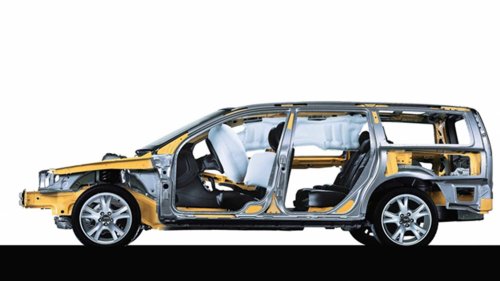
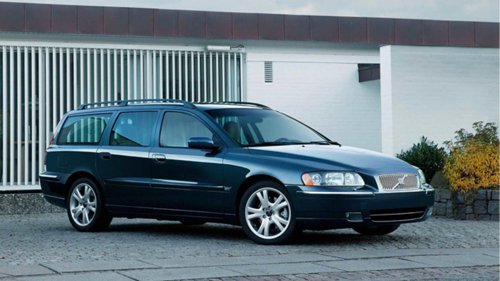
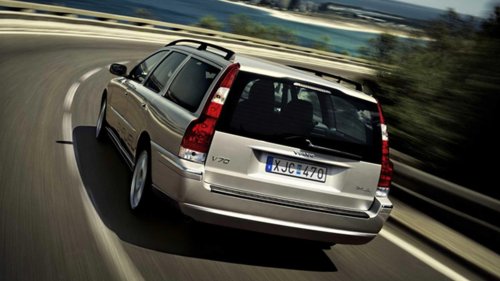
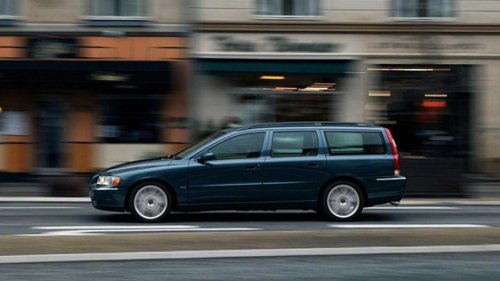

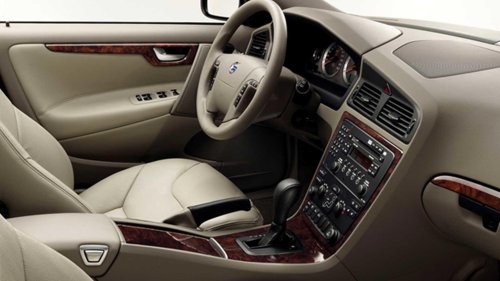



















While performance-focused vehicles are still built to be unique for the most part these days, many more consumer-focused cars have gravitated towards very similar technical makeups. With the rise of turbocharging and hybridization, the vast majority of brands have accepted that these are the best ways of combining power and fuel efficiency. As a result, finding vehicles with a different kind of engine at lower price points is very difficult.Spin the clock back 20 years, and things were very different. While some brands relied on turbocharged four-cylinder units, other manufacturers tried to stand out by using different engine configurations, which usually sported five or six cylinders. Volvo was a clear example of this, with the Swedish firm favoring using its traditional inline-five engine. Not only did it make a glorious and charismatic noise, it was also smoother than an equivalent four-cylinder powerplant. If having one in your life sounds like a party you'd like to attend, you'll be glad to know they're very affordable, as long as you focus your attention on the right place. A Used Volvo Wagon Affords You The Grace Of A Five-Cylinder VolvoWe reckon one of the best value-for-money ways of securing a Volvo-built five-pot engine is by opting for a facelifted second-generation Volvo V70, which was produced between 2005 and 2007. The facelifted car is vastly similar underneath compared to the pre-facelift offering, with the changes mainly covering a revised front end, as well as new rear lights that use clear covers to give it a cleaner and more modern look. There were also small cabin changes, with a new dashboard being joined by a trim that matched the vehicle's exterior color to give a more upmarket feel.The engines remained the same, however. While higher-end versions were offered with a turbocharged 2.5-liter inline-five, the more affordable entry-level variant got a 2.4-liter naturally aspirated variant of the powerplant. You got less power as a result, with 168 hp versus the 208 hp of the larger unit, though the car was at least 200 lbs lighter.It may have been set up to be softer than the more performance-geared versions of the model, but that reduced weight on the nose helped balance out the vehicle's inherent characteristics, even if only in a minor fashion. As far as the transmission is concerned, you have the choice of either a five-speed manual or automatic unit, which both help channel the engine's power to the front wheels. The Smaller-Engined V70 Was Also More Efficient Volvo The thing is, if you're looking at buying a V70 for family use, and aren't fussed about whether it can show a pair of tail lights to a hot hatch, the V70 2.4 could be the ideal compromise. The 170-hp unit still provides enough grunt to make overtaking and normal cruising straightforward and non-stressful, but all the while providing that soulful Volvo five-cylinder soundtrack. Speaking of which, the absence of a turbocharger means there is even less to pollute the noise, so there's even more depth to its song.Additionally, the lighter and less powerful V70 2.4 also drinks less fuel than its 2.5-liter counterparts. The difference isn't huge, with the former managing 31 MPG on average versus the 29 MPG of the latter, but you'll still have more cash left in your pocket once you've granted your Volvo a drink. A Used V70 2.4 Is Also Very Cheap VolvoBeing the entry-level version of the V70, the 2.4 is the least desirable variant of the model on the used market. This means depreciation has had a greater effect on it, which in turn ensures that used buyers can find some real gems for a great price. In fact, the average used sale price for the model currently sits at just over $5,000, which is pretty awesome value for anything with a five-cylinder powerplant lurking under the hood. Lower-mileage cars hold their value much better, primarily because so few remain out there.Being a family-focused vehicle, few V70 2.4s spent their time locked away in garages, and were instead out there ensuring their owners could live their best lives. Being 20 years old, that means the cars out there tend to vastly exceed the 100,000-mile mark. That doesn't mean they're on their last legs, but more careful examination of their service history is key to ensuring the car has been well looked after over the years.For the most part, around $5k will get you a tidy example with a clean title that sports between 115,000 and 150,000 miles on the clock. Cars with higher mileage than that can be found for as low as $3k, but these can be more of a gamble. Lower-Mileage Vehicles Still Offer Solid Value VolvoShould a lesser-traveled specimen speak more to your soul, you'll be pleased to learn that they aren't exactly bank-busters. Elevate your budget closer to the $8k mark, and you'll be able to find clean V70 2.4s with around 70,000 miles on the odometer. Pinning one down could take time and patience, but once you do, you'll have a bit of a unicorn on your hands. You won't have to give up much when it comes to creature comforts either, as the 2.4 gets much of the same standard equipment as its more expensive counterparts.While the 2.5 gets extras like automatic dual-zone climate control and powered front seats, the 2.4 still possesses a manually operated dual-zone climate system, cruise control, as well as a leather-coated steering wheel and shifter. If you can track down an example equipped with the optional Premium package, you'll get leather seats, wood trim, and an electronically operated sunroof thrown into the deal. Volvo's Used Five-Pot Wagon Brings Along Excellent Practicality VolvoOf course, when exploring a Volvo wagon, it would be rude not to point out just how much practicality they offer. The V70 2.4 affords up to 71.4 cubic feet of cargo space when the rear seats are lowered, which is an impressive amount when compared to the rivals it fought against in its prime. As an example, the Audi A6 Avant and BMW 5-Series wagon can only muster up 58 cubic feet of space in the same configuration.The Volvo is also pretty roomy in the passenger compartment, with just over 39 inches of headroom, 42 inches of front legroom, and 35 inches of rear legroom all provided. When combined with the machine's excellent build quality, which means it feels solid when static or on the move, it's a hell of a lot of car for the money. The V70 Isn't The Cheapest Wagon To Run VolvoFor the most part, the V70 is an interesting and appealing choice of family wagon, but there is a bit of a downside for those who want to run their car on a more modest budget. The V70 isn't the cheapest vehicle to keep singing the right song, partly due to the rather thirsty five-cylinder engine. They can also be fairly costly to maintain, with RepairPal reporting that you'll need around $644 a year to keep it running reliably.As far as common issues go, second-gen V70 2.4s don't suffer from as many common issues as their bigger-engined siblings, but there are still things to bear in mind before you buy. The front suspension components are known to wear out quickly due to having to deal with that heavy five-pot lurking in the nose, so listen out for any knocking coming from the front end when test-driving. The five-cylinder engines are also susceptible to oil leaks as they age, so take a glance beneath your potential future pride and joy to ensure it isn't leaving a puddle of the black stuff beneath it. Repairs can be labor-intensive to rectify, and therefore, costly.The V70 2.4 is a pretty solid proposition for the most part though, so find one that's been cherished by its previous owner, and you'll have a dependable family wagon on your hands. Plus, if you opt for one of these as opposed to a newer car that'll cost you significantly more from the outset, you'll have plenty of money left over to help keep it running smoothly for years to come. With the five-cylinder engine pretty much dead across the industry, too, you'll have a cheap and practical daily driver that has one of the most charismatic powerplants ever produced.