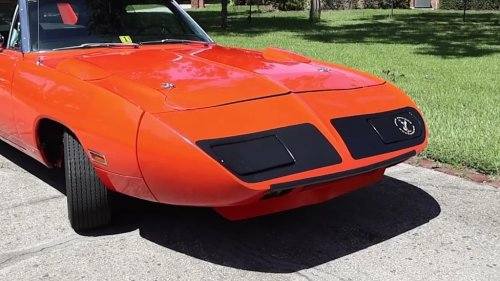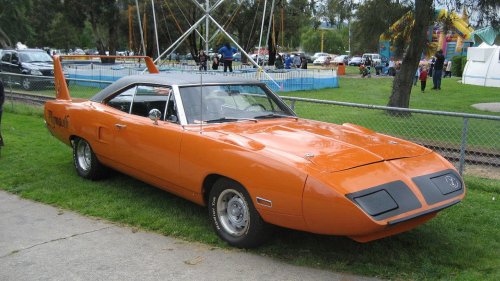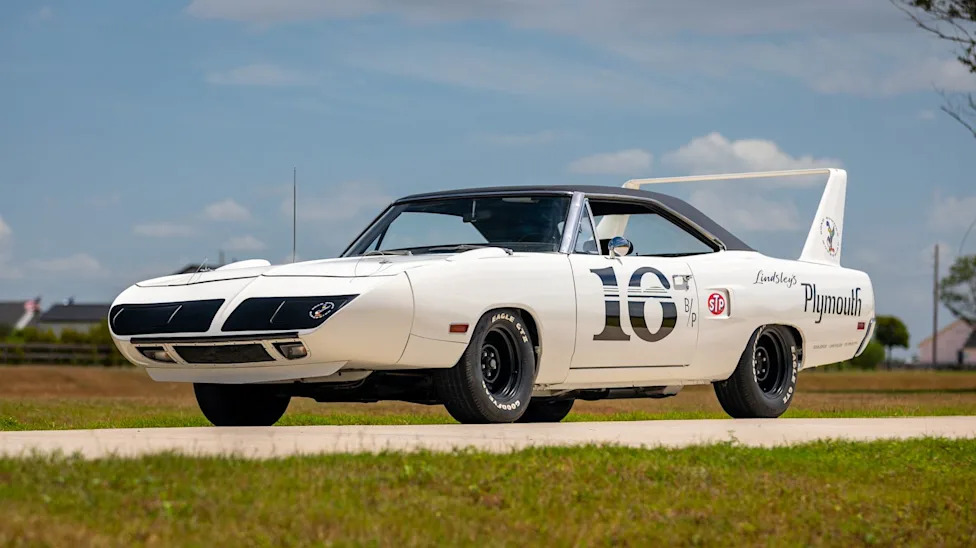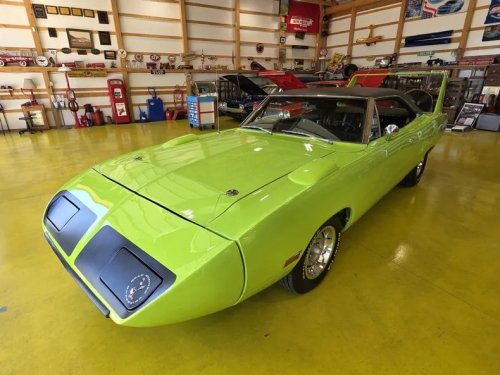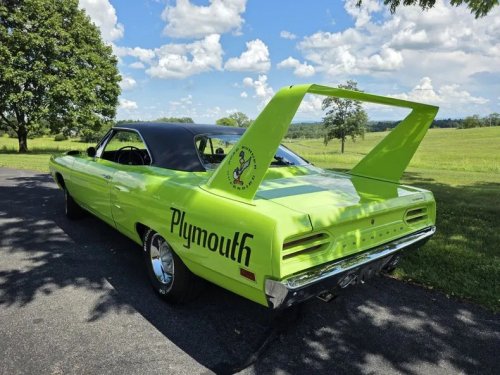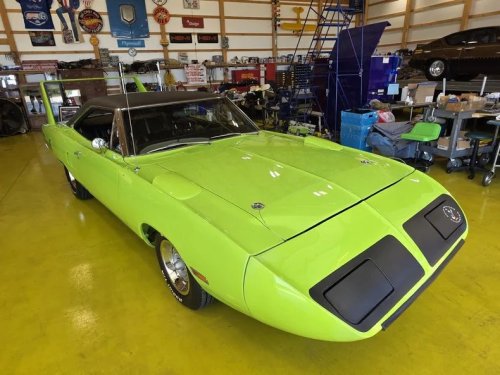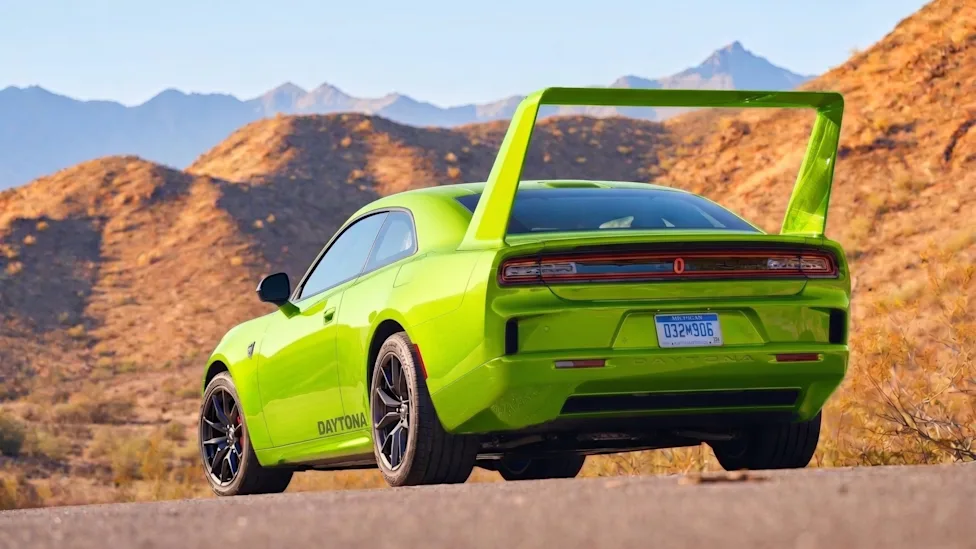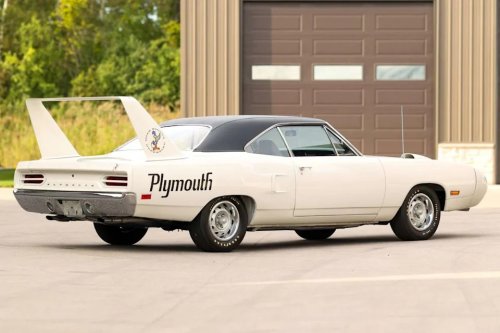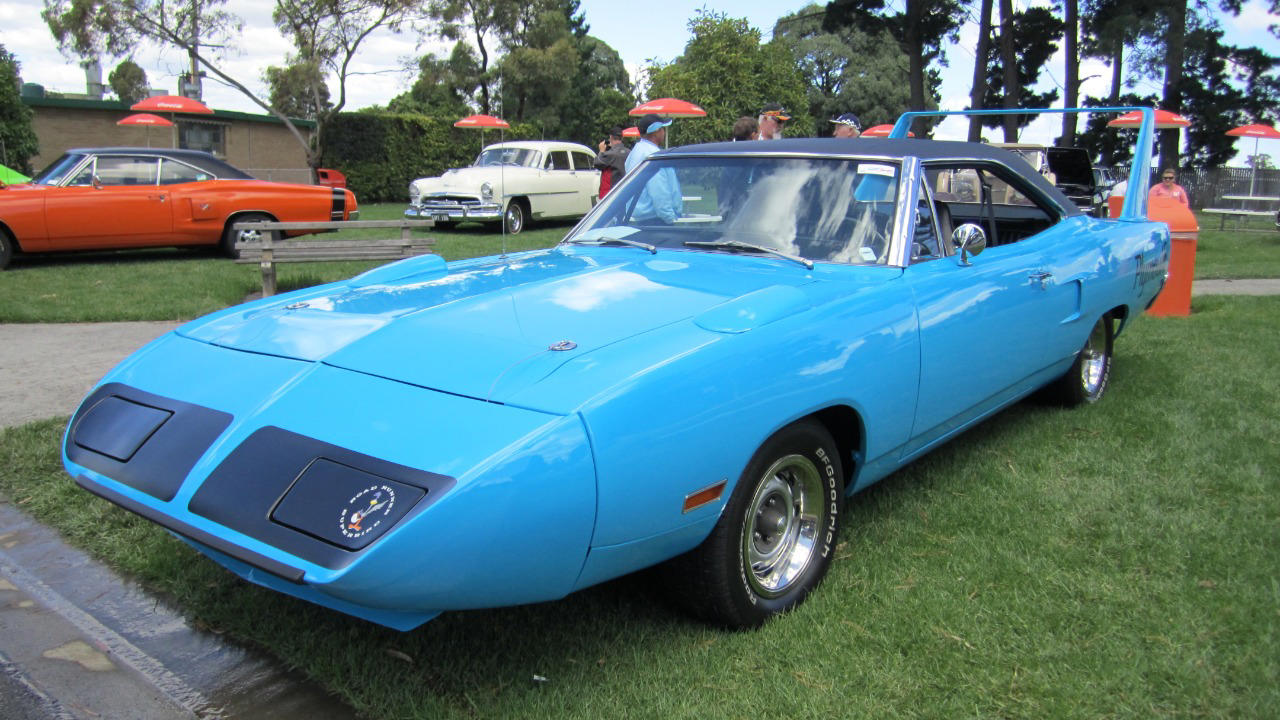



















That Superbird wing helped stabilize at speeds most cars couldn’t reachThe towering rear wing on the Plymouth Superbird looked like a prank in sheet metal, but it was built to keep a car stable at speeds most road machines could not dream of. What started as a NASCAR problem ended up as one of the most outrageous production cars ever to wear plates. That Superbird wing was not just decoration, it was a solution to a very specific high-speed nightmare. Born from NASCAR’s rulebook The 1970 Plymouth Superbird existed because NASCAR forced manufacturers to sell race hardware to the public. Homologation rules required Plymouth to build a street version of its aero car, which is why a limited run of the Hemi Plymouth Superbird reached showrooms with that same nose cone and sky-high spoiler. Period accounts describe the 1970 Plymouth Superbird as a muscle car created specifically to satisfy those stock car regulations. On the track, the Superbird was Plymouth’s answer to a problem that had started a year earlier. Dodge and Plymouth were being beaten by Ford, and Chrysler executives were tired of watching blue ovals dominate the superspeedways. Reports on how Plymouth developed the Superbird describe a direct response to Ford’s success and a determination to build something faster than the rival camps in Dearborn. The program had another target as well. Richard Petty had left Plymouth for Ford after disputes over support and performance. The Superbird project was designed to lure Petty back, and it worked. Coverage of the car’s origins notes that the Plymouth Superbird was designed to conquer NASCAR and to bring the star driver home to the Mopar camp. Why did the wing have to be so big? At highway pace, the Superbird’s rear spoiler looks absurdly tall. At racing speed, that height starts to make sense. The nose cone and extended front sheet metal generated significant front-end stability and downforce, which created a new problem at the rear. Without a matching force on the tail, the car would feel light and nervous at the very speeds it was built to reach. Engineers responded with a massive aluminum structure that towered above the decklid. Enthusiasts often repeat a myth that the wing was raised simply so the trunk could open, but detailed comparisons of the Dodge Daytona and Plymouth Superbird explain that the Wing height was not for decklid clearance. Some observers have even fixated on the figure that these wings were 23.5 inches tall, but the real purpose was to get the aero surfaces up into cleaner air, above the turbulent wake coming off the roof. Placing the airfoil that high allowed it to work like a real wing instead of a styling exercise. The structure was tied deep into the rear quarters, not just the trunk skin, so the load could transfer into the chassis. One veteran mechanic on a popular discussion board described what happens if those internal supports are missing, recalling that at high speed, the spoiler can literally wrinkle the rear fenders. His comment began with a blunt Yes when asked if the spoiler did anything, and he added that forgetting those braces was an expensive mistake. That is real downforce, not a bolt-on accessory. Aerodynamics by the book, not by guesswork The Superbird did not appear out of thin air. Chrysler had already used wind tunnel work and even missile division expertise on the Dodge Charger Daytona, and Plymouth benefited from the same data-driven approach. Historical overviews of these cars recount how Dodge engineers brought in specialists from Chrysler to refine the nose cone and wing combination so the cars could dominate superspeedways. The pointed front end was not just a styling cue. Museum descriptions of surviving cars emphasize that the pointed nose cone was designed to minimize drag so the Superbird could slice through the air more efficiently and reach speeds that conventional muscle cars could not touch. Social media posts from restorers and drivers echo that assessment, describing how the extended pointed front reduced drag and helped the car cut cleanly through the air. One widely shared explanation of the rear spoiler’s performance estimates that the wing produced about 200 pounds or more of downforce at racing velocities. A technical answer on a popular Q and A site notes that the Superbird wing was correctly shaped and angled to create downforce and that it probably generated roughly 200 pounds or more at 200 miles per hour. That figure, while approximate, gives a sense of how much load the structure was carrying when Petty and his peers were flat out. Another discussion among racing game fans pushes back on the idea that the car had no rear grip at all. One detailed reply insists that the wing was designed for functionality, specifically to balance the front downforce increase from the nose cone and to stabilize the car in high-speed banking. Petty, Ford, and the politics of speed The Superbird story is also a story about people. Richard Petty was the sport’s biggest star, and his move to Ford stung Plymouth. The company needed a car that could match anything from Dearborn and a package dramatic enough to convince Petty that the future still lay with Chrysler. Historical summaries of the program describe how Charlie Grey, director of the Ford stock car program, worried about the optics of losing Petty. Grey reportedly felt that hiring Petty would send the message that money rules none, a line that appears in the Plymouth Superbird entry when recounting the rivalry. However, the move happened and the pressure on Plymouth intensified. The Superbird answered that pressure with raw speed. Video features on the car stress that in 1970 Plymouth was not messing around and that the brand wanted to dominate NASCAR and lure Richard Petty back to the fold. One clip even brands the duo of Dodge Daytona and Plymouth Superbird as THE WINGED WARRIOR, a label that has stuck in enthusiast circles. Another short reel introduces the car with the line Meet the 1970 Plymouth Superbird and calls it the car so fast NASCAR literally had to rewrite the rulebook to stop it, adding that in the late 60 and early 70s the sanctioning body was reacting to speeds that felt out of control. Petty did return, and his blue Superbird became a fixture at the front of the field. The combination of the aero package and his driving skill produced results that forced NASCAR officials to rethink how far they would let manufacturers push aerodynamics. Too quick for comfort By the time the Superbird hit full stride, NASCAR officials had started to worry that the sport was moving into experimental territory. Reports on why the car was eventually limited describe the Superbird and its cousin, the Daytona, as simply too effective. The same source that details Superbird and Daytona development explains that Ford rivals were being left behind and that the speeds on the biggest ovals were climbing into a range that scared regulators. NASCAR responded with rule changes that targeted wheelbase, engine displacement, and aero devices, effectively ending the factory wing car wars after a brief but spectacular run. One popular breakdown of the Superbird’s legacy sums it up with a simple line: the car was so fast NASCAR had to change the rulebook. That regulatory backlash is part of why genuine Superbirds are so rare and so revered today. From race tool to cultural icon On the street, the homologation specials were not always loved. Some buyers thought the pointed nose and tall spoiler made the car totally goofy looking, a phrase that appears in a discussion about a Plymouth Superbird wasting away outside in snow. The same thread calls it Odd that such a machine could sit outside for years while the body stayed mostly rust free, a reminder that not everyone saw future seven figure auction results when these cars were just used muscle. Today, the styling that once looked cartoonish has become a selling point. One enthusiast clip calls the Plymouth Superbird the most famous beebeep in the world and thanks a collector for preserving an example, then asks viewers to remember that guy, The Roadrunner, tying the car back to the Warner Bros character that inspired the original Plymouth Road Runner name. That video, which labels the Plymouth Superbird with a heart emoji and a Roadrunner reference, shows how the winged car has moved from controversial race weapon to nostalgic pop culture object. Another recent feature begins with the line The Legend of the Winged Warrior and notes that when a Plymouth Superbird appears in public, the first thing people see is that towering rear wing. A separate social media clip simply calls the car THE WINGED WARRIOR and shows how crowds still gather around the nose cone and spoiler combination at modern events. How the aero feels in real use Owners who actually drive these cars on the road give some of the clearest testimony about the hardware. One builder and television host shared footage of a bright orange example being used hard, remarking that the Plymouth Superbird was designed to be fast and that with its massive rear wing and pointed nose it looked more like a fighter jet than a car. He added that the wing was not just for show, it helped the car stay planted when used the way it was meant to be used. Another enthusiast reel about the 1970 Plymouth Superbird highlights the way the extended pointed front reduced drag and helped the car slice through the air at high speeds, while the Giant Wing mounted extremely high at the rear provided the necessary stability. The caption for that clip even capitalizes The Giant Wing Mounted as if it were a character in its own right, which is fitting for a piece of metal that has become a star. The legacy of a “too much” solution Looked at through modern eyes, the Superbird is an almost comically extreme answer to a clear engineering problem. Plymouth needed to stabilize a car at speeds where most street machines never operate. The solution involved a nose that turned the front of the car into a wedge and a rear wing that stood taller than some children. Yet the combination worked, and it worked so well that the sanctioning body stepped in. More from Fast Lane Only Unboxing the WWII Jeep in a Crate 15 rare Chevys collectors are quietly buying 10 underrated V8s still worth hunting down Police notice this before you even roll window down