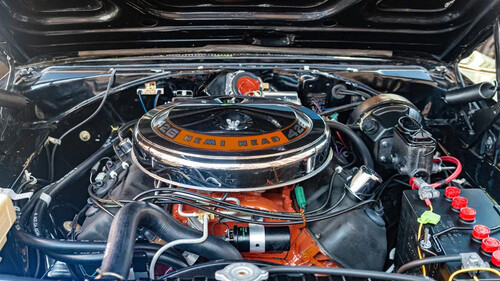
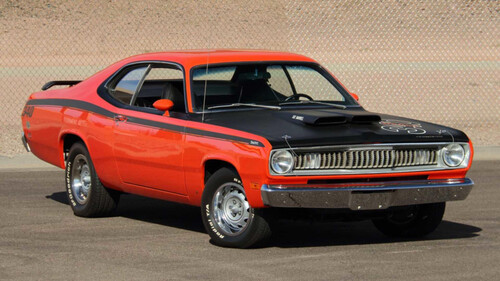
Leo Green · 1 years ago@leogreen25The best big block of the smog era Liked by+9 othersChevroletChryslerFortune 500MoneyPost commentRelated PostsThese Once-Common Sedans Have Nearly Disappeared From The Streets 25 · Noah King · 27 days agoThis Stunning 750HP Garage-Built '68 Chevelle Was Once A Fire-Damaged WreckGabriel Turner · 12 days ago20 American classics most drivers have never seen in person 31 · Carter Anderson · 27 days agoIIHS Launches New Attack In War To Make Heavy-Duty Trucks And Cargo Vans Less DeadlyEmma Lewis · 12 days ago7 big-block V8s worth more than most owners realize 27 · Mia Fortin · 27 days agoGM Is Yanking the Silverado 1500 Out of Canada, and Oshawa Is Going All-In on Heavy-DutyZoë Clark · 12 days ago20 cars that became symbols of the middle class 15 · Aiden Lavoie · 28 days ago1970 Dodge Challenger T/A: Collector Spec SheetGabriel Carter · 12 days ago30 classic muscle cars from the golden age of American horsepower 53 · Aiden Hall · 1 months ago4 Of The Biggest Drawbacks Of Driving A C8 CorvetteGabriel Johnson · 12 days ago8 big-block V8s so powerful they got outlawed 88 · Benjamin Mitchell · 1 months agoThe $18.7 Million Corvette Grand Sport Repriced a Car, Not a MarqueIsabelle Lewis · 12 days agoThe most important concept cars ever created 57 · Emma Macdonald · 1 months ago7 Cars With Lease Deals That Cost Less Than $300 Per MonthGabriel Côté · 13 days agoThe wildest cars ever made 34 · Owen Pelletier · 1 months agoWhat Makes A Corvette A Stingray?Madeleine Campbell · 13 days ago5 Of The Most-Driven Family Vehicles In 2026, According To iSeeCars 62 · Evan Wilson · 1 months agoBig Trucks And Vans Struggle To Avoid Crashes, Says IIHSChloé Wilson · 13 days agoThe world’s most influential cars 62 · Justin Leblanc · 1 months agoIIHS Says Cargo Vans And Heavy-Duty Trucks Are Failing Crash Avoidance TestsNicole Walker · 13 days ago




 +9 others