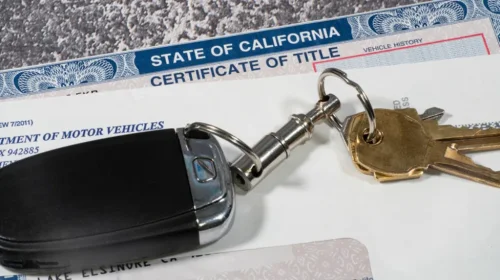
Maybe you are new to vehicle ownership, or maybe you just want some more information about car titles, but whether you have a sports car, pickup truck, SUV, sedan, or sports sedan meant for on-road use, keeping your car title in order is one of the main document-related tasks you need to know about to make sure you stay legal.Every road-going vehicle needs a title, but there is more to it than just putting your name and registration number down on a piece of paper. So, we are taking a look at what a car title is (you may have heard of them being called pink slips before), what different vehicle titles mean, what a car title looks like, what each vehicle title means for you, and how to replace damaged or lost car titles. What Is A Car Title, And Why Do They Matter? 3/4 front view of 2025 Ram 1500 LimitedTo stay legal, regardless of what vehicle you use on the road in America, it needs a title. A car title, also known as a "pink slip", is effectively your vehicle's birth certificate and proof of ownership all rolled into one. Issued by the Department of Motor Vehicles (DMV) or similar state agency, it records who legally owns a vehicle, whether there is a loan on it (or, has a "lien" on it), and if the car has any major history you should know about (like having been totaled or rebuilt).When you drive away in a vehicle, new or used, ownership isn't official until the title is transferred to your name, and it is also needed when you want to sell, register, or insure your vehicle. It is worth noting, though, you won't officially have the title in your name until any lien has been removed or any loans on the vehicle have been paid off. In essence, it is effectively one of the most important documents you need to keep your vehicle legal. Key Information Found On A Car Title Even if you are driving one of the most expensive cars on earth, a car title doesn't look flashy; it is understated in its importance though. It is usually printed on secure, watermark-protected paper, about the size of a standard sheet, and varies slightly in design and color; it can either be pink (hence the "pink slip"), green, or blue, depending on where you live or where your car title is registered.You'll find different sections on a car title and they include:Top Section. This section usually includes the state name, title number, and issue date. Middle Section. This section will display your vehicle's details, like the VIN (Vehicle Identification Number), model year, model, body type, and sometimes the odometer reading at the time of registering. Branding Area. If your vehicle has a branded title (like "salvage", "rebuilt", or "flood") it will be noted here - usually in a dedicated box. Signature Sections. This area is for both the seller and buyer, and is sold during a title transfer. You'll also find your details on the car title (if you own the vehicle), which includes name and address. If multiple names are listed, it means the car is in joint ownership. Lien information is also included on the car title, which shows if the vehicle is being financed and if there are any outstanding loans to be paid for the vehicle. Why A Car Title Is So Important Not only does a car title tell you who owns a vehicle, but it is the legal proof you need to show that your vehicle is legally yours. Without a title in your name, you don't officially own the vehicle, even if you have paid for it, and if a title isn't properly signed over, then you may have problems registering your vehicle, insuring your vehicle, or proving ownership.A car title also protects you from fraud because it notes if a vehicle has been declared as a loss, stolen, flooded, or rebuilt, so you can see when you're buying a vehicle if you are buying something that has any hidden dangers. One of the most important things that a car title allows you to do, though, is being able to register it with the DMV and insure it. Types Of Car Titles You Should Know About Toyota Not all car titles are created equal; some tell you the vehicle is clean and road-ready, while others come with some red flags. So, when you are looking at buying a used vehicle, it should be part of your used car buying checklist to make sure you're not buying something that you don't want. Clean, Salvage, Flooded, And Rebuilt Titles Explained There are a few different types of car titles and those include "clean titles", "salvage titles", "rebuilt titles", and "flooded titles", with each denoting the status of the vehicle in the title. A "clean title" means the vehicle hasn't been declared as a total loss by an insurance company and has no major accident or damage history. The vehicle may still have had minor repairs, but it hasn't been "branded" in any warnings."Salvage titles" are issued when a vehicle has been damaged severely enough from an accident, theft recovery, or natural disaster, that an insurer deems repairs not worth the cost of the car. These titles are often issued when repair costs exceed 70-80 percent of the vehicle's market value, and, unfortunately, mean the vehicle can't be registered, insured, or driven until it has been repaired properly."Rebuilt titles" show that a vehicle has been professionally repaired and passed a state inspection post-repair, and show that the repair carried out makes the vehicle legal to drive and register. This status will permanently stay on the title, and does make potential buyers and insurance companies view the vehicle with caution, but it is just the necessary thing to give a clear view of the vehicle's history. Lastly, "flooded titles" show that the vehicle has been significantly damaged by water, such as in a hurricane or flood.Even if the vehicle runs fine after sustaining water damage, things like the electrical system, engine components, and safety features can be affected, hence the title. Many states require this title, and it makes the vehicle risky to buy, even if it has been repaired, and may make the vehicle un-insurable or disallowed to be resold in some states. How Title Status Affects Buying Or Selling If you are looking at buying a used vehicle, it is very important that you look over the title to make sure you're not buying something that could possibly be un-insurable, but if you own a vehicle that has been branded anything but clean, it could also affect how much you get for it on the used market, even if you own a rare or interesting vehicle.Clean-titled vehicles offer the best resale value, are easier to finance, and offer less hassle with insurance companies; salvage-titled vehicles can lose some of their value because of the risk involved, and are more difficult to finance and insure; and rebuilt-titled vehicles, even though they are legal to drive, are considered by many as a red flag by some owners and insurers, who a lot of the time will only offer limited insurance coverage.Flooded-titled vehicles are the most risky to buy (so some of the hardest to sell), since water damage can be deceptive and lead to long-term corrosion, mold, or electrical problems. These vehicles are commonly sold in "as-is" condition and are some of the hardest to insure or resell outside of salvage auctions, even when they've been cleaned up. Handling Car Titles The Right Way Chase Bierenkoven | TopSpeed Whether you are buying, selling, or just managing your vehicle's paperwork, handling a car title is essential. It's your legal proof of ownership and the key to registering, insuring, or transferring your vehicle. Mistakes in titles can lead to costly problems, denied registrations, or even legal issues.From transferring a title after a sale to replacing one that's lost or damaged, knowing how the process works will alleviate a lot of stress and time, so, fortunately, most states make it all a fairly straightforward process. How To Transfer A Car Title When you sell a vehicle, you will have to transfer the vehicle ownership title to the new owner, and when you buy a vehicle, the title will be transferred to you. The process does vary slightly by state, but the basic steps are the same across the board. First, the seller must sign the title over to the buyer; this usually includes filling in the odometer reading, sale price, and date of sale. In some states, these signatures must be notarized, so it is a good idea to check your local DMV requirements before handing over the title to anyone.Either whoever you sold your vehicle to, or yourself, will have to take the signed title to the DMV (or do it online, if you can) to apply for a new title in the correct name. You will also have to submit a completed title application, present a valid ID, and pay a title transfer fee. If the vehicle was financed, the new title will include the lender (or whoever you are getting finance from) as a lienholder until the loan is paid off.Once the title is processed and issued in either your name or in the new owner's name, registration and insurance can be sorted. When you get a new vehicle, if you sell a vehicle, you should complete the title transfer as soon as possible as delays can lead to fines, complications with registration, or even legal disputes over ownership. What To Do If Your Title Is Lost Or Damaged We know it happens, and it is one of those things that is extremely annoying because of what you need to do afterward, but losing or damaging a car title isn't the end of the world because they can be replaced. Replacing a car title is fairly simple and typically handled through your state's DMV office.You'll need to complete an application for a duplicate title, which will require your name, address, the vehicle's VIN, and details to confirm your ownership, and depending on where you live, this can be done online, by mail, or in person. You are also going to need a valid photo ID and replacement fee, which is usually from $15 to $50.If your vehicle's title was damaged (torn, illegible, or water-damaged), the DMV treats it the same as a lost title; you'll still need to request a duplicate. You should also know that if you are paying off your vehicle and there's an active lien on the vehicle, the lienholder may be asked to initiate the request or give written authorization for you to do it. Once the replacement is issued, make sure you keep it safe, but avoid leaving it in your vehicle, where it could be lost or stolen, and remember that the title is key to selling, transferring, and legally owning your vehicle.





















 +20 others