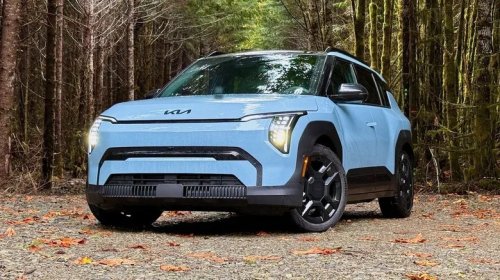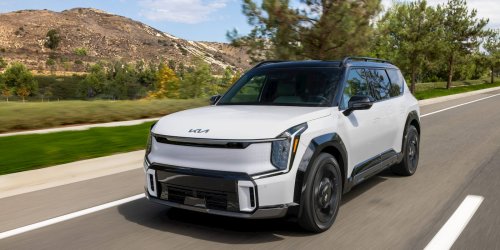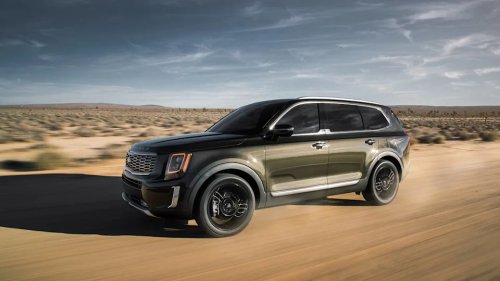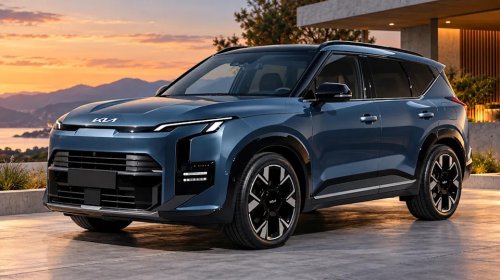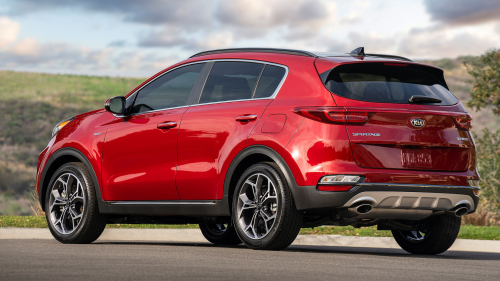
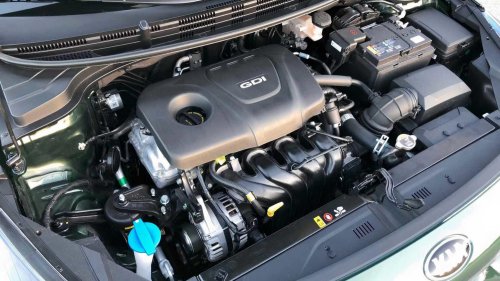



















Kia has promoted its industry-leading warranty as one of the biggest reasons to choose its cars and SUVs for years. The automaker's bold claim of 10 years/100,000 miles of coverage makes shoppers assume that it means a decade of worry-free driving with almost every repair included. At face value, that solid warranty sounds unbeatable, especially compared to the three- to five-year coverage that most other automakers offer. But as with most things in life, things can look a little different when you read the fine print.Kia's warranty is definitely longer and broader than the industry norm, but it also comes with some limitations and differences that buyers don't realize until later. For example, coverage changes dramatically once the vehicle is sold to the second owner. Some items aren't even covered at all, even under the bumper-to-bumper protection. And while Kia also offers extended service contracts, those come with trade-offs as well.Understanding the details of what Kia's warranty includes can help you make a more informed buying decision, whether you're shopping for a new Kia, a used one, or debating whether an extended warranty is worth the extra cost.In order to give you the most up-to-date and accurate information possible, the data used to compile this article was sourced from various manufacturer websites and other authoritative sources, including ConsumerAffairs and MarketWatch. Kia Warranty Coverage Kia has built up a solid reputation for producing some of the most value-driven cars and SUVs in the market. Some of this value rests heavily on the South Korean brand's warranty, which is one of the longest in the auto industry. Every new Kia vehicle comes with a 5-year/60,000-mile bumper-to-bumper New Vehicle Limited Warranty that covers more vehicle components and systems for up to 60 months or 60,000 miles from the original in-service date.Owners also get five years and unlimited miles of roadside assistance for towing, lockouts, and flat tires, in addition to five years or 100,000 miles of corrosion protection for rust-through on body panels. There is even a Trip Interruption Policy, which reimburses the owner for meals, lodging, and rental car expenses that should occur if "warranty-related disablement" happens more than 150 miles from the owner's home.Kia will repair rust that eats through a body panel, but surface rust or cosmetic blemishes won't qualify. Additionally, road hazard damage, like bent wheels from road imperfections, is not included.This goes beyond the three-year/36,000-mile warranty offered by rival brands like Toyota or Ford. Compared to competitors, Kia's warranty package clearly stands out. Only Hyundai (Kia's corporate sibling) offers something similar, while most mainstream automakers fall short of coverage length. Even luxury brands only offer up to four years on their bumper-to-bumper warranties.However, the warranty is not an unlimited safety net. Keep in mind that the coverage starts on the in-service date, not when you buy the car, if it's pre-owned. Owners must also follow Kia's maintenance requirements to stay eligible. So, while Kia's warranty is long and robust, the details really matter, especially when it comes to ownership changes, exclusions, and other points only covered in the fine print. Kia Extended Warranty CarBuzz When the factory warranty expires, the owner is responsible for any repairs, unless they purchased an extended warranty. Kia offers "Vehicle Protection Plans" that extend the car's coverage up to 10 years/120,000 miles, depending on the package that is chosen. These plans are honored at any Kia dealership nationwide and cover mechanical failures and wear-and-tear items like headlamps, brake pads, batteries, and more.The main advantage of having an extended warranty is peace of mind. Major ticket items like air conditioning, suspension parts, and electronics can cost thousands out of pocket. Even a simple key replacement can cost hundreds of dollars. But with an extended warranty, drivers won't need to worry about these expenses when the factory warranty runs past the five-year/60,000-mile mark.On the flip side, extended warranties can be pricey. ConsumerAffairs notes that most Kia extended warranties can cost around $2,000, but it can vary depending on the car. That might not sound bad, considering the cost of the warranty can pay for itself with one or two major repairs, but it's worth noting that many drivers never end up using the warranty, which can make that initial cost feel like a waste.For Kia buyers, the extended warranty makes sense if they plan on long-term ownership, racking up miles quickly, or simply knowing that major repair costs won't come as a surprise. Kia Warranty Second Owner Kia Here comes the fine print. Although Kia heavily advertises its 10-year/100,000-mile powertrain warranty, it only applies to the original owner. Once the car is sold, the warranty reverts to the five-year/60,000-mile timeframe from the original purchase date. That means the second doesn't get the full decade of coverage, even if the vehicle doesn't have that many miles racked up on the odometer.Other warranties, like the bumper-to-bumper warranty and corrosion protection, also begin at the original in-service date. The second owner will inherit what's left of the warranty, not a fresh warranty term. In order to benefit from this, buyers must ensure the warranty transfer is completed with Kia, usually by submitting a proof of ownership and a transfer form.For used Kia shoppers, it is smart to verify warranty status before buying the car. A dealer can confirm the warranty coverage with the VIN. It's also wise to check maintenance records, since skipping scheduled maintenance or using non-OEM parts can void a warranty. While Kia's warranty does not benefit second owners, it still offers better coverage than many rivals. Knowing how much of a warranty is left can avoid disappointment, and it can even be used as a point of negotiation when buying a car. Kia Powertrain Warranty CarBuzz The 10-year/100,000-mile warranty is Kia's strongest selling point. This warranty covers the engine, transmission, and drivetrain, but it's limited to the original owner. These are the most important and most expensive items to repair, making this coverage a major advantage over competitors, most of whom only provide up to five years or 60,000 miles' worth of warranty.For Kia owners who plan to keep their car for more than a decade, this warranty provides real assurance for expensive repairs. Second owners get the short end of the stick, however, as the coverage shrinks to five years or 60,000 miles, which aligns with the industry standard.Another caveat with this warranty is that in order to keep it valid, owners must keep up with Kia's recommended maintenance schedule and retain service records. Skipped services, dashboard lights, and modifications can all void the warranty as well. What Is Not Covered by Kia KiaFor all its appeal, Kia's warranty has its limits. Common items excluded from the warranty coverage include wear-and-tear parts like brake pads, tires, wiper blades, and filters, in addition to routine maintenance like oil changes or fluid flushes. Damage caused by accidents, misuse, environmental factors (hail, floods, and salt), or modifications is also not covered.The corrosion protection has its limitations as well. Kia will repair rust that eats through a body panel, but surface rust or cosmetic blemishes won't qualify. Additionally, road hazard damage, like bent wheels from road imperfections, is not included.Owners are also responsible for following Kia's maintenance schedule. If you don't have the receipts to prove that you changed the oil on time, as well as other required services, the warranty claim may be denied. Also, using non-OEM parts or having unauthorized repairs done may get a claim denied as well.In short, Kia's warranty is generous, but it's not as all-encompassing as you might think. Ultimately, the fine print matters. To avoid any problems, Kia owners should read all the exclusions, follow the service schedule for their cars, and keep every receipt. It's an arduous process, but doing so ensures that Kia honors the warranty if a problem comes up.