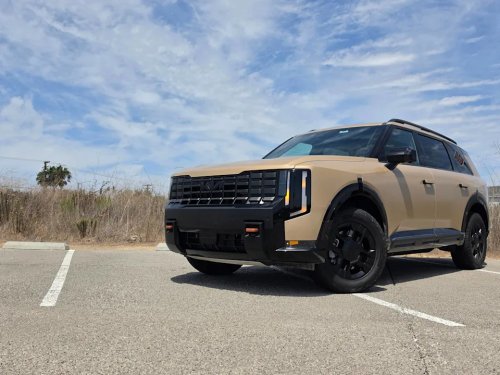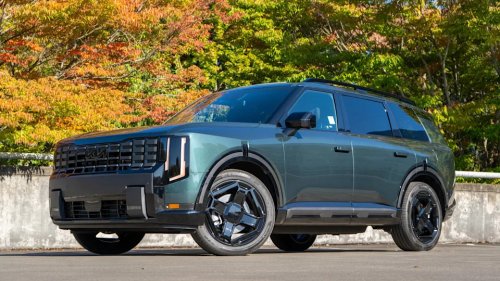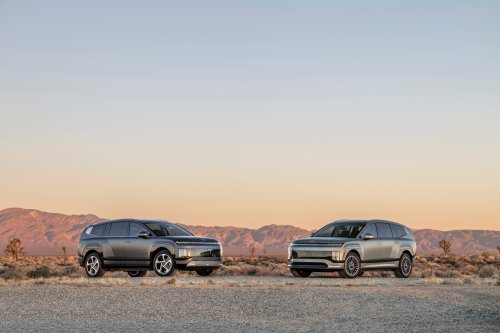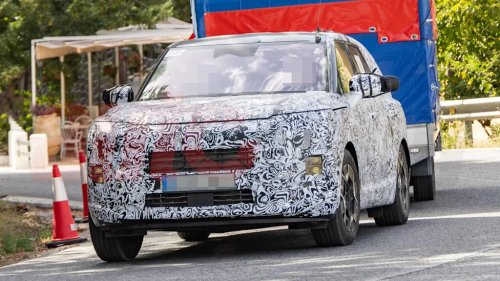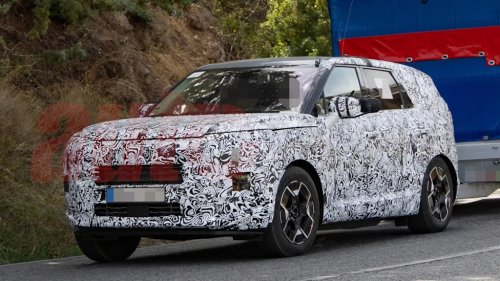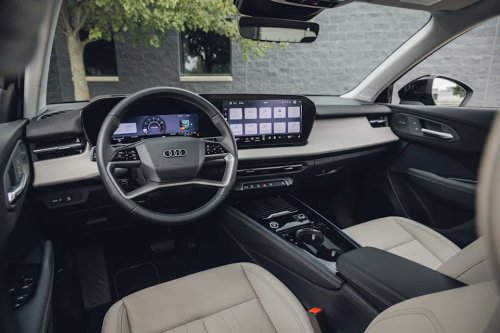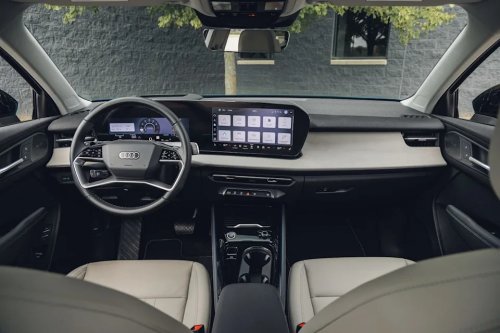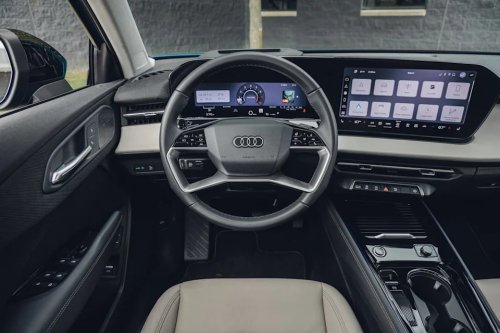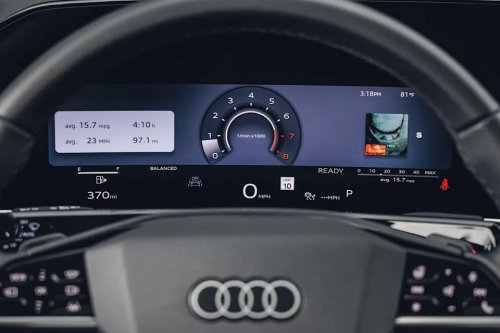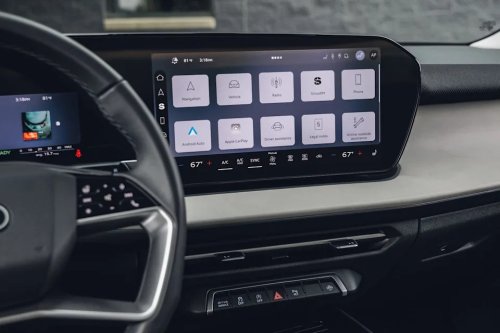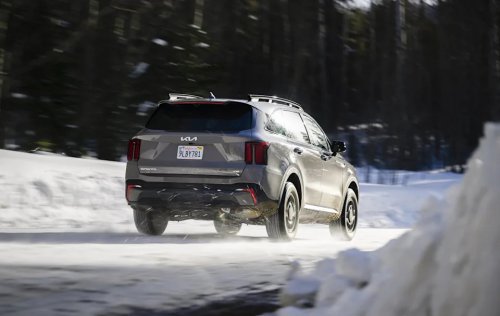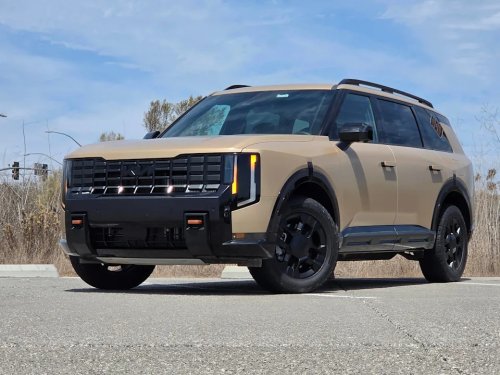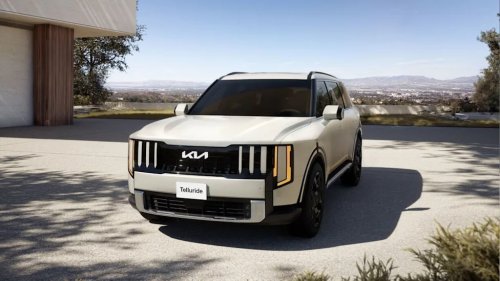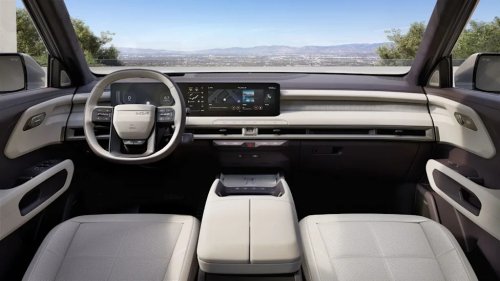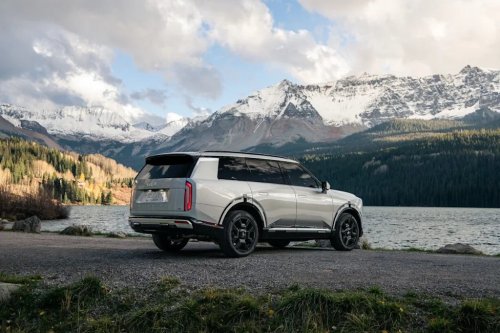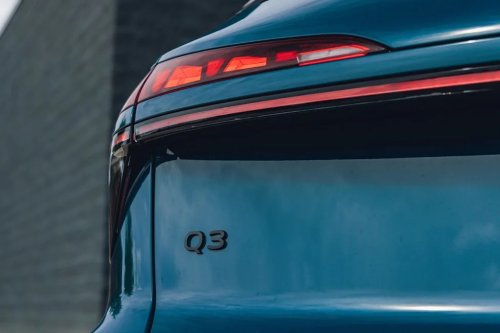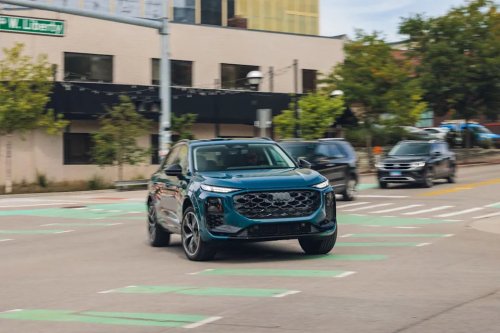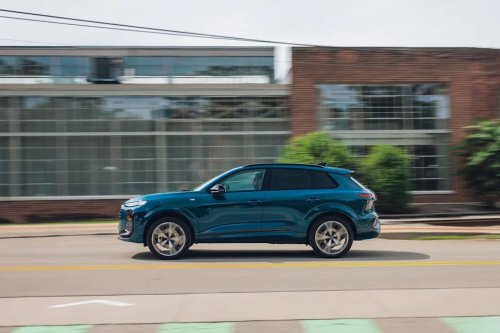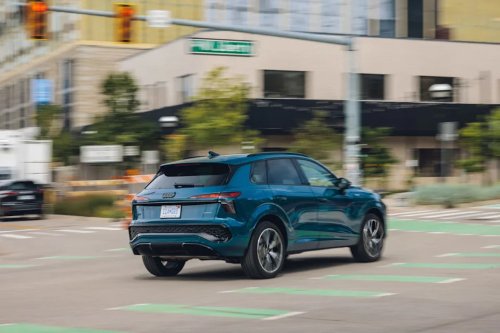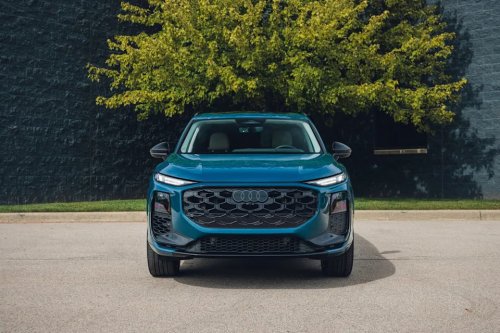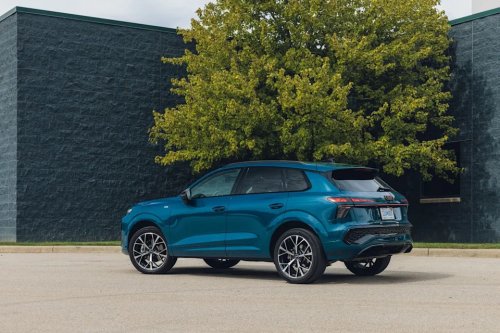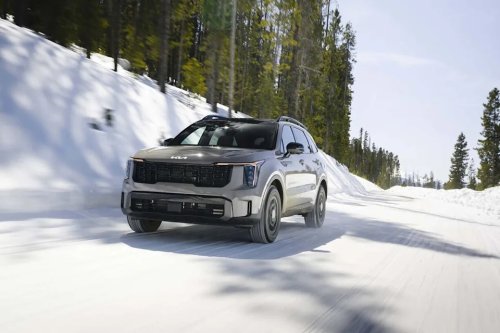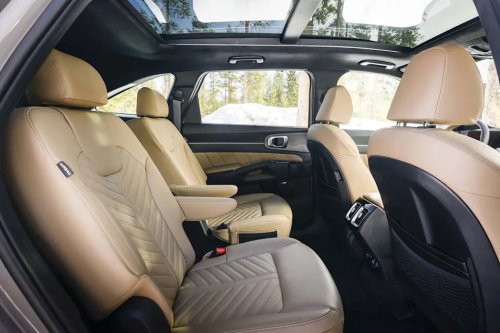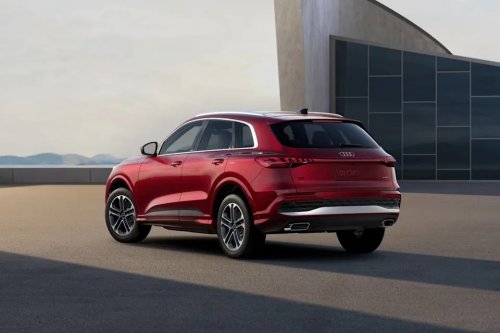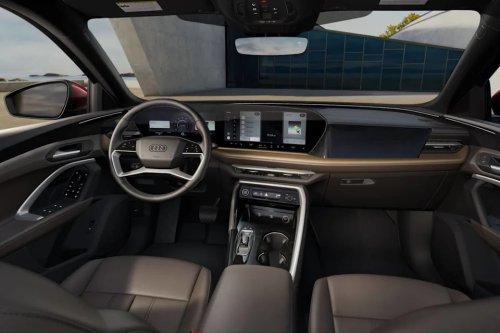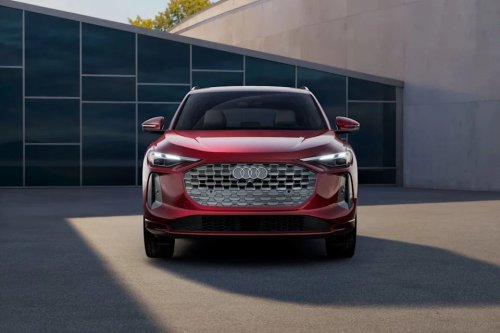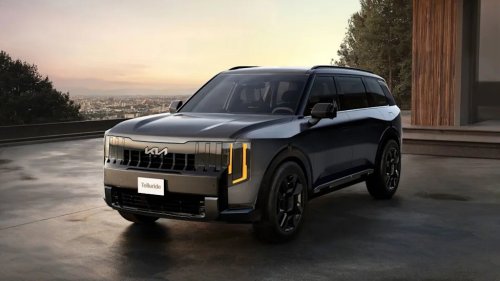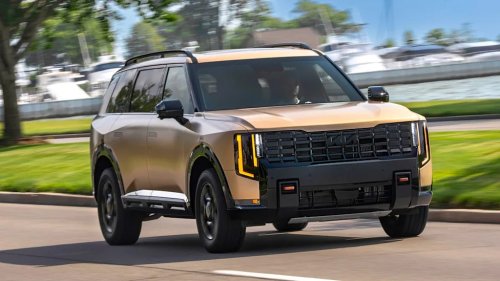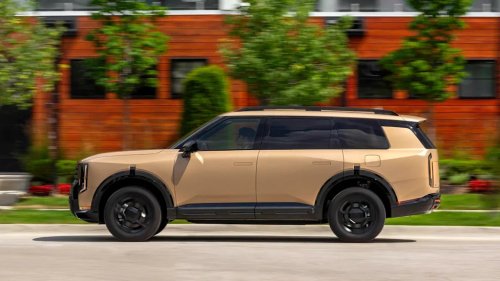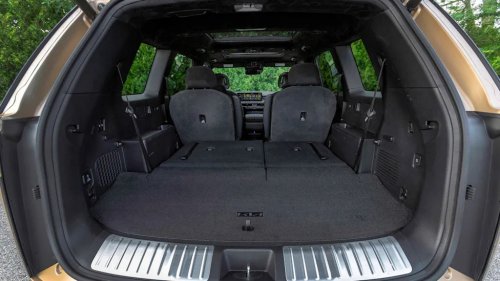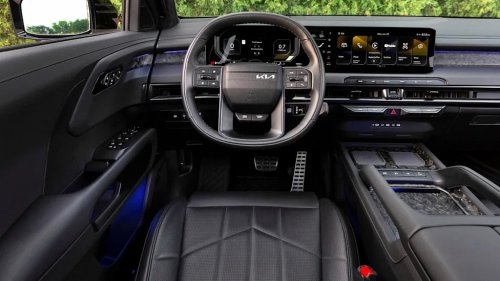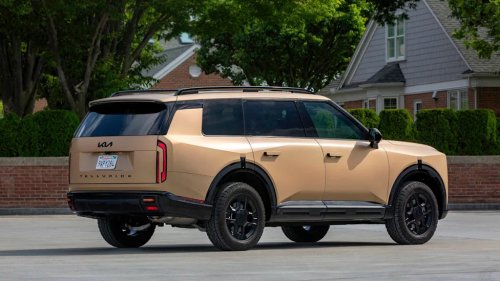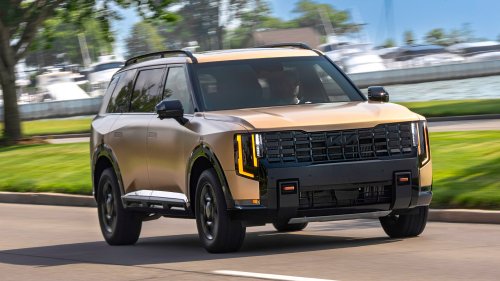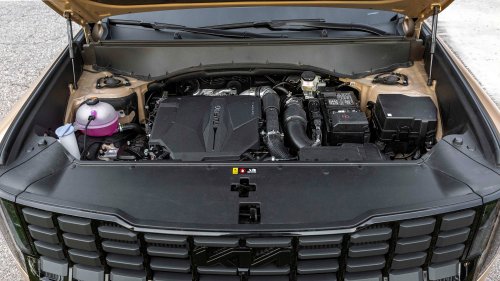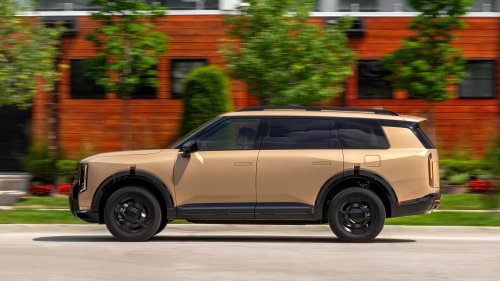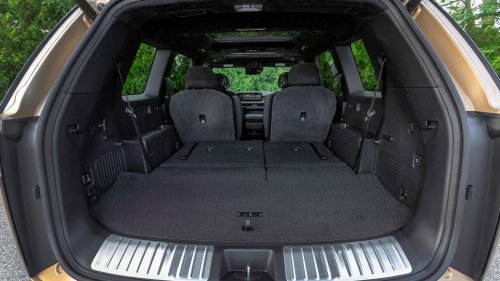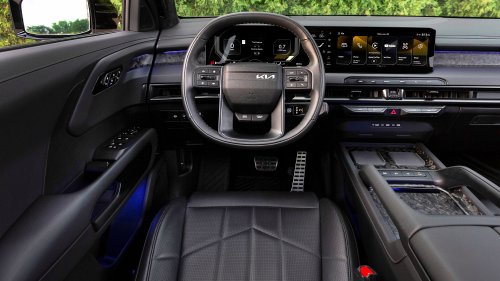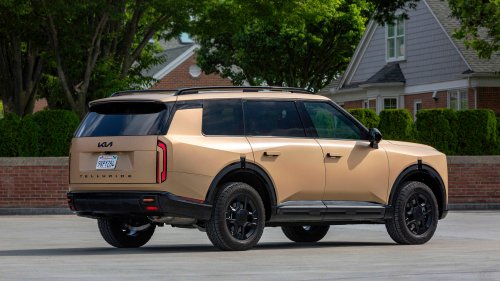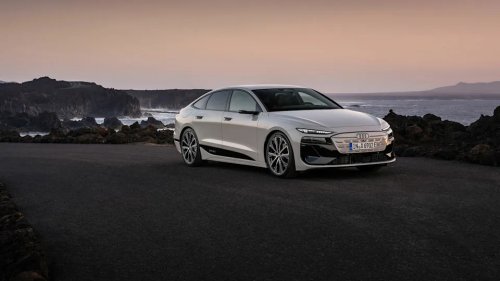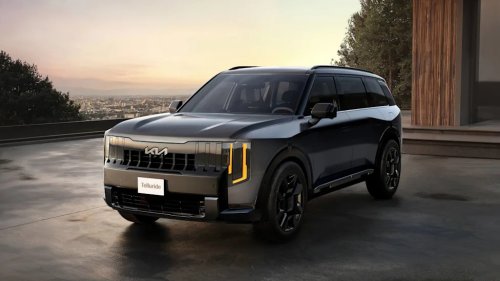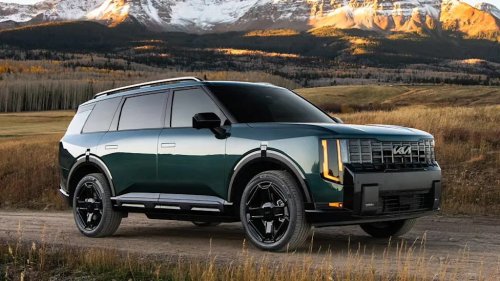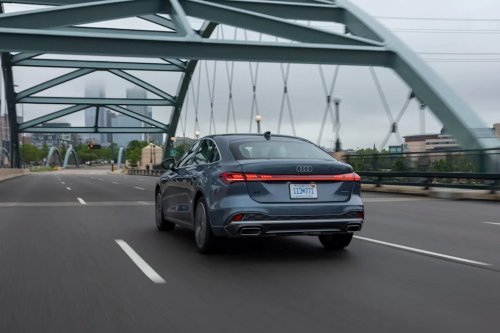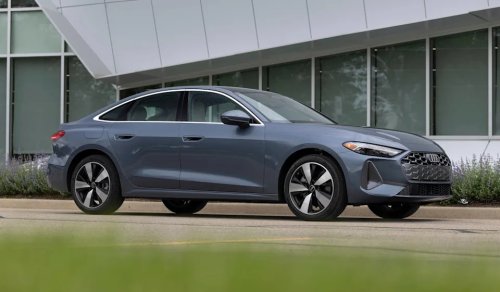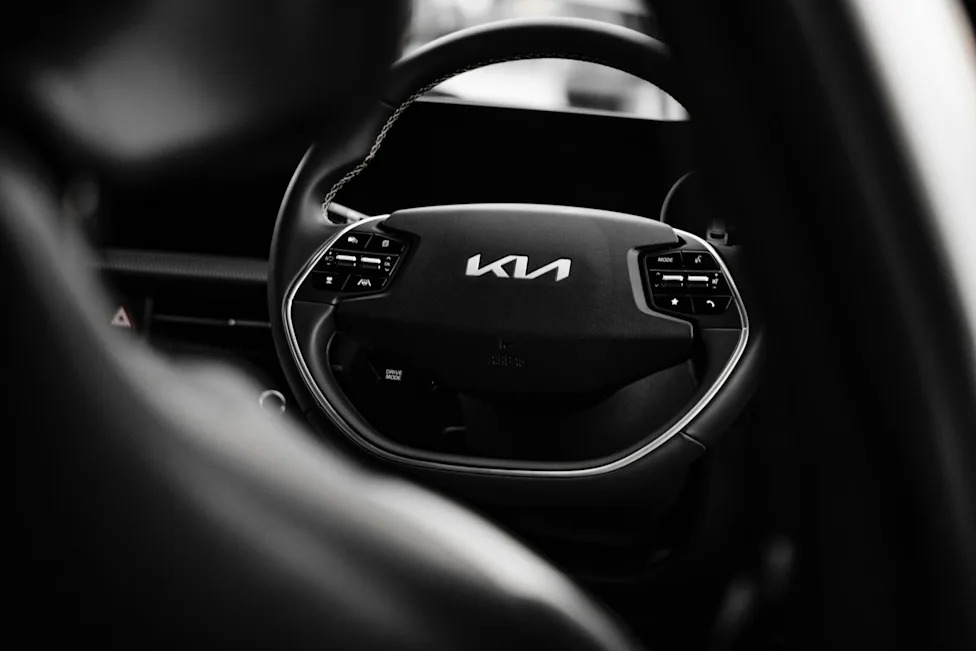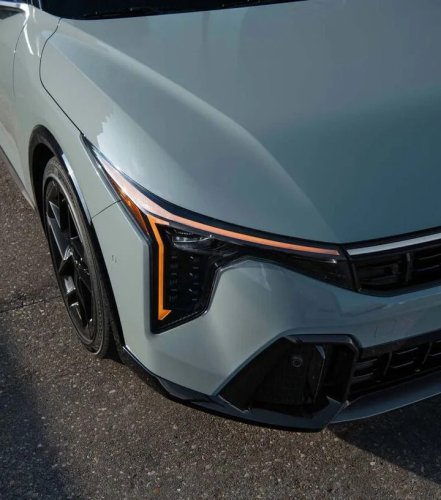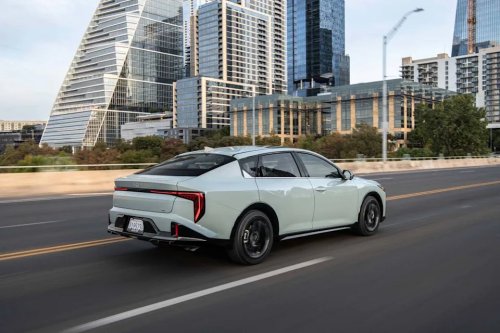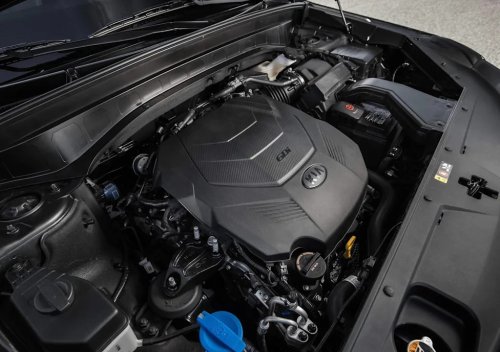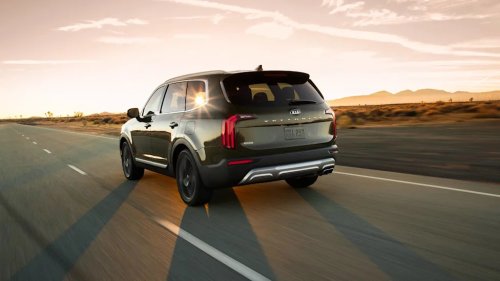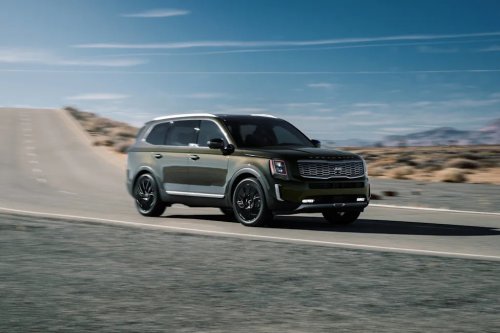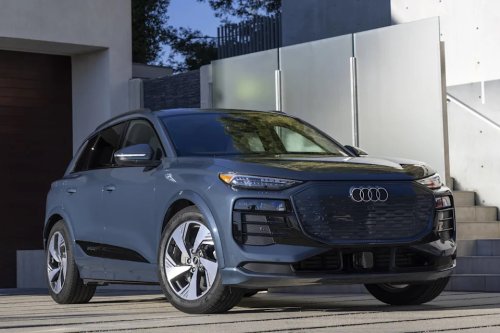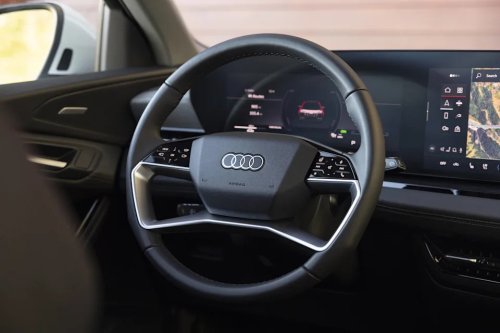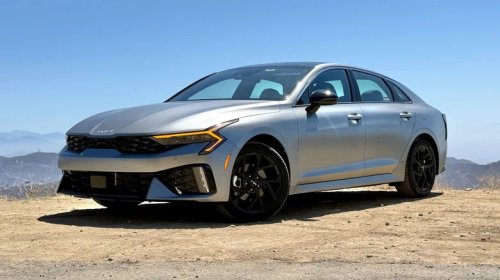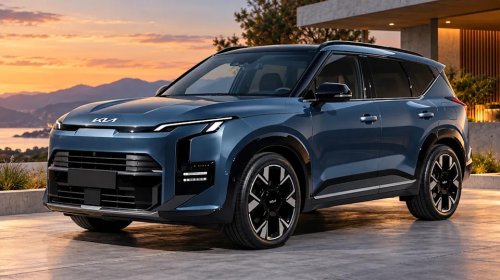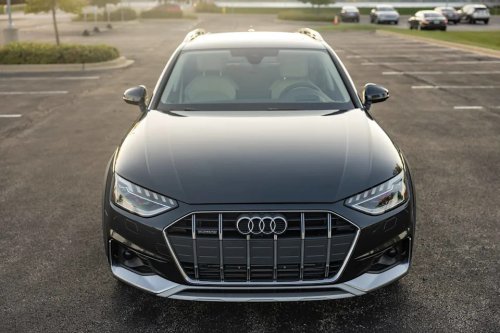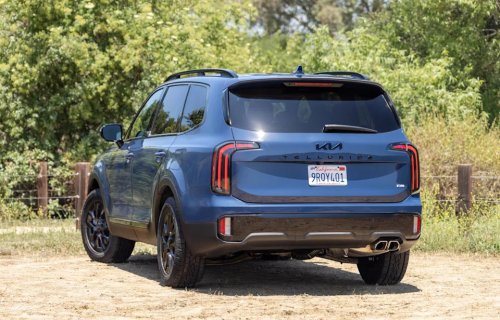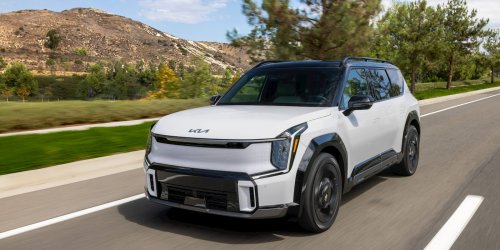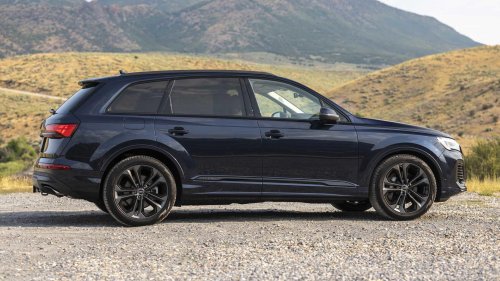
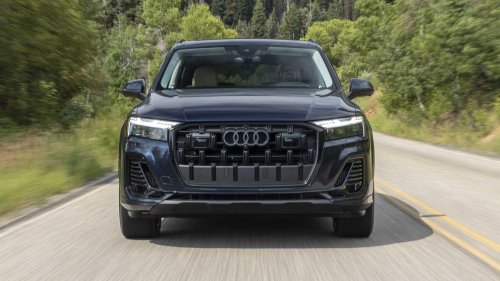
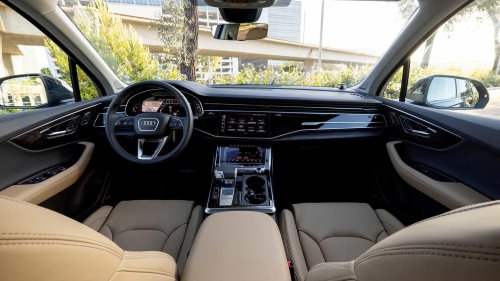
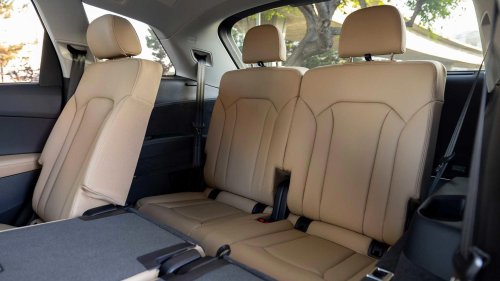
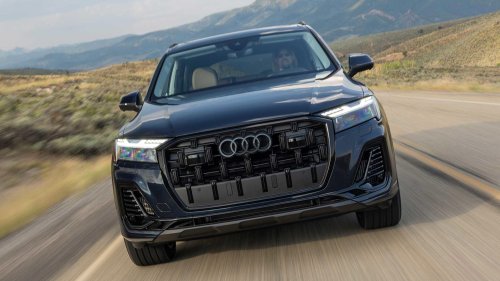

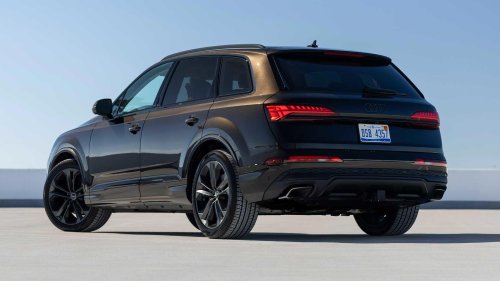



















New car prices remain stubbornly high, and there’s little evidence the market is about to give buyers a break anytime soon. Even as inventory levels improve, family SUVs in particular still command eye-watering sticker prices that push well beyond what the average shopper expected to spend just a few years ago.But for buyers willing to look at lightly used vehicles, there are some genuine bargains hiding in plain sight. One of the best examples is the Audi Q7, a three-row luxury SUV that competes in the hugely popular midsize segment. Lightly used examples can be found for roughly the same money as a new Kia Telluride – a mainstream rival. Better yet, many still carry a portion of the factory warranty, softening the blow of stepping into a premium badge.Pricing and market details were accurate at the time of writing, but are subject to change. The article focuses on the 2025 Audi Q7 but much of the information applies to earlier model years. How Much To Pay Today AudiA new Audi Q7 doesn’t come cheap. The current 2026 lineup opens with the Q7 45, which starts at $62,000 and comes powered by a turbocharged 2.0-liter inline-four – not generally the kind of powertrain you want in a three-row family hauler. Once destination is factored in, the real starting point climbs to $63,295.Most buyers tend to gravitate toward the Q7 55 and its turbocharged 3.0-liter V6. That model starts at $69,395 including destination, putting a well-equipped example well above the national average new vehicle price before options even enter the equation.Spend a few minutes browsing popular classifieds, however, and the picture changes dramatically. Several lightly used 2025 Audi Q7s – most of them the more desirable Q7 55 – can already be found for around $40,000. At that price, buyers are typically looking at base Premium or slightly better-equipped Premium Plus trims, and roughly 35,000 miles on the odometer.Stretch the budget only slightly, to around $43,000, though, and examples with closer to 20,000 miles begin to appear. That’s still a massive discount compared to the original MSRP and keeps buyers comfortably within Audi’s four-year/50,000-mile factory warranty should any unexpected issues arise.Audi Key Facts To Know Audi's Q7 is currently into its second generation The current version was launched for 2017 model year and given updates for 2020 and 2025 The Q7 includes a sporty SQ7 in the range but no RS version Those prices generally undercut comparable examples of the BMW X5 and Mercedes-Benz GLE-Class by several thousand dollars, while landing almost exactly in new Kia Telluride territory. Kia just redesigned the Telluride for the 2027 model year, and the new SUV starts at $39,190 before destination pushes the figure to at least $40,735. The sole powertrain is a turbocharged 2.5-liter inline-four, although buyers can add a hybrid system for an additional $7,300.Suddenly, that V6-powered Q7 55 starts looking like a seriously tempting alternative, particularly for drivers who appreciate something with a little athleticism behind the wheel.Performance-minded shoppers can take things even further with the flagship Audi SQ7, which swaps the standard engines for a twin-turbocharged 4.0-liter V8. The catch, unsurprisingly, is price. A new SQ7 starts at $93,800, and depreciation hasn’t hit hard enough to make it remotely affordable for most buyers. Lightly used examples still hover near the $80,000 mark, placing them well beyond the reach of the average family SUV shopper. Real Luxury Inside Audi The current Audi Q7 represents the second generation of the nameplate, first arriving for the 2017 model year before receiving a light refresh for 2020. Audi rolled out another update for 2025, and that’s the version used buyers should target. While the mechanical package remained largely unchanged, the newer model benefits from the latest infotainment and convenience tech.One of the biggest additions is support for third-party apps through the Audi App Store, allowing owners to install and run services like Spotify, Amazon Music, and YouTube (a lifesaver for kids) directly through the SUV’s native infotainment system without relying entirely on smartphone mirroring.Underneath, the Q7 rides on Volkswagen Group’s MLB platform, the same architecture underpinning several other premium models across the Audi, Porsche, Bentley, and Lamborghini families. That means longitudinally mounted engines and native front-wheel drive, even though every US-market Q7 comes standard with quattro all-wheel drive.Rear-wheel steering is also available and absolutely worth seeking out. It noticeably improves low-speed maneuverability, making the Q7 feel smaller than it actually is in tight parking lots and urban traffic, while also boosting stability and confidence during high-speed highway cruising.Audi One downside of the MLB platform is limited third-row space. The Q7 only offers two seats in the back for a maximum capacity of seven passengers, and adults won’t find nearly as much legroom as they would in mainstream rivals. It’s very much the kid zone, or simply extra cargo space once folded flat. This is where the Kia Telluride holds a clear advantage.The Kia can seat up to eight passengers and delivers noticeably more third-row and cargo room despite both SUVs stretching just over 199 inches long. The Audi offers up to 37 cubic feet of cargo space behind the third row and 71 cu ft with the rear seats folded, versus 48.7 and 89 cu ft respectively for the Telluride.Still, buyers willing to live with the tighter third row are rewarded with a cabin that feels genuinely upscale. The Q7 remains one of the most refined luxury SUVs in its segment, pairing impressive sound insulation with rich materials and solid construction that immediately feel a cut above mainstream alternatives.Audi’s excellent Digital Cockpit also remains a highlight, combining a 12.3-inch digital instrument cluster with a 10.1-inch upper infotainment display and an 8.6-inch lower touchscreen for climate and secondary controls. From Behind The Wheel Audi The Q7 55’s turbocharged V6 delivers smooth, effortless power and plenty of mid-range punch, making the big Audi feel surprisingly eager when merging or overtaking. The smaller turbocharged inline-four does the job but can feel strained at times. Models equipped with the available air suspension strike an impressive balance between comfort and composure, helping the Q7 shrink around the driver despite weighing nearly 5,000 lbs.As for reliability, the news is reasonably encouraging, particularly for newer examples. CarComplaints shows very few reported issues for the 2025 Q7 so far, with most complaints centering around glitches with the infotainment system. Buyers planning to keep one long-term should note, however, that repair and maintenance costs for the Q7 tend to run higher than the average for the midsize SUV segment once the factory warranty expires.CarBuzz/Valnet Buyers not in a rush may also want to wait and see what Audi has planned next. The automaker is already close to revealing a third-generation Q7 that will likely arrive for the 2027 model year. This time around, Audi is also preparing a stretched Q9 flagship SUV aimed primarily at the US market. Set to rival vehicles like the BMW X7 and Mercedes-Benz GLS, the larger Q9 should follow the next Q7 by less than a year. Luxury SUV, Mainstream SUV Money Audi In a market where even mainstream family SUVs routinely crest $40,000, the lightly used Audi Q7 stands out as one of the smarter luxury buys around. Yes, running costs may be higher long-term, but getting a refined, V6-powered German luxury SUV with remaining factory warranty coverage for Kia money is difficult to ignore.