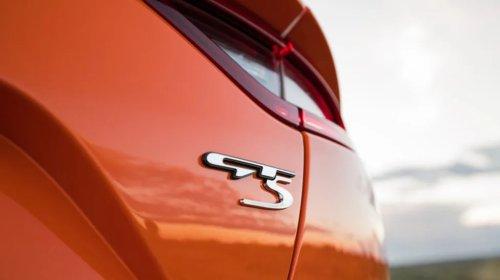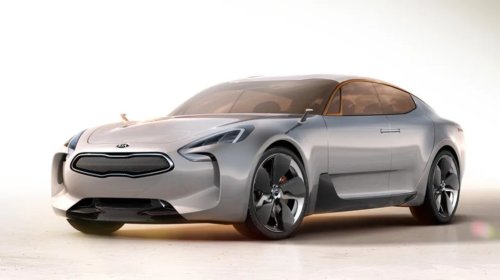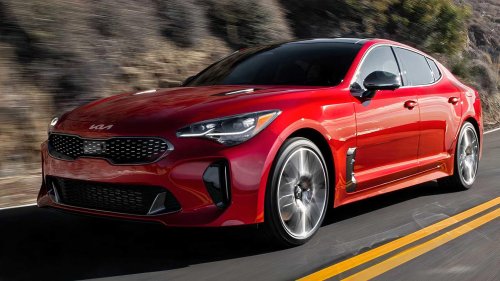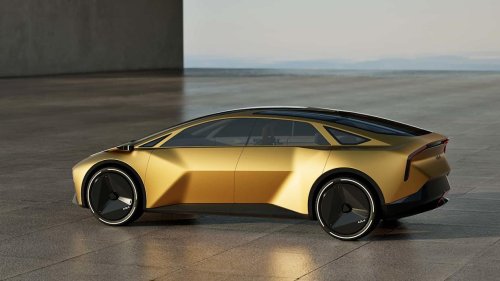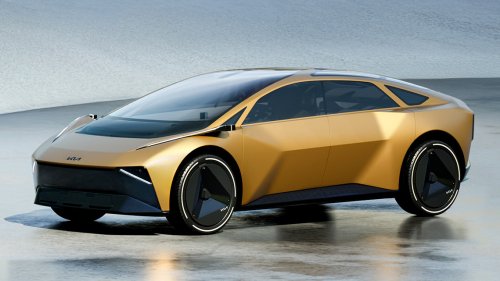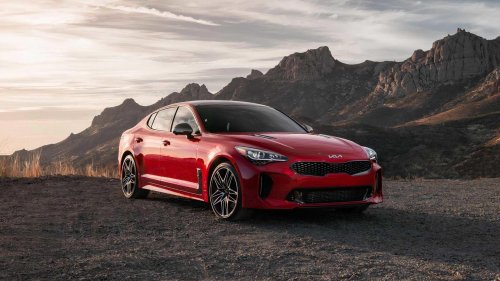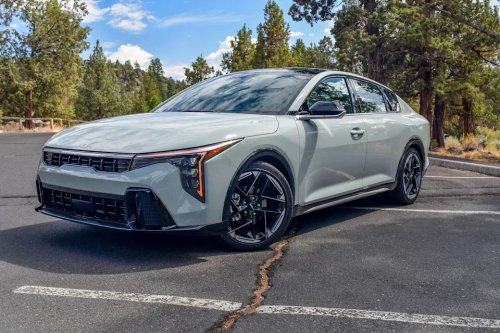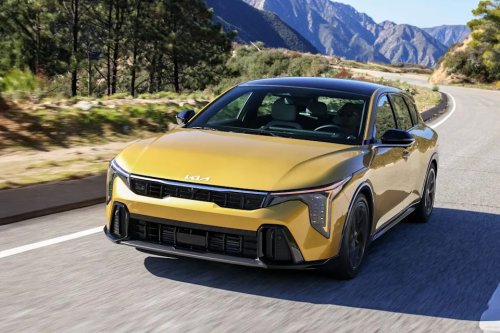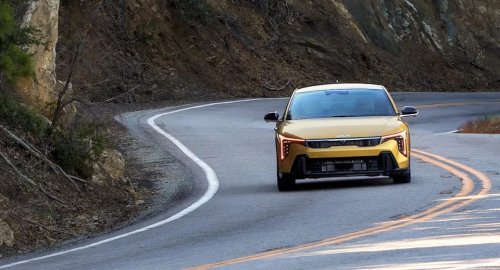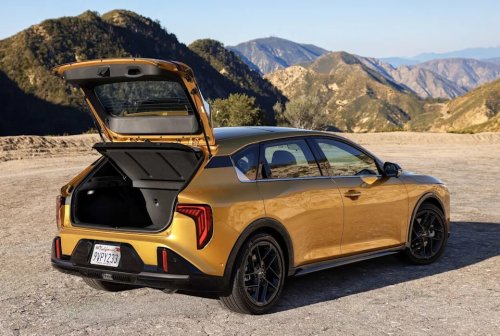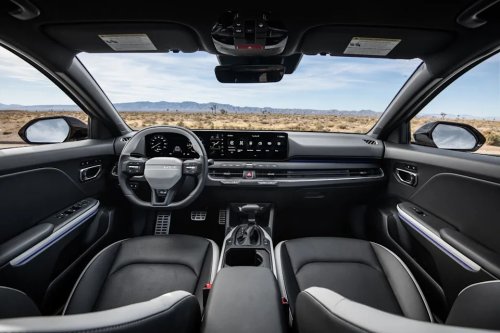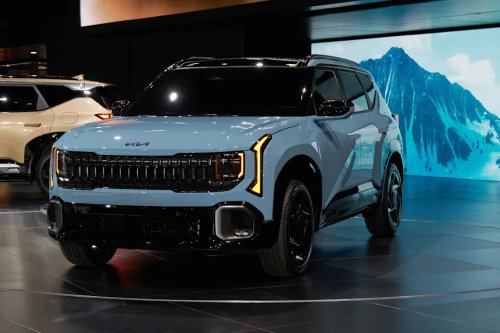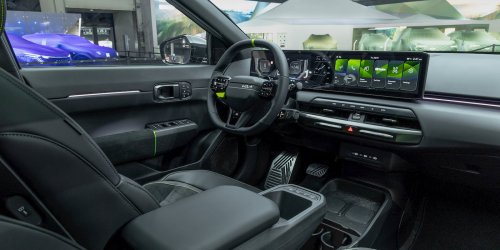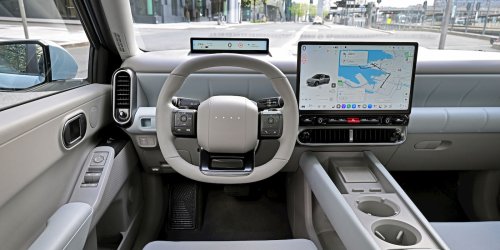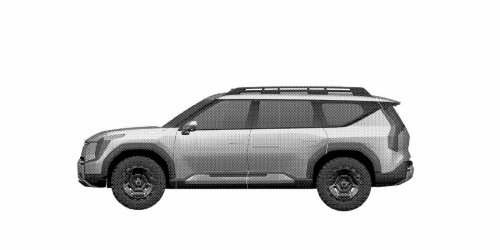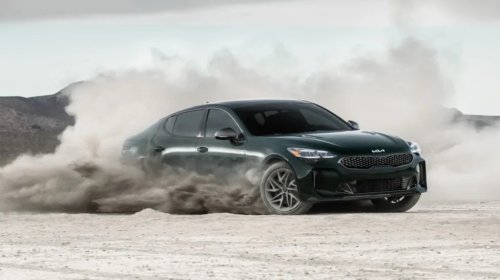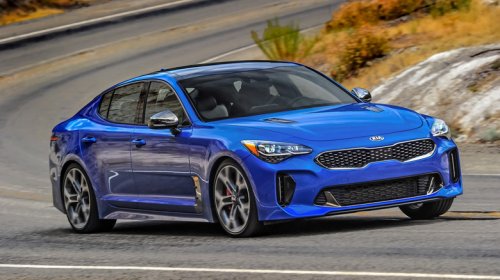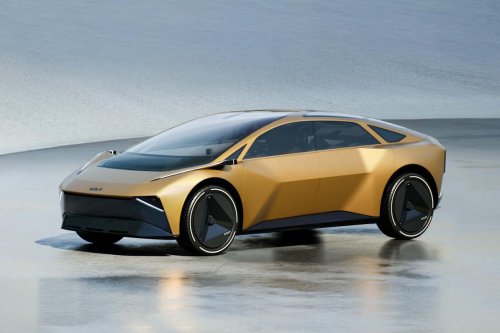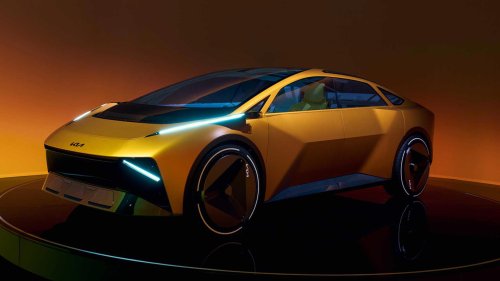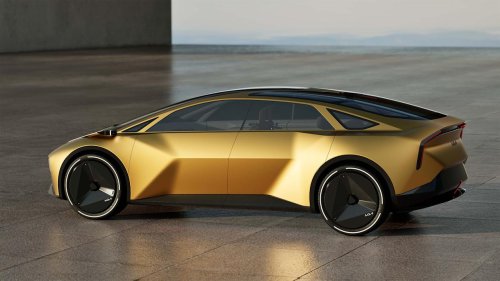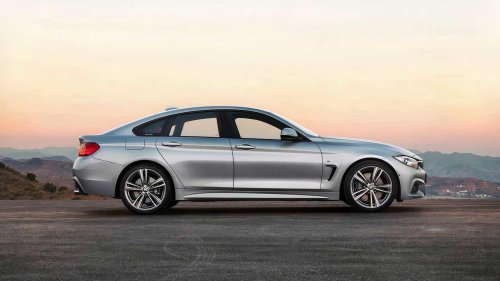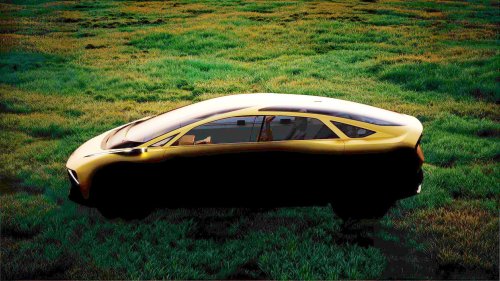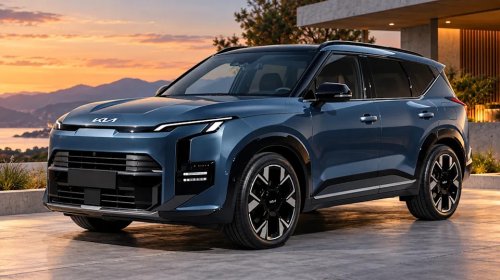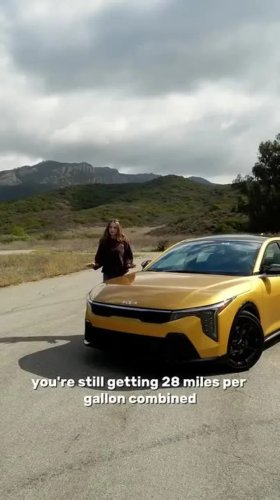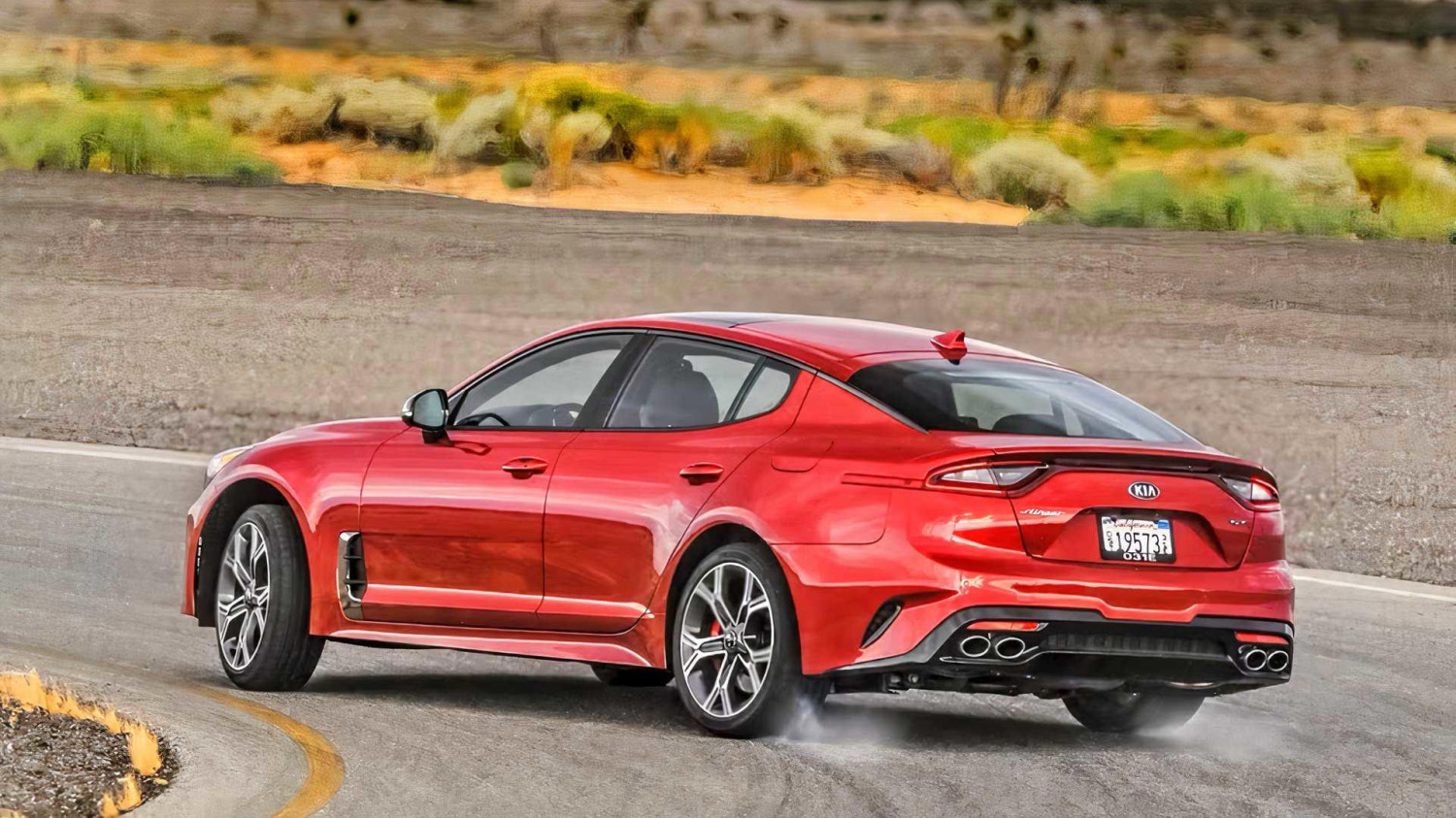
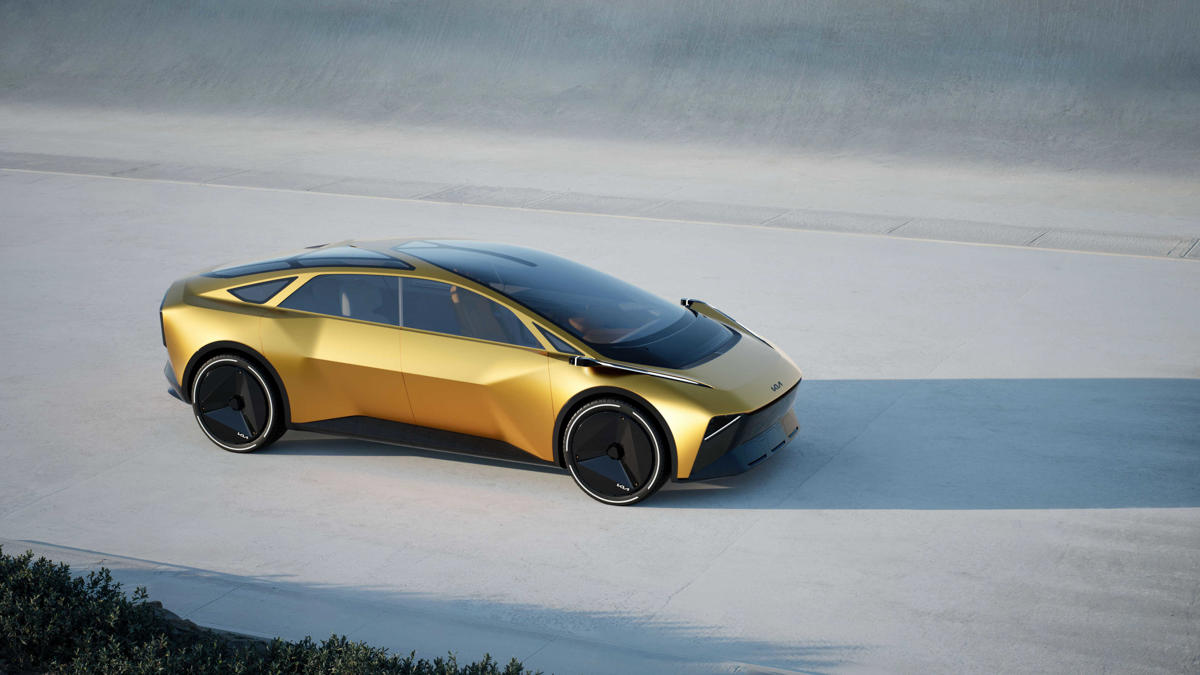
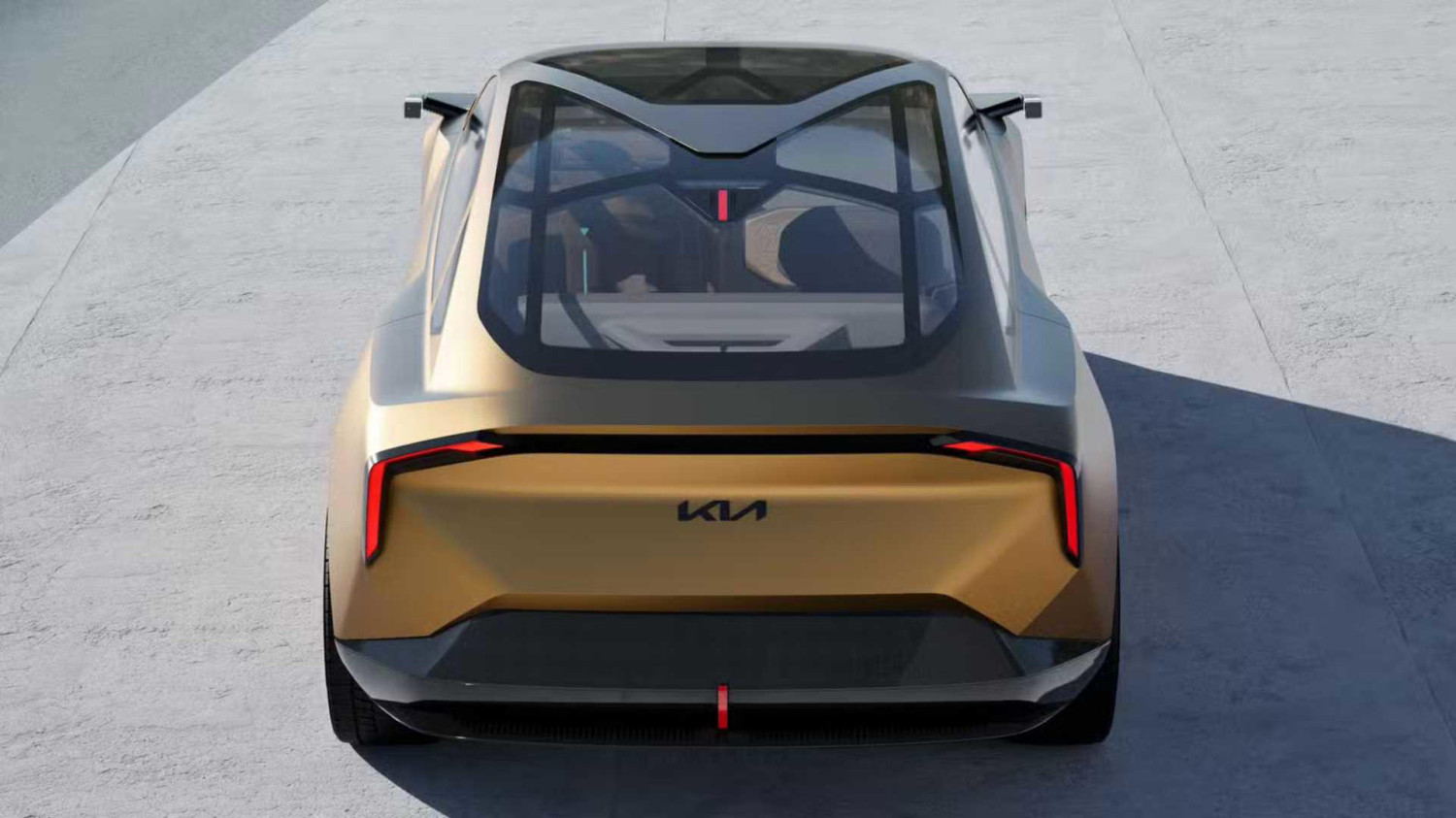



















Kia confirmed this week that an electric successor to the Stinger is conceptually alive — but the company is candid that cost is the single biggest obstacle standing between the idea and a production line. For enthusiasts who watched the original Stinger GT punch above its price tag against BMW 4-Series Gran Coupes and Genesis G70s, the announcement is equal parts exciting and loaded with caveats. The nameplate carries real weight, and an EV wearing it would have to earn that weight on a spec sheet.The original Stinger GT's twin-turbo 3.3-liter V6 produced 368 horsepower and 376 lb-ft of torque, enough to reach 60 mph in 4.7 seconds. That was the figure that made the automotive press take Kia seriously as a performance brand. Any electric heir would need to match that figure on its worst day and handily exceed it on its best to avoid being dismissed as a rebadged crossover wearing a performance nameplate. What Kia Said — And What It Didn't Kia According to Autocar, Kia has signaled that a spiritual electric successor to the Stinger isn't off the table, but the company stopped well short of a production commitment. The sticking point, as Kia frames it, is cost — specifically the engineering and battery investment required to build an electric performance sedan that can justify the price point the Stinger occupied. The original Stinger started around $40,000 at launch, positioning that made it genuinely competitive with entry-level German sport sedans. Replicating that value proposition in an EV architecture is a different engineering problem entirely.Kia didn't release target specs, a timeline, or a platform name. What the company did do is keep the door open, which, in the current climate for performance EVs, is more meaningful than it might sound. Kia's EV6 GT already demonstrates the brand can build a performance electric: that car makes 576 horsepower from its dual-motor setup and hits 60 mph in 3.4 seconds. The question is whether Kia would tune a Stinger successor closer to the EV6 GT's performance ceiling or dial it back to a more attainable, range-friendly setup. The Benchmark Numbers A Stinger EV Would Have To Clear Kia Matching the Stinger GT's 368 hp is a floor, not a target. In the electric performance sedan segment, the competition has moved well past that number. The Porsche Taycan in base rear-wheel-drive form makes 402 horsepower; the Taycan Turbo GT produces 1,019 hp in overboost. The BMW i4 M60 — the closest current analog to what an electric Stinger would be — puts out 590 horsepower and runs 0–60 in 3.6 seconds. Mercedes-AMG's EQE generates 617 horsepower. These are the cars a Stinger EV would be compared to, and the numbers set the floor for credibility.A realistic performance target for an electric Stinger would likely land in the 500–600 horsepower range on a dual-motor all-wheel-drive setup, with a 0–60 time in the low-to-mid 3-second range. Range matters just as much as acceleration in this segment: the i4 M60 offers 238-278 miles of EPA-estimated range, and the Taycan Turbo S manages around 266 miles. A Stinger EV would need to clear 250 miles of real-world range to avoid range anxiety becoming part of the ownership conversation — something the original Stinger's 18-gallon fuel tank never had to worry about. The Cost Problem Is The Real Obstacle Kia Building a performance EV that competes with the i4 and Taycan while pricing it anywhere near the Stinger GT's original $40,000–$52,000 window is genuinely difficult. The Taycan starts at $105,800. The i4 M60 runs around $70,700. The Mercedes-AMG EQE starts above $95,000. Kia's own EV6 GT — the closest thing the brand has to a performance EV — started at around $63,000, and it doesn't carry the sport-sedan body style that defined the Stinger's appeal.For Kia to thread that needle, it would likely need to leverage a next-generation platform shared across Hyundai Motor Group — the same approach that made the original Stinger financially viable by sharing its Genesis G70 underpinnings. The EV6 GT's platform shows the group can produce serious performance hardware; the challenge is packaging it in a fastback sedan body at a price that doesn't push the car into Genesis territory, where the brand already has the Electrified G80. That's the engineering and business case Kia is still working through.The original Stinger was credible because it was specific: a rear-biased, driver-focused sport sedan that happened to cost less than a 3-Series. An electric successor would need that same specificity — not just big horsepower numbers, but a clear identity that separates it from the EV6 on one end and the Genesis Electrified G80 on the other. Kia knows what made the Stinger matter. The question is whether the math can make it happen.