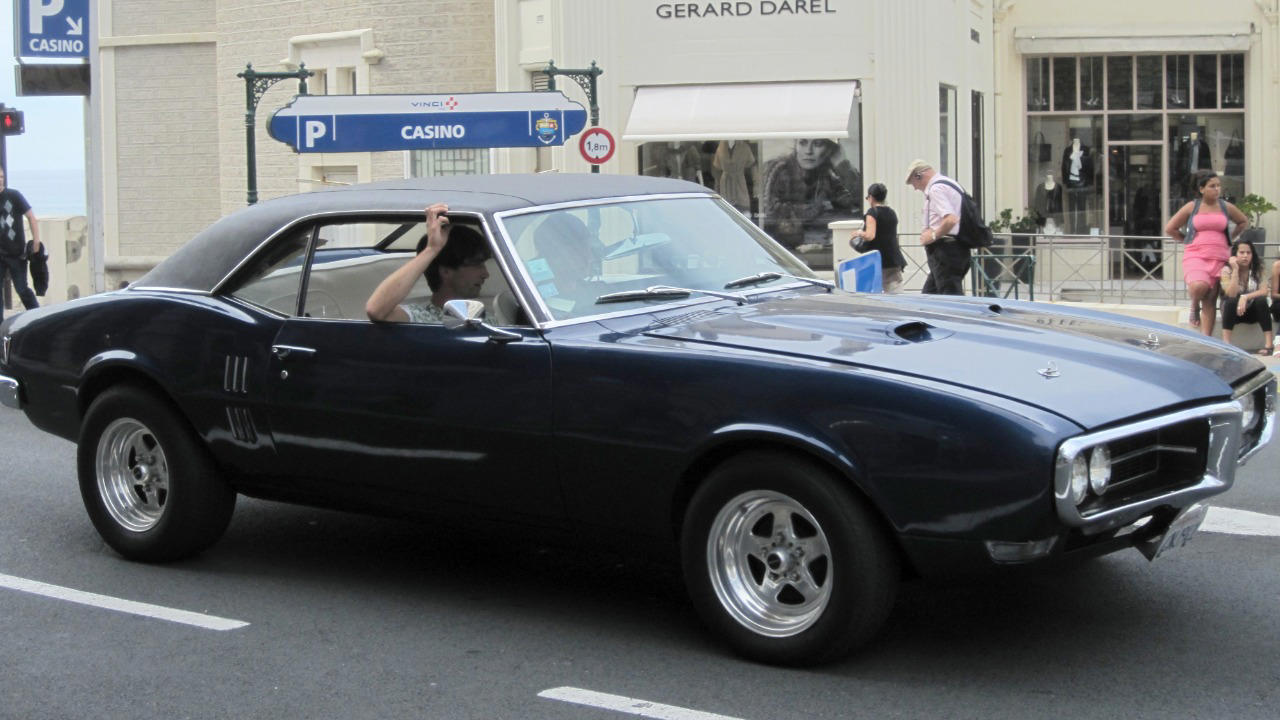
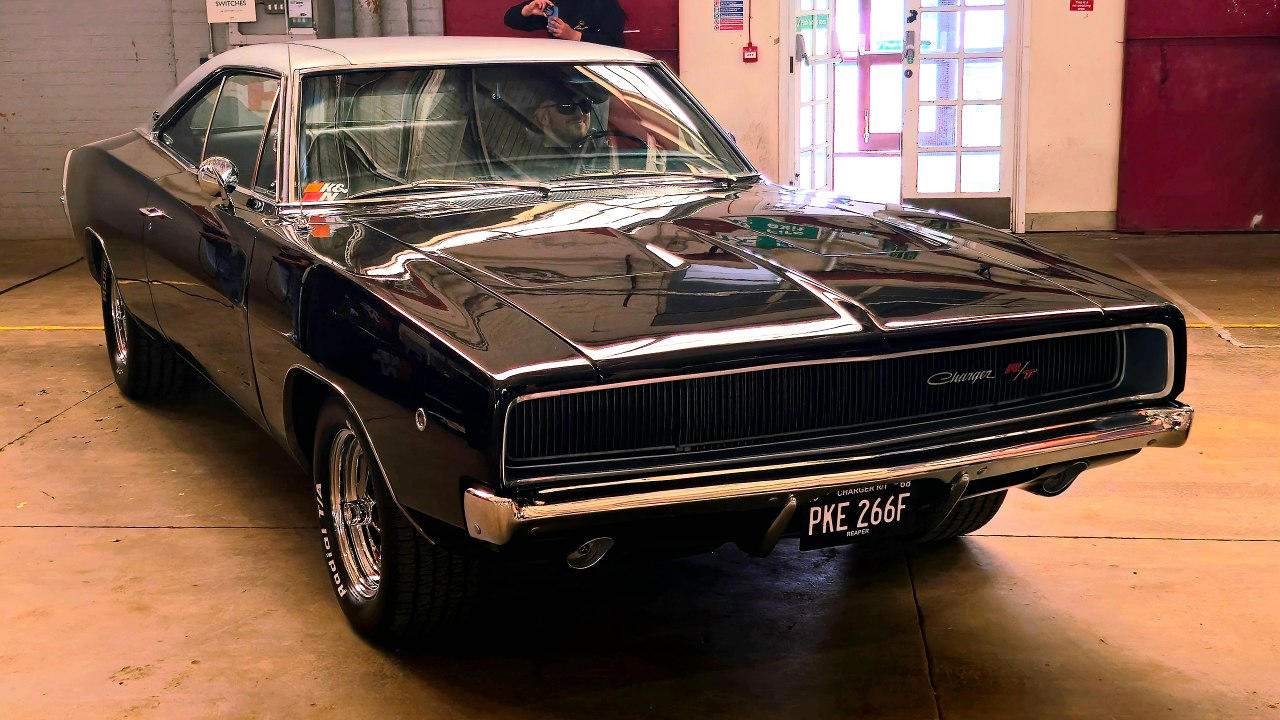
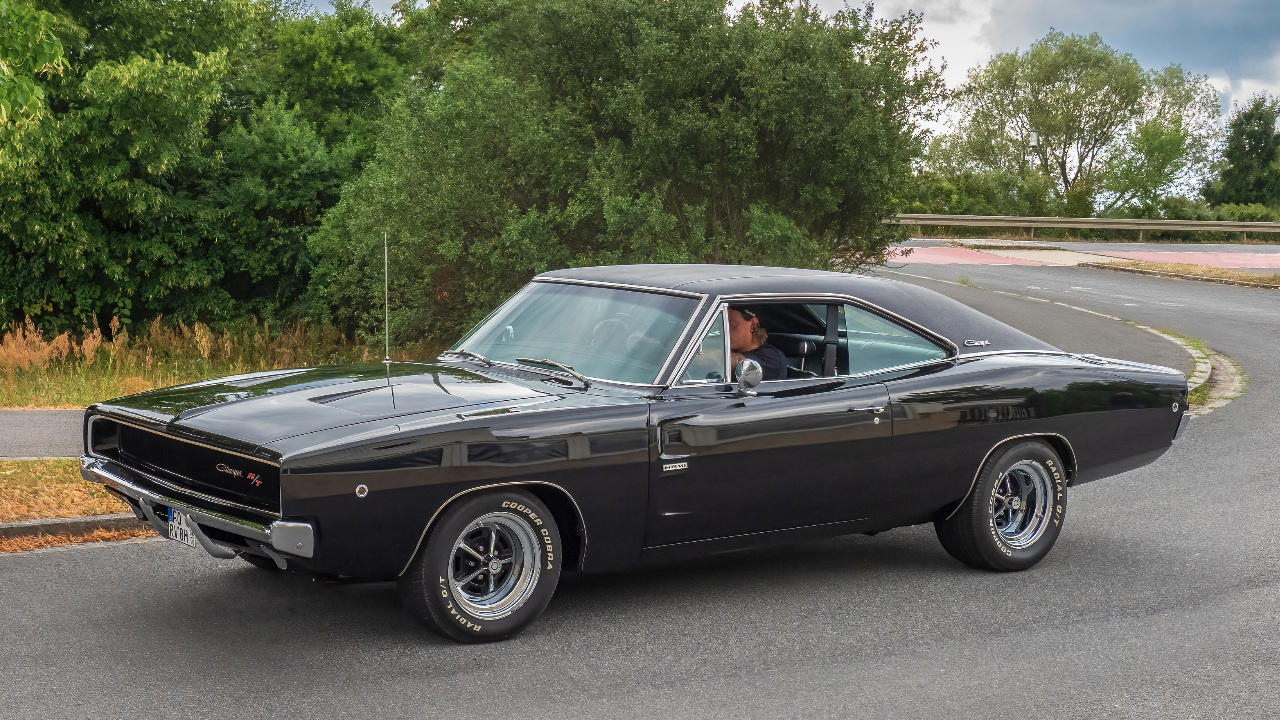
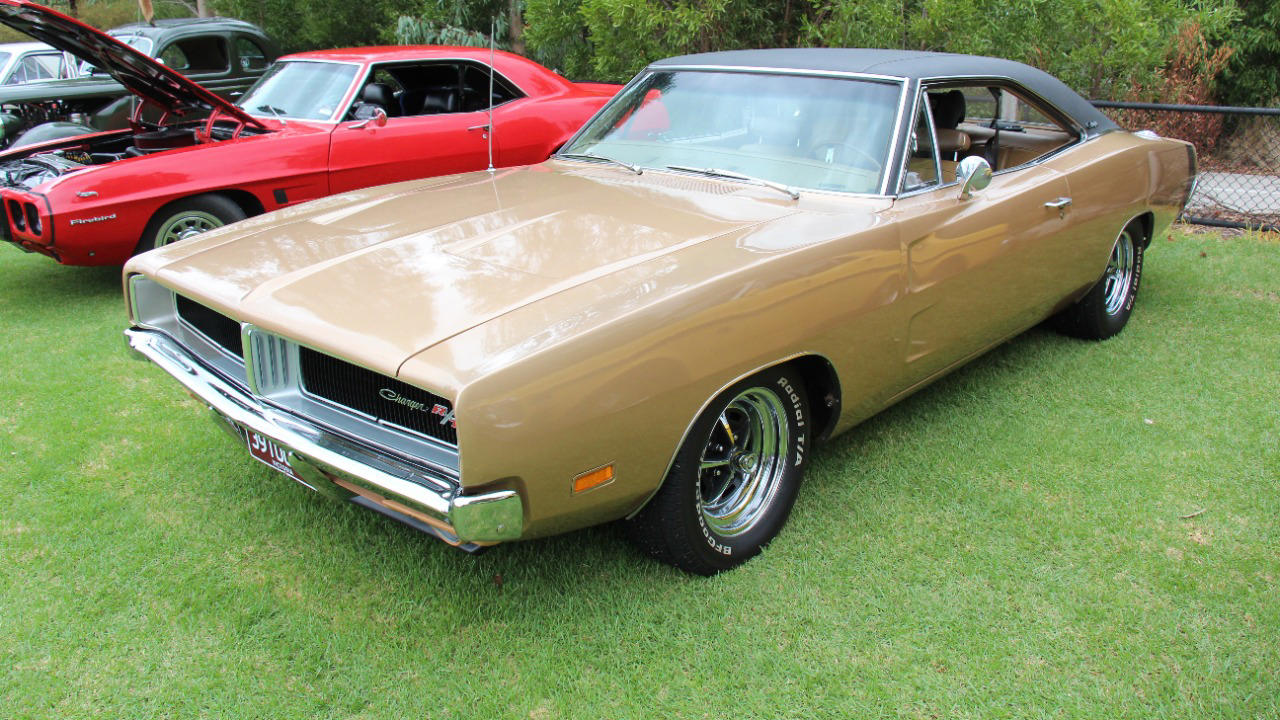
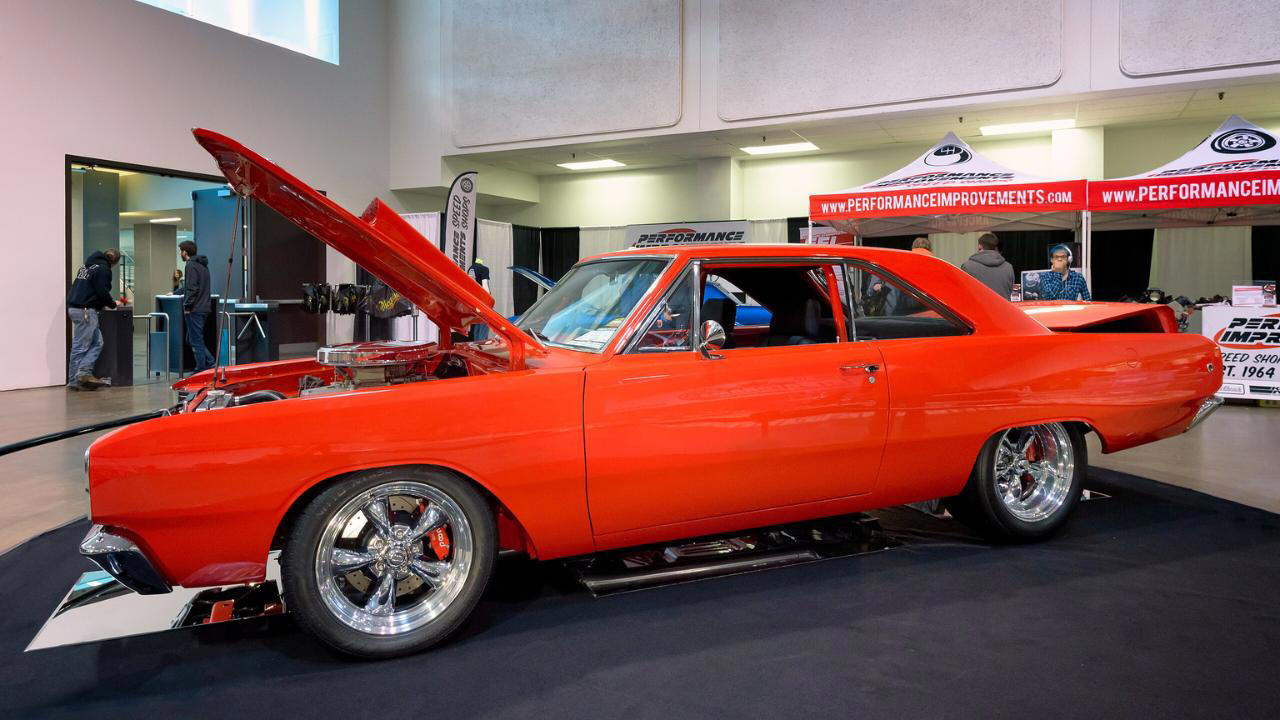
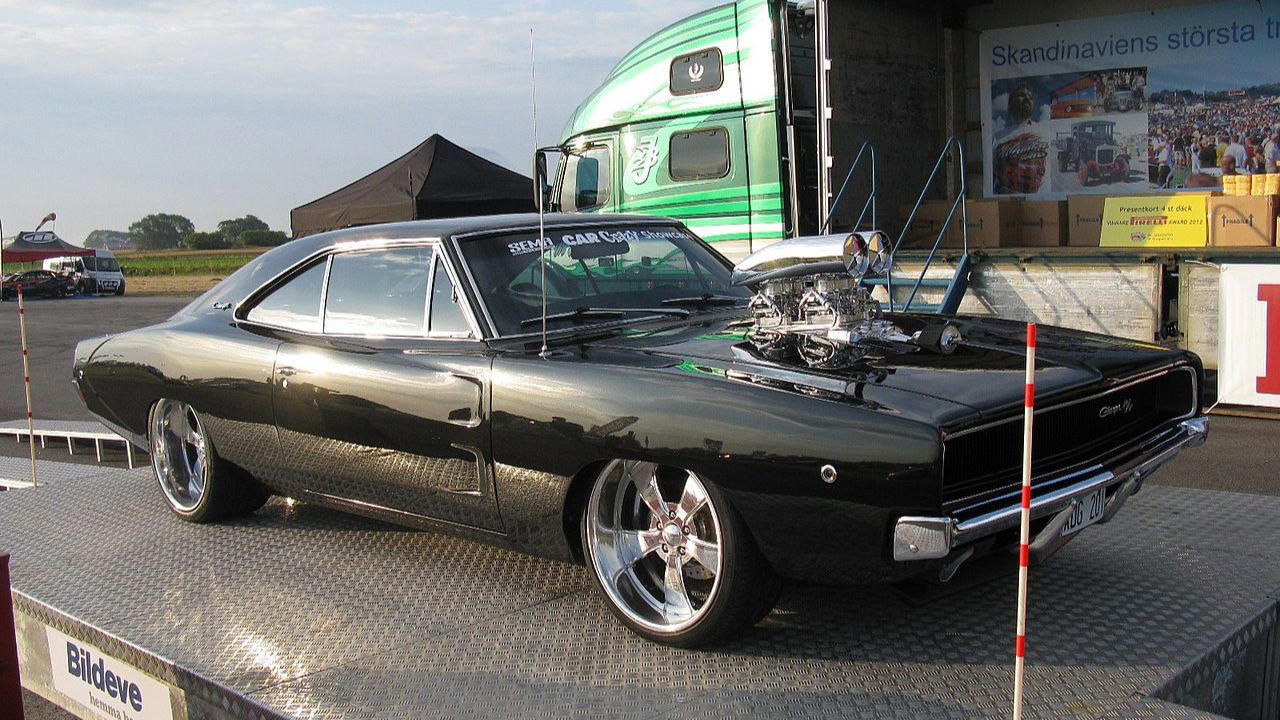
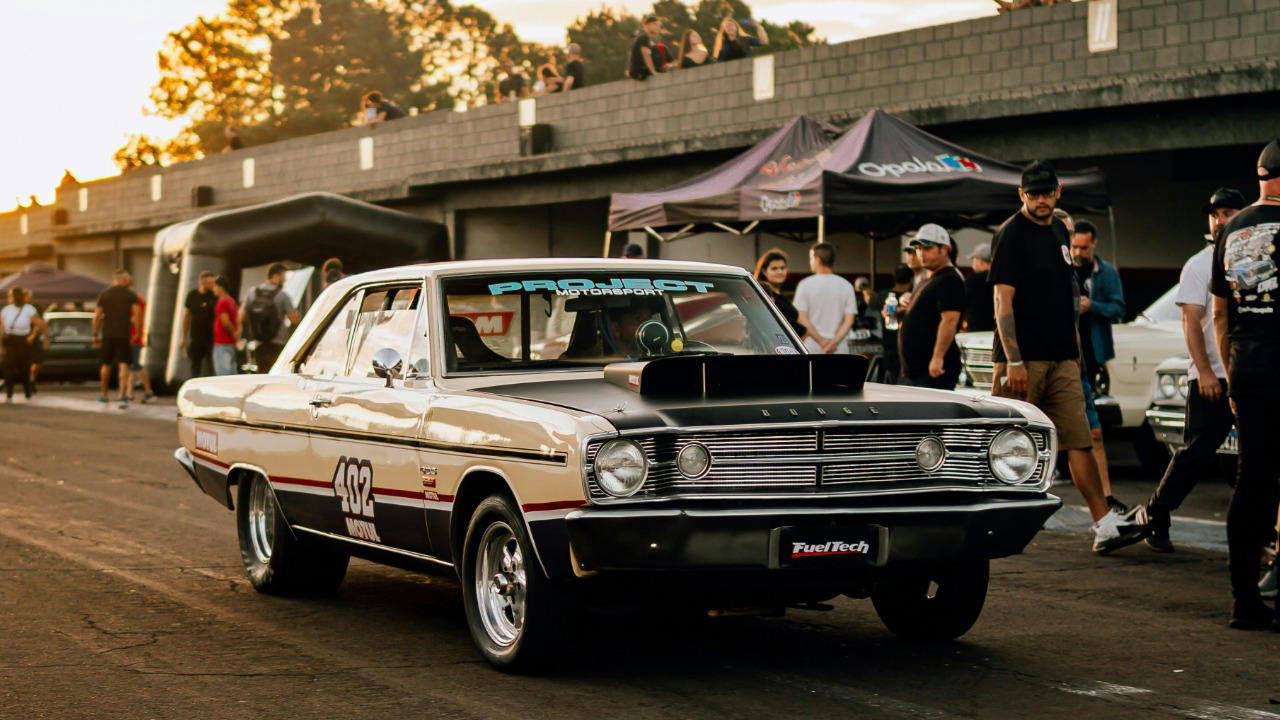
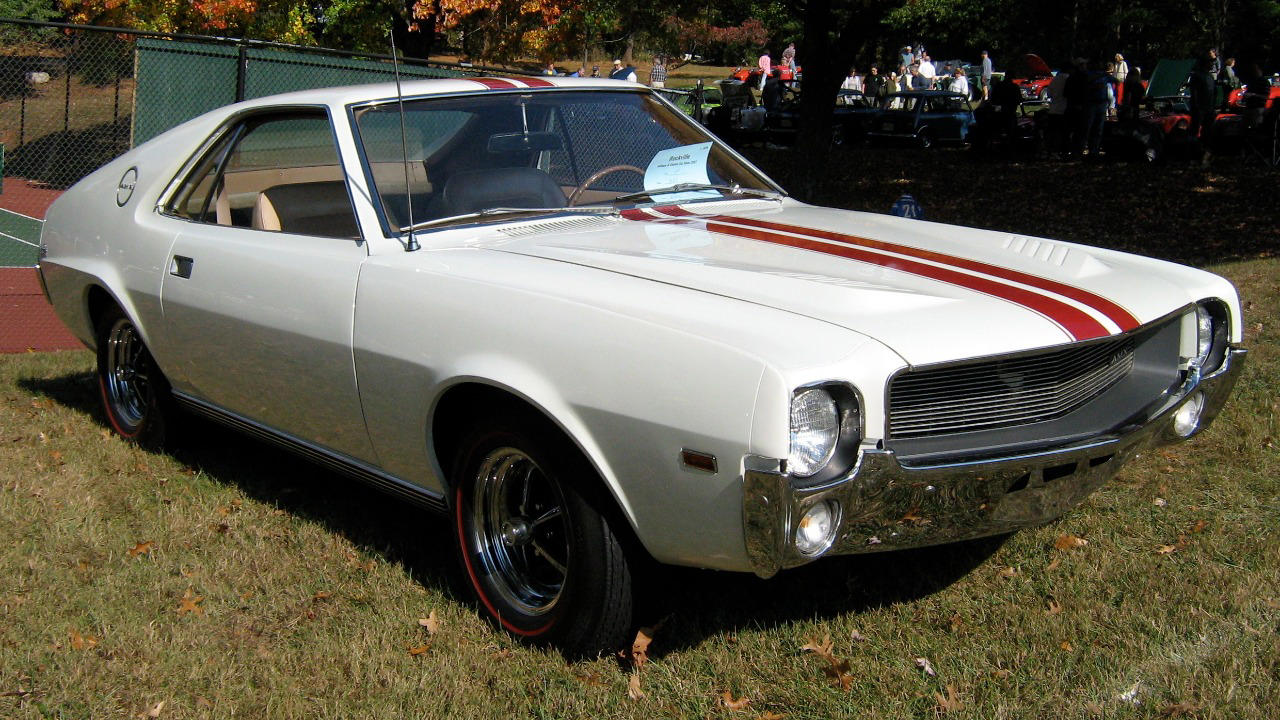
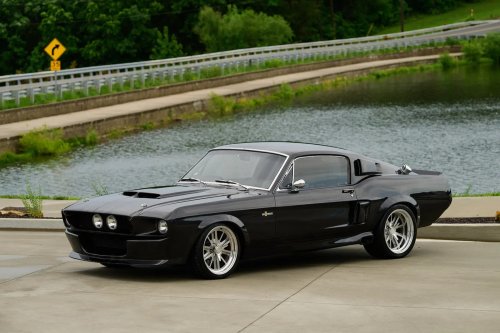
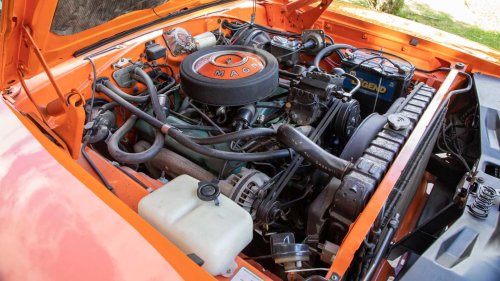
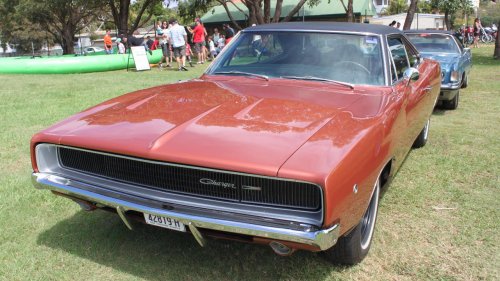
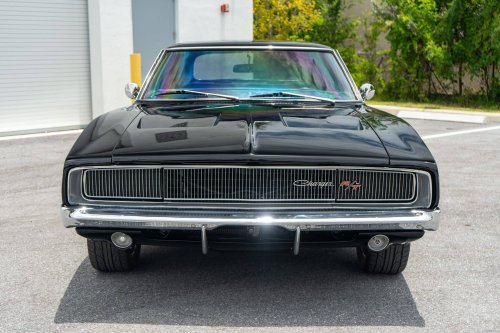
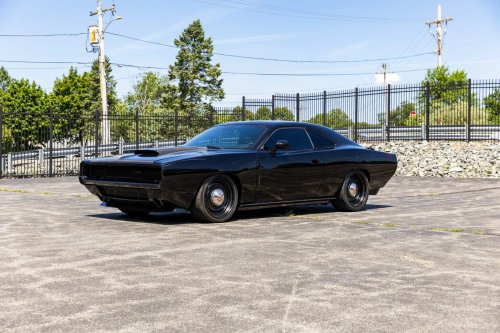
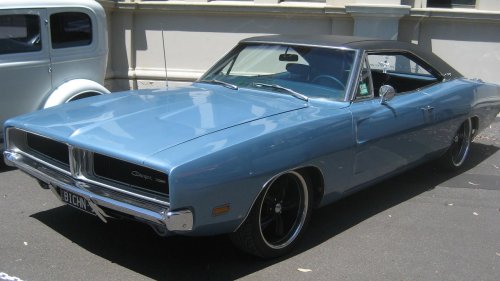
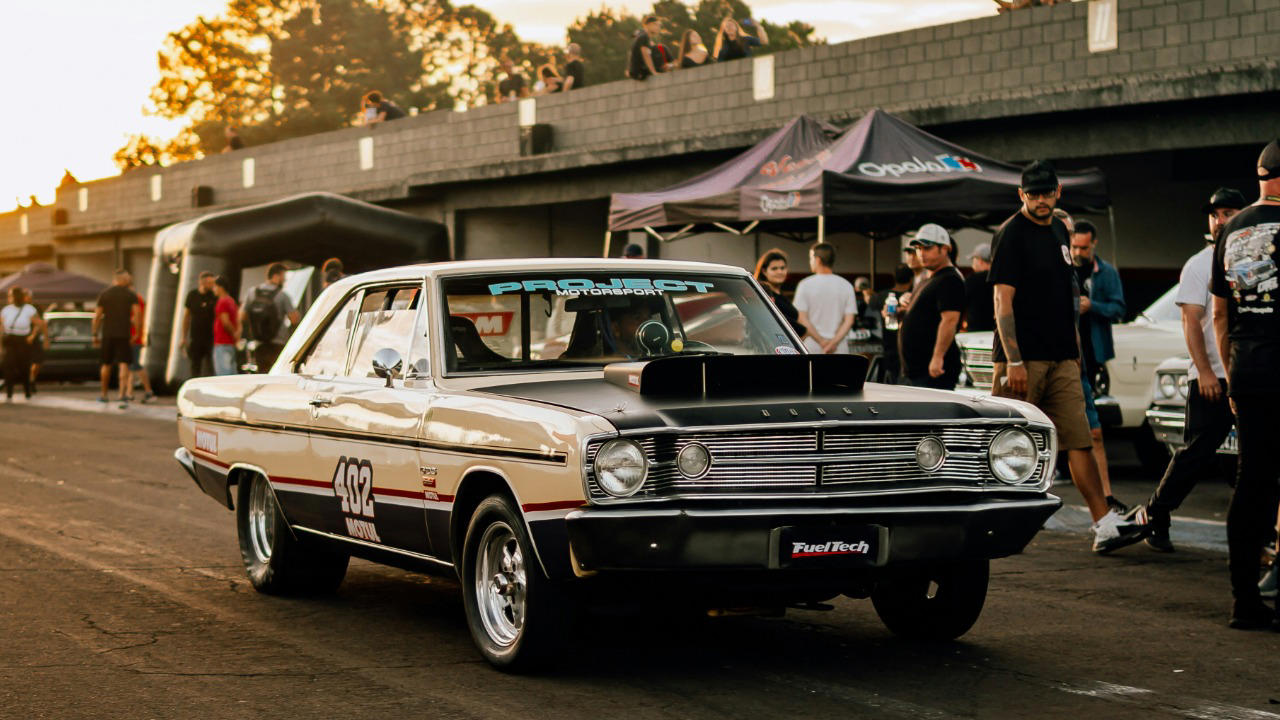
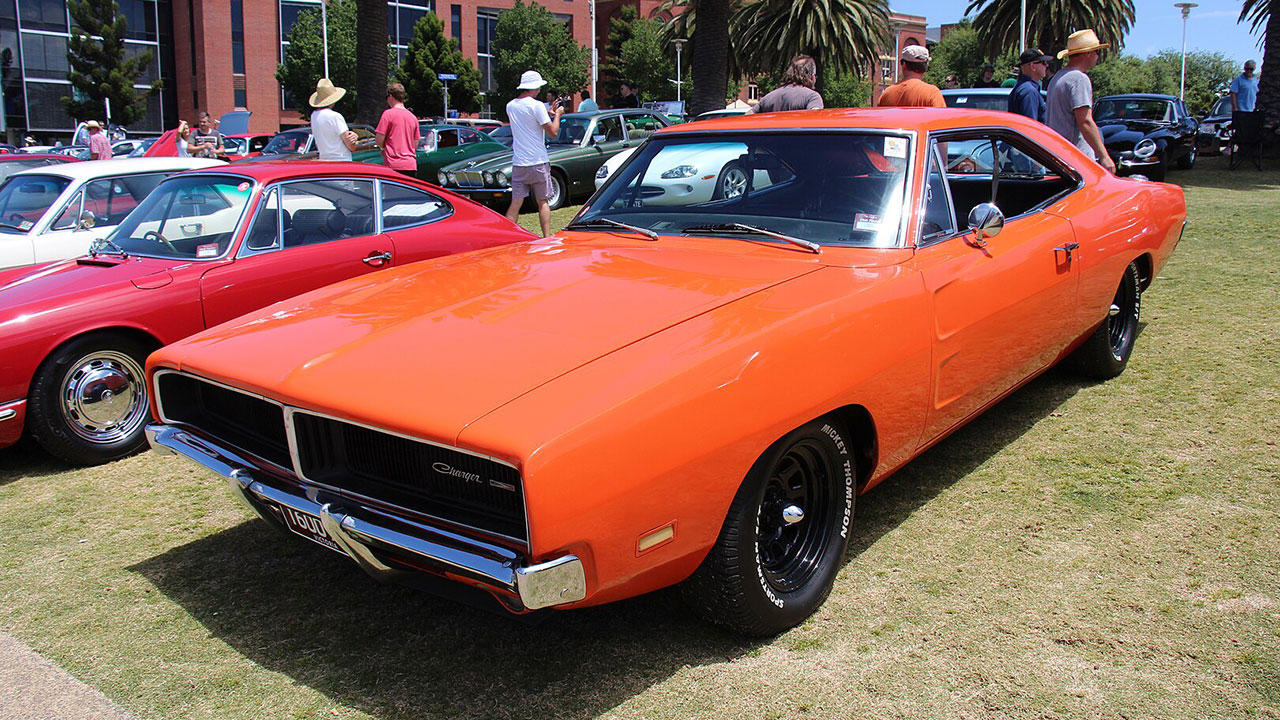
The 1968 Charger did not drift into history, it arrived with instant clarity of purpose. Designers and engineers created a car that looked fast standing still and backed the promise with serious muscle. That combination of presence, performance, and timing turned the 1968 Dodge Charger into an icon the moment it hit American streets. From late‑sixties experiment to focused muscle car weapon Stylist and engineering teams at Dodge treated the second generation Charger as a clean break from earlier efforts. The first Charger hinted at performance, but the 1968 model sharpened every line and detail around speed and aggression. The car entered a late 1960s market that already loved big power, yet it still managed to feel fresh and more purposeful than rivals. Designers shaped the body with a long hood, short deck, and a sweeping fastback roof that gave the profile a single flowing motion. The company framed the project as Deep Dive Into An Icon of American Muscle and treated the Dodge Charger as a flagship statement for the brand. Engineers matched the dramatic sheet metal with serious torque figures that placed the car firmly inside the American performance conversation. That focus on both form and force helped the 1968 Dodge Charger feel complete from day one. Design that looked like nothing else on the road Styling made the 1968 Charger unforgettable before anyone turned a key. The body used a “Coke bottle” shape that pinched at the doors and flared at the fenders, which gave the car a muscular stance without extra ornament. Hidden headlights and a full width grille created a sinister face that drivers in smaller cars remembered in their mirrors. Enthusiasts still point to that sculpted profile as a turning point for American muscle design. A detailed breakdown of the 1968 Dodge Charger describes how the car “wasn’t just a muscle car, it was a revolution in style and performance,” and highlights the sleek Coke bottle curves that defined its silhouette. Another analysis of the model’s visual impact notes that one of the most striking elements came from the uninterrupted fastback roofline, which set the Dodge Charger apart from contemporaries that still relied on more upright shapes. Those choices made the car instantly recognizable from any angle. Powertrains that matched the attitude Image Credit: Jeremy / Wikimedia Commons / CC BY 2.0 Engine options gave the 1968 Charger the credibility its styling demanded. Buyers could choose big block V8 power that delivered serious acceleration on street and strip. The range topped out with legendary high output configurations that turned the car into a genuine threat at any stoplight. Performance focused coverage of the model highlights how the 1968 Dodge Charger offered a mix of engines that delivered both strong horsepower and abundant torque. A detailed feature on May 20, 2023, explains that the 1968 Dodge Charger is one of the most iconic muscle cars and lists key facts about this amazing ride, including its available high performance powertrains. Another deep technical overview from NFI describes how the Dodge Charger delivered a “titan of American” performance, with engines that produced significant pound feet of torque and turned the car into a serious highway weapon for drivers who wanted more than style. R/T heritage and the rise of the street legend The R/T badge turned the 1968 Charger from a strong performer into a street legend. That package bundled the most desirable engines with suspension and appearance upgrades that signaled intent. Owners who chose R/T specification bought more than extra power, they bought a complete identity. Community discussions about the 1968 Dodge Charger R/T describe it as a classic American muscle car that pairs a high performance V8 with the model’s distinctive fastback design. One enthusiast post on May 9, 2025, praises the Dodge Charger R/T and notes its role in later film franchises, which helped cement its reputation with younger fans. Another detailed breakdown from Jul 8, 2024, explains how the R/T, which stands as the performance flagship, continues to attract car enthusiasts and collectors worldwide, and frames the Dodge Charger R/T as a benchmark for American muscle authenticity. Hollywood, high speed and the Charger’s screen mythology Film and television exposure pushed the 1968 Charger from enthusiast favorite to global pop culture symbol. Directors loved the car’s menacing profile and used it to signal danger, rebellion, or raw speed. Viewers who never read a spec sheet still recognized the shape and associated it with high stakes chases. Accounts from stunt and production crews describe how the 1968 Dodge Charger R/T models played central roles in famous chase scenes. One detailed recollection from Sep 26, 2025, recalls a sequence that involved Frank Bullitt, Steve McQueen, and a Charger that approached 60-mph before a critical turn, which underlined how the car wanted to go straight rather than change direction at that speed. Later commentary on the model’s legacy notes that the same aggressive presence helped the Charger secure roles in modern franchises, which kept the 1968 shape in front of new audiences and reinforced its image as the ultimate on screen muscle car antagonist. Enduring legacy in collections and culture More than five decades after its debut, the 1968 Charger still commands attention at auctions, shows, and online communities. Collectors chase original examples, while builders create restomods that blend classic lines with modern hardware. The car’s value now reflects both its historical importance and its ongoing cultural pull. Historical retrospectives describe how the 1968 Dodge Charger emerged in the late 1960s, when In the muscle car era, Dodge introduced an automobile that would redefine expectations. One narrative titled The Birth of the Dodge Charger explains how In the late 1960s Dodge positioned the car as both a performance machine and a more luxurious driving experience, which broadened its appeal. Later sections in that same deep dive describe the Charger’s ongoing legacy and show how the model still influences modern design and marketing decisions inside the brand. More from Fast Lane Only: Unboxing the WWII Jeep in a Crate The Fastest Farm Truck Ever Built 10 Old Trucks That Were Built Like Tanks 12 Classic muscle cars still within reach for budget buyers



















 +11 others
![Ferrari, Controversial Ferrari Luce EV is an instant sellout in China [update]](https://cdn.topcarnews.net/thumb/id/aHR0cHM6Ly9pMC53cC5jb20vZWxlY3Ry-ZWsuY28vd3AtY29udGVudC91cGxvYWRz-L3NpdGVzLzMvMjAyNi8wNi9GZXJyYXJp-X0xVQ0UuanBnP3c9MTUwMCZhbXA7cXVh-bGl0eT04MiZhbXA7c3RyaXA9YWxsJmFt-cDtzc2w9MQ/52f474ba41577805b38d514147ec9b36.jpg?t=20261006&post_id=41360)
![Ferrari, Controversial Ferrari Luce EV is an instant sellout in China [update]](https://cdn.topcarnews.net/thumb/id/aHR0cHM6Ly9lbGVjdHJlay5jby93cC1j-b250ZW50L3VwbG9hZHMvc2l0ZXMvMy8y-MDI2LzAyL0ZlcnJhcmktTHVjZS1pbnRl-cmlvci1oZXJvLmpwZw/1f53aa3bce1f897fbaad013c3a40bb73.jpg?t=20261006&post_id=41360)
![Ferrari, Controversial Ferrari Luce EV is an instant sellout in China [update]](https://cdn.topcarnews.net/thumb/id/aHR0cHM6Ly9lbGVjdHJlay5jby93cC1j-b250ZW50L3VwbG9hZHMvc2l0ZXMvMy8y-MDI1LzAzL0RFUy0xMDM4X0VsZWN0cmVr-LUJhbm5lcnNfRVZzXzA3OTdjMi5wbmc/e850e929e3168f8c7ff73cd888e54add.png?t=20261006&post_id=41360)