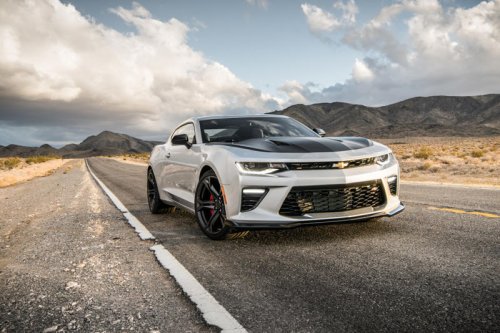
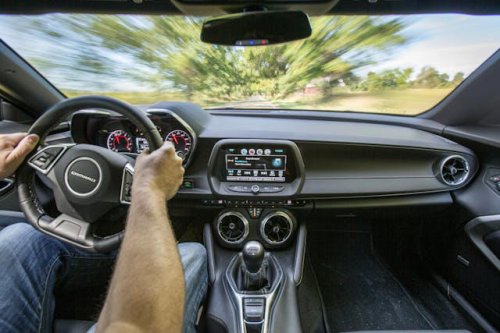
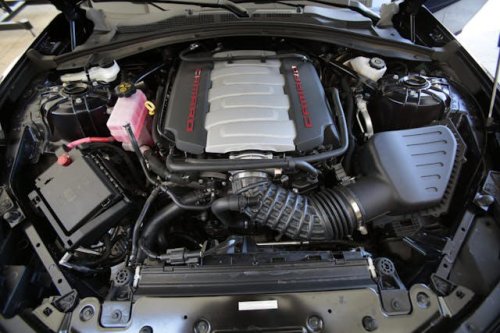
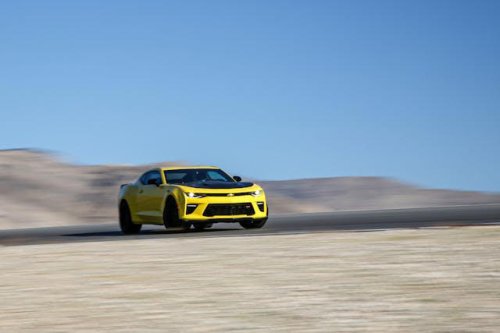
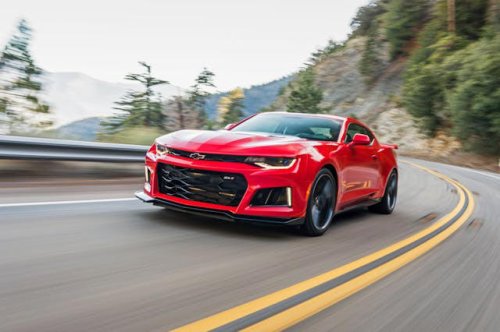
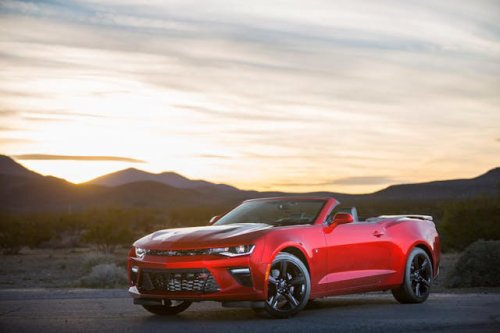
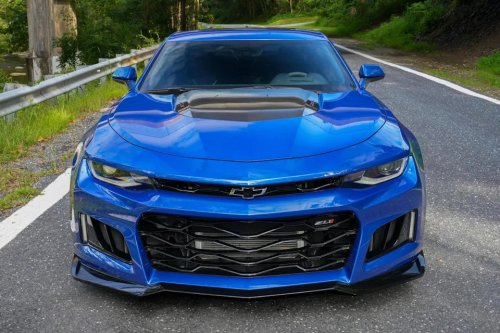
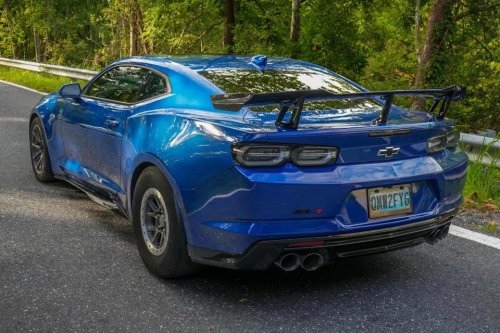
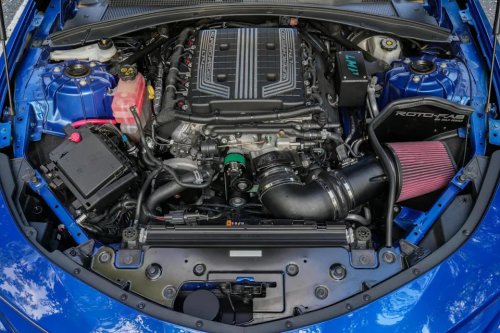
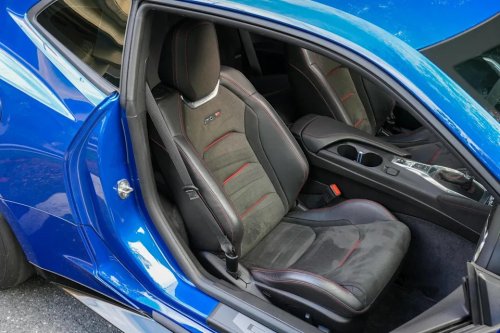
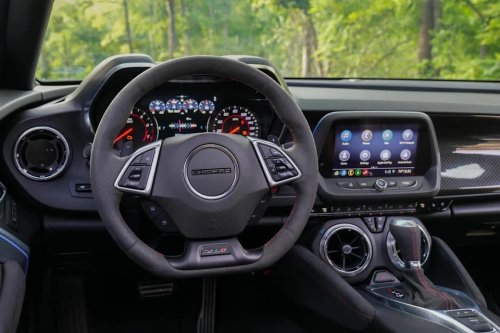
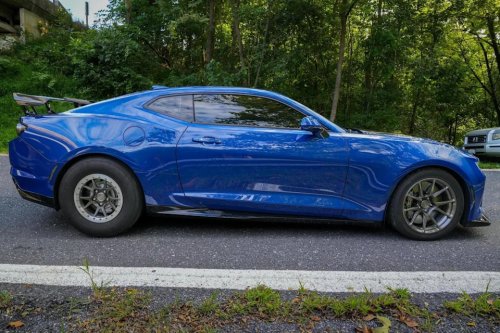
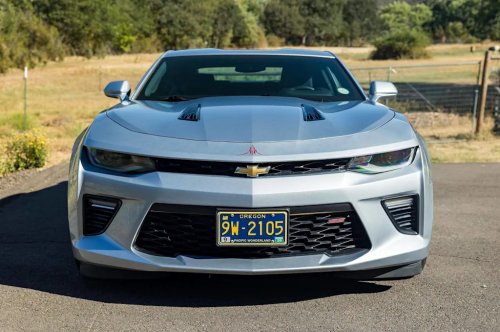
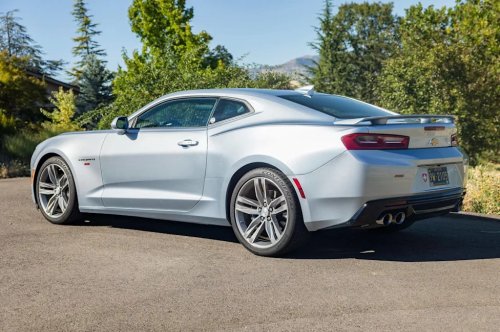
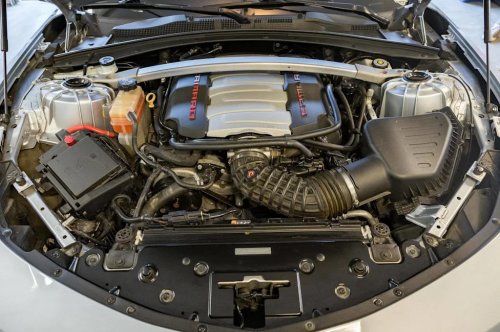
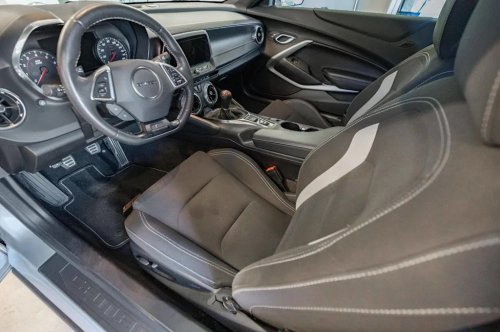
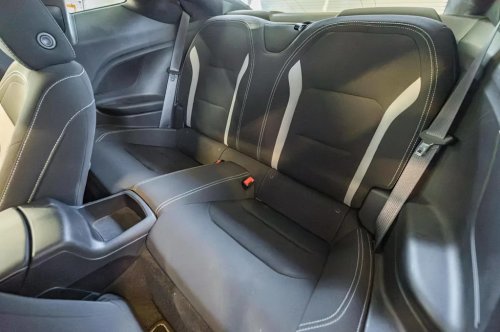
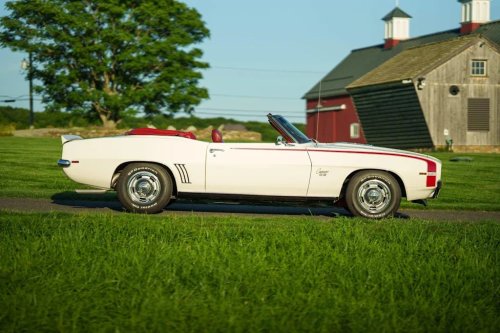
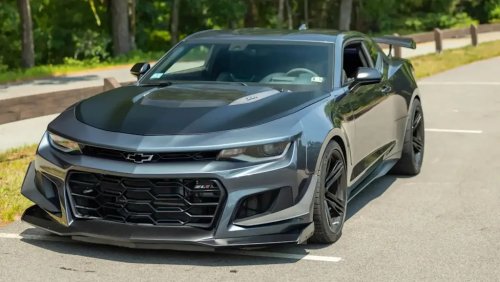
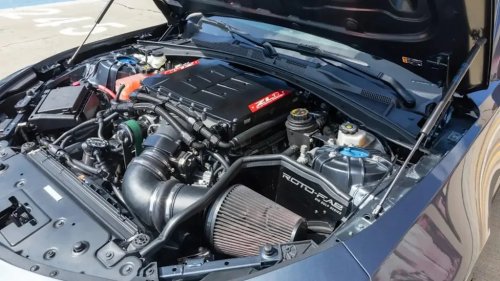
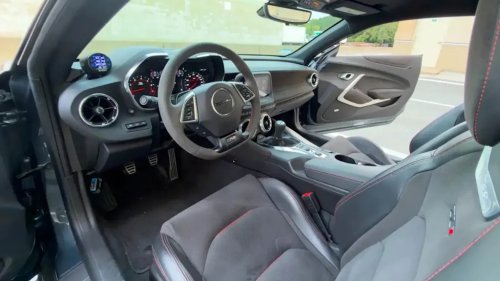
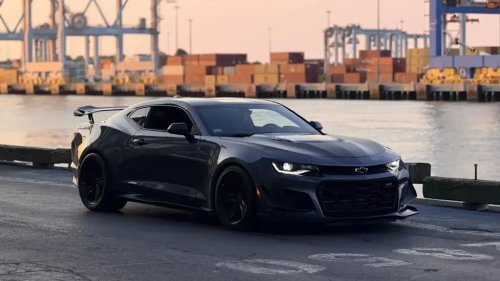
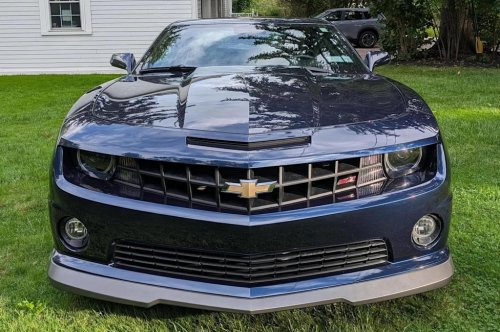
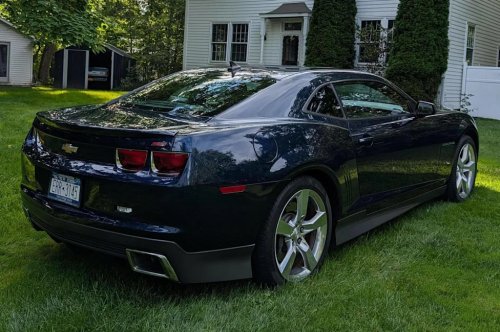
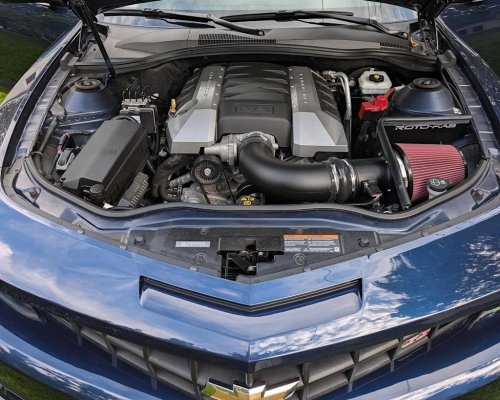
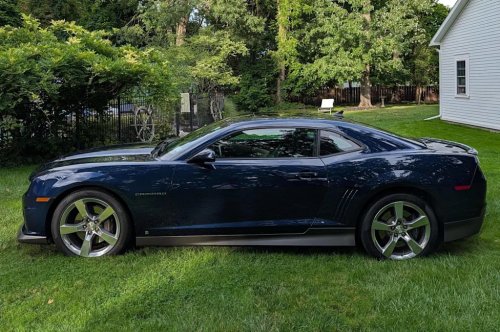
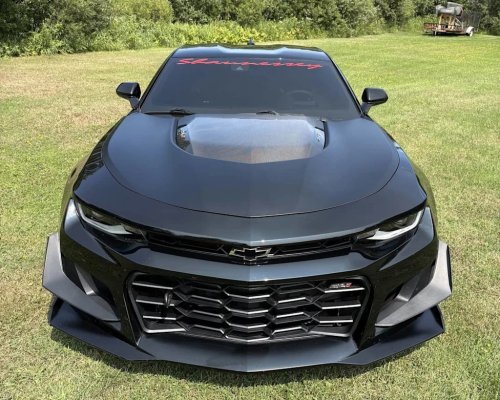
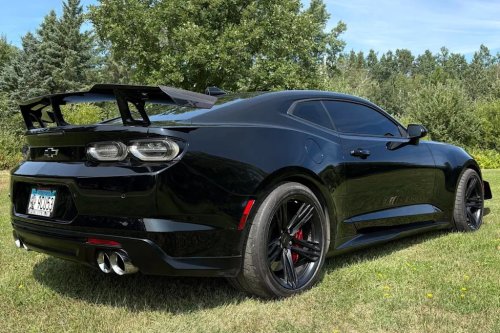
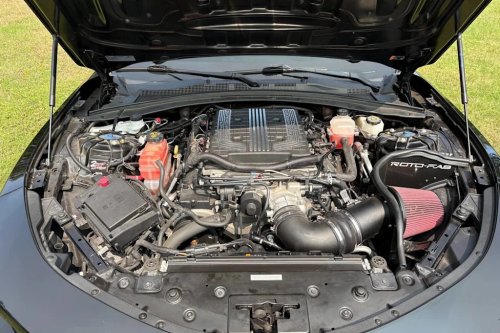
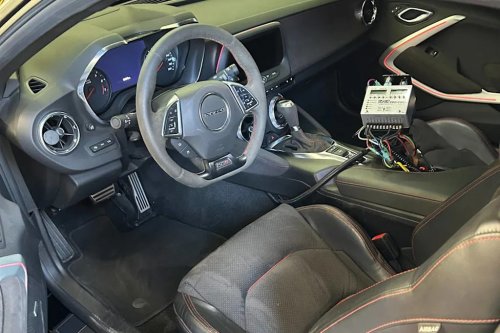
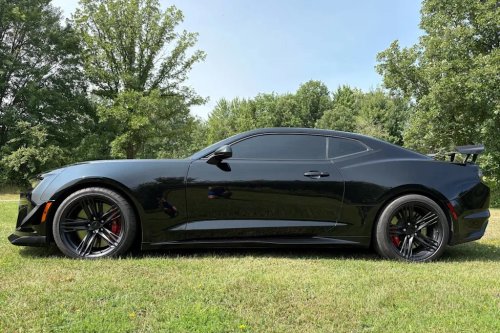
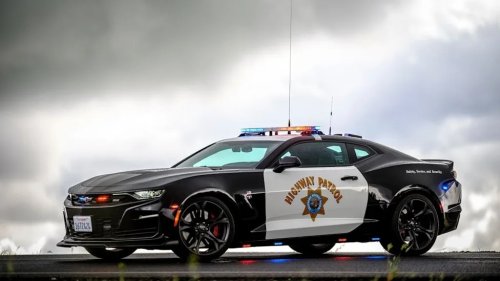
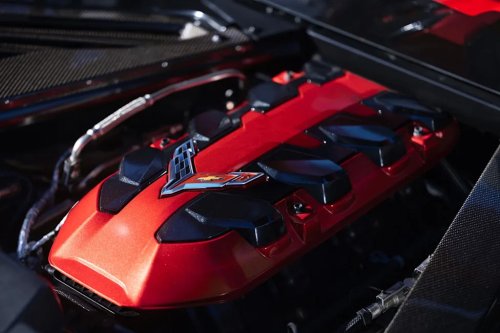
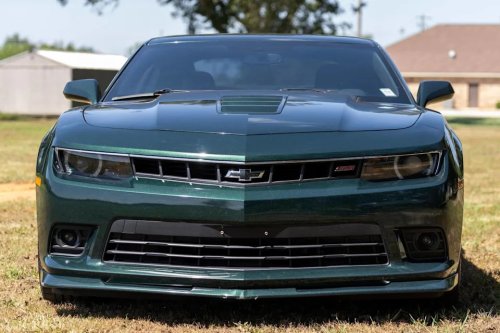
Chevrolet’s Final Camaro (So Far) Is an Instant Collector When Chevrolet brought the Camaro out of retirement for its fifth generation for the 2010 model year, it borrowed the Zeta platform that had underpinned Australian-built coupes, sedans, wagons, and utes. With lines influenced by the first-generation Camaro—particularly the 1969 model—it looked the part of a Chevy pony car and revived the old three-way war with Mustang and Challenger. It had a pretty solid start, but it did require some chassis tuning and fine honing to get the fifth-gen Camaro where its development team wanted it. After all, it was sharing a platform with full-sized sedans. When the sixth-generation car debuted as a 2016 model, it was a fantastic driver’s car right out of the gate. As of the 2024 model year, the sixth-gen Camaro is gone and on its way to collector car status, which is why we recently added for the various trims and model years to the Hagerty Price Guide. The Camaro development team, headed by Al Oppenheiser and lead development engineer Aaron Link, built the sixth-generation Camaro on GM’s Alpha platform, first used on the compact Cadillac ATS. The new platform was lighter and more rigid than its Zeta predecessor, while also bringing a lower cowl height, giving the development team a better jumping-off point for a pony car. Its design was an evolution of the fifth-generation’s retro take on the first F-body. It was slightly smaller, with a lower roof line, but just about every exterior dimension was within an inch or so of its predecessor. While it shared the Cadillac’s platform, the Camaro got unique suspension geometry and a longer wheelbase. Importantly, the lower weight of the Alpha chassis made its way to the finished product, with new models tipping the scales 200-300 pounds lighter than their predecessors. The 6.2-liter, direct-injection LT1 V-8 in the Camaro SS and LT1 provides 455 hp at 6000 rpm and 460 lb-ft of torque at 4400 rpm. Brandan Gillogly The V-8-powered SS, using a 6.2-liter, 455hp LT1 borrowed from the C7 Corvette, offered balanced handling, sharp, responsive steering, and powerful braking with four-piston Brembo calipers up front. It delivered an engaging driving experience on the road and on track that solidified GM’s Alpha chassis in the pantheon of great automotive platforms. New for 2016, the SS was available with Magnetic Ride Control, which was previously only available on the ZL1. The active suspension offered drivers the choice of Tour, Sport, and Track settings that provided noticeable changes in ride quality and firmness. When it launched in 2016, the LT1 was backed by either a Tremec TR6060 six-speed manual transmission or GM’s quick-shifting eight-speed torque-converter automatic. In 2019, the SS got a 10-speed auto, developed jointly with Ford. That same year, it also got a new fascia and hood, along with some upgraded tech. The 1LE package was first launched on the SS, but was eventually available with all powertrains. It was removed as an option on 2.0-liter and 3.6-liter Camaros in 2022. Brandan Gillogly For those looking for an even more track-focused Camaro, the 1LE package firmed things up with a unique suspension calibration for the Magnetic Ride Control and upgraded performance with an electronic limited-slip differential and six-piston Brembo calipers up front. Thanks to its magnetic suspension, the 1LE wasn’t punishing to drive on the street despite its improved track prowess, making it a great choice for an all-around enthusiast car. Visually, a 1LE will reveal itself with unique wheels and a flat-black vinyl wrap on the hood—it is body color underneath. The SS was bolstered by V-6 and turbocharged four-cylinder variants that offered spirited driving at a more affordable entry point in LS and LT trims. The 336-hp, 3.6-liter LGX V-6 and 275-hp 2.0-liter turbo four were both offered the Tremec TT3160 six-speed manual and GM’s lighter-duty eight-speed auto. Like the SS, the V-6 model also got a variant of the 10-speed auto, but not until 2020. Both of those powertrains also eventually received 1LE handling packages. So did the most powerful sixth-gen Camaro, the supercharged ZL1, which debuted in 2017. With the same displacement as its Super Sport brethren, the added boost brought the ZL1’s LT4 V-8 to 650 hp. It came with upgraded suspension and drivetrain to handle its increased torque, as well as a new hood and fascia to help package and cool the additional horsepower. Like the SS, it was available with a Tremec TR6060, but it launched with the 10-speed auto, leading the SS by two model years. In 2020, Chevy introduced the LT1 trim. This confusingly named model put the 455-hp LT1 engine from the SS into a more affordable package that included the fascia from the LS and LT cars. A bit of a sleeper, as it looked almost identical to the four- and six-cylinder cars, it could be identified by the vented hood it shared with the SS. The sixth-gen Camaro is a recent addition to the Hagerty Price Guide, making its debut in the final quarter of 2025. Our valuation specialists noted that its values have been stable for the past few years, with median #2 (excellent) values around $40K for SS coupes, though #2 values do vary widely from $31,300 to $57,200 depending on model year, with later ones carrying a higher price tag. Convertible models, which launched shortly after the sixth-generation coupes, only prompt a small bump in value, while both the six-speed manual and 1LE option package are each good for a 15% boost. Expect to pay an additional 50% more for the ZL1. Insurance quotes for sixth-gen Camaros are skewed toward younger buyers. For example, 36% of quotes come from Gen X collectors, who make up 31% of the market, and 24% of quotes are from Millennials, who make up 21% of the market. That’s generally a good sign for future collectability, as it takes a younger generation’s interest in a vehicle to keep them relevant. Another factor keeping Camaro values high is that they aren’t making any more of them. The list of affordable enthusiast cars with big, powerful V-8s and manual transmissions was already rather short in the 2020s. Camaro’s cancellation at the end of the 2024 model year made each SS and ZL1 a bit more desirable. Thankfully, they had several years of robust sales to churn out tens of thousands of V-8 performance coupes and convertibles. We just hope the sixth-generation Camaros aren’t the last ever.