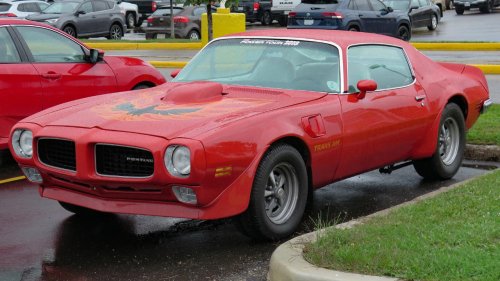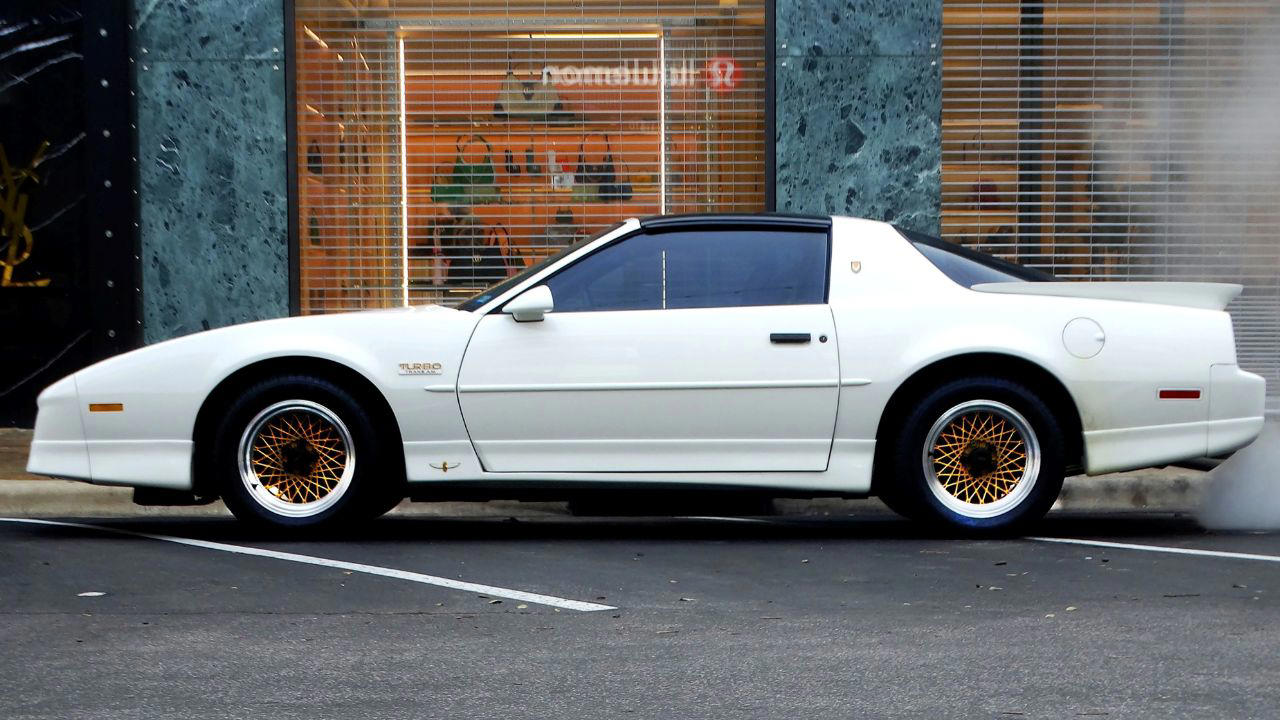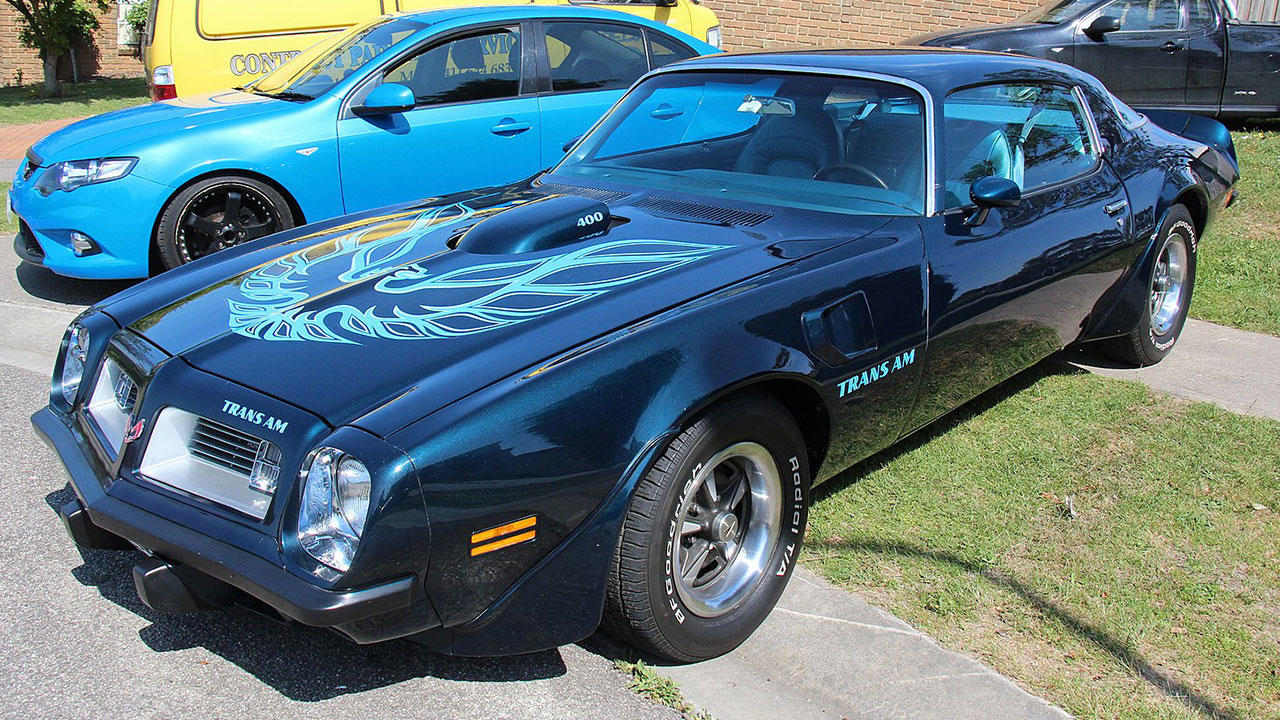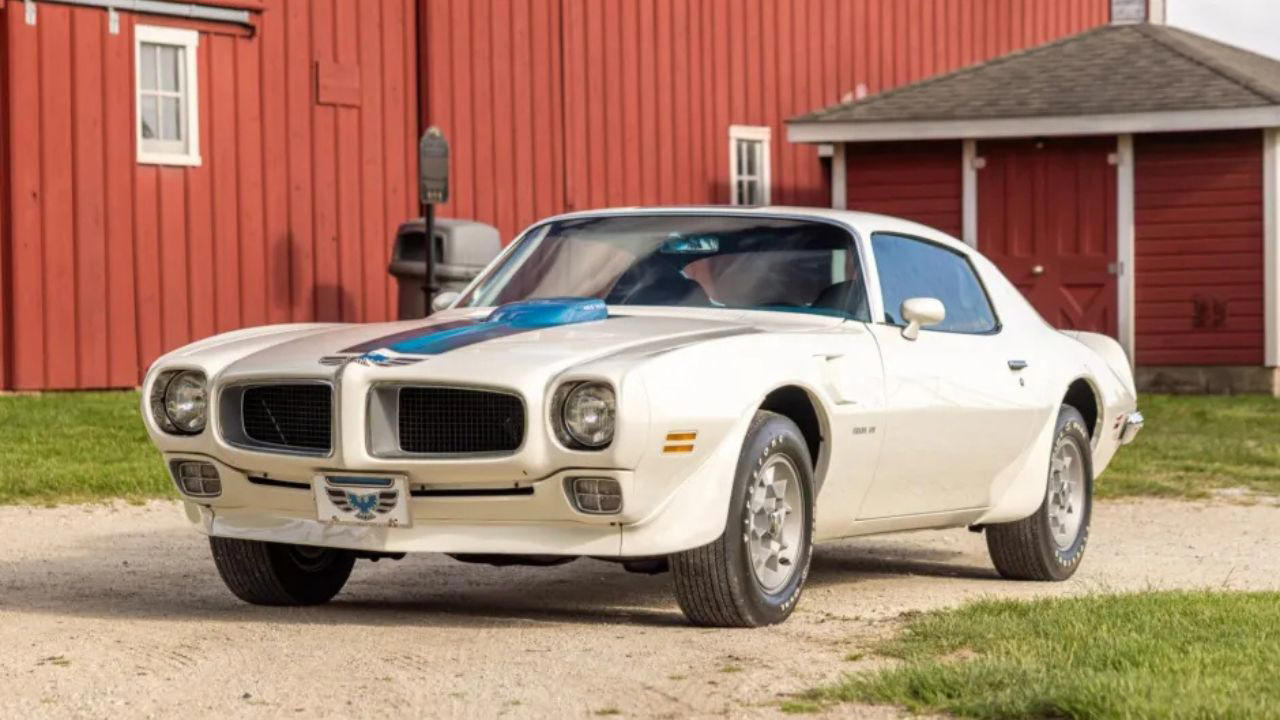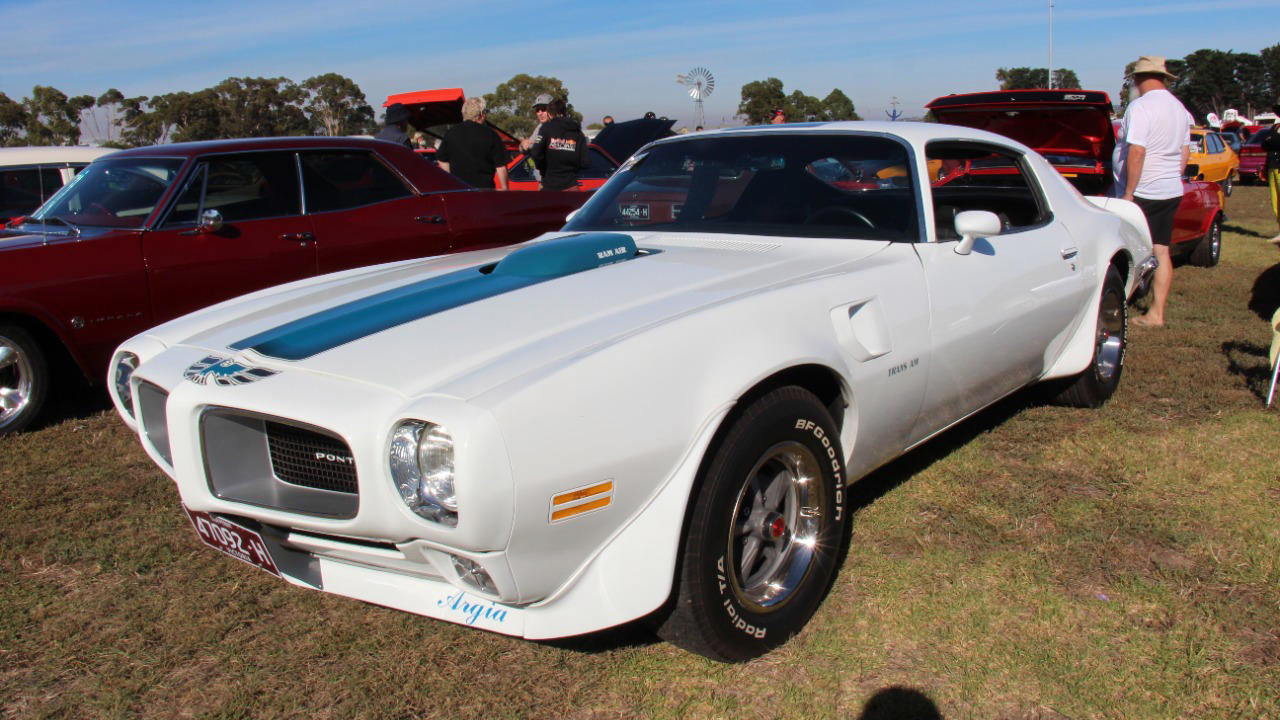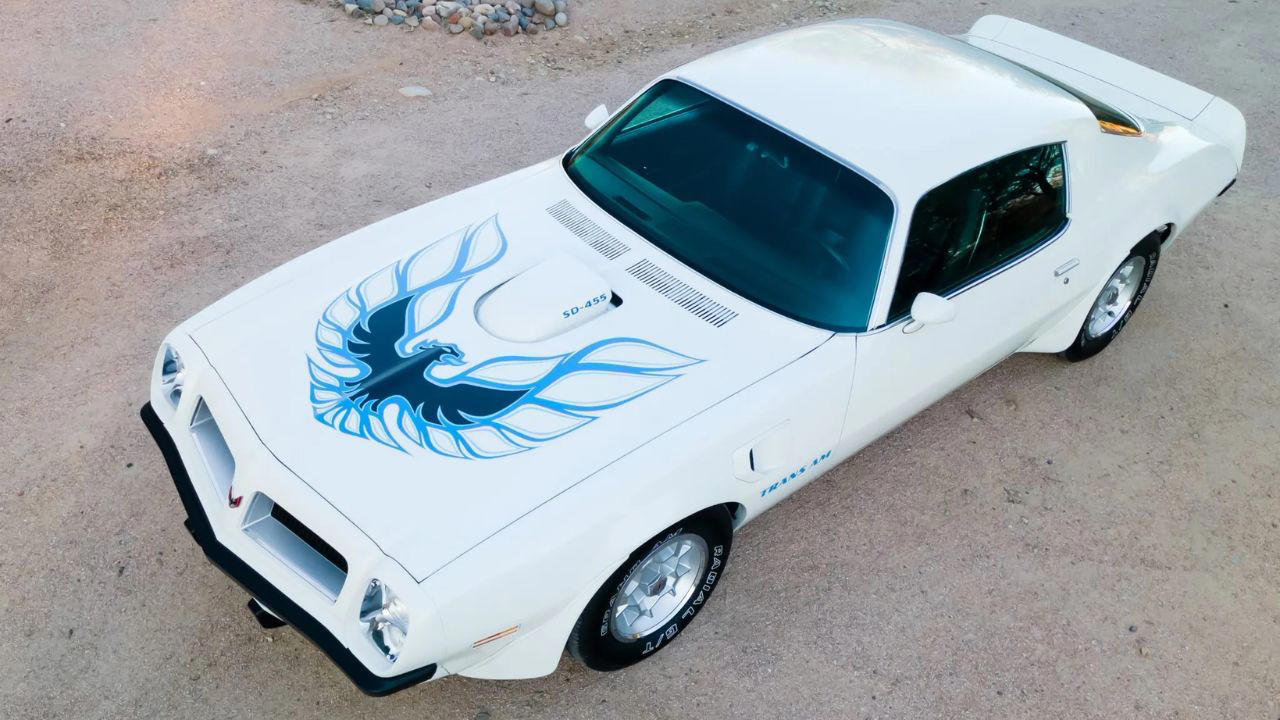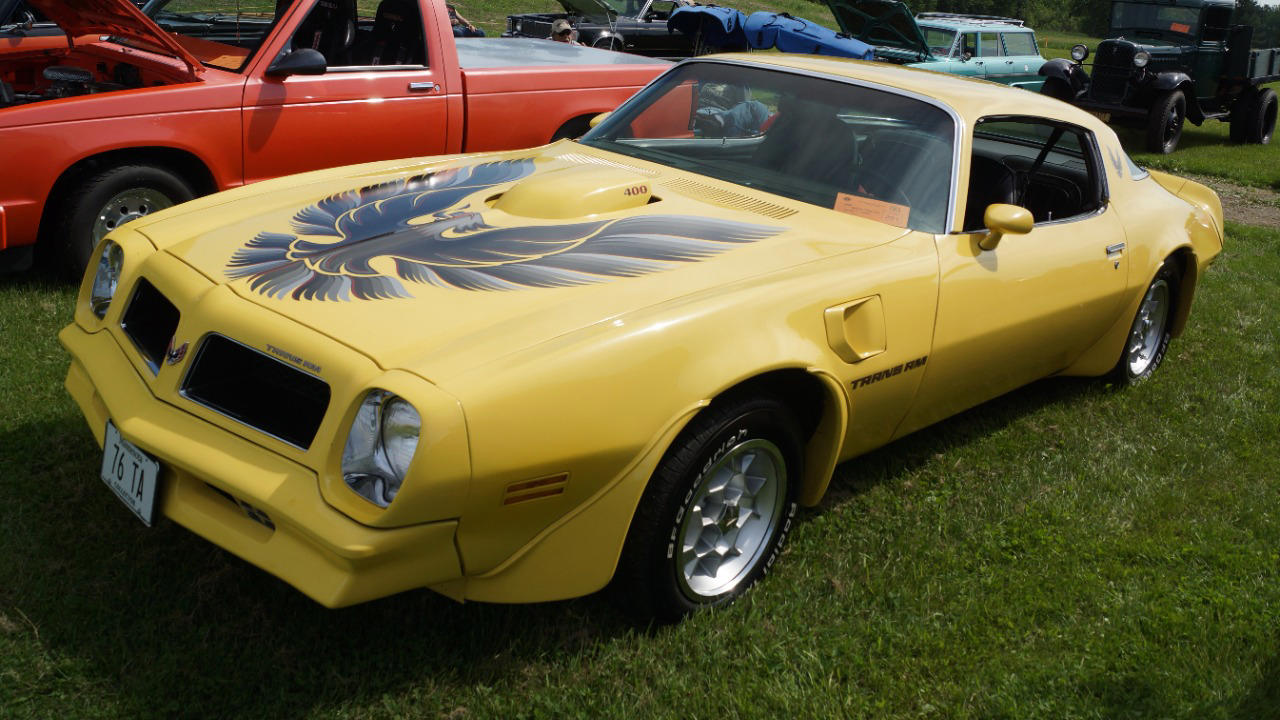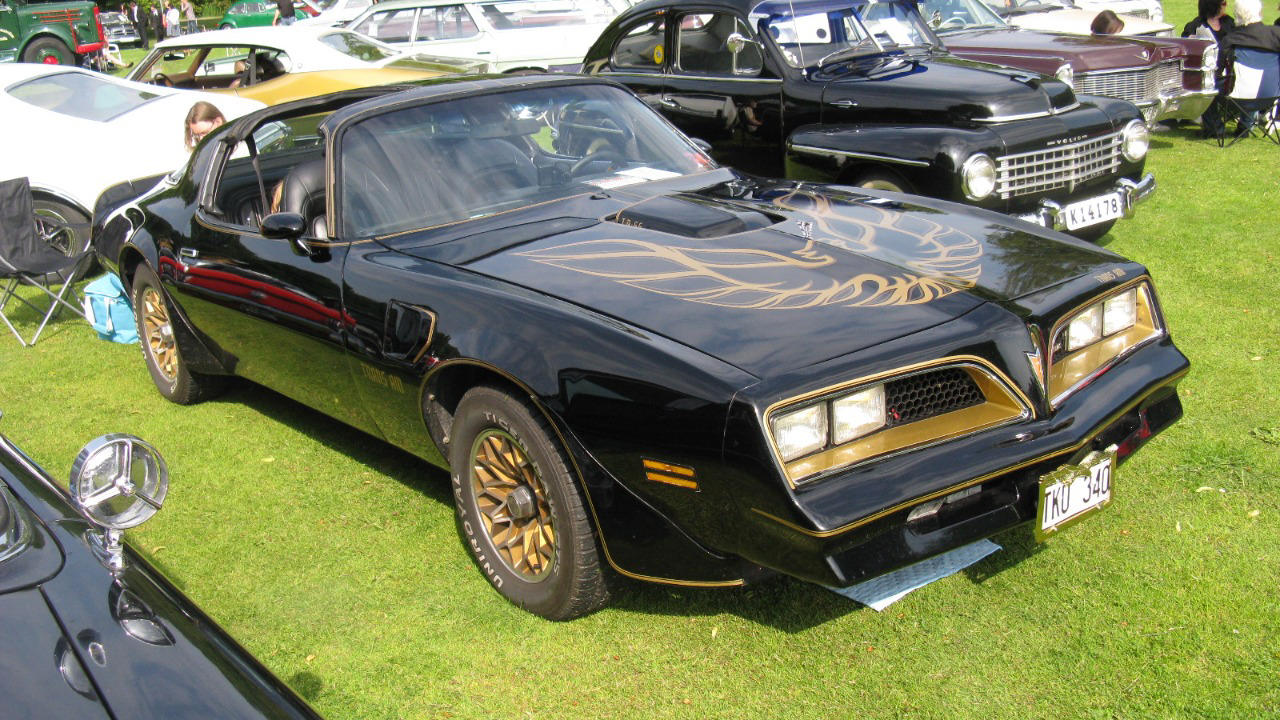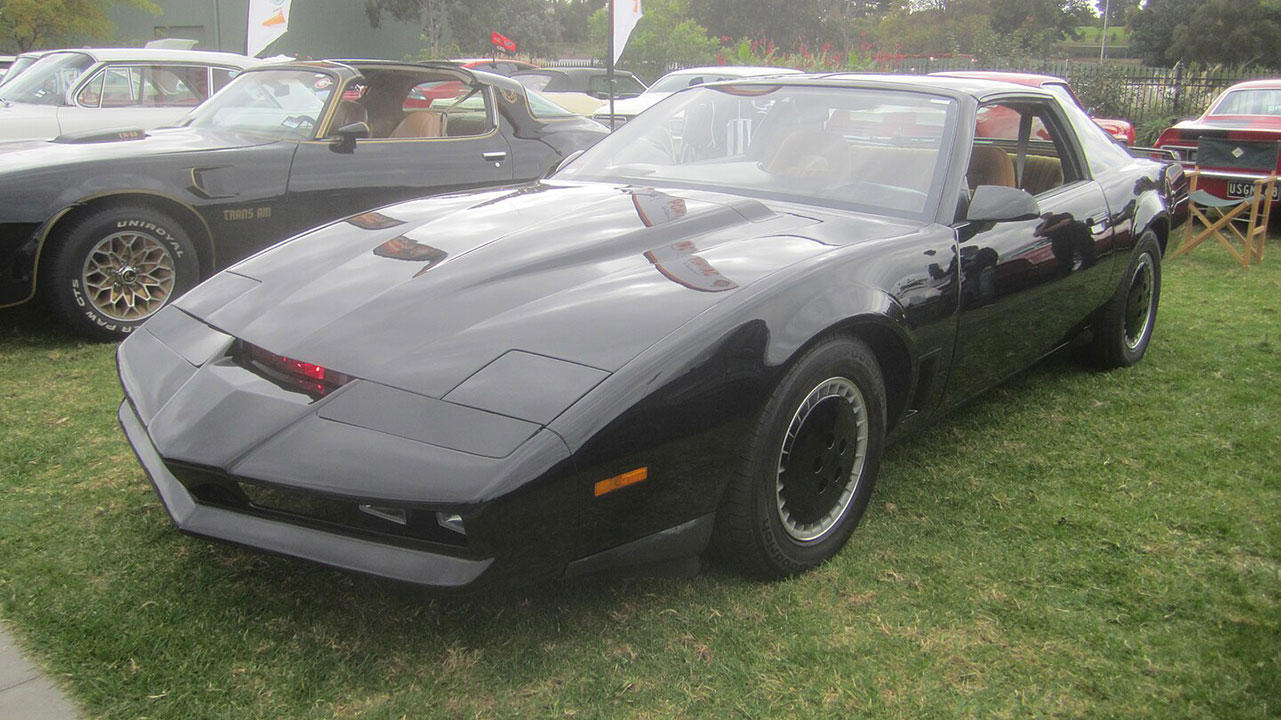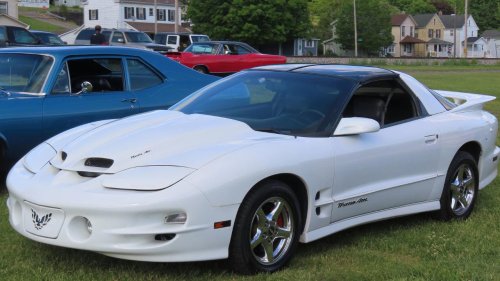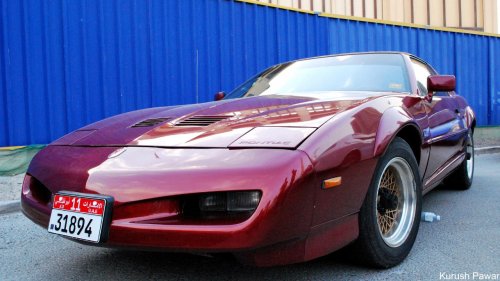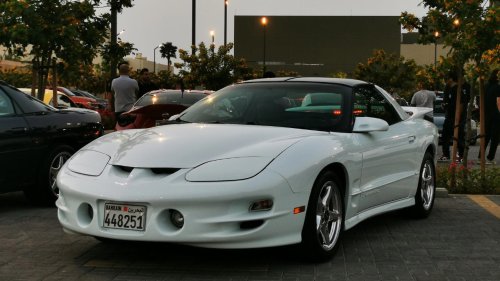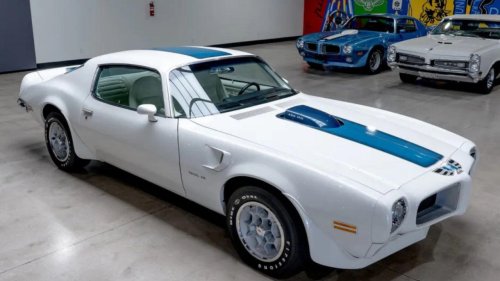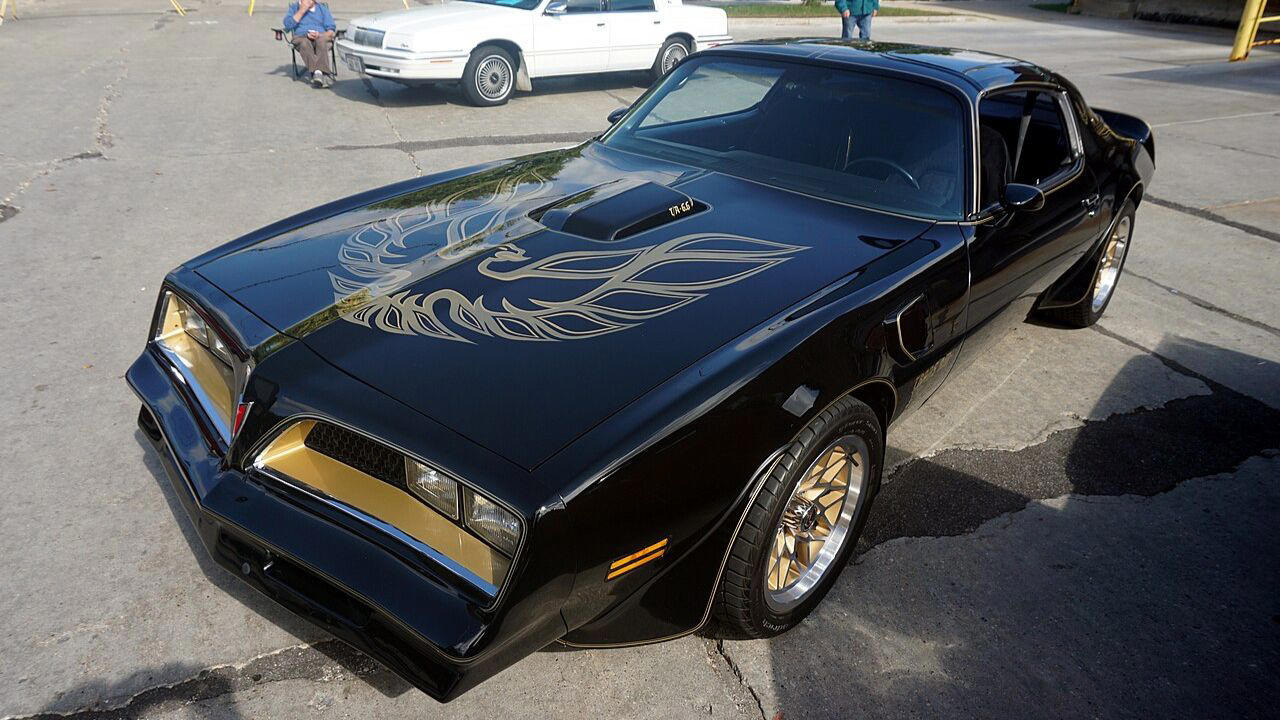



















The Trans Am didn’t explode in popularity until years after it arrivedThe Pontiac Trans Am arrived as a niche performance package, a sharper, louder variant of the Firebird aimed at road course bragging rights more than showroom volume. Its legend, and its sales, did not truly ignite until the late 1970s, when a black and gold coupe on the silver screen turned a specialist model into a pop‑culture icon. The path from low‑volume option to mass‑market fantasy car shows how design, regulation and Hollywood combined to shape one of the most recognizable American nameplates. The quiet arrival of a top‑tier Firebird The Trans Am did not begin life as a standalone car. It was introduced as the highest performance version of the Pontiac Firebird, itself a two‑door coupe and convertible that shared its basic structure with the Chevrolet Camaro. Production figures for the first generation Firebird show how broad that base was, with the Model Two door layout anchoring a lineup that focused more on style than on racing homologation. Early Trans Am development was tied to the Sports Car Club of America Trans American Sedan Championship, which lent its name to Pontiac’s package. The production variant arrived as a limited, track‑oriented Firebird with uprated suspension and specific engines rather than a clean‑sheet design. That heritage is reflected in the way enthusiasts and historians describe the car: as a subseries of the Firebird rather than a separate platform, a framing that carries through in reference works that treat the Trans Am as a performance and appearance package built on the existing pony car. From the start, the Trans Am was positioned as the top rung of the Firebird ladder. A later enthusiast breakdown of production numbers lists separate totals for Firebird, Esprit, Formula and Trans Am, with an Overview table that makes clear how small the Trans Am slice was compared with the base cars. In the late 1960s and early 1970s, that hierarchy mattered: the Trans Am badge signaled a serious driver, but it did not yet guarantee mass appeal. Rarity, stripes and a slow burn of enthusiasm The earliest Trans Ams were built in modest numbers. A fan discussion of the Rarity of 1970 Pontiac Trans Am models highlights how limited those first years were, especially compared with the broader Firebird run. That scarcity was partly intentional. Pontiac wanted the Trans Am to serve as a halo, a car that drew attention to the brand and its engineering without needing to compete on raw volume with the bread‑and‑butter coupes. Visual distinction helped. One period description of the 1969 car notes that it stood out with unique badging, functional air inlets, Rally II wheels and bold painted stripes instead of decals, a look captured in an enthusiast post that opens with the phrase visually to emphasize how much the appearance set the car apart. Those stripes and scoops gave the Trans Am a motorsport flavor that appealed strongly to a small group of buyers who followed SCCA racing and read spec sheets closely, but they did not yet resonate with the broader car‑buying public. Contemporary accounts of Pontiac’s strategy describe the Pontiac Firebird Trans Am as a high performance version of the Firebird, produced with close attention to suspension tuning and interior materials. A period write‑up shared by enthusiasts explains that when Pontiac decided to offer the Trans Am, the company aimed to create a premium muscle car that still fit within the Firebird family, a move that kept the badge exclusive but also limited how many buyers would seek it out in showrooms linked to the Jan discussion of the first Trans Am. The early 1970s brought a wave of regulation and insurance pressure that hit every muscle car. A retrospective on the Trans Am’s history describes how, in spite of government and industry obstacles, the Trans Am continued to offer as much performance and handling as Pontiac could engineer within the limits of emissions rules. That piece closes with an emphatic “Long live the Trans Am,” a line that captures how enthusiasts saw the car as a survivor in a shrinking high‑performance field rather than a mass‑market hit, a view echoed in the Dec commentary on the Trans Am. Stable Firebird sales, rising Trans Am share By the mid 1970s, the broader Firebird line had settled into a steady rhythm. Enthusiast research points out that Firebird sales remained relatively stable from 1973 to 1979, while Trans Am sales climbed within that constant total. A post from a group focused on American performance cars credits Pontiac with using attention to detail and quality materials in the interior to maintain the Trans Am’s premium feel, arguing that this helped it become a symbol of the American muscle car even as base models stayed more conservative. That assessment of Pontiac strategy matches the production data that shows the performance variant taking a larger share of a roughly fixed pie. In those years, the Trans Am was popular among a specific audience that valued performance and aggressive styling. It carried shaker scoops, flared fenders and, increasingly, large hood graphics that would later become synonymous with the car. Yet its sales, while healthy for a specialty model, remained modest in the context of the wider market. The Trans Am was known, but it was not yet a household name in the way that the Mustang had become. That balance began to shift as Pontiac leaned harder into visual theater. The “screaming chicken” hood decal, gold accents and snowflake wheels turned the Trans Am into an unmistakable shape on American roads. Those visual cues would prove essential once the car found its way into a major motion picture that needed a car with instant on‑screen presence. Smokey, the Bandit and an explosion of demand The tipping point came when a black Trans Am took a starring role in Smokey and the Bandit. A detailed account of the film car’s impact notes that the production used a 1977 model with black paint, gold striping and T‑tops, a configuration that made the car as much a character as the actors. That piece explains how one car stole the spotlight in Smokey and the Bandit, placing the Trans Am alongside James Bond’s Aston Ma in the pantheon of movie machines that shaped public perception, a comparison drawn directly in the how one car narrative. The effect on sales was immediate and dramatic. A separate analysis of the Firebird’s movie connection describes an Explosion Of Sales that followed the film’s release. It notes that Smokey and the Ban did not accidentally feature a Trans Am, but instead capitalized on its already distinctive styling to create an aspirational image that audiences could buy into at their local Pontiac dealer. The same piece points out that this iconic movie car pushed Firebird sales to new heights, crediting the film with a surge in demand for Trans Am cars that reshaped the model’s trajectory, as detailed in the Iconic Movie Car account. Contemporary sales figures back up that storyline. A report on late 1970s performance cars notes that Trans Am for 1977 sold 68,744 units, or 20,000 better than in 1976. It adds that sales were even stronger for 1978 with 93,341 cars sold, framing those numbers as remarkable for a relatively pricey model in economically difficult times. The phrasing “So popular was Trans Am for 1977 that it sold 68,744 units, or 20,000 better than in 1976” appears verbatim in that piece, which treats the late 1970s as the car’s commercial peak, as summarized in the Mar discussion of Trans Am for sales. Enthusiast media at the time also recognized what was happening. A video retrospective hosted by Rick De Brule revisits a period Hot Rod feature that labeled a particular late 1970s Pontiac Trans Am the last American muscle car. The clip, which references Feb, Hot Rod, Pontiac Trans Am the, American, Was and Rick De Brule by name, uses that phrase to capture how the car had come to symbolize the end of an era. It is a reminder that the Trans Am’s sales surge coincided with a broader sense that traditional muscle was fading, a theme that runs through the best selling Trans discussion. From cult favorite to enduring symbol By the end of the 1970s, the Trans Am had completed a transformation from niche track‑inspired option to cultural touchstone. The production data that once showed small Trans Am slices within Firebird totals now reflected a car that could carry a model line. The Overview table that separates Year, Firebird, Esprit, Formula and Trans Am tells that story in numbers, but the emotional shift came from a mix of design bravado and media exposure that no spreadsheet can fully capture. Later commentary on the car’s legacy often returns to that late 1970s moment. Retrospectives argue that while the Trans Am had always been technically interesting, it took the combination of bold styling, persistent engineering in the face of regulation and a starring role in Smokey and the Bandit to turn it into an object of mass desire. Enthusiast groups still share and repost the original movie trailer and photos of the black and gold coupe, while social media links encourage fans to share the story further, as seen in the Discovered tweet prompt tied to the movie car analysis. The Trans Am’s roots in the broader Pontiac Firebird family are also preserved across international reference works, with entries in Arabic, Catalan, German and Greek that catalog the Firebird’s variations. Those multilingual pages, such as the Discovered Catalan overview, treat the Trans Am as an integral part of the Firebird story rather than an isolated curiosity, which reflects how thoroughly the badge has seeped into global car culture. General internet culture has absorbed the car’s image as well. Enthusiast communities on platforms like Tumblr and Facebook trade photos, restoration tips and period advertisements, with links that trace back to production research sites like Hitman’s Pontiac Trans Am Site. One such link credits Discovered connections from the Production Numbers work that helped fans understand just how rare certain model years were, reinforcing the sense that owning a Trans Am means holding a tangible piece of a specific automotive moment. The Trans Am’s late‑blooming popularity also shaped how collectors value different years. Early low‑volume cars carry rarity appeal, while the 1977 and 1978 models trade heavily on their movie connection. Auction listings often highlight Smokey and the Bandit style details, from T‑tops to gold striping, and some sellers explicitly reference the car’s screen role to justify premiums. That focus on a narrow window of production shows how a single cultural event can concentrate demand around a particular specification, even when the broader model line spans decades. More from Fast Lane Only Unboxing the WWII Jeep in a Crate 15 rare Chevys collectors are quietly buying 10 underrated V8s still worth hunting down Police notice this before you even roll window down The post The Trans Am didn’t explode in popularity until years after it arrived appeared first on FAST LANE ONLY.