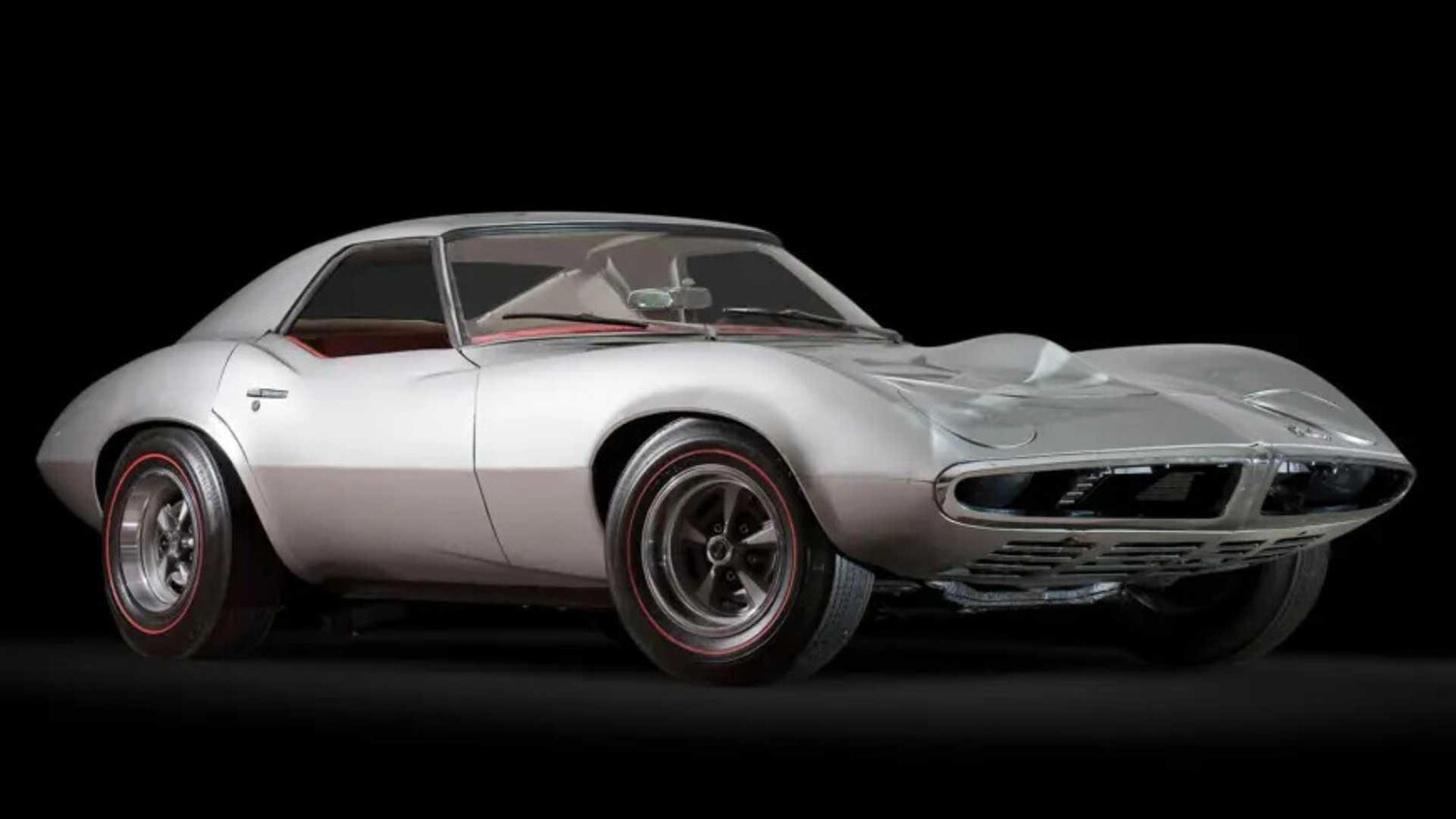
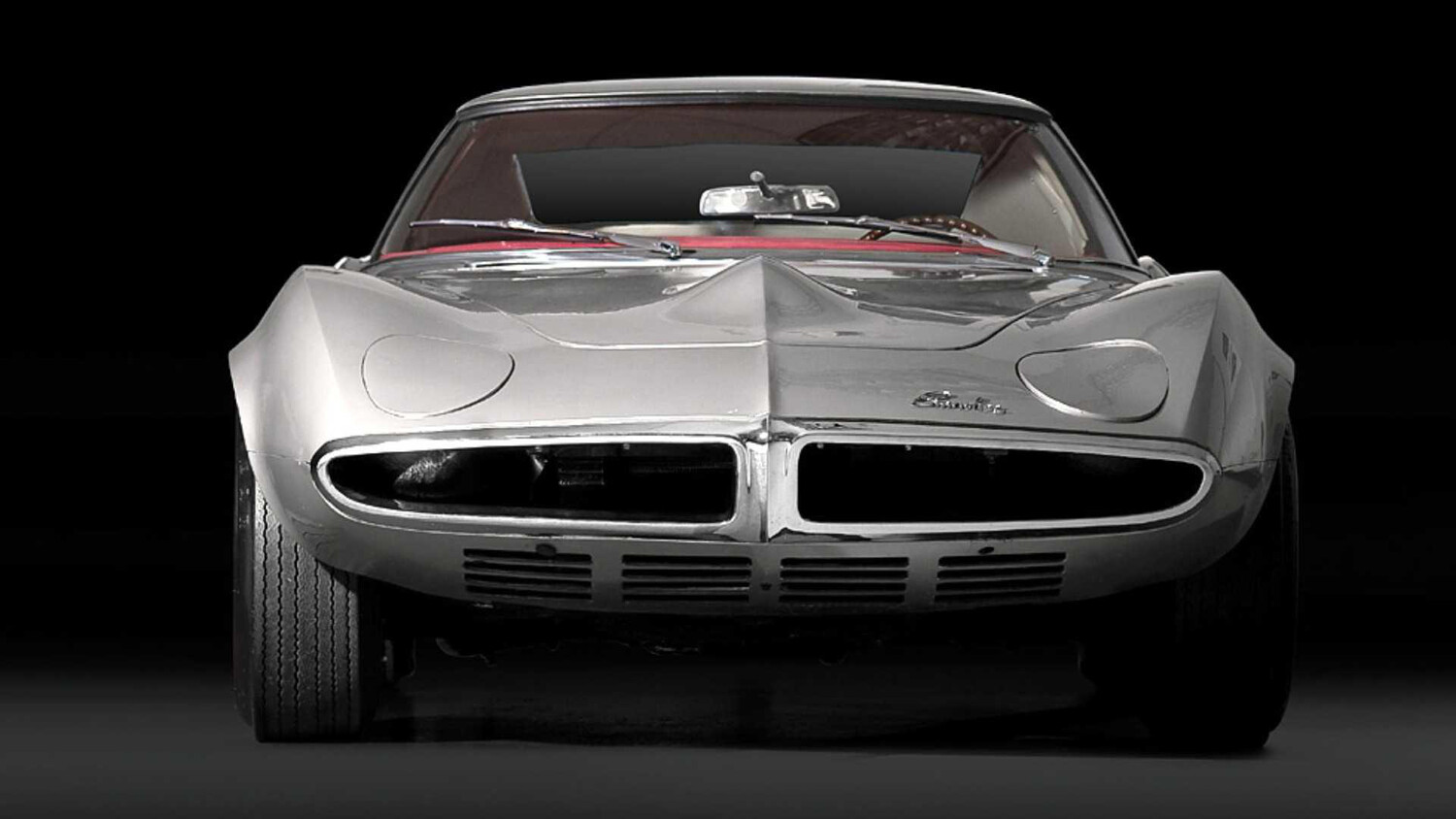
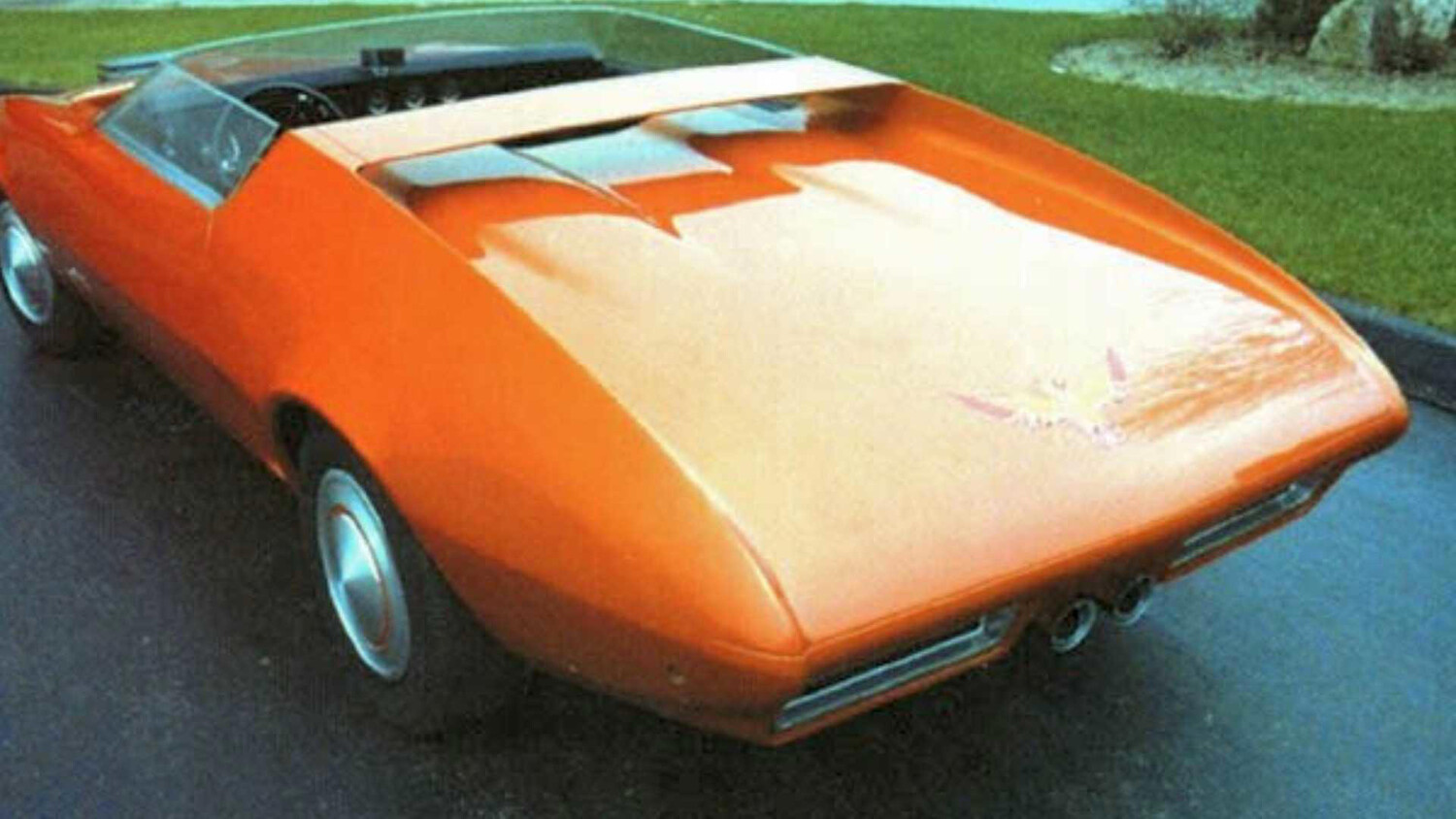
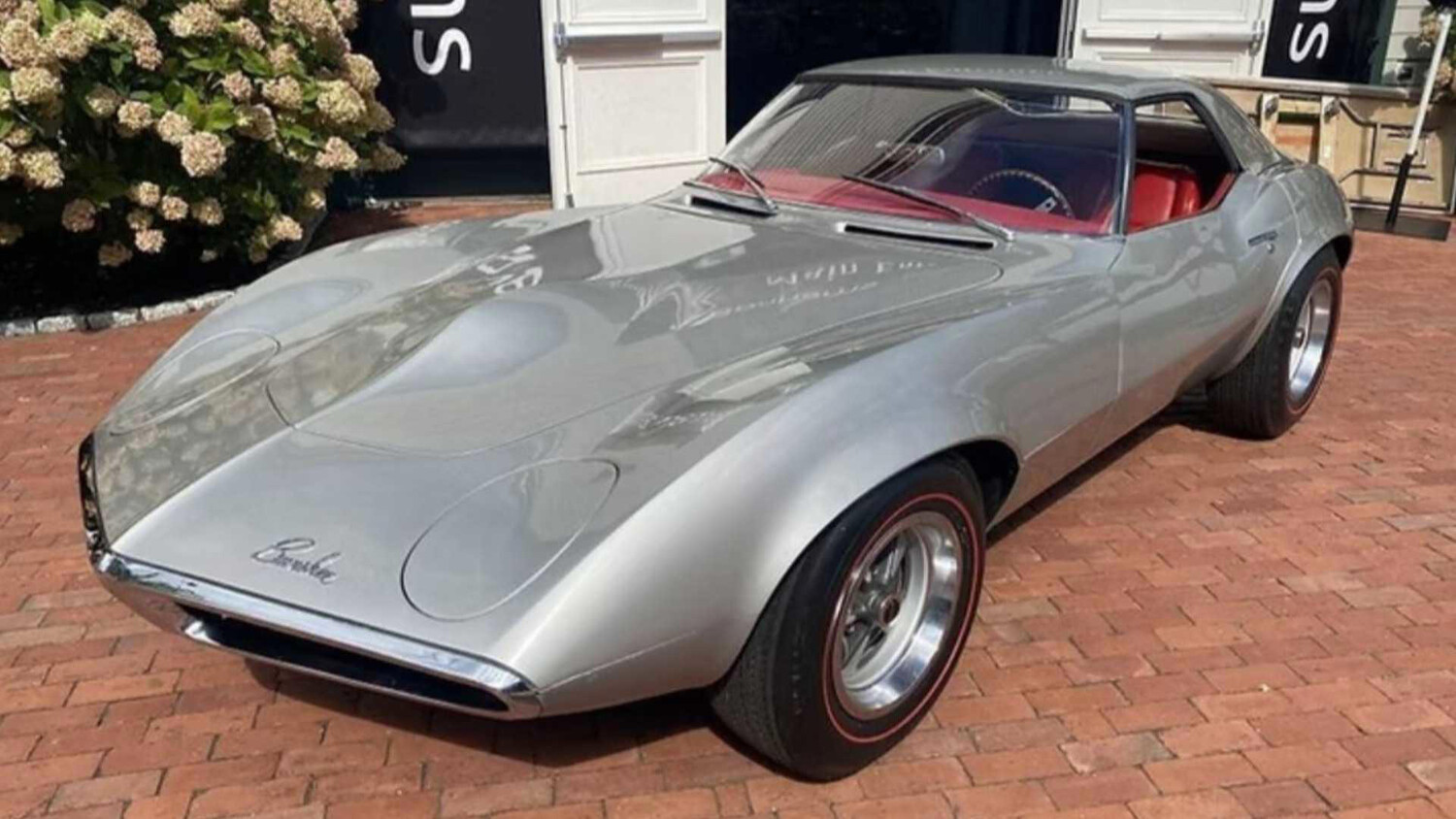
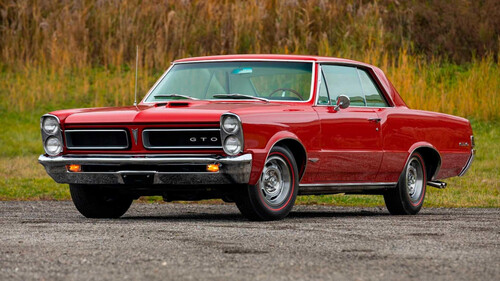
Jump LinksThe Pontiac Banshee XP-833 In NumbersWhile the Pontiac brand was killed off in 2010 during a restructuring process at GM, its name remains a part of American automotive history, being associated with classic models like the GTO and the Firebird. The company was a key player in the golden age of muscle cars during the '50s and '60s; after a lull in the '70s, it made a strong comeback with the arrival of the Firebird in 1982. Towards the end of the 20th century, it went into a gradual decline that culminated in GM’s decision to shut it down. The last car to come off the production line was a 2010 Pontiac G6.There is one car carrying a Pontiac badge that isn’t as well-known even by dedicated enthusiasts, as it never reached the production stage and remained a concept. We’re talking about the Banshee, a sports car that briefly had the potential to be a Corvette killer, but was not allowed to hit the production line for fear it would upstage America’s Sports Car. Let’s explore the history of this curious concept. Meet The Pontiac Banshee XP-833 Darin Schnabel/RM Sothebys The Pontiac Banshee XP-833 In Numbers The XP-833 was the very first car in the Banshee series to be built, although the name itself wasn’t assigned to it until a few years after its construction. In 1971, engineer Bill Collins found some “Banshee” badges left over from the second concept car in the series (the XP-798). They were subsequently installed on the XP-833, which also became retroactively associated with the name.Although multiple partially-built, non-driving examples were worked on throughout the project, only two finished and fully functioning examples of the XP-833 were built. The first was a hardtop with a silver paint finish, powered by an inline-six engine; the second was a convertible, finished in pearl white, powered by a V8. A four-seater version, dubbed the XP-851, is also known to have existed, but little is known about the degree to which it was finished or its whereabouts.Supercars.netThe Banshee’s long hood and sweeping, aerodynamic lines evoke power and speed. Its innovative design went on to inspire several sports cars of the era from both sides of the Atlantic: on the American side, we can see resemblances to the C3 Corvette, which was still in development and four years away from being released. Meanwhile, on the European side, the Opel GT (also released in 1968) took some cues from the Banshee as well. Other Pontiac models were also influenced by the Banshee: its taillights were visually near-identical to the ones found on the first-generation Pontiac Firebird, which arrived in 1967.Supercars.netAlthough the Banshee’s road to production was stopped because of its potential threat to Corvette sales, it was originally intended to be a rival to a different car: the Ford Mustang, whose first generation had just hit the market at the time. John DeLorean (yes, the infamous figure behind the iconic DMC-12), who was chief engineer at Pontiac when the Banshee was being developed, described it as a “Mustang fighter”. A Threat To The Corvette? Why The Banshee Never Made It To ProductionDarin Schnabel/RM SothebysThe Banshee was, in some ways, a victim of its own success. Its design was stylish, sleek and combined the best elements of different successful cars from the period; although horsepower figures were similar to those of the Corvette, the Banshee was much lighter, shaving about 500 pounds off the Corvette’s weight. The resulting package could have well managed to eat the Corvette for breakfast, and GM wasn’t having it. John DeLorean was a big supporter of the Banshee getting a production run, but his higher-ups were not of the same opinion.Maintaining the Corvette’s status as the fastest and most powerful member of the GM family was important; throughout GM’s history, it was common for other models (including Pontiacs, such as the Firebird) to be detuned so they wouldn’t surpass the Corvette on the power output front. GM wanted to avoid the Banshee becoming a direct competitor to the Corvette, and, as a result, DeLorean’s plan for a production run was killed off before it could be put in motion. Development of the concept car ceased in 1964; however, Pontiac continued to work on its successors; the Banshee series would last until the late '80s, with four further concept cars being built. Rather than being outperformed by the Banshee, the Corvette ended up cannibalizing it: design elements seen on the Banshee were later used in the Corvette’s third generation. The Other Cars In The Banshee Series MyCarQuestThe XP-833 marked the start of a series of concepts, all of which were given the Banshee name. The next one arrived two years later, in 1966. Dubbed the XP-798, it was a four-seater grand tourer, imagined as a more practical rival to the Corvette. While Pontiac originally intended to name this car the Scorpion, John DeLorean later named it after the McDonnell F2H Banshee fighter plane. The name was subsequently applied to the earlier XP-833 car as well.LotusEspritTurbo.comThe Banshee II arrived in 1968, using panels from the Firebird overlaid with custom fiberglass bodywork; it was given a white paint finish decorated with graphic decals. Power came from a 6.5-liter V8. It would be another six years before a successor to the Banshee II arrived: the Banshee III, unveiled in 1974, was built on the Firebird’s platform, with more aerodynamic bodywork and redesigned, slit-like taillights. The Firebird III was powered by a 7.5-liter Pontiac Super Duty V8; it was given a metallic maroon finish, with red leather upholstery.CarStyling.RuIn 1988, the very last Pontiac to wear the Banshee badge was unveiled: the Banshee IV, a hyper-futuristic concept with a space age design and interior. This car was equipped with several features that were far ahead of their time, but would later become widely available on production cars, such as an early navigation system, a head-up display, and memory settings for the driver’s electrically adjustable seat.The Banshee IV had a fiberglass body, finished in a striking shade of red; its hood was finished in matte black and had a triangular shape. The car was powered by a 4.0-liter V8, which produced 210 hp and 225 lb-ft of torque. The V8 was paired with a five-speed manual transmission. What Happened To The Pontiac Banshee(s)?Story CarsThe Banshee cars may not have made it to production, but they clearly made enough of an impression to make several appearances in pop culture, such as movies, TV and video games. The first Banshee, the XP-833, was featured in the drag racing video game CSR Classics. The Banshee IV, meanwhile, gained the most on-screen fame out of all the Banshee models; in 1989, it was featured in Back To The Future II, and two years later it served as inspiration for a fictitious vehicle called the “Knight Industries 4000” in the movie Knight Rider 2000. The real Banshee IV was originally intended to be used in filming, but later on a customized 1991 Dodge Stealth, modified to look like a Banshee, was used instead. It also made brief appearances in 1993 movie Demolition Man and in 2001 TV series Power Rangers: Time Force.As for the fate of the two XP-833 Banshees, they have both survived to the present day; after changing hands multiple times over the decades, they are now both part of private collections. The Banshee remains as evidence of Pontiac’s ingenuity and commitment to automotive innovation, even though it never saw the light of day as a production model; if it had been allowed to get a production run, the course of American automotive history (and, more specifically, the history of GM and the Corvette) might have been altered forever.Sources: Hagerty, Supercars.net, Silodrome.