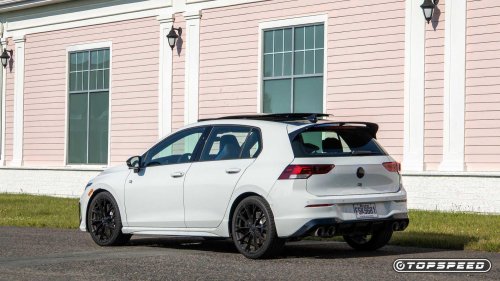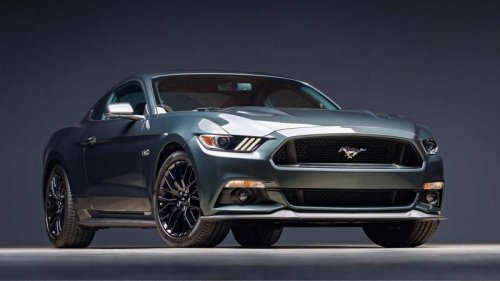



















The hidden risks of buying heavily modified performance carsHeavily modified performance cars promise instant speed and individuality, yet the real cost of those upgrades often surfaces only after money has changed hands. From hidden mechanical strain to insurance blind spots, buyers who inherit someone else’s project car can find themselves paying for risks they never agreed to take. The appeal of a tuned machine is undeniable, but the hazards behind the showroom shine are far more complex than a louder exhaust or a set of aftermarket wheels. For shoppers scanning classifieds for a “built” Subaru WRX, Volkswagen Golf R, or BMW M3, the most serious threats are rarely obvious during a quick test drive. Many of the parts that make a car feel aggressive on the street can quietly undermine reliability, safety systems, and legal protections that a stock vehicle would still enjoy. Understanding those trade-offs before signing anything is the only way to know whether a modified car is a bargain or a slow-motion liability. Why modified cars tempt buyers in the first place The used market is full of listings that highlight coilovers, “full bolt-ons,” tunes, and cosmetic tweaks as if they were factory options. For some shoppers, the prospect of buying a car that already has performance parts installed is attractive because it avoids the time and expense of modifying a stock vehicle from scratch. Guides to buying a modded car point out that a previous owner may have already paid for upgrades that enhance performance, add aftermarket parts, or change the appearance, which can deliver a sense of personalization without the buyer having to schedule shop time or chase parts. There is also a powerful emotional pull. Enthusiast forums and social media feeds celebrate cars that stand apart from factory specification, and sellers emphasize the “unique appearance” and customization that separates a modified car from stock examples. Performance-focused sites describe how vehicle performance can when specific components are upgraded, and that message resonates with buyers who want sharper acceleration or handling than the original manufacturer delivered. For those who have always wanted a track-ready Ford Focus ST or a lowered Nissan 350Z, a pre-modified car can seem like a shortcut to their dream build. Mechanical stress, safety compromises, and accident risk The same upgrades that make a modified car feel exciting often introduce stresses that the original engineers never intended the drivetrain or chassis to handle. Legal specialists who list Reasons to Think Twice About Modifying Your Car highlight how aggressive tuning, forced induction changes, or “full bolt on” packages can accelerate wear on engines, transmissions, and differentials. A Reddit buyer who picked up a nearly new car with only 3,600 miles but extensive exhaust and intake work described chasing repeated issues that would never have appeared on an untouched example, illustrating how hidden strain can surface long after the initial modifications. Safety can also be compromised. Crash investigators note that suspension changes, such as lifts, raise a vehicle’s center of gravity and increase rollover risk, while low-quality lowering kits or steering alterations can reduce stability during emergency maneuvers. Analysts of aftermarket work stress that when a vehicle rolls off the assembly line, its systems are tuned as a whole, and that untested combinations of parts can interfere with airbags, braking, or electronic stability controls, which raises the risk of an accident once Aftermarket components are added. Videos that warn viewers about car mods to avoid at all cost echo the same point in plainer language: the wrong suspension, brake, or engine setup can turn a daily driver into something that behaves unpredictably at the limit. Warranty, insurance, and legal gray zones Factory protections are often the first casualty when a car is modified, and a second or third owner may not realize what has been lost. Legal advocates who urge drivers to think twice about modifying your car identify voiding the warranty as a key risk, since automakers can refuse coverage for failures linked to non-approved parts or tuning. Consumer-focused guidance on upgrades notes that some engine modifications can violate emissions rules and manufacturer standards, providing dealers and warranty administrators a clear basis to deny costly powertrain claims. A buyer who assumes a late-model turbocharged hatchback still enjoys full coverage may discover that a simple ECU scan tells a very different story. Insurance and liability introduce another layer of uncertainty. Market analyses of modified car coverage explain that many upgrades increase premiums because they raise the cost of repair or the likelihood of theft, and that failing to declare those modifications can jeopardize claims if an accident occurs. Enthusiast communities on platforms such as Facebook share blunt warnings that some heavily altered cars are “horribly unreliable” and “impossible to repair” with “zero parts” available, which hints at the difficulty insurers face when assessing non-standard vehicles. When a car has been involved in street takeovers or track use, as in videos where a Lexus GS300 is offered as a prize from a police impound, the legal exposure for a subsequent owner can extend far beyond routine traffic stops. Resale value, buyer perception, and how to protect oneself Even if a modified car runs well, the market frequently treats it with suspicion. Commenters in Audi owner discussions admit that if they see two identical cars with equal mileage, one modded and one not, they would choose the stock version every time, because they assume the modified example has been driven harder and may conceal abuse. Legal blogs that outline Higher Maintenance and Repair Costs and Lower Resale Va as reasons not to modify describe how non-standard parts can limit the pool of future buyers and reduce what a seller can reasonably ask. A separate advisory on whether car mods are worth it notes that when a stock car is altered, the warranties and insurance worries follow it through subsequent sales, which further depresses value compared with an unmodified counterpart. More from Fast Lane Only Unboxing the WWII Jeep in a Crate 15 rare Chevys collectors are quietly buying 10 underrated V8s still worth hunting down Police notice this before you even roll window down