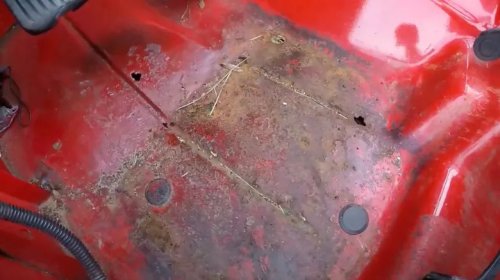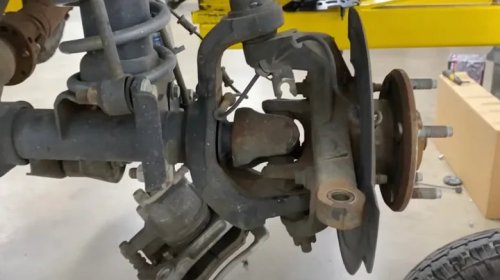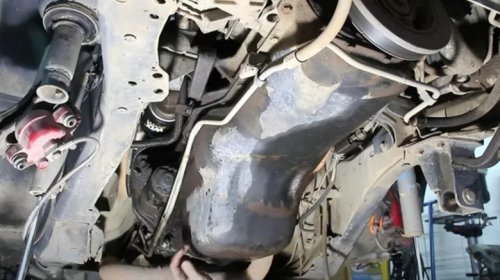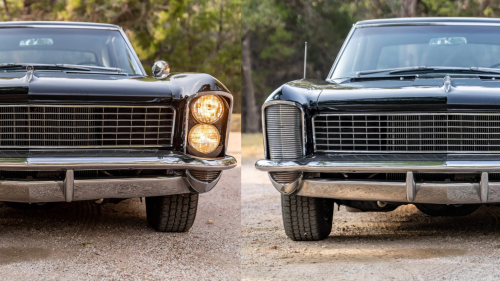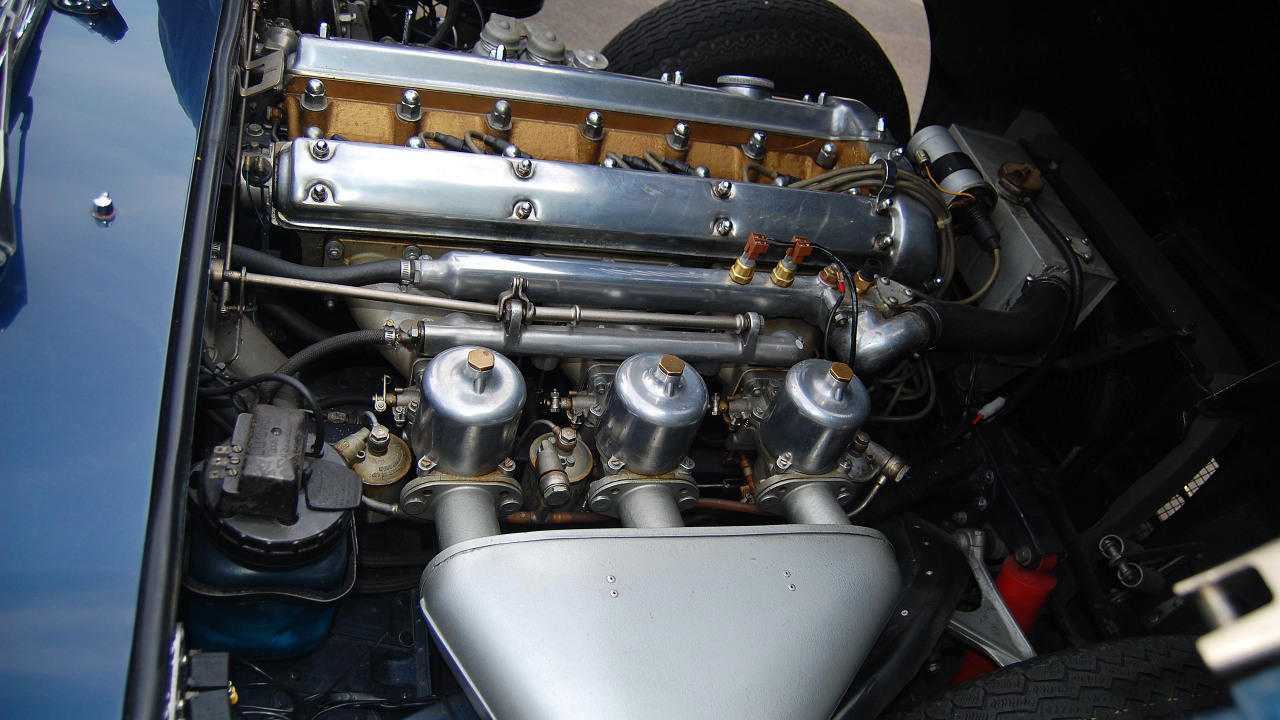
























Restoring a vintage vehicle can be an enticing project for car enthusiasts, promising the allure of nostalgia and the satisfaction of reviving a piece of automotive history. However, beneath the glossy exterior and the thrill of the journey lie hidden costs that can turn this passion project into a financial drain. Delving into the often-overlooked expenses that come with restoring a classic car can help potential restorers make informed decisions. Initial Purchase and Assessment When purchasing a vintage vehicle like the 1966 Ford Mustang, hidden defects can significantly inflate the restoration budget. Rust, often lurking beneath layers of paint, may require extensive bodywork to rectify. Mechanical issues might only become apparent once the restoration process is underway, leading to unforeseen expenses. A vehicle that appears to be in decent condition at first glance may reveal costly surprises once the restoration journey begins. To mitigate the risk of unexpected costs, potential buyers should consider hiring a professional to conduct a thorough inspection before finalizing the purchase. Although this adds to initial expenses, it can save money in the long run. A professional assessment can uncover hidden problems that might otherwise go unnoticed, allowing the buyer to make a more informed decision. Additionally, transporting the vehicle to the restoration site can be a significant expense, particularly if the car cannot be driven in its current condition. Shipping a classic like a 1957 Chevrolet Bel Air across the country can add a hefty sum to the overall budget. Parts and Materials When restoring a classic vehicle such as the 1970 Dodge Charger, finding original or authentic replacement parts can be a daunting task. The scarcity of these parts often means sourcing them from specialty vendors, collectors, or auctions, which can drive up costs considerably. For example, tracking down a genuine grille or emblem might require weeks of searching and a substantial financial investment. Restorers often face the dilemma of balancing quality with cost. Opting for cheaper, non-original parts can compromise both the authenticity and longevity of the restoration. However, sticking to a budget while maintaining high standards is challenging. As the restoration progresses, unexpected needs may arise, such as discovering that a seemingly functional transmission needs replacement. These additional parts can inflate the overall cost and extend the timeline of the project. Labor and Expertise Restoring vintage vehicles like the 1969 Jaguar E-Type demands specialist labor, which often comes at a premium. The expertise required for such projects is a niche skill set, and finding skilled professionals familiar with older models can be challenging. These specialists command higher fees due to their expertise in handling the unique quirks and intricacies of vintage cars. Restorations can also be more time-consuming than initially expected. This extended timeframe can lead to additional labor costs and potential storage fees if the project is delayed. For those considering a do-it-yourself approach to save on labor costs, the risk of costly mistakes is significant. Without the necessary skills or experience, a DIY effort can result in errors that require professional correction, further increasing the overall expense. Image Credit: Affemitwaffe, via Wikimedia Commons, CC BY-SA 3.0 Regulatory and Compliance Costs Restoring a vintage vehicle often means grappling with modern regulatory requirements. For instance, a 1965 Volkswagen Beetle might need modifications to meet contemporary emissions and safety standards, adding to the restoration expenses. These requirements can vary by region, necessitating additional research and potentially costly adjustments. Moreover, acquiring the necessary documentation and registration for a vintage vehicle can be a time-consuming and costly process. Obtaining a title, historical plates, or other necessary documents may involve fees and bureaucratic hurdles. Additionally, insuring a restored vintage car often requires specialized policies, which can come with higher premiums compared to standard auto insurance. Insurers may view these vehicles as higher risk due to their value and the difficulty in replacing parts. Post-Restoration Expenses Even after the restoration of a classic like the 1972 Porsche 911 is complete, ongoing maintenance remains a significant consideration. Vintage vehicles typically require more frequent upkeep than modern cars, leading to recurring costs over time. Regular maintenance is crucial to preserving the car’s condition and ensuring it remains in optimal working order. Proper storage solutions are also essential for maintaining the condition of a restored vehicle. Investing in a suitable garage or climate-controlled facility can be costly, but it’s crucial for protecting the car from environmental damage. Additionally, the resale value of a restored vehicle may not always match the investment made during restoration. Market demand can fluctuate, and if the restoration quality does not meet buyer expectations, achieving a satisfactory sale price may be challenging. Like Fast Lane Only’s content? Be sure to follow us. Here’s more from us: Unboxing the WWII Jeep in a Crate The Fastest Farm Truck Ever Built *Created with AI assistance and editor review.