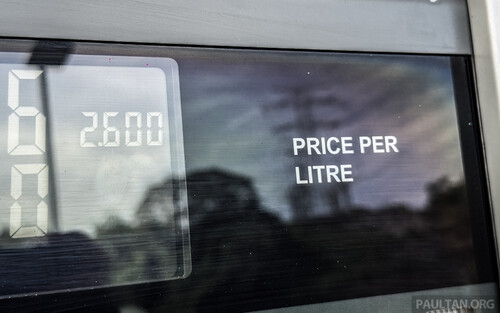
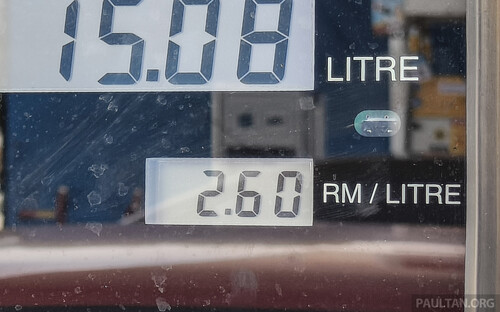
Gabriel White · 6 months ago@gabrielwhite49Widening price difference of fuel, extra costs affecting supply at pumps – Malaysian petrol dealers group Liked by+33 othersLocal NewsPost commentRelated PostsPetrol station prices aren’t rising, but they’re slow at passing on savings 64 · Emma Gagnon · 2 months agoVenezuela Oil Deal and Gas Prices: What Drivers Should Expect at the Pump 11 · Amélie Pelletier · 1 months agoMazda's dealer-stocked off-road CX-5 only costs $3,200 more than the car it's based on 66 · Gabriel Moreau · 4 months agoOmoda C7 spied testing on North-South Expressway – 1.6L turbocharged petrol; Malaysian debut this year? 32 · Chloé Lavoie · 1 years agoIran War pushes petrol prices higher as forecourts suffer theft and abuse 86 · Kaitlyn Wilson · 2 months agoVauxhall Astra price drops to £27,495 thanks to new petrol option 89 · Matthew Poirier · 3 months agoGas Price Alert: Texas Drivers Could See Pump Prices Drop Heading Into Summer 44 · Nicole Brown · 4 months ago‘He Doesn’t Work. He’s Ex-Military’: Man Goes To Hyundai Dealer. Then The Salesman Saves Him From A Costly Mistake—Just To Be Kind 76 · Kaitlyn Nelson · 7 months agoFuel Finder fail: petrol stations break pricing scheme rules at scale 70 · Camille Smith · 3 months agoPetrol stations aren’t following price-reporting rules 53 · Abigail Lee · 3 months agoThe cost of petrol vs. electric cars as fuel prices soar 63 · Samuel Wright · 4 months agoNo evidence petrol stations are manipulating prices, but profit margins have risen 30 · Abigail Bouchard · 4 months agoMalaysia’s petrol, diesel prices still among lowest in region despite West Asian conflict – Info Dept 43 · Nicole Anderson · 4 months agoAll-new Vauxhall Corsa set for futuristic tech, sub £25k price and no petrol engines 12 · Zoë Hall · 5 months agoCourt Approves Hertz Deal Widening Rental Options for Drivers Using Hand Controls 12 · Noah King · 1 months agoNHTSA widens GM L87 engine failure probe to nearly 1 million vehicles 53 · Jacob Gagnon · 2 months agoThe Price Gap Between Regular and Premium Gas Is Widening. Drivers Are Responding: TDS 64 · Noah Macdonald · 3 months agoWeRide Q1 Losses Widen, Can Overseas Business Be the Key to a Breakthrough? 36 · Morgan Moreau · 5 months agoPolestar reports higher revenue and widening losses in 2025 61 · Mason Roy · 6 months agoBYD outsells Tesla in Europe for second straight month as gap widens 51 · Lily Campbell · 6 months ago



 +33 others