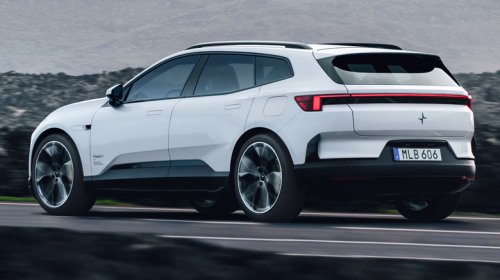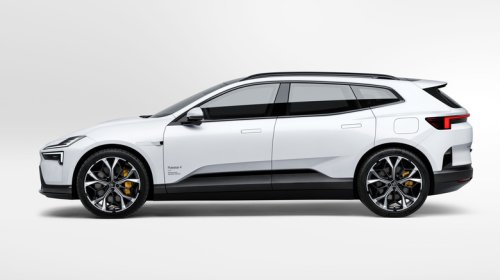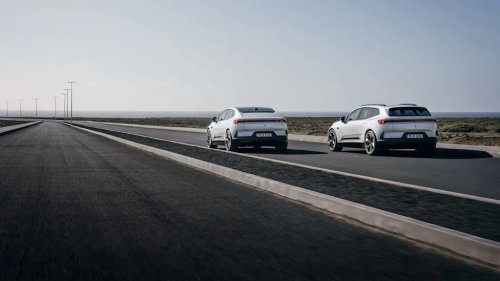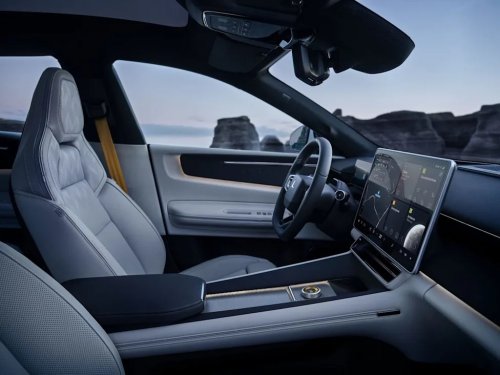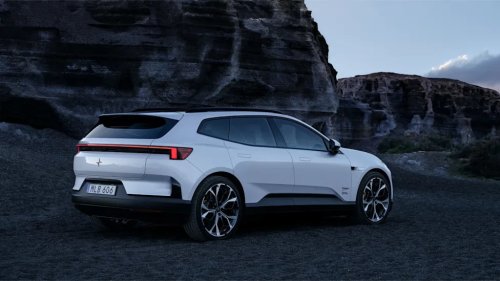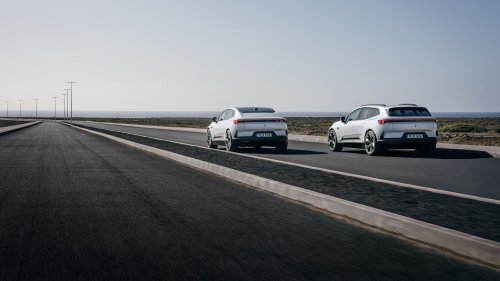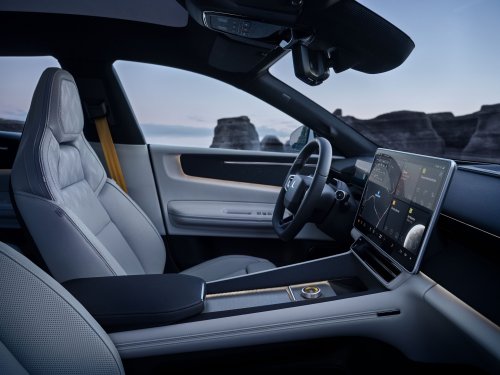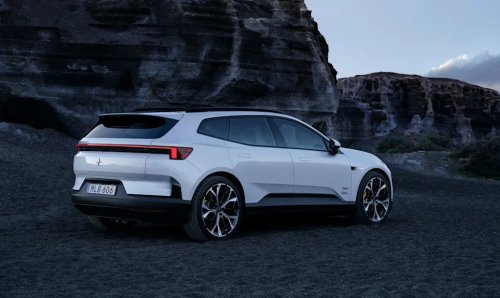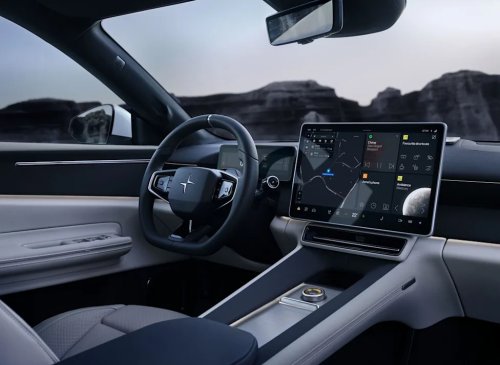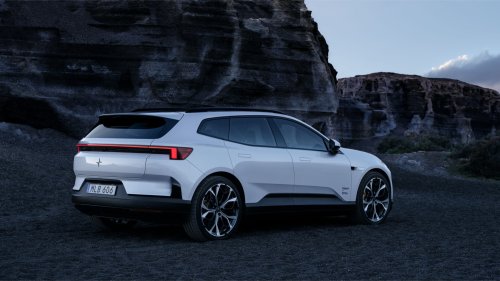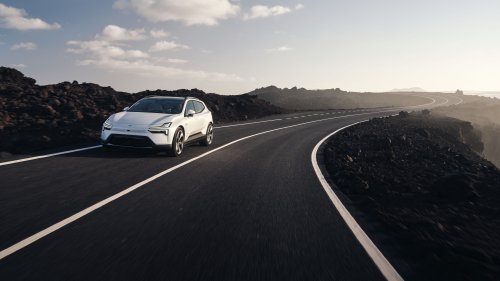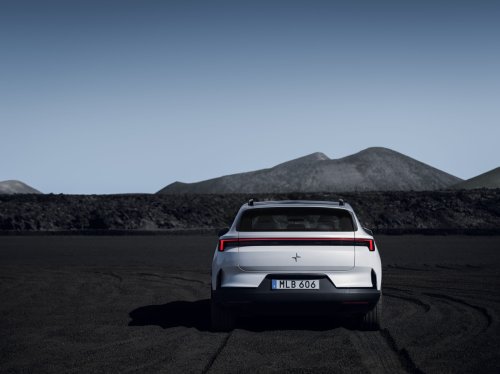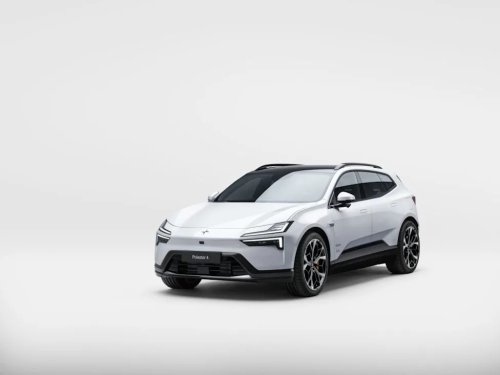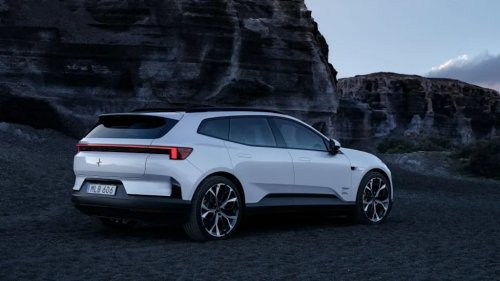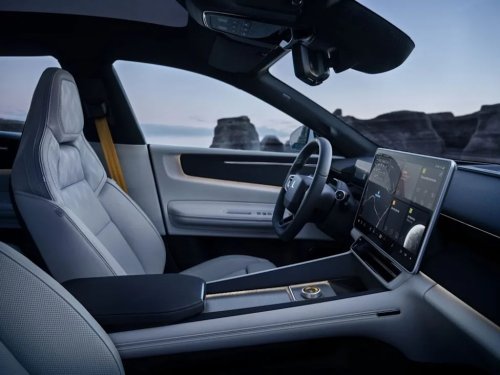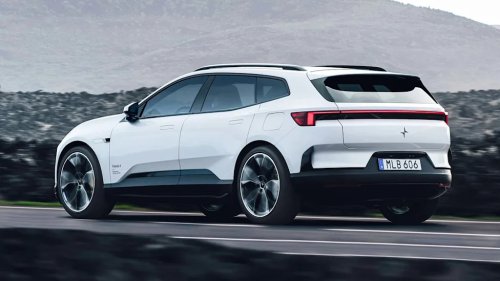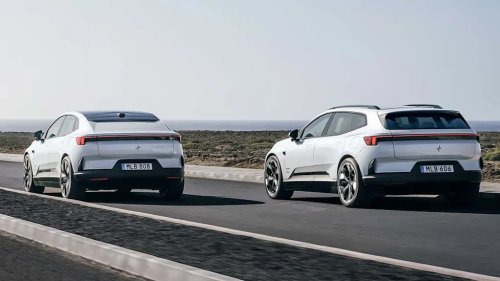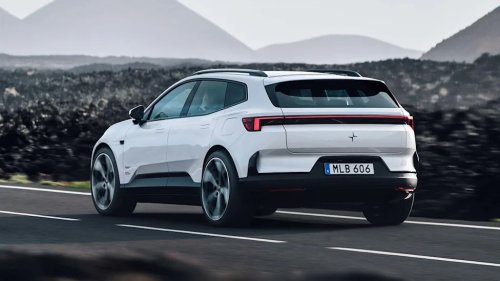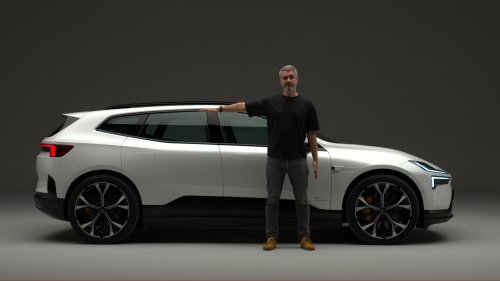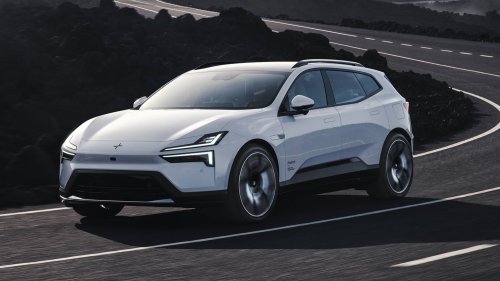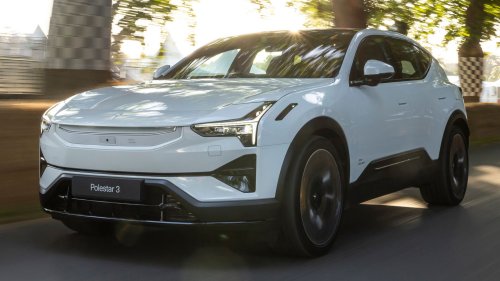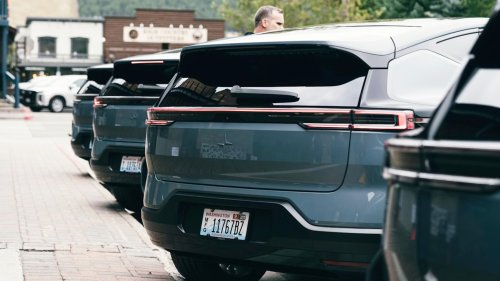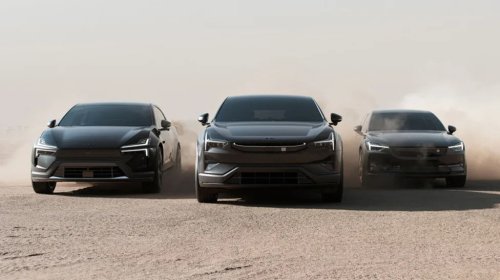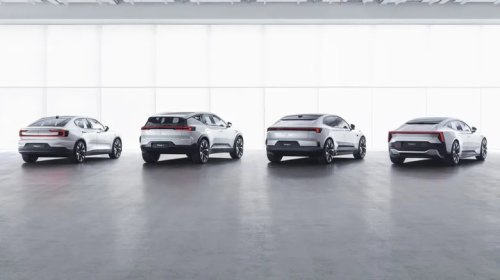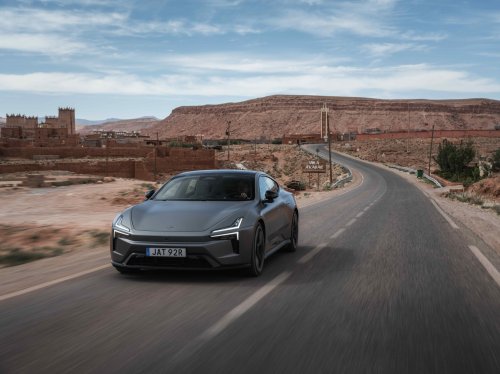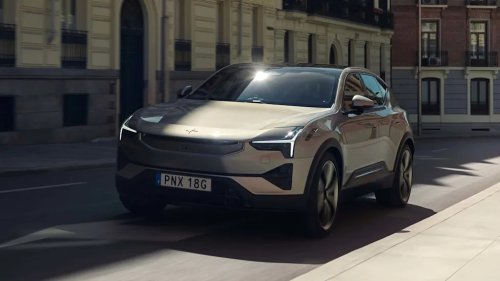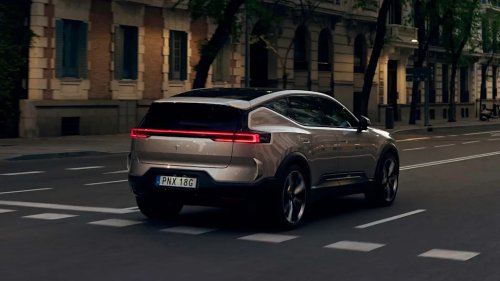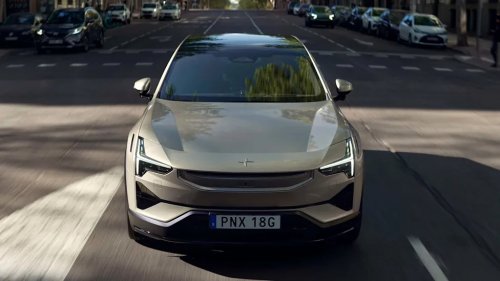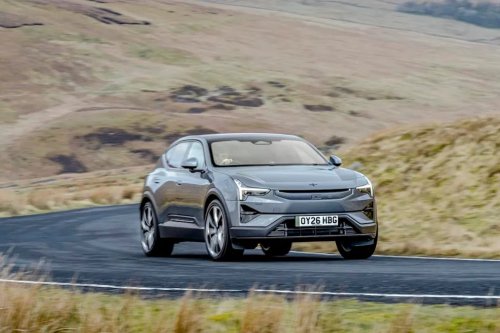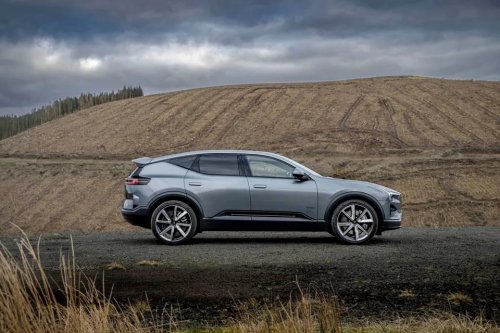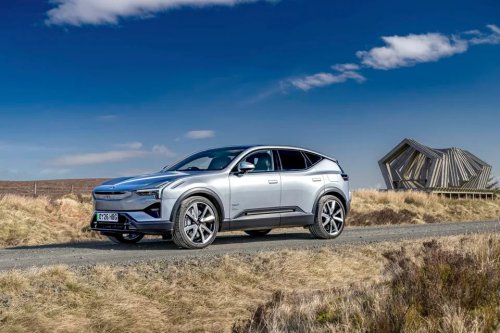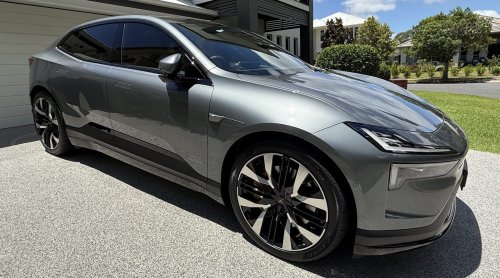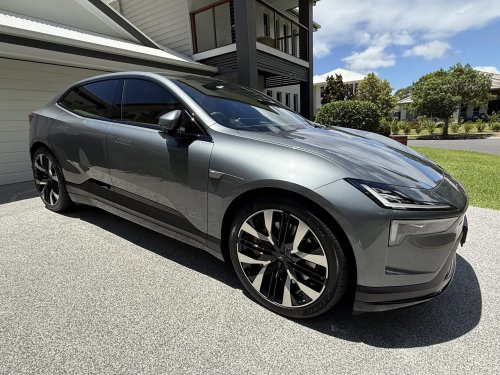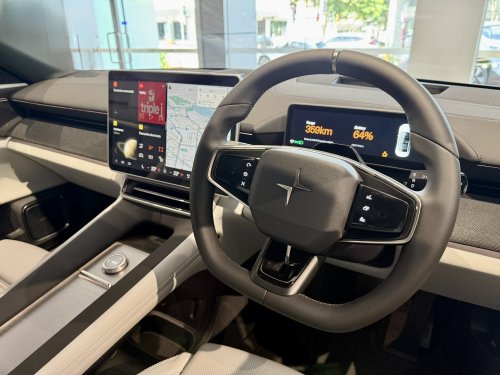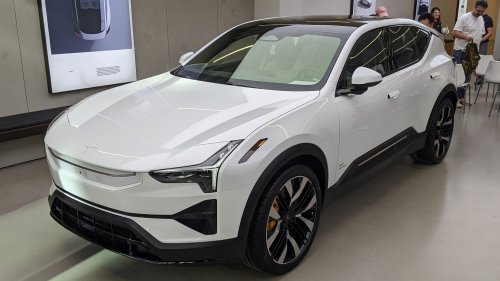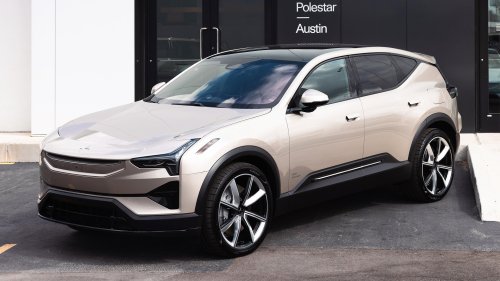


















Image: Elias HoldenriedThe latest annual figures show that Polestar continues to operate at a significant loss. Based on the 60,119 vehicles the company sold last year, this results in an average loss of 39,200 US dollars per vehicle.At the same time, Polestar points to a clear improvement in profitability metrics. Its adjusted EBITDA rose significantly to 783 million US dollars, up by 297 million US dollars compared to the previous year.The total loss of $2.36 billion largely stems from impairment charges. Non-cash write-downs on assets alone amounted to $1.05 billion, reflecting downward adjustments to the value of facilities and software on the balance sheet.A significant share relates to the Polestar 3. As previously communicated in September, $739 million of the impairments are linked to the model, which has fallen short of expectations.Despite these challenges, Polestar’s capital requirements remain high, as profitability is still far from being achieved—even without one-off effects. In March, Polestar secured $300 million in equity from a consortium led by Crédit Agricole. Prior to this, the company had already received equity commitments totalling $1 billion in December 2025 and February 2026 from its parent company Geely, as well as Feathertop Funding Limited and Standard Chartered Bank.Revenue performance paints a more positive picture. Polestar increased sales volumes by 34% to 60,119 vehicles, while revenue rose even more sharply—up 50.3% to $3.06 billion. As a result, average revenue per vehicle climbed significantly to $50,900.However, this figure requires context. Polestar also reports that part of the revenue increase came from a sharp rise in CO₂ certificate sales, which surged from $11 million to $211 million. This income likely stems largely—or entirely—from Mercedes-Benz, which has formed a CO₂ pool with Polestar, Smart, and Volvo Cars to meet the EU’s fleet emissions targets.Michael Lohscheller, Polestar CEO, said: “2025 was a record year for Polestar, with retail sales of over 60,000 cars and revenue surpassing USD 3 billion. Our strong commercial performance was driven by the expansion of our sales network and strength of our model line-up.”Looking ahead, Lohscheller added: “I”In 2026, our operational focus will be on the continued expansion of our sales network, growing our sales points by a planned 20%, to coincide with the largest model offensive in our history, with four new models planned during the next three years. While we expect market conditions to become more challenging, amid ongoing geopolitical developments, we will continue to drive financial performance, building on our achievements in 2025, with an improved model mix, sustained cost reduction and financial discipline.”polestar.com