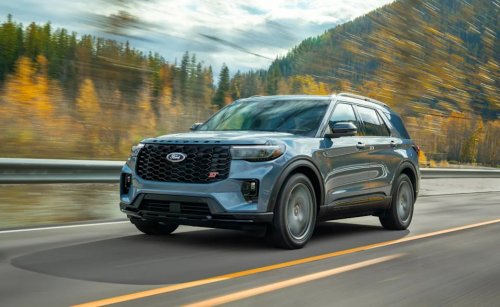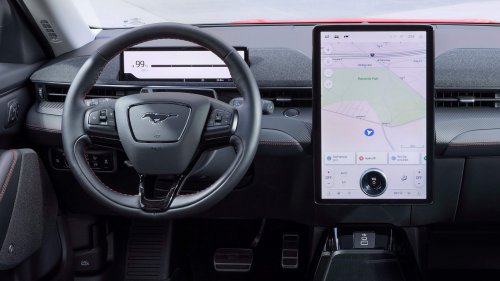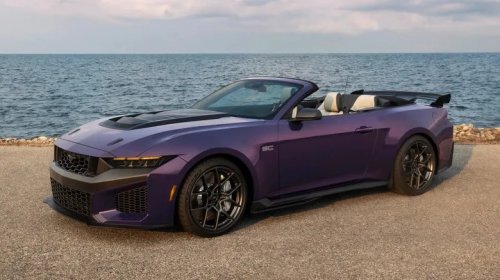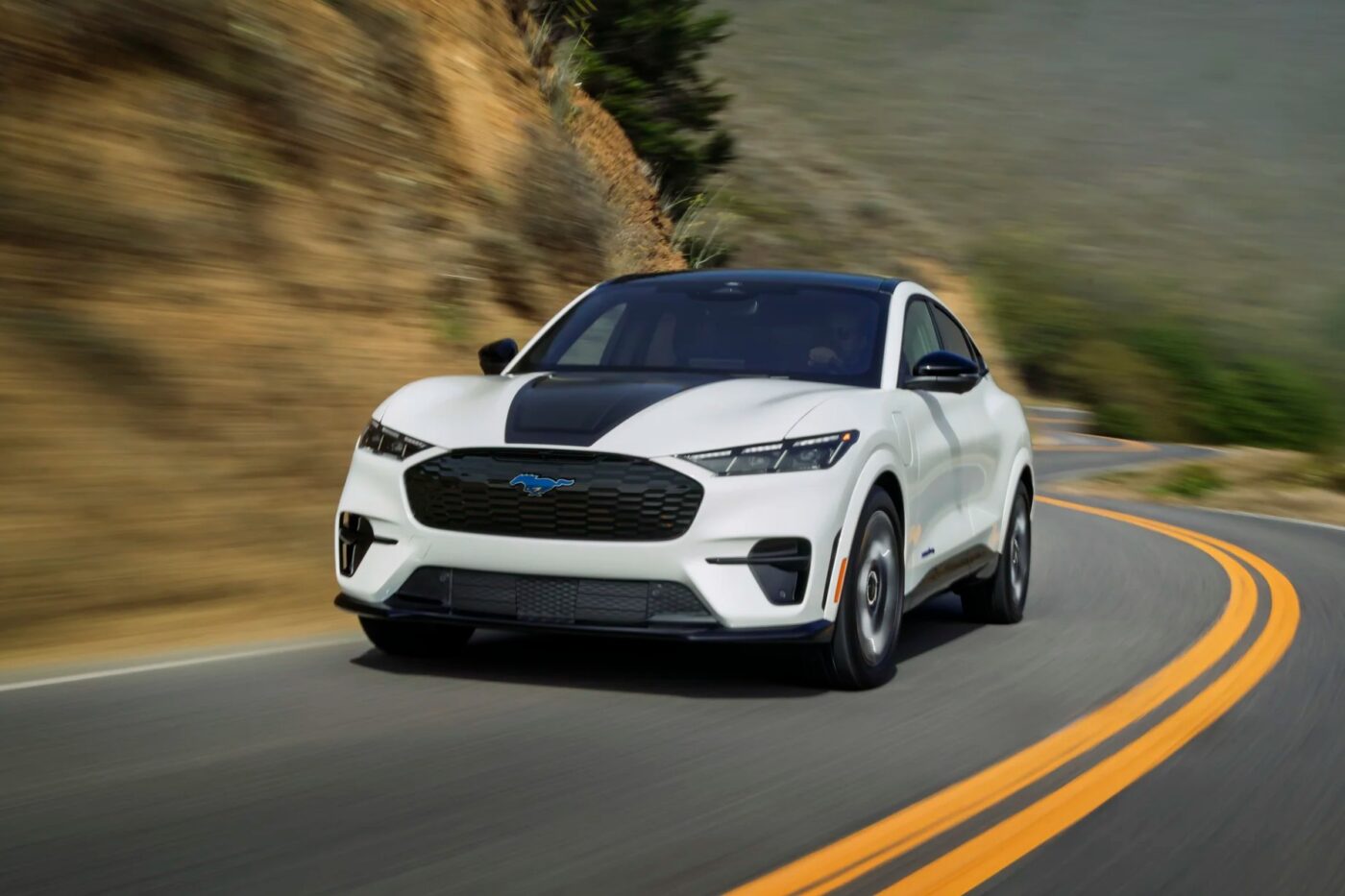


























Mustang Mach-E GTImage: FordFord’s Model e division only covers battery-electric passenger cars such as the Puma Gen-E, the Explorer produced in Cologne, and the Mustang Mach-E. It does not include electric vans like the E-Transit, which fall under the Ford Pro division. The passenger EV segment has thus faced significant challenges in the US, particularly after the Trump administration withdrew the $7,500 tax credit for electric vehicle purchases as of 30 September 2025. In response, Ford discontinued its electric pickup, the F-150 Lightning, last autumn, though numerous unsold vehicles remain available at Ford dealerships. Additionally, Ford announced write-downs totalling $19.5 billion in December, primarily in its EV business, as the company’s expectations for the ramp-up of electromobility have not been met.This context helps clarify the quarterly figures now reported. Specifically, Ford’s Model e division generated revenue of $1.2 billion for the period from January to March 2026 – roughly the same as the previous year. During this time, sales of electric vehicles rose from around 31,000 to approximately 34,000 units. While Ford increased volumes, it generated the same revenue with 10 per cent more battery-electric cars than a year earlier. This suggests that the average selling price per electric vehicle has declined, potentially indicating a higher proportion of lower-priced models in Europe compared to the more expensive US models.In terms of operating results under the EBIT method, Model e posted a loss of $777 million this quarter. For comparison, the loss in the first quarter of 2025 was $849 million. The EBIT margin also improved slightly by 5.3 percentage points to -63.1 per cent. However, this still means Ford incurred a loss of nearly $23,000 for every electric vehicle sold.Looking ahead, Ford aims to improve margins on its first-generation EVs while preparing for the launch of more affordable, highly scalable electric vehicles on the Ford Universal EV platform (UEV), announced last August. It is also expanding its new battery storage business, Ford Energy.For the full year, Ford expects an EBIT loss of $4.0 to $4.5 billion for Model e, an improvement over its $4.8 billion loss in 2025. However, the EBIT figures Ford reports for its divisions like Model e – both quarterly and annually – still appear more favourable than reality, as they do not yet account for overhead costs and interest expenses associated with this capital-intensive segment.The Model e division currently represents only a fraction of Ford’s overall business. Total revenue for the first quarter amounted to $43.3 billion, with a net profit of $2.5 billion and an adjusted EBIT of $3.5 billion. In terms of volumes, the internal combustion engine segment, Ford Blue, sold 584,000 vehicles, while the commercial vehicle segment, Ford Pro – which includes vans of all drive types – reached 316,000 vehicles.ford.com (PDF press release), ford.com (PDF presentation)