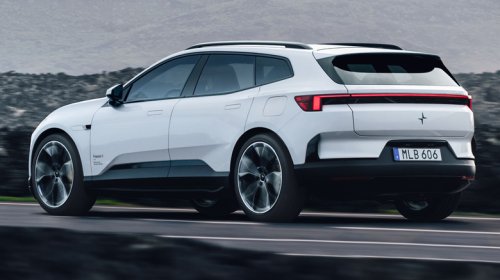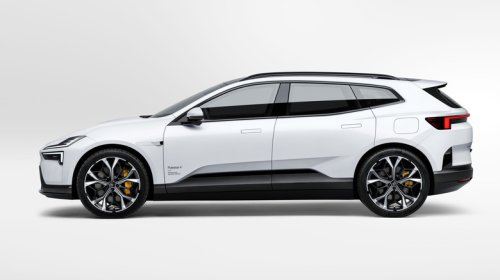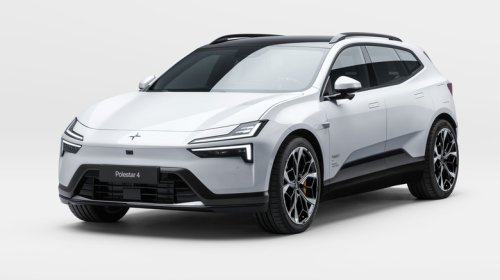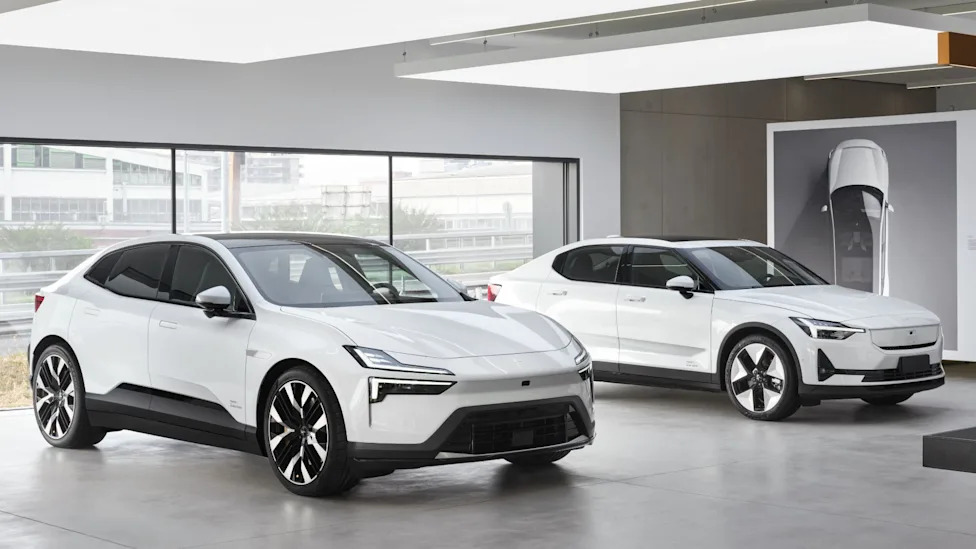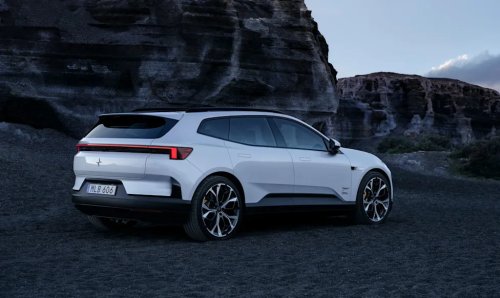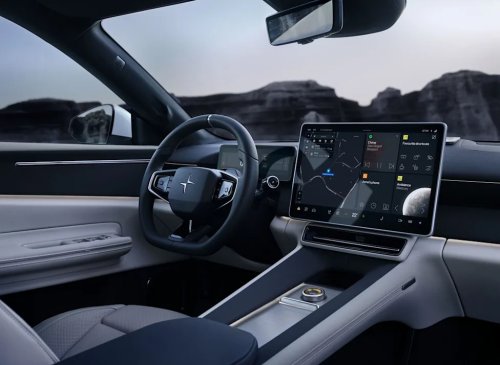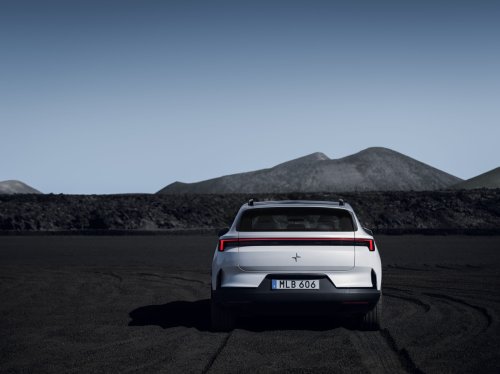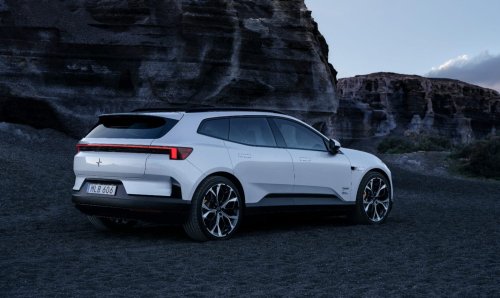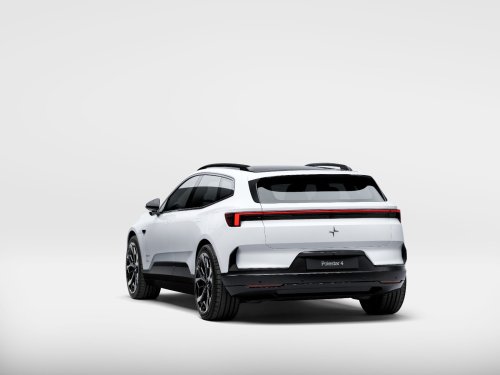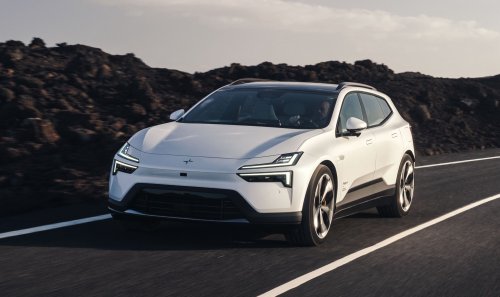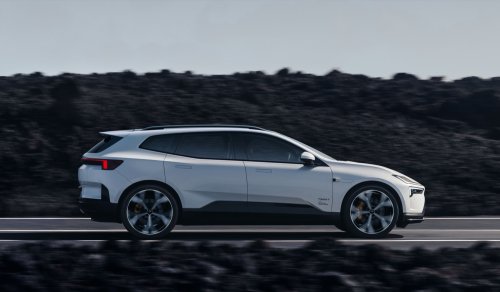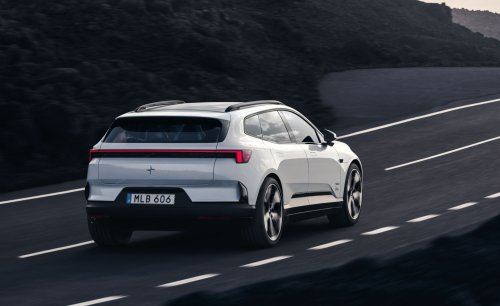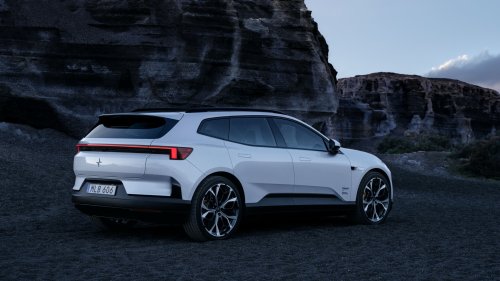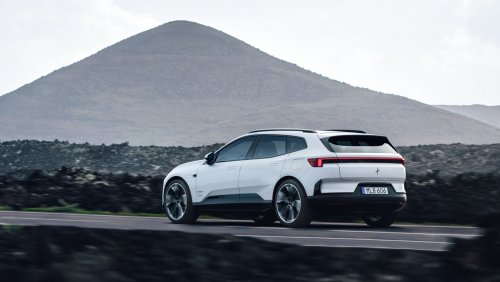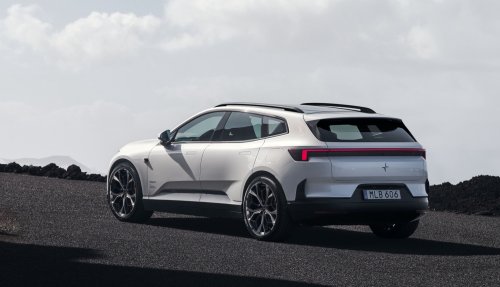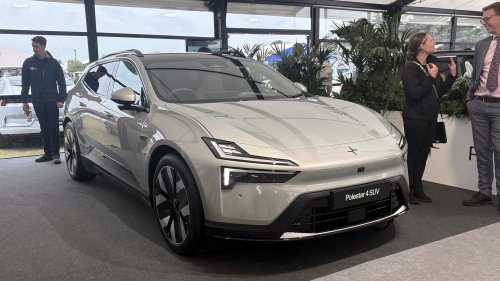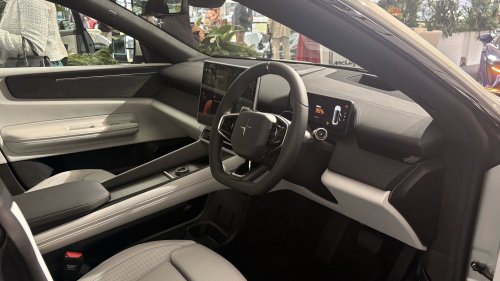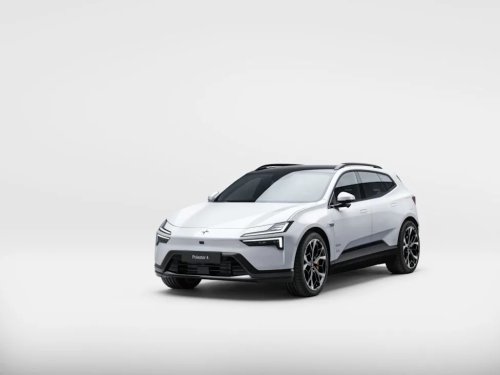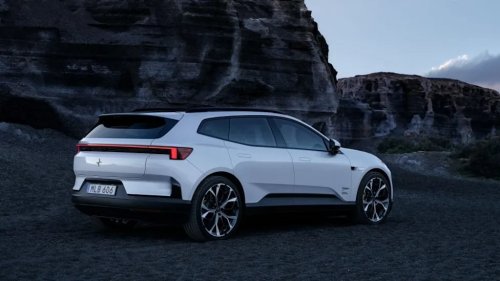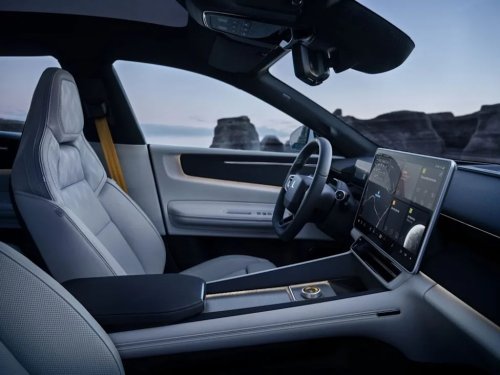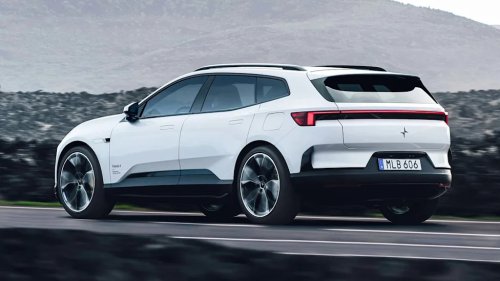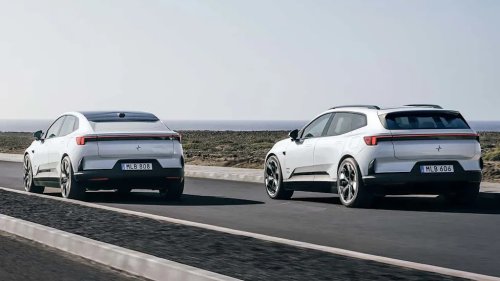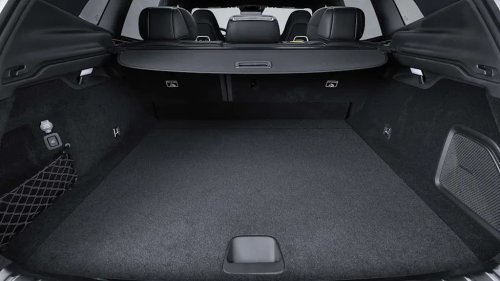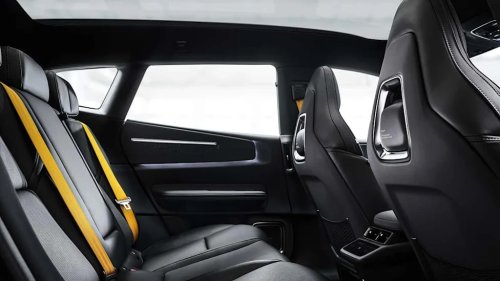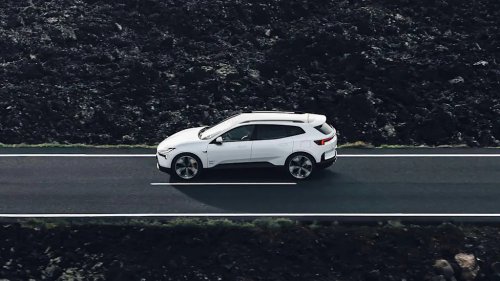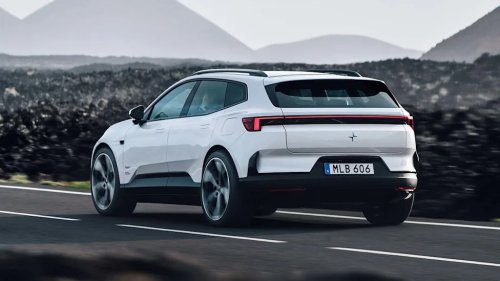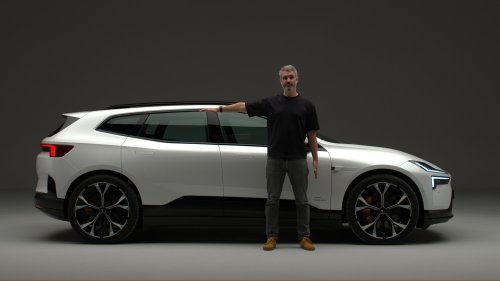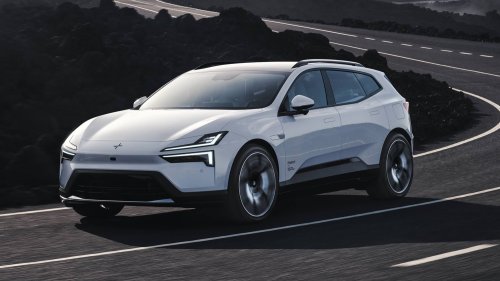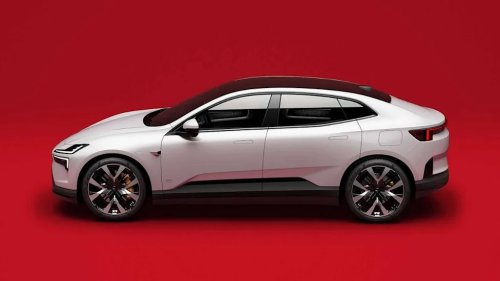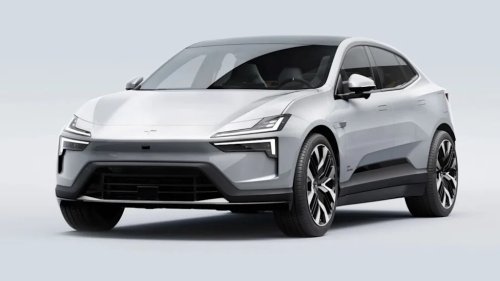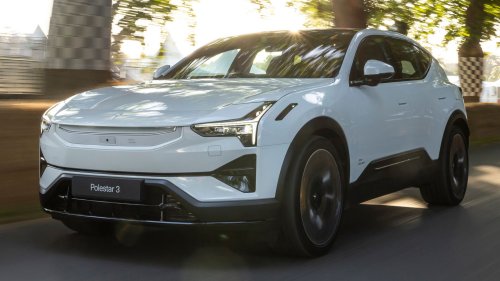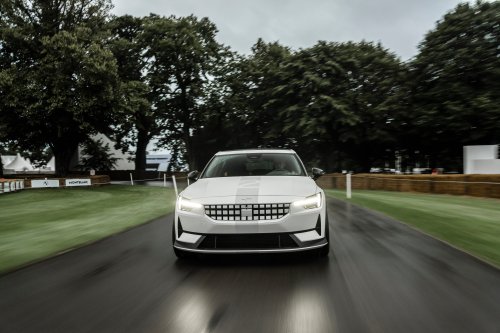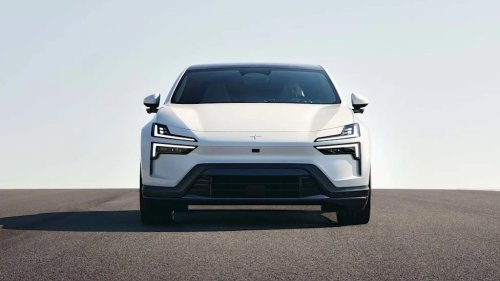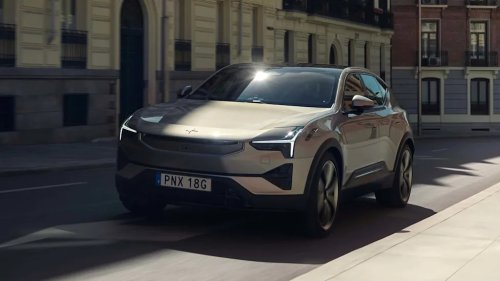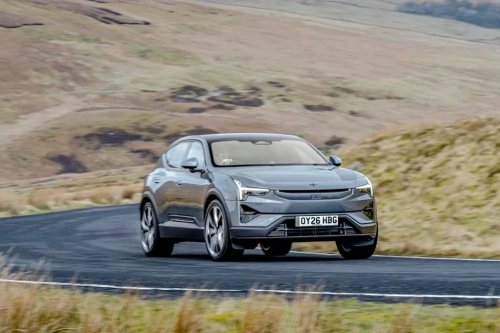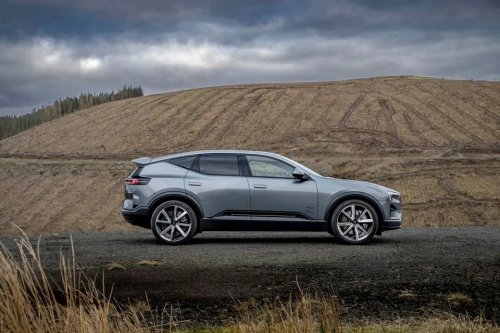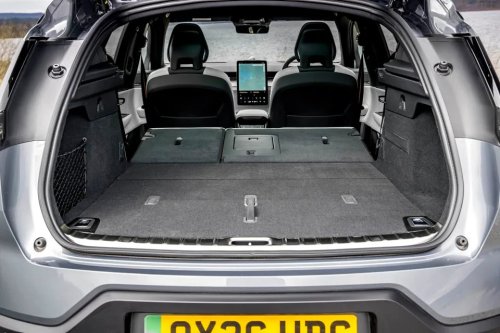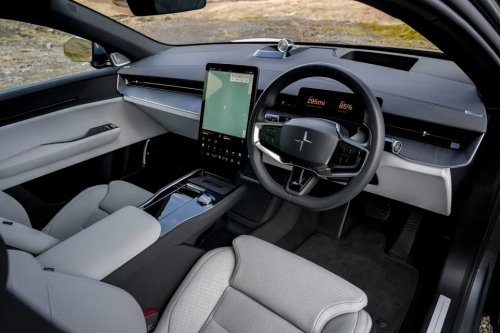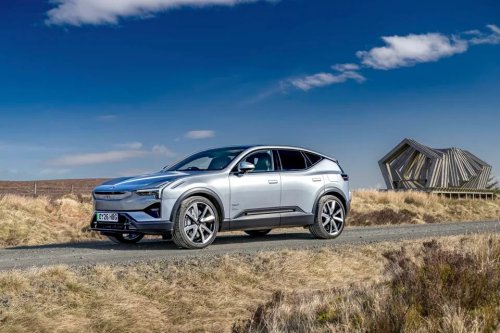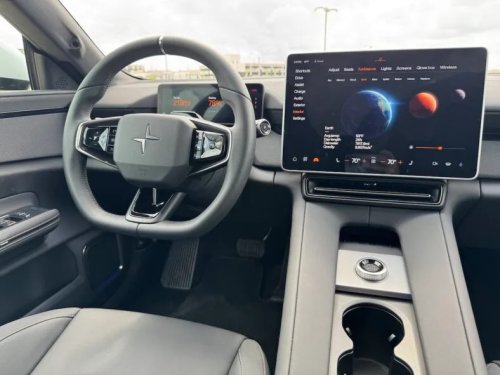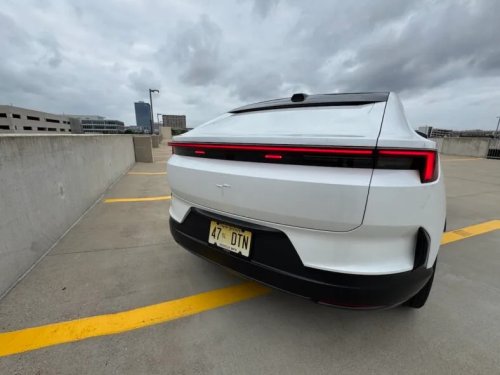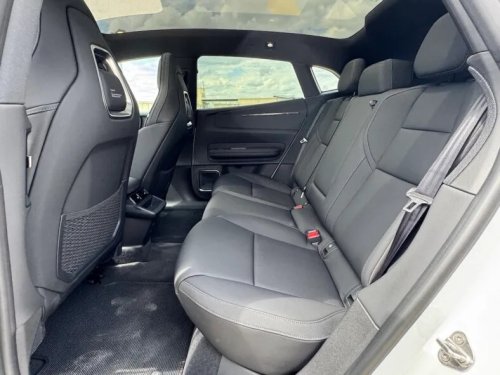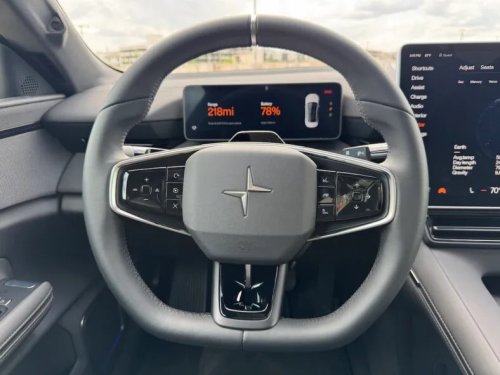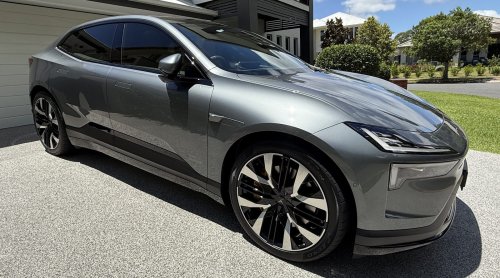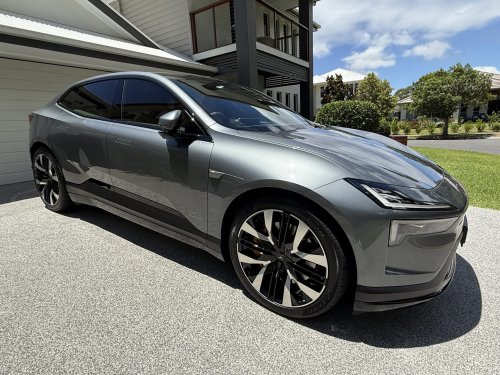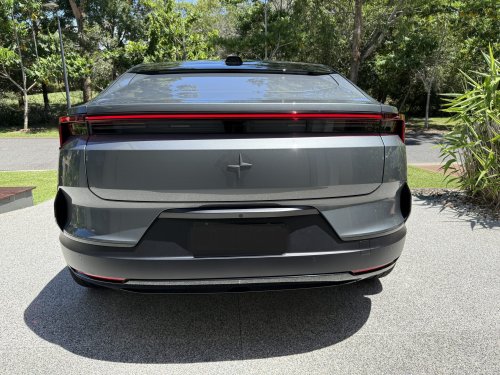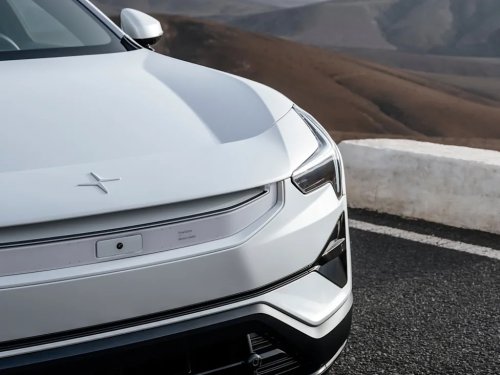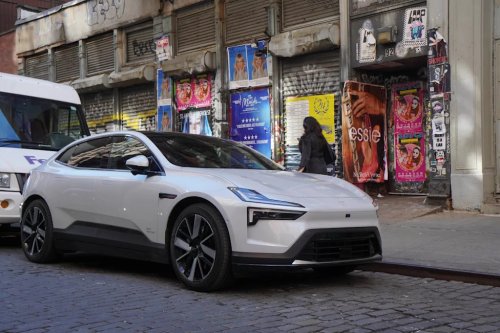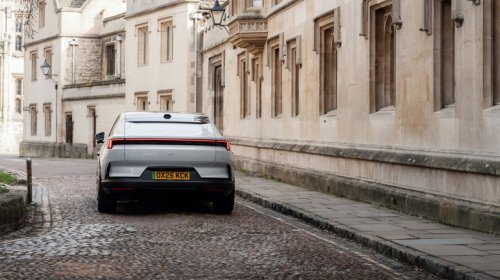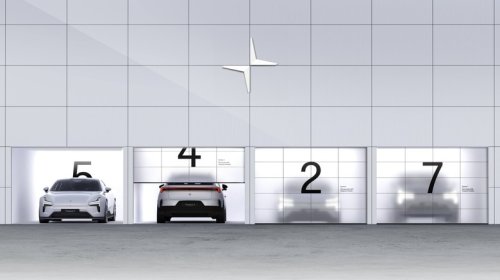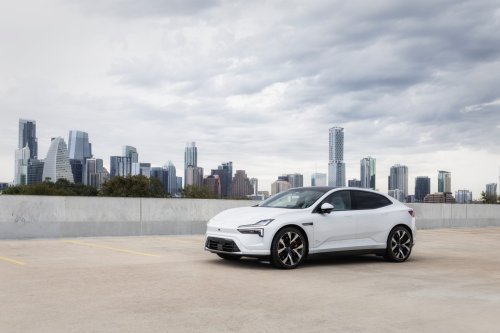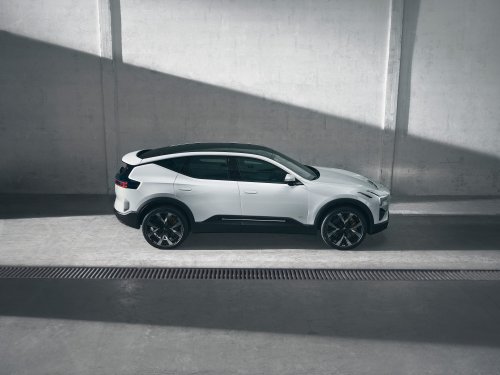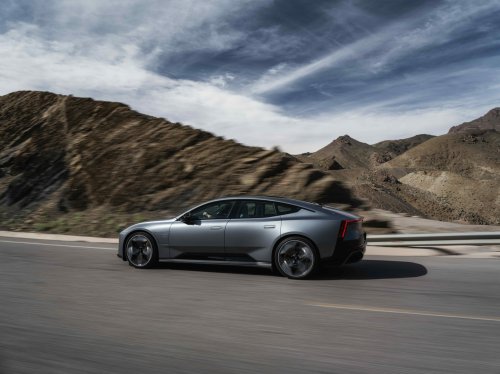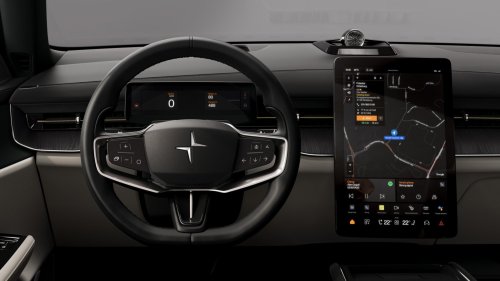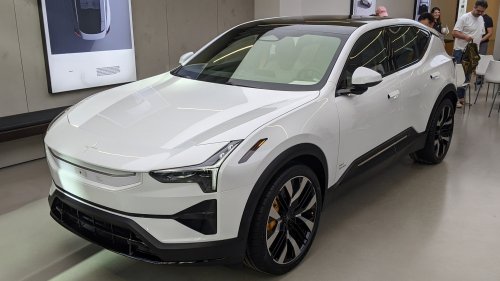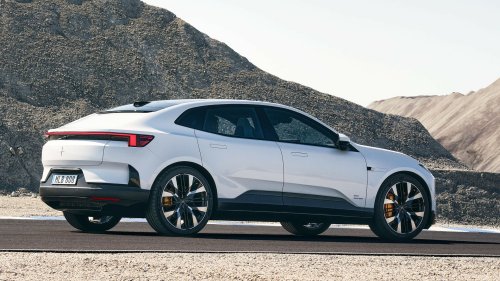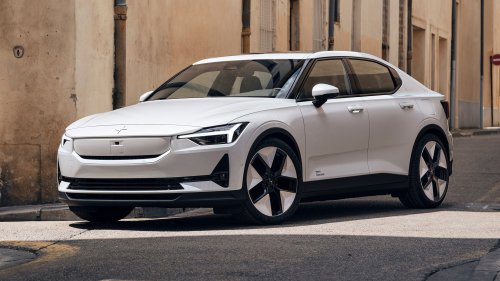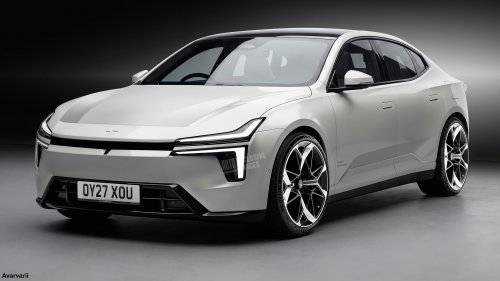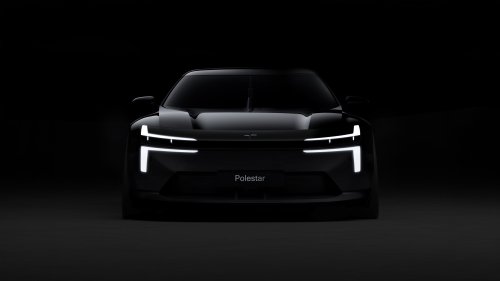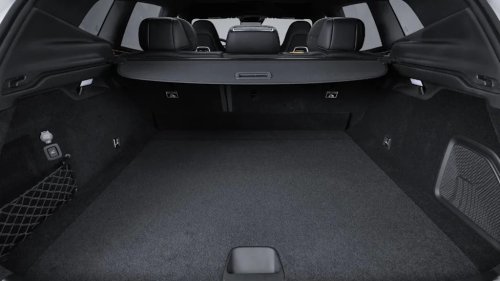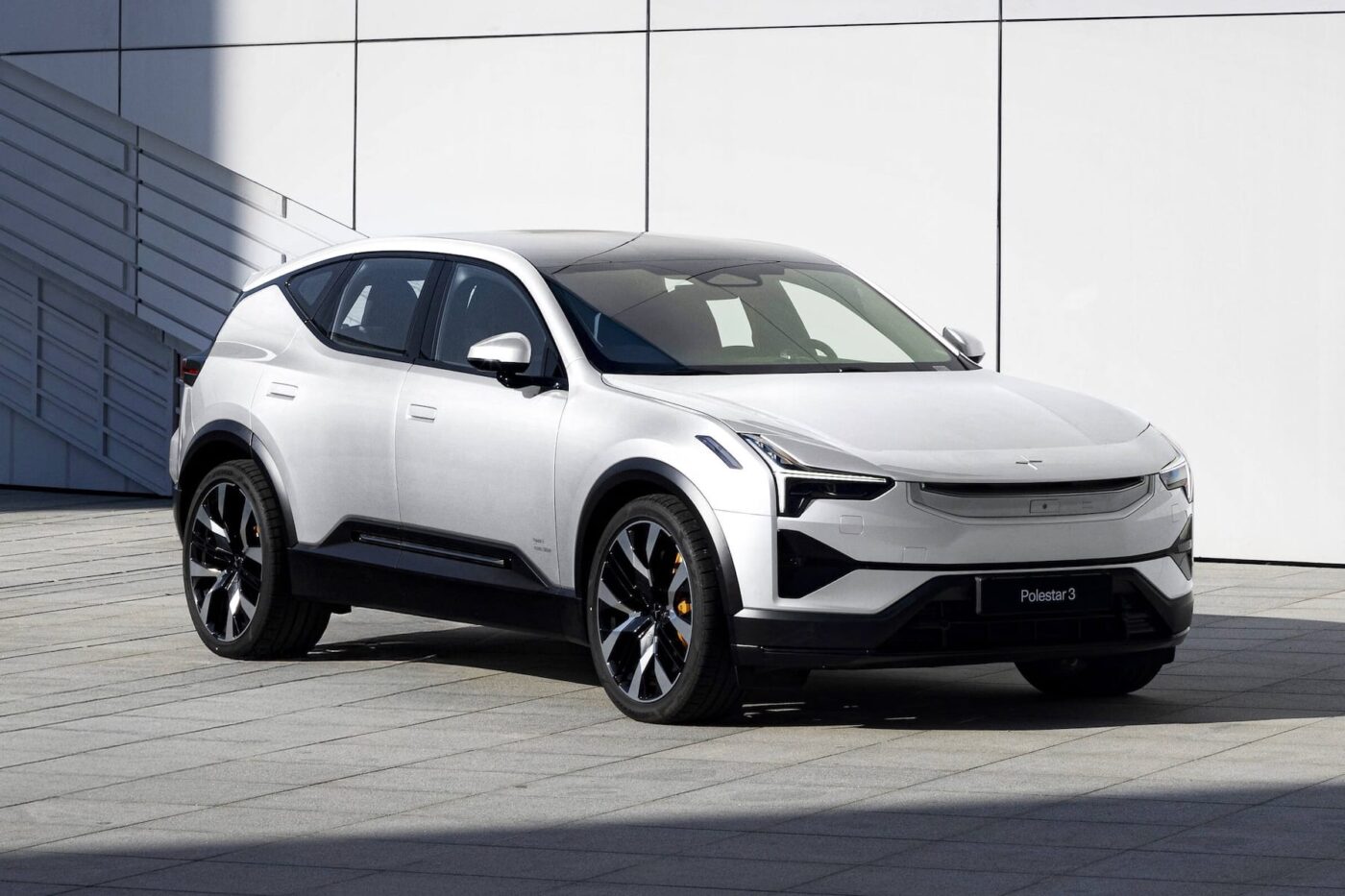



















Image: PolestarAs previously reported, Polestar delivered 13,126 electric cars between January and March, achieving the strongest first quarter in the company’s history—sales grew by seven per cent compared to the start of 2025. However, as the recently published financial results for the first quarter reveal, Polestar struggled to convert these additional deliveries into increased revenue.Revenues for the quarter amounted to $633 million, roughly the same as the year-earlier period ($632 million, or +0.2%). Meanwhile, the net loss more than doubled—from $166 million in the comparable period of 2025 to $383 million in Q1 2026. On a per-vehicle basis, Polestar incurred a loss of $29,179 per car in Q1. For the full year 2025, revenues stood at $3.06 billion, but losses reached $2.36 billion—equivalent to $39,200 lost per vehicle. In this respect, Q1 2026 shows an improvement.Polestar attributes the revenue stability to positive exchange rate effects between the US dollar and the British pound, as well as higher delivery volumes. However, these factors were offset by ‘significant price pressure,’ a less favourable sales mix (fewer Polestar 3 models and more Polestar 4 models), and declining revenues from emissions certificates. In the previous year, Polestar recorded $29 million in income from these certificates, compared to just $21 million in Q1 2026.The sharp increase in net losses and the decline in gross margin—from 10.3% to -3.2%—are attributed to the aforementioned price pressure, US and EU tariffs (on Polestars imported from China), reduced earnings from CO₂ certificates, ‘and one-off impacts.’ However, ongoing cost reductions and the growing share of Polestar 4 sales in the mix had a positive impact. While the Polestar 4’s lower average selling price negatively affected revenue growth, it is more margin-friendly than the Polestar 3.Against this backdrop, Polestar CEO Michael Lohscheller intends to stay the course: costs must be reduced, particularly in sales, administration, and general expenses, while research and development spending remains constant. Simultaneously, the company plans to expand its sales network to better market its expanding model range as announced. The dealer network is already growing—Polestar increased its sales outlets from 159 in March 2025 to 230.“The first quarter saw us deliver strong volume growth in a very competitive market,” said Lohscheller. “With implemented steps to improve our cost base being offset by more challenging market conditions, we are accelerating efforts to adjust our business model, become leaner and improve manufacturing efficiencies.”In the second half of the year, the company plans to launch a new Polestar 4 variant—a practical estate model. In 2027, the new Polestar 2 will follow, along with a compact electric SUV called the Polestar 7.polestar.com