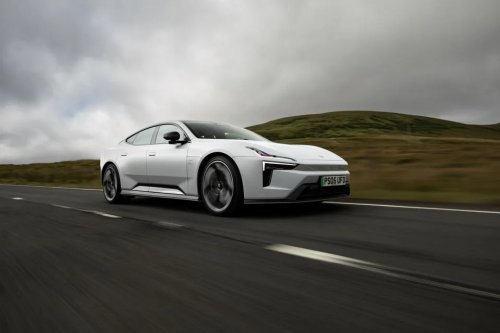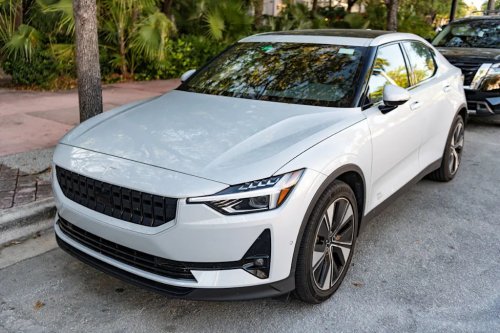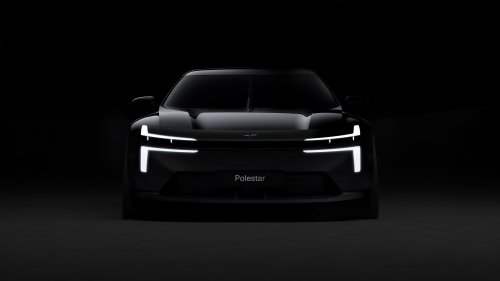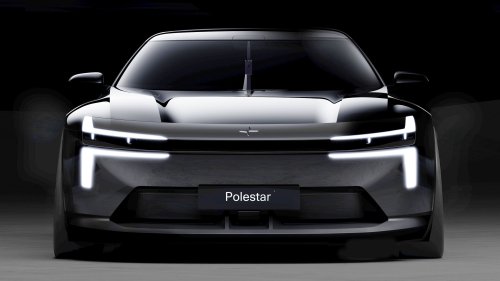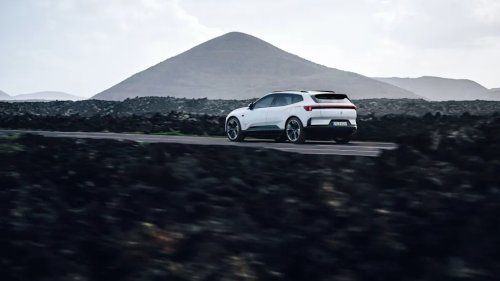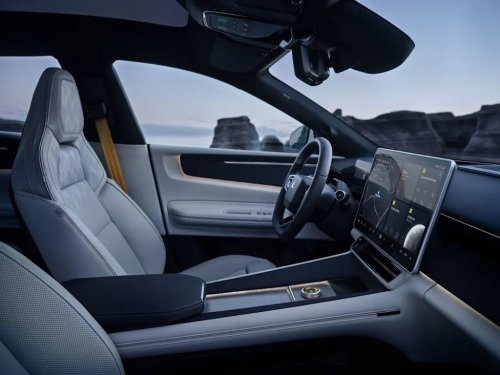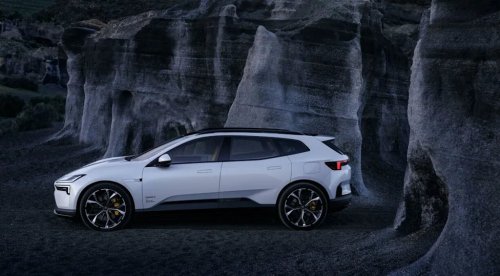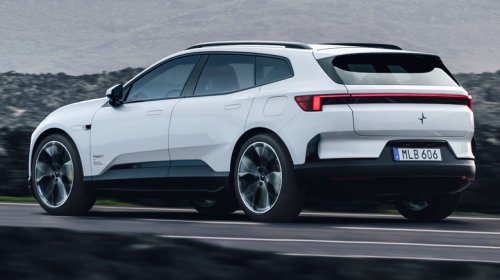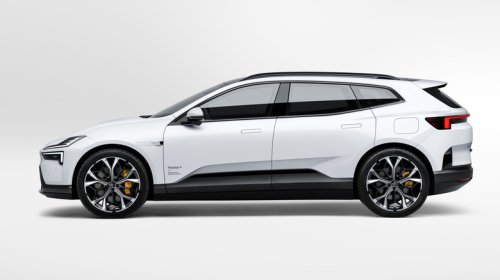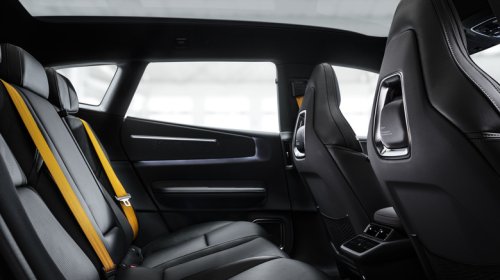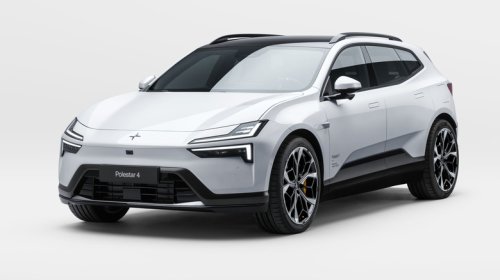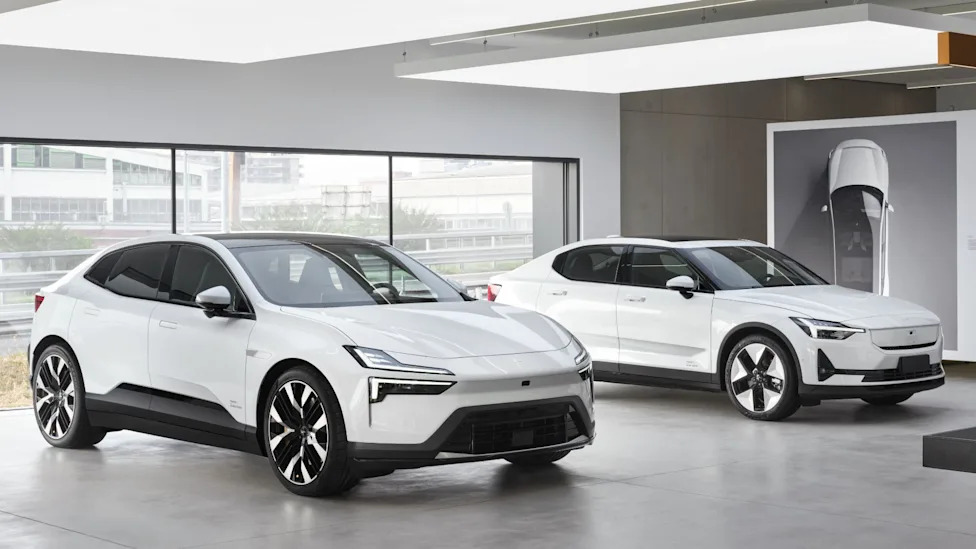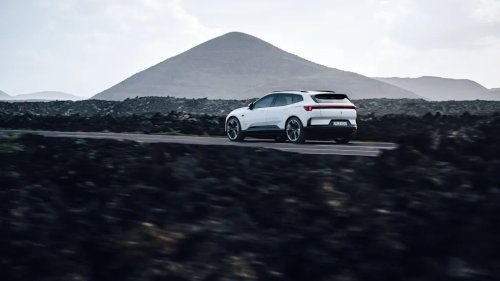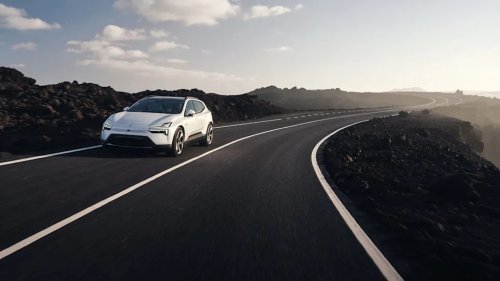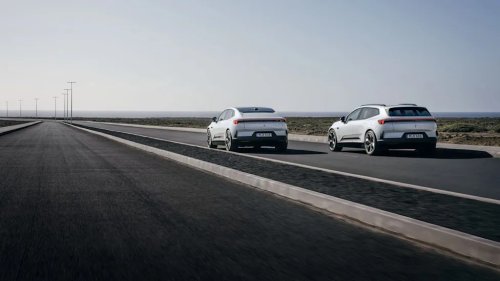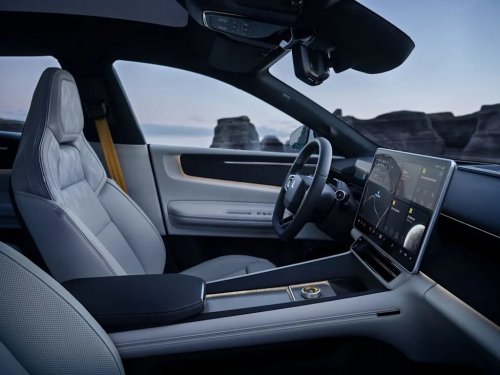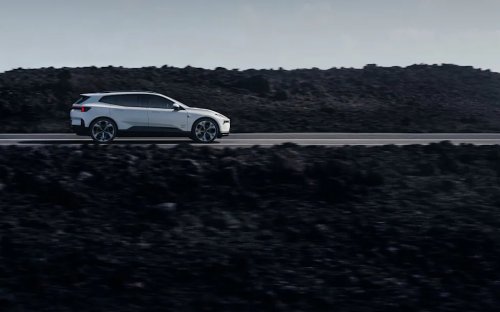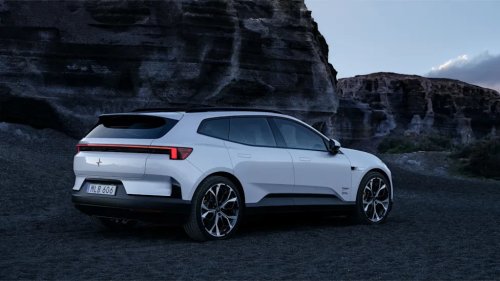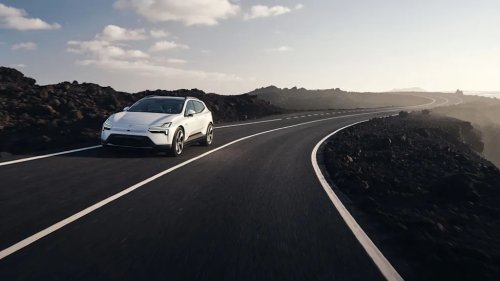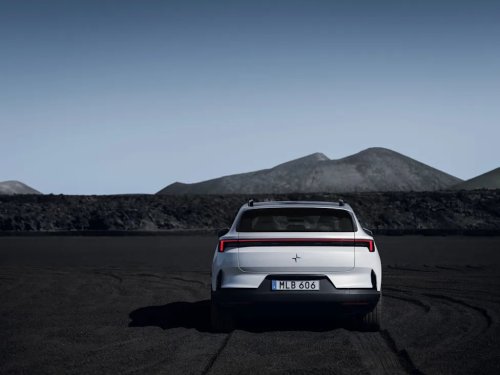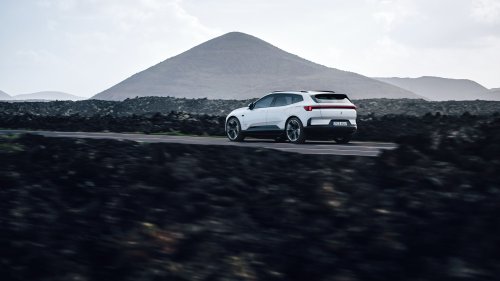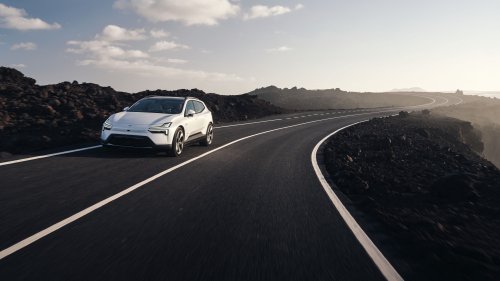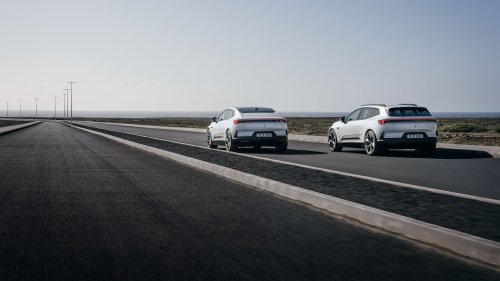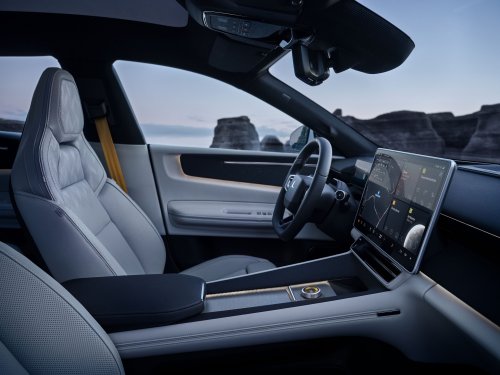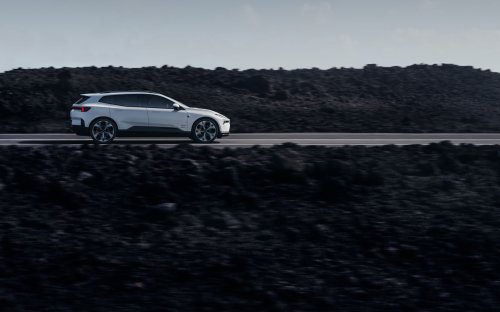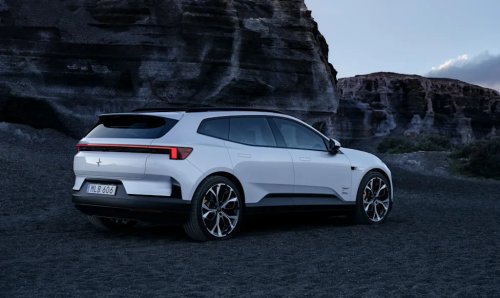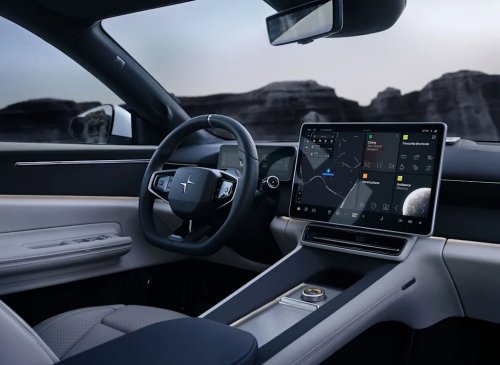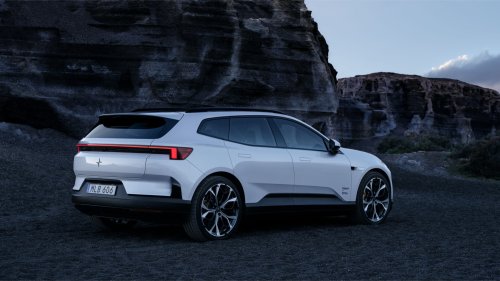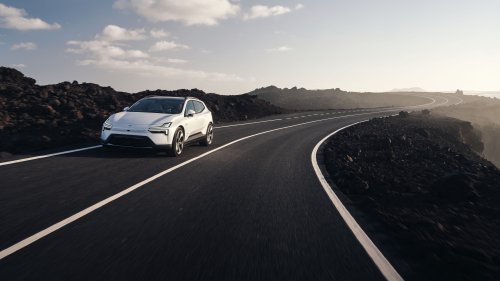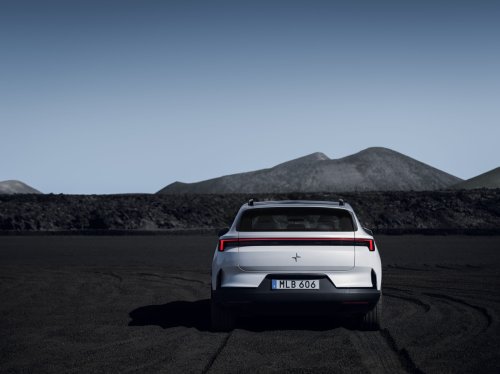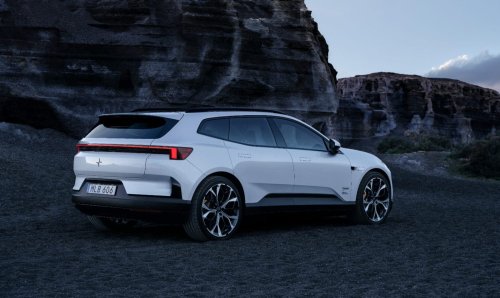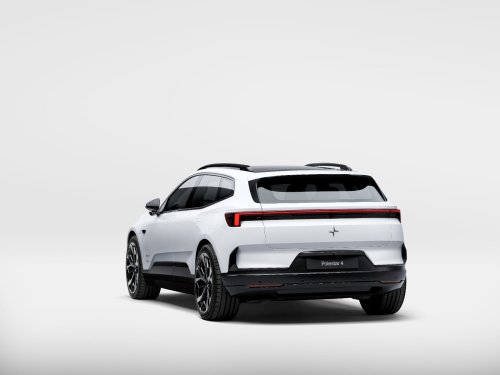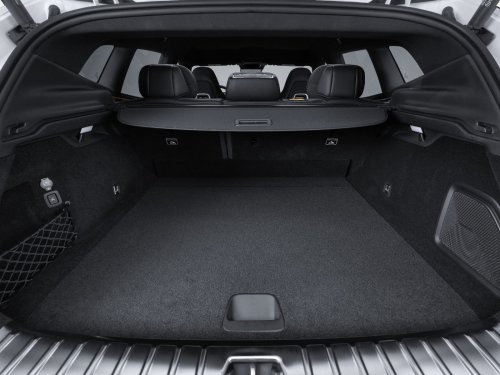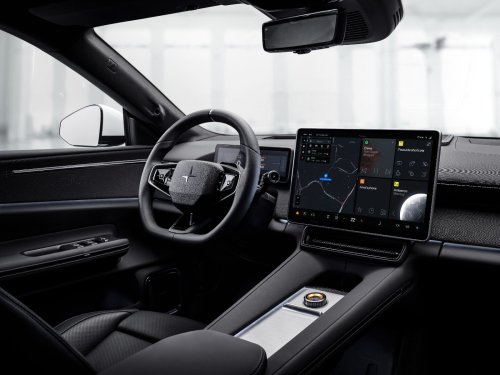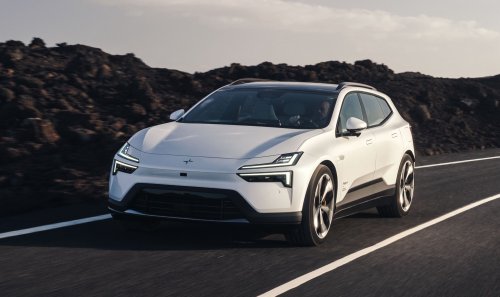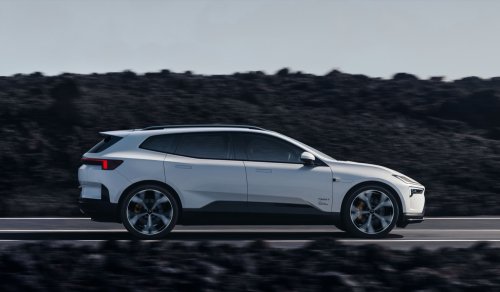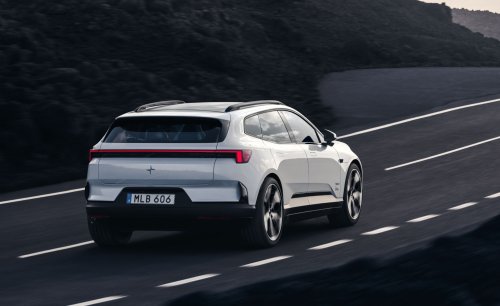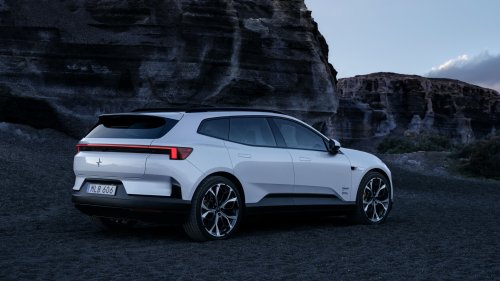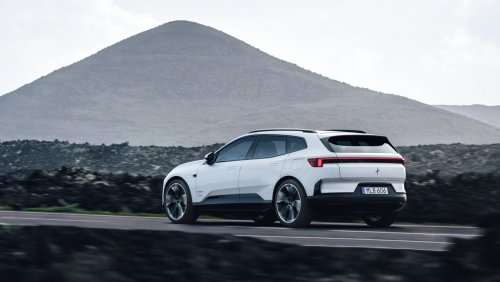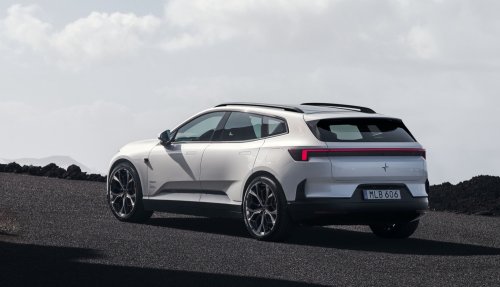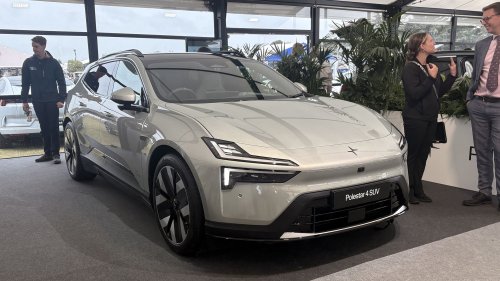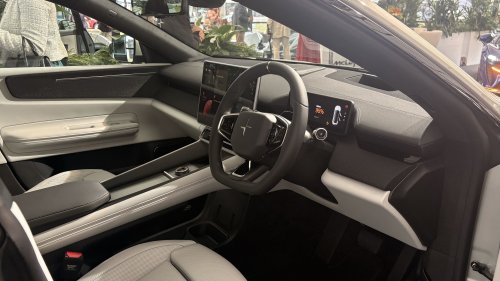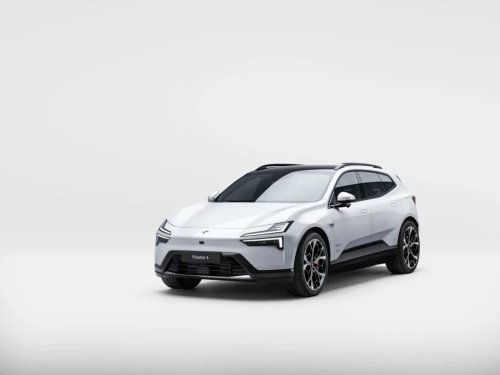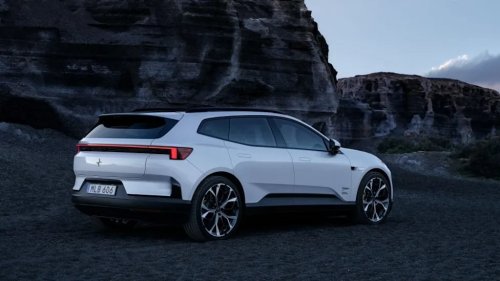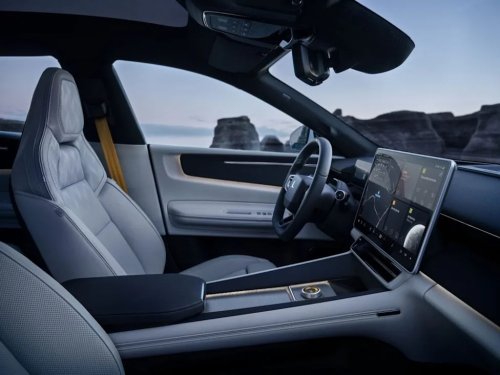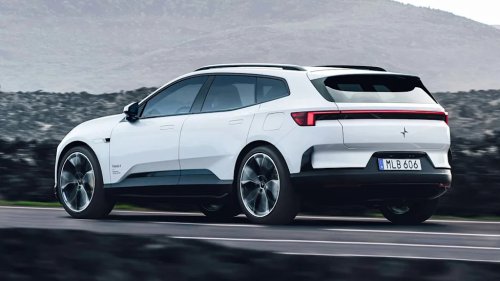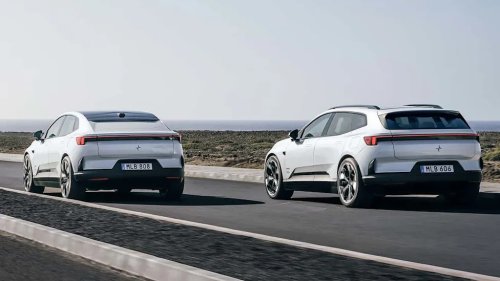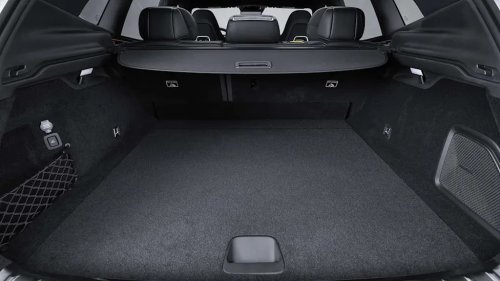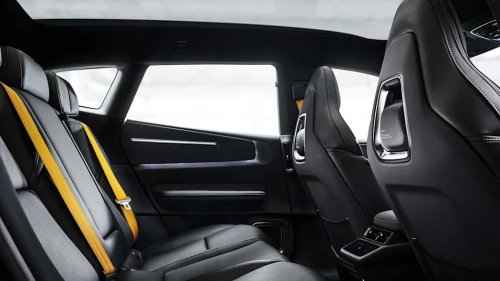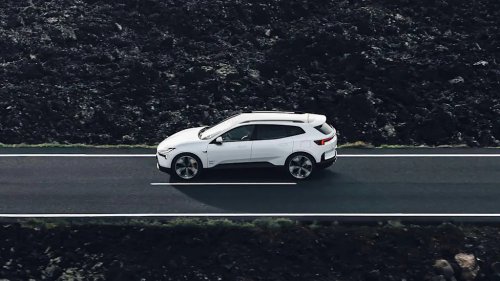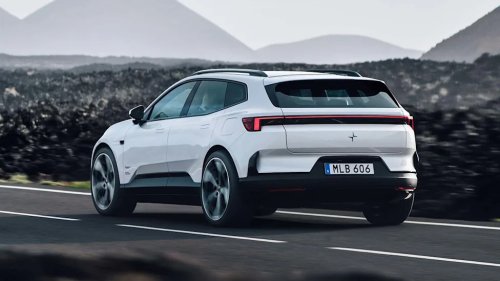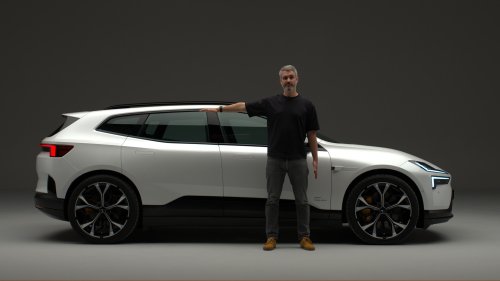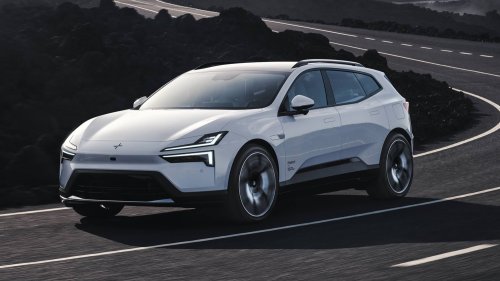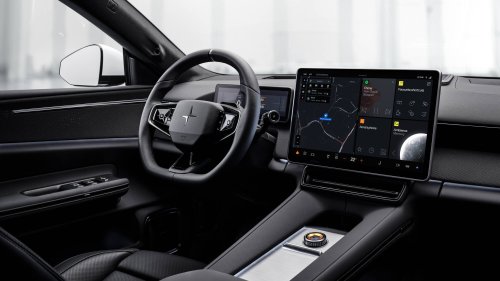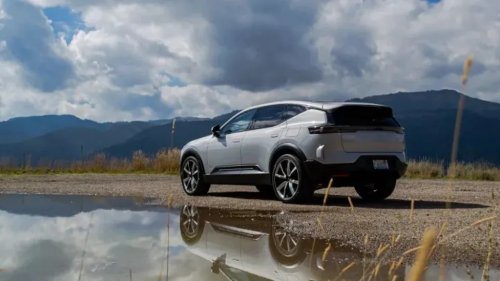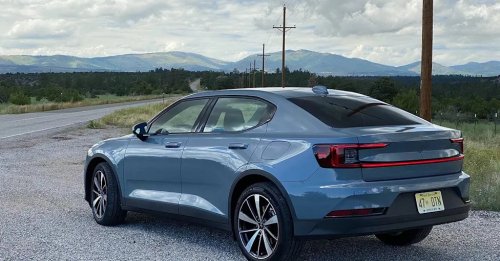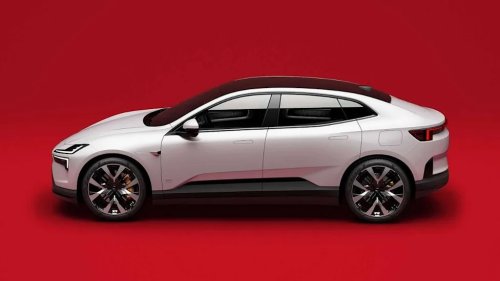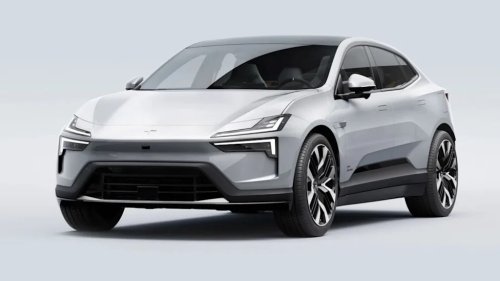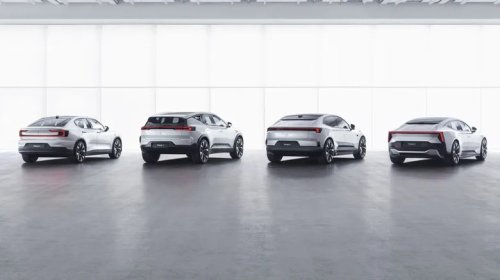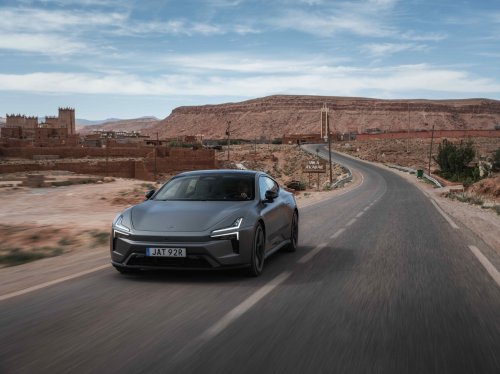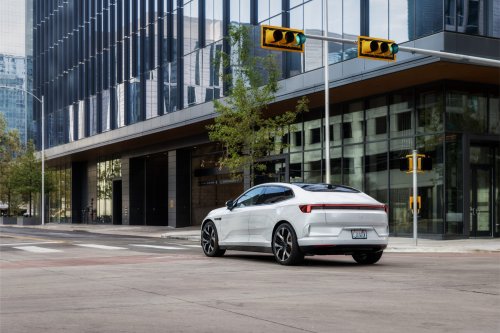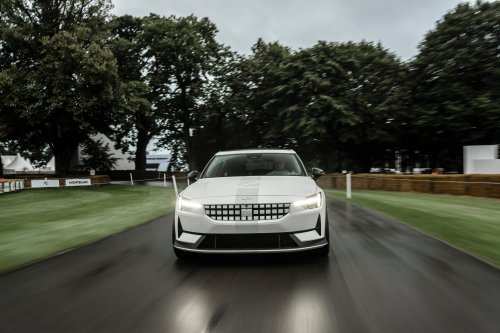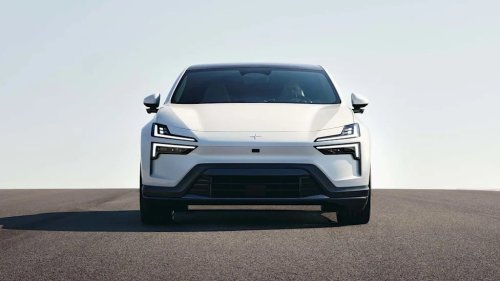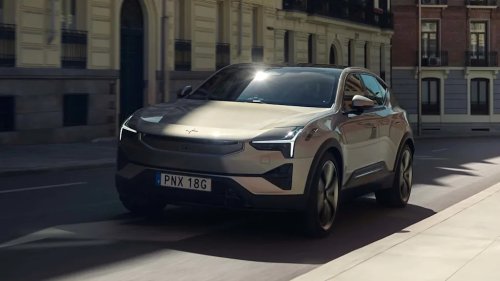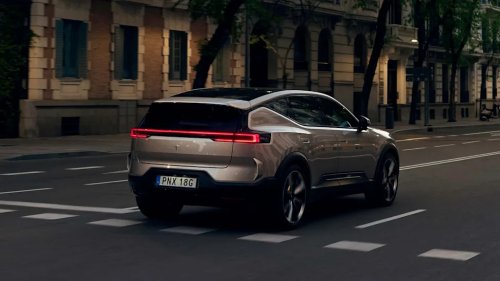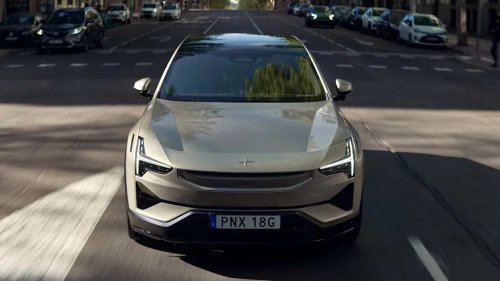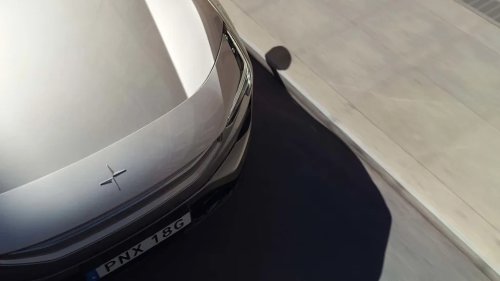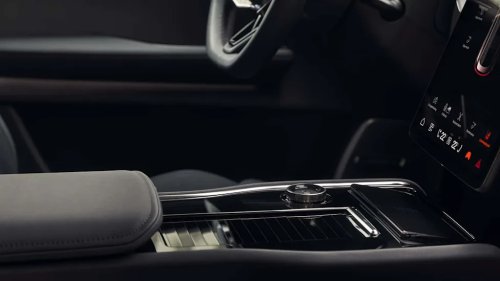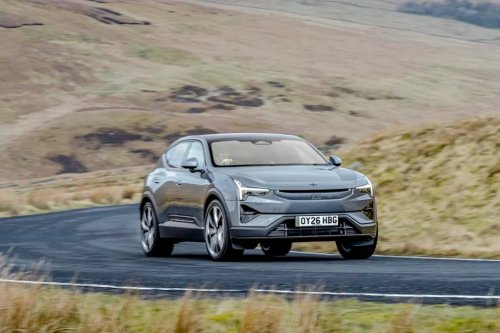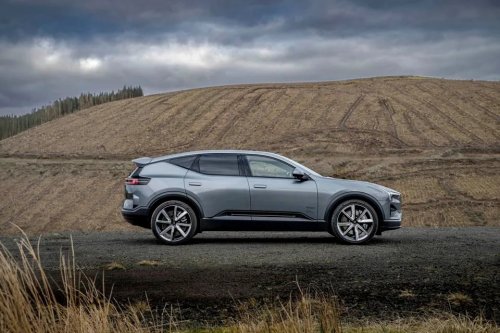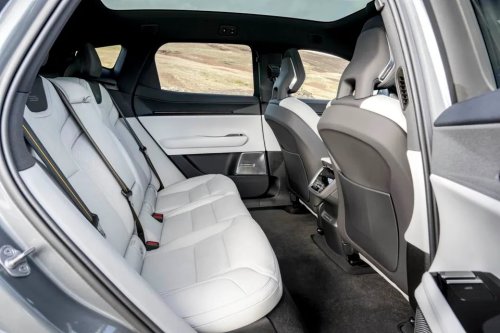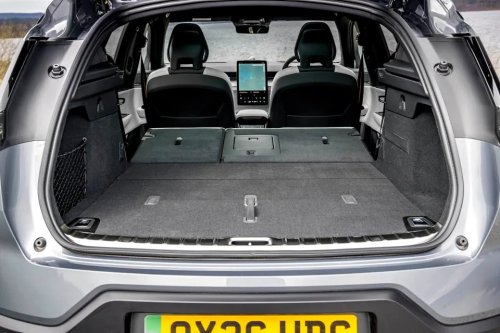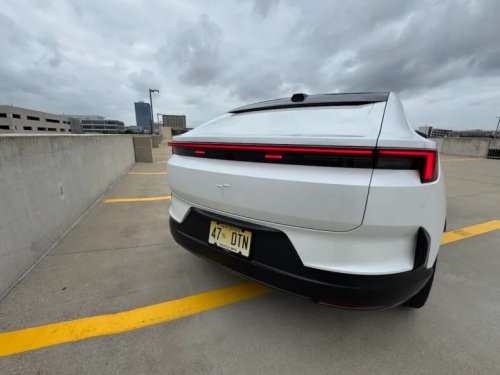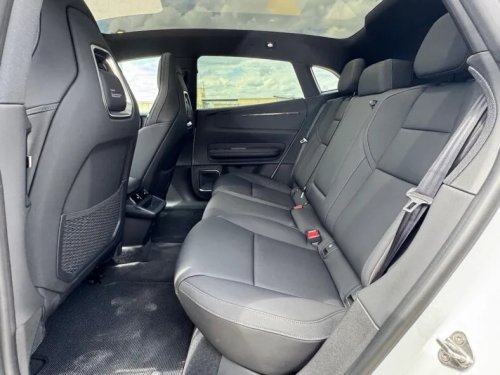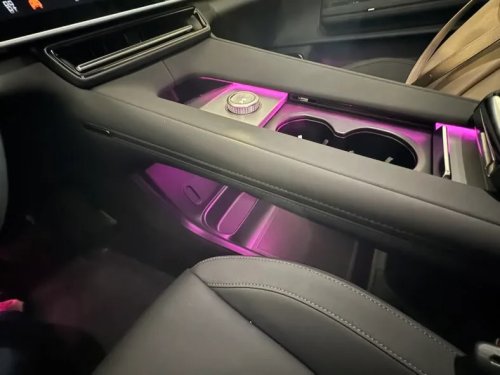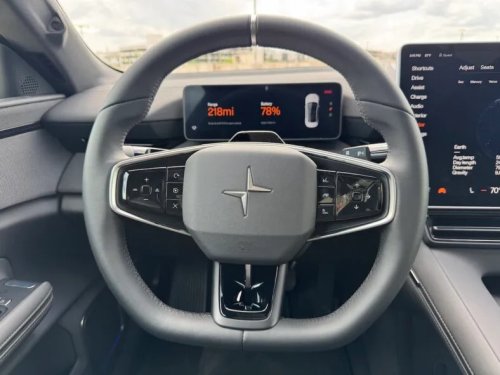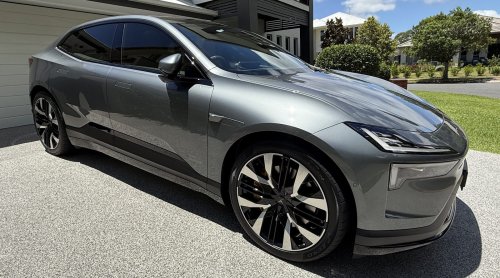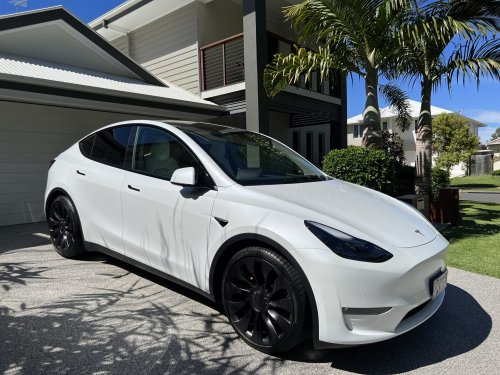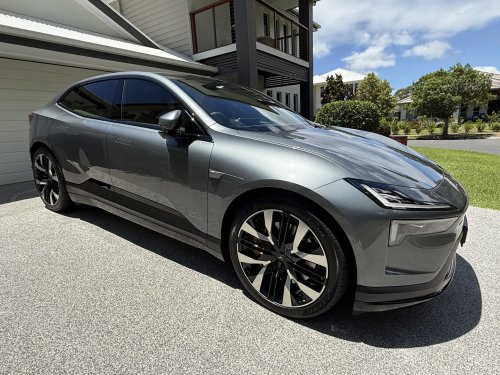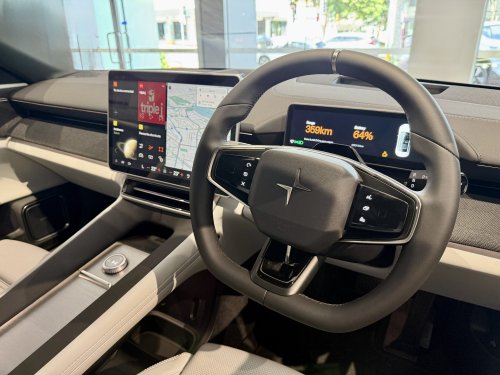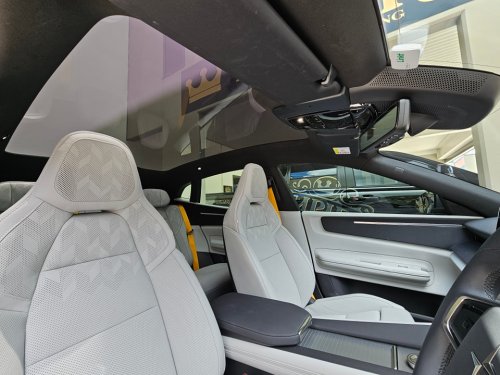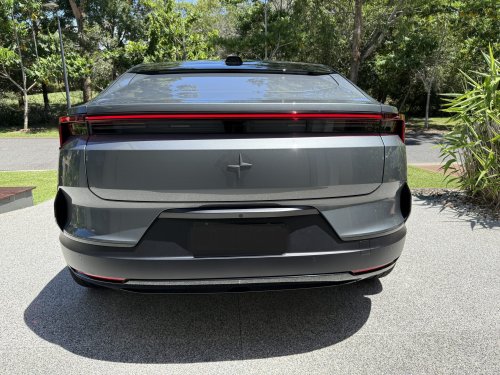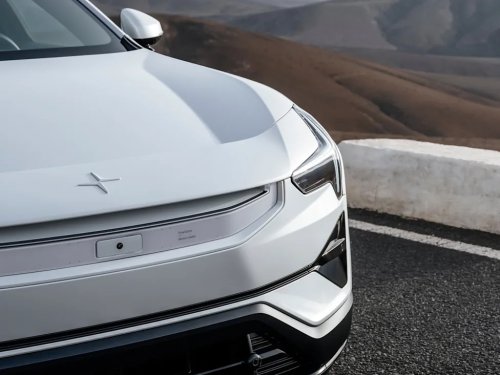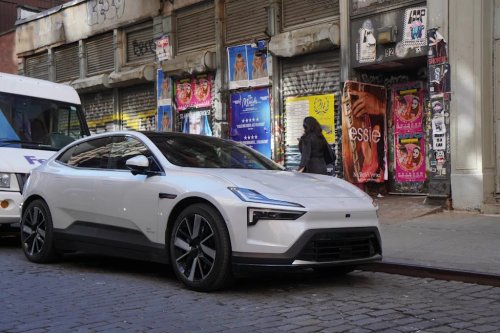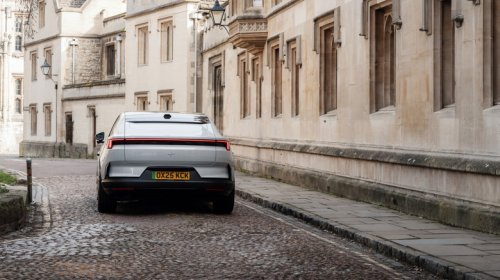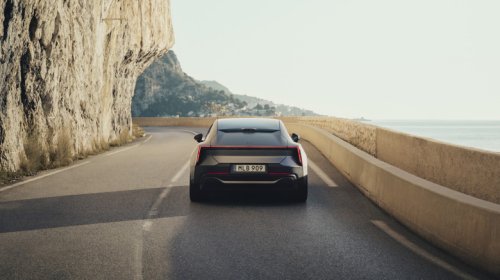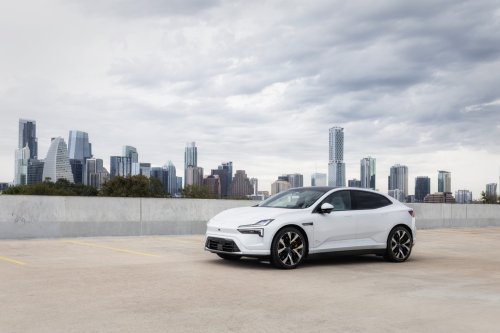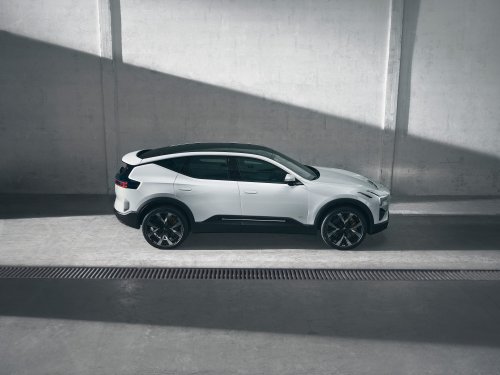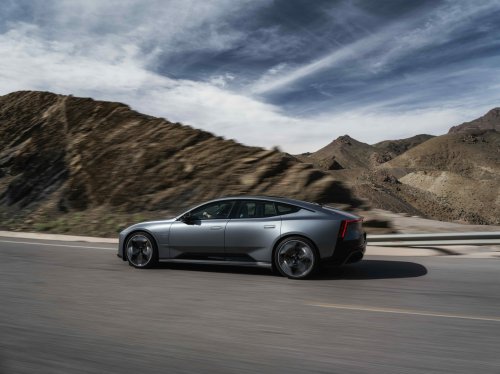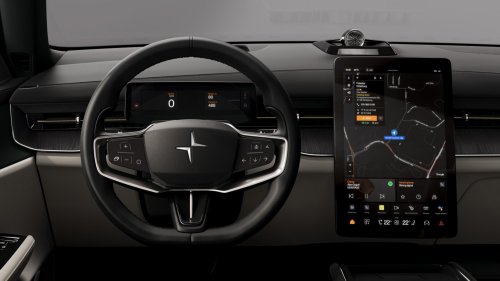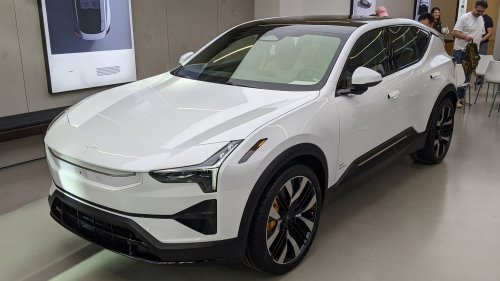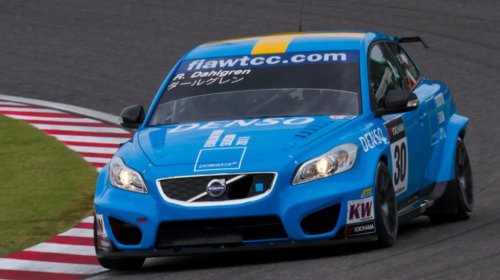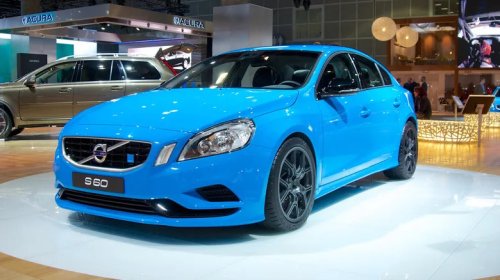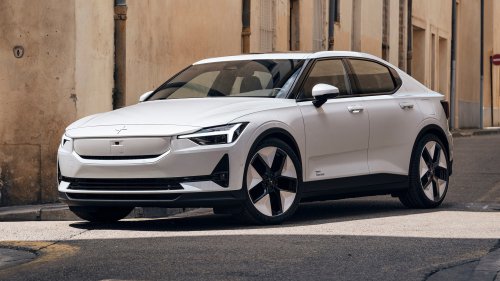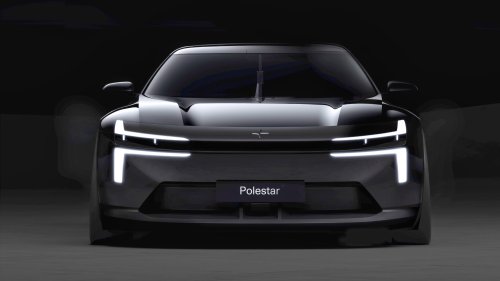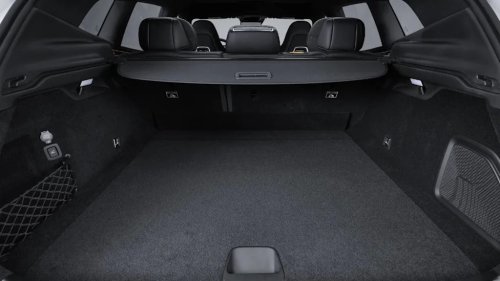
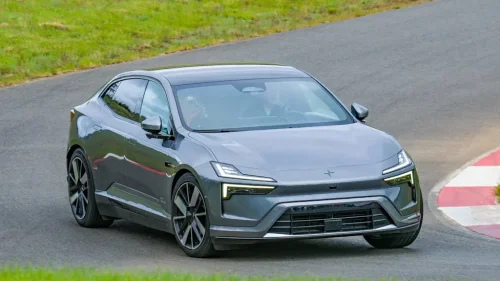
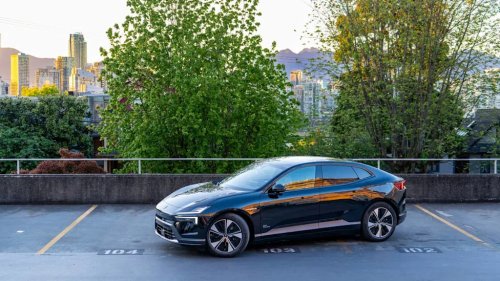
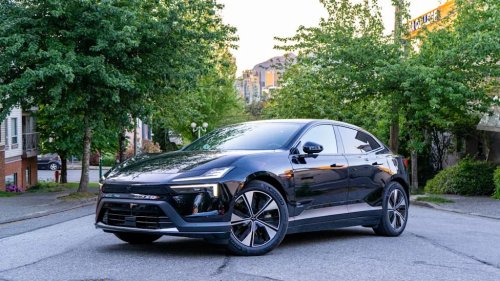
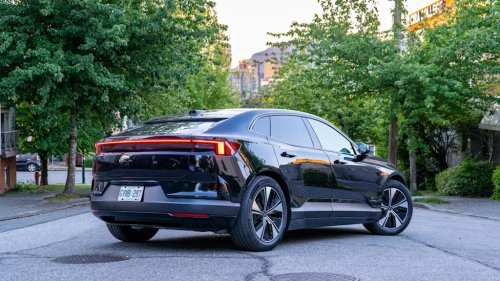
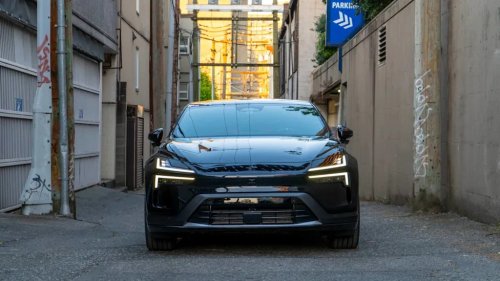
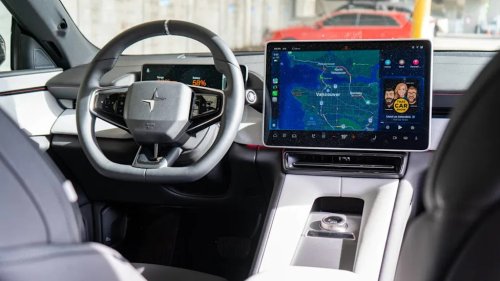



















Autoblog and Yahoo may earn commission from links in this article.By the time I collected the 2026 Polestar 4 Long Range Dual Motor for a week of daily driving in Vancouver, I had already put it through two of the more unconventional proving grounds an automotive journalist can find. The first was Circuit Mécaglisse in Quebec—a frozen race circuit where I spent a day sliding the P-4 sideways through icy donut circles, executing Scandinavian flicks, and riding shotgun with Formula Drift Champion Tommy Lemaire in the Arctic Circle Edition drift car. The second was the Go-Kart Grand Prix course at NWAPA's Mudfest in Shelton, Washington, where the Polestar 4 demonstrated that its composure on a tight, demanding pavement circuit extends beyond what its electric SUV-coupé classification implies.Polestar 4 Piloted By Cole Attisha @ Circuit MécaglissePolestar2026 Polestar 4 @ NWAPA Mudfest 2026(C) 2025 Doug Berger | DBPicsBoth experiences left me with a strongly positive impression, but one that only closed-circuit driving typically produces, where the variables are controlled, the roads are optimal (or intentionally suboptimal, covered with a sheet of ice), and the car is always operating under the conditions in which it is most impressive. The week I spent with the P-4 in Vancouver was destined to answer a different and more important question: What is the 2026 Polestar 4 actually like to live with? The answer, as with most things Polestar builds, is complicated.2026 Polestar 4Cole AttishaExterior Design: 9.2/10Say what you will about its absent rear windscreen. To my eyes, the Polestar 4 is one of the most visually striking production vehicles currently on sale, by virtue of its traditional Scandinavian blend of confidence and restraint. The sloping fastback roofline, which arcs rearward and meets a panel of body-coloured metal where a rear windscreen would conventionally be located, is a design choice that, albeit controversial, gives the Polestar 4 the sense that it's a spiritual successor to none other than the beloved Volvo S60R—a highly coveted Swedish sport sedan that, in its later years, had even been tinkered with by Polestar themselves. Its lack of a rear windscreen is, depending on your perspective, either an act of genuine design courage or a solution to a problem nobody had. Having spent a week with it, I still find myself somewhere in the middle. I'll explain in more detail later.AdvertisementAdvertisementThe rest of the exterior is flawlessly executed. The low nose with its air curtains, the frameless flush windows, the retractable door handles, and the rear aero blades combine to produce a silhouette that is genuinely aerodynamic, a distinction that matters for both efficiency and visual cohesiveness. In my tester's Space black finish, the Polestar 4 has the kind of presence that makes other cars on the road look somewhat underdressed for the occasion, without looking over-the-top. It attracted attention everywhere it went, but not the loud, shouty attention of a supercar. Rather, it earned a quieter, more considered attention of something that most onlookers couldn't quite name, but knew was significant.The decision to eliminate the rear window, beyond its aesthetic rationale, serves a genuine engineering purpose: it allows the C-pillar and structural support to be pushed rearward, which in turn expands rear headroom and legroom beyond what the roofline's silhouette would otherwise permit. Whether you accept this justification as sufficient is, of course, a personal decision. For me, regardless of my mixed feelings towards the efficacy of a deleted rear windscreen, every time I laid eyes on the P-4 before hopping in for a drive, it gave me the sort of finger-tingling excitement that I'd expect of a true, driver-oriented sport sedan, but typically not of a modern electric vehicle, which often feel far too appliance-like.2026 Polestar 4Cole AttishaPowertrain & Driving Dynamics: 9.4/10On the road, and from behind the wheel, is where the Polestar 4 makes its most unambiguous and most persuasive case, and where the week of daily driving confirmed what Circuit Mécaglisse and Ridge Motorsports Park had already given me a glimpse of. The Long Range Dual Motor delivers 544 horsepower and 506 lb-ft of torque through all four wheels, with a 0–60 mph time of 3.7 seconds. My tester did not have the optional Performance Pack, a $4,500 addition that brings 22-inch wheels and Brembo brake upgrades, and the standard car's dynamic character was, if anything, more nuanced in its absence. The Performance Pack sharpens the P-4's responses (and, according to Motor Trend, affords drivers even faster acceleration), but the standard car is already sufficiently rapid that sharpening further risks tipping the balance from engaging to nervous on public roads, depending on who's driving.2026 Polestar 4Cole AttishaWhat makes the Polestar 4's powertrain genuinely remarkable is not the peak output—there are far faster EVs out there—but how well the chassis uses its power. The P-4 does, of course, share some of its bones with the Lotus Emeya, affording it enough Lotus DNA to feel like it corners on rails. In its more relaxed modes, the P-4 is a serene, comfortable cruising companion: quiet, well-isolated from road noise, and unfussed by Vancouver's stop-start grid. Find a favourite stretch of road, however, and the transformation is instantaneous. Full-throttle application in Sport mode produces an acceleration that is not so much felt as experienced like a shot of adrenaline straight into your bloodstream, where the horizon suddenly seems as if it's going to hit you in the face, and the all-wheel-drive system's ability to vector torque with utmost precision gives the P-4 a cornering confidence that far exceeds what a casual observer of its SUV-coupé proportions would anticipate.AdvertisementAdvertisementOn the frozen track at Mécaglisse, this translated to extraordinary composure under extreme conditions. In daily driving in Vancouver, it translates to a car that makes every stretch of empty road feel like it's taunting you to push just a little bit harder. Comparing it to a modern Volvo misses the point, even if the two brands have intersecting heritage. The Polestar 4 drives like the sport sedans Volvo was building decades ago, if they were using the tech it uses today.2026 Polestar 4Cole AttishaRange & Charging: 8.8/10The EPA-rated 280-mile range of the Long Range Dual Motor held up faithfully in real-world Vancouver driving—a city whose hills, stop-start traffic, and unpredictable coastal temperatures represent a meaningful range-efficiency challenge for any EV. At no point during the test week did range anxiety register as a concern. Overnight charging via a Level 2 CCS charger in my underground parking garage resulted in a mere C$15 bill for a full charge from just under 50%, which was completed while I slept. This is the ownership model that Polestar's target buyer will almost certainly replicate, and if they are fortunate enough to own a home charging station, they will likely even spend less on electricity than I did. For drivers with access to home or building charging, the Polestar 4's range is not a consideration worth even one drop of sweat. Polestar claims a 10–80% fast charge in approximately 30 minutes on a DC fast charger, which is admittedly just adequate, rather than class-leading. The 400-volt architecture is a limitation relative to some competitors' 800-volt systems, which charge considerably faster, but my general point remains: range anxiety is simply not a factor here.2026 Polestar 4Cole AttishaTechnology & Software: 7.6/10The Polestar 4's technology architecture is built on Google's Android Automotive OS, which provides native access to Google Maps, Google Assistant, and the Play Store. This is a genuine advantage over proprietary infotainment systems that are refreshed on manufacturer timelines rather than software update cycles. The interface is clean, logical, and responsive under normal conditions. Wireless CarPlay is available, and the driver display is uncluttered and informative. Pilot Assist—Polestar's semi-autonomous highway driving system—is standard and operates with the composed, predictable behaviour instilled by Volvo's decades of safety engineering in the platform.The only issue was the software instability that emerged near the end of my test week. With the car in Park, the infotainment system functioned normally. Shifted into Reverse or Drive, however, the screen began flashing in the upper-left corner, and the touchscreen became entirely unresponsive—a fault that rendered climate control, audio, and navigation inaccessible while moving. The solution was to exit the vehicle, lock it, walk away, and return a little while later (although if I had been in a rush, resetting the system likely would have done the trick as well). The system reset itself, and the fault did not recur during my time with the car. This is the kind of issue that a simple software update can and should address, and Polestar's OTA update capability means it may well already have been patched by the time most buyers encounter this review. It is worth noting, however, that the software is materially more stable and refined than that of previous Polestar models and, indeed, current Volvo models.2026 Polestar 4Cole AttishaInterior Design & Quality: 8.1/10Step inside the Polestar 4, and the cabin is everything the exterior promises: clean, Scandinavian in its minimalism, thoughtfully proportioned, and built to a material standard that justifies the price point. The electrochromatic panoramic glass roof—which arcs from the windscreen to the rear of the cabin—floods the interior with light and reinforces the sense of occasion, and can switch from translucent to opaque in a split second with the push of a button (though locating that button requires a three-step submenu-digging process). The seating is supportive and well-positioned, and the rear passengers legitimately benefit from the additional headroom afforded by the absence of a rear window. It is a genuinely spacious cabin for a vehicle with such a suave roofline.2026 Polestar 4Cole AttishaAdvertisementAdvertisementThe digital rearview mirror, the interior element that most directly compensates for the absence of rear glass, deserves an honest assessment. In normal daytime use, it works. The wide-angle camera feed provides a broader view of what follows than a conventional mirror could, and after a few days of use, the adjustment from glass to screen becomes largely unconscious. Two situations, however, exposed the system's limitations. Early-morning driving—when your eyes are not yet fully adjusted—can create a moment of visual lag before the brain registers what the screen shows, which is not ideal in a vehicle where rear visibility is already entirely camera-dependent. And for anyone who requires reading glasses, the digital mirror's fixed focal distance is a real ergonomic challenge that Polestar has not fully resolved.The good news for prospective buyers who find the rear window omission problematic: Polestar has confirmed a wagon-like variant is on its way, featuring a conventional rear windscreen, preserving the brand's design language while restoring the rearward visibility that some buyers consider non-negotiable. Apparently, Polestar is also bringing physical buttons back to its interiors, which, if found in the new, upcoming Polestar 4 variant, could also2026 Polestar 4Cole AttishaPricing & Value: 8.3/10The 2026 Polestar 4 Long Range Dual Motor carries a U.S. starting MSRP of $62,900, but Polestar is currently running a limited-time $10,000 discount that brings the entry price to $52,900, a figure that substantially reshapes its value proposition. My Canadian-spec tester, finished in Space black metallic, equipped with the standard 20-inch Aero wheels, Bio-attributed MicroTech upholstery in Charcoal, and fitted with both the Pilot Pack (included) and Plus Pack ($5,500) along with the electrochromatic glass roof ($1,000), came to approximately $62,600 USD as configured, though Polestar lists pricing as "delivered by retailer," meaning destination charges may or may not be included in that figure depending on the retailer.At $52,900 with the current discount applied, the Polestar 4 Dual Motor is not merely competitive; it is one of the most compelling value propositions in the premium EV segment, significantly undercutting the Porsche Macan Electric, BMW iX3, and Audi Q6 e-tron while offering all-wheel drive, 544 horsepower, 280 miles of EPA-rated range, and one of the most driver-focused chassis setups in its class. Even at the full $62,900 MSRP, the value case against the German alternatives is strong.AdvertisementAdvertisementThe caveats remain the same regardless of the price paid. Polestar's service network is still maturing in many North American markets, the software instability encountered during testing is a real ownership consideration, and the brand's long-term reliability track record is still being established. The 4-year/50,000-mi warranty is competitive and essentially identical to that offered by the aforementioned German rivals. For buyers who are willing to accept those uncertainties—and at $52,900, the discount provides a considerable buffer against them—the Polestar 4 represents exceptional value for what it delivers.2026 Polestar 4Cole AttishaFinal Verdict: 8.7/10I have now driven the 2026 Polestar 4 on a frozen race circuit in Quebec, on a road course in Washington, and for a week through the streets of Vancouver. The consistent conclusion across all three contexts is that this is a genuinely extraordinary driving machine. It's one of the most dynamically accomplished electric vehicles currently on sale at any price, and certainly the most exciting vehicle available at its price point. The dual-motor AWD system, the chassis tuning, and Polestar's commitment to a driver-first philosophy produce an EV that rewards engagement in ways its principal competitors, including the Tesla Model Y, do not.The rear window, or lack thereof, remains the Polestar 4's defining and most divisive characteristic. Having adapted to the digital mirror over a full week of daily use, I can honestly say it works just fine, but with caveats which certain drivers, under certain conditions, will find compromising. The incoming wagon variant, with its conventional rear glass, will likely resolve the controversy for those buyers for whom it proves decisive. Buy the Polestar 4 if you want one of the most driver-focused, visually arresting, and technologically forward-thinking EVs available at this price, but consider something else if software reliability and service network maturity are your primary ownership criteria. And if the rear window is a dealbreaker, wait for the wagon. It's coming.2026 Polestar 4 Long Range Dual Motor (without Performance Pack). U.S. Long Range Dual Motor starting MSRP: $62,900 (currently $52,900 with a limited-time $10,000 discount). As tested (U.S.): ~$62,600 (Space black metallic, Pilot & Plus Packs, electrochromatic glass roof; "delivered by retailer"—destination charges may vary). Output: 544 hp / 506 lb-ft. EPA range: 280 miles. Battery: 100 kWh. Charging: 10–80% in ~30 min (DC fast). 0–100 km/h: 3.8 sec. Warranty: 4-year/50,000-mi.AdvertisementAdvertisementThis story was originally published by Autoblog on May 30, 2026, where it first appeared in the Reviews section. Add Autoblog as a Preferred Source by clicking here.