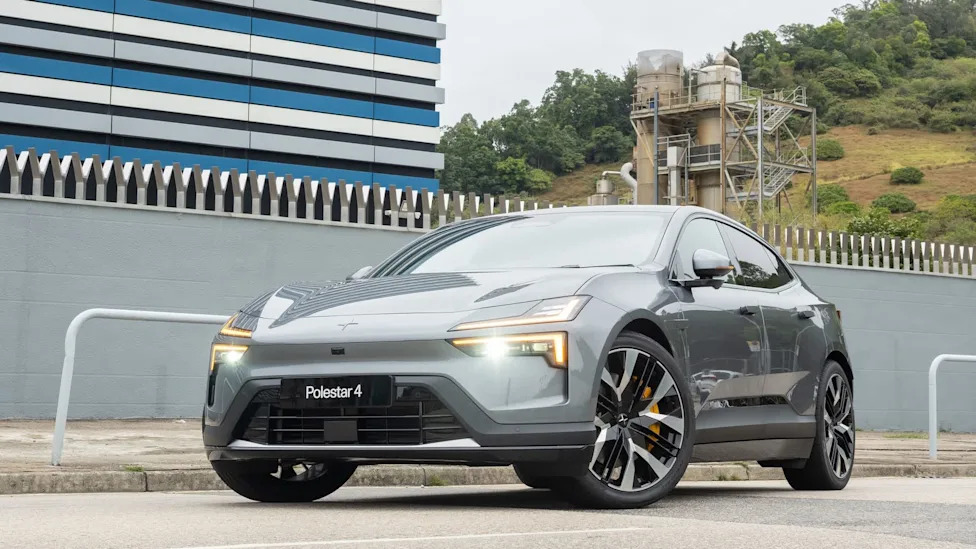
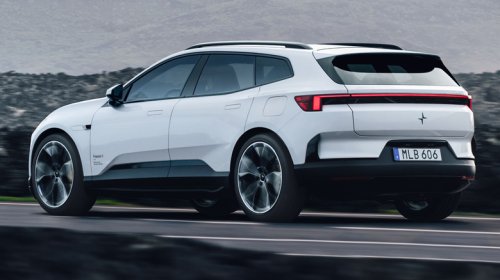
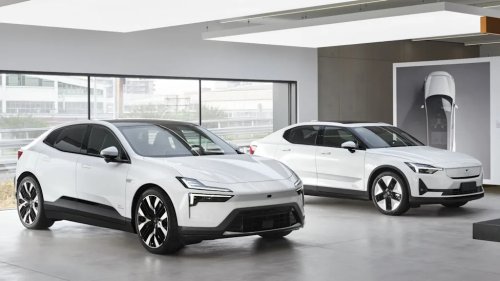
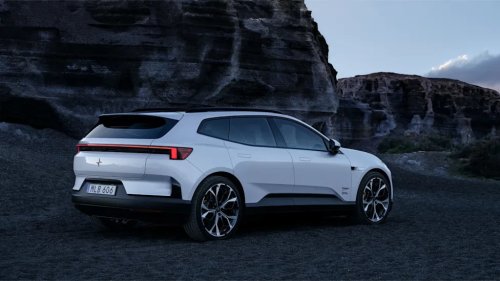
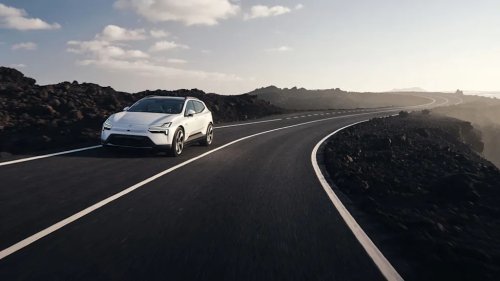
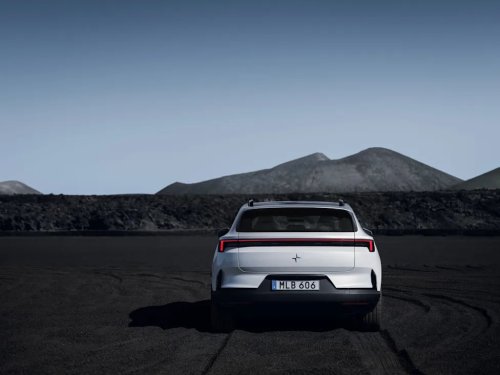
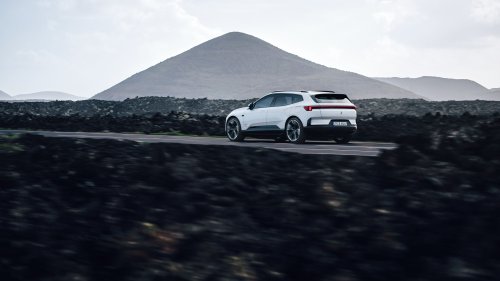
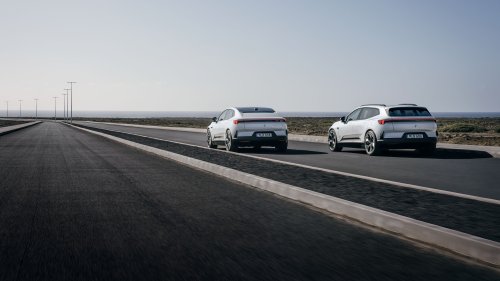
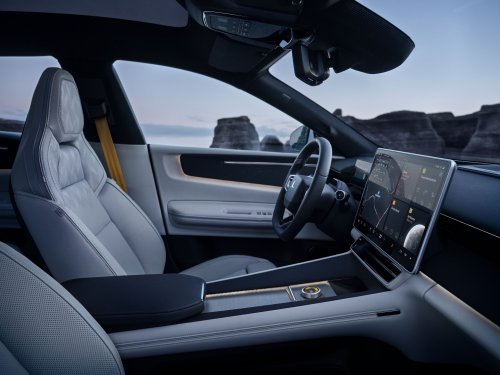
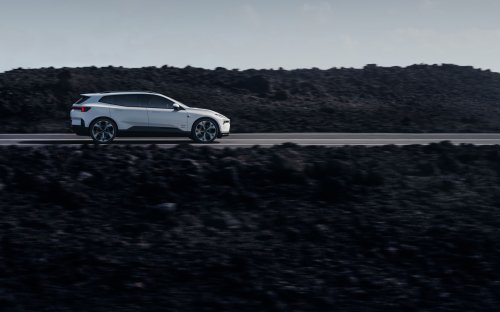
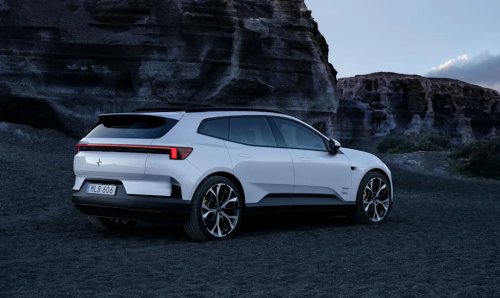
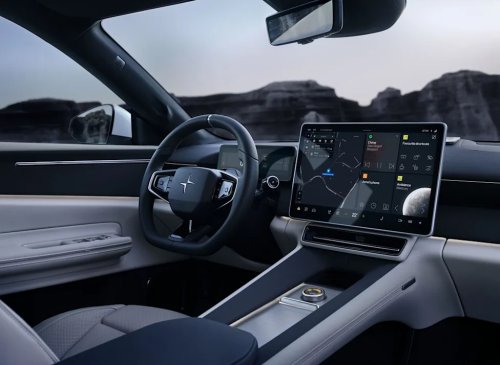
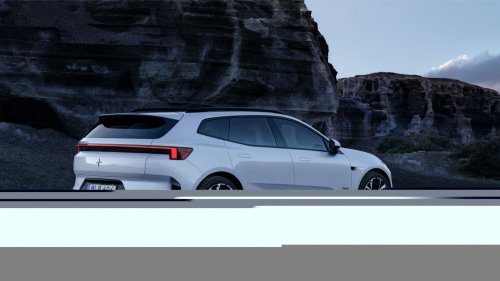
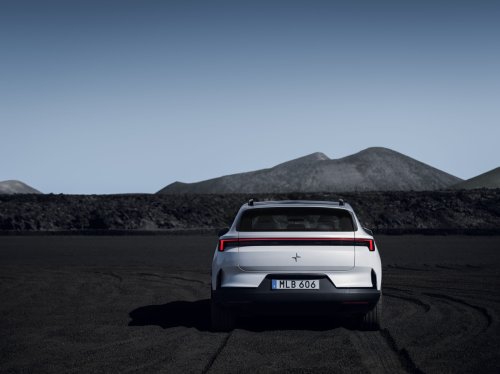
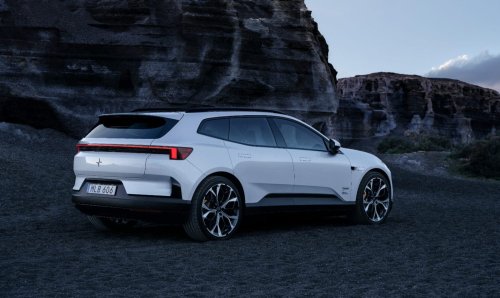
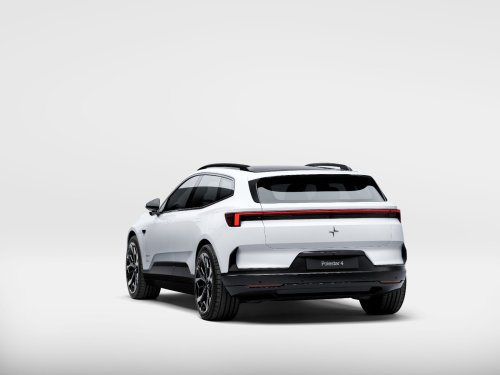
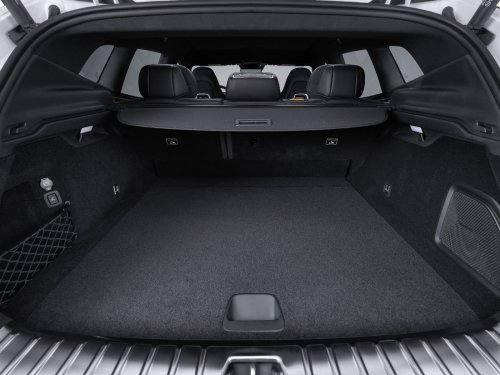
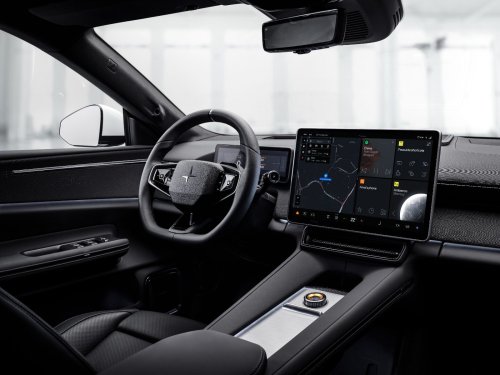
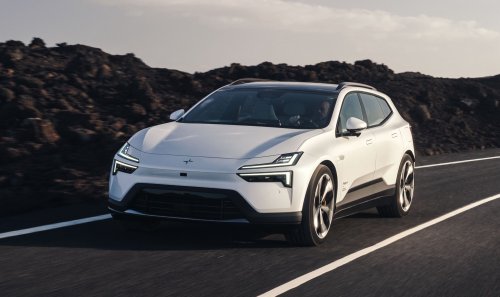
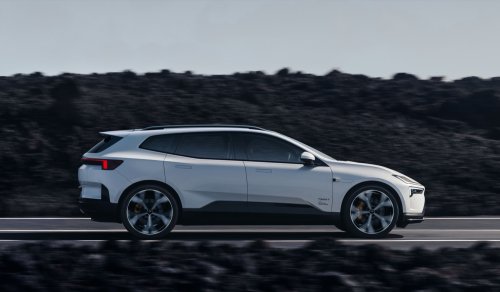
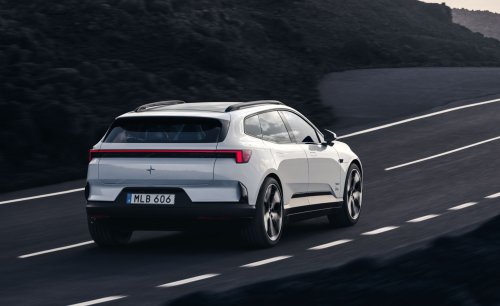
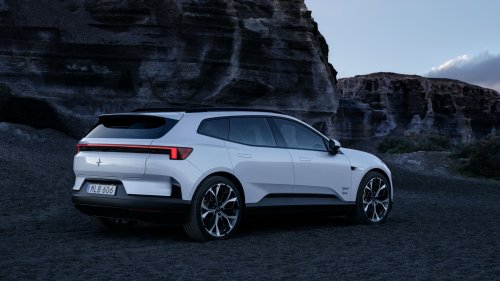
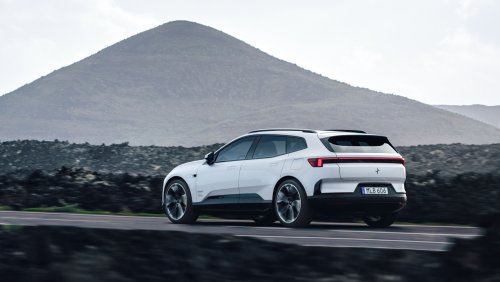
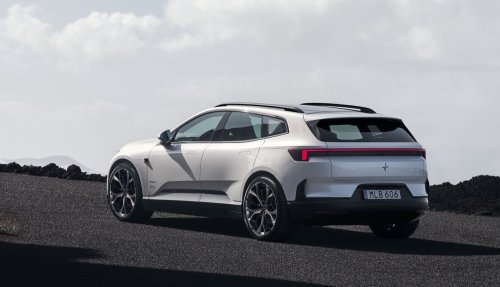
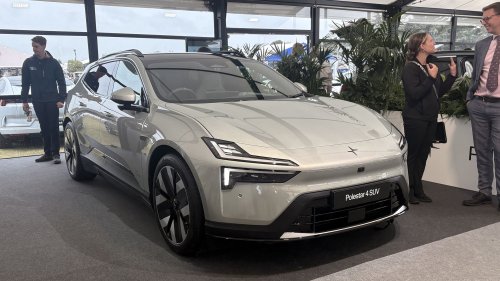
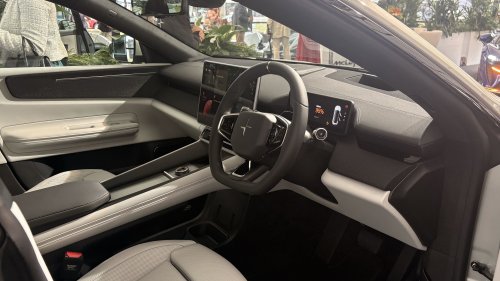
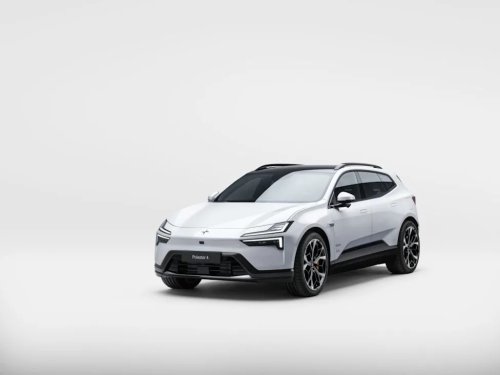
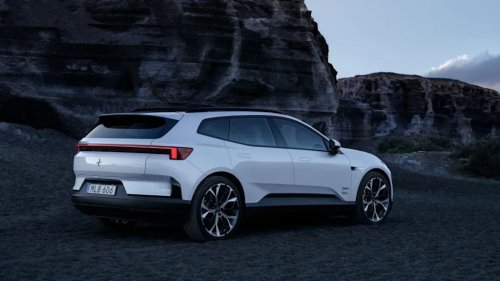
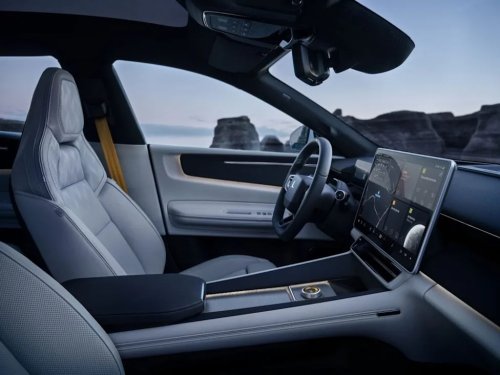
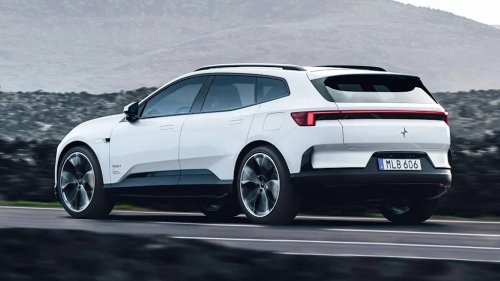
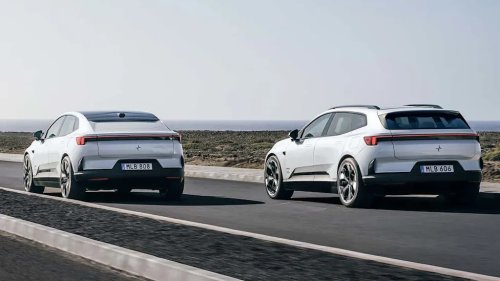
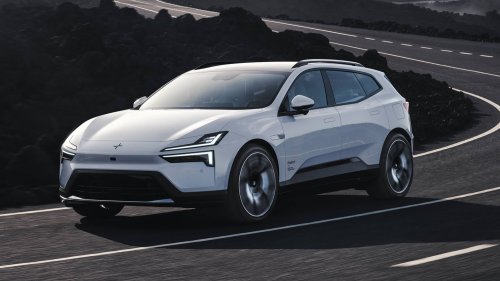
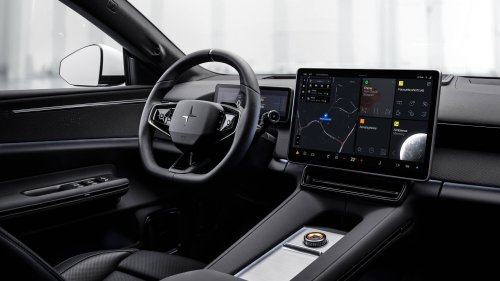
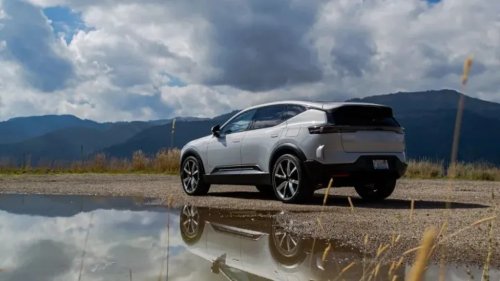
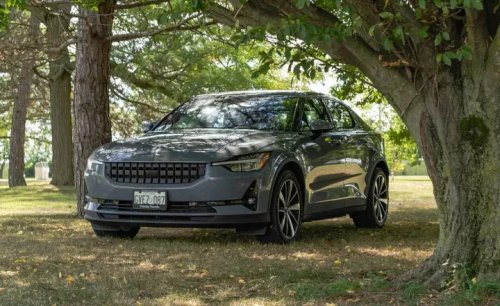
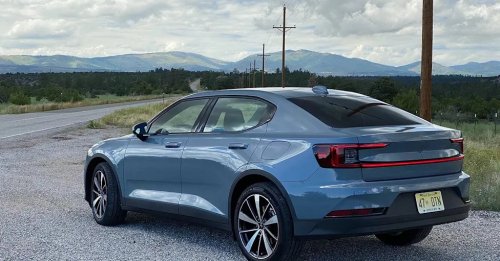
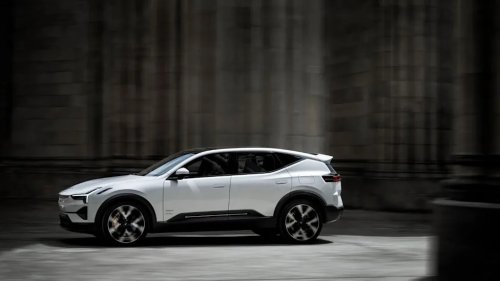
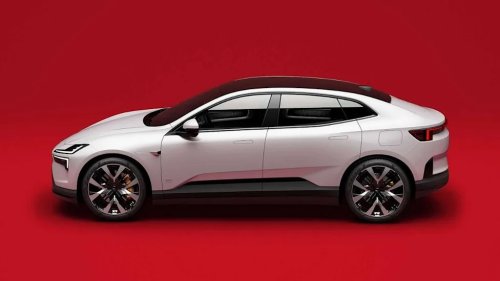
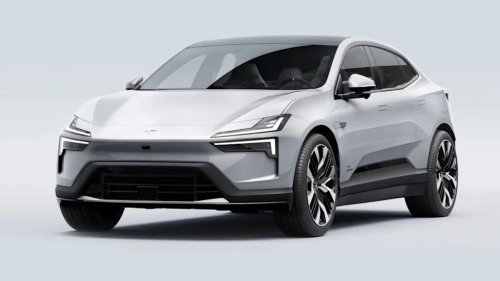
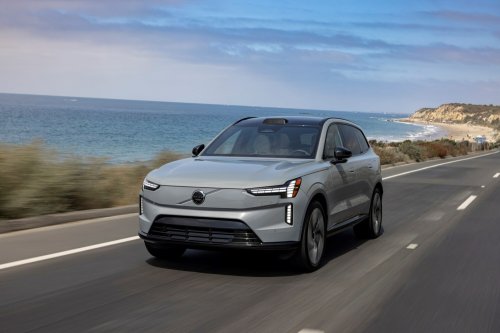
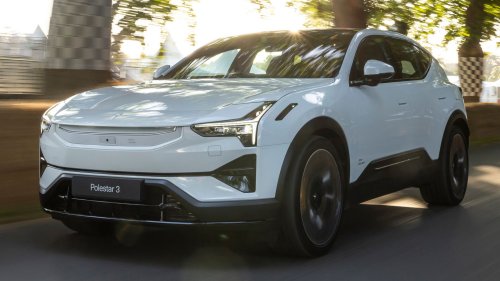
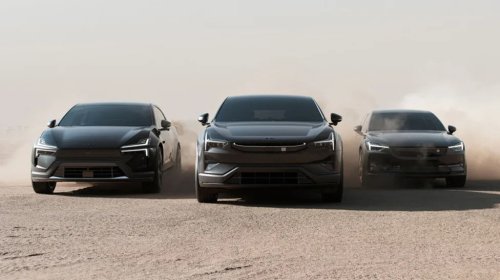
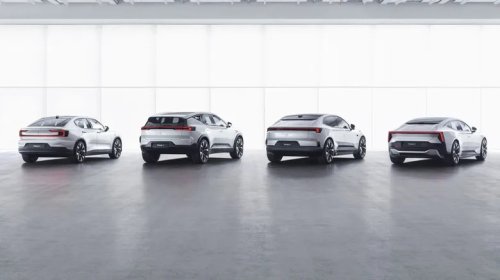
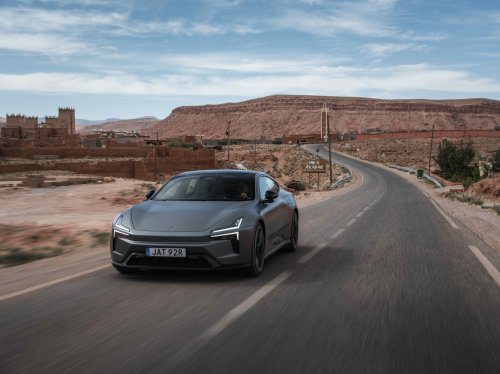
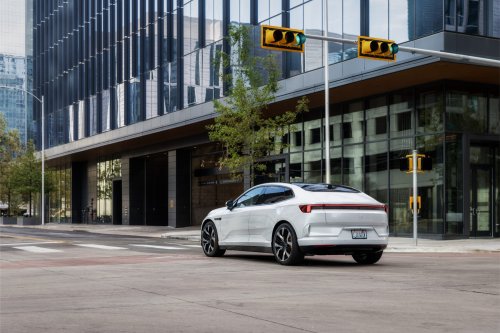
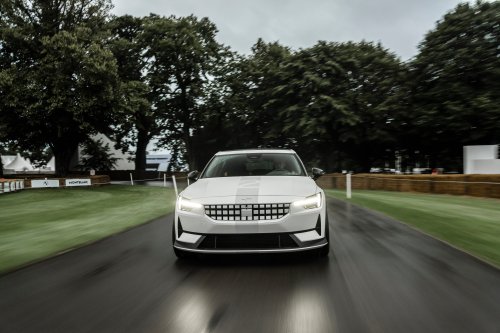
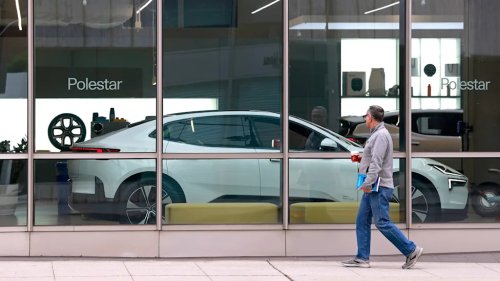
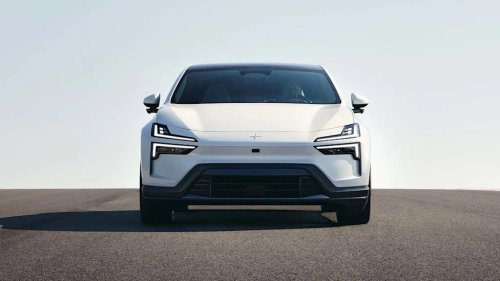
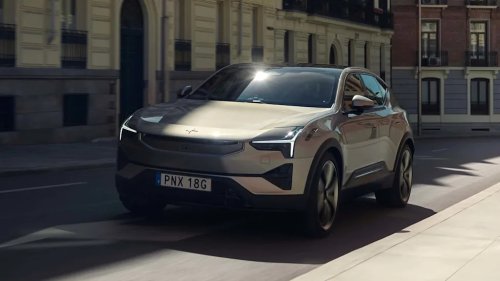
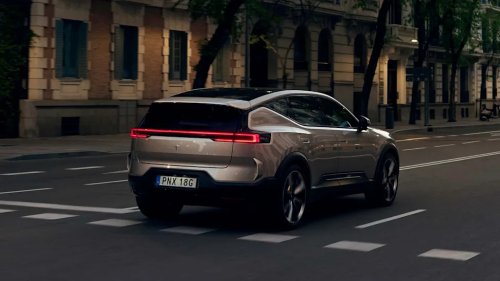
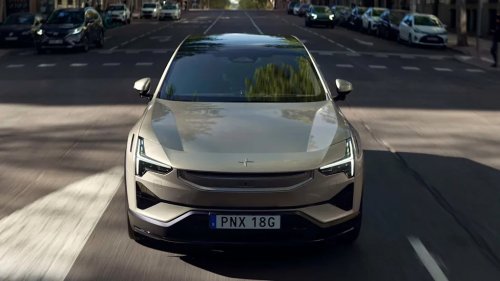
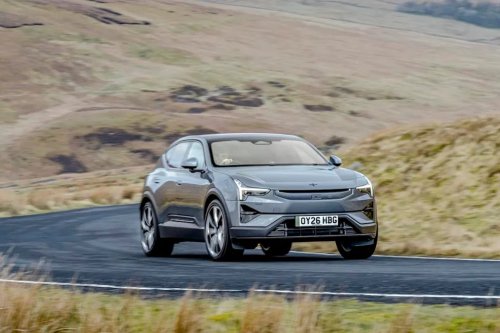
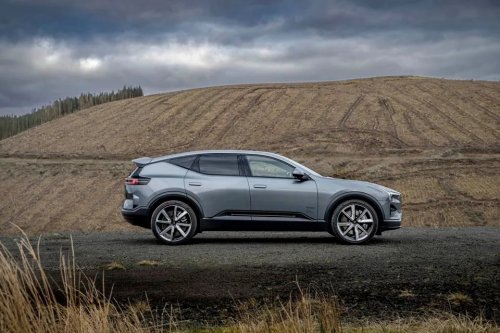
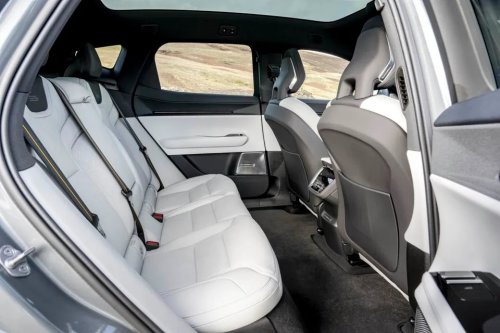
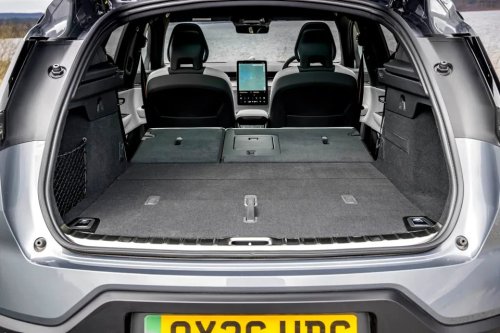
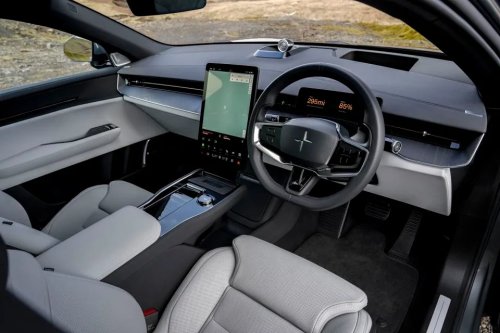
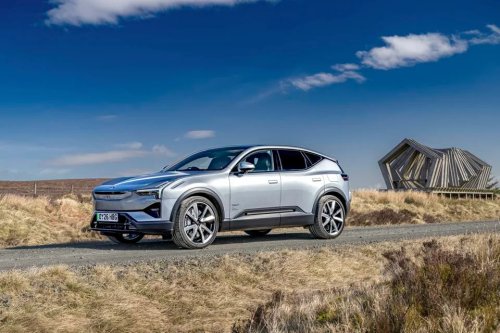
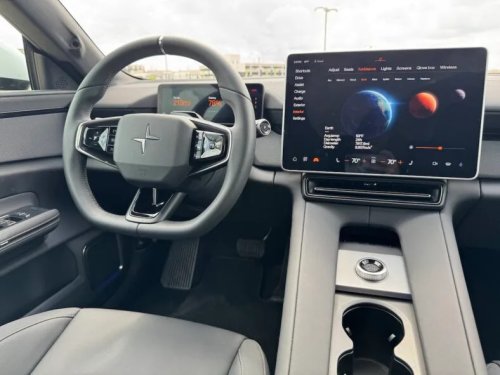
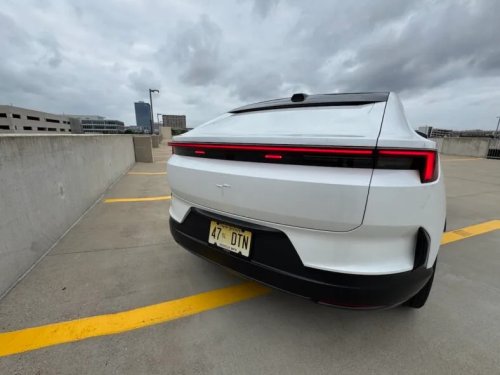
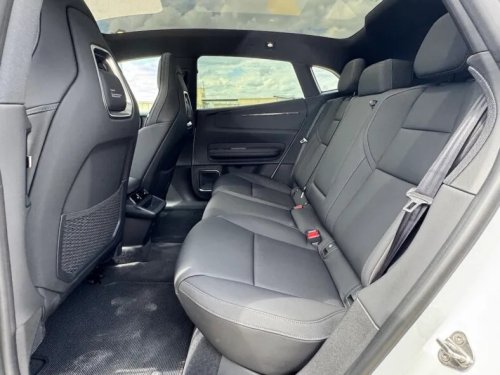
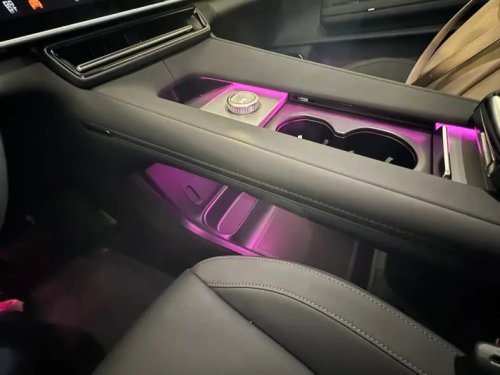
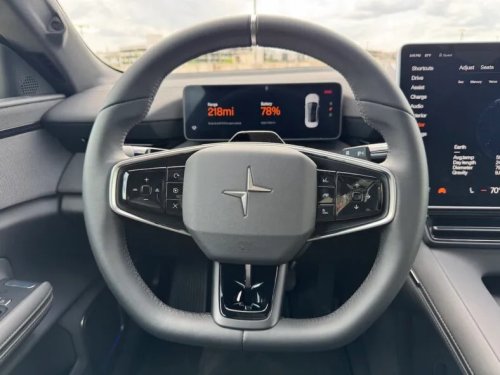
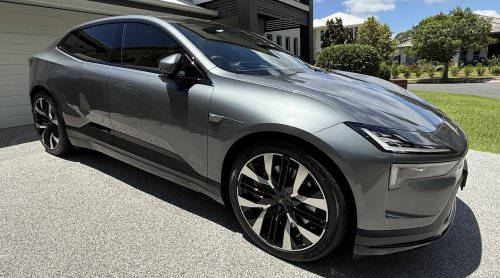
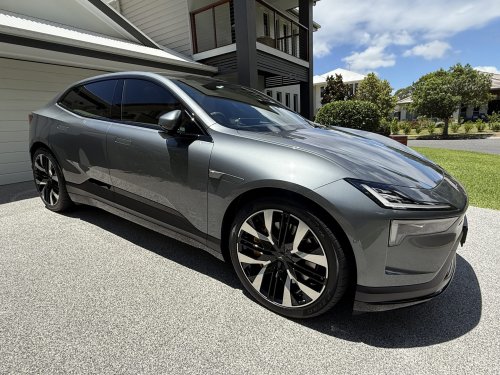
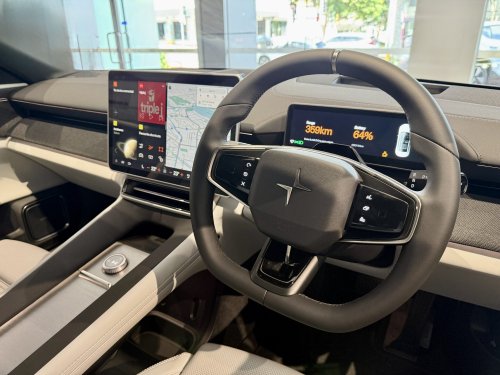
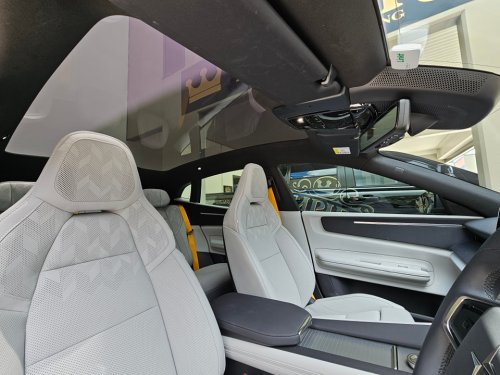
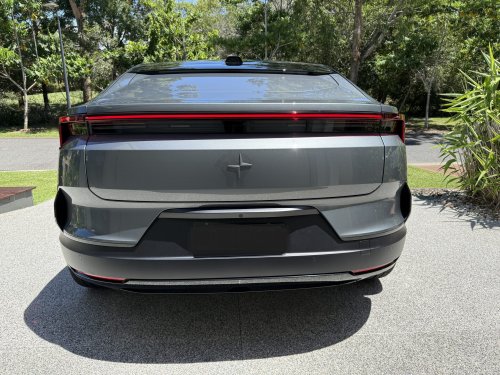
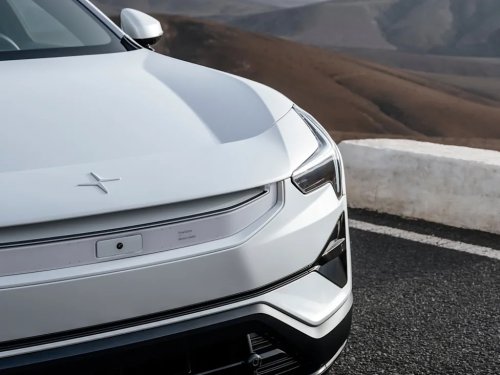
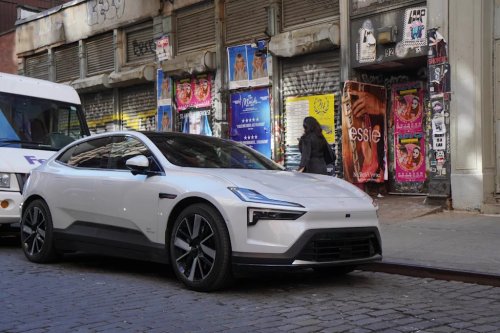
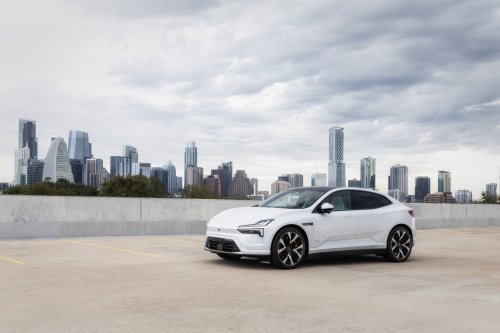
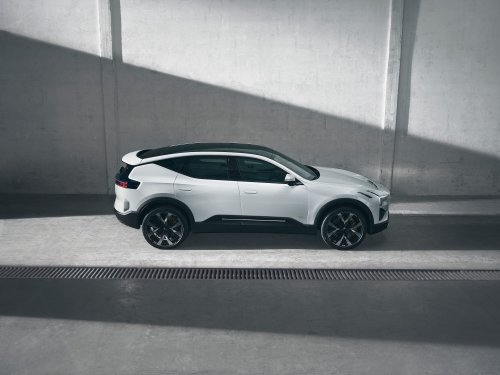
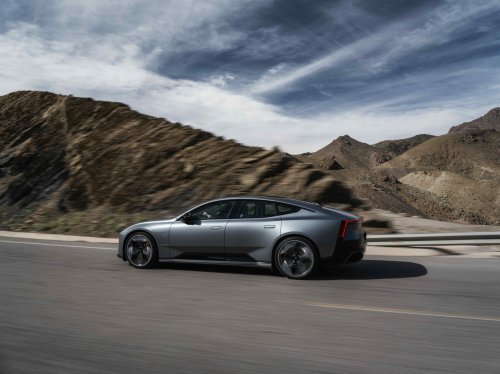
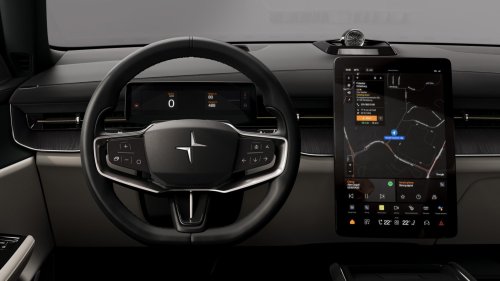
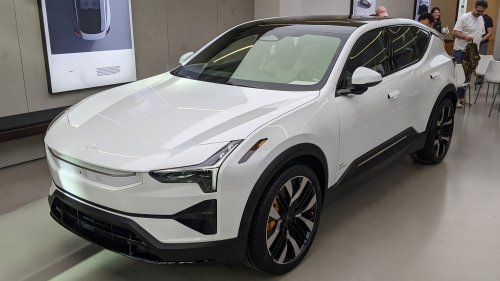
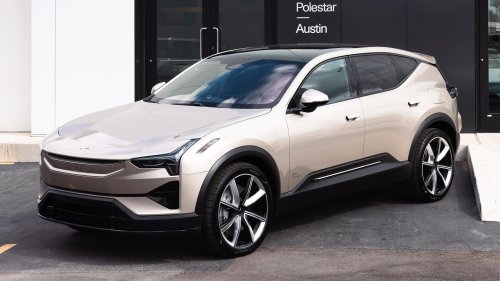
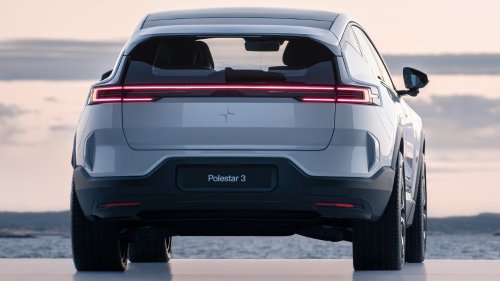
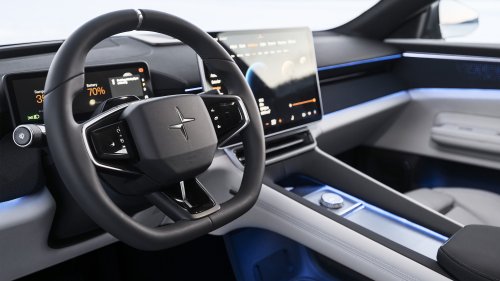
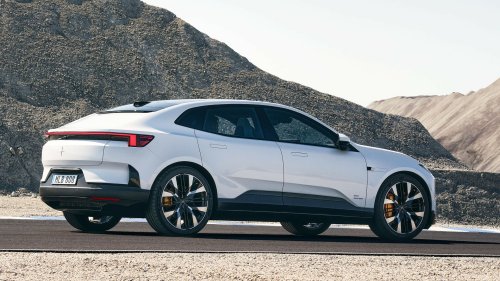
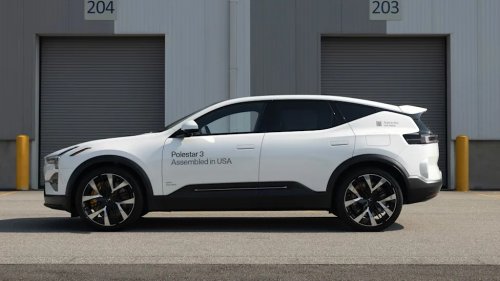
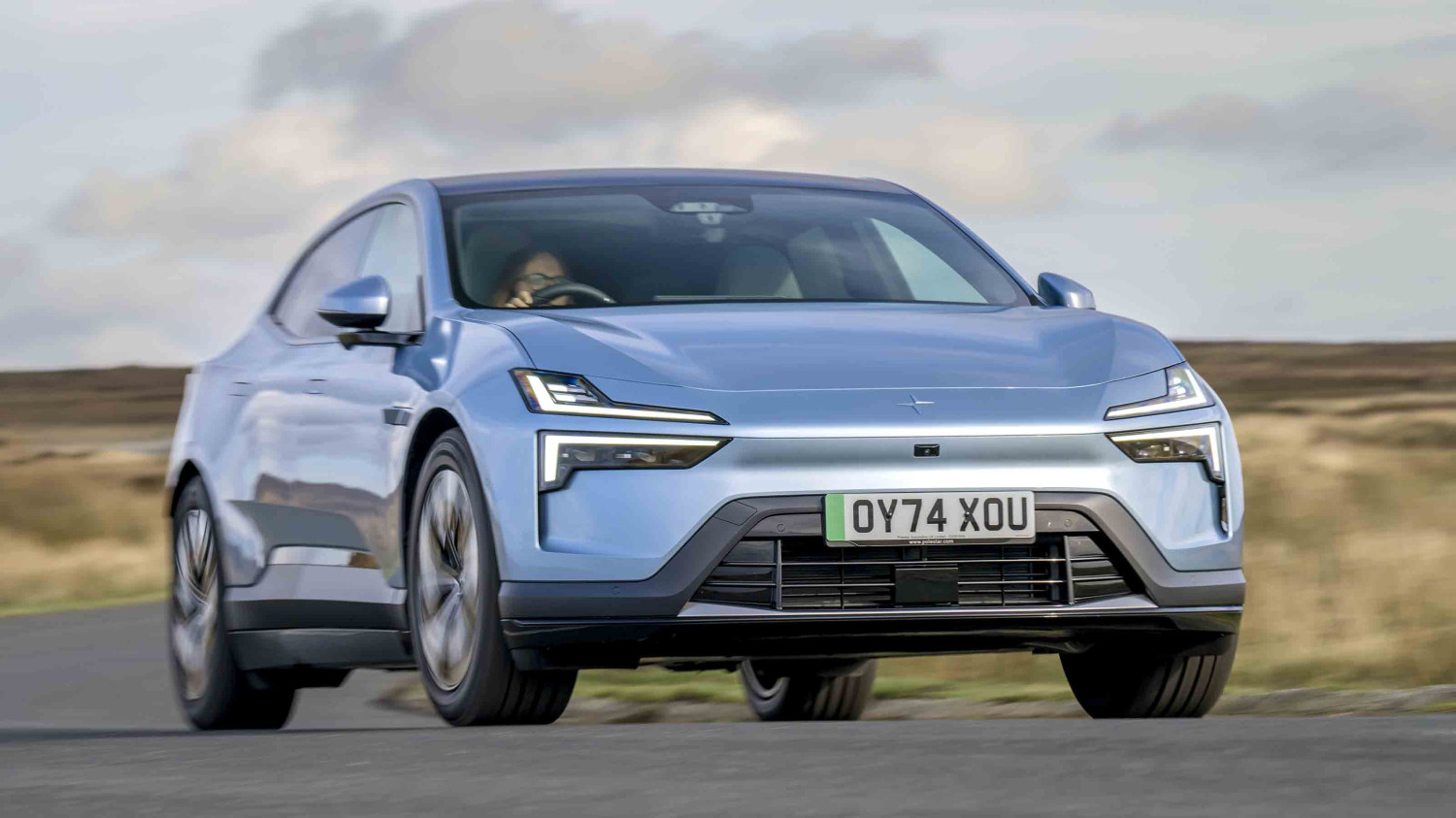
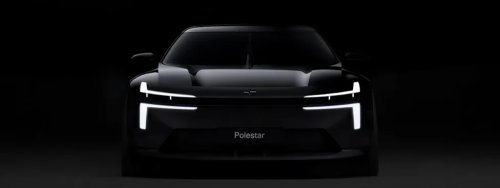
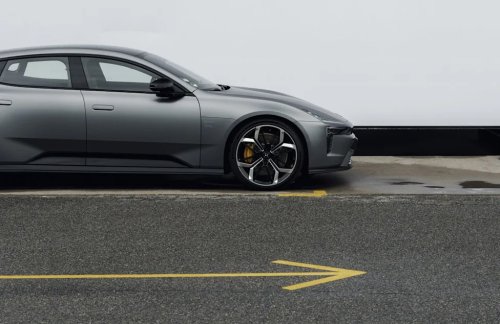
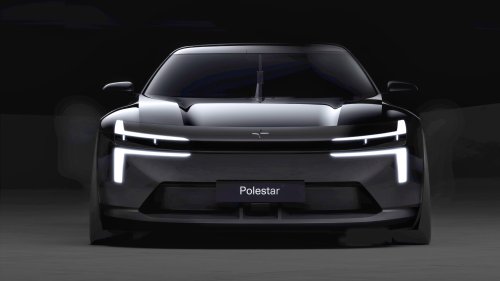
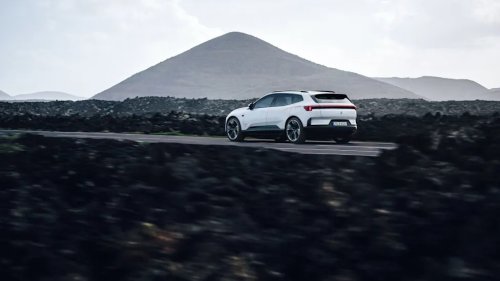
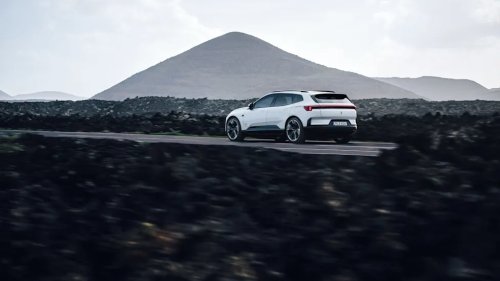
Photo Credit: iStockPolestar's U.S. retail network is facing a sudden and painful disruption after the EV maker said it will no longer be able to sell cars in the country beyond the current model year.What happened?According to a recent video from The Electric Viking, Polestar says a U.S. national-security rule aimed at Chinese-linked connected-vehicle systems is preventing the brand from continuing to sell in the country. The creator said the covered technology includes Bluetooth, Wi-Fi, cellular connectivity, and some satellite functions, and summed up the situation this way: "Polestar has been forced to stop selling cars in the United States. Period."AdvertisementAdvertisementThe creator also said the U.S. Department of Commerce denied Polestar the authorization it needed, leaving the automaker unable to secure certification for the 2027 model year and later. The Electric Viking said the original rule was finalized and adopted in January 2025 during the Biden administration and has remained in effect under President Donald Trump.The announcement has unsettled Polestar's 32 U.S. dealerships. The Electric Viking identified Matthew Haken, owner of Polestar Short Hills in East Hanover, New Jersey, as one of the affected retailers; Haken said he was "absolutely devastated" and added, "I'm really, really, really upset. This whole company was like a family to me." AdvertisementAdvertisementThe decision has drawn added scrutiny because Volvo, which The Electric Viking said has similar Chinese ownership ties, reportedly received approval to continue importing vehicles.Why does it matter?A federal policy that essentially removes a competitive brand from the EV market could slow the shift to cleaner transportation in the U.S. at a time when broader EV choice is crucial. When automakers are pushed out of the market, shoppers have fewer options, competition weakens, and prices can remain higher for families looking to cut fuel costs.It also leaves dealership workers and local communities in limbo. Retailers invested heavily in facilities and staffing based on assurances that Polestar would remain compliant.The move may also send a chilling signal to other EV brands with global supply chains.AdvertisementAdvertisementEven though, as the Electric Viking noted, Polestar's U.S. sales made up only 6% of its worldwide total in the first quarter, limiting EV availability in the American market could hinder progress toward cleaner air and a more affordable, less polluting transportation future.Beyond consumer choice, EV adoption plays a key role in reducing tailpipe pollution, improving air quality, and helping households avoid the ongoing fuel costs associated with gas-powered vehicles.For now, Polestar says it will keep selling the remaining U.S. inventory of the Polestar 3 and Polestar 4 and continue providing service to current owners. Dealerships that stay with the brand are largely expected to move into service-only operations, with franchise investments handled on a case-by-case basis, the video reported.Polestar is placing greater emphasis on Europe, which accounted for 78% of first-quarter sales. Polestar CEO Michael Lohscheller said, "Our strategy reflects that with Europe being our largest growth engine and our plan to manufacture Polestar 7 in Europe."AdvertisementAdvertisementGet TCD's free newsletters for easy tips, smart advice, and a chance to earn $5,000 toward home upgrades. To see more stories like this one, change your Google preferences here.