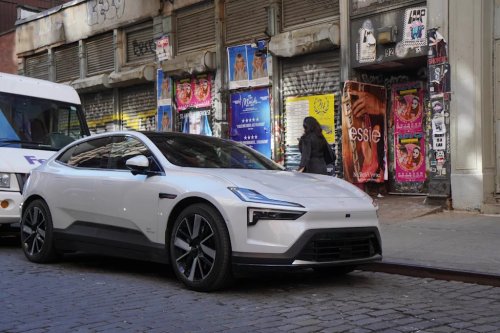
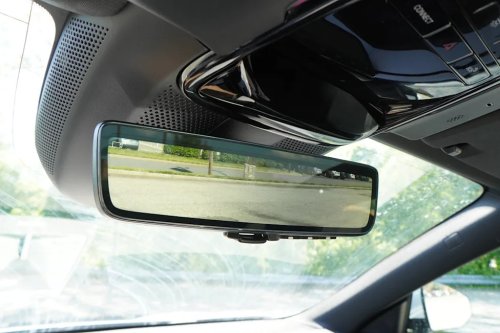
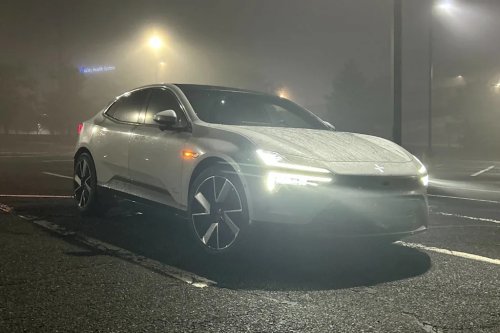
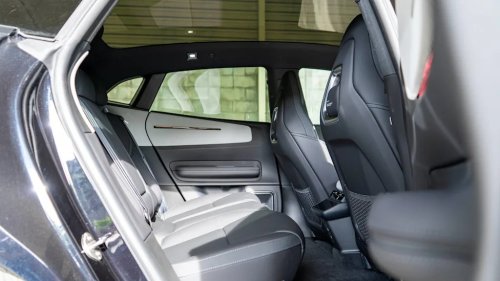
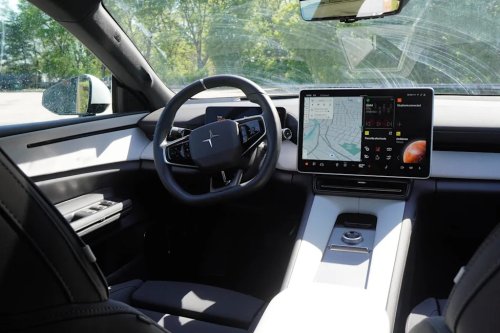
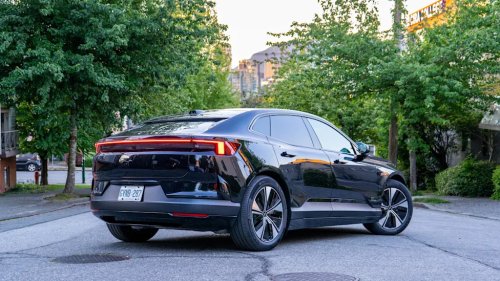
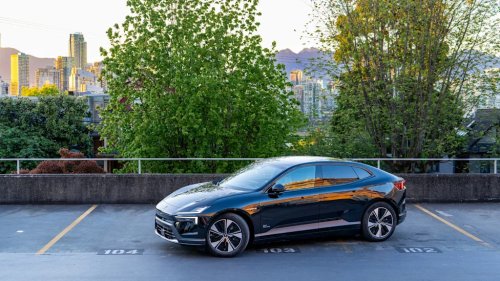
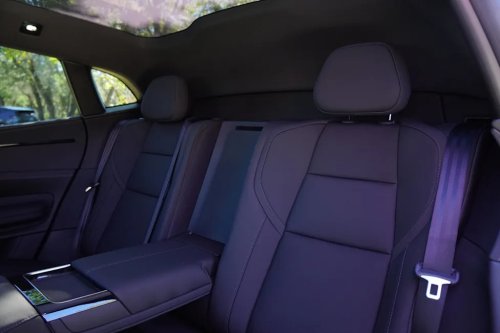
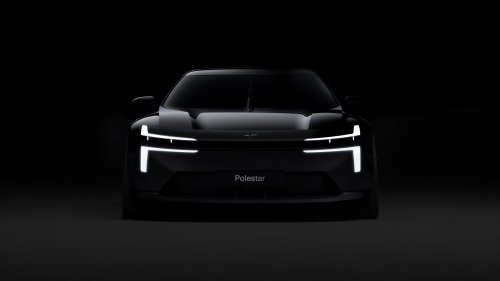
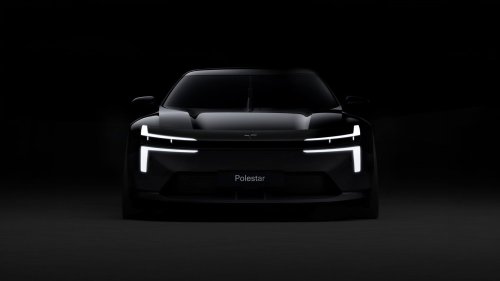
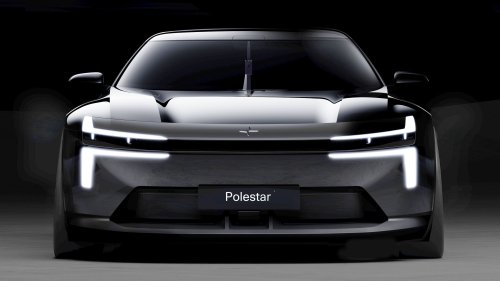
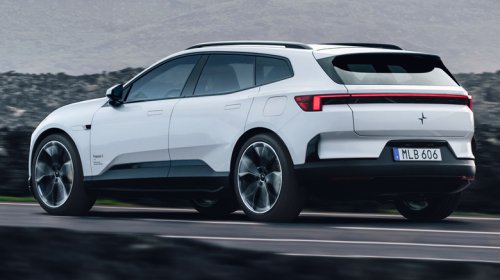
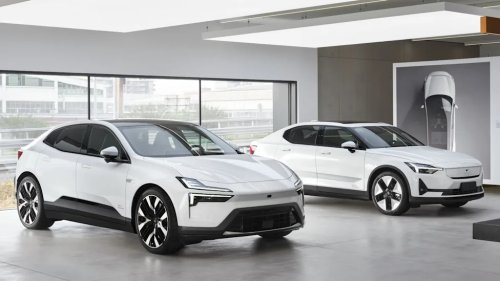
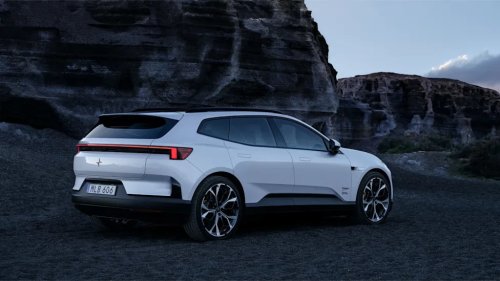
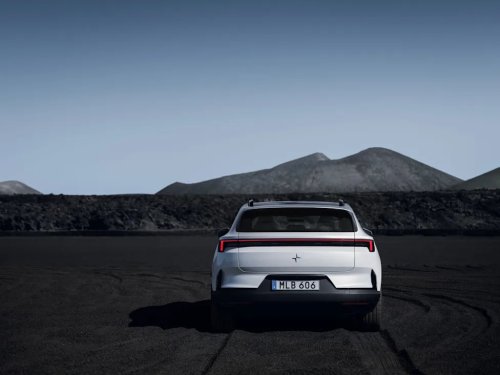
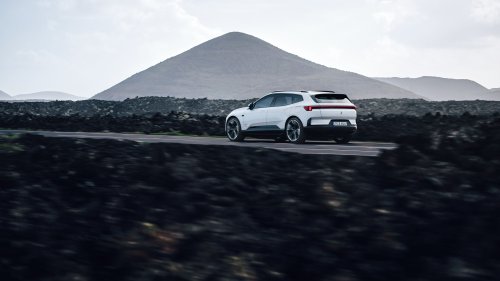
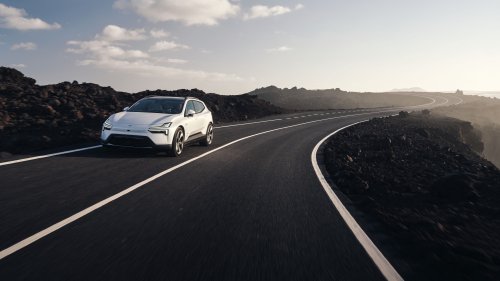
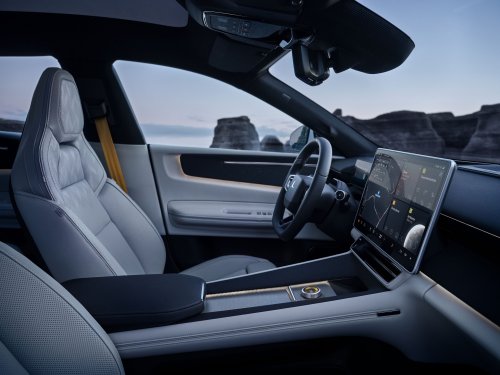
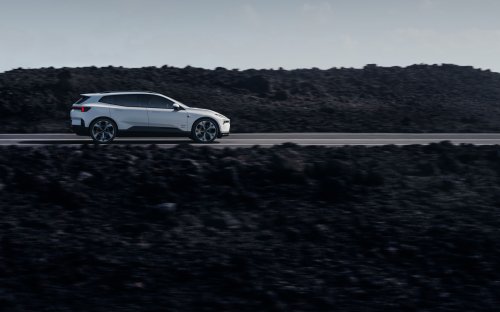
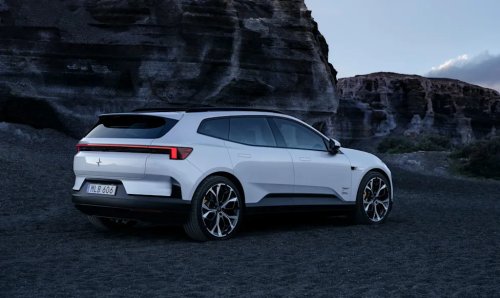
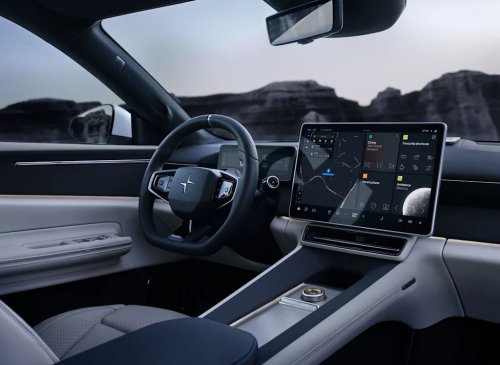
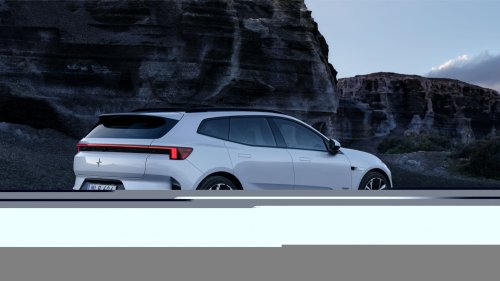
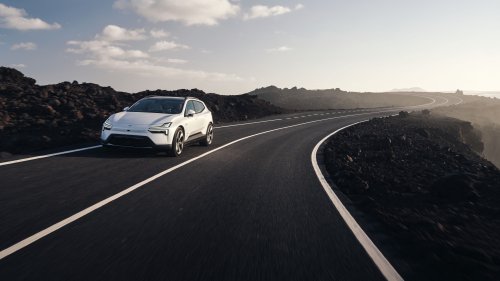
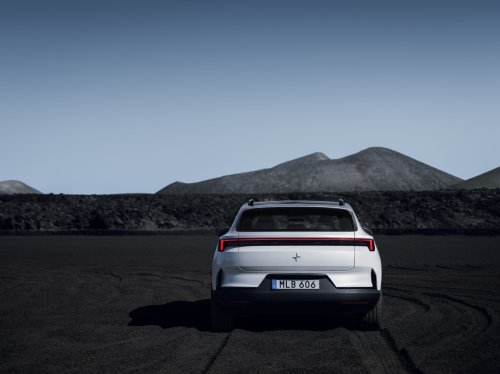
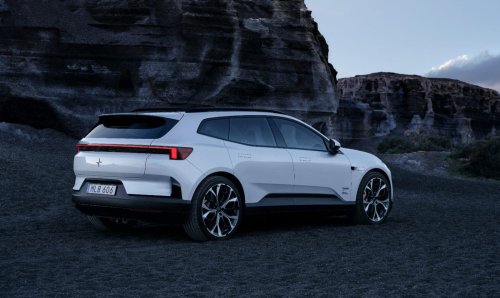
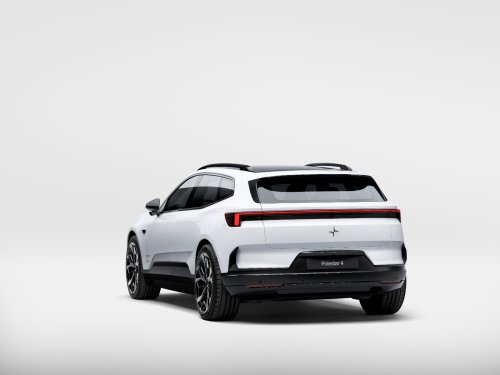
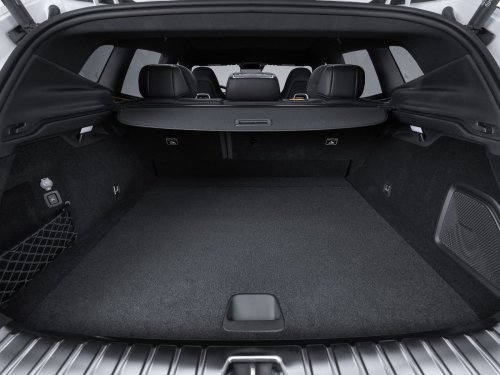
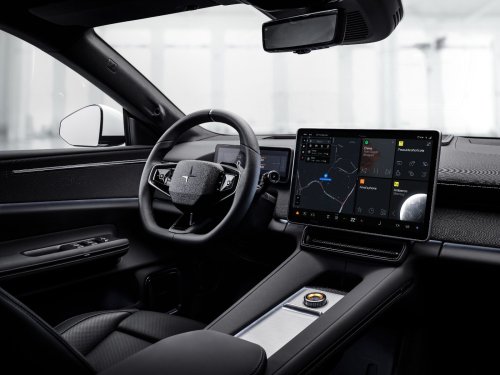
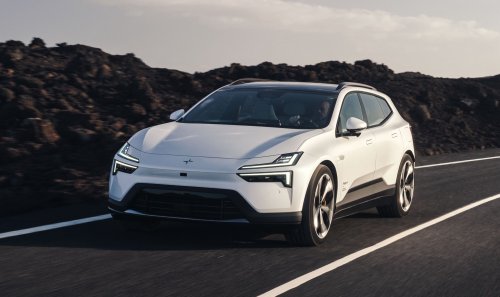
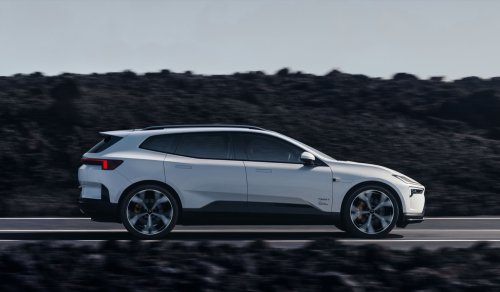
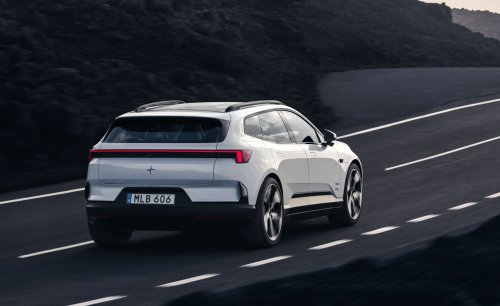
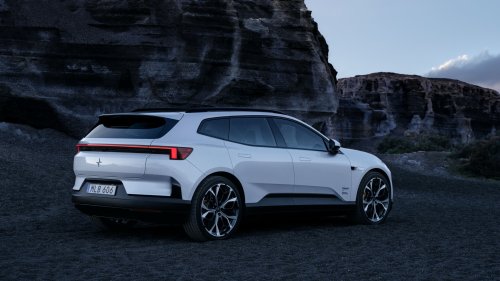
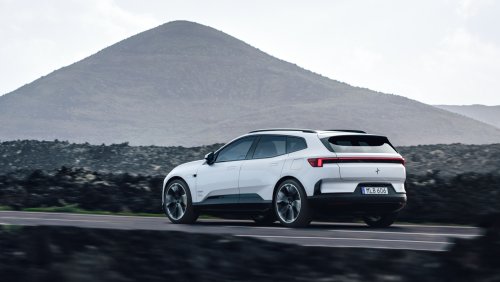
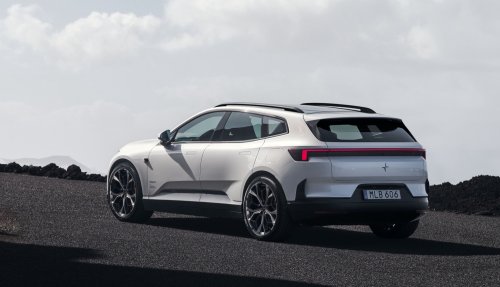
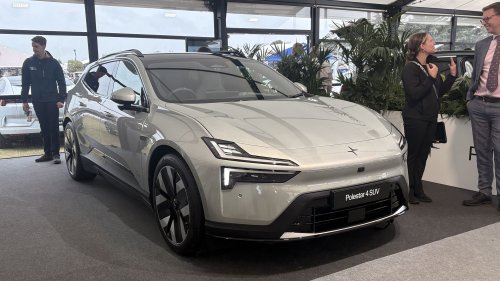
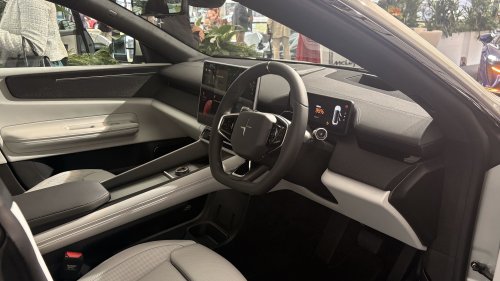
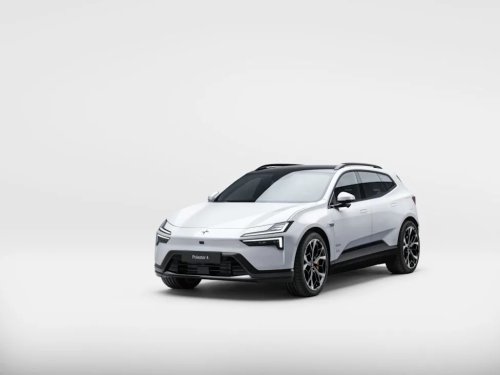
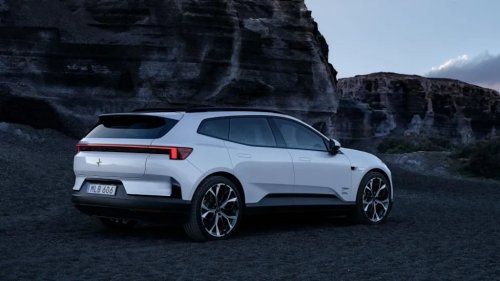
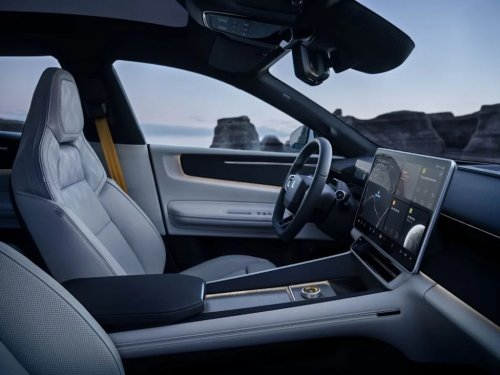
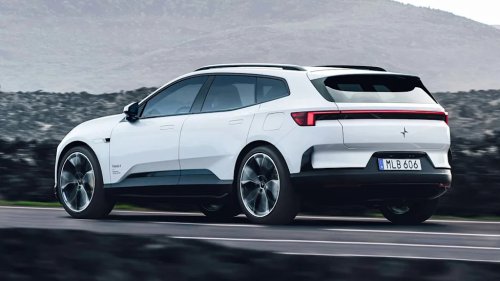
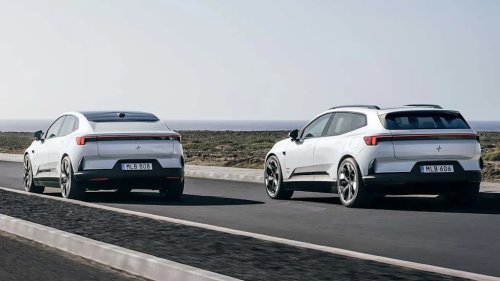
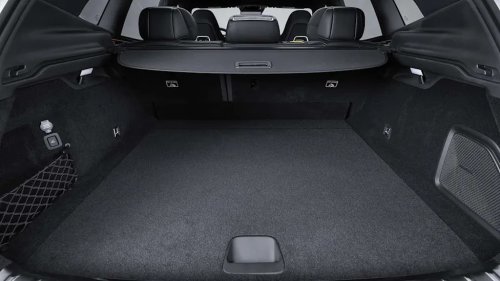
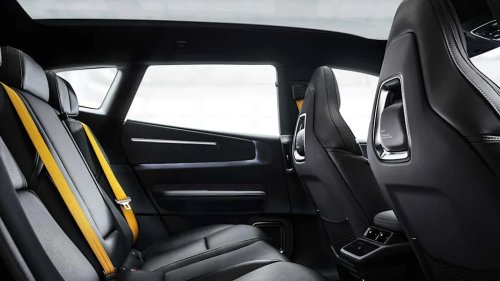
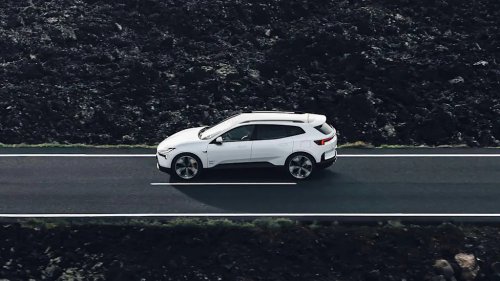
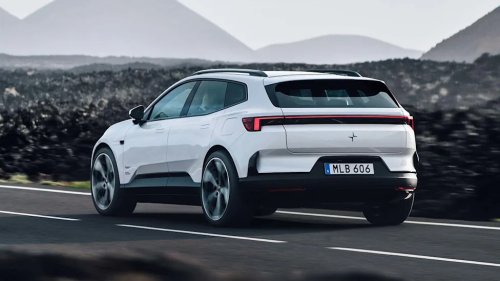
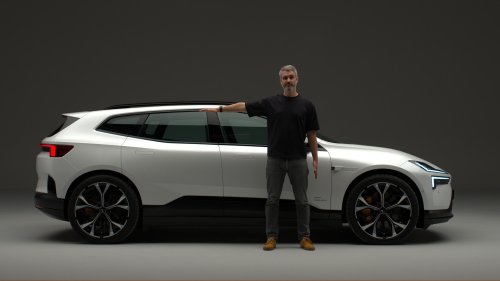
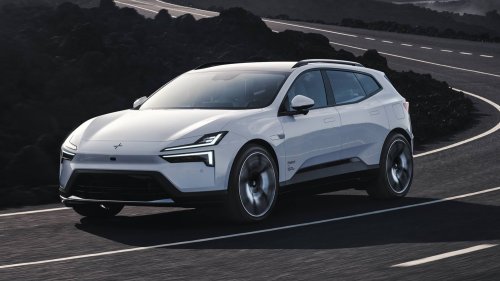
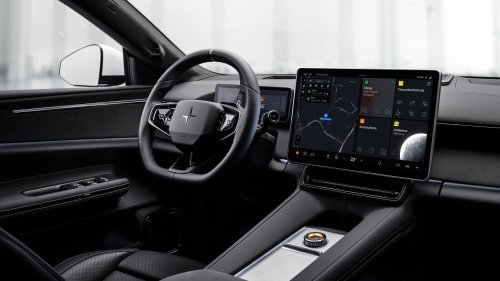
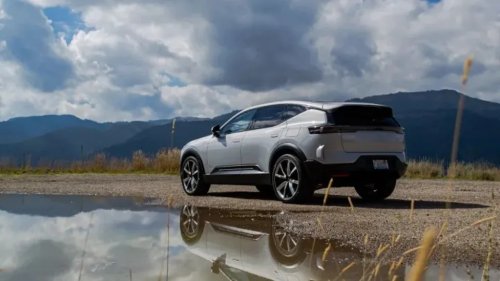
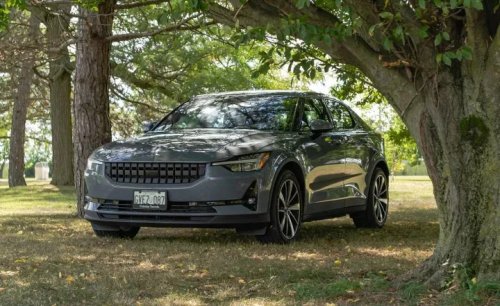
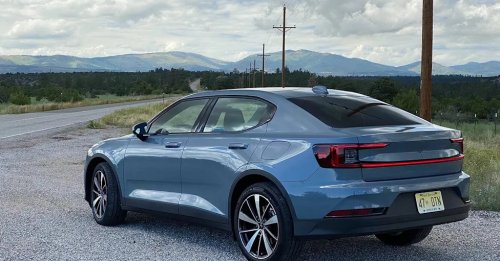
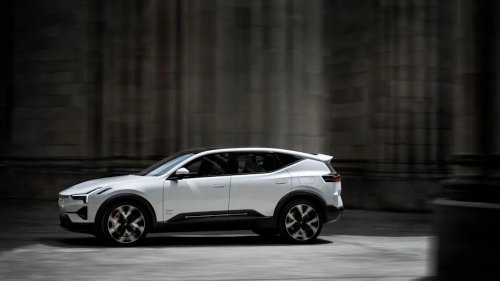
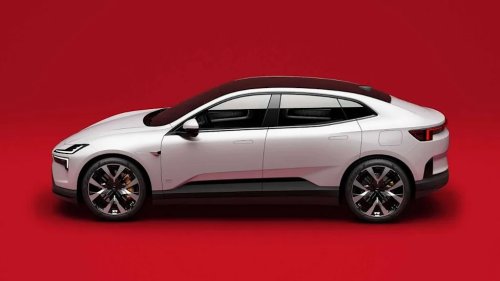
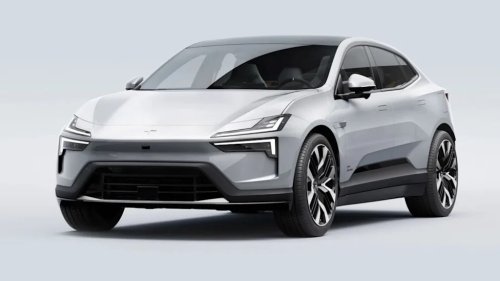
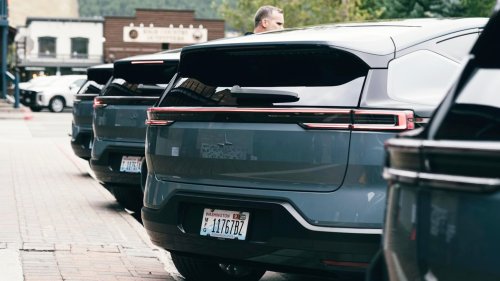
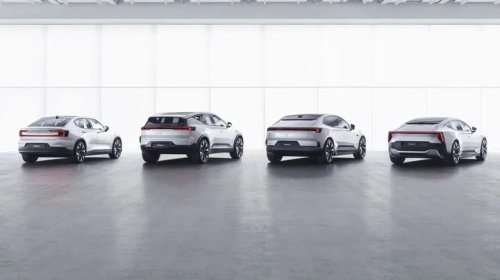
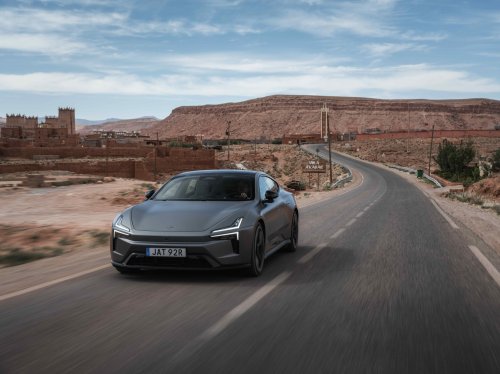
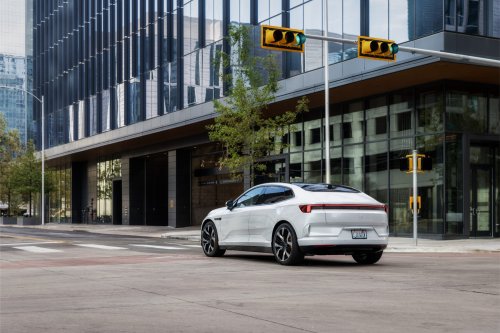
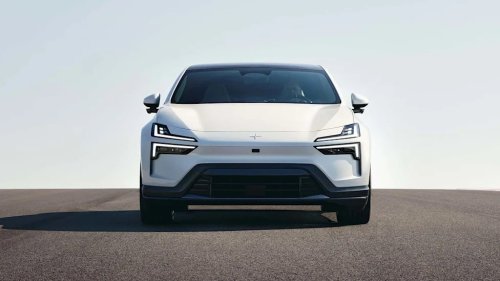
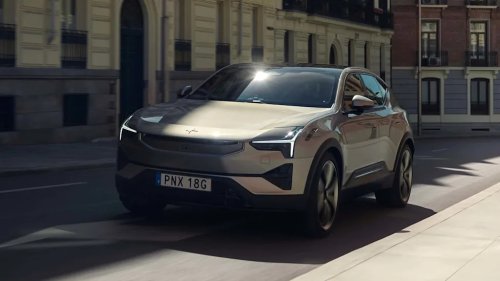
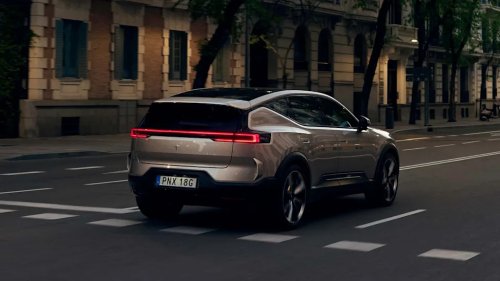
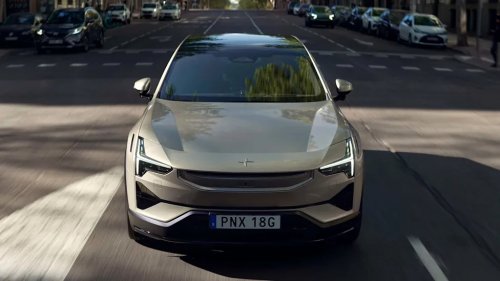
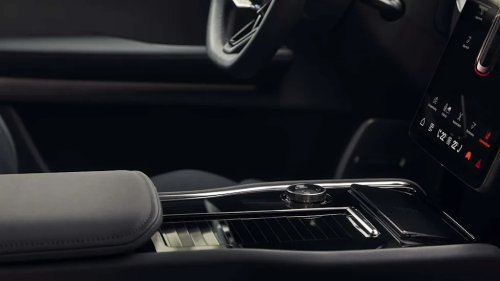
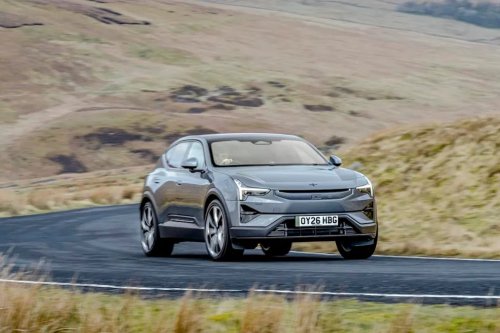
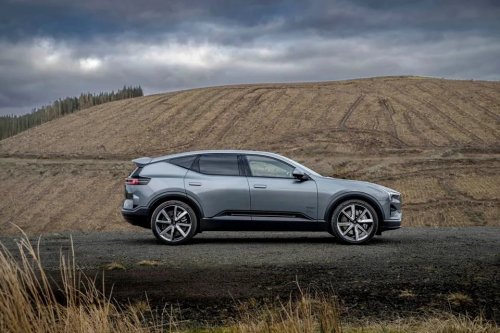
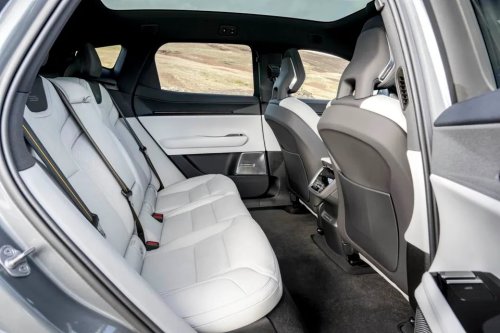
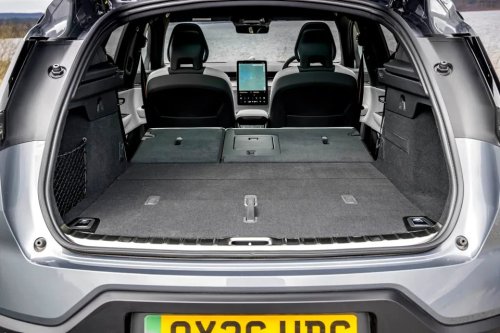
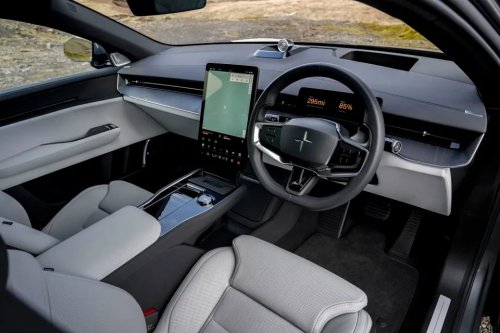
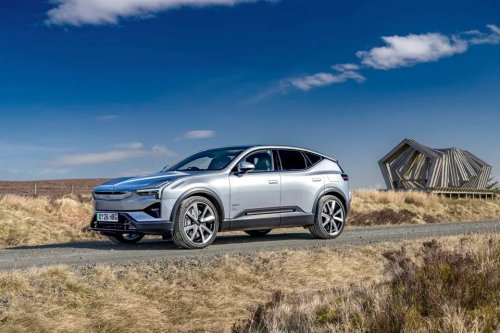
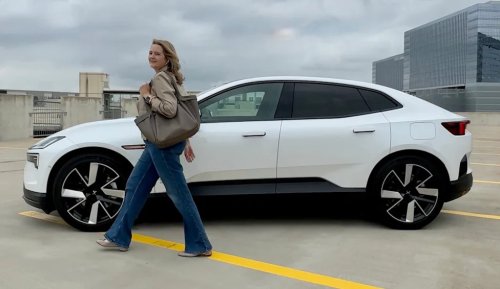
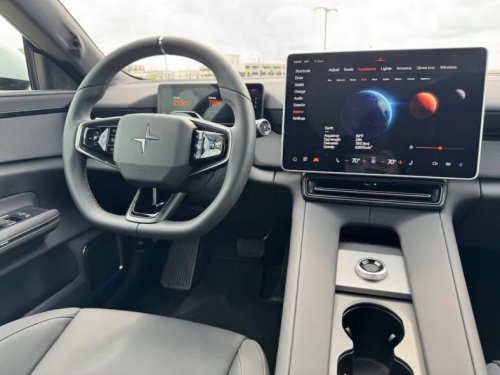
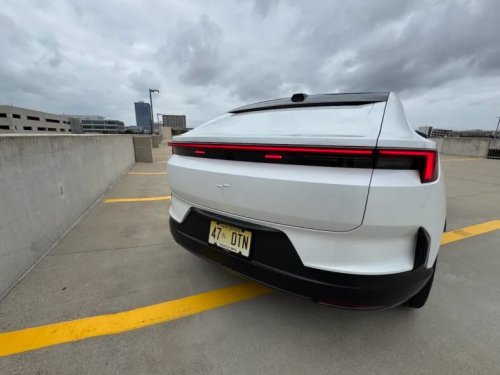
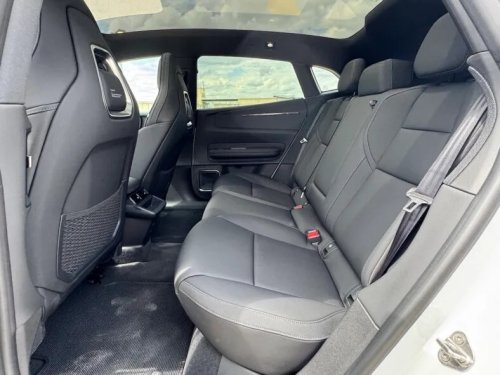
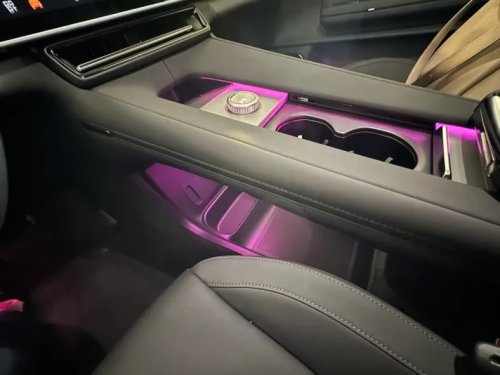
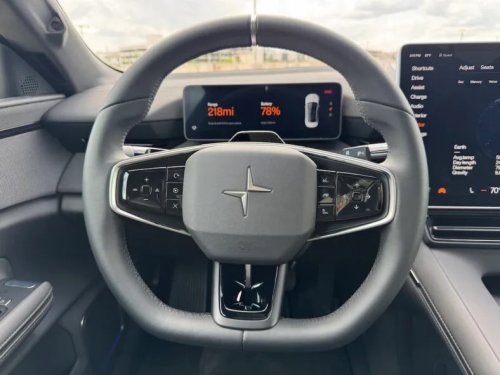
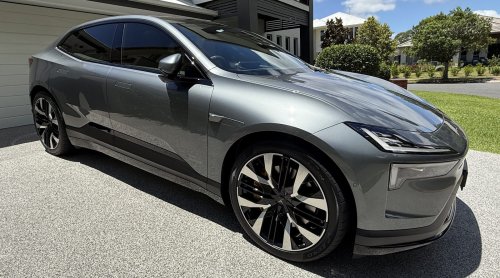
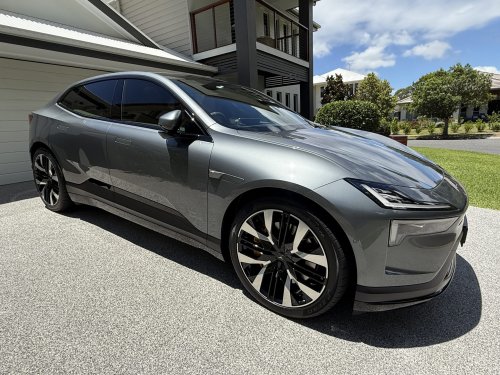
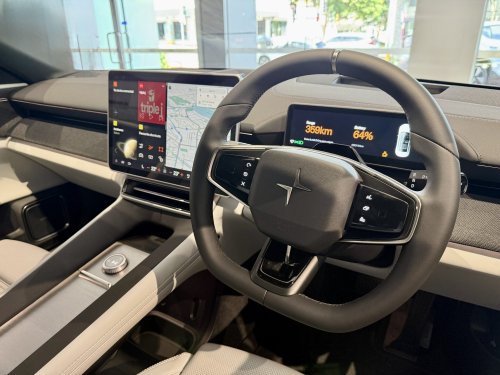
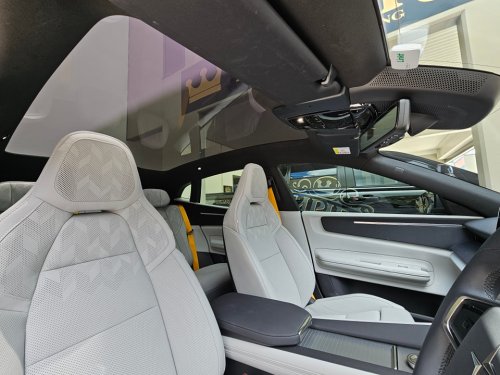
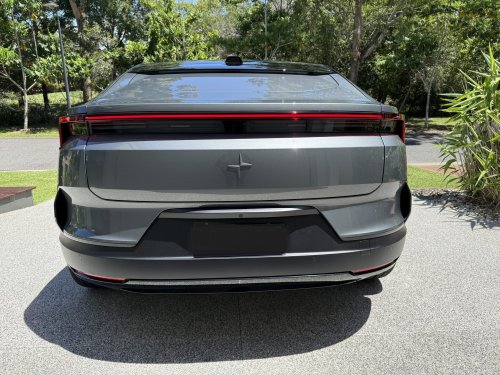
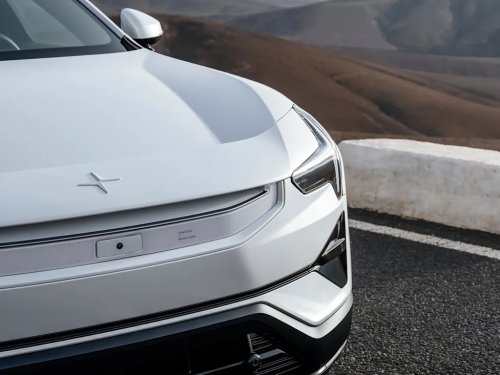
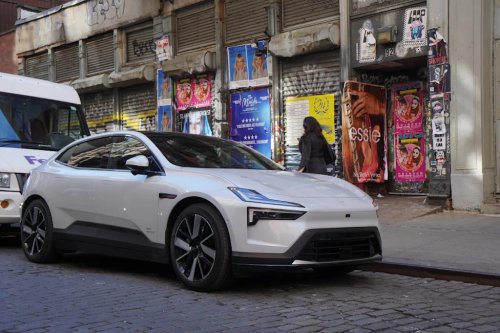
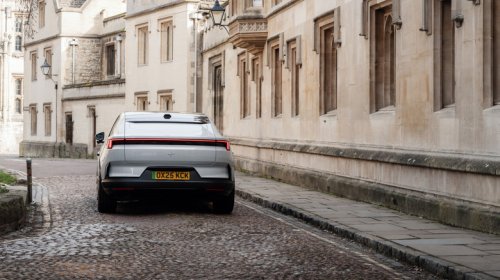
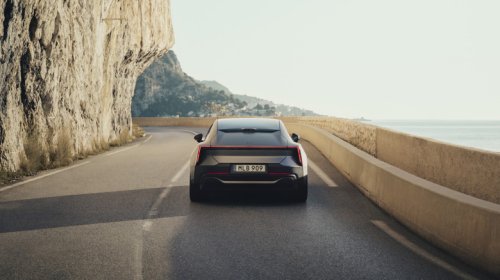
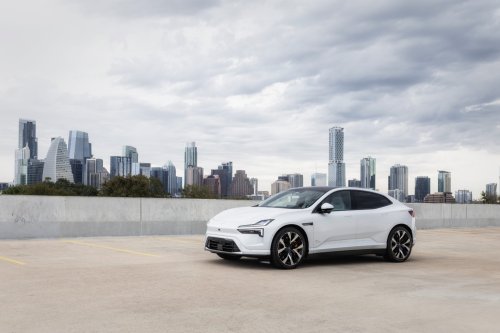
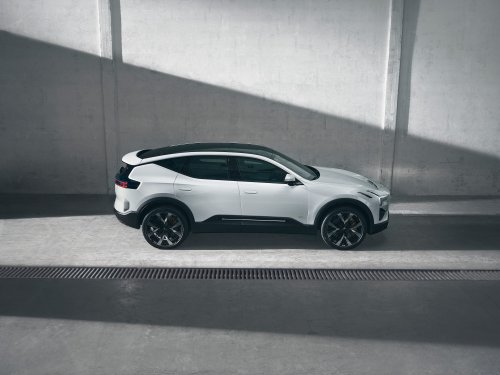
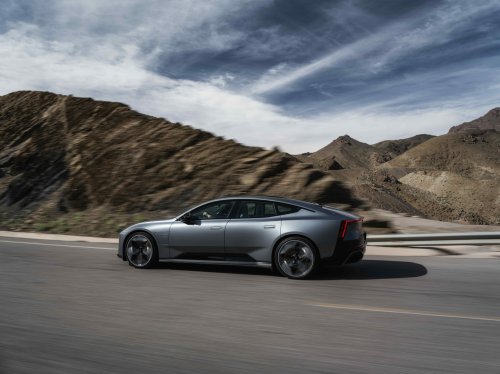
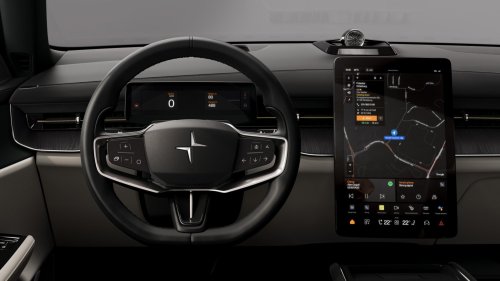
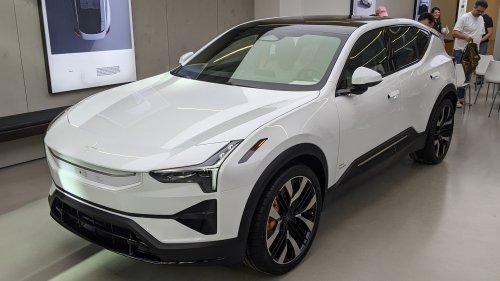
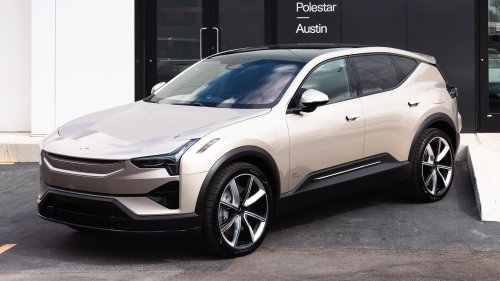
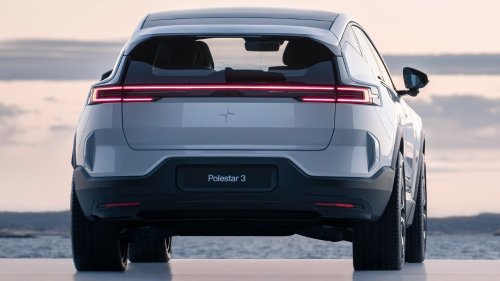
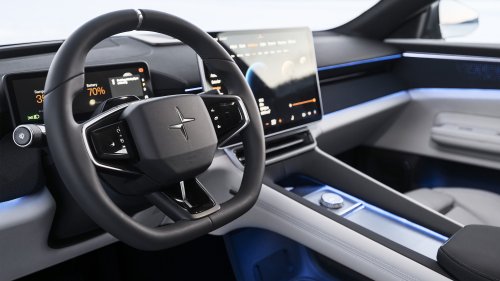
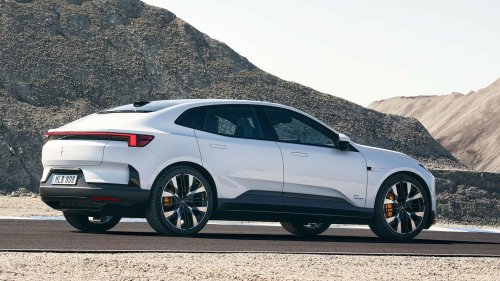
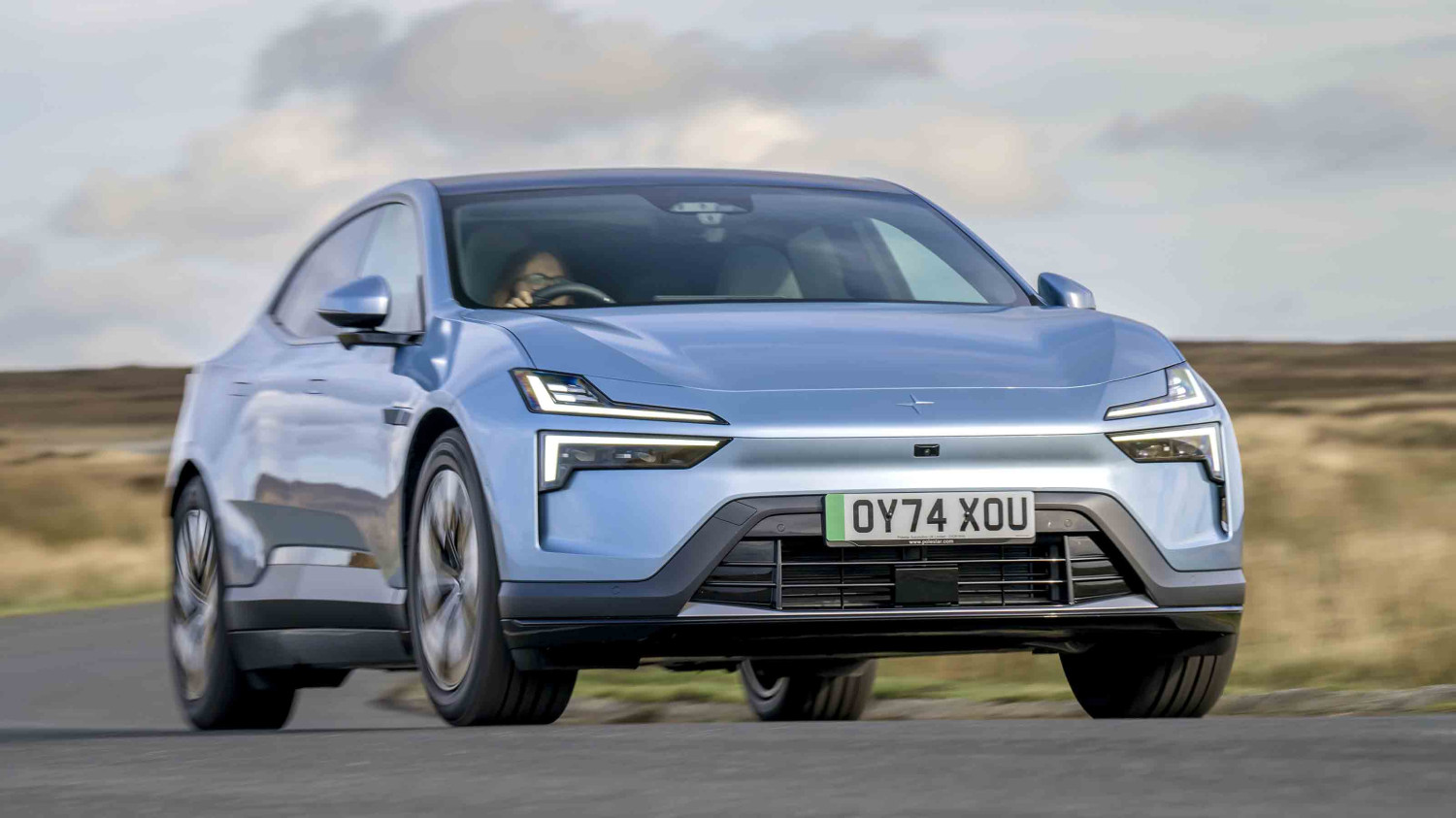
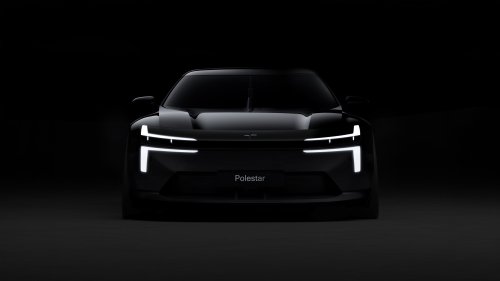
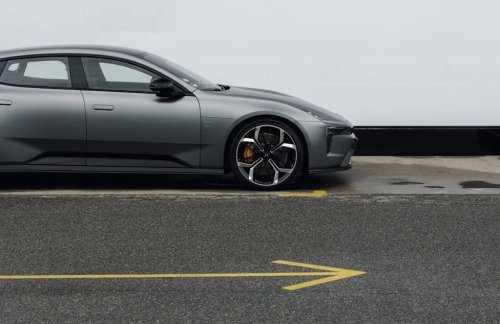
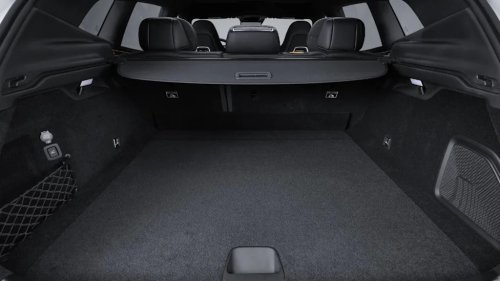
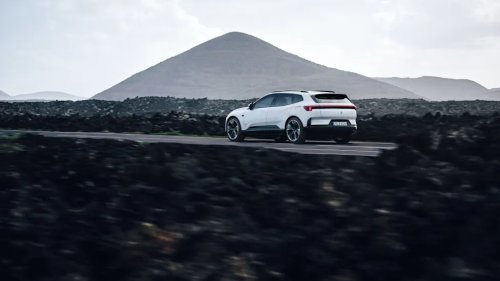
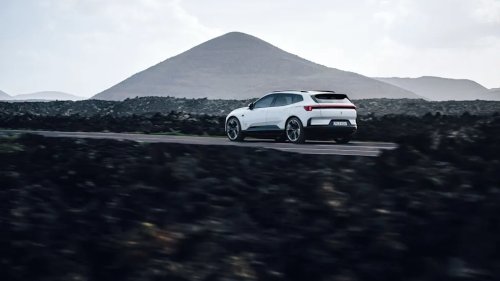
Autoblog and Yahoo may earn commission from links in this article.The Polestar 4 turned heads. More than the Mercedes-Maybach SL 680, more than the Hummer EV. It's not because of the clearly Volvo-inspired exterior design or the sharp taillights. It's because the Polestar 4 is the only car on American roads that comes from the factory without a legitimate rear window. EVs are very popular in the San Franciso Bay Area, and I see a lot of Polestar 2s and 3s. But I haven't seen another Polestar 4 except for the one I reviewed. James OchoaAnd I do feel like a large part of the widespread skepticism is the lack of a rear window. At first, I was a little scared—mostly scared that I'd be pulled over because a cop couldn't see through my back window (they're especially enthusiastic about pulling people over for excessive tint where I live…). The camera itself works just fine. The digital rearview mirror is high-res, sharp, and easy to become acquainted with. But every time someone stopped me to ask about the car I was driving, one of the first things people said was, "I couldn't have a car without a rear window." I was skeptical, too. But after a few days, I kind of forgot there wasn't a window at all.AdvertisementAdvertisementRelated: Road Ethos Launches: The New Automotive Lifestyle Site You Should ReadThe sensors and cameras did an amazing job bridging the "visibility gap"Polestar compensated for the missing glass by packing the car with a high-definition digital rearview mirror and a crystal-clear 360-degree camera system. The camera feed is mounted high up on the roof, meaning you actually get a wider, unobstructed view of what's behind you than you ever would through a traditional sloping piece of glass. Plus, you never have to play the game of trying to peer around massive toddler car seat headrests just to see who is tailgating you.James OchoaI noticed, too, that the digital mirror shines even brighter when the sun goes down, thanks to low-light software that adjusts for nighttime vision. Instead of staring into a dark pane of glass or getting blinded by the glaring high beams of a truck behind you, the camera dynamically balances contrast in real time. It gives you a crisp, detailed view of the road in pitch-black conditions, making those late-night family drives feel significantly safer and less stressful on your eyes.The available power for an EV of its size was insaneIf you opt for the Dual Motor version, this thing moves. And quickly. It pushes out 544 horsepower, which doesn't seem like a lot compared to the other EVs it's up against, but it can sprint from 0 to 60 mph in a blistering 3.7 seconds. Even if you're just hauling the kids to daycare, that kind of instant electric torque makes merging onto the highway effortless—though you do have to modulate your right foot if you don't want to give the toddlers whiplash (my kids loved it, though).James OchoaThe range, however, is where the reality check sets in. While the Single Motor version promises up to 310 miles, the high-power Dual Motor version drops down to an EPA-estimated 280 miles, and the Performance pack dips it further to 250 miles. For everyday commuting and school runs, it's perfectly fine, but for longer family road trips, it's just "okay." You will definitely find yourself tracking your battery percentage a bit closer than you would in some of its longer-range competitors.AdvertisementAdvertisementRelated: 2026 Genesis GV60 Performance vs. 2026 Polestar 4 Dual Motor: I Drove Both Luxury EVs—Here's My Honest Comparison ReviewCargo space and rear legroom are surprisingFor a vehicle that sits somewhere between a sleek sedan and a crossover, the interior packaging is surprisingly generous. Because the engineers didn't have to worry about a rear window line, they pushed the header beam back, which gives the second row an incredible amount of headroom and stretch-out legroom of up to 37.6 inches. It makes loading bulky, rear-facing child seats surprisingly easy without having to cram the front seats forward into the dashboard.Cole AttishaIn the back, the trunk offers around 18.6 cubic feet of space, which expands significantly when you fold the seats down. There is plenty of room for a double stroller, a massive grocery haul, or a weekend's worth of family luggage. There is also a small front trunk (frunk) under the hood, which is the perfect spot to toss muddy shoes, wet clothes, or the charging cables so they don't take up prime cargo real estate.Another EV that makes you dependent on screens for basic functions… But it wasn't that badStepping into the cabin, the sheer lack of physical buttons can be a little intimidating at first. Almost everything—from adjusting the climate control to angling the mirrors—is routed through the massive 15.4-inch landscape infotainment touchscreen. It definitely takes a minute to adjust your muscle memory if you are used to tactile knobs, especially when a kid is screaming in the back and you just want to turn down the air conditioning quickly.James OchoaThe saving grace here is that the software—which runs on a Google-built-in system—is incredibly intuitive and responsive. The menus are clean, there is virtually zero lag when you tap the screen, and the Google Assistant voice controls actually work flawlessly. Once you set up your shortcuts, navigating the system becomes second nature within a day or two of driving.AdvertisementAdvertisementRelated: I Drove The 2026 Polestar 4 Dual Motor, Then I Drove It Again. Here's My Honest Review.The Polestar 4 can be whatever you want it to be, tooOne of the coolest, most unique touches inside the Polestar 4 is its ambient lighting setup. Instead of just standard glowing strips, Polestar designed a solar system-inspired interior illumination theme. You can actually change the cabin's mood by selecting different planetary themes—like Earth, Mars, or the Moon—which shifts the color palette and casts a beautiful, soft orbit light line across the cabin. It's a sophisticated touch that adults will appreciate, but honestly, it's also a massive hit for entertaining the kids, too.Cole AttishaBeyond the lights, the car offers some highly premium upgrades if you want to customize the comfort. If you find a model with the Plus Pack, the rear seats get power-reclining backrests, allowing the passengers (or your kids' car seats) to tilt back into a more comfortable sleeping position. Combine that with the optional electrochromic panoramic glass roof that can tint from clear to opaque at the touch of a button, and the cabin feels like a high-tech lounge. Or as my oldest daughter put it, a spaceship.The price is fair for what it is, but it's a bit priceyWith a starting MSRP of around $56,400 for the Single Motor and scaling past $74,000 for a fully loaded Dual Motor Performance model, the Polestar 4 firmly plants its tires in the luxury EV segment. When you look at the striking exterior styling, the bespoke interior materials, and the sheer performance on tap, it feels like a vehicle that justifies a premium price tag. It looks and drives like nothing else on the road. Because it isn't like anything else on the road.Cole AttishaHowever, whether it's truly "worth it" depends entirely on what you value. If you are comparing it strictly on a features-per-dollar basis to mainstream family haulers, the price is tough to swallow. But if you are cross-shopping it against luxury electric sportbacks or performance crossovers, like the Genesis GV60, Audi Q6 e-tron, or maybe the Porsche Macan EV, the Polestar 4 offers an incredible blend of avant-garde design and daily usability that makes it feel highly competitive. But of course, everything I mentioned has a rear window. Boring.AdvertisementAdvertisementRelated: 2026 Polestar 4 Long Range Dual Motor Review: Is This the Coolest EV Nobody's Cross-Shopping?Charging it isn't too shabby, eitherWhen it comes to topping up the battery, the Polestar 4 utilizes a 400-volt architecture that allows for 200 kW DC fast charging under ideal conditions, which can take the battery from 10% to 80% in about 30 minutes. That is a solid charging speed for everyday drivers. You won't be stuck at a public charger for too long after a rough day at work.Cole AttishaThe bigger news for convenience is the charging standard shift. While the car natively features a standard CCS port, Polestar has opened up access to the North American Charging Standard (NACS), meaning you can use an approved adapter to tap into the massive Tesla Supercharger network. Having access to both networks takes a huge amount of anxiety out of public charging, making family road trips significantly less stressful.Volvo was clearly involved in the safety departmentSafety is where the Polestar's Volvo DNA really shines through. The car is built on a high-strength steel architecture and comes standard with nine airbags, including an innovative inner-side airbag designed to prevent front occupants from colliding with each other during a side impact. For parents, knowing that the structural safety is top-tier provides a huge amount of peace of mind when the most precious cargo is strapped into the back. Which, by the way, was easy, because the top tether points are just behind the rear headrests. I didn't have to remove or adjust the headrests, which was a bonus. And the lower LATCH points were a breeze to access and secure.James OchoaOn the tech side, the driver assistance suite is fantastic for mitigating family road-trip fatigue. The Pilot Assist system combines adaptive cruise control with precise lane-centering, which works beautifully to keep you safely positioned on long highway stretches. There is also a rear occupant alert system, which ensures you never inadvertently leave anything—or anyone—in the back seat when you park.Final thoughtsUltimately, the Polestar 4 is a fascinating contradiction: it's a fiercely unique, driver-focused performance vehicle that still manages to be surprisingly practical for a small family. It rejects the generic "jellybean" styling of the current EV market in favor of something genuinely bold and architectural.AdvertisementAdvertisementIt is a massive shame that geopolitical shifts and the U.S. Connected Vehicle Rule are forcing the brand to pull out of the American market after this model year. In a sea of electric crossovers that are rapidly starting to look and feel exactly the same, the Polestar 4 stood out as something truly distinct—and that kind of character is getting harder and harder to come by.This story was originally published by Autoblog on Jul 4, 2026, where it first appeared in the Reviews section. Add Autoblog as a Preferred Source by clicking here.