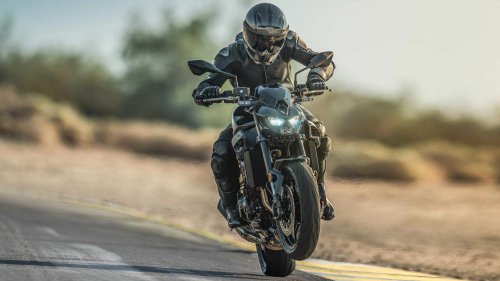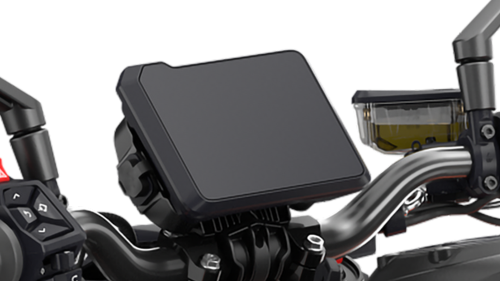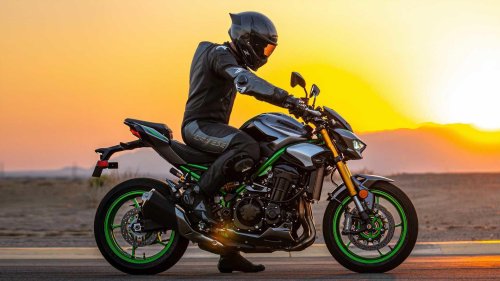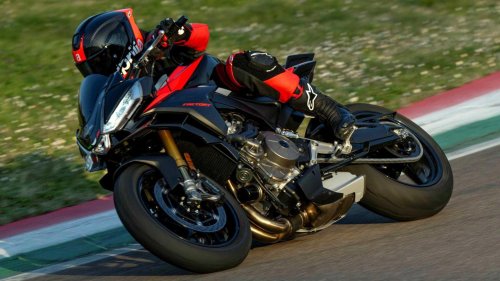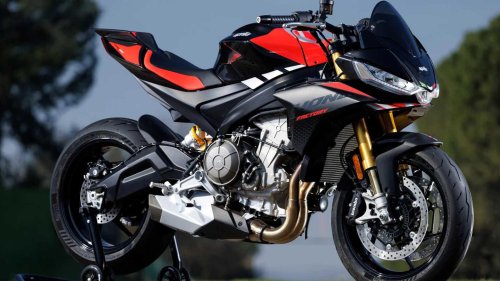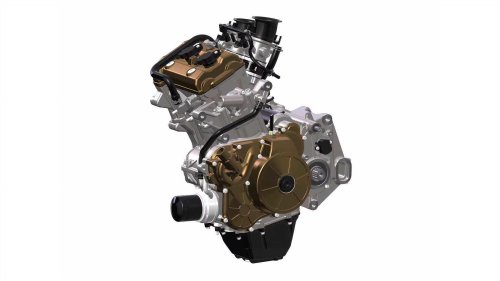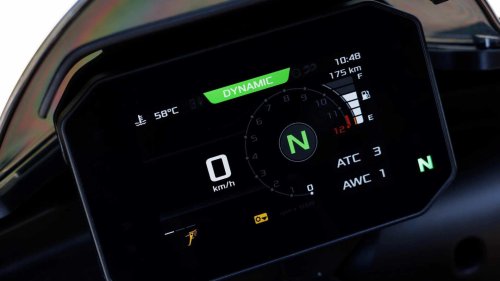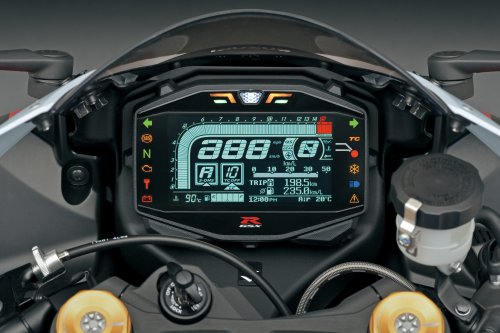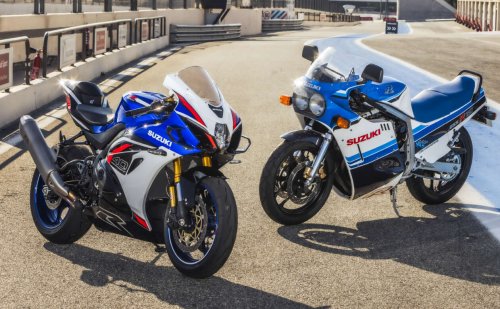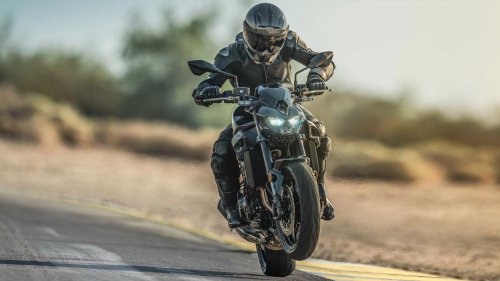
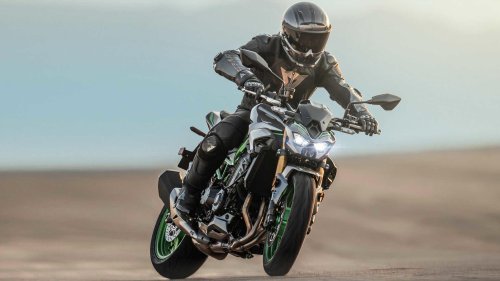
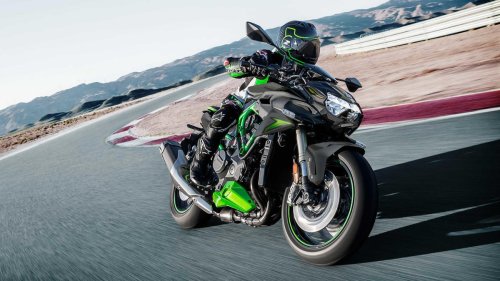
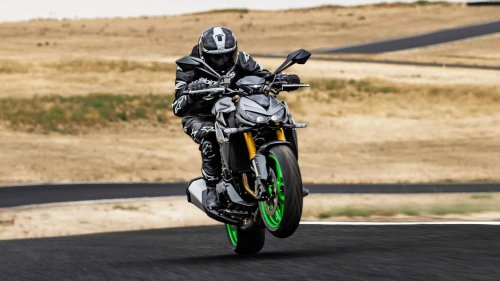
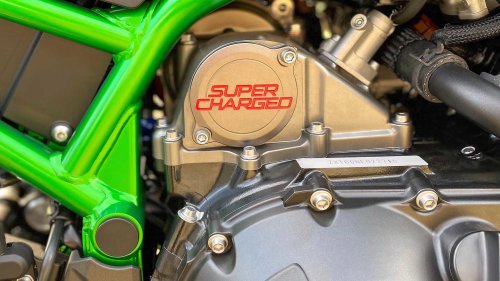
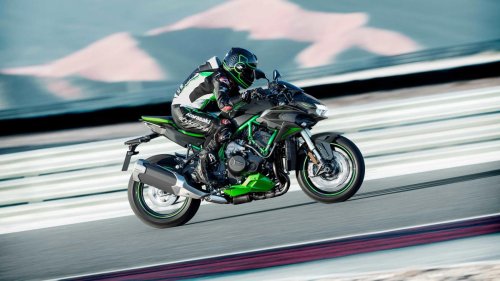
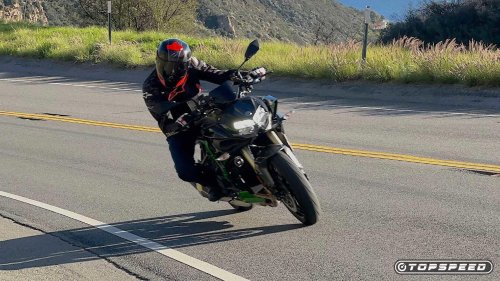
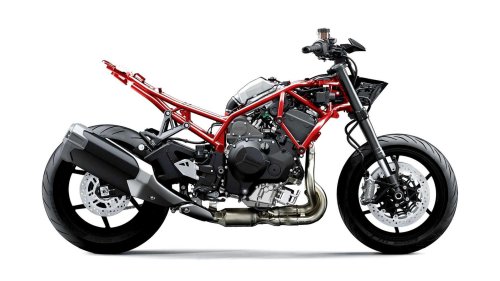
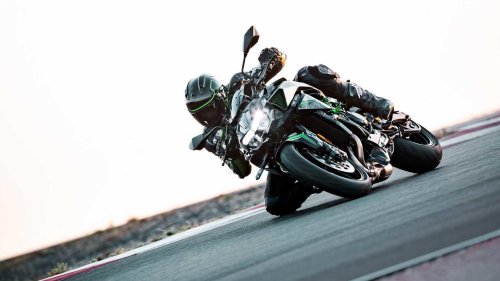
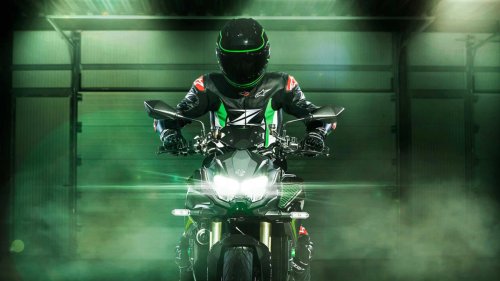
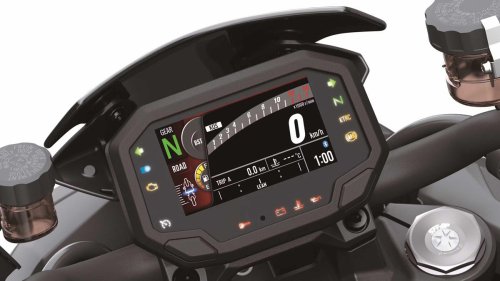


















We all know Kawasaki for making friendly motorcycles. So much so that some might argue that you can ride any of its motorcycles daily. Yes, that means a superbike like the Ninja ZX-10R, too. However, superbikes break your back. They have low clip-on bars, high saddles with less padding, and the temperament of a hippo. Then, what do you do if you want Kawasaki’s superbike performance with daily riding abilities? Well, there is one motorcycle in the lineup that meets exactly this brief. In fact, it has more power than the current-generation ZX-10R while being capable of daily comfort. There Are Many Kawasaki Bikes For Everyday Riding KawasakiWhile Kawasaki’s accolades play a key role in its popularity (several WSBK titles, for example), a lot of it has to do with the overall variety on offer, too. Just look at its daily-capable bikes, and you’ll know exactly what we’re talking about. Kawasaki’s adventure-type touring bikes can handle daily duties well. The Versys 650, in particular, is a prime candidate. Both Versys bikes come standard with luggage, though, which means a lot of extra weight for you to deal with on a daily basis. It’s the same with the cruiser lineup, comprising the Vulcan S and Vulcan 900. But Only The Z Lineup Promises Impressive Performance KawasakiSince performance is a focus here, we’ll simply have to discount the above bikes. They are heavy and nowhere near the power-to-weight ratio of a sports bike, let alone a “superbike”. That brings us to the Z lineup. It starts from the puny Z125 mini moto, followed by the Z500, Z650, Z900, Z1100, and Z H2. Out of these, only the latter can get you superbike levels of performance. The Kawasaki Z H2 SE Has Superbike Performance With Daily Comfort KawasakiIf you want superbike performance with daily riding abilities, no other Kawasaki does it better than the Z H2. The Z in its name ensures you get upright riding dynamics with a tubular handlebar and low seat height, whereas the H2 suffix ensures supercharged performance from the Ninja H2-derived powerhouse. At the same time, Kawasaki has thrown in a handful of creature comforts as standard, such as electronic suspension adjustment and smartphone connectivity. Considering these, the MSRP isn’t that bad, either. The Z H2 SE sells for $21,999, post its $299 price hike for 2026. Yes, that’s expensive, but it is still way cheaper than the $30,995 Ducati Streetfighter V4 S. You also save a few hundred dollars over the BMW M 1000 R and KTM 1390 Super Duke R EVO. The Z1100 Is Your Next Best Bet KawasakiIf that’s too expensive still, then the Z1100 is your next best bet at an everyday Kawasaki with superbike performance. The liter-class inline-four engine produces an unimpressive 134 horsepower, but the headlining figure is the 83 pound-feet of torque at just 7,500 RPM. That is higher than the Ninja ZX-10R’s torque output and around 3,500 RPM earlier. It is priced more reasonably as well, with a starting price of $14,999. Powered By The World’s Only Supercharged Motorcycle Engine Guy PickrellDiving deeper into the Z H2, its engine serves as a technological marvel. Especially, when you consider emission norms are strangling the neck of high-performance bikes in this day and age. You get a one-of-a-kind liter-class production engine with a supercharger developed specifically for motorcycles. This is a centrifugal setup developed with Kawasaki Heavy Industries, in a way that there’s no need for an intercooler. More Power And Torque Than The ZX-10R KawasakiThe impeller can spin at over 130,000 RPM (~10x the speed of the crankshaft), and over 53 gallons of compressed air per second is sucked into the engine at 2.4x atmospheric pressure. The engine itself has an aluminum airbox, polished intake ports, and a dog-ring-type transmission derived from the racing world. Another unique touch is the set of cast pistons (yes, not forged). All that ensures an output of 197 horsepower and 101 pound-feet, both of which are higher than the 2026 Ninja ZX-10R. The Z H2 Has Upright Ergonomics With Easy-Going Dimensions TopSpeedFor daily comfort, comfy ergonomics play a big role. And the Z H2 checks that box. The seat height is accessible at 32.7 inches (just 0.4 higher than a KTM 390 Duke), which joins hands with a tubular handlebar and mid-set footpegs. This puts you in a commanding yet upright riding position. You should be wary of the long wheelbase (57.3 inches) and high weight (531 pounds), however. These can make tight city maneuvers a pain. A Unique Chassis Houses The Unique Engine KawasakiPart of the reason for that weight is the innovative chassis. This is no normal bike with no normal engine. So, understandably, the chassis isn’t normal either. Instead of the usual weight-saving aluminum perimeter frames, the Z H2 has a bespoke trellis chassis. This uses high-tensile steel, which is MAG-welded with a multi-axis coordinated-control welding robot cell. There’s no bolt-on subframe, and the swingarm is an aluminum double-sided unit (unlike its other H2 siblings). Electronic Showa Suspension Makes Riding Easier KawasakiThe chassis joins hands with 43 mm Showa SFF-CA forks and a Showa monoshock. These are fully adjustable via Showa's Skyhook Electronically Equipped Ride Adjustment (EERA) technology, and work in tandem with Kawasaki Electronic Control Suspension (KECS). That helps adjust to varying road conditions on the fly. Meanwhile, the brakes are equally impressive. You get dual 320 mm front rotors with Brembo Stylema calipers and a rear 260 mm rotor with a single-piston caliper. Premium Rider Aids Help Make This Beast Manageable In The City KawasakiFinally, the Z H2 has a handful of modern-day rider aids to make it livable in the city. There are three traction control modes, three power modes (Full, Mid, Low), and four ride modes (Sport, Road, Rain, Rider), along with slide control and wheelie control. Upping the ease of riding is a two-way quickshifter and cruise control. Interestingly, however, the Z H2 uses a five-axis IMU, unlike the usual six-axis unit we see on newer liter-class streetfighters. KawasakiLast but not least, the cockpit comprises a TFT instrument cluster. This has different view modes, two background colors, and smartphone connectivity. The latter lets you view vehicle info, riding log, phone notifications, and general settings from the phone itself. You can also see phone notifications on the TFT dash. Source: Kawasaki