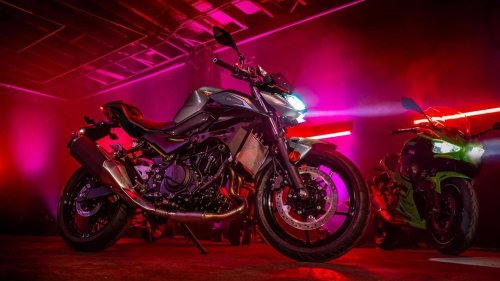
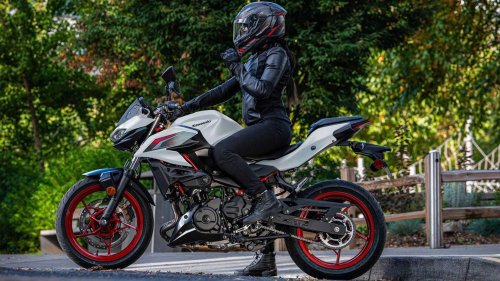
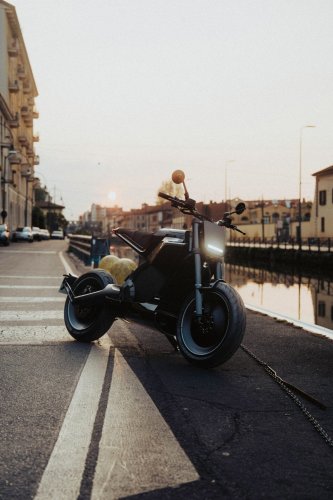
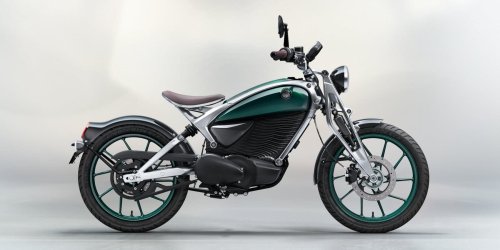
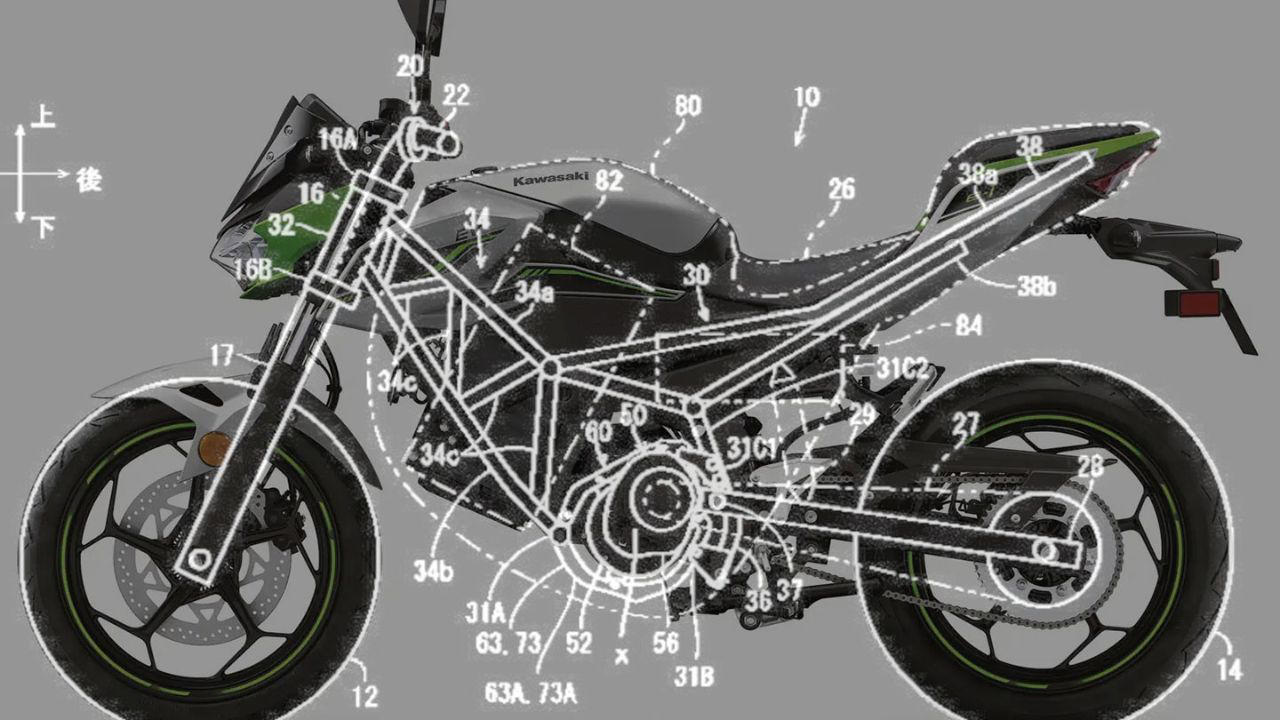
Kawasaki files patent for electric bike with wild modular motor techYou now have an early glimpse of how your next electric Kawasaki could be built, and it looks nothing like the fixed, one-and-done powertrains you are used to. A new patent filing outlines a modular electric motorcycle platform that lets you swap motors, batteries, and even subframes around a common core chassis, turning one bike into several distinct machines. Rather than treating the electric drivetrain as a sealed box, Kawasaki approaches it as a kit of parts you can rearrange for commuting, sport riding, or touring without buying a whole new motorcycle. What Kawasaki actually patented The core of the patent is a steel trellis main frame that acts as a spine for a family of electric bikes. According to technical descriptions, the frame carries a removable battery pack between its rails while the motor unit sits separately and connects through adjustable mounting points. As one report on unique electric motorcycle explains, electric power frees Kawasaki from the packaging limits that used to come from engine size and layout, which lets the company experiment with these sliding mounts. The patent drawings show the battery as a self-contained block that can be dropped out from below, while the motor bolts into a cradle near the swingarm pivot. That separation is deliberate, allowing Kawasaki to treat the motor and battery as independent modules that you could change without cutting or welding the frame. On top of that main frame, the design uses a two-piece subframe. You get an upper and a lower segment that can be unbolted and replaced to alter the tail section without touching the structural core. A detailed summary from Mar notes that the subframe is designed as upper and lower parts that you can swap to change the bike’s rear profile and load capacity, which gives you more flexibility when you want to move between solo sport use and luggage-carrying duty. One chassis, multiple personalities If you have followed electric motorcycles, you have seen shared platforms before, but Kawasaki is pushing the idea further. The patent is built around the notion that a single chassis can accept multiple powertrains and rear-end layouts. Coverage of the modular electric motorcycle makes clear that the main idea is one frame that can host different motors, batteries, and bodywork while the core structure stays the same. In practice, that means you could imagine a base bike with a modest motor and smaller battery for urban duty, then a higher output motor and larger pack for riders who want more performance or range. The company can mix and match these modules without redesigning the frame or the swingarm each time, which lowers development cost and makes it easier to put more variants on showroom floors. The two-part subframe adds another layer of personality. A low, short upper section can support a compact tail and higher rearsets for a sportier stance. A longer upper combined with a reinforced lower section can carry a pillion and luggage racks. Reporting from Mar on the modular frame notes that the subframe segments are meant to be easily swapped and modified for different models, which lets Kawasaki spin off naked, faired, and touring variants from the same skeleton. How the modular motor mounting works The wildest part of the patent sits where the motor meets the frame. Rather than fix the motor in a single position, Kawasaki uses a system of brackets and plates that effectively create adjustable mounting points along the frame rails. As described in the breakdown of plans for modular hardware, the motor can be mounted near the swingarm pivot in different orientations to match various motor sizes and gear reductions. This flexibility matters because electric motors and reduction gearboxes come in many shapes. Some are long and narrow, others are short and fat, and their ideal placement relative to the rear wheel changes. By giving itself a grid of potential mounting locations, Kawasaki can fit a small city-focused drive unit or a larger performance motor in the same frame while still keeping the chain or belt line where it needs to be. Serviceability is another advantage. If you ride high mileage or track days, you could theoretically replace a worn or outdated motor with a newer unit that fits the same mounting scheme. Reports on the concept of one chassis and multiple motor choices highlight that this approach would let Kawasaki offer different power levels during the order process, much like how you currently choose between engine tunes in models such as the Z e-1 and Ninja e-1. Battery pack and frame: built for swaps The patent also pays close attention to the battery. The removable pack sits between the steel trellis frame rails and is designed to drop out once you undo a set of fasteners. You do not have to dismantle the rest of the bike, which makes deep service or future upgrades more realistic. Descriptions of the patent drawings point out that the silhouette of the bike resembles current Kawasaki Z e-1 and Ninja e-1 models in layout, but the main chassis stays intact while the battery and motor change. For you as a rider, that opens the door to several scenarios. A dealer could sell the bike with a standard battery, then later offer a higher capacity pack that slides into the same bay. Fleet buyers could keep spare packs on hand and rotate them through a set of bikes. Even if Kawasaki never goes as far as quick-swap stations, the basic architecture makes long-term ownership more flexible. The steel trellis frame itself is not just a styling choice. As explained in another technical overview from Mar, this motorcycle uses a steel trellis frame with a removable battery pack placed between the frame rails, while the motor unit is mounted separately. That arrangement keeps the heavy components low and central, which helps stability and gives you more predictable handling even as you change other modules. Subframe, ergonomics, and how the bike feels Beyond the drivetrain, the two-piece subframe shapes how the bike fits you. The upper segment carries the seat and tail plastics, while the lower supports footpeg brackets and sometimes the rear shock mount. A separate analysis of the new patent reveals that these subframe parts can be replaced or modified to deliver different mounting points and load paths without changes to the main frame. That means Kawasaki can alter seat height, peg position, and luggage options with a few bolt-on parts. You could see a low-seat commuter variant that welcomes shorter riders, a mid-height naked bike for general use, and a taller adventure-flavored version with more suspension travel, all built from the same core structure. From a riding perspective, you gain more choice. Instead of compromising on a single ergonomics package, you can pick the configuration that matches your body and your trips, while still getting the same battery and motor technology that Kawasaki develops for the platform. What this could mean for your next electric bike For you as a potential buyer, the modular patent hints at several concrete benefits. First, you get more model variety from a single family of parts, so you are more likely to find a version that fits your needs and budget. Second, the ability to mount different motors and batteries gives Kawasaki a path to offer tiered performance without redesigning everything, which can keep prices competitive. Third, the architecture could help the dealer network. Partners already selling Kawasaki products and related gear, such as sport touring tyres, can stock a narrower range of core bikes and a broader range of bolt-on parts and modules. That simplifies inventory while giving you more customization at the point of sale. More from Fast Lane Only Unboxing the WWII Jeep in a Crate 15 rare Chevys collectors are quietly buying 10 underrated V8s still worth hunting down Police notice this before you even roll window down



















 +4 others